Grammarly Has Become Superhuman: Inside the Rebrand, New Suite, And AI Direction
Updated on
Published on

Grammarly is now Superhuman, and it's more than just a name change, it's a full rebrand. The company behind the world’s most popular writing assistant didn’t just refresh a logo; it took the Superhuman name and rebuilt itself around an AI-native productivity vision. If you’ve wondered what Grammarly and Superhuman means together—or how Grammarly updates now fit into your day—this is the moment the product you know turns into a broader system that helps you write, email, plan, and act.
At a Glance
- Grammarly is changing its company name to Superhuman, evolving from a single tool to a multi-product AI suite. (Business Wire)
- The Superhuman suite bundles four products: the classic Grammarly writing partner, Coda for docs and workflows, Superhuman Mail, and a new AI agent, Superhuman Go. (Fast Company)
- Superhuman Go connects to 100+ apps to perform tasks, not just draft text—think scheduling, summarizing threads, or pulling CRM context into outreach. (The Verge)
- The rebrand follows acquisitions of Coda (Dec 2024) and Superhuman Mail (mid-2025), consolidating everything under one name.
- Existing Grammarly users keep the writing experience, now as part of the Superhuman suite; new pricing for Go is slated after a free period.
Methodology
- We reviewed the official rebrand announcement and product pages to confirm naming, product lineup, and availability.
- We cross-checked background on the Coda and Superhuman acquisitions and leadership changes with coverage and company posts.
- We validated early hands-on details and what’s new in Superhuman Go via reputable tech publications.
What Actually Changed: The Name, The Scope, The Ambition
Grammarly is adopting the Superhuman name to signal an expansion from “help me write better here” into “help me work faster across everything.” The original Grammarly product still exists, but it’s no longer the whole story. The company is positioning itself as an AI-native productivity platform—a move that makes sense after years of living inside emails, docs, help desks, and CRM tools where people already spend their time. (Business Wire)
- The company name becomes Superhuman; the Grammarly writing assistant remains as a core product inside the suite. (Grammarly)
- Strategy shifts from single-surface writing help to multi-surface, agentic assistance that can act across apps.
- Leadership reinforces a platform narrative, not a feature update, aligning past acquisitions to one brand. (Reuters)

Meet The Superhuman Suite
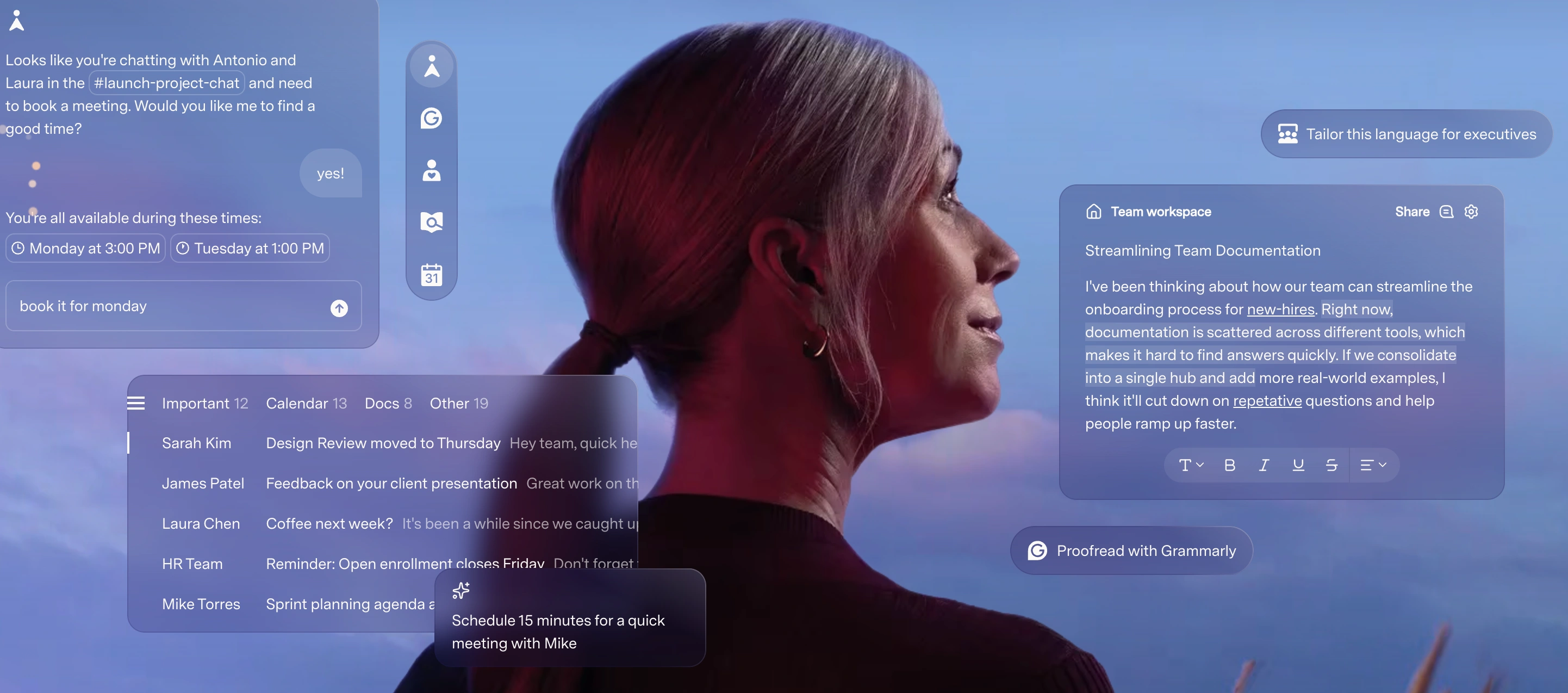
The new lineup is designed to take you from drafting to doing. Grammarly remains the trusted writing partner. Coda handles docs, tables, and lightweight apps that teams turn into workflows. Superhuman Mail is the AI-native inbox known for speed and shortcut-driven flow. And Superhuman Go is the connective tissue: an AI agent meant to pull context from your tools and complete tasks without forcing you to switch windows.
- Grammarly: clarity, tone, rewriting, and multilingual expansion continue; it’s now part of a larger bundle. (Grammarly)
- Coda: an all-in-one workspace for docs, data, and automations—acquired late 2024 and now fully aligned with the suite vision. (Reuters)
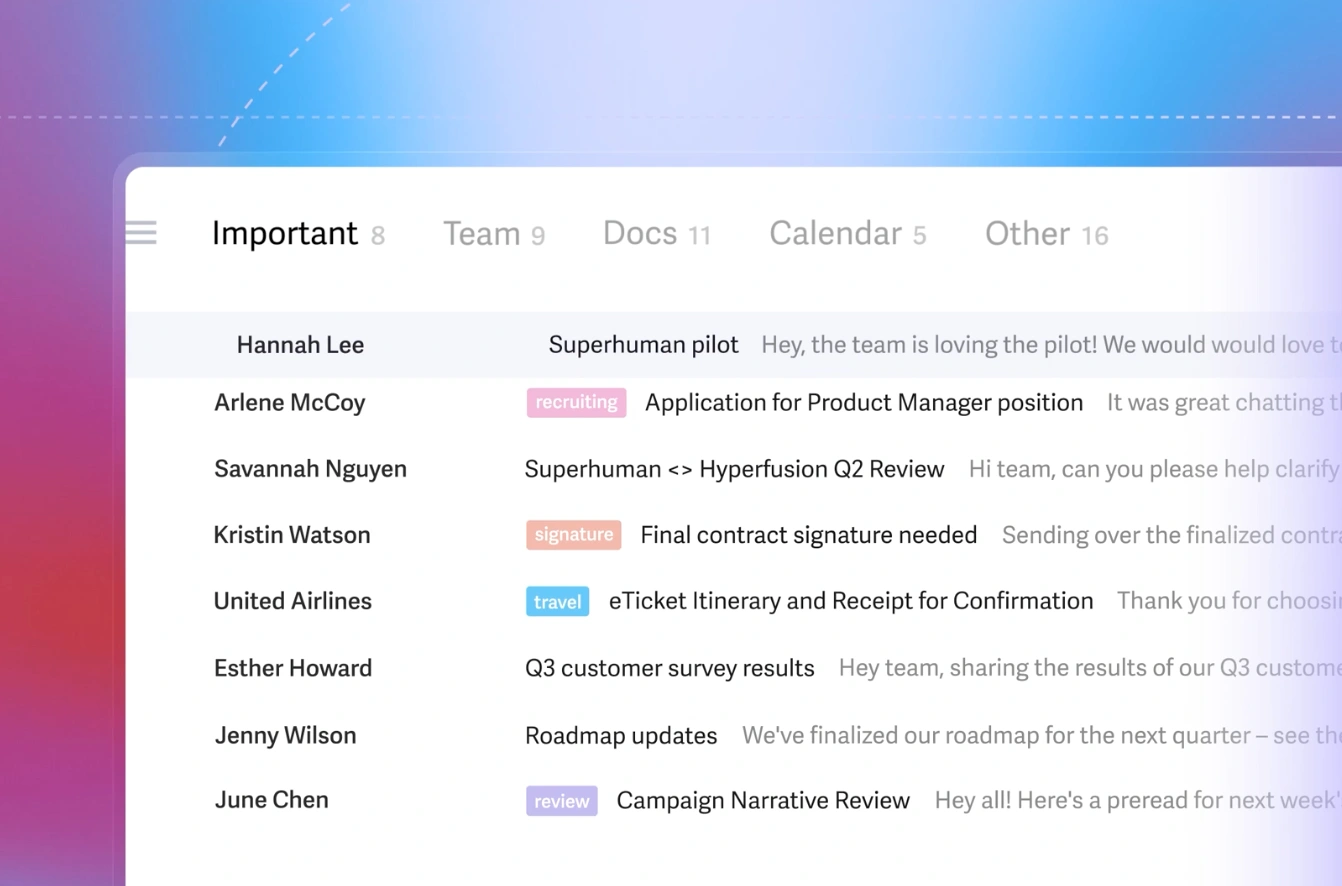
- Superhuman Mail: the fast email client Grammarly acquired in 2025; now a flagship surface for AI workflows. (Superhuman Blog)
Superhuman Go: From “Write It” To “Handle It”
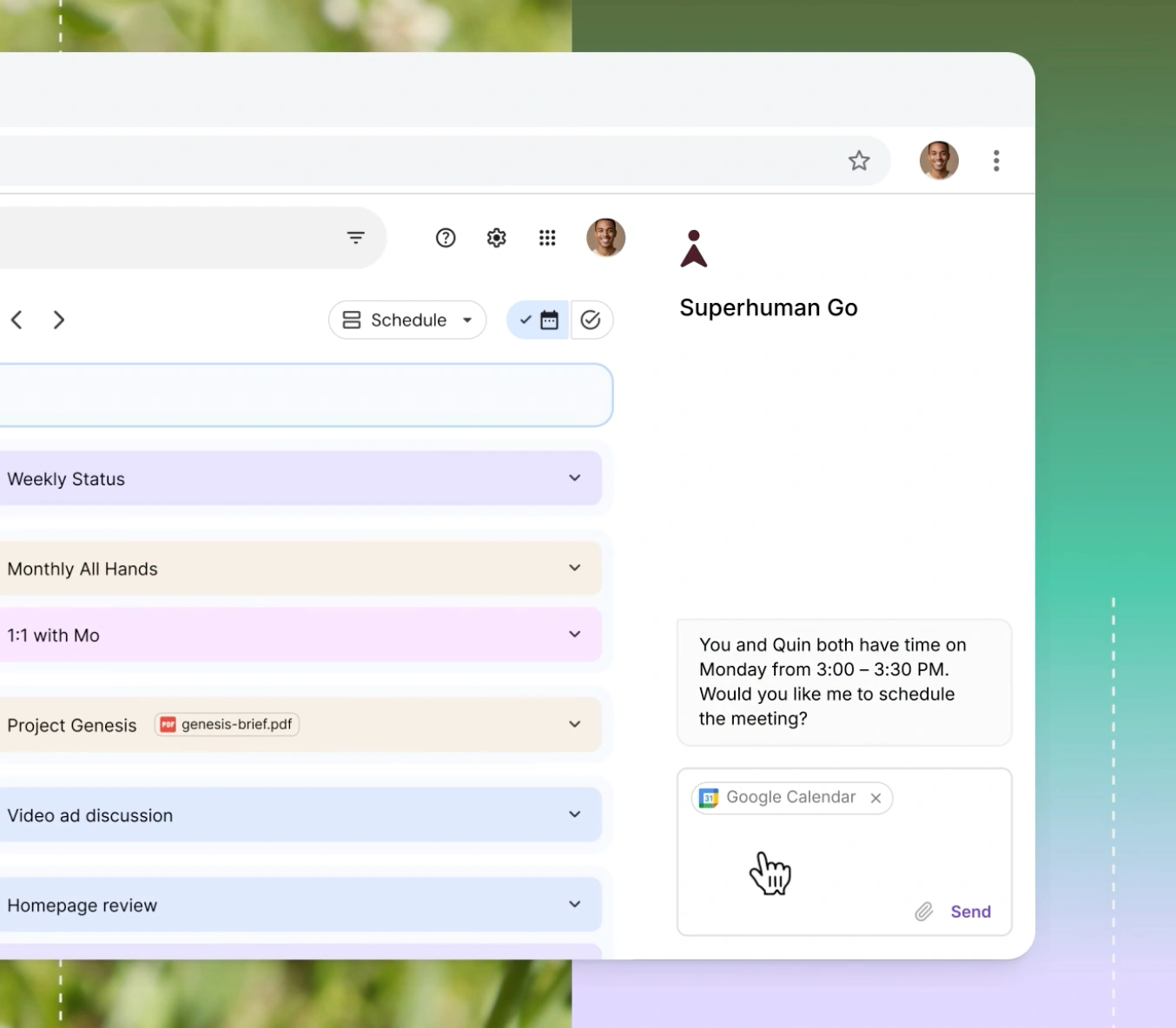
This is where the rebrand earns its name. Superhuman Go isn’t just a better prompt box; it’s designed to be an agent that can use data from your calendar, docs, CRM, or inbox to make smarter decisions—like scheduling a meeting with the right stakeholders, summarizing a week of Slack updates, or tailoring an outreach email based on a live account plan. The goal is to dissolve the friction between where information lives and where work happens. (AI Business)
- Integrations across 100+ apps enable context-aware actions rather than isolated text generation. (Superhuman)
- Early design keeps familiar Grammarly affordances while elevating cross-app execution.
Why The Superhuman Name—And Why Now?
Grammarly has long been synonymous with good writing, but email is where knowledge workers spend hours every day. After acquiring Superhuman Mail and Coda, the company had three distinct brands tackling the same problem from different angles. Unifying under Superhuman makes the suite feel like one product—and signals a head-on move into the AI productivity race where Google, Microsoft, and others are building agentic systems that span mail, meetings, and documents. (Reuters) (The Verge)
- Consolidation reduces brand fragmentation and clarifies the platform’s story.
- Email’s centrality justifies investing in an owned, AI-native inbox as a primary surface.
- Competitive context: a unified agent and suite is table stakes for enterprise adoption.
Pricing, Access, And What Existing Users Get
If you’re already using Grammarly, your writing tools don’t vanish—they’re wrapped into the Superhuman bundle. The company is introducing Superhuman Go with an initial free period for current Pro subscribers, with finalized pricing to follow. Expect a single subscription that unlocks the suite, with enterprise controls and data protections consistent with what large customers expect from Grammarly today. (The Verge)
- Availability: products in the suite are available together as a bundled subscription starting now. (Grammarly)
- Free window: Superhuman Go launches with a promotional free period before paid tiers roll in.
- Continuity: existing Grammarly features, extensions, and editor experiences remain accessible within the suite. (Grammarly)
The Product Philosophy: From Corrections To Capabilities
Grammarly updates used to mean better grammar, deeper rewrites, or new languages. Those continue, but the philosophical shift is toward capabilities—agents that can reason over your context and execute steps you’d otherwise do manually. That’s crucial for teams drowning in tools; the fastest way to work isn’t switching less, it’s not needing to switch at all. (AI Business)
- Agents that understand who, what, and when in your workflow are the next leap beyond drafting. (The Verge)
- The suite plants Superhuman as a daily driver across mail, docs, and planning—where the time actually goes. (Fast Company)
- Enterprise readiness matters: governance and security expectations carry over from Grammarly’s footprint.
What Happens To “Grammarly” The Product?
The Grammarly you know keeps doing what it does best—clarifying, rewriting, and elevating your drafts—now positioned as a pillar inside Superhuman. If your priority is writing quality, nothing gets taken away; you just gain access to surfaces and an agent that can move your work forward. For many users, the journey starts exactly where it always has: in an email, a doc, or a browser extension.
- Browser extensions and editor experiences remain core.
- The name Superhuman houses the writing assistant rather than replacing it in spirit.
FAQ
Is Grammarly actually changing its name to Superhuman?
Yes. The company is adopting the Superhuman name while keeping the Grammarly writing product inside a unified suite.
What’s included in the Superhuman suite?
Four pillars: Grammarly (writing), Coda (docs and workflows), Superhuman Mail (AI-native inbox), and Superhuman Go (agent).
What is Superhuman Go and how is it different from GrammarlyGO?
Superhuman Go is an agentic layer that connects to your tools and can take actions across them, going beyond text generation to execution.
How much will Superhuman Go cost?
It launches with a free period for existing Pro subscribers, with pricing to be announced afterward.
Why rebrand at all?
To align the company around a broader AI productivity vision and consolidate multiple products and acquisitions under one clear brand.
The Why Behind “Becoming Superhuman”
When a household-name tool gives up its name, it’s not a stunt—it’s a statement. By unifying writing, email, documents, and agents under Superhuman, the company is betting that the next advantage isn’t better drafts; it’s fewer steps. If the suite can truly understand your context and act on it, the best work won’t just read better—it’ll ship faster. And that’s a future worth writing, sending, and scheduling for.