
Wildflower Cases looks like a simple phone case brand, but its branding behaves more like a cult fashion label than a tech accessory company. The Wildflower cases story starts with a DIY denim case, a family in Los Angeles, and a chance encounter with Miley Cyrus that turned a hobby into a business overnight. (Forbes)
Instead of growing into a faceless accessories giant, the Carlsons kept Wildflower intimate, women-owned, and rooted in friendship and internet-girl culture. (Wildflower Cases) That decision defines everything about Wildflower cases marketing today, from its limited-edition drops to its carefully curated collaborations.
- Wildflower Cases branding positions the product as a tiny, personal fashion statement rather than a generic protective shell.
- The brand’s universe is built around real people — Michelle, Devon, and Sydney — and the cool, it-girls they collaborate with. (Wildflower Cases)
The Wildflower Cases Story
The Wildflower cases story is surprisingly cinematic: Michelle Carlson made embellished cases at home because she couldn’t find anything “cute and protective” for her daughters’ iPhones. (Wildflower Cases) During a family dinner in 2012, Devon and Sydney ran into Miley Cyrus in a bathroom line; she noticed the case, asked for one, and later posted about it, sending waves of fans searching for the brand. That moment pushed the family to launch a website and treat Wildflower as a real brand, not just a craft project.
- From day one, Wildflower Cases branding has celebrated being women-owned, family-run, and proudly LA. (Wildflower Cases)
- The Miley Cyrus origin is retold in interviews and on social, giving the brand a memorable, shareable founding myth. (Forbes)
View this post on Instagram
A post shared by Wildflower Cases (@wildflowercases)
Core Branding Pillars
Three ideas sit at the heart of Wildflower Cases branding: “exclusive,” “handmade,” and “for the girls.” The brand’s about page emphasises that every case is designed by Michelle, Devon, and Sydney and released in exclusive, limited runs. (Wildflower Cases) The phone cases’ product descriptions emphasise how each piece is a limited edition commodity or a one-of-a-kind accessory, with tiny variations that come from hand-assembly in Los Angeles. This framing turns a commodity object into something collected, not just consumed.
- Wildflower cases marketing uses language you’d expect from a jewellery or apparel brand, not a tech company, which elevates the perceived value.
- Scarcity is structural, not gimmicky: when a design is gone, it usually doesn’t come back, which trains fans to move quickly.
Aesthetic And Identity
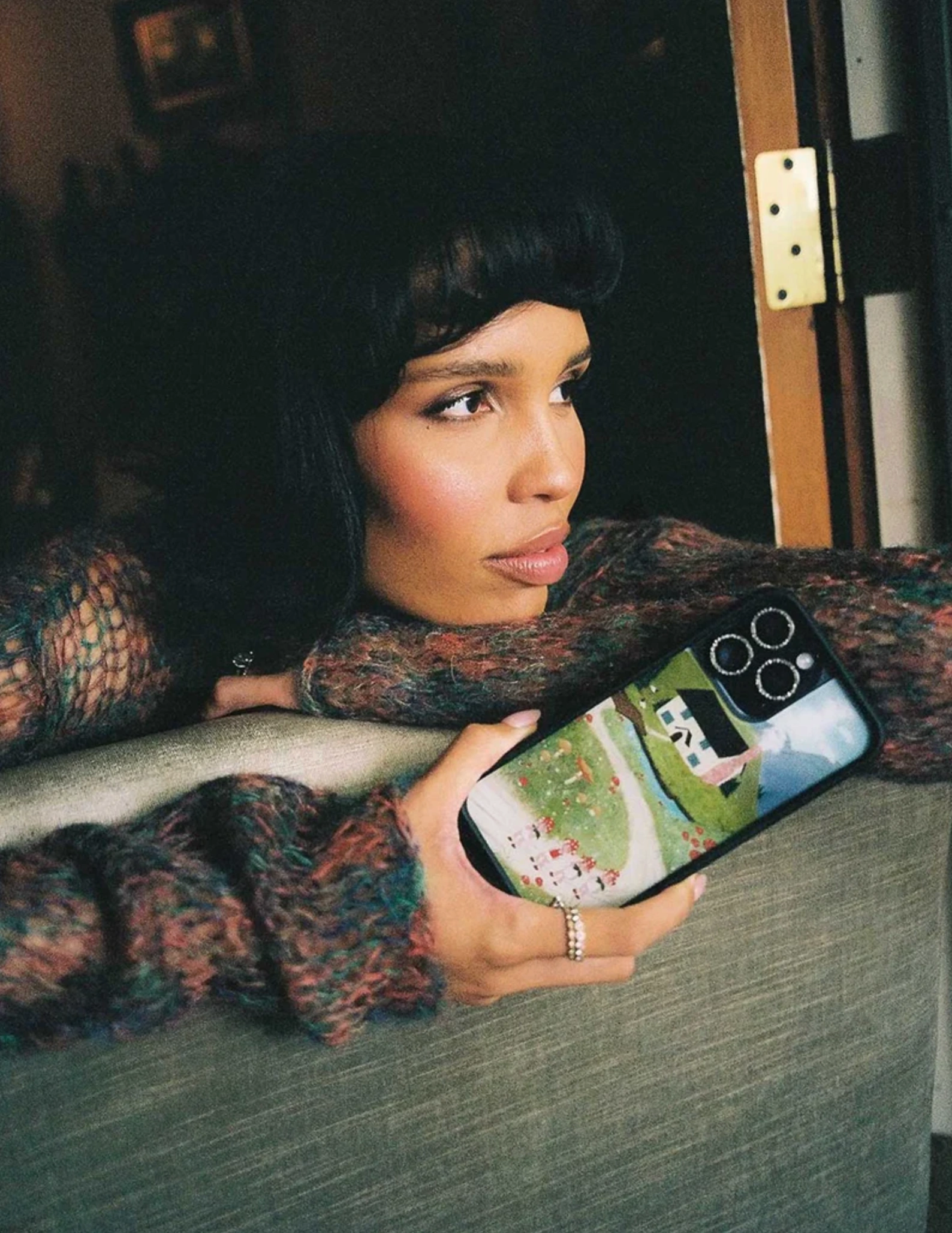
Wildflower Cases branding leans into a very specific visual language: Y2K, Tumblr, LA nightlife, and soft-goth coquette all at once. The brand’s own blog talks about “aesthetic phone cases” that make your phone feel like “an extension of your own personality.” (Wildflower Cases) Motifs like cherries, stars, bows, studs, denim, and hazy skies show up again and again, creating instant recognition in mirror selfies and TikToks. (Nylon) Even without seeing the logo, you can usually clock a Wildflower case from across a feed.
- Category pages are sorted by style tribes (coquette, cottagecore, gothic glam), reinforcing that Wildflower is selling brand identity, not just hardware.
- The cases are also functional, with solid bumpers and raised lips, so fans don’t have to choose between vibe and protection.

Collaboration Strategy: Building A Friend-Circle Brand
Wildflower cases collaborations feel less like corporate deals and more like expanding a friend circle. The collabs page literally describes partners as “some of our closest friends who’ve supported Wildflower since the beginning.” (Wildflower Cases) Early collabs with Emma Chamberlain, Salem Mitchell, Antonio Garza, Adelaine Morin, and Amanda Steele tapped directly into the YouTube and Instagram communities that already loved the brand. Each collaboration lets a creator’s aesthetic crystallise into a single case that feels personal rather than generic.
- Wildflower Cases marketing treats each collab as a tiny, co-designed art object, not just a logo slapped on stock artwork. (Wildflower Cases)
- Because the collaborators are already “Wildflower girls” in fans’ minds, the brand extensions feel organic and trustworthy.
-1.webp)
Iconic Early Collaborations
The Emma Chamberlain collaboration is often cited as a turning point in Wildflower cases marketing. Emma had been a fan for years; when her collab dropped, it was framed as her own design and produced in limited quantities, instantly cementing it as collector’s merch. (Amazon) Similar energy surrounded collabs with other influencers, whose cases matched their personal online aesthetics and gave fans a literal way to “hold” that vibe.
- These early Wildflower cases collaborations taught the brand that the right internet personality can move cases like band tees, not just accessories.
- By choosing creators rather than traditional celebrities, Wildflower stayed tightly aligned with the communities that were already driving its growth.
Fashion And Culture Collaborations
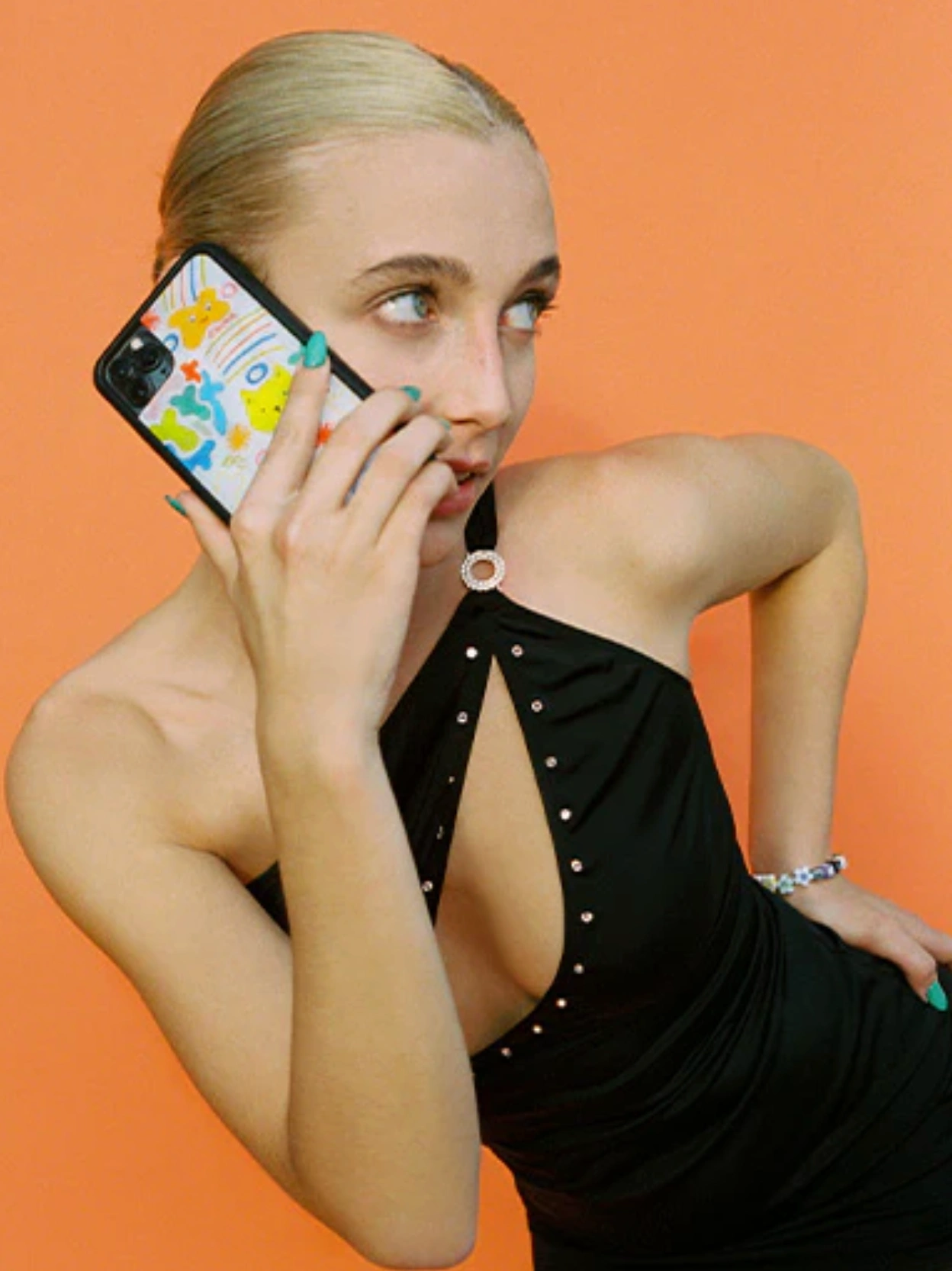
As Wildflower grew, so did the scope of its partnerships. Cases with designers like Sandy Liang and Ashley Williams, and with artists like Laufey, let the brand tap into fashion and music subcultures while keeping prices accessible. (Wildflower Cases) The Ôrebella collaboration with Bella Hadid pushes this even further: the limited-edition Wildflower x Ôrebella case features a celestial sky and crescent moon, designed by Bella and “her besties” Devon and Sydney. (Wildflower Cases)
- These fashion-forward Wildflower cases collaborations let the brand borrow runway and celebrity energy without abandoning its indie, handmade roots.
- Campaign imagery; like Bella’s bridal-coded lingerie shoot with the Carlson sisters doubles as high-fashion content and social bait, amplifying reach. (People)
The Gabbriette Collaboration
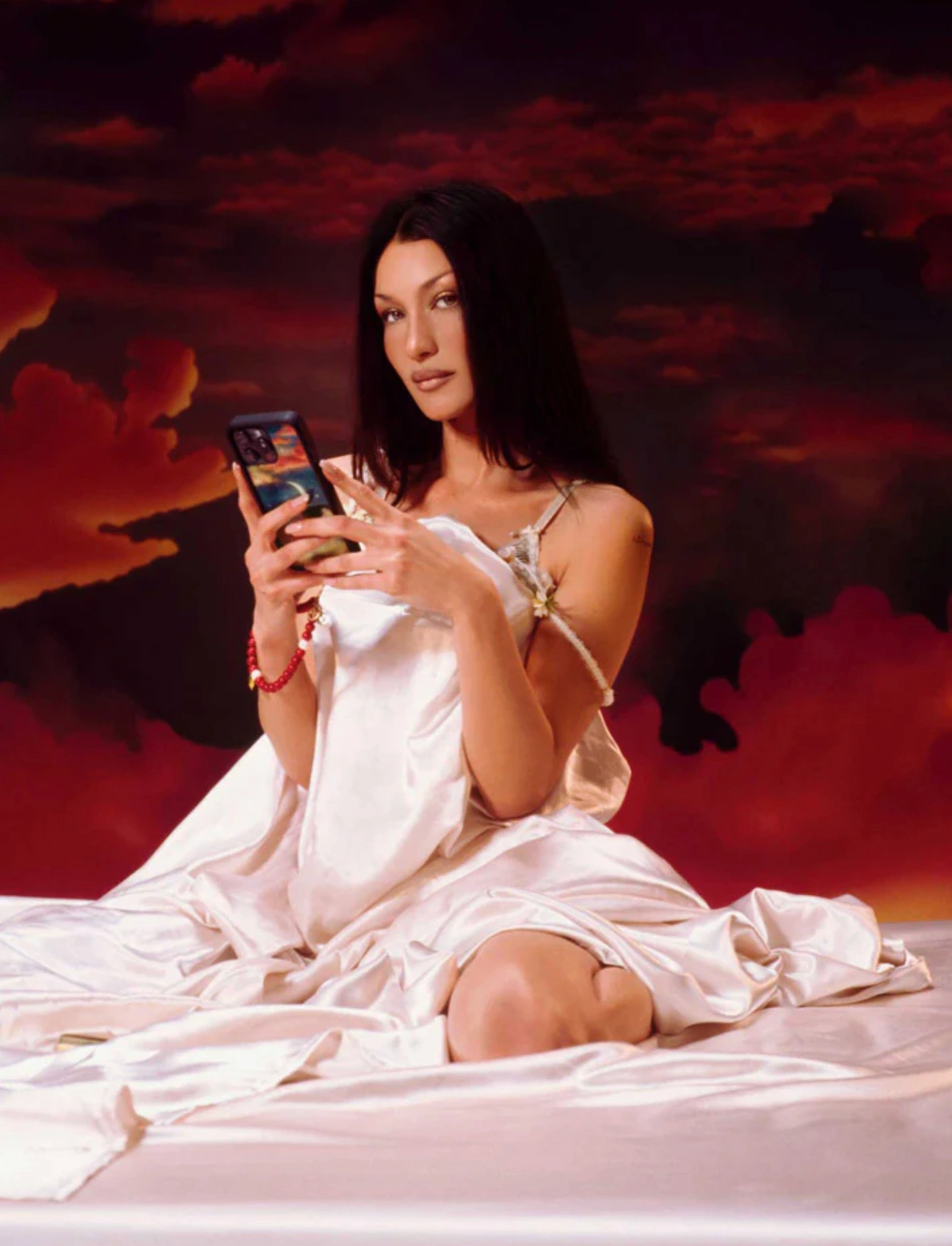
The Gabbriette x Wildflower drop is a perfect snapshot of how Wildflower Cases branding evolves without losing itself. The case is described as “as daring as it is dreamy,” mixing delicate lingerie details and star accents that mirror Gabbriette’s tattoos, set against a washed, misty blue that feels like a faded ’90s daydream. (Wildflower Cases) Press coverage from Nylon and Wildflower’s own posts frame it as “the sexiest phone case” and warn that, like anything Gabbriette endorses, it will not stay in stock long. (Nylon)
- This collaboration shows how Wildflower cases marketing taps into current “It girl” energy while still fitting the brand’s soft-dark, Y2K-meets-lingerie aesthetic. (Nylon)
- Expanding the collab to both iPhone and Samsung models broadens reach while keeping the design strictly limited-edition to preserve hype. (Wildflower Cases)
The Drop Model And Social Engine
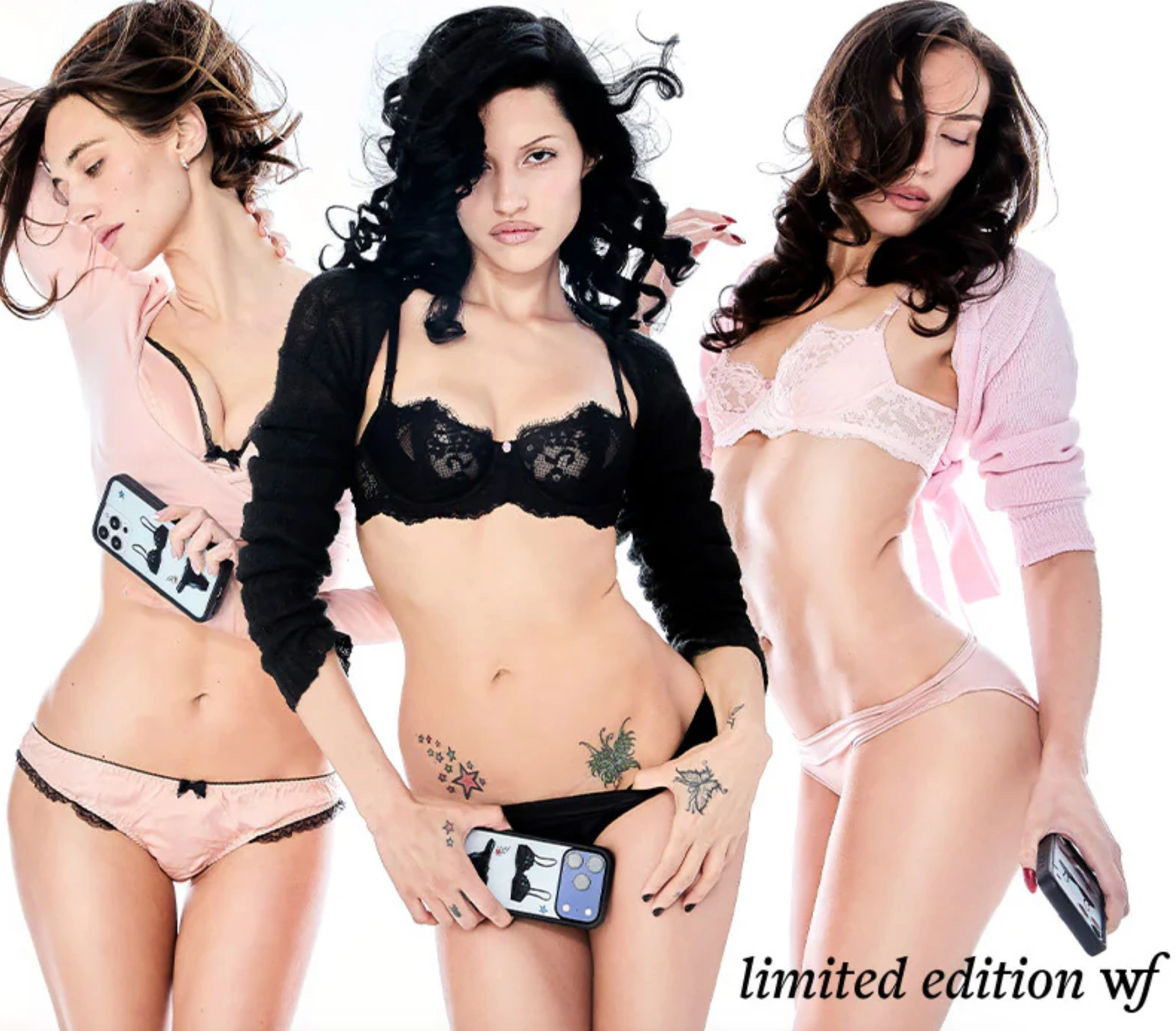
Behind the scenes, Wildflower Cases marketing relies on a tight drop model and heavy social proof. Official copy and strategy write-ups emphasise that cases are exclusive, rarely restocked, and often sell out quickly, which creates a constant sense of urgency around new releases. On Instagram and TikTok, Devon and Sydney act as both founders and influencers, showing cases in their own outfits and nightlife photos, turning personal style into a marketing channel. They have also partnered with brands like For Love and Lemons.
- Every mirror selfie becomes an ad: Wildflower designs are recognisable from the front of the phone, so UGC is inherently branded. (Teen Vogue)
- The combination of scarcity, recognisable aesthetics and always-on social presence creates a loop where fans constantly see, want, and flex new cases. (Wildflower Cases)
FAQ
What makes Wildflower Cases branding different from other phone case brands?
It feels like a small fashion label run by real people rather than a tech company, with handmade limited edition designs and a very feminine conversational voice.
Are Wildflower cases actually protective or just aesthetic?
They pair bold prints with sturdy bumpers and raised edges so they can handle everyday drops while still looking like a style accessory.
Why are most Wildflower designs limited edition?
Small runs keep stock risks low as phone models change and also create genuine urgency and collectability for fans.
Why do so many influencers and internet it girls use Wildflower Cases?
The brand has grown alongside their communities, offers cases that match their aesthetics, and still feels like an indie label rather than a corporate sponsor.
.webp)
Why Wildflower’s Branding Feels So Unique
Taken together, Wildflower Cases' branding, story and its collaboration strategy create a brand that feels much bigger than its product category. The company never pretends to be neutral; it is loudly feminine, community-driven, and emotionally attached to a phone case as an extension of identity. (Wildflower Cases) By keeping the family front and centre and surrounding them with a cast of collaborators that look and dress like their customers, Wildflower cases marketing makes each drop feel like a new chapter with friends rather than a random seasonal SKU.
- In a world of simple phone cases, Wildflower Cases' branding proves that even a small rectangle of plastic can carry story, status, and self-expression.
- That mix of personal origin, limited-edition product, and carefully curated Wildflower cases collaborations is what keeps the brand on every cool-girl gift guide, and in every mirror selfie.


%2520(1).png)