Decision-makers are buying attention in a world where audiences skip ads, pay for ad-free tiers, and watch on demand. Product placement sits in the middle of that shift. It puts brands inside the content people choose, in a way that can feel natural when the fit is right.
PQ Media estimated global product placement spending at $29.63 billion in 2023 and projected continued growth in 2024 as production pipelines reopened after the strikes. (PQ Media’s forecast release) This channel is now a standard line item for many marketers, not a novelty.
Why Product Placement Still Works in 2026
Product placement works because it borrows trust from the story. When a product appears as part of a character’s routine, the audience processes it as context, not interruption.
Distribution has also fragmented. A single plan now spans streaming, short-form video, podcasts, and creator-led series. Brands use brand integration to keep the signal consistent across these surfaces, then reinforce it through owned channels and retail.
There is a business reason, too. As traditional TV economics tighten, producers look for branded entertainment deals to offset budgets. That creates more opportunities, and it also raises the bar for taste and relevance.
What is Product Placement?
Product placement is the intentional appearance of a branded product, service, or logo inside entertainment or editorial content. It can be paid, bartered, or purely editorial. It is still product placement when the brand is recognizable and the appearance is intentional.
This is not the same as a traditional media spot. It is closer to brand integration, where the brand belongs in the scene and sometimes in the storyline.
In practice, branded entertainment sits on a spectrum that includes partnerships, brand integration, and product placement.
It is also not the same as influencer marketing. Influencers can create endorsements, which may trigger different disclosure expectations. The Federal Trade Commission’s guidance focuses on whether a material connection would affect how an audience evaluates the endorsement.
At A Glance: The Four Ingredients That Make Placements Effective
A placement can look impressive and still do nothing. Strong product placement tends to share four ingredients.
- Audience fit: the viewers match your buyers, not just your vanity metrics.
- Narrative fit: the brand belongs in the character’s world.
- Clarity: the product is visible or used long enough to register, without feeling forced.
- Follow-through: the placement connects to an integrated marketing campaign and a landing experience that converts.
If one of these breaks, brand lift suffers, and the moment becomes expensive set dressing.
How Product Placement Works Behind the Scenes
Most deals follow a predictable sequence. Understanding the workflow helps you buy the right outcome, not just the right title.
A repeatable product placement process also reduces internal friction, especially when legal, brand, and performance teams share approvals.
What Brands Pay For
Some deals are cash. Others are barter, where the brand provides products, wardrobe, vehicles, locations, or services.
In both cases, the buyer is paying for certainty and control. A strong brand integration agreement specifies what appears on screen, how it is used, and what happens if the scene is cut.
What Producers Want
Producers care about realism, production value, and schedule. They prefer brands that can deliver on time, in the right quantities, with simple approvals.
They also prefer partners that do not force awkward dialogue. The best branded entertainment protects the story first, then lets the product earn attention.
What A Deal Usually Includes
A typical package can include:
- Integration level (background, handled, spoken, plot-relevant)
- Approval rights and brand safety guardrails
- Exclusivity by category
- Usage rights for stills or clips in your own marketing
- Timing: whether you can promote during a release window
If your goal is pipeline, you also need the downstream plan. That is where search engine optimization and web analytics become part of the buy.
.webp)
Placement Formats and When to Use Each
Not all product placement formats are created equal. The format you choose should match your objective, your risk tolerance, and how much narrative access you need.
Visual Placement
This is the classic on-screen appearance. It is often the lowest risk option because it does not require dialogue or character behavior to change.
Visual placements work best when packaging is distinctive, the use case is obvious, and the scene gives enough time for recognition.
Verbal Mention
A character says the brand name. This can create high recall, and it can also feel intrusive if the script reads like copy.
Verbal mentions work best when the brand is already part of the culture, or when the mention is necessary to the plot.
Usage Placement
A character uses the product. This is where brand integration becomes more valuable than a logo shot, because the audience sees function.
Usage placements are often where you see measurable brand lift, especially for categories where experience matters, like food, devices, or travel.
Plot Integration
The brand is part of the storyline. This is high impact and high scrutiny.
Plot-based branded entertainment requires tighter legal review, clearer sponsorship disclosure planning, and a stronger internal approval process.
Digital and Virtual Insertions
Some integrations are added after production. PQ Media described growth in virtual and AI-enabled formats, including approaches that can route viewers to commerce experiences.
This can help with international versions and refresh cycles, but it increases governance complexity. You need rights, clearances, and a plan for sponsorship disclosure across markets.
Recent Examples That Moved Culture
The best examples are not always the most expensive. They are the ones where brand integration supports the world, then gets amplified by everything around it.
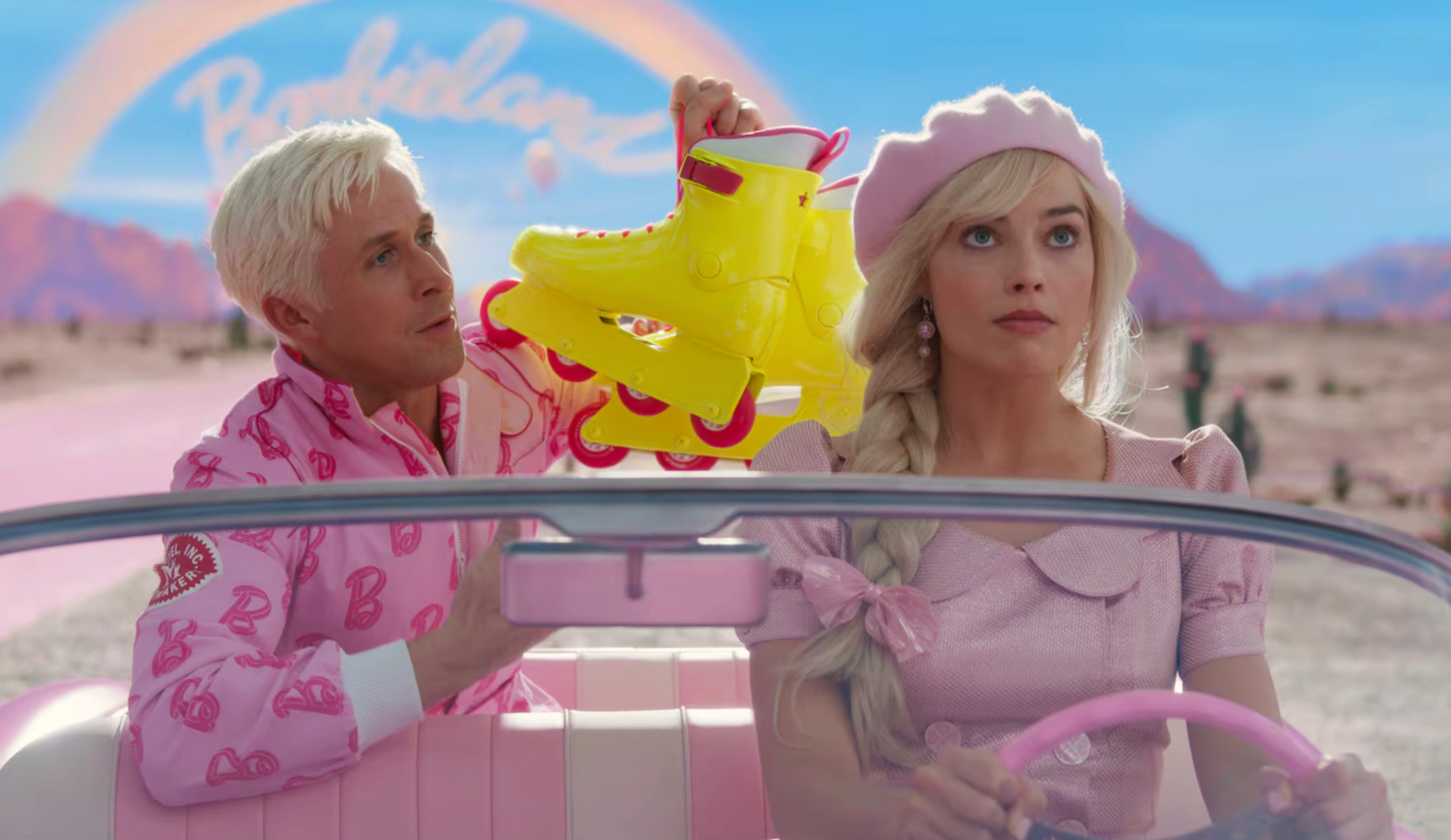
Barbie: Partnerships at Scale
The Barbie release showed how branded entertainment can extend beyond a film and into retail, licensing, and social distribution. Mattel said it planned movie-themed products with over 100 brand partners. (Matte)
For operators, the lesson is that a screen appearance is not the whole strategy. The placement gets stronger when it is paired with a clear merchandising plan, an integrated marketing campaign, and a conversion path that respects the audience.
Wicked: Collaboration Before Release
Vogue Business reported that Wicked generated a wave of brand capsule collections ahead of the film’s release, alongside measurable search and media impact for participating brands. The takeaway is that world-building matters. When the audience wants to live in the story, partnerships and placements become more than exposure, and brand lift becomes easier to sustain across channels. (Vogue)
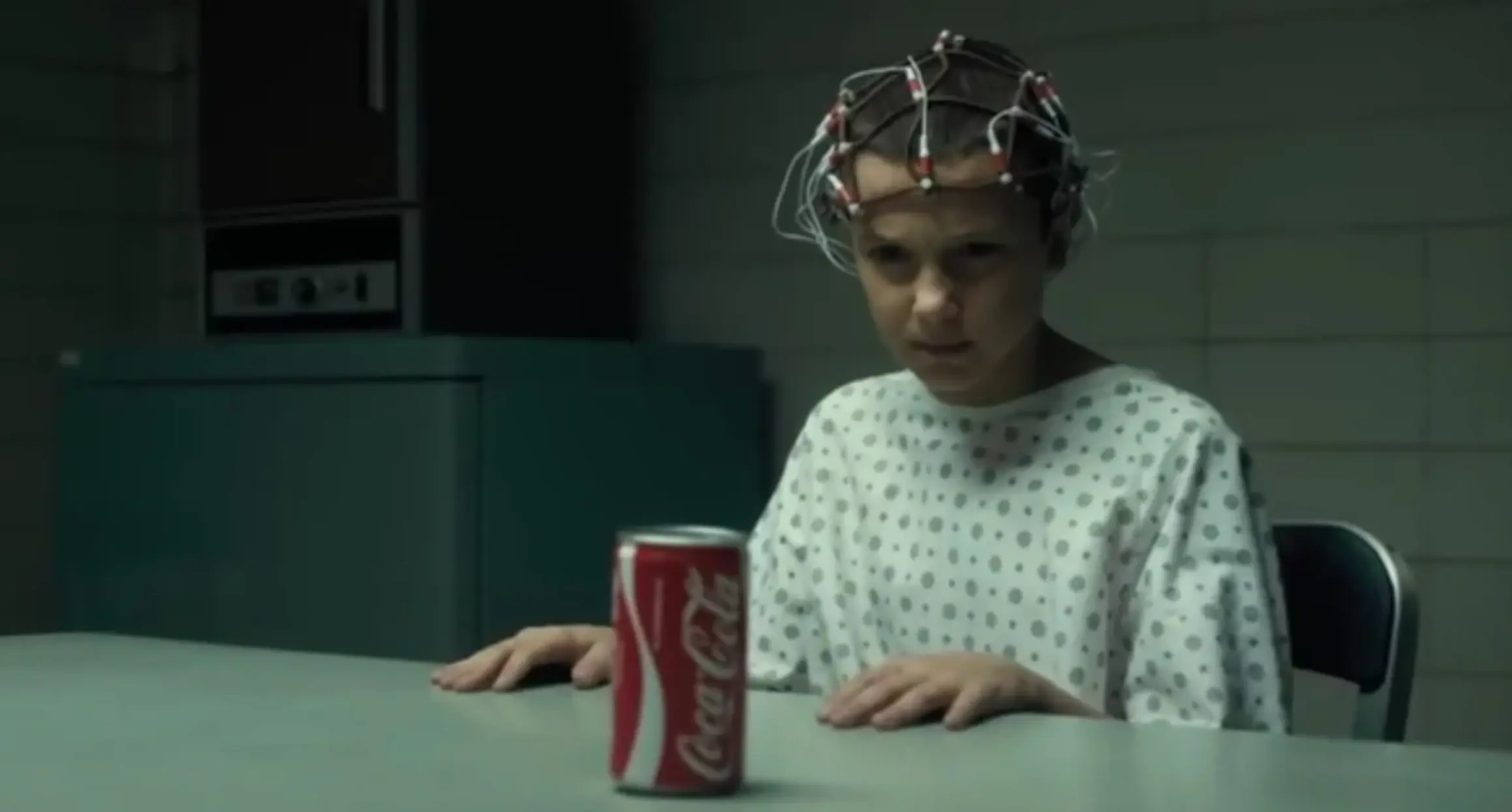
The Bear and Coca-Cola: Seamless Presence Plus Activation
In streaming series, placements often blend into the setting. Marketing Dive reported that Coca-Cola secured in-show integrations tied to The Bear as part of a broader partnership. (Marketing Dive)
The lesson is structural. When the team aligns with a show’s tone, the result reads as realism. When the moment is paired with off-platform activation, brand lift becomes more measurable.
Story Worlds as Inventory
Warner Bros. Discovery has discussed building brand campaigns inside major franchises through its Storyverse initiative, which signals a move toward branded entertainment ecosystems. (The Verge)
This is not classic placement. It is brand integration at the IP level. The takeaway is that entertainment companies are productizing story worlds, which changes how brands negotiate scope, rights, and disclosure.
What High Volume Looks Like
PQ Media’s release highlighted how crowded some titles have become, including examples of series with 100-plus products placed and films where a meaningful share featured 10 or more integrations.
When the screen is crowded, audiences notice. That is why restraint and fit matter as much as reach.
Costs, Contracts, and Disclosure Requirements
Product placement is not just creative. It is procurement, legal, and risk management.
Fees vs. Barter
Costs range widely based on title, integration level, and exclusivity. Barter is common for categories where the product is expensive or hard to source, such as vehicles, wardrobe, and locations.
Even when cash is not exchanged, the relationship can still be commercial. Treat it like a media buy. Document the scope, the obligations, and the approvals.
Rights, Approvals, and Brand Safety
Your contract should define:
- Where the product appears and how it is used
- What claims are implied, if any
- What you can do with the content after release
This is also where approvals can fail. If the brand is slow, production moves on. If you over-control, you create friction that harms the relationship.
Sponsorship Disclosure Basics
Disclosure requirements depend on the medium and jurisdiction. In the United States, the FCC has sponsorship identification rules for broadcast content. (FCC)
For paid endorsements and similar promotional relationships, the FTC’s Endorsement Guides are a practical baseline, including guidance on when a material connection should be disclosed. (FTC)
Do not treat sponsorship disclosure as a footnote. It is part of trust, and it can affect brand lift if audiences feel misled.
How To Get Product Placement for Your Business
Getting product placement is easier when you treat it like a disciplined partnership, not a cold pitch.
Start With a Placement Brief
Define:
- Who you need to reach
- The behavior you want to change
- The environments where the product is naturally used
This brief is also your internal guardrail. It prevents you from chasing titles that look prestigious but do not match your buyers.
Build a Simple Integration Kit
A kit should include:
- Product shots and a one-page spec sheet
- Brand do’s and don’ts in plain language
- Logistics: who ships, what is available, and lead times
Keep it practical. Producers do not need a manifesto. They need to know the product will arrive and approvals will not stall.
Find the Right Entry Points
Options include:
- Production company integration teams
- Props departments for lower-tier placements
- Entertainment marketing firms that broker branded entertainment deals
If you are a growth-stage company, start where you can win. That often means fewer, tighter integrations with clear activation plans. If you want support aligning the work with your demand engine, startup marketing services and a strong content system can keep the effort disciplined.
Negotiate for Outcomes, Not Just Screen Time
Ask for deliverables you can measure:
- A clear integration level
- Rights to use stills in ads or on product pages
- A release window you can plan around
If the appearance cannot be activated, it becomes passive awareness. That can still work, but it is a different bet.

How to Measure Placement Impact
Product placement is hard to measure when you treat it like a background cameo. It becomes measurable when you connect it to a conversion path.
Define the Metric Before You Buy
Choose one primary outcome:
- Brand lift and consideration
- Search demand and site traffic
- Direct response and sales
If revenue is the primary target, negotiate for rights and tracking that connect the moment to qualified traffic and sales outcomes.
Each requires different instrumentation. A brand integration deal that aims for direct response needs tighter controls than one built for awareness.
Use a Landing Experience Built for the Moment
If you expect a spike in curiosity, your site must handle it. That means fast load times, mobile clarity, accessibility, and a page that answers the question the viewer is asking.
This is where a web design agency and a UI UX design agency can reduce waste. Attention is fragile, and poor UX can erase brand lift in minutes.
Measurement Tactics That Work
Use a mix of signals:
- Search lift for branded queries
- Direct and referral traffic during release windows
- Offer codes and partner URLs where appropriate
- Brand lift studies for awareness and intent
If you need a practical baseline, set up your measurement plan before the deal closes. A marketing consultation and audit can help you do that without guessing.
Common Mistakes and How to Avoid Them
Most failures are not creative. They are operational.
Chasing Prestige Over Fit
A show with cultural heat can still be wrong for your buyers. Product placement works when the audience overlaps with your demand profile.
Over-Scripting the Moment
When you force dialogue, the audience feels it. The goal is an integration that reads like realism.
Ignoring Sponsorship Disclosure
If the relationship is material, plan sponsorship disclosure early. Treat it as part of the creative, not a compliance afterthought.
Skipping the Post-Release Plan
The placement is the spark. Your owned channels, SEO, and commerce path carry the load after. That is why your branding agency system and distribution plan matter as much as screen time.
-1.webp)
A Practical Playbook for Businesses of Any Size
This is a practical way to use product placement without over-committing.
Tier 1: Local and Creator-Led
Small businesses can start with branded entertainment at the creator level. Think podcasts, local series, and micro-documentaries where the product is naturally used.
The priority is fit and follow-through. Use simple codes, clear landing pages, and a product story that matches the content.
Tier 2: Growth-Stage and Regional
Mid-market brands can pursue formal brand integration deals with streaming, event content, and niche sports.
This is where your category positioning matters. If you need clarity on message and audience, start with brand strategy and connect it to a distribution plan.
Tier 3: Enterprise and Multi-Market
At scale, product placement becomes portfolio management. You plan multiple integrations, negotiate rights, and build repeatable governance for approvals and sponsorship disclosure.
This tier benefits from tight coordination between brand, legal, and performance teams. It also benefits from a broader demand engine, especially for B2B categories where sales cycles are longer. B2B marketing agency
Key Takeaways and Next Steps
Product placement works when it is treated as a system, not a cameo. The discipline is to protect the story, design the product appearance for real use, and connect the moment to measurable outcomes.
Key takeaways:
- Choose placements for audience fit and narrative fit.
- Plan sponsorship disclosure as part of trust.
- Build for brand lift with a strong landing experience and measurement plan.
- Treat product placement as one layer inside an integrated marketing campaign.
When you want a placement strategy that connects entertainment visibility to pipeline, start a conversation with Brand Vision.



%2520(1).png)