These four marketing campaigns, announced or activated in January 2026, show how a clear idea can connect to a real product, cultural moment, or customer need. Each example offers a different lesson about the creative premise, proof, distribution, and the step people take after seeing it. The selection is editorial, not a ranking based on undisclosed campaign results.
At Brand Vision, we look at these publicly documented campaigns from a branding and marketing perspective. A useful case study separates what the brand announced from what its audience could actually see, and distinguishes creative lessons from unreported commercial performance.
The January selection covers Fanatics’ campaign announcement, the Heinz Dipper, Stella Artois’ Toronto snowfall activation, and Sydney Sweeney’s SYRN launch. Fanatics unveiled its concept in January ahead of the February Super Bowl broadcast. The examples are grouped by their January announcements and activations, rather than presented as a full-year list.
Four January 2026 Marketing Campaigns Worth Studying
Fanatics Sportsbook “Bet on Kendall”
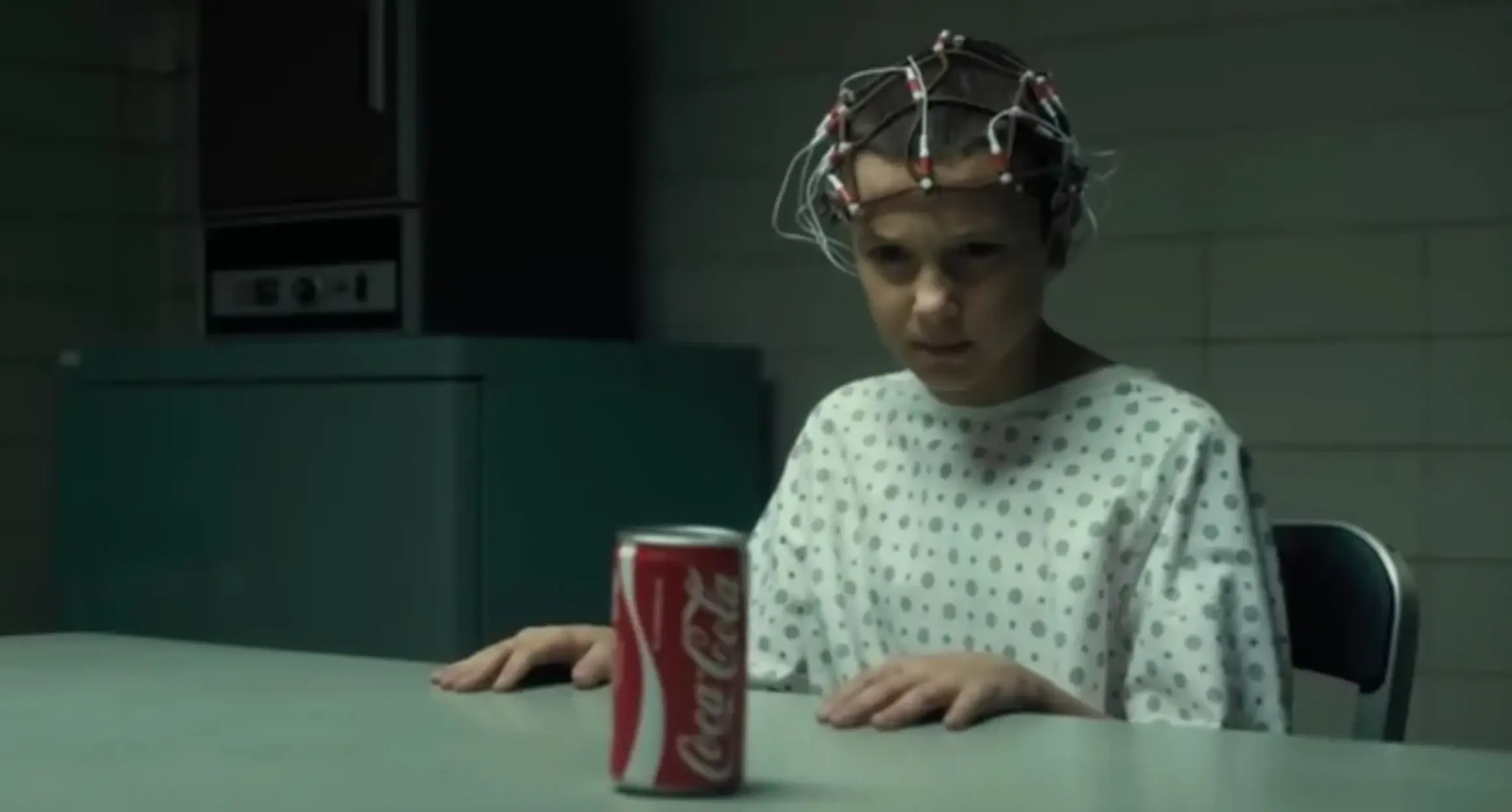
Fanatics unveiled “Bet on Kendall” on January 27, 2026, using Kendall Jenner to play with the familiar internet story of the so-called “Kardashian Kurse.” The announcement built anticipation for the Sportsbook brand’s February Big Game ad, rather than being a Super Bowl broadcast in January.
The creative premise was easy for people familiar with the meme to recognize. Rather than inventing a new story, the campaign built around an existing cultural reference that could be explained in a sentence. Its reach and business impact should be evaluated separately from that creative clarity.
The official release also frames the spot as Fanatics Studios’ first Big Game ad and positions it as a Sportsbook awareness play, which gives the creative a business reason to exist beyond spectacle. (Fanatics investor newsroom)
A Big Game placement is distribution, but the campaign needs a shareable sentence to travel. “Bet on Kendall” is that sentence. It holds up in clips, in headlines, and in casual conversation. Trade reporting also noted the significance of Fanatics making a Super Bowl debut for its betting platform, which adds business context that journalists and industry readers will repeat. (Sports Business Journal)
To adapt a recognizable cultural premise without imitating the ad, use this sequence:
- Start with a belief your audience already holds.
- Turn that belief into a simple test or challenge.
- Make the story repeatable in one sentence.
- Build a clear next action that fits the premise.
If your campaign drives to a digital experience, the landing path has to carry the demand. A strong hook that lands on a confusing page wastes attention. That is where web design services protect conversion and clarity.
Heinz Reinvents the Fry Box
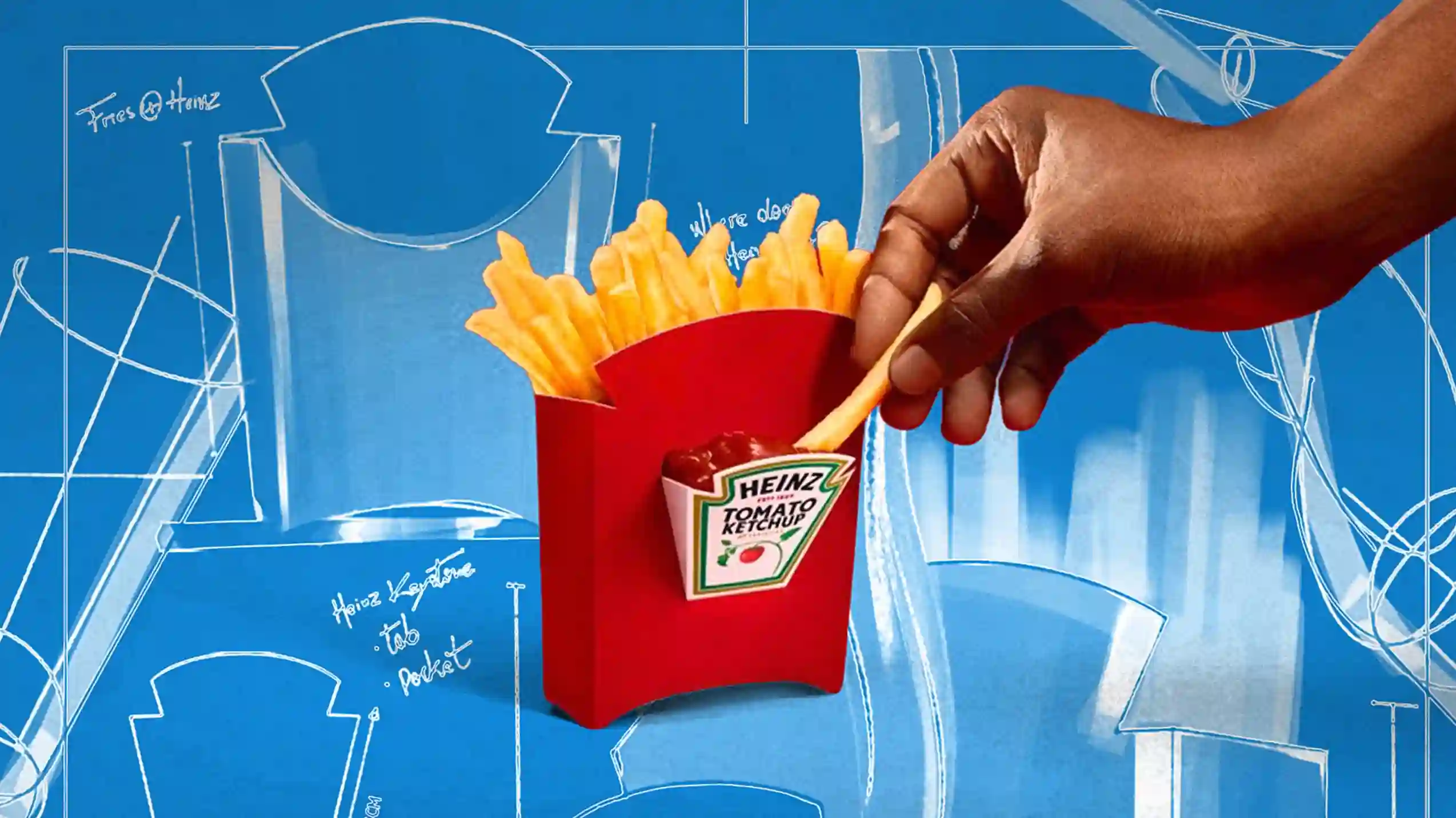
On January 13, 2026, Heinz announced the Dipper, a fry box with a built-in ketchup compartment for eating on the go. The initial rollout covered participating locations in 11 countries, according to the official Heinz launch announcement. The packaging itself became the campaign’s demonstration.
The idea is legible in seconds. There is no lore to decode. Most people understand the friction immediately, which makes the campaign feel personal without being sentimental. In a noisy market, the best marketing campaigns 2026 often win by reducing cognitive load.
It also turns product reality into proof. When the “ad” is a tangible object, belief is easier. People do not have to trust a slogan. They can see the design logic.
A physical redesign is naturally suited for short-form video because it can be demonstrated quickly. It also travels well in PR because the concept is concrete.
For teams planning food and beverage marketing, the repeatable lesson is straightforward:
- Start with a small friction point people recognize instantly.
- Build a clear before and after demonstration.
- Let the product change carry the meaning.
- Create assets that show the proof in under five seconds.
If the campaign relies on product information, configuration, or signup flows, the experience is part of the work. That is where UX strategy reduces drop-off after the click.
Stella Artois Turns Toronto Snowfall Into a Real-World Moment
Stella Artois used heavy Toronto snowfall to fill an oversized chalice billboard, creating the illusion of beer foam spilling over the top.
This campaign uses reality as the medium. The weather becomes the creative device, which makes the work feel timely without forcing a trend. It is also visually legible from distance, which matters because outdoor advertising succeeds or fails fast.
Most importantly, it creates a proof moment. People do not need to be sold. They can see the effect and share it as a discovery, which is a strong engine for travel.
This is a strong example of how the best marketing campaigns of 2026 can be built for cameras without looking staged. People share it because it feels like something that happened in the world. The activation details were covered in January campaign reporting, including the location context that explains why it was seen and photographed. (Famous Campaigns coverage)
You do not need a billboard budget to borrow the structure:
- Pick a constraint you cannot control, like weather, timing, or place.
- Design a simple visual that becomes true when the constraint appears.
- Place it where discovery is likely.
- Make it easy to capture in a photo or short video.
For Canadian teams commissioning locally responsive creative, a Canadian branding and marketing partner can help test whether regional details will be recognized by the audience. Businesses looking specifically for Toronto provider support can also compare the fit of a Toronto branding agency without claiming that Brand Vision produced Stella’s work.
SYRN Launches With Founder-Led Distribution
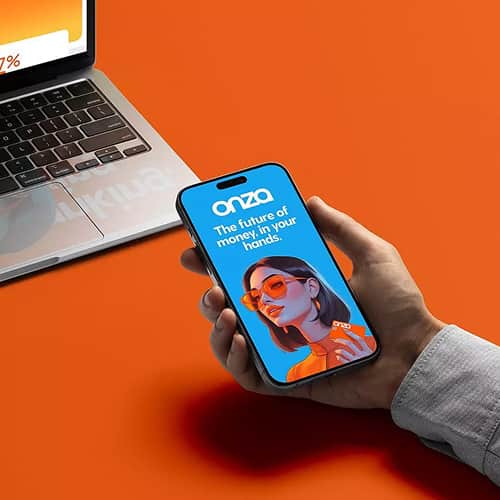
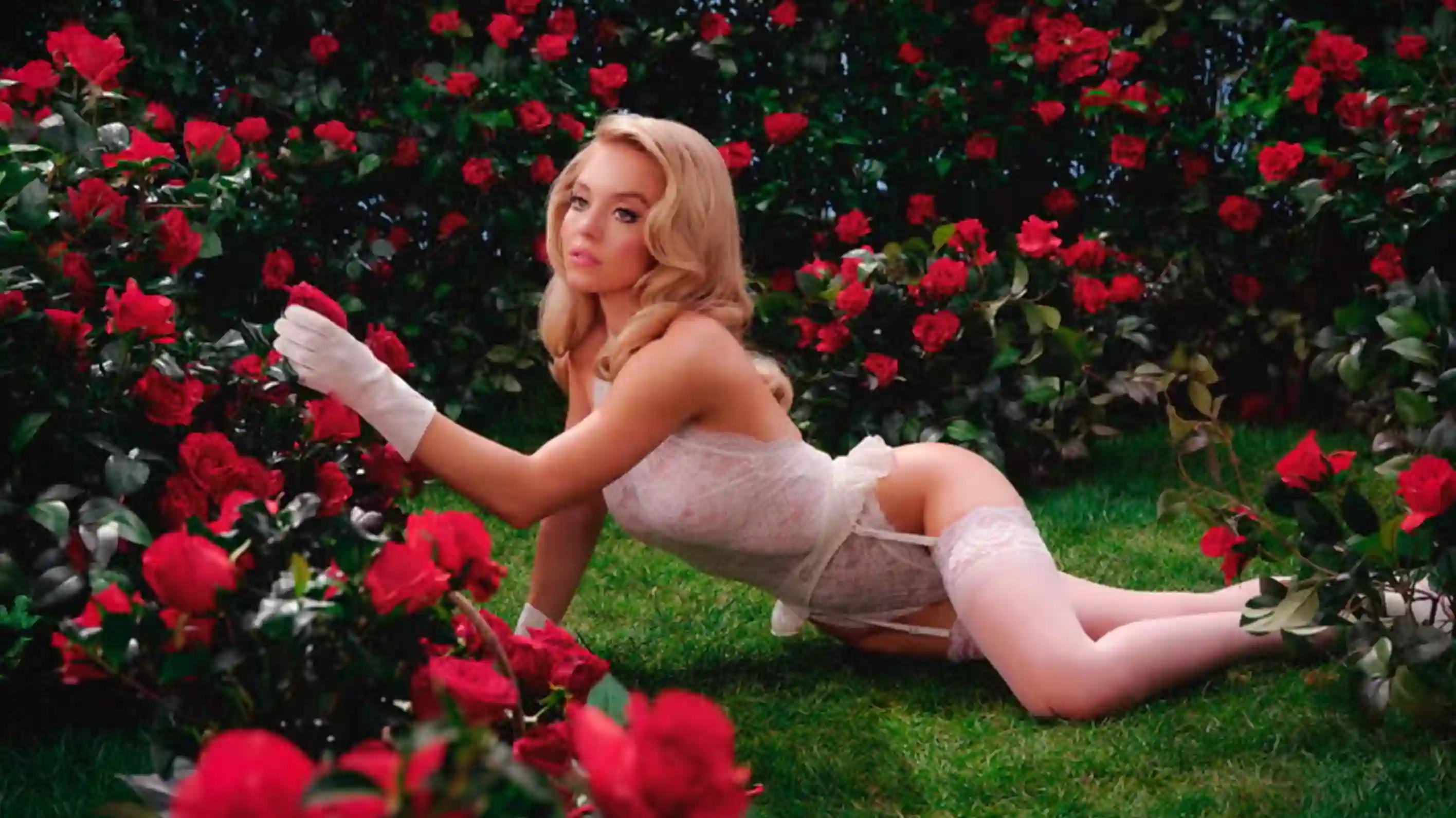
Sydney Sweeney launched SYRN as a founder-led lingerie brand built around distinct “personas” and broad sizing, using her owned audience plus fashion media coverage to turn the launch into a week-long news cycle. (ELLE)
SYRN’s opening move was clear and legible: a celebrity founder, a tight brand concept, and product specifics that the press could repeat without guessing. The brand’s debut was positioned around four style personas and 44 sizes (30B to 42DDD), with pricing framed as mostly under $100, which immediately sets expectations for who it’s for and how it fits into the market. (Cosmopolitan )
It also benefited from real distribution, not just “awareness.” Sweeney’s Instagram sits at roughly 26M followers in February 2026, so the launch had a built-in first wave before any paid push. (Instagram)
Then it gained business legitimacy through industry reporting that framed SYRN as a serious retail play, including coverage that it’s backed by Coatue’s tech fund and had been in development since roughly mid 2024. (The Business of Fashion)
The spread came from a combination of owned channels and controversy-driven headlines. The Hollywood Sign bra stunt created a headline that mainstream outlets could explain in one line, while also triggering a statement from the Hollywood Chamber of Commerce that the use was not authorized, as documented by the Los Angeles Times.
On the timeline side, the launch details were also made mechanically shareable: SYRN’s first collection dropped January 28, 2026 at 9 a.m. PST, with “early access” messaging that encouraged signups and repeat checking. (Cosmopolitan)
If you want campaigns that travel without relying on a single channel, copy the mechanics:
- Make the launch easy to summarize with product facts that journalists can repeat (sizes, price band, release time).
- Use founder-led distribution as the first wave, then let press coverage widen the audience.
- Give the rollout a sequence, not one post: tease, drop timing, early access, then follow-up coverage.
- If you lean into controversy, understand it can extend attention but also adds risk and governance questions.
Founder reach can introduce a product, but ecommerce marketing still needs accurate sizing information, clear product availability, and post-purchase follow-up to turn initial interest into a useful customer experience.
How to Apply These Ideas Without Copying
The practical thread across these four campaigns is brand strategy: a recognizable audience need, a clear claim, and a distribution plan. Use the following checklist before approving creative:
- The premise fits in one sentence.
- The audience tension is real, not invented.
- The proof moment is observable.
- The distribution plan is staged and specific.
- The website experience supports the story and the CTA.
The campaign formats are different. A packaging redesign or weather-driven installation is not automatically product placement, which involves brands appearing within media or entertainment contexts. For a Chicago-based business commissioning a campaign, a branding agency in Chicago should be able to connect the creative brief to a credible product claim and an effective landing experience.
Where Web Design and UX Carry the Demand
A campaign can attract attention, but the landing experience determines whether interested visitors can understand the offer and act. Think of the handoff as a marketing funnel that connects the creative promise to useful next steps. Three practices reduce avoidable friction:
- Keep pages responsive and fast, particularly on mobile. Use Google’s Core Web Vitals overview to guide technical checks.
- Make the landing experience accessible and usable across input methods. W3C WAI explains established accessibility practices.
- Make the offer, proof, and next step easy to find rather than relying on visual novelty alone.
If you want the campaign to produce pipeline, the handoff has to be clean. That is why teams often pair creative planning with a branding services that clarifies the message and web design services that simplify the path to action.
FAQ
What makes the best marketing campaigns of 2026 different from past years?
These January examples differ in format, but they make the main idea easy to recognize. That does not establish which campaigns generated the strongest business outcomes. The useful comparison is how each premise, proof moment, and distribution choice fit together.
How can you identify the best marketing campaigns 2026 without performance data?
Focus on mechanisms you can verify. A clear premise, an observable proof moment, and evidence of travel are strong signals. Official releases and credible reporting can confirm intent and execution. Private KPIs are useful, but they are not required to learn from the work.
Why do Super Bowl teasers belong in the best ad campaigns 2026 conversation?
Fanatics announced the idea in January ahead of the February Big Game broadcast. Teasers and the final spot form a sequence, so the January rollout belongs in an early-year campaign discussion even though the televised placement came later.
What is the most repeatable pattern from these best brand campaigns 2026 examples?
Proof. When a campaign shows something true, a redesigned object, a real world effect, a transparent build, it becomes easier to believe and easier to share. Proof also performs well in short-form, which supports travel.
How do these ideas translate to B2B or high consideration buying cycles?
Make the hidden input visible and reduce the need for persuasion language. Use simple demonstrations that clarify value quickly. Then ensure the digital experience supports the story with a clear next step. The four tests still hold: clarity, tension, proof, and travel.
The Work Behind What Works
These four January examples show different routes from premise to proof: a familiar cultural story, useful packaging, a weather-driven installation, and founder-led product distribution. They are worth comparing for their creative mechanics, not treating as a complete year-end ranking or promising further monthly additions.
If you are building a 2026 campaign calendar, borrow the mechanics, not the surface. Start with a premise people can repeat, design a proof moment that feels real, and plan the release as a ladder instead of a single launch. Then protect the handoff. Even the best ad campaigns 2026 lose value when the landing experience is slow or unclear. If you want a practical plan that aligns story, UX, and conversion paths, start a conversation through our marketing consultation.