Brand development is a structured process that connects business goals, audience research, strategy, and creative work. At Brand Vision, that work moves from initial discovery through strategy, visual execution, and launch-ready assets. This guide maps six connected phases so founders, marketing leaders, and operations stakeholders can plan the work, review decisions, and prepare for rollout.
Understanding the full brand development process is useful in competitive markets, where buyers encounter an organization across many touchpoints. McKinsey reported in 2020 that the world's 40 strongest brands generated almost twice the total shareholder return of an MSCI World index investment over the 20 years ending in 2019. This historical comparison does not establish that a particular brand development process caused those returns.
What Brand Development Actually Means
Brand development is the deliberate, phased process of defining who your organization is, what it stands for, and how it communicates that identity visually and verbally across every touchpoint. It is often confused with logo design or visual refresh work, but those are downstream outputs. Research and strategy give design work a foundation, while testing may reveal assumptions that need to be revisited.
A complete brand development system typically encompasses four interconnected layers:
- Brand research: Audience analysis, competitive mapping, and perception audits that surface evidence to inform strategic decisions.
- Brand strategy: Positioning, purpose, architecture, messaging hierarchy, and brand voice built from that research.
- Visual identity: Logo system, color palette, typography, iconography, imagery, and layout standards that express the strategy visually.
- Brand guidelines: The governance document that enforces consistency across teams, agencies, and digital platforms at scale.
Aligning these layers helps teams apply the brand consistently across marketing, sales, product, and hiring. Misalignment can leave customers with conflicting messages. According to research summarized by Nielsen Norman Group, there is a meaningful gap between brand intention (how a company attempts to construct its identity) and brand interpretation (how customers actually experience it). A disciplined brand development process helps teams identify and narrow that gap.

Phase 1: The Discovery Workshop
Structured discovery helps establish the evidence and open questions that guide later decisions, from messaging to visual direction. A workshop can align stakeholders around what the team knows, what it assumes, and what further research is needed. Skipping discovery can leave important assumptions unresolved during rollout.
As Nielsen Norman Group explains, discovery can combine workshops, stakeholder interviews, and research to clarify the problem and align the team. A workshop helps organize that work, but it does not replace evidence from customers. In a brand development context, discovery typically includes several structured components.
Stakeholder Interviews and Internal Alignment
Alongside external research, the brand development team needs to understand the business from the inside. Structured stakeholder interviews with leadership, sales, customer success, and product teams surface what the organization believes about its own positioning, its competitive strengths, and where its current identity falls short. These sessions also reveal internal misalignment, which can contribute to inconsistent brand execution across departments.
Competitive and Market Mapping
Effective brand development strategy requires a clear picture of the competitive landscape. This means cataloging how competitors present themselves, what visual and verbal conventions dominate the category, and where genuine differentiation is available. The goal is not to look different for the sake of it. It is to identify white space that is both authentic to the organization and meaningful to the target audience.
Audience Research and ICP Definition
Defining the ideal customer profile (ICP) helps the team avoid generic positioning and identify whose needs the brand should address. Audience research for brand development goes beyond demographics. It maps psychographic motivations, language patterns, buying triggers, and the specific outcomes your audience is trying to achieve. Useful methods include customer interviews, sentiment analysis, and behavioral data review.
If you want to see how rigorous audience research shapes brand positioning, our article on brand identity design walks through the full research-to-identity sequence in detail.
Phase 2: Brand Strategy and Positioning
With discovery complete, the brand development process moves into strategy. This is where the evidence gathered in the discovery workshop is translated into clear positioning that can guide creative and communication decisions. Brand strategy is not a tagline exercise. It is a structured framework that answers four critical questions:
- Positioning: What does this brand stand for, and for whom, with a credible distinction from competing options?
- Purpose and values: Why does this organization exist beyond commercial outcomes, and what principles govern its decisions?
- Messaging architecture: What is the hierarchy of messages from core positioning statement down to audience-specific proof points?
- Brand voice: What tone, vocabulary, and personality standards will govern all written and spoken communications?
At Brand Vision, the brand development strategy phase produces a positioning document that is specific enough to guide creative decisions and flexible enough to scale across markets and product lines. Clear decision criteria help the team evaluate creative options against the agreed positioning.
As Harvard Business Review notes, the key to effective brand building is a memorable, valuable, and deliverable promise to the customer. Defining that promise early gives visual and verbal work a shared direction; testing may reveal a need to refine it.
Brand Architecture Decisions
For organizations with multiple products, sub-brands, or verticals, the brand development strategy phase must also address architecture. This means deciding how the master brand, sub-brands, and product names relate to each other, and documenting clear rules for how each is applied. Addressing brand architecture early can reduce avoidable rework as the business adds products or enters new markets.
Our article on visual identity vs. brand identity explores how strategy connects to visual execution and why confusing the two leads to fragmented brand experiences in practice.

Phase 3: Visual Identity Development
Visual identity is where the brand development strategy becomes tangible. It is the complete visual system through which your brand is recognized, and it helps communicate character alongside the brand's language and behavior. Its components need usage rules as well as production files. A well-constructed visual identity produced through a disciplined brand development process includes several core components.
- Logo system: Primary mark, secondary mark, icon-only variant, and clear rules for which version applies in which context.
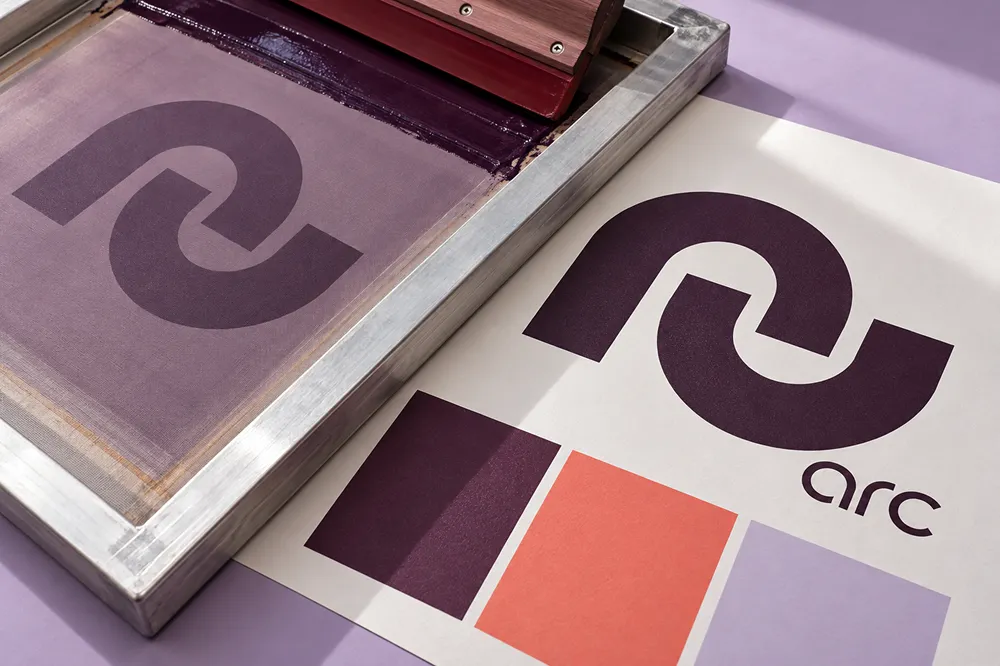
- Color palette: Primary and secondary colors specified for the required digital and print formats, such as HEX, RGB, CMYK, and Pantone where relevant.
- Typography: Headline and body typefaces, sizing hierarchy, line height, spacing standards, and approved digital web alternatives.
- Iconography and imagery: A consistent icon style and photography direction that reinforces the brand personality without relying on stock cliches.
- Layout principles: Grid systems, spacing standards, and composition rules that ensure structural coherence across formats and touchpoints.
As Smashing Magazine outlines in its guide to style guidelines for brands, documenting color, typography, spacing, and logo usage helps teams apply the identity consistently across production cycles. The guidance should explain how to use the elements, not just display them.
The visual identity and brand identity design services offered through Brand Vision's branding agency practice take this system approach. Visual systems are built as repeatable standards, not one-off assets. That distinction is what allows organizations to scale their brand without losing coherence.
The visual system itself should cover far more than a logo. Our guide to visual identity explains how color, typography, imagery, graphics, and layout work together as one recognizable system.
Brand Exploration and Concept Review
In a structured brand development engagement, visual identity work begins with concept exploration, not production. Multiple creative directions are developed, each expressing the brand strategy through a distinct visual language. These concepts are reviewed against defined strategic criteria, not personal taste. The approved direction is then developed into the full visual system. Reviewing concepts before full production gives the team an opportunity to resolve strategic concerns while changes are still easier to make.
Phase 4: Brand Messaging and Voice
Parallel to visual identity work, the brand development process should produce a complete verbal identity. Brand voice defines a consistent personality, while tone adapts to the situation. Together, they guide how the organization communicates across every channel, from website copy and sales decks to email, social media, and customer support. Strong brand voice documentation produced through a disciplined brand development strategy answers four questions:
- Personality: What three to five attributes define the brand character in all communications?
- Tone calibration: How does tone shift across contexts, from executive communications to social posts, without losing consistency?
- Vocabulary standards: What words and phrases does the brand own, avoid, and prefer?
- Message hierarchy: What is the brand's primary value claim, and how do supporting proof points build the case?
Verbal identity should be reviewed as the organization and its audiences change. A precisely defined brand voice can remain stable across rebrands and platform shifts if it was built from authentic organizational values rather than trend-driven adjectives.
A complete verbal identity should document both the company's consistent brand voice and its adaptable tone of voice.
If you are building a brand for a growth-stage organization, our post on corporate branding identity systems addresses how to govern messaging consistency as teams and departments scale beyond a single brand lead.

Phase 5: Brand Guidelines and Governance
Brand guidelines are the operational output of the brand development process. They are the governance document that makes every other phase usable at scale. Structured guidelines help distributed teams, freelance contributors, and partner agencies apply visual and verbal identity work consistently. The guidelines produced through a rigorous brand development engagement should cover the following:
- Logo usage rules: Approved applications, minimum sizes, clear space requirements, and explicit misuse examples.
- Color specifications: All formats across digital and print, with usage priorities and combination guidance.
- Typography standards: Complete type hierarchy, sizing, spacing, and approved fallback fonts for digital environments.
- Imagery and iconography direction: Photography style, illustration guidance, and icon system application rules.
- Brand voice and messaging: Tone calibration, vocabulary, and message framework applied across core channel types.
- Digital application standards: Component-level guidance for web, email, social, and digital advertising formats.
As Smashing Magazine notes, simplified and well-documented brand parameters give designers the freedom to experiment while maintaining the internal coherence that makes a brand durable over time. The best guidelines are both precise enough to enforce consistency and flexible enough to accommodate creative execution across formats.
Brand research and positioning context that feeds into these guidelines is covered in detail through Brand Vision's brand research services, which include audience segmentation, competitive analysis, and qualitative perception research to inform strategy and visual work.
For digital products, Nielsen Norman Group's guide to design systems explains how reusable components and shared standards support implementation. A brand guide and a digital design system serve related but distinct needs; the latter also requires ongoing ownership and maintenance. Our design systems guide covers how components, documentation, and governance can make digital standards reusable.
Phase 6: Launch-Ready Asset Production
The final phase of the brand development process is asset production: translating the approved system into every deliverable the organization needs to go to market. This phase is where the brand development strategy becomes operational. Depending on the scope of the engagement, launch-ready assets typically include:
- Website design and development: Built to express the visual identity system and brand voice across all pages and user journeys.
- Sales and marketing collateral: Proposal decks, one-pagers, case study templates, and email signatures that apply the system consistently.
- Social media templates: Approved formats for primary channels, built to ensure consistency without slowing content production.
- Brand book and onboarding materials: Documents that allow new team members and external partners to apply the brand correctly from day one.
- Digital advertising formats: Display, paid social, and video assets built within the visual identity system for immediate campaign use.
The asset production phase is where the quality of the earlier brand development phases becomes measurable. Clear positioning, visual direction, and usable guidelines can reduce ambiguity during production. Repeated corrections may reveal unresolved strategic questions, unclear specifications, or approval bottlenecks that need attention.
Brand Vision's web design agency practice works in parallel with brand development engagements to ensure that digital assets, including websites and digital systems, are built to the same standards as the brand system itself. Coordinating brand and web decisions helps teams resolve differences before implementation.
Why Brand Development Needs Structure and Iteration
Moving directly from a business need to visual design can leave research and strategy questions unresolved. A polished identity may still lack a clear message or useful decision criteria. Connecting each phase to the evidence and decisions behind it helps teams review the work against shared goals.
The phases provide structure without requiring a rigid, one-way sequence. Visual and verbal work can overlap, and testing may send the team back to research or positioning. The Design Council describes its design framework as non-linear, with opportunities to revisit earlier decisions as teams learn.
According to Nielsen Norman Group, visual hierarchy, the arrangement of elements to guide attention and communicate priority, is one of the foundational principles that governs how users process branded content. Teams can use hierarchy to emphasize the messages and actions that matter in each context, then test whether the intended priorities are clear.
Brand Vision's branding agency practice connects discovery, strategy, identity, and delivery. The practical goal is to give each decision a clear rationale and make room to adjust it when new evidence emerges.
Brand Development for Specific Organizational Contexts
Startups and Early-Stage Organizations
For early-stage teams, brand development is often a competing priority against product, hiring, and revenue. The instinct is to defer it until later. The risk is that deferring brand development means building customer perceptions, sales materials, and digital assets from an undefined foundation. Changing established perceptions and replacing existing materials can require additional work. A focused brand development strategy for startups does not need to be exhaustive. It needs to be precise enough to guide the decisions that have the most commercial impact.
Brand Vision's startup marketing practice can help early-stage teams define brand foundations and prioritize the assets relevant to their current stage.
B2B and Professional Services Organizations
In B2B contexts, brand development can support how buyers assess an organization's expertise and credibility. Brand development strategy should address the buyer journey, from first impression to procurement committee review. Brand voice, visual credibility, and message consistency across sales, marketing, and digital channels help teams present a coherent case.
Brand Vision's B2B marketing agency practice integrates brand development with B2B demand generation and web strategy to support communication across the buying cycle as well as awareness campaigns.

Frequently Asked Questions About Brand Development
How long does a brand development process typically take?
Timing depends on research depth, the number of decision makers, revision rounds, and the launch assets in scope. Agree on a schedule after defining the work, with time for research recruitment, feedback, approvals, and production. If the launch date is fixed, prioritize essential assets and identify what can follow later rather than assuming every phase can be compressed equally.
What is the difference between brand development and rebranding?
Brand development refers to building or significantly advancing a brand system from scratch or a weak foundation. Rebranding refers to a structured evolution of an existing brand, typically in response to a market shift, merger, acquisition, or significant strategic pivot. Both processes follow a similar phased structure. The primary difference is that rebranding must account for existing brand equity, which may need to be preserved, transferred, or retired as part of the brand development strategy.
Can brand development be done internally?
Internal teams can lead a brand development process when they have the required research, strategy, design, and production capacity. External support can add specialist skills or an independent perspective where useful. Choose the mix based on capability, workload, and decision-making needs rather than assuming one model is always more effective.
What deliverables should a brand development engagement produce?
A complete brand development engagement should produce a positioning document, messaging architecture, brand voice guidelines, a full visual identity system, and a governance-ready brand guidelines document. Launch-ready assets, from website to sales collateral, should be explicitly included or excluded in the scope and built within the agreed brand system.
How does brand development affect SEO and digital performance?
A precise brand development strategy can support digital planning by clarifying the positioning, language, and audience signals that inform keyword strategy, content architecture, and website structure. Changes in organic click-through rates and branded search demand should be measured rather than assumed; a clearer identity does not guarantee improved rankings or traffic. Brand Vision's SEO agency practice integrates brand development context into technical SEO and content strategy to align brand messaging with search and website requirements.
Where Brand Development Begins
A useful brand development process gives teams shared criteria for marketing, sales, and digital decisions. Start by identifying what needs to change, what evidence is available, and which assets are essential for launch.
Assign decision owners and review points across the phases. Revisit assumptions when testing or production reveals a gap, and keep guidelines current as the organization learns from rollout.
Brand Vision's branding agency can help connect discovery, strategy, identity, guidelines, and asset planning. Start with a marketing consultation to discuss a scope and sequence suited to your organization's current stage and market position.










.webp)