Packaging is the first physical decision a brand makes that a customer can actually hold. Every visual, tactile, and structural choice on the outside of a product is a message. It is delivered silently, before a single word of marketing copy is read.
In a market where digital attention is fragmented and competitive, packaging in brand strategy has become one of the few remaining places where a brand can make a deliberate, sensory impression on its own terms.
The shift is not about making packaging prettier. It is about recognizing that packaging carries strategic weight, and that a coherent brand strategy builds packaging into the system rather than treating it as an operational afterthought.
Packaging in brand strategy influences perception, purchase decisions, and long-term loyalty in ways that digital alone cannot match. The discipline of packaging in brand strategy is what turns a container into a signal the customer can actually read.
Physical touchpoints sit closer to the moment of decision than almost any other brand asset. A customer weighs a box, runs a hand across a label, opens a product, and forms a judgment in the span of a few seconds.
That judgment shapes how every subsequent interaction with the brand is read. Packaging in brand strategy is not an output of the brand. It is one of the primary places the brand becomes real.

Packaging as a Strategic Asset, Not a Finishing Task
Treating packaging as the final step in a product launch is the most common strategic error brands make. Packaging in brand strategy decisions made at the end of the process tend to inherit every constraint the project has already absorbed, leaving designers to optimize for cost and printing logistics rather than brand meaning.
A coherent approach to packaging in brand strategy flips the sequence. Packaging is considered from the earliest stages of product development, alongside positioning, pricing, and target audience research. The result is a physical artifact that reinforces the brand's narrative rather than a container that happens to have a logo on it.
This difference shows up in measurable ways. Research on packaging's role in branding and positioning notes that packaging is increasingly used to carry brand narrative in a fragmented digital landscape, where the physical artifact may be one of the few uninterrupted moments of brand communication a customer experiences.
The strategic question is no longer whether packaging matters. It is whether a brand treats packaging in brand strategy as a first-order concern or a last-minute one.
Physical Touchpoints and the Points They Actually Matter
Physical touchpoints extend well beyond the product box. They include every tangible object a customer encounters that carries brand meaning. Strong physical touchpoints share three characteristics that separate them from forgettable ones.
• Consistency of system: every touchpoint, from business card to trade show booth, uses the same typography, color logic, and material language.
• Intentionality of material: the weight of a card, the finish of a label, the acoustic sound of a box opening are all designed decisions rather than accidents of supply.
• Alignment with brand promise: a brand that positions itself as premium cannot survive a cheap unboxing experience, and a brand that positions itself as sustainable cannot survive excessive packaging waste.
The brands that execute physical touchpoints well do not treat each asset as a standalone project. They treat the full inventory as a system that should feel coherent whether a customer encounters one piece or all of them. Packaging in brand strategy sits at the center of that system because it is the touchpoint customers spend the most time with.
A system of physical touchpoints succeeds when packaging in brand strategy acts as the anchor. Every other asset, from a business card to a store display, inherits its material language from that anchor.
Design, Color, and Material as Communication
Every design decision in packaging communicates something, whether the brand intended it to or not. Color triggers emotional response before any conscious evaluation. Material signals economic positioning before price is read. Typography carries personality before a single word is processed.
A strong visual identity treats these elements as a connected system, with each choice reinforcing the others. Mood and emotion are carried through color. Brand recognition is built through repeatable design patterns. Premium positioning is signaled through material weight and finish. Accessibility is earned through clean typography.
The packaging decisions that feel arbitrary are the ones most likely to undermine the brand over time. A brand that picks a color because a designer liked it, rather than because the color fits the positioning, is spending brand equity without meaning to.
Packaging in brand strategy demands that every design decision serves the positioning rather than the personal taste of whoever is closest to the file.
Printing technology now expands what a packaging design can actually carry. Lenticular printing techniques, an advanced form of print that creates visual depth or motion on flat surfaces, let packaging carry visual movement that static images cannot.
This kind of capability catches attention on a shelf, communicates a narrative a photograph could not deliver, and signals that a brand is willing to invest in how its product is encountered. The choice of printing method is itself a brand statement.
The Unboxing Experience and the Science of Delight
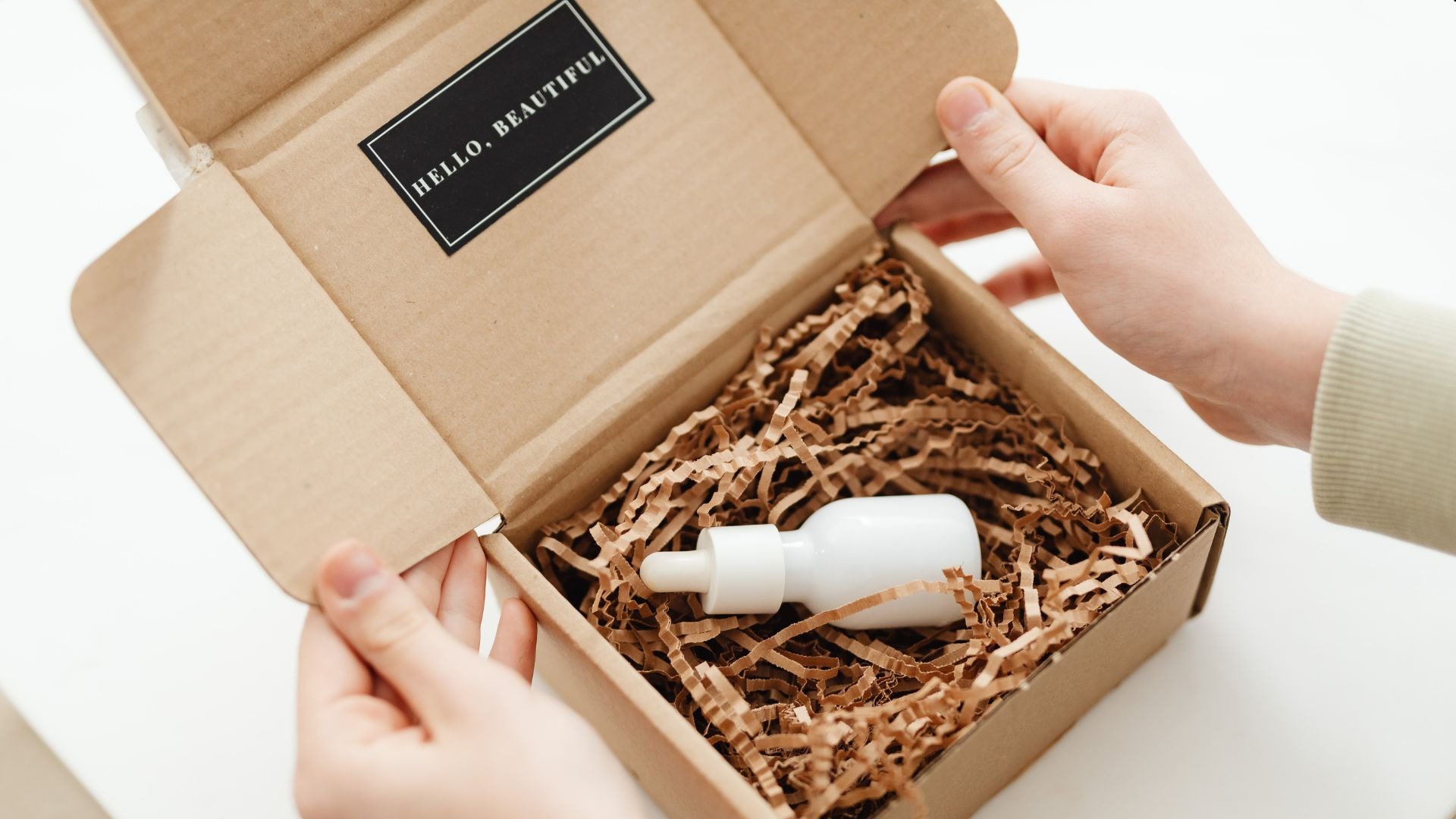
The unboxing moment is the single highest-attention event in most customer relationships. The customer is anticipating the product, the focus is narrow, and the brand has a few seconds of undivided attention.
Brands that understand this design the unboxing process as intentionally as they design the product itself. The structural decisions matter. The order in which elements are revealed matters. The tactile experience of pulling a tab, lifting a lid, or removing a sleeve matters. Each of these moments is a chance to reinforce the brand or fail to.
The social dimension compounds this. Unboxing content generates significant organic reach on video platforms, and packaging that photographs or films well becomes a marketing asset that the brand did not have to pay for. The unboxing experience is one of the few places where a small brand can outperform a large competitor simply by being more thoughtful about packaging in brand strategy.
Sustainability as Strategic Alignment
Consumer expectation around packaging sustainability has moved from preference to baseline. Eco-friendly materials, minimal design, and recyclable formats are increasingly read as markers of a brand that takes its impact seriously rather than as premium differentiators.
The strategic point is alignment. A brand that positions itself around responsibility and sustainability cannot survive a packaging strategy that contradicts those claims. Excessive plastic, non-recyclable materials, and oversized boxes broadcast a different message than the one the brand is paying its marketing team to communicate. Packaging in brand strategy fails the moment those two messages pull in opposite directions.
The brands that execute this well do not treat sustainability as a separate line item. They integrate it into the broader packaging system, making material choice, print method, and structural design part of the same strategic conversation. That integration is what makes sustainability claims credible to customers who have learned to distinguish genuine commitment from marketing copy.
Connecting Physical and Digital Experience
Packaging is increasingly a bridge between the physical product and the digital brand environment. The tools are straightforward. Brands can easily generate QR codes that connect consumers to onboarding content, personalized landing pages, loyalty programs, or user-generated content campaigns. Branded hashtags that encourage customers to share unboxing moments. Augmented reality features that unlock additional content when a phone is pointed at the package.
The principle is consistent. A customer who has already chosen to engage with the physical product is the highest-intent audience a brand will ever have. Building clear pathways from packaging to digital experience extends the brand relationship well past the purchase moment.
This is where packaging in brand strategy earns its keep beyond the initial transaction. The physical artifact becomes an entry point into ongoing engagement, and the strategic value of packaging in brand strategy compounds over the full customer lifetime rather than ending at checkout.
Measuring What Packaging Actually Does
Assessment is where most packaging strategies break down. Brands invest in design, production, and rollout, and then fail to measure whether the investment is producing meaningful return.
The result is a packaging system that either coasts on the judgment of the last designer who touched it, or gets redesigned every few years without a clear understanding of what changed. Packaging in brand strategy that lacks measurement discipline is vulnerable to every new opinion that enters the room.
• Customer feedback: structured research, panels, and reviews surface patterns in how customers actually respond to packaging. Specific questions about unboxing experience, material perception, and brand feel generate actionable data.
• Repeat purchase behavior: packaging strongly correlates with repeat purchase rates in categories where brand identity is a differentiator. Tracking repeat rates across packaging iterations isolates the effect.
• Social sharing and user-generated content: volume of organic social content featuring the packaging is a leading indicator of design resonance, particularly in beauty, food, and lifestyle categories.
• Sales lift in isolation: A/B testing packaging on controlled inventory, while holding everything else constant, reveals the direct sales impact of a design decision.
The brands that build measurement into the packaging system, rather than treating it as a compliance exercise, end up with packaging that improves over time rather than decaying. Packaging in brand strategy is not static. It is a system that should evolve with consumer response.
Measurement discipline is what separates a packaging program that compounds in value from one that costs more every refresh cycle. Packaging in brand strategy earns its budget when the organization can point to specific decisions that moved specific metrics.
Where Strong Brands Let Packaging Do Its Job
The common thread across brands that use packaging well is strategic conviction. They treat packaging in brand strategy as a first-order asset, design physical touchpoints as a connected system, align sustainability choices with brand positioning, and build the bridge between physical and digital into the packaging itself.
Packaging in brand strategy is one of the few places where a brand still has a real, undistracted moment with the customer. The brands that recognize that, and invest accordingly, build physical touchpoints that customers notice, remember, and return to.
The brands that do not are leaving one of the most direct channels to customer attention on the table. Packaging in brand strategy is rarely the first budget line a company wants to defend, but it is often the one with the most direct connection to how the brand actually lives in the world.

.webp)