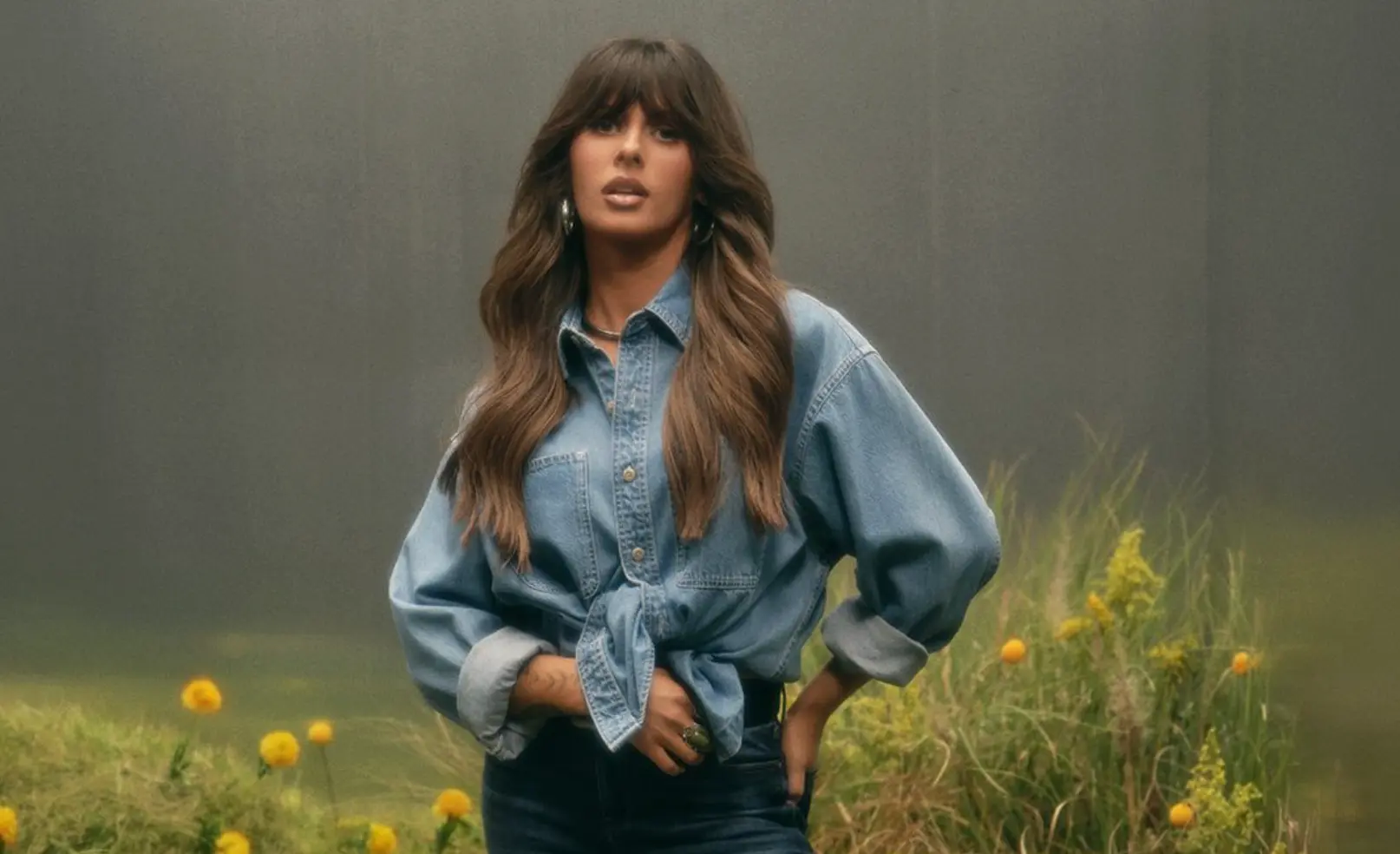
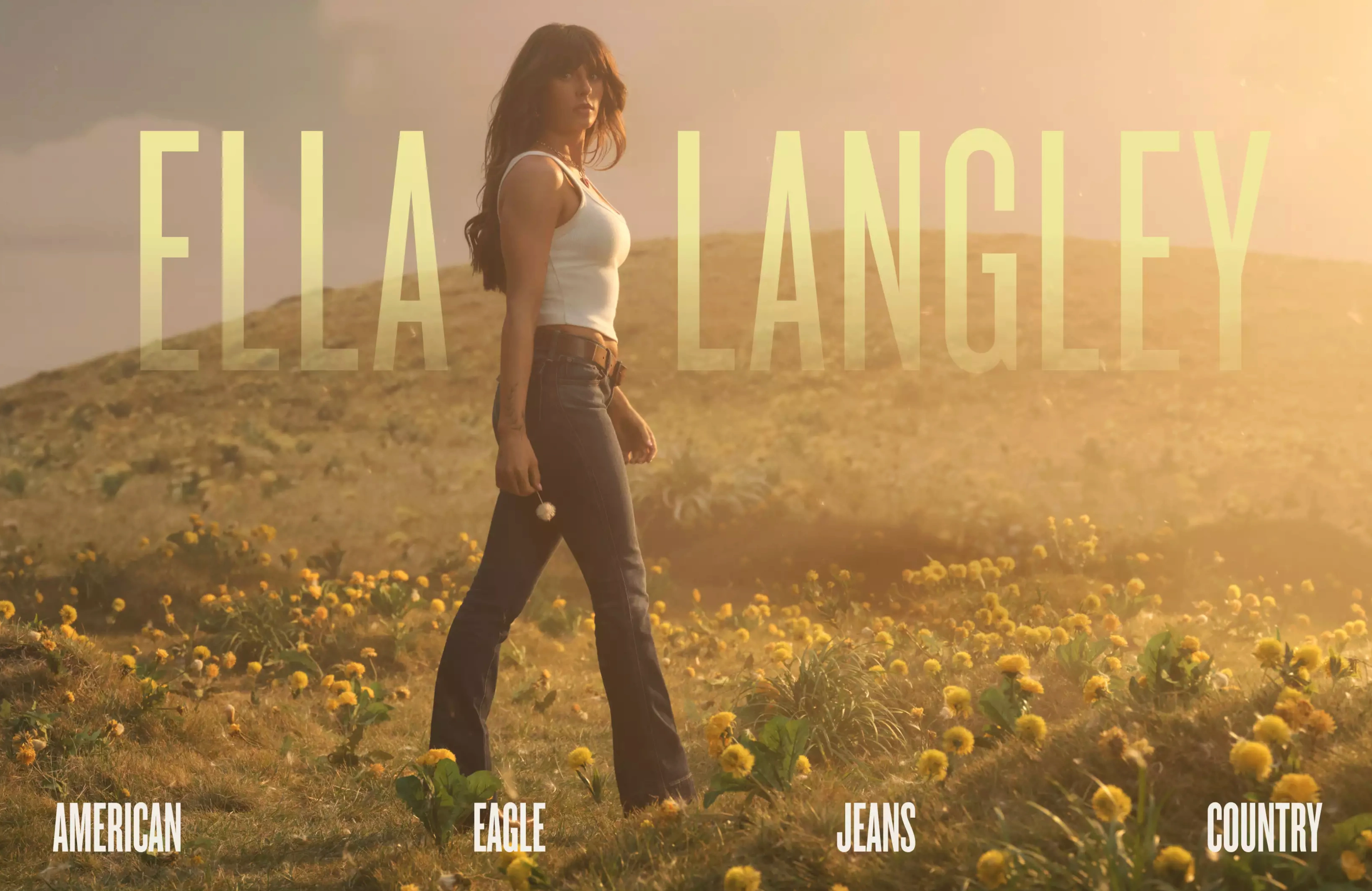
American Eagle introduced country singer Ella Langley in a denim-led campaign in February 2026. The partnership offers a way to study ambassador fit, audience expectations, and how a familiar product can take on different cultural associations without changing its core identity.
The brand’s 2025 Sydney Sweeney campaign drew widespread attention around jeans. Langley’s spring campaign took a country-music direction, with denim and everyday styling still central. These are distinct campaigns, not evidence that one ambassador replaced the other.
At a Glance
- The 2025 Sydney Sweeney campaign drew significant attention and demonstrated the need to anticipate different interpretations of creative language.
- Langley’s February 2026 campaign maintained the denim focus while drawing on country music, personal style, and an announced festival partnership.
- For marketers, the takeaway is not “use a famous face.” It is how to build a brand ambassador strategy connecting creative direction, ecommerce marketing, and measurable conversion paths.
- The operational work sits in contracts, content architecture, landing page UX, and measurement that separates awareness from revenue impact.
The 2025 Sydney Sweeney Campaign: Visibility and Response
The Sydney Sweeney campaign launched as a denim reset. American Eagle framed it as a return to essential jeans, built around a simple line and a clear product focus. The brand also tied the campaign to a limited product drop and a nonprofit benefit, which gave the creative a cause-linked layer beyond aesthetics. The brand introduced a limited edition “Sydney Jean” and said proceeds would support the Crisis Text Line. (American Eagle)
The campaign used a familiar retail approach: center the creative on a hero category and make that product easy to recognize. The available reporting does not establish a specific margin benefit from the creative.
The campaign’s wordplay on “jeans” and “genes” also drew criticism and debate. American Eagle responded that the campaign was about the jeans. That response is part of the documented discussion, not evidence that every audience interpreted the campaign the same way.
From a marketing lens, the Sydney Sweeney campaign highlights a hard truth about modern reach. Brand attention is rarely neutral. When you choose a cultural face, you also choose the conversation that comes with them, and you need the governance to keep brand meaning stable under pressure.
For marketers studying the Langley campaign, that backdrop reinforces the value of briefing, audience testing, and response planning without losing the product message.
American Eagle’s CMO later told Marketing Brew that the company saw lifts across core marketing metrics after the campaign rollout. Those reported lifts should be attributed to the company, not assumed to measure the campaign’s incremental sales effect. The campaign maintained a clear denim message while attracting considerable conversation. (Marketing Brew)
At Brand Vision, our Sydney Sweeney campaign analysis examines the creative and its Gen Z context. It is an independent case study, not a claim that Brand Vision produced American Eagle’s campaign.

How Ella Langley Fits American Eagle’s Denim Campaigns
Langley’s February campaign followed the widely discussed 2025 Sweeney ads and added a country-music setting to the same core denim category. It is useful to compare the creative choices without assuming either campaign replaced the other.
American Eagle also returned to Sydney Sweeney for an April 2026 jean-shorts campaign, confirming that the brand continued to use different personalities for distinct seasonal promotions.
The country-music setting gives the brand a different cultural frame. In entertainment marketing, music partnerships can connect live events, artist content, and clothing without changing the product itself. Whether that fit leads to sales still needs measurement.
This is also where American Eagle denim matters. Denim is a repeat purchase category, but it is also identity-driven. The brand is not just selling fit. It is selling a version of everyday confidence that has to feel believable in the creator’s life.
What Ella Langley Brings to the Campaign
Langley entered the 2026 campaign with chart momentum and a recognizable casual style. A useful audience research question is whether shoppers see the clothing as consistent with how an artist already presents herself, rather than an unfamiliar costume.
In a February 11 PEOPLE interview, Langley described growing up in American Eagle denim, including childhood shorts decorated by her mother. The resulting “Denim Darling” campaign connected those memories to clothing she said she would wear in everyday life.
The partnership offers several potential formats: artist styling, store merchandising, social content, and event-related creative. Each format still needs a clear purpose and approved usage rights.
The practical value for American Eagle is audience overlap. The brand can reach listeners who already recognize Langley’s music and style. However, audience overlap does not establish purchase intent; campaign engagement, shopping behavior, and repeat visits need separate measurement.
When evaluating fit, compare each partnership against its specific target audience, product choices, and planned channels. Choosing a new cultural setting does not mean avoiding controversy or abandoning earlier collaborators.
In February 2026, Billboard reported that “Choosin’ Texas” reached No. 1 on the Hot 100. That provided context for Langley’s wider visibility, though chart success alone does not measure the retail campaign’s reach. (Billboard)
View this post on Instagram
A post shared by American Eagle (@americaneagle)
Brand Ambassador Strategy: The Fit, Reach, Resonance, Risk Framework
A brand ambassador strategy works when it is treated like a system, not a casting decision. The system has to align creative, legal, distribution, and commerce.
In practice, a brand ambassador strategy should make American Eagle's 2026 marketing choice of Ella Langley legible as a denim customer, not just a spokesperson.
Use a four-part screen before you sign.
- Fit: Does the person’s lived style match the product category without costume energy?
- Reach: Where does their audience actually concentrate, and what formats do they own?
- Resonance: What do people already say about them, in their own words?
- Risk: What topics or past moments could hijack your message, and how will you respond?
Langley’s stated preference for casual denim supports the fit argument. For any brand, evaluate reach using actual audience data and confirmed distribution rights rather than assuming tour coverage or festival participation will produce sales.
The risk dimension is not only political controversy. It can be overexposure, misaligned styling, or the brand being perceived as borrowing culture without credibility. The 2025 Sydney Sweeney campaign showed how quickly interpretation can override intent.
Treat the selection scorecard as a brand ambassador strategy artifact. It becomes the basis for creative guardrails, influencer marketing deliverables, and a realistic KPI plan.
Influencer Marketing in 2026: Planning Beyond Posts
Influencer marketing is now a budget line item, not an experiment. EMARKETER estimated US influencer marketing spending would surpass $10.5 billion in 2025, which helps explain why brands are building longer ambassador arcs instead of one-week bursts. (eMarketer)
The biggest shift is operational. Influencer marketing is moving from “creator posts” to owned content rights, whitelisting, retail media integration, and more rigorous measurement.
For teams that need a simple model to connect attention to outcomes, our creator funnel framework is a useful planning tool.
For teams building an influencer marketing program, the tension is speed versus control. You want content that feels native to the creator. You also need approvals, brand safety, and usage rights that do not collapse under scale.
Langley’s campaign illustrates opportunities for reuse across social, product pages, and store creative. Such reuse depends on the rights the brand and artist actually negotiate, not merely on signing an ambassador.
When influencer marketing works, it becomes repeatable. It feeds a calendar, a product launch rhythm, and a consistent customer story. That repeatability is what most brand ambassador strategy decks leave out.
How to Build a Brand Ambassador Campaign That Converts
A brand ambassador campaign can use a marketing funnel to connect awareness, shopping consideration, purchase, and retention, while the creative still tells a coherent story. Without those connections, attention may not lead to meaningful customer action.
Start with a simple campaign spine.
- One sentence message. It should connect product and identity.
- Three content pillars. For denim, think fit, styling, and moments.
- Two hero assets. One for awareness, one for commerce.
- A landing experience designed for mobile conversion rate, not desktop browsing.
Langley’s denim looks supply the product focus, while country music provides a recognizable setting. Other brands can apply that structure without imitating the creative details.
Your contracts should match your channel plan. For a modern brand ambassador strategy, lock down:
- Usage rights across paid social and on-site placements.
- Deliverable formats that match your distribution, not only what the creator prefers.
- Disclosure and review workflow that protects both sides.
- Clear rules for crisis response and content pauses.
A practical brand ambassador strategy also includes cadence. Plan for pre-launch teasers, launch-week assets, and post-launch styling content that keeps American Eagle denim visible without repeating the same frame.
Creative and Channel Mix: Where American Eagle Places the Story
An ambassador program is both a creative and channel-planning decision. Integrated marketing services can coordinate creative, paid distribution, owned media, and the customer journey when teams need that support.
The 2025 Sydney Sweeney campaign relied on mass awareness mechanics, including press coverage and social debate. The next phase can lean more into community-driven distribution where country music content already travels.
In its February 11 reporting, WWD said American Eagle was sponsoring Stagecoach and Langley was expected to attend the April festival. That was an announced event opportunity, not evidence of her attendance or any measured campaign return.
From a planning standpoint, treat the channel mix in three layers.
- Earned: press angles, festival coverage, and cultural commentary that spreads the core message.
- Paid: whitelisted creator assets, retargeting, and retail media that moves the audience to product.
- Owned: site, email, app, and store environments that convert attention into sales.
Product education also matters here: shoppers need fit, stretch, rise, wash, and availability details to make a denim purchase. An ambassador appearance is different from product placement within a film or show, so the promotional format and measurement should be described accurately.

The Website Layer: Turning Ambassador Interest Into Action
Ambassador attention is expensive if your site cannot hold it. This is where conversion rate becomes a leadership concern, not a marketing detail.
When visitors arrive from a Langley promotion, a shoppable page should load quickly and make the featured items, washes, and fits easy to identify.
For retail brands, slow mobile pages create avoidable friction between a social click and product discovery. The effect on conversion should be measured rather than assumed.
Another common obstacle is ambiguity: a visitor may recognize an outfit but struggle to find the exact item or size guidance. Clear product information makes that journey easier to assess and complete.
A practical on-site checklist for ambassador traffic:
- One campaign landing page per season, with clear product modules and shoppable looks.
- Product pages that surface fit guidance near the top, not buried.
- Mobile navigation that makes “shop the look” obvious.
- Accessibility basics that reduce friction for real users, including alt text and readable contrast.
- Analytics naming that makes it possible to tie creator sessions to conversion rate.
This is where a strong web design agency becomes part of campaign performance, not an afterthought.
Brand identity should remain recognizable across social, product pages, and checkout. Browse through Langley’s American Eagle product picks here as a direct example. For teams planning their own rollout, branding services can help align identity across channels. A retailer commissioning similar work in Miami can evaluate a Miami branding agency for campaign-to-commerce consistency, without implying Brand Vision produced American Eagle’s work.
For brands running frequent drops, UX details become governance. A UI UX design agency can map the journey from social click to product detail to checkout, and remove friction points that quietly suppress conversion rate.
Measurement: KPIs That Survive the Hype Cycle
Reach is easier to count than incremental business impact. Different metrics answer different questions.
Track measurement in layers so you do not confuse attention with impact.
- Awareness: share of voice, search lift, and earned media velocity.
- Consideration: product page depth, return visits, and email signups.
- Commerce: add-to-cart rate, checkout completion, and conversion rate.
Define success before launch, including measurable business outcomes and their limits. A lack of reliable attribution does not make all awareness activity worthless.
Langley’s campaign offers a possible behavior path from discovery to product browsing and purchase. The path is a planning hypothesis, not a verified record of campaign-driven sales.
Risk Management: Guardrails for Polarizing Creative
The Sydney Sweeney campaign shows why risk planning has to be real, not a slide. Brands need a playbook for interpretation gaps.
Three guardrails matter most.
- Language review: test taglines for unintended readings across different audiences.
- Response posture: decide what you will clarify, what you will ignore, and who speaks.
- Continuity: keep the product story stable even when the conversation shifts.
Langley and Sweeney appeared in separate 2026 seasonal campaigns. That suggests the denim product story can stay recognizable while the creative context varies, but it does not prove the approach reduces brand risk.
If your brand is investing in influencer marketing at scale, governance is also technical. Paid amplification, disclosure, and tracking require reliable tagging and clean data. A strong SEO agency helps protect measurement integrity by keeping analytics, attribution, and organic demand signals coherent.
What This Means for Brands
The headline is not that American Eagle hired a country singer. The headline is that American Eagle is building a brand ambassador strategy that uses culture to make a core product feel specific again.
The Sweeney and Langley campaigns demonstrate different cultural settings around the same product category. American Eagle’s later return to Sweeney also makes clear that Langley’s collaboration was not a simple handoff.
The broader lesson is to connect ambassador fit with creative rights, consistent identity, and an accessible shopping experience.
If you are designing your own ambassador system, focus on three decisions.
- Choose a lane you can own for multiple seasons.
- Build the on-site experience so your conversion rate can keep up with attention.
- Treat influencer marketing as an operating model with contracts, governance, and measurement.
Brand teams that want a clearer connection between creative campaigns and site performance often start with a marketing consultation and audit that maps the full journey from awareness to revenue.
If the challenge is consistency across voice, visuals, and channel execution, a focused brand strategy review can make the brief and handoffs clearer.
For related marketing analysis, explore Brand Vision’s article library.
If aligning creative, website experience, and measurement would help, talk with Brand Vision about a practical brief. You can also explore Brand Vision for an overview of our work.