Yes, ultra-luxury brands need marketing. Their approach is not necessarily quieter in reach; it is selective about what becomes visible, where it appears, and how people experience the brand. Craft demonstrations, cultural partnerships, distinctive products, private service, and carefully designed websites can all communicate value without relying on constant sales promotions.
This article examines ultra-luxury marketing strategies through Delvaux, Hermès, Loro Piana, Chopard, and Audemars Piguet. The examples focus on initiatives established by March 2024. They show how branding, storytelling, and web design can support a premium experience, while distinguishing documented activity from conclusions about its commercial effectiveness.
What Makes Ultra-Luxury Marketing Different?
Here, ultra-luxury describes the top end of luxury positioning, where craftsmanship, provenance, rarity, and personal service form a substantial part of the offer. It is a working description, not a fixed price threshold. A high price alone does not establish those qualities, and customers do not all buy for the same reason.
The marketing task is to make the value understandable without making every interaction feel like a sales pitch. A collector may want technical detail. A first-time buyer may need help comparing materials, understanding care, or arranging a visit. An existing client may value discretion and continuity with an adviser more than another campaign.
That calls for a clear branding strategy: who the brand serves, what makes its offer different, and which promises the business can consistently deliver. Inventing prestige is not a substitute for demonstrating those promises.
Quiet Luxury Is Not the Same as Quiet Marketing
Separate the appearance of a product from how it is promoted. A restrained garment can be presented through a prominent event; an elaborate watch can reach a small group through a private viewing. “Quiet marketing” is useful shorthand for a considered tone or selective approach, but it should not be taken to mean no advertising, no public communication, or no effort to attract new customers.
The cases below illustrate that distinction. Hermès invited the public to watch artisans at work, while Chopard placed its craft at the centre of a major film festival. Neither example supports the idea that luxury depends on remaining unseen.
Five Principles Behind Credible Luxury Marketing
- Make heritage concrete. Show the archive, technique, place, or object behind a story. A founding date becomes useful when readers understand what has survived or developed since then.
- Explain the product before asserting its superiority. Materials, construction, repair options, and specialist expertise give customers something to evaluate beyond adjectives.
- Choose visibility that fits the brand. A cultural partnership, campaign, or event should have a reason to exist beyond access to a large audience.
- Personalize the service honestly. Remembering a client's preferences is different from offering a made-to-order product. Be clear about what can be customized, the process, and any limitations.
- Connect discovery with a useful next step. Product information, an appointment, a purchase, and aftercare serve different needs. The website and the people handling enquiries should make those routes understandable.
For businesses planning consumer marketing around a premium product, these principles provide a practical sequence: understand the buyer, show the evidence, choose the channel, and deliver the experience. They do not prescribe one aesthetic or one media mix for every brand.
1. Delvaux: Give Heritage a Place and an Archive
Delvaux traces its beginnings to Charles Delvaux's Brussels workshop in 1829. Its account of the house's history connects travel goods, handbag design, and Belgian identity. That gives the brand a specific story rather than a generic claim to tradition.
The opening of its Brussels museum in September 2019 made that story tangible. The exhibition brought archival designs into the same building as the design studio and atelier. Visitors could encounter objects and design history rather than simply read that the company had a long past.
As a marketing interpretation, the museum turns an archive into an experience that supports the product story. The connection between place, objects, and making gives someone a reason to spend time with the brand outside a purchase. The opening itself, however, is not evidence of a particular sales increase.
A smaller company does not need a museum to apply this idea. Document a distinctive process, preserve meaningful early work, and explain what changed and why. The important test is whether the history helps someone understand the present product, not whether the story sounds old.
2. Hermès: Make Craftsmanship Visible
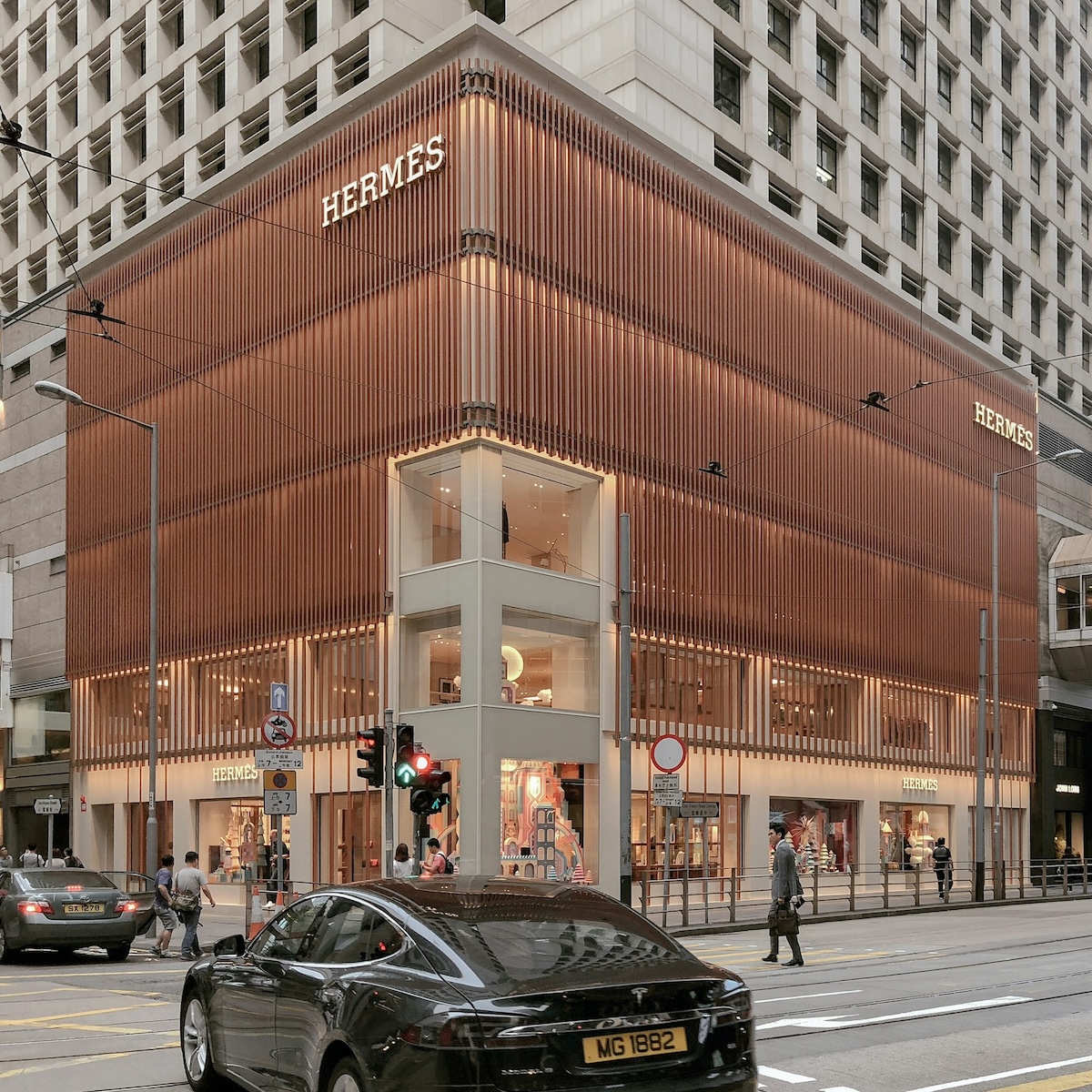
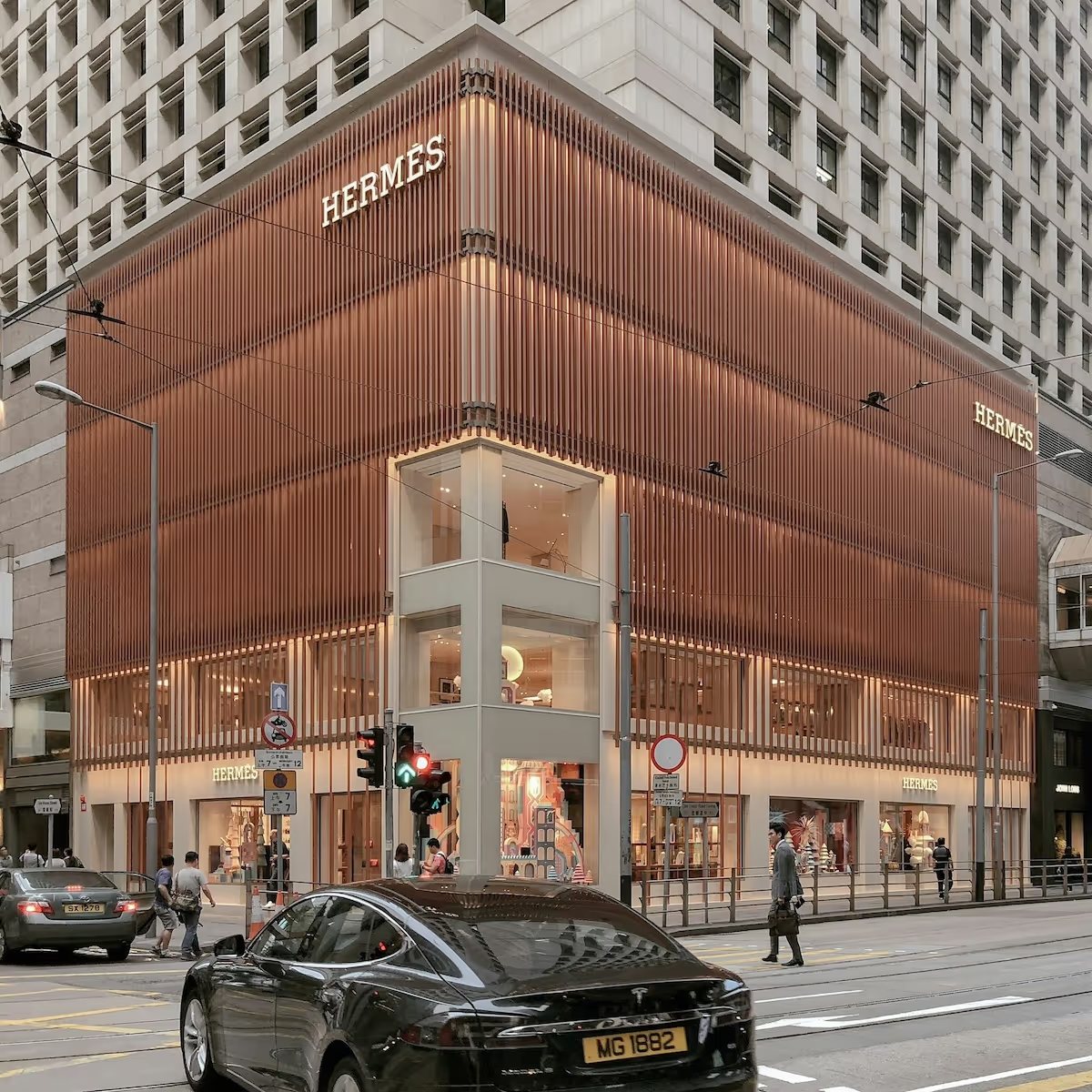
Hermès offers a useful counterexample to the idea that exclusivity requires every brand experience to be private. Its Hermès in the Making event in Bangkok, held from November 25 to December 3, 2023, offered free admission to demonstrations, workshops, activities, and films. Craftspeople from several of the house's métiers showed their techniques.
The event connected the house's history, dating to 1837, with work people could observe. Demonstrating a technique gives substance to a claim about craftsmanship: the audience can see tools, materials, and decisions that a finished-product photograph may not explain.
Public access to that knowledge is different from unrestricted access to every product. A brand can teach broadly while maintaining its production standards and a considered sales experience. This is a more useful distinction than treating all visibility as a threat to exclusivity.
The companion article on the Hermès marketing strategy explores the brand more broadly. For this comparison, the transferable lesson is to show the evidence behind the promise. A process demonstration should reveal something a buyer genuinely values, not merely add atmosphere.
3. Loro Piana: Explain the Material Difference
LVMH's account of Loro Piana dates the company to Pietro Loro Piana's founding in 1924 and describes its roots in wool and cashmere textiles. Material expertise provides a clear subject for communication: what the fibre is, where it comes from, and how it becomes a finished garment.
The brand's The Gift of Kings material and traceability information explains the use of selected merino wool from Australia and New Zealand. It also dates an authenticity and traceability service with Aura Blockchain Consortium to 2022, allowing customers to scan garment-label QR codes.
The useful marketing mechanism is product explanation. A material name is more meaningful when it leads to information a customer can understand and inspect. Digital information can support that explanation without making technology the main attraction.
Traceability should not be stretched into a blanket statement that every product or activity is sustainable. Origin information, certification, working conditions, and environmental performance answer different questions. A responsible product story states what the available evidence covers and avoids implying that one initiative settles them all.
4. Chopard: Match the Partnership to the Craft
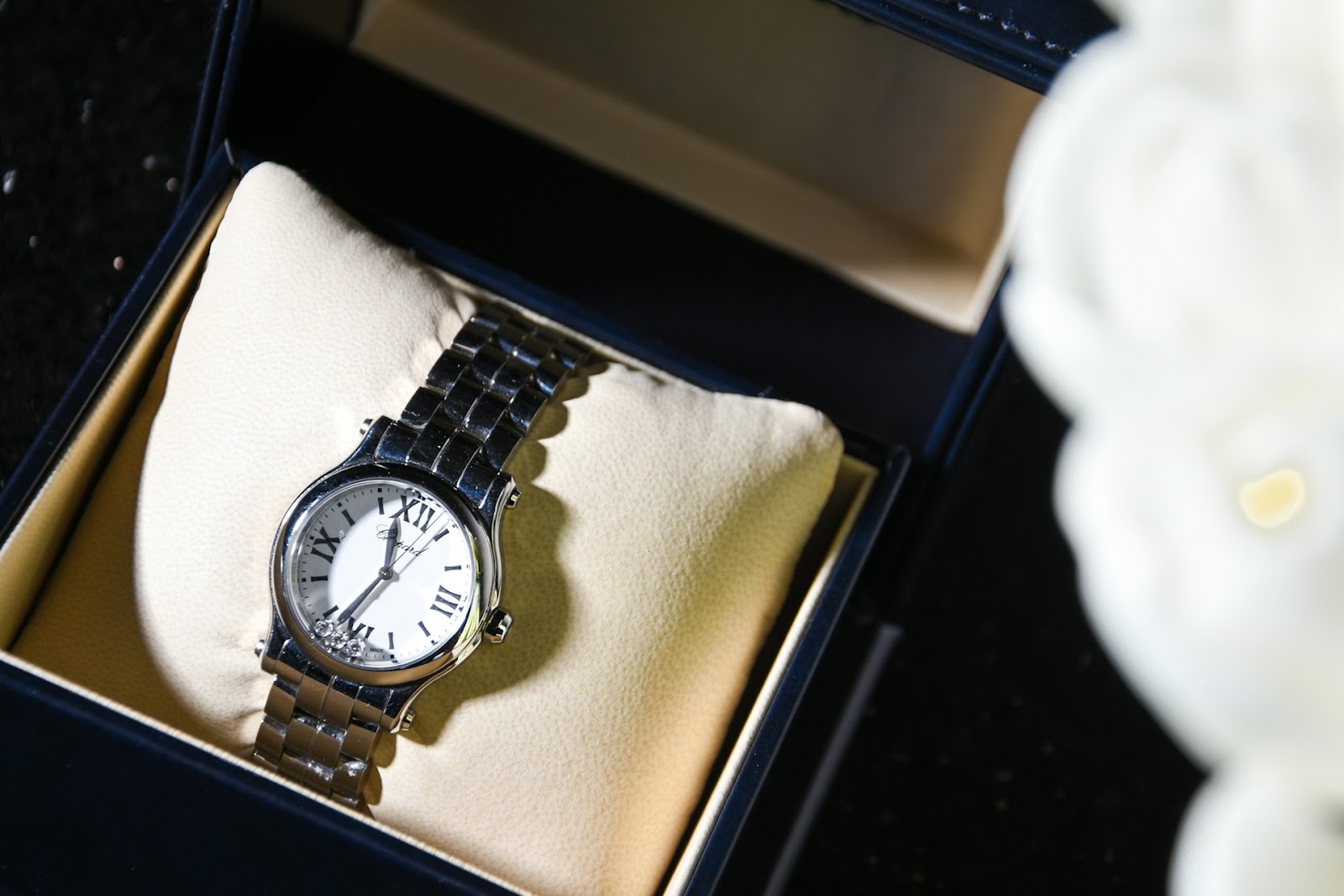
Chopard's relationship with cinema shows why selective marketing need not have a small audience. Its 2023 Cannes Film Festival presentation describes the house's work on the Palme d'Or since 1998 and the trophy's use of Fairmined-certified ethical gold since 2014.
That gives the partnership a product-related role: Chopard does not only appear around the festival, it makes the award. Jewellery, ceremonial presentation, and the company's workshop skills are connected in one setting. The association is easier to explain than an endorsement selected solely for a celebrity's reach.
The sourcing story also needs precision. In 2018, Chopard announced a commitment to use 100% ethical gold in jewellery and watch production from July that year. The announcement identified several sourcing routes, including small-scale mining programmes and gold from RJC-certified refineries. It did not mean that all of its gold was Fairmined-certified or establish the status of every other material.
For another brand, evaluate a partnership by the role it enables, the audience it reaches, and the work needed to deliver it. Ask whether the product or expertise belongs in that environment. Prestige borrowed from an event should not replace a credible contribution to it.
5. Audemars Piguet: Connect Technical Craft With Culture
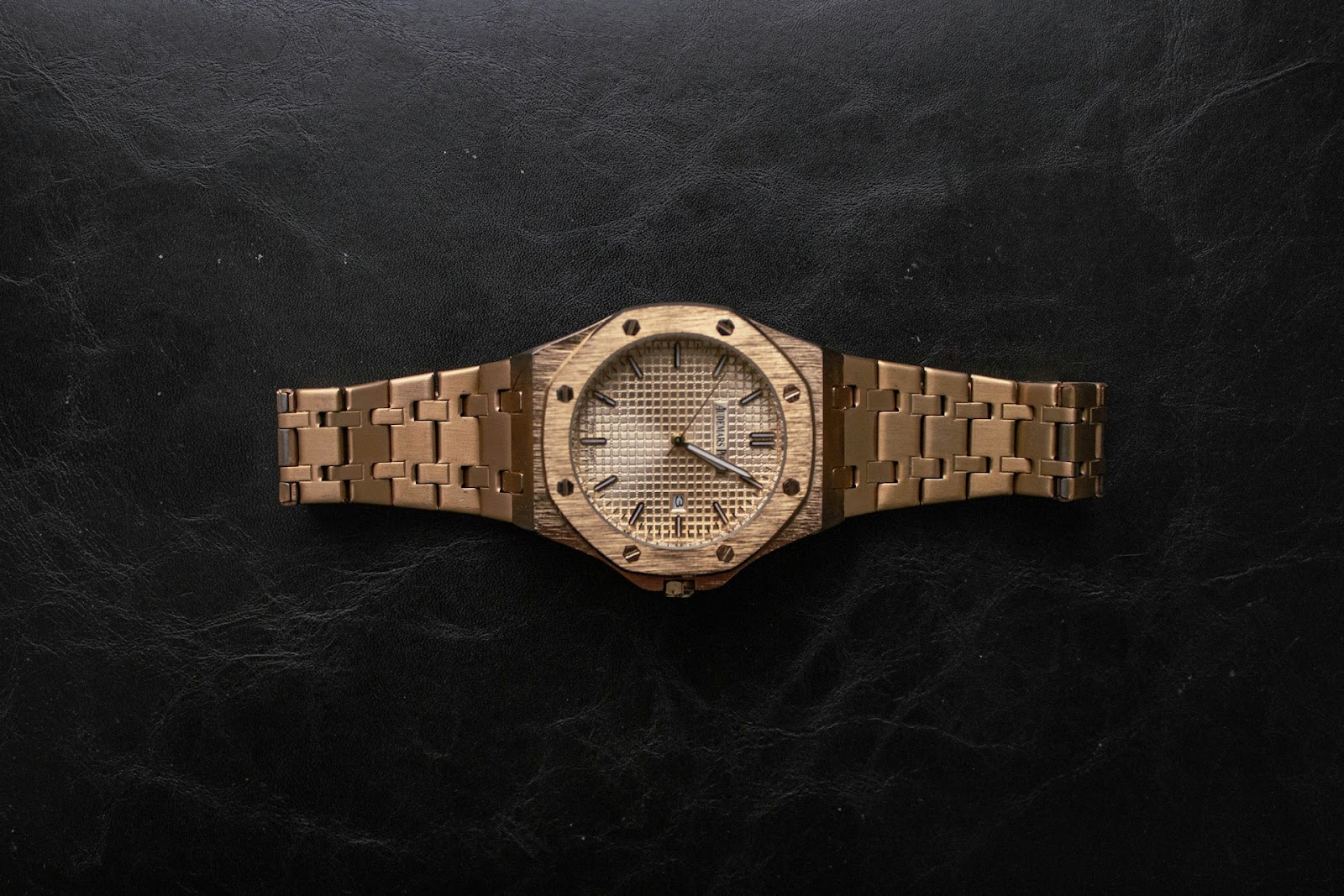
Audemars Piguet's Art Basel partnership began in 2013. Its account describes commissioned artworks and collaborations with designers who expressed the manufacture's cultural and geographic origins in the Collectors Lounge. This creates a relationship with art through commissioned work and a setting for engagement, rather than a logo placement alone.
A different cultural connection appeared in the 2023 Royal Oak Concept Tourbillon “Spider-Man”, a 250-piece limited edition developed through the brand's Marvel collaboration. The watch combined a recognizable character with an openworked mechanical movement.
These examples challenge a single visual definition of luxury marketing. An art commission and a superhero watch communicate through different cultural references, even within the same house. The common question is whether the execution makes the brand's craft and creative choices legible to its intended audience.
The limited edition provides a documented production quantity, not proof that scarcity alone caused demand or that a buyer will earn a resale return. For marketers, distinguish an actual product constraint from an unsupported promise about desirability or future value.
What the Five Brand Examples Have in Common

Heritage and craftsmanship run through these cases, but their roles differ. Delvaux makes the archive a destination. Hermès demonstrates skills in public. Loro Piana explains materials and provenance. Chopard connects jewellery-making with a festival award. Audemars Piguet uses cultural commissions and collaborations alongside technical watchmaking.
A consistent visual identity helps those different communications remain recognizable, but visual restraint is not a universal requirement. Nor should a business assume that every brand uses the same customization services, limited editions, or events. Learn from the decision behind the example instead of copying its surface.
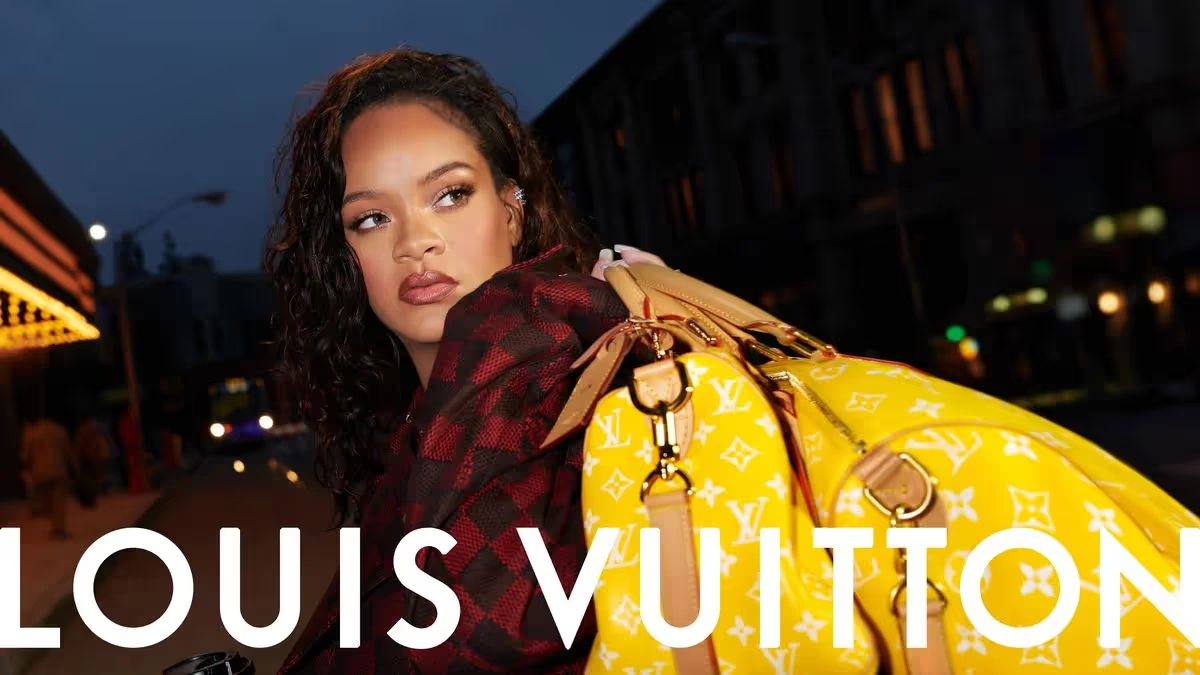
For another comparison, the Louis Vuitton marketing strategy article considers a more visibly campaign-led approach. The broader guide to luxury marketing and audience reach examines how discovery and exclusivity can coexist. These are complementary questions, not interchangeable definitions of luxury.
Build a Digital Experience That Supports the Promise
A considered website should make the brand easier to understand and the next action easier to complete. Keeping a product exclusive does not require hiding useful information or making a contact form difficult to use. Decide whether each page should explain, sell, arrange an appointment, or provide service.
Show Enough Detail to Support a Decision
Use product imagery, scale, materials, construction details, and care information to answer the questions a visitor cannot resolve by touching the object. State whether an item can be purchased online, requires an enquiry, or is unavailable. Explain customization only where it is actually offered, including the choices and process.
A search-led content strategy can identify which questions deserve durable answers, such as material comparisons, product care, or the meaning of a collection. That supports discovery without turning every page into a keyword-heavy sales pitch.
Carry the Conversation From Website to Adviser
Good UI/UX design connects the enquiry with a usable service journey. Let visitors identify a product or service, choose the relevant boutique where appropriate, and understand what happens after submission. Collect only the information needed for that next step and state the expectations clearly.
Test the complete mobile journey, not only the page's appearance. Can someone inspect the product, find an answer, request an appointment, and recognize confirmation? An elegant screen does not compensate for a lost enquiry or a confusing handoff.
Apply the Strategy and Measure the Right Outcome
Start with audience research rather than assuming all affluent customers share one taste. Determine what buyers value, which doubts recur, and which parts of the service matter after purchase. Use that evidence to choose the message and channel.
A hypothetical leather-goods business might pair a documented craft story with a small workshop event and an appointment page. Its first review could ask whether visitors understood the construction, whether relevant enquiries increased, and whether the team delivered the promised follow-up. That tests a connected experience rather than the appeal of expensive-looking photography alone.
Choose marketing metrics that fit the objective. An awareness programme may examine recognition and relevant engagement. An appointment journey needs measures of completed requests, attendance, and subsequent purchases. Retention work needs repeat-client and aftercare feedback. Record the period, audience, cost, and attribution limits before calling an activity successful.
Where positioning, channels, and customer experience are pulling in different directions, a marketing consultation can help prioritize the decisions. The goal is not to make every premium brand look quieter. It is to make each promise credible and each interaction consistent.
To connect your positioning, identity, and website experience, contact Brand Vision to discuss your priorities.

.webp)