Aesthetic branding is more than choosing a palette or building a polished social feed. The strongest lifestyle brands repeat a recognizable set of visual cues, settings, rituals, and language until the product feels connected to a larger way of living. That can strengthen recognition and make creative decisions more coherent, but it does not automatically create loyalty, pricing power, or repeat purchase.
The ten brands below show different ways to build that consistency. Their approaches range from wellness and beauty to fashion, technology, and outdoor culture. The useful lesson is not to copy their look. It is to understand how visual identity systems, brand positioning, and recurring brand scenes can work together. Brand Vision’s guide to brand world-building explores the same principle at a broader strategic level.
At a glance
- A strong aesthetic narrative repeats recognizable cues across product, packaging, stores, campaigns, and digital content.
- The ten examples include Alo Yoga, Frankies Bikinis, Glossier, Aesop, Apple, Patagonia, Aimé Leon Dore, Arc’teryx, Ralph Lauren, and L.L.Bean.
- The lifestyle descriptions below are editorial interpretations of each brand’s public-facing identity, not official slogans unless a source explicitly says otherwise.
- Commercial effects depend on product quality, distribution, price, customer experience, and many other factors. A coherent aesthetic is one part of the system, not proof of business performance.
1) Alo Yoga
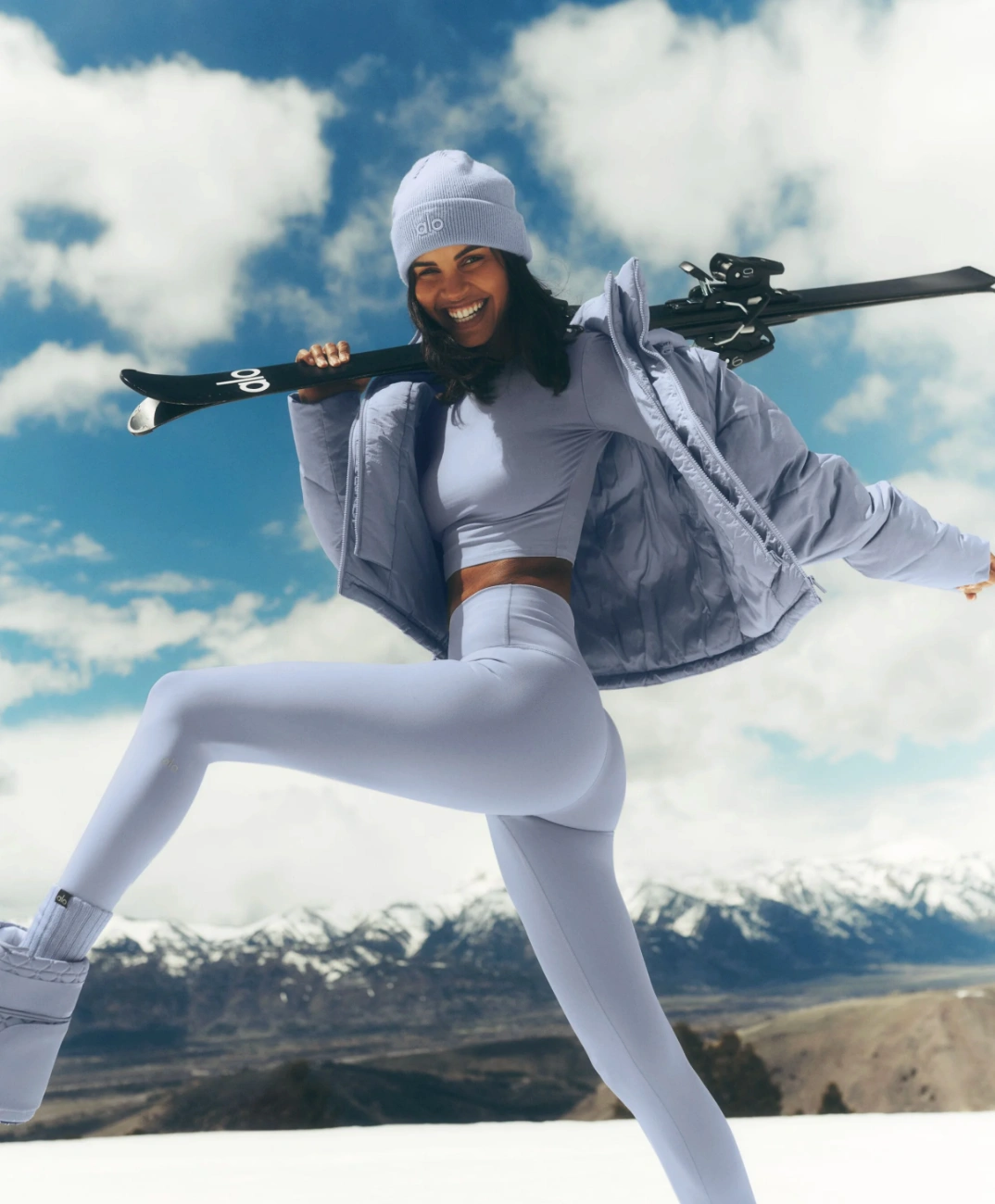
Alo’s marketing strategy combines studio culture, movement, fashion, and wellness into a calm, highly controlled visual world. Neutral interiors, coordinated sets, yoga and training contexts, and polished creator content make the brand easy to recognize without relying on one campaign idea. Alo’s own site now spans apparel, yoga, training, recovery, and wellness categories, reinforcing that broader lifestyle frame. (Alo Yoga)
For brands in wellness branding, the useful lesson is consistency across the environment around the product. The product can change by season while the recurring mood and use occasions stay familiar.
- Common cues include soft neutrals, studio settings, coordinated apparel, movement, and wellness-oriented imagery.
- Editorially, the lifestyle idea reads as disciplined movement presented through calm, polished routines.
2) Frankies Bikinis
Frankies Bikinis has a direct connection to Southern California beach culture. The company says founder Francesca Aiello grew up in Malibu, shaped by surfing, junior lifeguarding, and a close-knit coastal community, and describes the business as a female-led lifestyle brand. (Frankies Bikinis)
That origin gives the brand a credible visual territory: swimwear, sun, relaxed styling, warm locations, and a youthful sense of movement. The aesthetic feels stronger when those cues come from the company’s story rather than being added as generic beach decoration.
- Common cues include warm coastal settings, feminine styling, swim culture, candid poses, and soft seasonal colour stories.
- Editorially, the lifestyle idea reads as confident, social, beach-born dressing rather than a literal company tagline.
3) Glossier
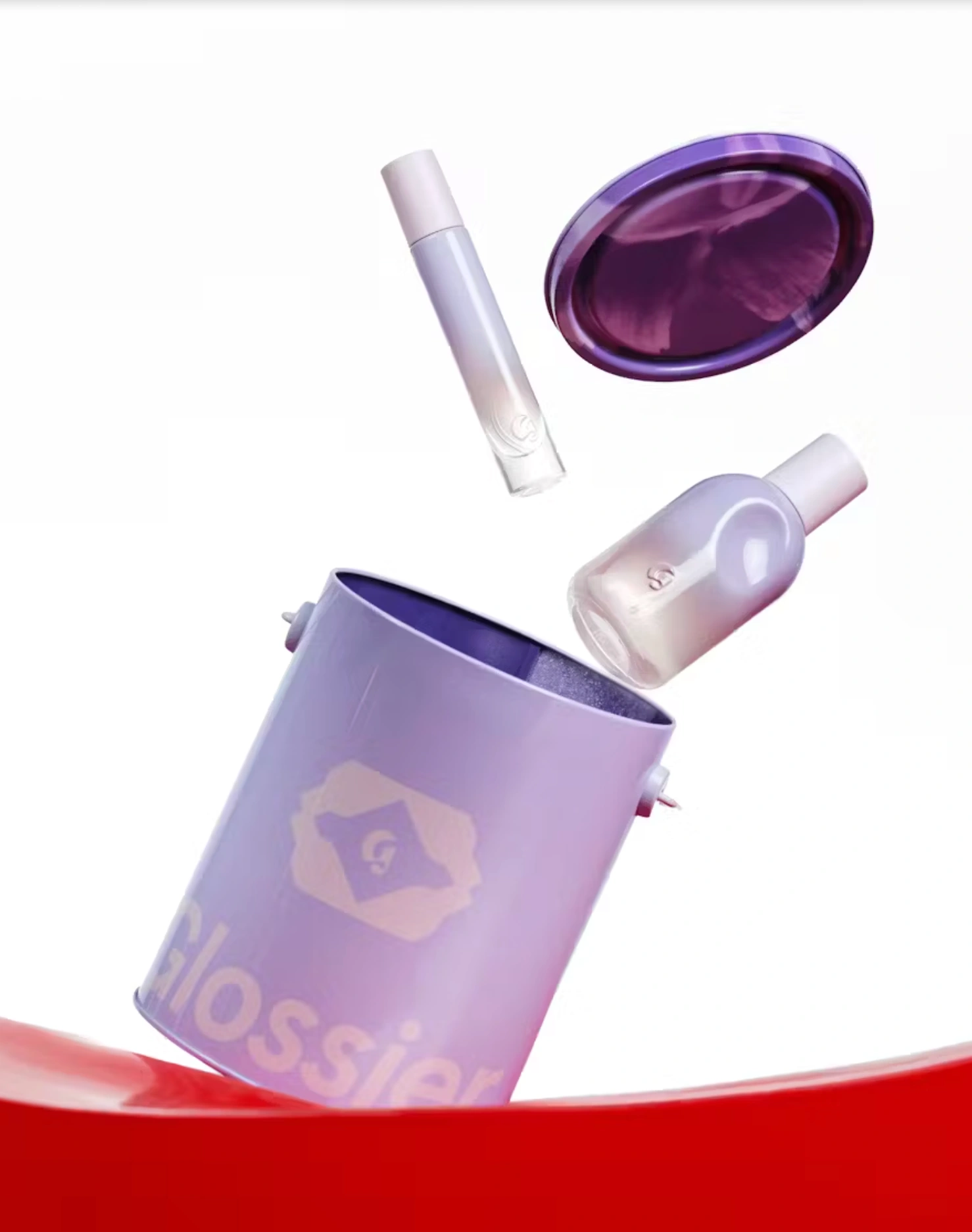
Glossier built much of its identity around accessible beauty, community, thoughtful design, and the “Skin First. Makeup Second” philosophy described on its About page. (Glossier) That gives the brand a clear foundation for its familiar soft-light photography, simple packaging, conversational copy, and emphasis on everyday routines.
The aesthetic works because product design, language, photography, and retail environments usually point in the same direction. The lesson is less about one signature colour and more about maintaining one recognizable attitude across touchpoints.
- Common cues include clean counters, soft light, approachable product photography, rounded packaging, and conversational language.
- Editorially, the lifestyle idea reads as beauty that fits into everyday self-expression rather than covering it up.
4) Aesop
Aesop makes care feel literary through amber bottles, careful language, restrained packaging, and stores that respond to their local setting. The company describes a sincere interest in intelligent and sustainable design across its products and retail environments. (Aesop)
Those branding choices show how a lifestyle world can stay recognizable without forcing every location to look identical. Materials and architecture change, but the tone, product presentation, and attention to design stay coherent.
- Common cues include amber containers, restrained typography, natural materials, thoughtful retail architecture, and longer-form product language.
- Editorially, the lifestyle idea reads as considered daily ritual and design-conscious restraint.
5) Apple
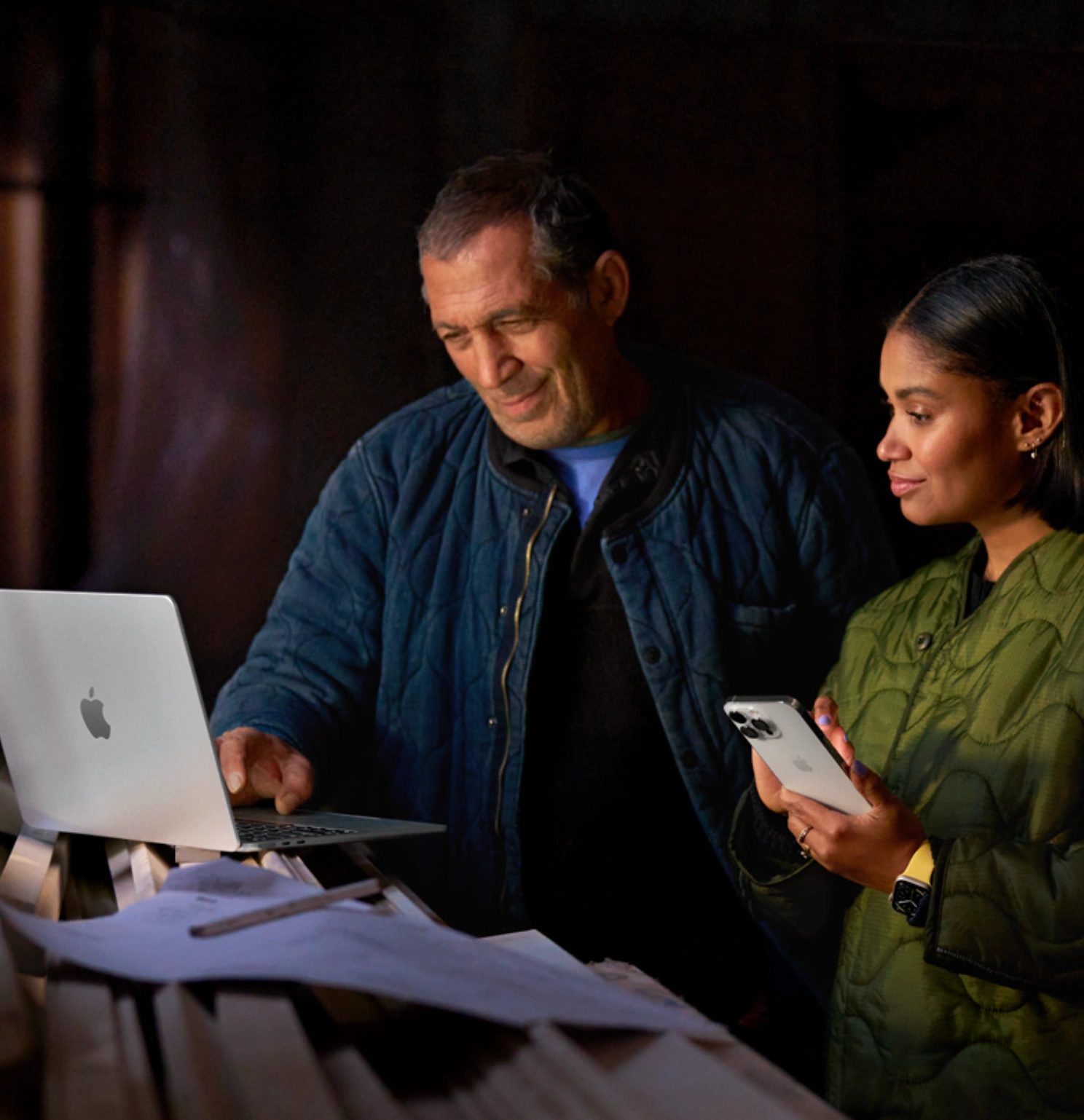
Apple’s aesthetic narrative is built around clarity. Products are often presented with simple geometry, controlled lighting, generous space, and demonstrations that put the device in a human use context rather than surrounding it with visual clutter. Apple’s public values also connect product design to areas such as accessibility, privacy, and the environment. (Investor Apple)
The brand is useful here because the aesthetic does not live only in advertising. Product design, packaging, stores, software, and launch presentations reinforce the same expectation of controlled simplicity.
- Common cues include negative space, simple geometry, restrained product staging, soft reflections, and human-scale demonstrations.
- Editorially, the lifestyle idea reads as technology that supports creation and everyday tasks without visually dominating them.
6) Patagonia
Patagonia’s public history is closely tied to climbing, outdoor equipment, product durability, environmental action, and a long-running relationship with people who use gear in demanding conditions. (Patagonia History) That history gives the brand a visual world based on real terrain, worn products, practical equipment, and outdoor activity rather than polished lifestyle staging alone.
The important distinction is that the purpose narrative has to be supported by what the company actually does. An environmental aesthetic without operational proof would be much easier to dismiss.
- Common cues include real terrain, functional apparel, repairs, field use, weather, and documentary-style storytelling.
- Editorially, the lifestyle idea reads as durable outdoor use connected to environmental responsibility.
7) Aimé Leon Dore
Aimé Leon Dore builds a highly recognizable version of New York through cafés, basketball, warm interiors, vintage references, music, and carefully styled everyday scenes. The brand’s world feels cinematic, but the cues remain grounded in recurring places and cultural references rather than one seasonal campaign.
That makes the brand a useful example of how setting can become part of identity. A location, soundtrack, object, or recurring ritual can help a brand stay coherent even when the product assortment changes.
- Common cues include cream and green palettes, café rituals, paneled wood, basketball references, street scenes, and vintage-inspired styling.
- Editorially, the lifestyle idea reads as a romanticized but recognizable New York uniform.

8) Arc’teryx
Arc’teryx presents technical apparel through mountains, weather, performance detail, and precise product construction. Its aesthetic narrative can move between alpine environments and city use because the underlying cues still point back to technical performance.
The lesson is that lifestyle expansion works better when the product’s original credibility remains visible. A brand can enter new scenes without pretending its history began there.
- Common cues include rock, snow, muted technical shells, close-up construction details, and athlete or field use.
- Editorially, the lifestyle idea reads as precision and preparedness in demanding environments.
9) Ralph Lauren
Ralph Lauren sells the American dream through distinct but connected lifestyle chapters, including tailored city dressing, East Coast prep, Western references, sport, and hospitality. Ralph Lauren Corporation describes itself as a luxury lifestyle company and says its purpose is to inspire “the dream of a better life through authenticity and timeless style.” (Corporate Ralph Lauren)
That makes Ralph Lauren one of the clearest examples of a brand using recurring places, roles, interiors, and rituals to create multiple worlds without losing a recognizable parent identity.
- Common cues include club interiors, cable knits, equestrian references, ranch settings, varsity details, formalwear, and cinematic domestic scenes.
- Editorially, the lifestyle idea is not one fixed character. It is a set of aspirational American chapters tied together by consistent taste and styling.

10) L.L.Bean
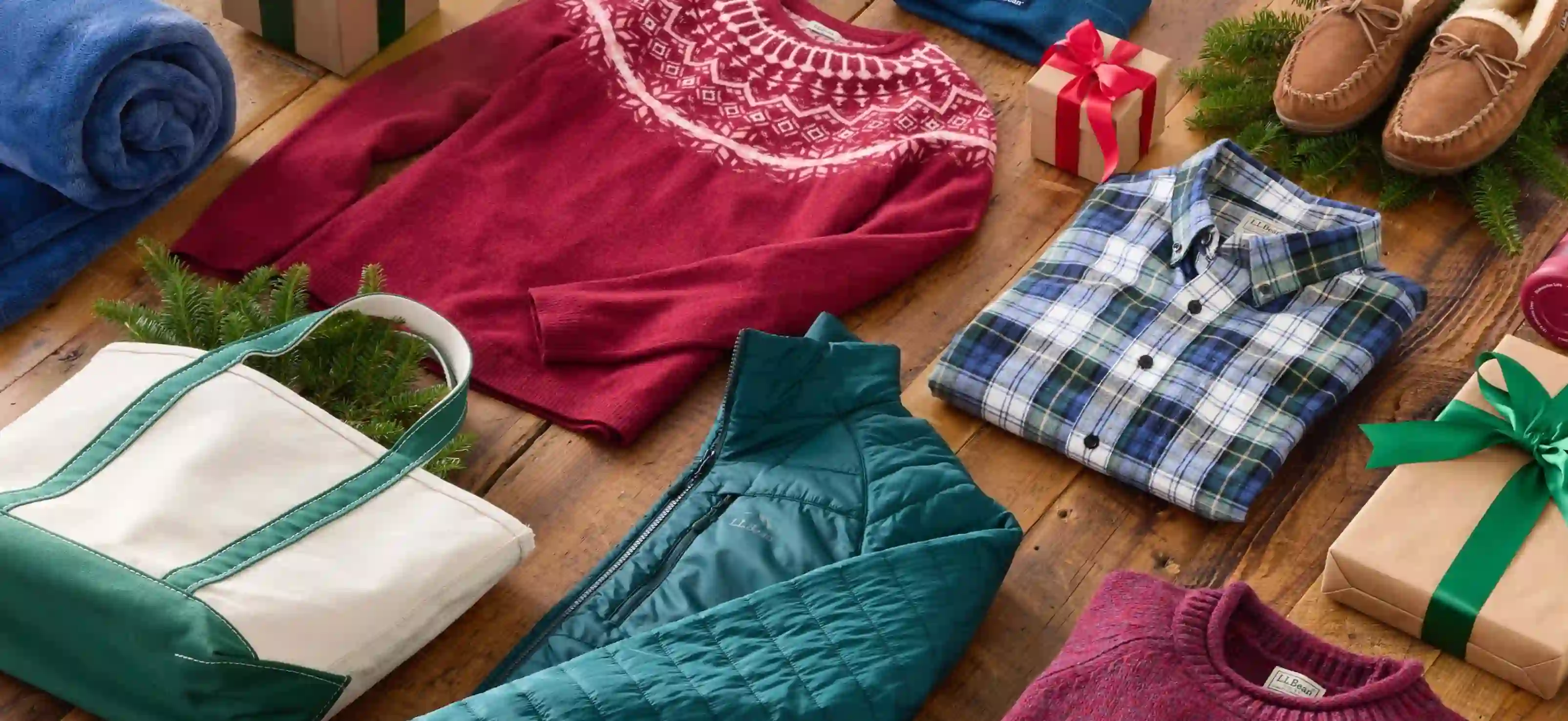
L.L.Bean’s aesthetic is practical New England: outdoor gear, canvas, flannel, boots, cabins, water, woods, and family-oriented recreation. Those cues make usefulness part of the visual identity rather than treating function and lifestyle as separate stories.
The broader lesson is that an aesthetic can be approachable rather than aspirational. Familiar settings and durable products can create a recognizable world without relying on exclusivity.
- Common cues include pine forests, canoes, canvas, flannel, duck boots, camp gear, and warm domestic outdoor settings.
- Editorially, the lifestyle idea reads as practical outdoor tradition built around repeat use.
FAQ
What is an aesthetic narrative?
An aesthetic narrative is a repeatable combination of mood, setting, language, visual cues, and rituals that helps a brand feel coherent across products and channels.
Do aesthetic brands automatically outperform?
No. A coherent aesthetic can support recognition and make creative execution more consistent, but performance also depends on product value, distribution, pricing, customer experience, media, and many other factors.
Are Alo and Frankies Bikinis lifestyle brands?
Both present themselves beyond a single product category. Alo spans apparel, movement, and wellness, while Frankies Bikinis describes itself as a lifestyle brand shaped by Malibu beach culture.
How is an aesthetic brand different from a trend?
A trend is a temporary style or behavior. A brand aesthetic is more durable because it is tied to recognizable cues, positioning, and the customer experience rather than one seasonal look.
Which aesthetic cues matter most?
The answer depends on the brand. Colour, typography, materials, lighting, language, sound, recurring settings, product design, and customer rituals can all become useful cues when they are distinctive and consistently applied.
Why these aesthetic brands matter
These ten brands show that lifestyle branding works best when the world around the product feels consistent with the product itself. The goal is not to make every brand cinematic. It is to decide which cues, settings, and behaviors belong to the identity, then repeat them with enough discipline that customers can recognize the system.
For a Miami-based consumer brand, a branding agency in Miami should adapt those principles to the company’s actual audience and market rather than borrowing the aesthetic of a famous lifestyle brand. More broadly, Brand Vision is a branding agency that connects positioning, visual identity, and digital experience. If you are defining or refreshing that system, you can discuss your brand identity with the team.