Key Facts
- Brand positioning: elevated American luxury lifestyle anchored in icons and selective distribution.
- Mission statement: “To inspire the dream of a better life through authenticity and timeless style.”
- Recent activations: Wimbledon and the US Open partnership ecosystem, Team USA outfitting, Fortnite collaborations, and hospitality extensions like Ralph’s Coffee.
Ralph Lauren keeps showing what a durable marketing strategy looks like when the brand story and the operating model match. Full-year fiscal 2026 results reported revenue above $8 billion for the first time, up 15% on a reported basis and 12% in constant currency, with direct-to-consumer comparable sales up 13%. The company’s first quarter fiscal 2027 results then showed revenue up 14%, average unit retail up 15%, and Asia revenue up 24% on a reported basis. That completed performance builds on the brand-elevation context reported for fiscal 2025 by Vogue Business and the stronger fiscal 2026 outlook discussed by Reuters in late 2025.
Ralph Lauren Brand Positioning (2026)
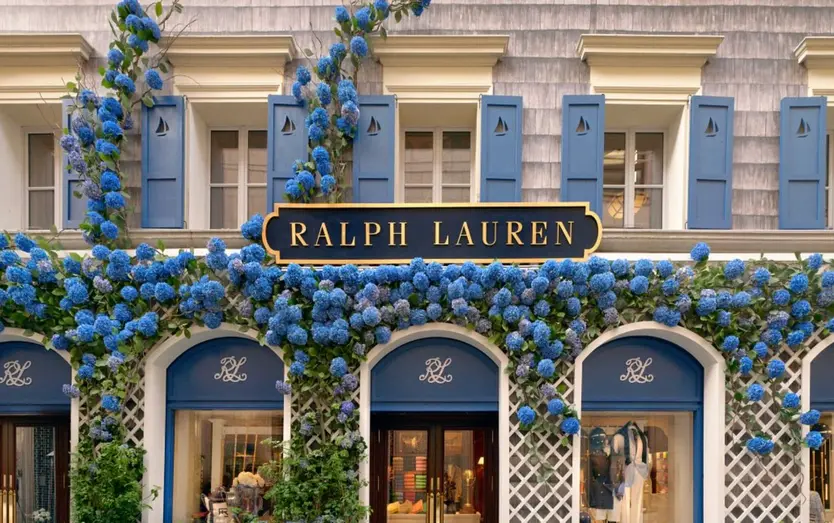
Ralph Lauren brand positioning sits in a rare lane: it sells heritage without feeling stuck in the past, and it sells aspiration without relying on novelty. That is the centre of the Ralph Lauren marketing strategy in 2026, and it explains why icons still matter more than hype. When a brand can make a polo shirt, an oxford, and a navy blazer feel like cultural shorthand, the marketing becomes less about persuasion and more about recognition. A coherent brand strategy is what keeps those signals connected as channels and campaigns change.
Ralph Lauren brand positioning also benefits from restraint. Selective distribution, careful channel mix, and consistent creative standards protect the halo. Over time, that consistency can support pricing power and reinvestment in product, stores, and storytelling. For other brands, structured brand research can test which signals customers actually recognize before teams decide what should remain fixed and what can evolve.
- Positioning: elevated American lifestyle, icons first, selective distribution.
- Ralph Lauren brand positioning relies on coherence across product, retail, digital, and events.
Ralph Lauren Brand Identity & Values
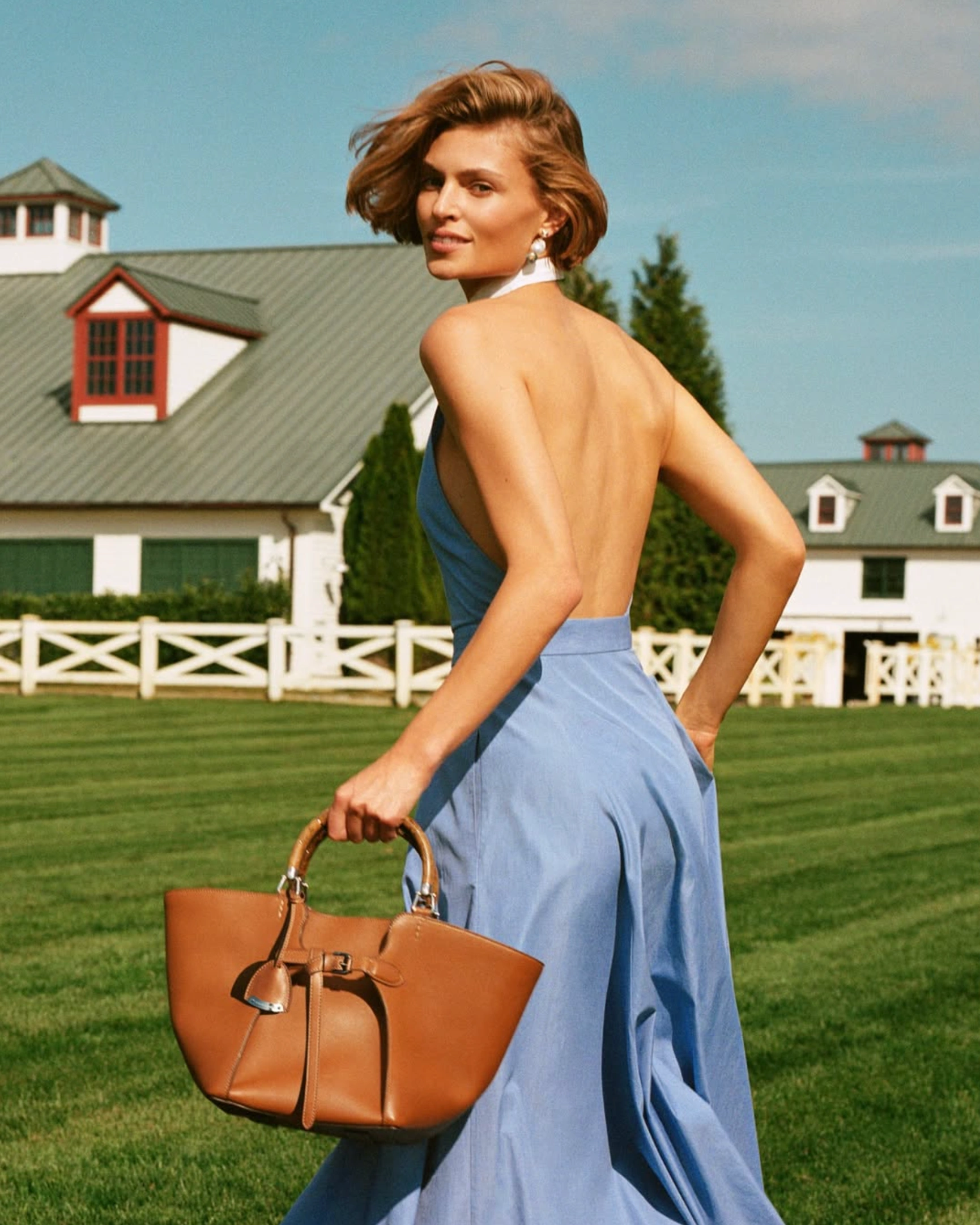
Ralph Lauren’s identity is built from a clear set of codes: collegiate prep, equestrian and tennis cues, a refined palette, and the Polo Pony as an instantly readable mark. The Ralph Lauren marketing strategy works because the identity is not seasonal. It is modular. Campaigns can shift settings, casts, and formats while keeping the same underlying signals. That consistency is a core visual identity advantage: the brand remains legible even when the execution changes.
Values are also operational, not decorative. Ralph Lauren’s corporate framing of its strategy and long term goals reinforces how the company thinks about brand building as a system, not a one off campaign. (Ralph Lauren Corporate Strategy) This is where broader branding services matter for other companies: positioning, identity, messaging, and experience need to reinforce the same promise.
- Identity: icons, sport heritage, refined palette, consistent world building.
- Values show up in casting, service expectations, partnership choices, and quality cues.
Ralph Lauren Marketing Campaigns (Recent)
Ralph Lauren marketing campaigns have an unfair advantage: sport is a global stage that already carries heritage, rules, and ceremony. Wimbledon is the clearest example. Ralph Lauren has been the tournament’s official outfitter since 2006, and the partnership keeps producing high visibility moments that look natural inside the brand world. (Launchmetrics) The US Open relationship has also been reinforced recently, with the partnership extended through 2032, which turns a seasonal sponsorship into a long arc of brand memory. (US Open)
Team USA outfitting continues to work as global proof of craft and Americana, especially when the brand frames it through tailoring, materials, and tradition instead of flag waving. When Ralph Lauren marketing campaigns show up in these environments, the brand is borrowing credibility from the event while also adding visual coherence to it. That is why the strongest work behaves like integrated marketing: product, partnership, content, retail, and experience support the same story.
- Proof stack: Wimbledon, the US Open partnership, Team USA outfitting, and long horizon sponsorship extensions.
- Ralph Lauren marketing campaigns succeed because they place icons inside cultural institutions that already signal prestige.
View this post on Instagram
A post shared by Ralph Lauren (@ralphlauren)
Polo Ralph Lauren Marketing
Polo is the entry point, and Polo Ralph Lauren marketing is the brand’s volume language. It brings younger customers into the world through denim, fragrance, knitwear, and sport adjacent storytelling, while keeping the ladder intact above it. Polo Ralph Lauren marketing works best when it uses the same codes as the top tier lines, just translated into more frequent drops and more accessible price points.
This is where Ralph Lauren's brand positioning needs discipline. If Polo becomes too loud, the halo thins. If Polo becomes too quiet, the brand loses reach. The Ralph Lauren marketing strategy holds the tension by separating product tiers clearly, controlling distribution, and keeping the creative direction consistent. Polo Ralph Lauren marketing is not a different story. It is the same story told at a faster rhythm.
- Role: youth reach, icons at accessible price points, frequent storytelling.
- Polo Ralph Lauren marketing protects the ladder by keeping clear tier separation and controlled distribution.
Ralph Lauren Mission Statement
“To inspire the dream of a better life through authenticity and timeless style.” (Ralph Lauren)
When it comes to the Ralph Lauren marketing strategy, the mission line is not filler. It becomes a creative filter. When the brand evaluates partnerships, hospitality concepts, or new digital activations, the mission helps keep Ralph Lauren brand positioning from drifting into novelty for novelty’s sake.
- Clarity: one sentence that travels through every campaign.
- The mission supports consistent Ralph Lauren brand positioning across categories and channels.
Omnichannel & Clienteling Strategy
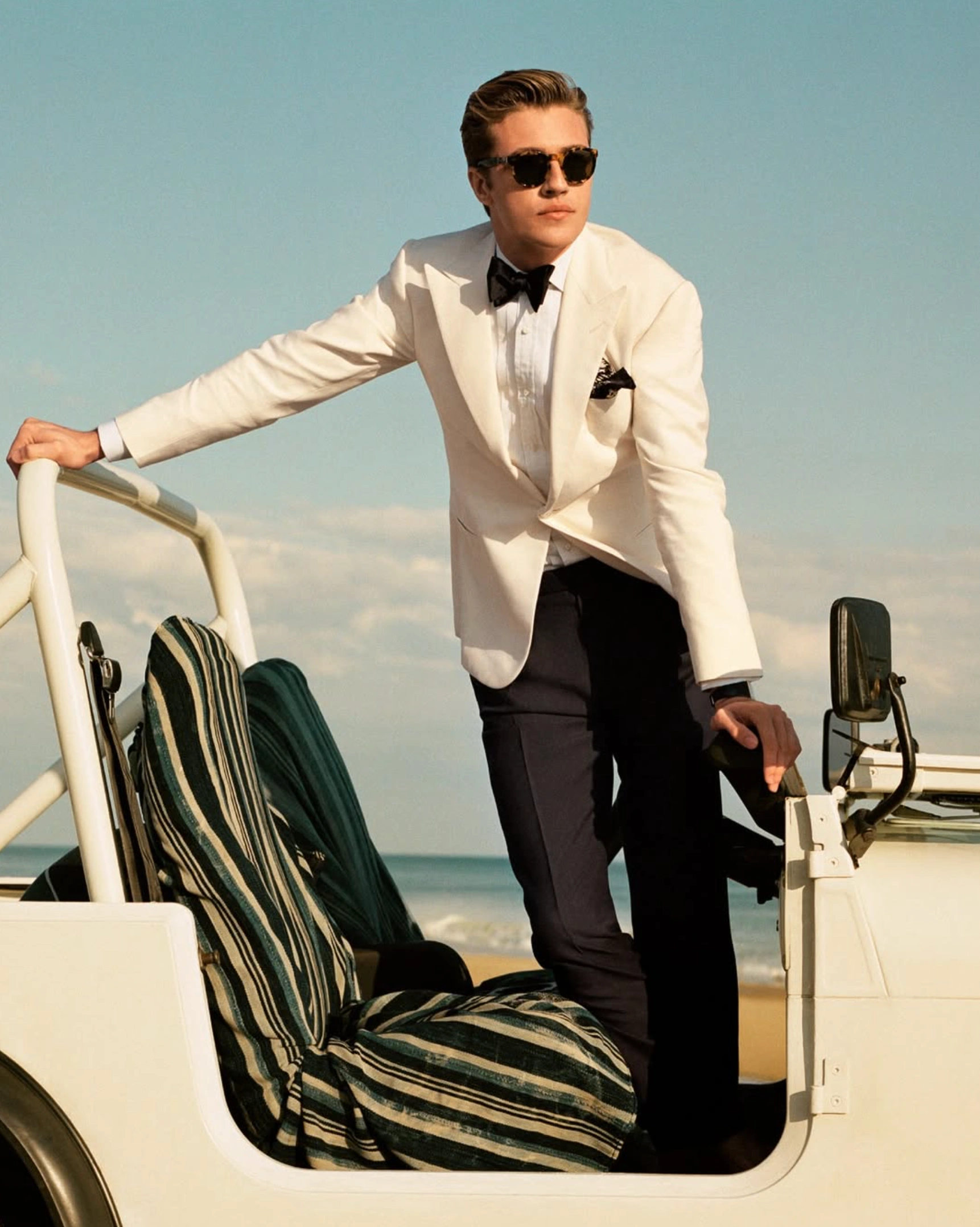
Omnichannel execution is where luxury brands either compound trust or leak it. Ralph Lauren treats stores as service hubs and content stages, and clienteling tools make that high touch experience scalable. The Ralph Lauren marketing strategy benefits because the experience itself becomes marketing. When service feels personalised and consistent, customers do not need to be convinced with discounts.
This is also where design and UX decisions matter. Messaging, appointment flows, and mobile shopping experiences have to feel coherent with the brand world. For brands rebuilding their digital experience, a strong UI UX design agency can align journey design with the same standards used in store, especially for luxury and premium categories.
- Clienteling: advisor led messaging and one to one service keeps loyalty high.
- Stores operate as service nodes that protect Ralph Lauren brand positioning through experience quality.
International Growth (Asia/Europe)
International growth works when the brand can translate without diluting. Ralph Lauren brand positioning is rooted in American heritage, but the company adapts assortments, storytelling, and retail execution to local markets. In late 2025, Reuters reported resilient demand and notable strength in China. The completed fiscal 2026 results showed Asia revenue up 23% and Europe up 17% on a reported basis. In the first quarter of fiscal 2027, Asia revenue rose another 24%, including China growth of more than 40%, while Europe increased 7% on a reported basis. (Ralph Lauren)
Europe plays differently. Tourism, heritage sport moments, and department store presence can drive volume, but the same rule applies: protect price integrity and keep the environment elevated. The Ralph Lauren marketing strategy in global markets is essentially the same strategy as North America, with different emphasis on channel, product mix, and storytelling context.
- Playbook: local relevance without diluting the core American code.
- Ralph Lauren brand positioning stays consistent, while the execution flexes by market.
Digital To Physical Storytelling (Gaming & Hospitality)
Ralph Lauren has been unusually good at using new platforms without breaking character. The Fortnite collaboration is a clear example of digital first storytelling that still feels aligned with the brand codes. Fortnite itself framed the Polo Stadium collection as an official in game drop, which made the collaboration legible to gaming audiences without requiring them to know the brand’s runway context. (Fortnite) Coverage also showed how the brand extended the collaboration with limited physical product moments, tightening the link between digital identity and real world ownership. (Vogue)
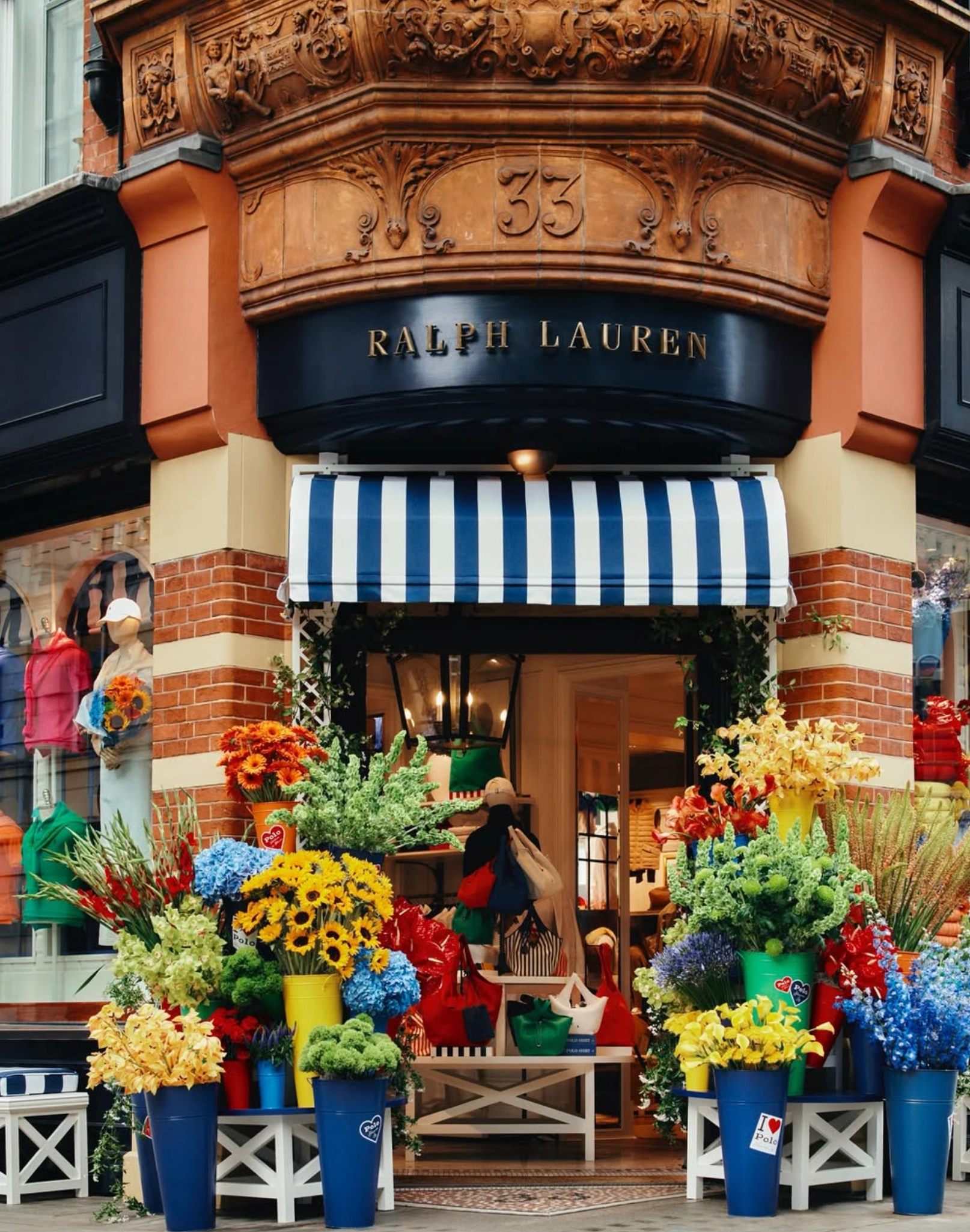
Hospitality works for the same reason. Ralph’s Coffee and The Polo Bar are brand environments that turn the Ralph Lauren marketing strategy into a daily ritual. Ralph Lauren now lists hospitality among its six product and lifestyle categories, reinforcing that these concepts are part of the wider brand system rather than simply side projects. (Ralph Lauren)
For other hospitality businesses, the analogous challenge is keeping brand, digital discovery, and on-site experience aligned. A travel and hospitality marketing agency can coordinate those touchpoints; in a place-driven market, a marketing agency in Miami can also adapt the system to local demand. This is a general application of the lesson, not a claim that Brand Vision worked with Ralph Lauren.
- Phygital: digital drops plus real world venues create new entry points.
- Ralph Lauren marketing campaigns now include experiences that generate steady social proof.
Brand Elevation, Pricing Power & Results
The most important result of the Ralph Lauren marketing strategy is not a single viral moment. It is the ability to reduce dependency on discounting while still growing. Vogue Business reported fiscal 2025 revenue of $7.1 billion and discussed healthier full-price sell-through as part of the elevation strategy. The company’s fiscal 2026 results then reported revenue above $8 billion for the first time, 13% direct-to-consumer comparable-sales growth, and mid-teens average unit retail growth, giving the article a completed operating result rather than a forecast.
Marketing investment also matters when it is used to reinforce long term memory rather than chase short term reach. Earlier coverage discussed Ralph Lauren’s marketing intensity around 7% of sales with ambitions to raise it further. (eMarketer) In the first quarter of fiscal 2027, Ralph Lauren reported that strong full-price demand and expense discipline more than offset increased marketing investment, while average unit retail rose 15%. (Ralph Lauren)
- Levers: icons, channel mix, higher full price sell through, sustained brand investment.
- Ralph Lauren brand positioning supports pricing power when distribution and experience stay disciplined.
View this post on Instagram
A post shared by Ralph Lauren (@ralphlauren)
Challenges & Risk Management
Luxury brands carry predictable risk: counterfeits, tariff volatility, geopolitical uncertainty, and the temptation to chase volume through over exposure. Ralph Lauren addresses counterfeiting with enforcement and consumer education, but the deeper protection is structural. A coherent brand ladder, controlled distribution, and consistent icon management reduce the incentives for heavy discounting.
Tariffs and sourcing remain live issues across the industry. Ralph Lauren’s fiscal 2027 outlook specifically cites tariffs, inflation, supply-chain disruption, foreign-currency volatility, and other consumer-spending headwinds as factors it is monitoring. (Ralph Lauren) The practical takeaway for the marketing strategy is that operational resilience supports brand stability: when cost and inventory decisions stay disciplined, the company has less reason to rely on frantic messaging or forced discount cycles.
- Risks: counterfeiting, tariffs, promotional pressure, geopolitical uncertainty.
- Risk management protects Ralph Lauren brand positioning by avoiding forced discount cycles.
FAQ: Strategy, Positioning, Campaigns, Values
What is Ralph Lauren’s mission statement?
“To inspire the dream of a better life through authenticity and timeless style.”
What is Ralph Lauren brand positioning?
Ralph Lauren brand positioning is elevated American luxury lifestyle built on icons, selective distribution, and consistent world building. It stays recognisable across products, channels, and markets, which is why it supports pricing power over time.
What are Ralph Lauren’s values?
Ralph Lauren frames its values and strategic priorities through corporate guidance that links culture, standards, and long term goals. (Ralph Lauren Corporate Strategy)
What Ralph Lauren marketing campaigns stand out most?
Ralph Lauren marketing campaigns tied to institutions tend to perform best: Wimbledon and the US Open outfitting ecosystem, Team USA outfitting, and digital culture activations like Fortnite. (Launchmetrics) (US Open) (Fortnite)
How does Polo Ralph Lauren marketing differ from the top tier lines?
Polo Ralph Lauren marketing is the reach engine. It offers more frequent entry points and more accessible pricing, but it borrows the same codes so the ladder stays coherent. That ladder discipline is a core part of the Ralph Lauren marketing strategy.
How does omnichannel and clienteling fit into the strategy?
Clienteling makes luxury service scalable. When messaging, service, and digital flows feel consistent, the experience becomes marketing. Brands building that layer often benefit from structured customer journey design, supported by strong website design and development services that match the brand’s standards across devices and touchpoints.
What Business Owners Can Learn From Ralph Lauren In 2026 (Brand Vision Perspective)
Ralph Lauren is a reminder that brand building is not a campaign calendar. It is a set of decisions that repeat. The strongest takeaway is how the Ralph Lauren marketing strategy protects coherence. Icons lead. Distribution is selective. Experiences reinforce the story. When those three elements match, marketing becomes easier because customers already understand what they are buying.
For business owners, the practical move is to turn your own brand positioning into a system. Start by defining the few signals you want customers to remember, then make sure your website, service model, and content repeat those signals consistently. If you are rebuilding fundamentals, a branding agency can tighten identity and messaging, while a strong SEO agency helps the brand get found when customers search with intent. If you are unsure where the gaps are, a focused marketing consultation can map what to fix first, based on performance, positioning, and customer behaviour.
- Build icons, not just products. Make one thing unmistakably yours, then let marketing orbit it.
- Treat distribution and discounting as brand decisions, not only sales decisions.
- Invest in experience consistency, including digital UX, store service, and post purchase communication.
- Use content and partnerships that reinforce your positioning, not dilute it.
- Keep your brand story visible across channels with clear design systems and repeatable messaging.