

If you’ve been scouting for the best online web design courses to build beautiful, functional, and user-friendly websites, you’re in luck. In 2025, there are heaps of incredible options—some from universities, some from bootcamp creators, and others from interactive platforms that let you learn by doing. Below, you’ll find ten of the best online web design courses, each with standout features like hands-on projects, flexible pacing, or a no-code approach. We’ll highlight what makes each one special, then follow up with a concise Cost & Duration section so you can quickly decide what fits your schedule and budget.
1. Web Design for Everybody – University of Michigan (Coursera)
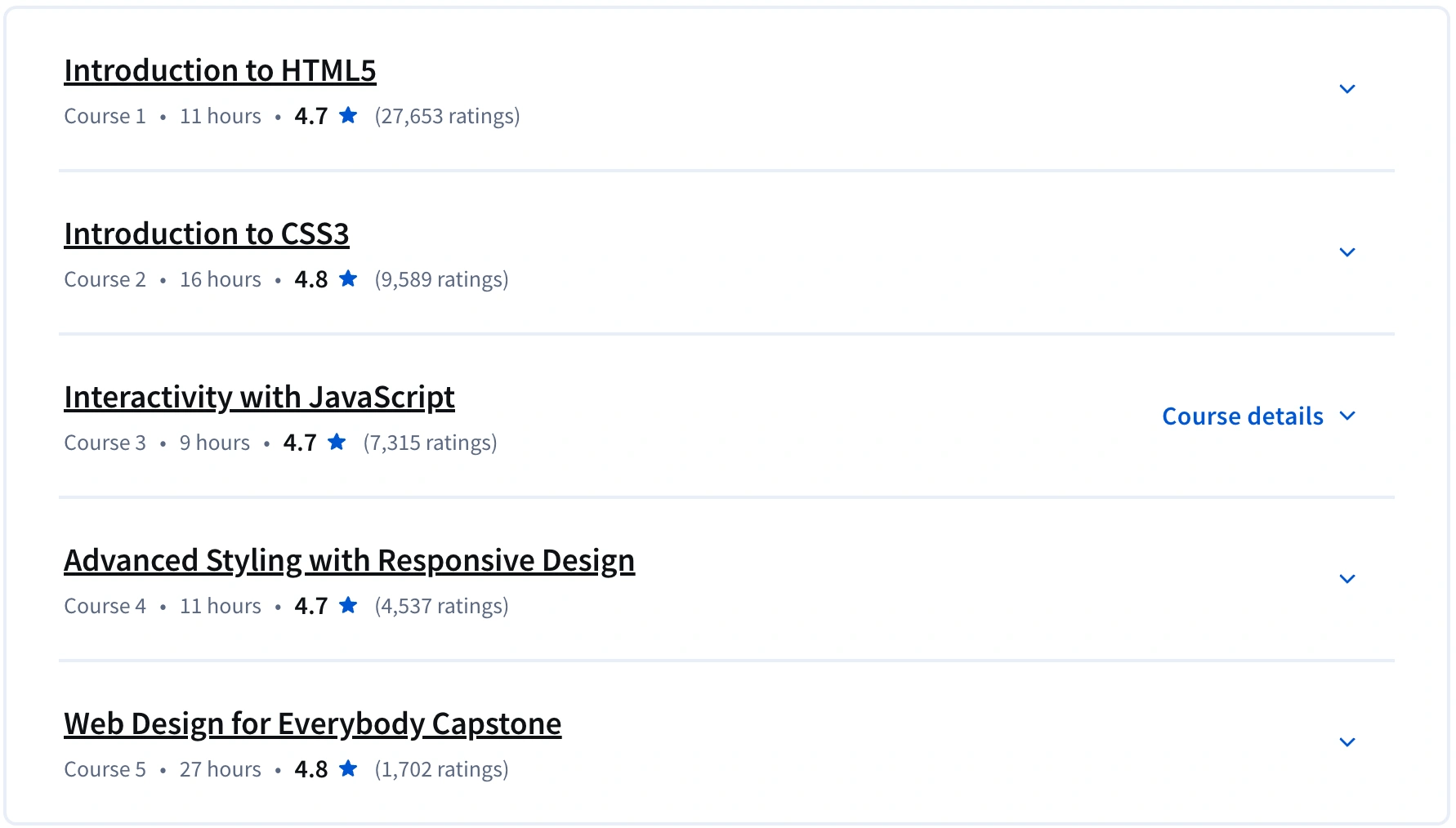
This specialization from the University of Michigan consistently appears on the best online web design courses lists for its well-structured curriculum covering HTML, CSS, basic JavaScript, color theory, page layout, and accessibility. The course sequence (five mini-courses plus a capstone) is designed for beginners with no coding background, leading you toward creating responsive web pages and a professional portfolio. Many learners appreciate the academic rigor and the Coursera platform’s flexible pacing.
It’s taught by experienced instructors from the University of Michigan, who walk you through concepts at a steady pace. You’ll finish with a deeper appreciation for semantic markup and visual design fundamentals—two essential pillars of modern web design. The program’s emphasis on accessibility and user-friendly layouts ensures you’re not just coding, but also applying real-world best practices in each project.
Cost & Duration
- Cost: Coursera subscription (~$59 USD/month) for full features, though you can audit for free without graded assignments.
- Duration: ~3–6 months self-paced, about 2 months if you dedicate around 10 hours/week.
2. Google UX Design Professional Certificate – Google (Coursera)
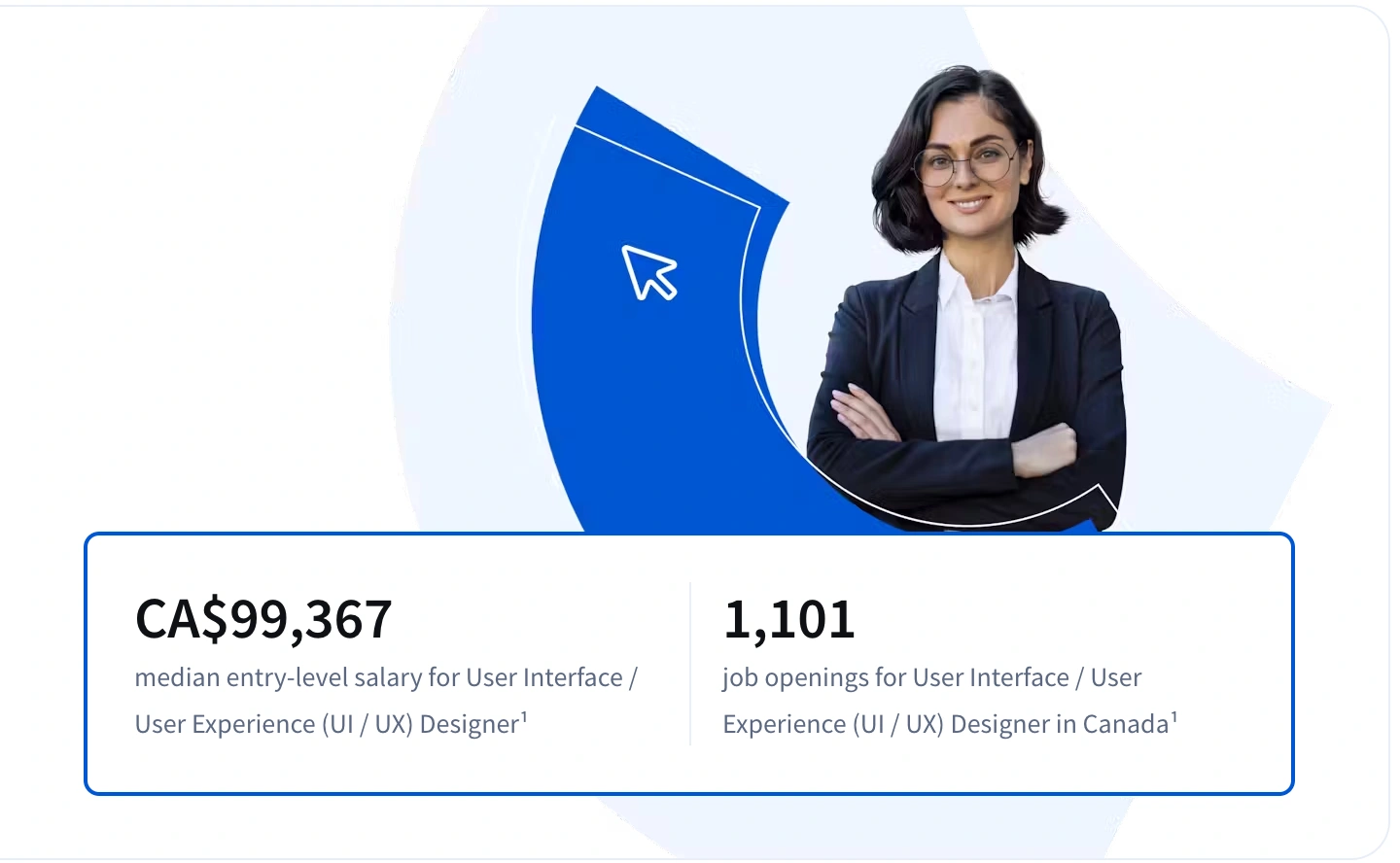
Though it’s more UX/UI-focused, this certificate from Google rightfully earns a spot in the best online web design courses for 2025. It addresses core user experience concepts like wireframing, user research, prototyping, and usability testing—vital skills if you plan to craft intuitive interfaces for websites or apps. Even if you’re brand-new to design, the step-by-step projects help you practice each phase until you can confidently shape user-friendly digital products.
Because it’s officially created by Google, the curriculum reflects industry standards, making it especially valuable for those hoping to land UX or web design roles at tech-savvy companies. You’ll work in tools like Figma or Adobe XD, culminating in portfolio-ready designs. Even though the focus skews toward UX, many students say it complements front-end coding courses nicely, forming a balanced skill set.
Cost & Duration
- Cost: Coursera subscription (~$59 USD/month). Audit free if you don’t need graded assignments or a certificate.
- Duration: 3–6 months, about 7 courses in total. You can finish faster if you put in more weekly hours (like 10 hours/week).
3. Front-End Web Developer Professional Certificate – W3C (Coursera)
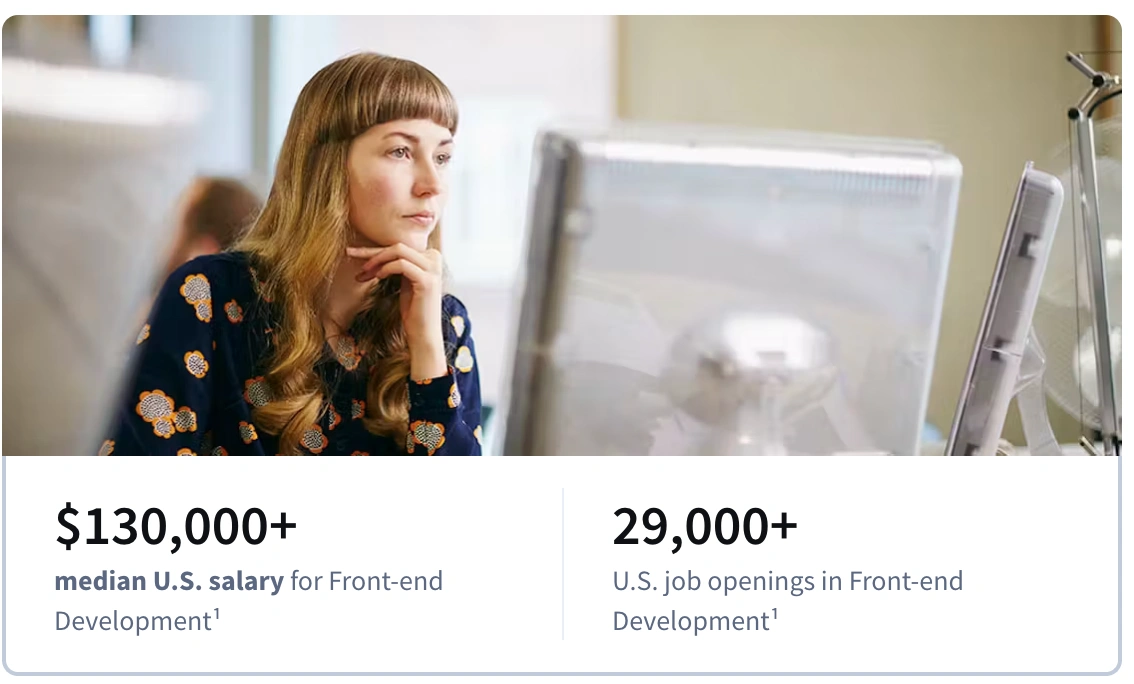
W3C is the keeper of web standards, so it’s no shock that their Coursera-based professional certificate ranks among the best online web design courses. It gives a thorough grounding in HTML5, CSS3, and JavaScript, emphasizing compliance with official specs for semantic markup and responsive design. By the end, you’ll be well-versed in modern front-end techniques, having completed a final capstone project that showcases your coding chops.
Expect to learn best practices for page structure, progressive enhancement, and cross-browser compatibility—golden rules for ensuring user experiences remain consistent. Being anchored by W3C also means you’re taught how the web’s underlying technologies are meant to function. If you aim for a methodical, standards-based approach to web design, this program’s credibility is hard to top.
Cost & Duration
- Cost: Free to audit, ~$1195 USD total for the verified tracks and professional certificate bundle.
- Duration: ~7 months at 5-7 hours/week (self-paced). You can also go faster if you have time.
4. The Web Developer Bootcamp – Colt Steele (Udemy)
Colt Steele’s bootcamp stands as a classic in the best online web design courses category—especially if you want a well-rounded approach that includes coding from HTML/CSS basics to JavaScript, Node.js, and some React. While it’s a “full-stack” bootcamp at heart, beginners can easily focus on front-end design sections first. The instructor’s project-based method ensures you’re not just watching lectures but actively building websites and small apps.
Thousands of learners rate this course 4.7 or higher on Udemy, praising its clarity and lively teaching style. It’s extensive—over 70 hours of content—yet structured in a logical flow that keeps you from feeling lost. You’ll finish with a suite of portfolio projects, which is essential for job seekers or freelancers. And because it’s on Udemy, you get lifetime access, so you can revisit or skip ahead based on your needs.
Cost & Duration
- Cost: Usually $1690 but it depends on the chosen route. You get lifetime access to updates.
- Duration: Self-paced. Many take 2 months to complete if studying a few hours a week, but you can go faster or slower.
5. Ultimate Web Design Course – Webflow University
No-code fans consider Webflow University’s Ultimate Web Design Course a top pick among the best online web design courses, thanks to its concise, visual-first approach. You’ll learn how to structure pages, style elements, and add interactions using Webflow’s interface—skipping the need for hand-coded HTML/CSS in a text editor. Yet you still grasp the underlying concepts of the box model and semantic structure.
It’s free, around five hours total, and entirely self-directed. Many participants rave about how quickly they can publish a polished site, even if they started as total newbies. You won’t get an official certificate, but building a site in Webflow is a solid portfolio piece. This course suits those wanting to see immediate, pretty results without wrestling with code line by line. And yes, it’s genuinely fun, proving that “best online web design courses” can be short and sweet, too.
Cost & Duration
- Cost: Free on Webflow University. No purchase required; a free Webflow account suffices for practice.
- Duration: About 5 hours of video. Many finish in a weekend, although you can break it up as needed.
6. Web Design – Treehouse (Team Treehouse)
Treehouse’s Web Design Track is a curated sequence of short and long courses covering HTML5, CSS3, some JavaScript, and the basics of responsive layout—making it a frequently mentioned entry on “best online web design courses.” Their interactive quizzes, coding challenges, and engaging video lessons deliver a self-paced curriculum. This track appeals to learners who appreciate a guided path from day one, avoiding confusion about which class to take next.
By the end, you’ll have built small projects that incorporate modern design principles and performance best practices. Treehouse’s monthly subscription includes the entire platform’s library, so you can also dabble in UI design or additional dev skills. Although it’s not extremely lengthy, many find it a comfortable middle ground between super-short courses and multi-month bootcamps.
Cost & Duration
- Cost: $25 USD per month subscription (with a 7-day free trial). Cancel anytime.
- Duration: Typically 40 hours of core content. You can finish in 1–2 months at a few hours per day or extend it longer.
Web Design At Your Hands
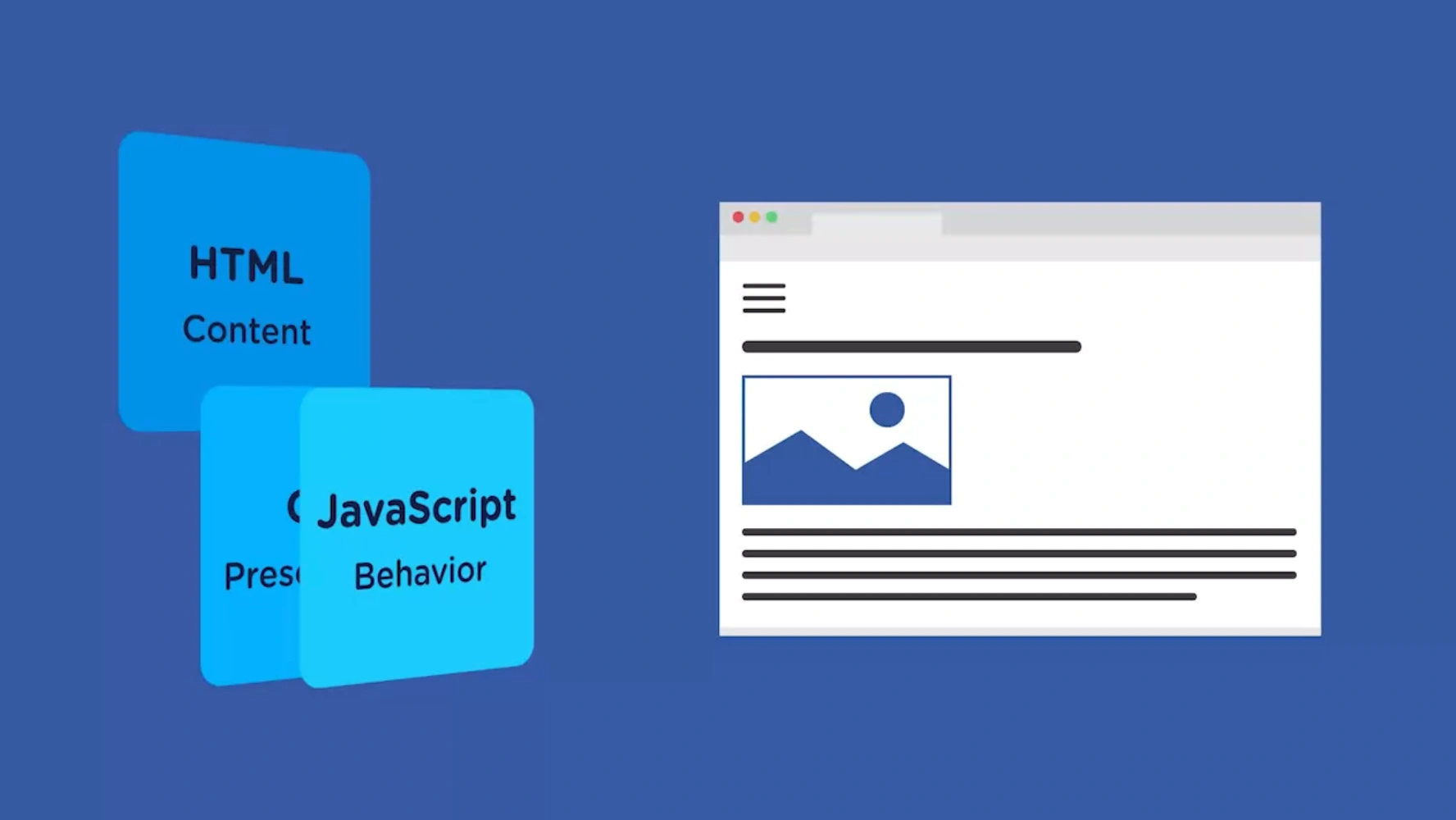
From well-known universities like Michigan and W3C’s official standard-bearers to coding bootcamps and no-code platforms, these ten best online web design courses paint a vivid picture of the opportunities available in 2025. Some emphasize raw coding expertise with HTML5/CSS3/JavaScript, others revolve around design thinking and UX/UI artistry, and still others let you skip manual coding in favor of visual site builders. The variety ensures everyone—from newbie hobbyists to budding professionals—can find a course that fits their ambitions, learning style, and budget.
And remember: in web design, pure knowledge is only half the game—actual practice, building real projects, and refining your sense of aesthetics matter just as much. Whether you pick freeCodeCamp’s interactive approach or prefer the structured vibe of Coursera, the key is to keep coding, keep designing, and keep learning. The good news? Each of these best online web design courses offers a tangible route to mastering modern web design, so you can craft stunning, functional sites that stand out in an ever-expanding digital world.


%2520(1).png)






