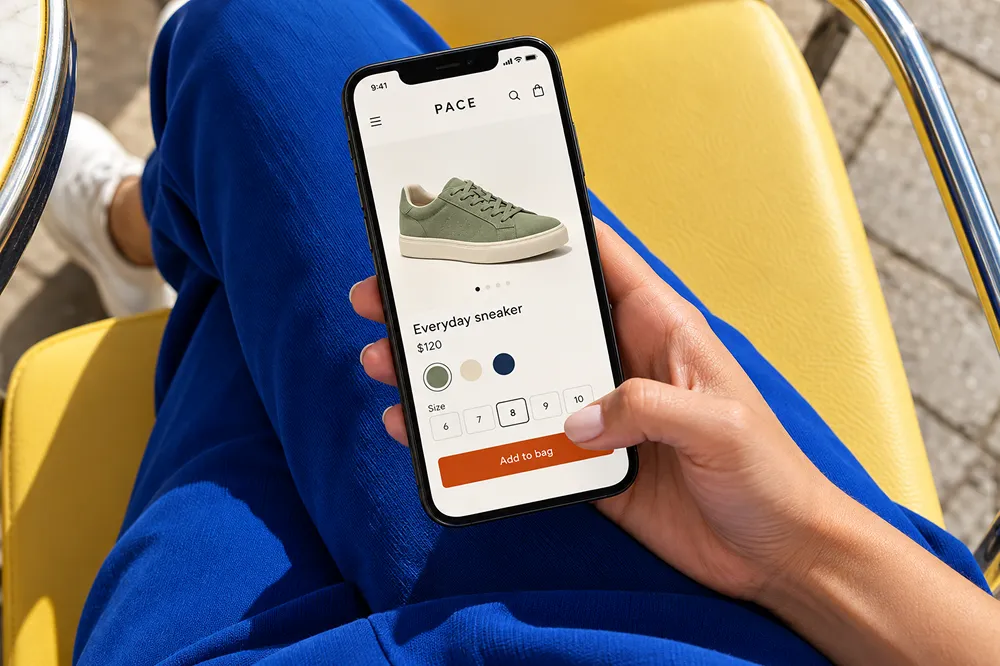
A shopper looking at a product may still have questions about sizing, availability, shipping, or returns. If the details are missing or difficult to find, the purchase can stall. A virtual sales assistant is one way to answer those questions during the shopping journey, rather than asking customers to leave the page for help.
AI-powered virtual sales assistants can answer common product questions, help shoppers compare options, and direct them toward a purchase or a human support representative. Their usefulness depends on accurate catalog data, sensible limits, and a clear path to human assistance when a question falls outside what the system knows.
The category reflects how B2C marketing increasingly brings product information, service, and shopping decisions into the same digital experience. The technology is useful when it reduces friction without making claims the store cannot support.
What follows is how the tools earn their keep: why the question is the conversion moment, what an assistant has to know, where it has to be present, what the working category example looks like, and how to choose and measure one.

The Question Is the Conversion Moment
Timing matters when someone is ready to decide, although evidence from other sales contexts should not be treated as a direct ecommerce conversion benchmark.
The classic research on the short life of online sales leads linked delays with reduced odds of qualifying sales leads. That study concerns lead follow-up, not an experiment measuring shopping assistants on retail product pages. For ecommerce, the practical point is to make relevant answers easy to obtain during the visit.
Some shoppers will not wait for a response when they can compare products elsewhere. Others will come back later or contact support. A prompt, correct answer can help, but it does not guarantee the sale.
Product questions can arrive outside support hours and spike during campaigns. An assistant may handle recurring questions about policies, stock, and shipping, leaving staff more room for exceptions. Stores still need monitoring, up-to-date information, and a staffed escalation process for issues the assistant cannot resolve.
The intended conversion benefit comes from reducing uncertainty at the point of decision. That only works when answers are relevant and accurate, recommendations fit the customer, and checkout remains usable. A weak answer or an intrusive widget can introduce friction instead.
The same channel keeps working after the purchase. Order status, usage questions, and troubleshooting run through the same virtual sales assistant, which protects the post-purchase experience the review and the repeat order both depend on.
Support savings should be measured, not assumed. Track which questions the assistant resolves accurately, which are handed to staff, and whether the handoff includes useful context. Maintenance, integration, and supervision also have costs.
What the Assistant Has to Know
An assistant needs reliable information about product options, pricing, inventory, shipping, returns, and brand voice. Synchronization matters when stock or policies change. This is part of good ecommerce UX design, not a replacement for clear product pages, accessible navigation, or understandable checkout steps.
Recommendations can use stated preferences and appropriate store data to narrow choices, subject to privacy settings and consent. Research on personalization value discusses a broader customer-experience opportunity; it does not establish a guaranteed conversion lift from an individual chatbot.
Relevant accessories or alternative products can make recommendations useful rather than disruptive. Measure add-to-cart behavior, order value, and returns before assuming that cross-selling has increased revenue or improved customer fit.
Test the training process with real catalog changes, conflicting product descriptions, and difficult policy questions. Ask how quickly updates appear, what happens when the system is uncertain, and how staff can correct a wrong answer. Installation time alone is not a measure of readiness.
Everywhere the Customer Already Is
Shoppers do not confine their virtual sales assistant conversations to the website widget. They ask on WhatsApp, Instagram, Facebook Messenger, SMS, email, and whatever platform they were browsing when the doubt surfaced, and they expect consistent service across every one of those channels rather than a different answer per inbox.
Consistent answers across channels matter, but a provider should demonstrate which messaging integrations are supported on the chosen plan and whether conversation history can actually follow the customer. Access, privacy permissions, and human handoff are part of that evaluation.
The alternative explains why unification matters. Per-channel tools bolted together each know a different fragment of the customer, and the shopper experiences the fragmentation as a store that keeps forgetting them.
For abandoned carts, a follow-up may be useful when the customer has consented to that channel and the message follows applicable marketing rules. It should respond to an actual need rather than assume that every abandoned cart calls for a personalized reminder.
Multiple time zones increase the value of dependable support outside local office hours. For a retailer working with a branding agency for US market expansion, the store promise, shipping terms, language, and support handoff need to stay consistent before automated conversations are extended across regions.
The Category's Working Example
As one category example, BuyScout AI Store Agent advertises product-question support, multichannel features, and virtual try-on for eligible plans. Those are vendor-described capabilities, not independently verified sales results. Stores using Shopify should assess both the integration and the surrounding Shopify website design, including product-page clarity, accessibility, and checkout flow.
One advertised option is AI virtual try-on for apparel and accessories. A visual simulation may help a shopper imagine a product, but it should not be presented as an accurate sizing measurement or a guarantee of fit.
An integrated system may simplify administration, but only when the relevant channels, catalog data, permissions, and customer records are supported. Test what is actually shared instead of assuming that an advertised bundle creates a single complete customer view.
One record also means one accountability. When the sales conversation and the support history live together, the store can read the full customer relationship in one place, and the assistant's next answer draws on all of it.
Fit questions deserve their own checks in apparel and accessories. A try-on image may make styling easier to understand, yet sizing guides, measurements, fabric details, and return policies remain essential. Any effect on returns needs to be measured rather than presumed.
Regulated products require additional review of what an assistant may say. Vendor claims about compliance-aware responses should be checked against the specific category, applicable rules, approved content, and an escalation route; the tool does not replace legal or regulatory review.
Some providers offer entry-level plans, but free access and feature limits are not universal. BuyScout, for example, advertises a limited free tier, while multichannel messaging and virtual try-on appear in paid plans. Compare included replies, integrations, and overage terms before treating a free installation as a complete solution.
A quick setup can help a store run an initial review, but production readiness may also involve data mapping, testing, privacy notices, staff escalation, and checkout QA. Test safely before exposing all visitors to a new experience.
Choosing and Measuring the Assistant
The virtual sales assistant selection logic is fit-first, and the working checklist is short:
- Match the category. Fashion brands can evaluate visual try-on alongside verified fit information; regulated categories need appropriate review and human escalation; smaller stores should check the actual limits of an entry plan.
- Test the training. Load real product data and ask real customer questions before committing; the quality gap between platforms lives in the answers, not the demos.
- Verify the channels. The platforms a store's customers actually use, not the longest integration list, define sufficient coverage.
- Read the pricing model. Visitor-based, conversation-based, and flat tiers behave very differently as the store grows, and the projection belongs in the evaluation.
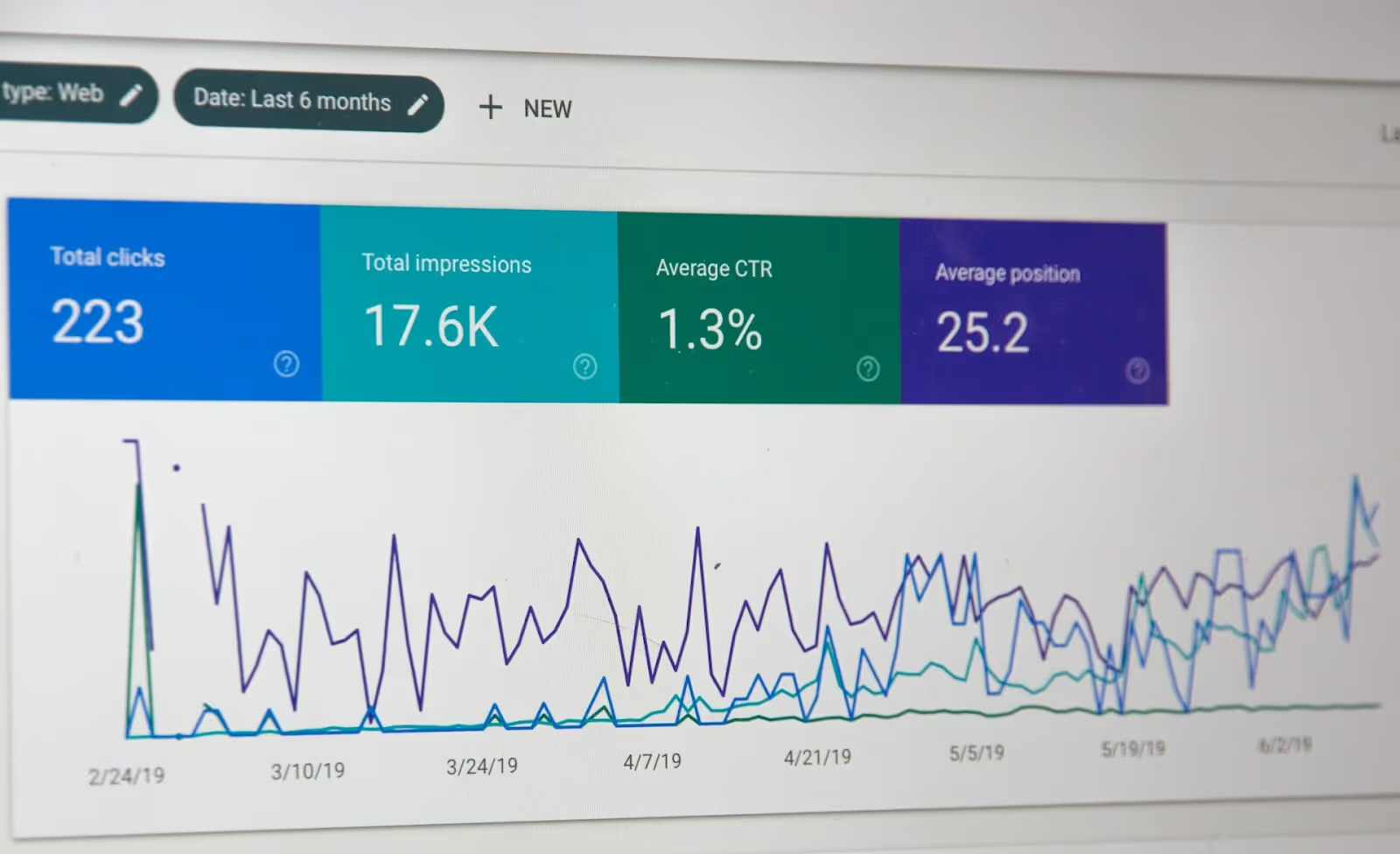
- Track the numbers that matter. Compare qualified interactions, conversion rate, average order value, assisted orders, support escalations, and satisfaction. Segment results by traffic source and product group, and avoid promising an improvement within a fixed number of weeks.
Vendor-reported results are not a store-specific forecast. A simple before-and-after comparison can also be distorted by seasonality, promotions, and audience mix. Where practical, run a controlled test or compare similar customer groups, then connect observed changes to the cost of the tool. Brand Vision’s guide to conversion rate optimization offers a broader framework for that measurement.
Measured that way, the assistant earns its place inside a broader marketing strategy rather than sitting as an isolated gadget, and the deployment decision renews itself on evidence every quarter.

The Store That Answers Wins
An assistant can be valuable when it makes useful answers available during shopping and connects customers with a person when needed. It should complement accurate product information and a straightforward store experience, not become the only place customers can find basic policies.
The stores adopting it well treat it as a trained member of the sales floor. It knows the catalog, speaks the brand, meets the customer wherever the question surfaces, and hands the hard cases to humans with the conversation context attached.
The decision is whether the tool fits the store’s products, customer expectations, channels, and operational capacity. As a branding agency, Brand Vision focuses on the consistency of the customer journey and the store’s brand expression, not on developing the featured assistant. To discuss the wider store experience, you can contact Brand Vision.











.webp)