
















Branding
B2B Branding Strategy: Positioning, Proof and Buying-Committee Trust
Sep 6, 2026
/ By Hamoun Ani
A WooCommerce development agency creating custom ecommerce stores built around your products, operations, and growth.
Brand Vision is a WooCommerce development agency designing and building custom ecommerce stores on WordPress for businesses that need greater control over their storefront, functionality, content, checkout, and integrations. Our WooCommerce developers handle custom design, development, migrations, performance, and ongoing management, creating flexible ecommerce platforms that remain practical to operate as the business grows.

Building real partnerships with top global brands. Delivering results that last well beyond the launch.















End-to-end WooCommerce development services built around your storefront, technology, operations, and long-term ecommerce goals.

Brand Vision creates custom WooCommerce designs for businesses that don't want their ecommerce experience defined by a prebuilt WordPress theme. We develop original visual systems, responsive layouts, product experiences, reusable components, merchandising areas, and ecommerce interactions around the brand and its customers. Our approach combines custom WooCommerce web design with the flexibility needed by internal teams, creating a storefront that feels purpose-built while remaining practical to update, merchandise, and expand without compromising the visual consistency of the customer experience.
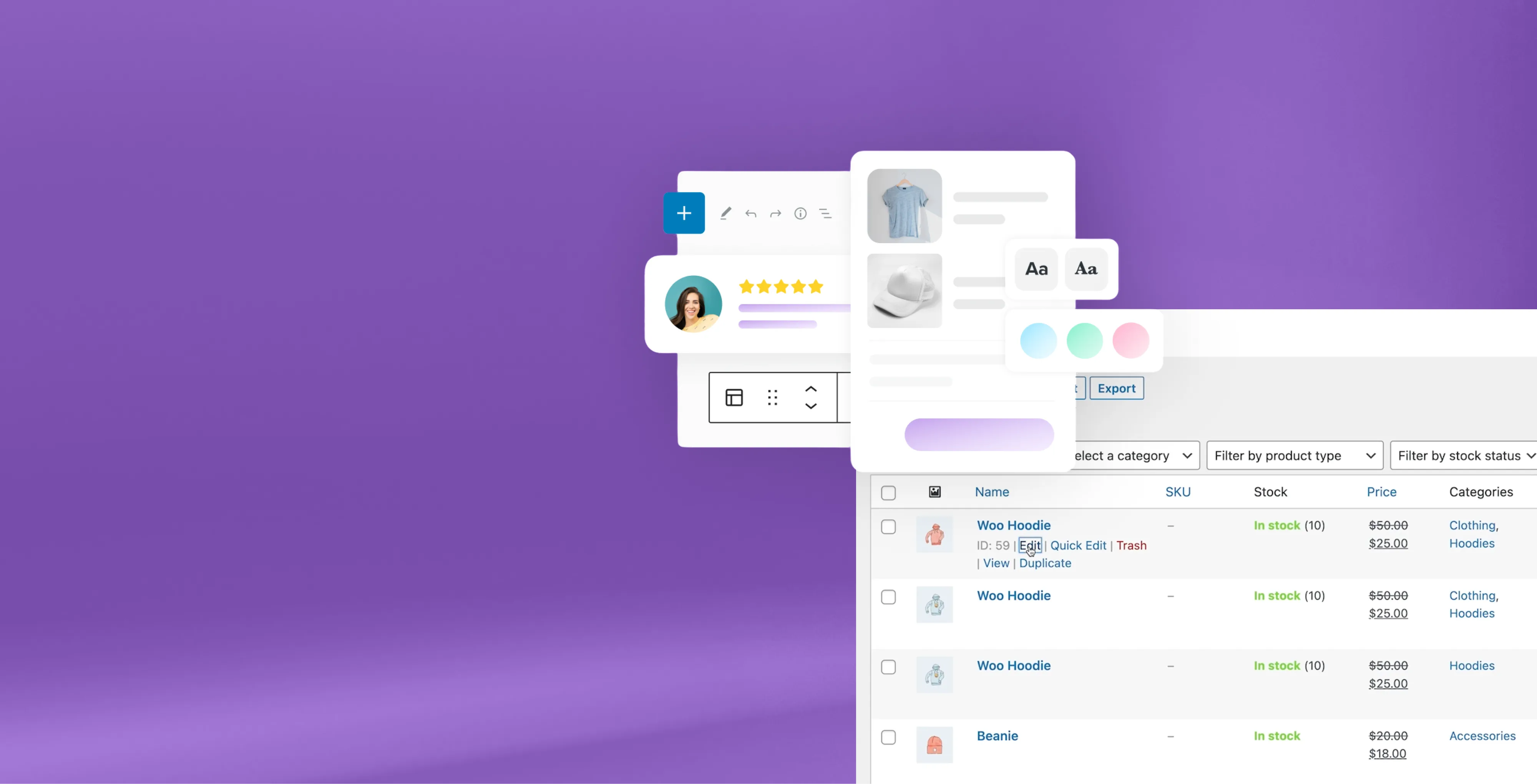
Brand Vision provides WooCommerce development services for businesses that need more than a standard ecommerce configuration. Our WooCommerce developers build custom themes, reusable WordPress components, advanced product functionality, complex catalog structures, custom checkout experiences, administrative tools, and functionality designed around specific business requirements. As a WooCommerce development agency, we focus on clean architecture, performance, maintainability, and flexibility so the platform can continue evolving as products, traffic, integrations, content, and operational requirements become more sophisticated.
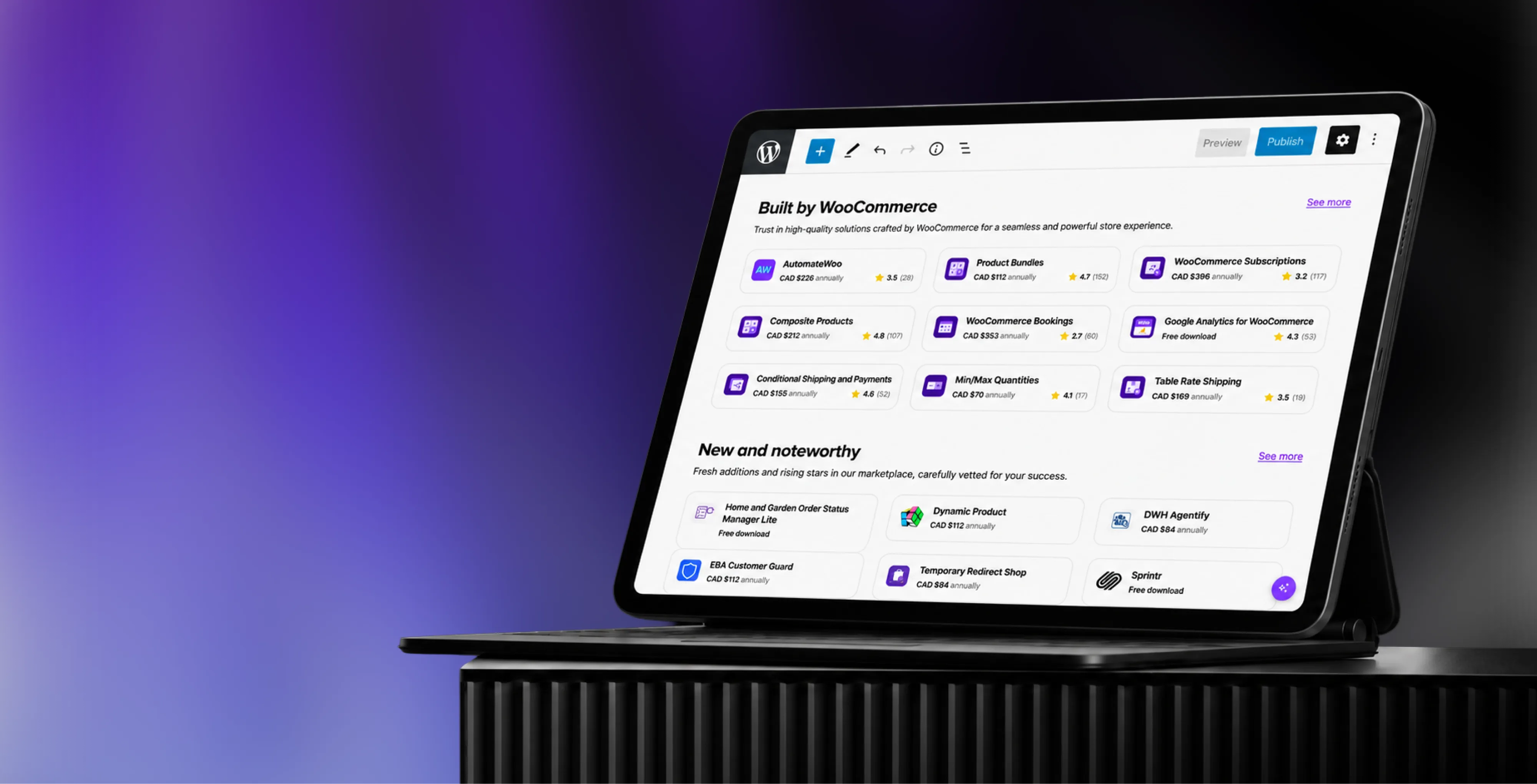
WooCommerce can connect with an extensive ecosystem of WordPress plugins, ecommerce extensions, and external platforms, but every addition needs to be evaluated for performance, compatibility, security, and long-term maintainability. Brand Vision integrates payment platforms, subscriptions, memberships, ERP and inventory systems, CRM platforms, fulfillment tools, accounting software, loyalty programs, marketing systems, and other business-critical technology, while our WooCommerce developers can create custom plugin functionality and API integrations when an existing solution doesn't meet the requirement. Our WooCommerce agency keeps the technology stack intentional so additional functionality supports the business without creating unnecessary technical overhead.
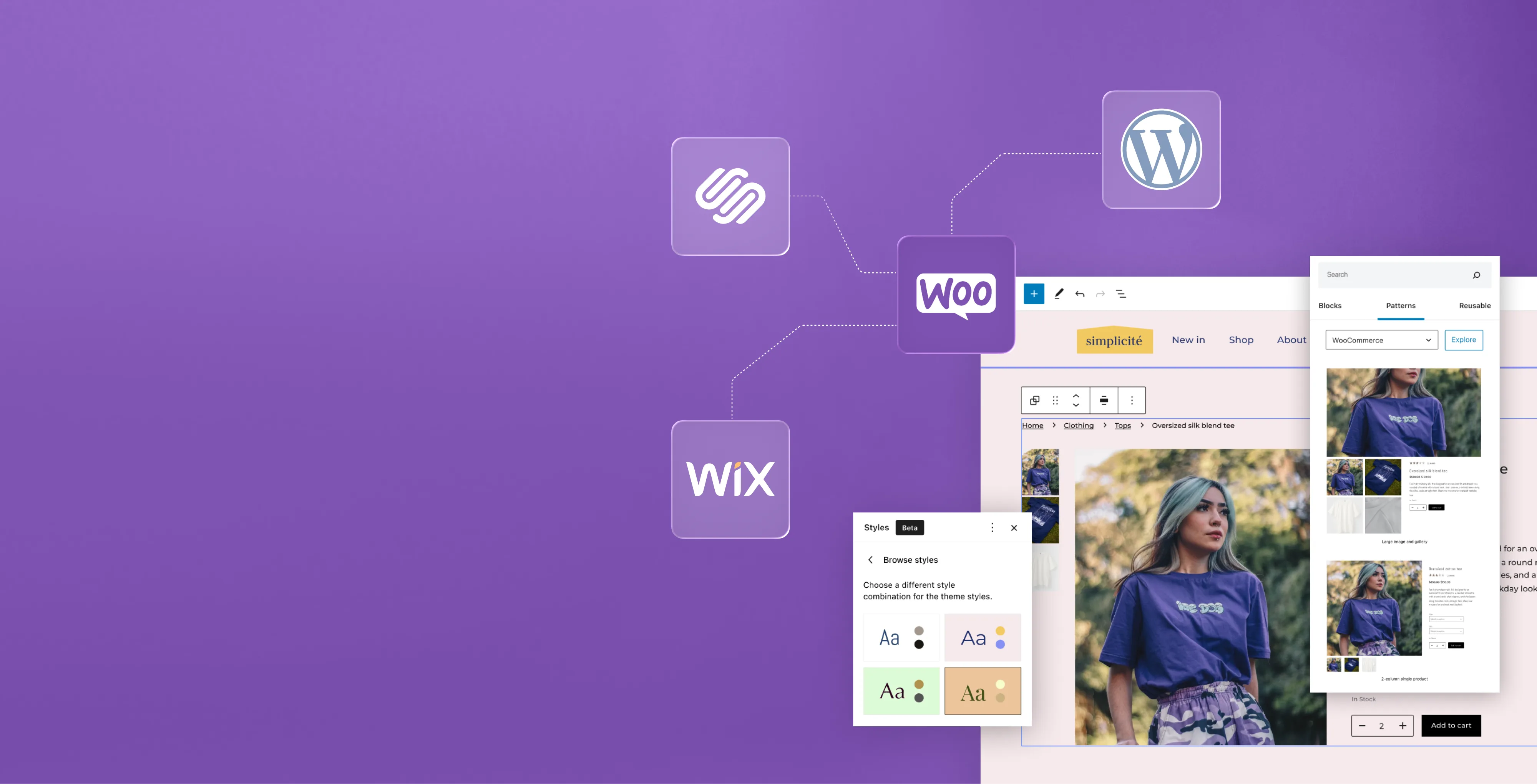
A WooCommerce migration needs to preserve much more than a list of products. Brand Vision plans the movement of products, variations, categories, customers, order history, content, media, URLs, metadata, and redirects while considering how the new WooCommerce store should improve on the platform being replaced. Whether you're migrating from Shopify, Magento, BigCommerce, another WordPress environment, or a custom ecommerce system, our WooCommerce developers test the migration before launch, account for existing search visibility, and manage the transition so customers experience a better store rather than the technical complexity behind the move.
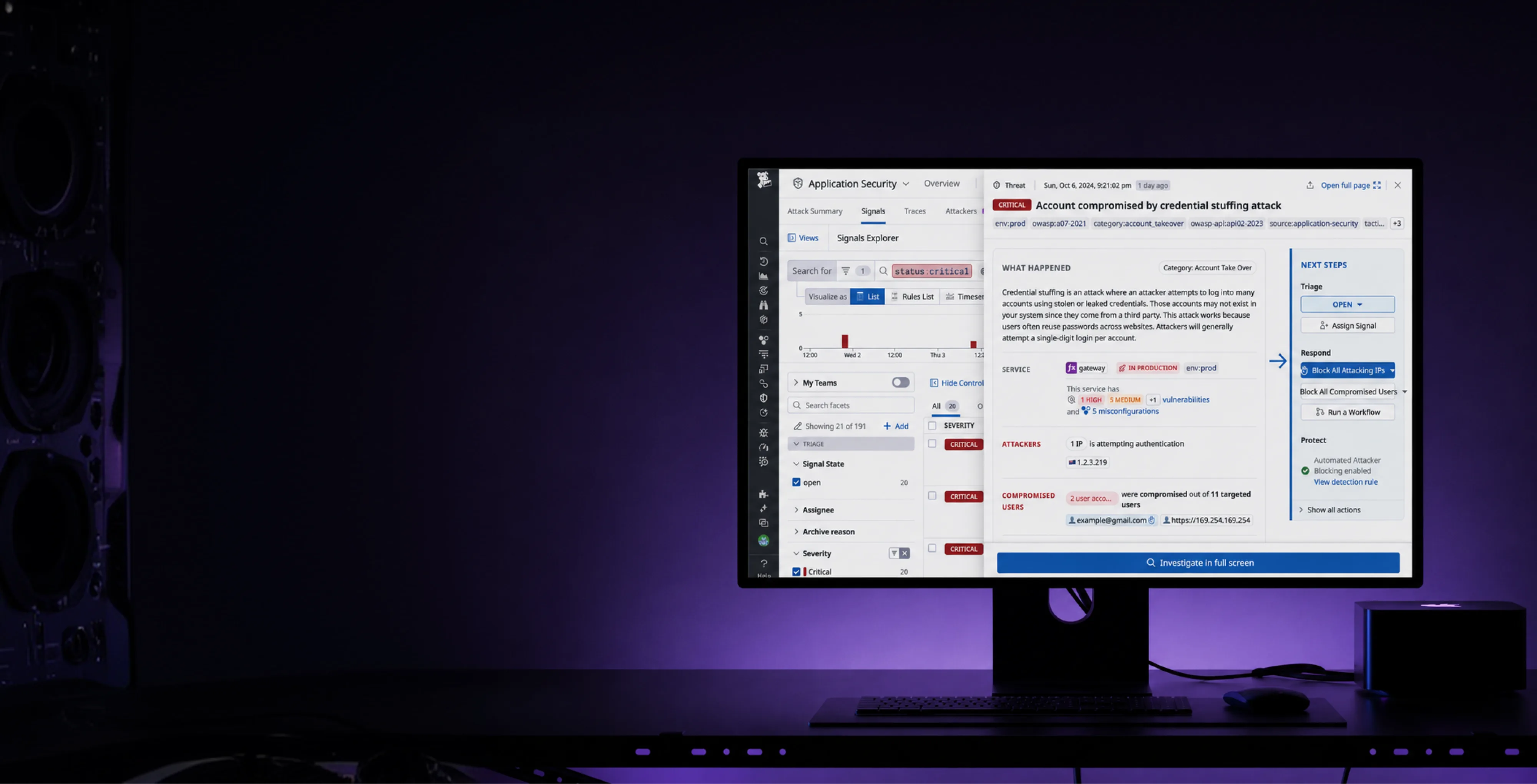
WooCommerce performance is affected by the entire WordPress environment, including the theme, plugins, database, hosting configuration, scripts, media, integrations, and traffic patterns. Brand Vision approaches optimization at the platform level, identifying unnecessary processing, inefficient plugins, frontend bottlenecks, database issues, Core Web Vitals problems, and other factors affecting speed and reliability. As a WooCommerce development agency, we also consider updates, compatibility, security practices, and technical stability so improvements don't simply make individual pages faster, but create a stronger foundation for growing traffic, larger catalogs, and increasing order volume.
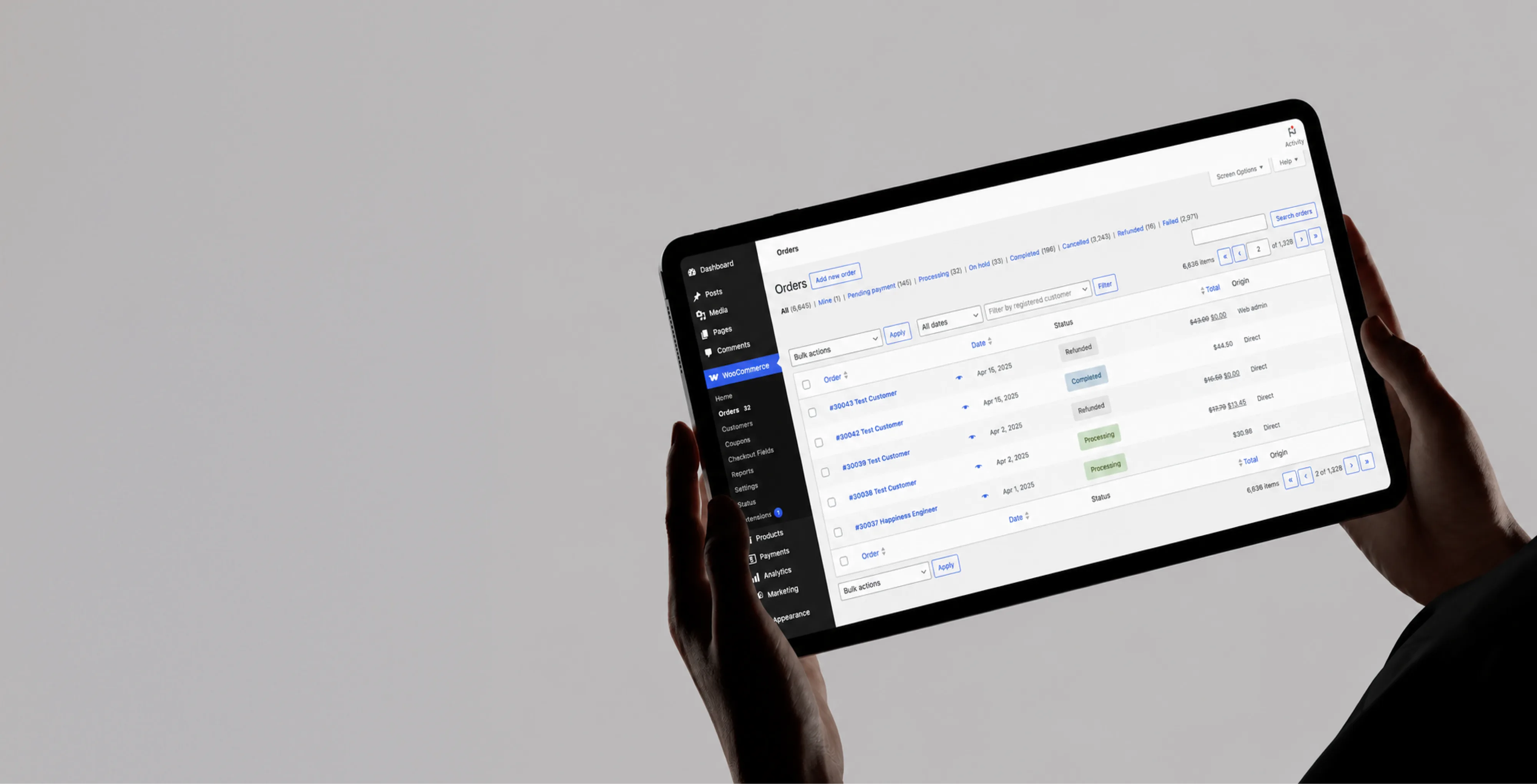
Running a WooCommerce store involves ongoing technical and ecommerce work as WordPress, plugins, products, promotions, integrations, and customer requirements continue to change. Brand Vision provides ongoing WooCommerce management covering product and content updates, merchandising, promotional changes, plugin management, quality assurance, troubleshooting, performance improvements, functionality updates, and continued WooCommerce development. Working with an experienced WooCommerce agency gives internal teams a consistent technical partner that already understands the platform, reducing the need to find a new developer every time the store needs to be maintained, improved, or expanded.
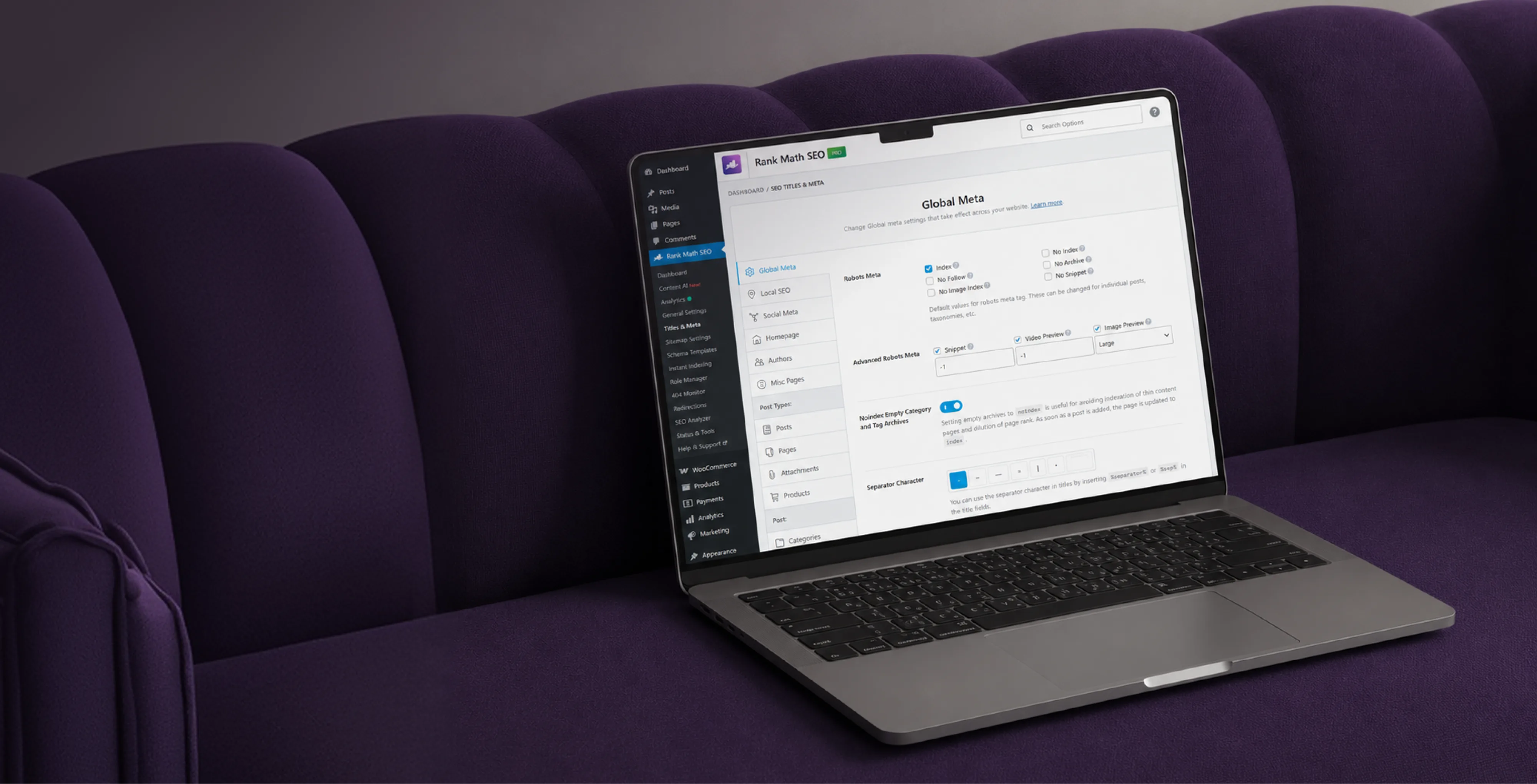
Strong WooCommerce SEO starts with the technical and structural decisions made throughout the store. Brand Vision considers category architecture, product URLs, internal linking, structured product information, crawlability, site performance, duplicate content risks, and other search foundations during WooCommerce development, while our dedicated ecommerce SEO team supports ongoing WooCommerce SEO services across technical optimization, product and category content, authority development, and GEO. Connecting development and search strategy from the beginning gives the store a stronger foundation for visibility across traditional search engines and emerging AI-powered discovery experiences.
One WooCommerce process, from the first conversation to launch and everything after it.
Before we touch WordPress, we get clear on the products, the customer, and how the business operates. Research and a map of the store's requirements become the brief every WooCommerce decision is measured against.
We design every template custom around your brand and the way your customers actually buy, never a prebuilt WordPress theme. You see and approve the full direction before anything is built.
We build the approved design with a clean custom theme, reusable components, and only the plugins the store truly needs, so it stays fast, secure, and easy to manage as the catalog grows.
We launch with care, protecting products, redirects, and search visibility, then stay on to maintain, secure, and grow the WooCommerce store as order volume scales.
Custom WooCommerce development and ecommerce projects measured through performance, conversion, and business growth.
Every industry has different products, customers, and operational requirements. Our WooCommerce agency builds each store around those differences, creating ecommerce experiences that reflect how the business actually sells and how its customers prefer to buy.












Product depth shouldn’t slow the story down. We partner with SaaS, platform, and enterprise software teams to translate technical capability into focused narratives. Clear paths to demo, trial, or contact serve both buyers and technical evaluators. Systems are built for product-led growth with composable components, editor guardrails, and instrumented analytics that tie directly to pipeline.
Complex services sell on clarity, not volume. We help consulting, financial, and advisory firms structure their digital presence around buyer tasks: understanding capabilities, comparing options, and starting a brief. Every touchpoint earns trust through specificity and proof. Content is organized by audience need, so the people making the hiring decision find answers quickly and move to contact without friction.
Patients and practitioners make high-stakes decisions under pressure. We design trust-first experiences for healthcare and wellness brands, keeping clinical accuracy intact while making it simple for people to find the right provider, service, or next step. Accessibility, privacy-compliant forms, and plain-language content are standard. Local visibility for practices and clinics is built into the foundation, not bolted on later.
Prospective clients searching for legal help are often under pressure and comparing firms quickly. We help law firms present practice areas with credibility, surface the right contact paths, and build a digital presence that earns trust before the first conversation. Clear structure, plain language, attorney profiles, and consultation flows make it easy for people to take the next step with confidence. Ethical advertising compliance is built in from the start.
Buyers, investors, and project owners move on trust and timing. We work with brokerages, developers, general contractors, and property management firms to present listings, projects, and capabilities with clarity. Content is organized around what prospects actually need: proof of work, service scope, location context, and a direct path to inquire. Pre-construction launches and trade portfolios get the same strategic rigor as resale platforms.
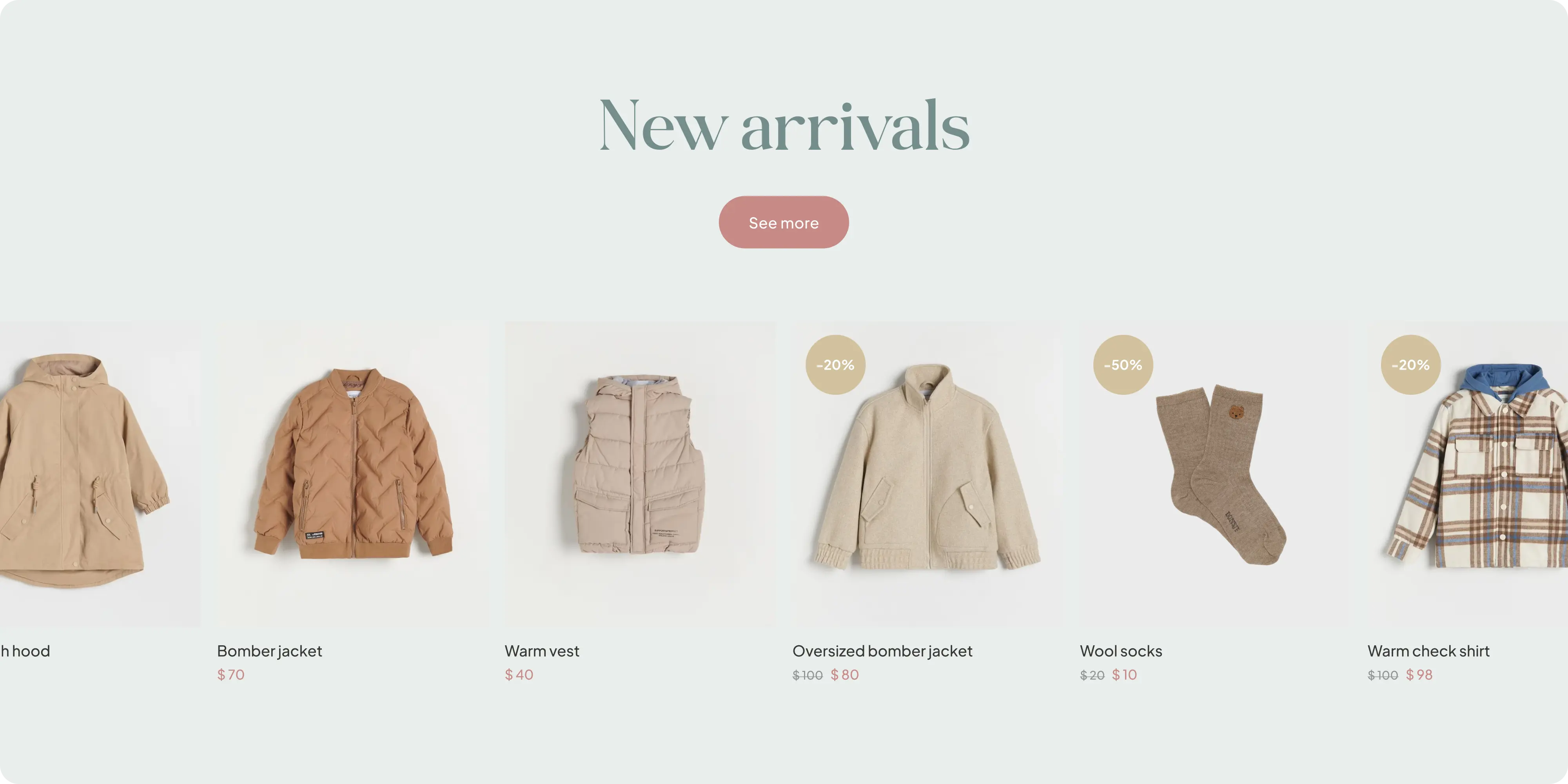
Conversion lives in the details. We work with consumer and ecommerce brands to build fast, clear shopping experiences where product pages explain value quickly, checkout flows reduce friction, and the entire system scales with the catalog. Promotional templates, collection architecture, and performance monitoring keep the storefront sharp as demand and inventory shift with seasons. The result is a store your team can run day to day without developer dependency.
Early-stage companies need focus over flash. We help startups define positioning, build a credible identity, and launch a conversion-ready presence that clearly communicates what the product does, who it’s for, and how to get started. Everything is built to scale: component systems, content structures, and analytics foundations grow with the roadmap instead of needing a rebuild at Series A. The pitch and the website tell the same story.
Students, parents, and administrators all need different answers from the same site. We help schools, universities, and training organizations structure digital experiences by task: apply, visit, inquire, enroll. Accessible design and plain-language content serve diverse audiences without alienating any of them. A manageable CMS means internal teams keep program pages, event listings, and admissions information current without outside help or bottlenecks.
Nonprofits compete for attention, funding, and volunteers simultaneously. We build accessible digital experiences that make programs clear, donation paths intuitive, and calls to action specific enough to drive real participation and support. Content governance is designed for lean teams, so pages, campaigns, and impact reports stay current without bottlenecks. The organizations doing the most important work deserve a digital presence that matches their mission.
From restaurants to packaged goods, this industry sells on quality and convenience. We help food and beverage brands connect story with logistics: clear menus, product lines, ordering options, and wholesale paths that make it obvious how to buy and reorder. Identity and digital experience work in tandem so visitors see quality and know exactly what to do next, whether they’re a consumer walking in or a distributor placing a first order.
Audiences decide in seconds. We work with labels, venues, talent agencies, and event companies to build media-rich, performance-optimized experiences where the work is front and center. Booking, inquiry, and ticket paths stay visible and fast across devices. Campaign templates and component systems let teams launch content for new shows, releases, and events without starting from scratch each time. The creative comes first; the infrastructure stays invisible.
Guests research and book across multiple touchpoints. We help hotels, resorts, tourism brands, and event venues present their experience with clarity, connecting visual storytelling with practical booking flows, local discovery, and seasonal content that stays current. The systems we build make it straightforward for teams to update rates, packages, and promotions without depending on a developer for every change. The experience starts online, and it should feel as considered as the stay itself.












Original research and expert perspective on design, branding, and the strategy behind both.
Still have questions? Contact us to discuss.
A WooCommerce agency designs and builds the store, then owns the work a hosted platform would have done for you invisibly. WooCommerce is open-source software that runs on WordPress and on hosting you control, so the server, the updates, the backups, the security posture and the speed of the thing all sit inside the engagement instead of outside it.
That makes the job wider than a storefront. A store on this stack is a WordPress site with a commerce layer over it, which means one build has to satisfy a merchandiser, an editor, a finance team reconciling payments and tax, whoever picks and packs the orders, and a search engine reading the category pages. Serving one of those well at the expense of the rest is the usual reason a handsome store underperforms.
Why clients bring this particular work to us.
Content and commerce are one team here. Most stores end up on this platform because the business also runs a real publishing operation, and putting the shop with one vendor and the site with another places the seam in the worst available spot.
The extension stack gets argued about before anything is installed. Every plugin is a permanent dependency with its own release cycle and its own author. We would sooner write forty lines of code we can maintain than adopt a product carrying eleven features you will never switch on.
Hosting is treated as a decision instead of a default. The platform gives you the freedom to choose badly, and an underpowered plan beneath a real catalogue is the most common reason a store here feels slower than a hosted rival.
You hold the keys. Server, domain, database, repository, licences and payment accounts stay in your name from day one, and nothing in the build needs us to operate it.
Brand Vision has built on this stack since 2018, and there are more than fifteen years of practice sitting behind the founding team. 500+ projects delivered, plus a Clutch score of 5.0 assembled out of 64+ verified client interviews. You can see who actually does the work and go through stores and sites already shipped before you speak to anyone.
Ten service lines, scoped separately so you can buy the two you need instead of a package with eight things in it. Most engagements begin with one of the first three and grow from there.
None of that is sold as a bundle. Where a store genuinely needs three of the ten, the proposal contains three, and where an existing store needs a diagnosis before anybody commits to a build, that is a scoped piece of work on its own.
Two honest notes on the edges. We do not resell hosting for margin, so the recommendation there carries no commission either way. And where the real constraint turns out to sit upstream of the store, in demand or positioning instead of in the shop, the answer lives elsewhere in the full range of services and usually looks like marketing work for a consumer brand instead of a rebuild.
WooCommerce is not a platform you sign up for. It is open-source software that turns a WordPress site into a store, which means everything true about WordPress becomes true about your shop. That one fact explains both halves of the trade, and buyers who miss it are usually surprised by the same things later.
The inheritance runs in both directions at once. You get the editorial model, the taxonomy system, a role structure running from administrator through to subscriber, the template layer and an enormous population of developers who already know it. You also get the obligation, meaning core releases, PHP version upgrades, extension updates and the backups nobody values until the morning they need one.
What you gain by controlling the environment.
What you take on in exchange.
So it suits a business with a substantial content operation, unusual product or pricing requirements, or a genuine hosting and data constraint, and a named person who owns the stack. A retailer with physical locations often lands here for the same reason, since the content depth that supports local search already lives on the same site. Where none of that applies, the hosted alternative is usually the better answer and Q6 says so plainly. The platform sits alongside a standard WordPress build in every other respect.
Two variables decide the budget and neither one is page count. How much of the store has to behave differently from the default, and how much data has to arrive from somewhere else. Everything else is detail.
Where the time goes on a typical build.
A straightforward store on a clean catalogue lands around ten to fourteen weeks. A migration carrying unusual product logic and two or three system connections runs four to six months. Those are typical ranges and not a quote.
What actually moves the number. Catalogue shape, since a hundred simple products and a hundred products with sixty variations each are different projects. How many pricing and checkout rules depart from the default, which is the single largest driver on this platform. The number of integrations, because a documented interface and a twenty-year-old system with a nightly file drop are different orders of difficulty. Product photography and original copy, frequently the largest line and always visible. Whether an existing WordPress site is being kept, extended or replaced. And how many people hold approval, which predicts a slipping schedule more reliably than anything else in the design and build practice.
Every proposal breaks the work into lines you can challenge one at a time, and where a smaller version of the project is the honest recommendation you will hear that instead of a larger number. To find out which band you are in, tell us about the store you have now and the read arrives before anything gets scoped.
Badly hosted, yes, and measurably slower than a hosted platform doing the same job. Properly hosted and properly built, no. That is the honest answer, and this platform hands you the ability to get it wrong in a way a hosted one does not.
Where the slowness actually comes from, in rough order of how often we find it.
Scalability is a separate question from speed. A store that is comfortable on ordinary Tuesday traffic can fall over during a promotion, and the failure usually appears at checkout, where requests cannot be cached and every order writes to the database. So we load-test the purchase path before a sale instead of after one, and stop order processing in the admin from competing with the storefront for the same resources.
Speed is a search issue too, and the field measurements sit with the rest of the technical foundation. Very large catalogues bring their own indexation and crawl problems, which is large-site search work instead of a caching problem. Where you want the diagnosis before committing to anything, a scoped assessment stands on its own.
Often enough that we talk people out of it most months, and we would sooner lose the build than hand over a store nobody on your side can run. Four situations, each with a better answer attached.
When nobody in your business will own the stack. This is the big one. If there is no internal technical owner and no appetite for a support arrangement, self-hosting becomes an unmanaged liability within a year. Shopify takes the hosting, the patching, the uptime and most of the card-data problem off your desk, and for a small team selling a straightforward catalogue that trade is obviously correct. We recommend it more often than we recommend this platform.
When the site is mostly a marketing site with a little selling attached. A dozen products behind a site whose real job is credibility does not justify a commerce stack and its maintenance. Webflow suits that case better, because design control and a non-technical team publishing often are what the project actually needs, and the selling is a small component instead of the point.
When the requirement is a product instead of a shop. Multi-vendor marketplaces with payouts, usage-based or metered billing, a quoting engine with real underwriting behind it, or a catalogue that is not really a catalogue. Bending commerce plugins into that shape produces something fragile and expensive, and a custom build is the honest route.
When you already have a store that works and the complaint is aesthetic. Replatforming a functioning store because leadership is bored of it is the most expensive way to buy a new visual identity. The cheaper version is a template and content pass on what you have. Where you want that judgment made on evidence instead of opinion, an audit will answer it inside two or three weeks, for a small share of what the replatform would have cost.
What makes it the right choice is narrower than the internet suggests. Somebody owns the stack. There is a real content operation the store should live inside. The product or pricing model genuinely needs behaviour a hosted checkout will not allow. Or hosting location and data control are requirements rather than preferences. Two of those four is usually enough. None of them and you are buying flexibility you will pay for and never use.
A migration is a data project with a design project attached, and running them in that order is what keeps the launch boring. The design decisions are easier once you know exactly what is coming across and what refuses to.
The sequence starts with an inventory instead of an export. Every product with its variations and stock records, every customer, every order with its tax and shipping breakdown, media, reviews, existing redirects, and the list of systems currently connected to the old store. Then a field-by-field mapping document, then a test import into a staging copy, then a reconciliation that counts records on both sides and compares totals until they match. Only after that does anybody schedule a cutover, and the cutover itself carries a short freeze on content and a plan for orders placed during the window.
What does not transfer cleanly, and all of it is easier to tell customers about in advance.
On URLs, this platform is unusually forgiving. Product and category bases are configurable, so where the old paths are earning rankings they can frequently be preserved instead of redirected wholesale. Where they cannot, each retired address receives one specific destination, and the whole map runs against a crawl of the old site before cutover and again once the new one is live. That is handled by the people who do replatforming work and category and product search rather than added to a launch checklist, and rankings get benchmarked beforehand so the comparison afterward is real. The honest disclosure is that even a clean move can fluctuate for a few weeks while search engines recrawl, which is why the technical baseline is recorded before anything changes.
Four product types ship with the platform and a developer can register more, and getting the model right at the start is worth more than any amount of tidying afterward. A product model is the one decision that is genuinely expensive to reverse once orders exist against it.
Working from the simplest arrangement to the heaviest.
Simple. One item, one price, one stock record. Most catalogues are mostly this and should stay that way.
Variable. One product carrying attributes, with a variation generated for each combination and its own code, price, stock level and image. Size, colour, material and finish can all be attributes on the same product at once. There is no fixed variant ceiling or option-count limit of the sort hosted platforms impose, so the constraint is performance and merchandising sense instead of a number in the documentation. Two thousand variations is permitted and is usually a modelling mistake dressed up as flexibility.
Grouped. A parent page that presents several separately purchasable products together, which suits ranges, sets and spare parts far better than forcing them into variations.
External. A product presented on your site that completes the purchase somewhere else, useful for catalogue depth you do not stock yourself.
Custom types written in code. Subscriptions, bookings, memberships, licences, made-to-order items, configurable assemblies, and products priced by weight, length or area. This is where the platform separates itself, and it is also where an undisciplined build becomes unmaintainable, so each custom type carries documentation explaining what it does and why.
One technical decision underneath all of this decides how usable the catalogue feels. Attributes defined globally behave as taxonomies, which is what allows filtering and layered navigation across the whole catalogue. Attributes typed into a single product do not. Stores arrive with hundreds of one-off attributes and no way to filter anything, and correcting it later means touching every product.
Two things get planned alongside the model. Which filter combinations are allowed to be crawled and indexed, which is one of the highest-impact calls in category and product visibility and easy to get badly wrong. And whether specifications sit in structured fields a machine can read, since that is what determines whether your products appear in AI-assembled answers. Catalogues with weights, measures, allergens or batch detail need more of this than most, which is why food and drink businesses tend to need the heaviest modelling work.
This is the main reason a store ends up here instead of somewhere easier, and it is the one thing a hosted checkout genuinely will not let you do. Prices and checkout behaviour are modifiable in code, so the rules can follow your commercial model instead of your model bending to fit the software.
Logic we have built on this platform, from the common to the awkward.
Business-to-business selling is where this stops being optional, since dealer pricing, net terms and approval chains are ordinary requirements in B2B and wholesale and unavailable on most hosted checkouts without compromise.
Now the honest ceiling. All of it attaches at defined extension points in the code, which is durable. Achieving the same result by overwriting templates or editing a plugin directly is not, and inherited stores are full of the second kind. There are also two checkout implementations in circulation, an older one and a newer block-based one, and they do not share an extensibility model, so a customization written against one does not automatically carry to the other. Choosing which a store uses is a real decision at kickoff instead of a preference. And every rule you add is a rule somebody tests on every future update, so each one is documented with the reason it exists. The failure mode we are avoiding is a store nobody dares to update, which is a custom engineering discipline problem more than a platform one. Whether a checkout step earns its place at all is answered by watching real customers in behavioural research instead of by argument.
Fewer than you have. Most requirements are met by an extension you already own configured properly, or by a small amount of code that adds no dependency at all. Extension sprawl is the most common problem in a store we inherit, and it is almost never one bad decision. It is thirty reasonable ones.
How the audit runs. Every active plugin gets listed with what it does, when the author last shipped an update, whether anything on the site still depends on it, what it loads on the front end, and whether something else is already doing the same job. Stores routinely discover two review plugins, three form builders, a page builder used on four pages, an abandoned currency switcher from a campaign years ago, and code left behind by a plugin somebody deactivated but never removed.
Five tests each survivor has to pass.
Integrations are a different decision entirely. Connecting to a system of record, meaning an ERP, an inventory platform, accounting, a point of sale, a warehouse or a third-party fulfilment provider, is not a plugin question. The questions are which system owns stock, which owns price, which owns the customer record, what happens when two of them disagree, and whether each sync fires on an event or runs on a schedule. The platform provides an interface for programmatic access and webhooks for event-driven updates, and scheduled work needs a proper server-side scheduler and a queue instead of the default arrangement. Where a vendor ships its own connector, we test it against your real order volume before trusting it, because something that behaves on fifty orders a day can collapse at five hundred. A vendor with a documented, modern interface makes this straightforward, and technology companies usually have one. Older operational software rarely does, and the honest answer there is middleware.
Inherited stores get this assessment before any quote, the same way a replatforming decision does, and the extension list is where the surprises live on a store of any age.
Payments are a contract before they are a configuration, tax is a registration question before it is a settings question, and how much of card-data compliance lands on you depends entirely on how card details reach your provider. Three separate problems, routinely bundled together and then handled badly.
On payments. Gateway choice usually follows a contract you already hold, and most acquirers a merchant is likely to be using have an integration for this platform. Where the only option is a third-party build, that is worth reading closely before your revenue depends on it. Beyond the connection itself, the work is wallets and express payment so mobile buyers are not typing card numbers, saved cards where repeat purchase justifies it, sensible handling of declined and failed payments, refunds and partial refunds that reconcile properly, and testing every path in the provider's sandbox before launch and again with a live card afterward.
On tax. The platform will calculate whatever you configure, which is precisely the risk. You can maintain rate tables yourself or connect an automated calculation service, and either works once the underlying question is settled, which is where you are registered and obliged to collect. Selling within Canada means a federal component plus provinces that operate their own separate sales tax with its own rules. Selling into the United States means state-level obligations triggered by thresholds instead of by physical presence. Registration first, configuration second. We are not your accountants and we do not decide where you are registered.
On PCI scope. Payment card industry rules apply to anybody handling card data, and the amount of your environment that has to be assessed depends on the route you choose. Payment fields hosted by the provider in an embedded frame, or a redirect to their page, mean card numbers never touch your server. Tokenization means you store a reference instead of a card number. Collecting card details on your own pages and passing them onward widens your scope substantially. Even on the narrow route, your site still affects the security of the payment page, so the environment matters. We build to keep scope narrow and we are not a qualified security assessor, so which assessment applies to you is confirmed by your acquirer or an assessor and not by an agency. Cross-border selling is ordinary for the businesses we work with, and the teams in Toronto and Chicago see both sides of it regularly.
You do, or we do under a support arrangement, and the only arrangement that reliably fails is nobody. Self-hosting is a genuine advantage and a standing obligation at the same time, and the obligation does not care whether anybody accepted it.
What a support arrangement covers.
Plans get sized against how much the store actually moves. A catalogue that rarely changes carries a far lighter arrangement than a store running promotions and adding products every week, and the fee should follow that instead of charging everybody for a service level most of them never reach. Support is a choice and never a condition of the build. Documentation is written so your own engineers or a different agency could pick the store up without us, and we will run that transfer properly if that is what you decide. The work is done by developers on staff instead of subcontracted, which is also why the roles we hire for lean engineering.
On ownership, nothing here is held. Accounts, code, database, design files and licences are in your name throughout, the same standard applied to any WordPress project we deliver. If you want a read on the state of a store you already have, including what its current maintenance situation is quietly costing, send us the details and you will get a straight assessment.

Our goal is to nurture your vision and provide innovative, custom solutions for all your marketing needs.


%2520(1).png)
.png)