












Branding
B2B Branding Strategy: Positioning, Proof and Buying-Committee Trust
Sep 6, 2026
/ By Hamoun Ani
Brand Vision is a leading brand naming agency, trusted to develop names that are creatively distinct and legally clear.
A name has to be distinctive and legally available at the same time. Brand Vision has over a decade of experience in brand naming, running development and legal screening as one process so no name reaches a client without clearance evidence behind it. As a brand naming agency working across industries, we build names that hold their meaning as a business grows.

Building real partnerships with top global brands. Delivering results that last well beyond the launch.








Brand naming services across companies, products, and taglines, all handled inside one brand naming agency.
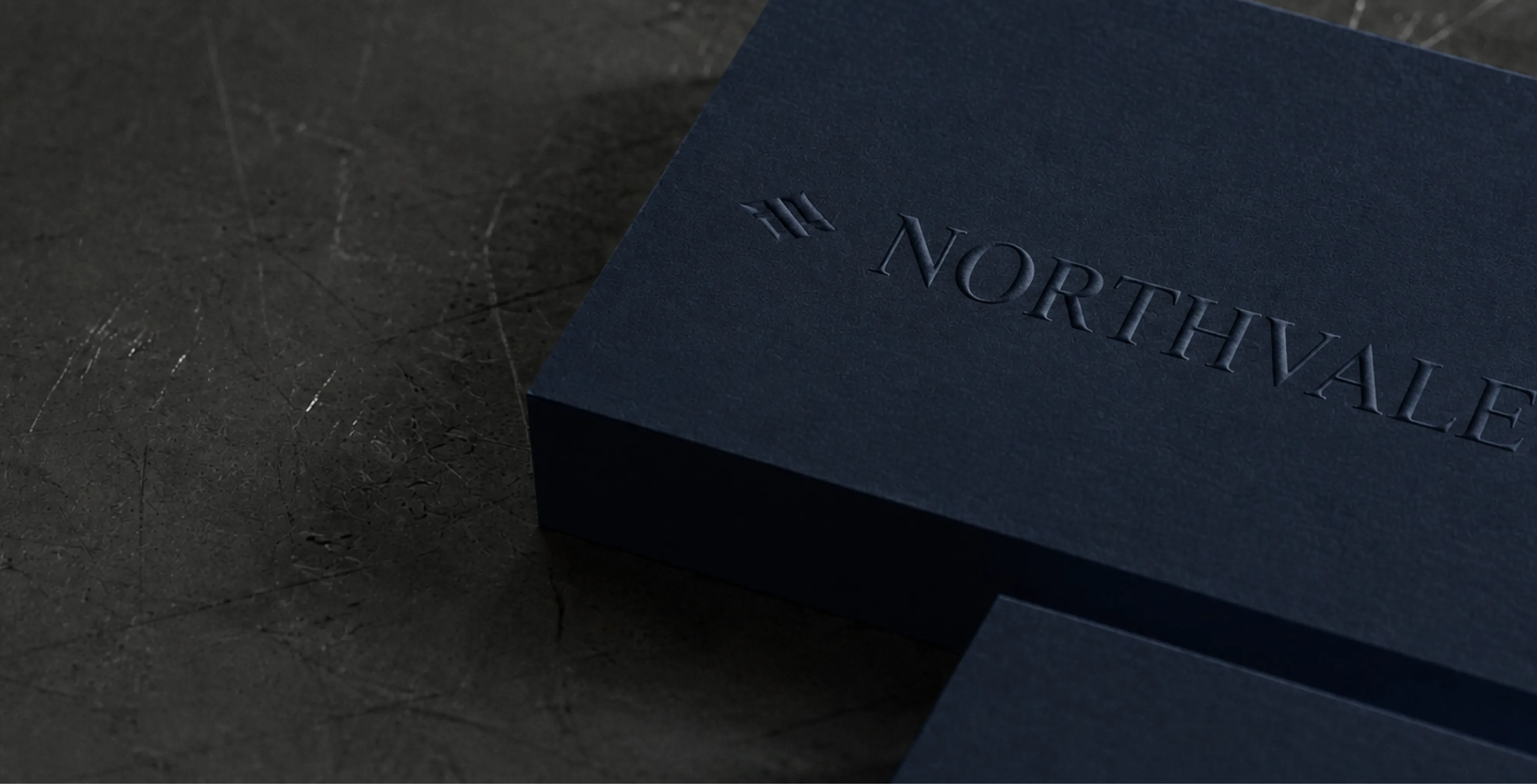
Company naming services cover the name a business trades under and everything that name has to carry. Brand Vision starts by mapping the competitive set so the new name does not sound like the companies around it. We develop candidates against that brief and screen each one for trademark and domain availability. What arrives is a shortlist with the clearance evidence attached. Our brand naming services hand over names a company can register and use immediately.

Product naming services apply to a single launch or to an entire portfolio. Our brand naming agency works from the naming architecture first. A product name has to sit correctly against the parent brand and against the products beside it. We develop candidates within that structure and screen each for trademark conflict in the classes that matter. Clients receive names ready for packaging and filing. Brand Vision runs that clearance early, because a conflict found after launch costs a relaunch.

Brand Vision handles tagline development alongside naming or on its own. The line has a defined job. It says what the name cannot say by itself. We develop options from the positioning work and test each for clarity and for how it reads at small sizes beside the logo. Legal screening applies here too, since a tagline can be registered. Our brand naming agency delivers a line the sales team will repeat, not one that only survives a presentation.

Our brand naming agency handles renaming when an existing name has run out of room. The business has outgrown it, or a trademark or domain conflict has closed the door. Brand Vision assesses what the current name still carries before replacing it, because we will not discard equity built over years without cause. Our brand naming services then cover development and the plan that moves customers to the new name. We manage that transition as carefully as the name itself.
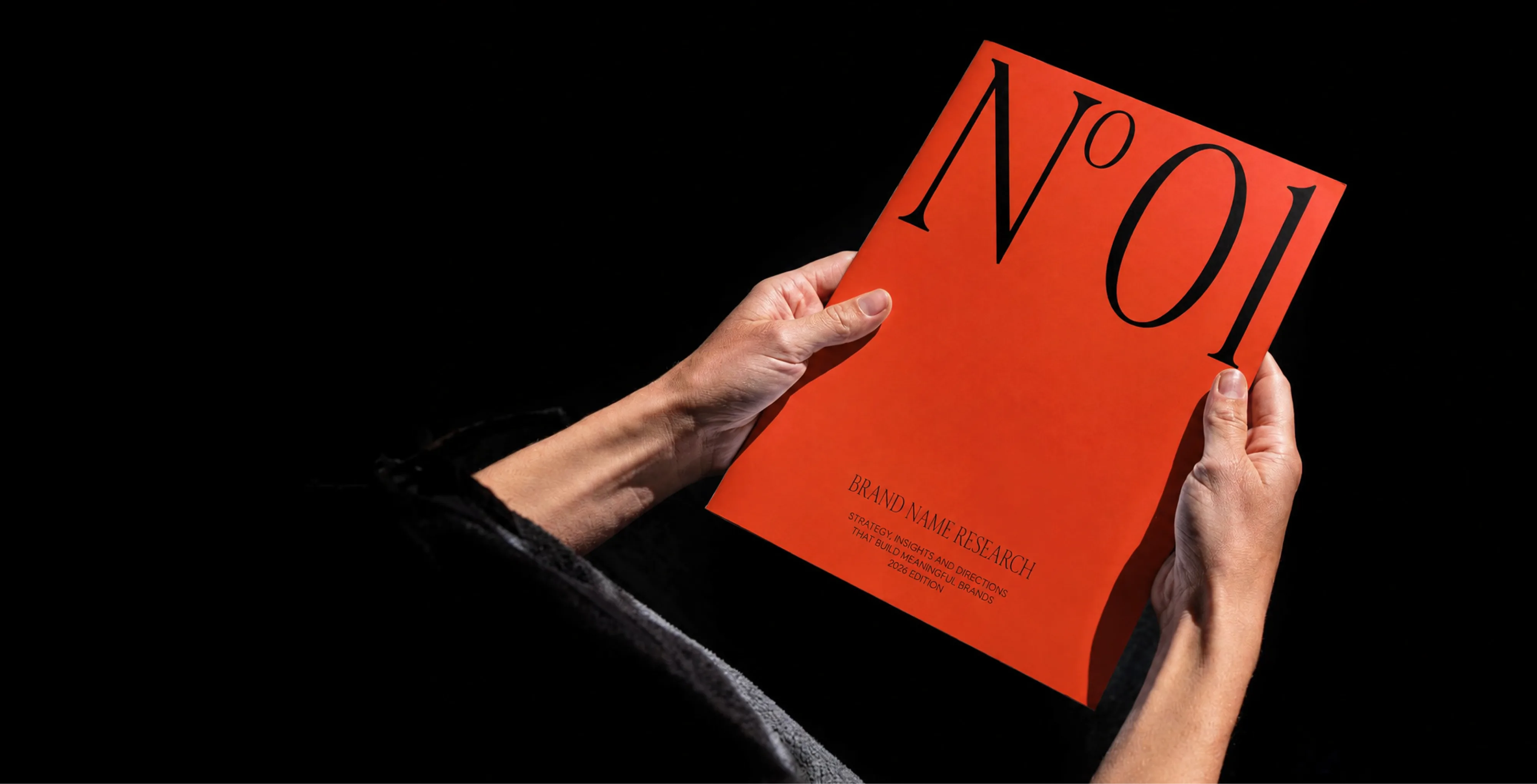
Naming research runs before and during development, not after it. Brand Vision reviews the competitive naming landscape and the linguistic performance of each candidate in the languages a business operates in. We check domain and social handle availability at the same time. Trademark screening runs in parallel through preliminary knockout searches in the relevant classes. Legal counsel confirms anything that reaches the final round. Our brand naming agency runs this research to remove names, which is what makes the survivors worth presenting.
Creative development and legal screening, run as one process.
We map the competitive naming landscape and the brief a name has to meet before developing anything.
We develop candidates against that brief, built to sound distinct from the names already in the category.
Each name is screened for trademark and domain availability, so nothing reaches you without clearance evidence.
You receive a shortlist ready to register and use, with the legal evidence attached.
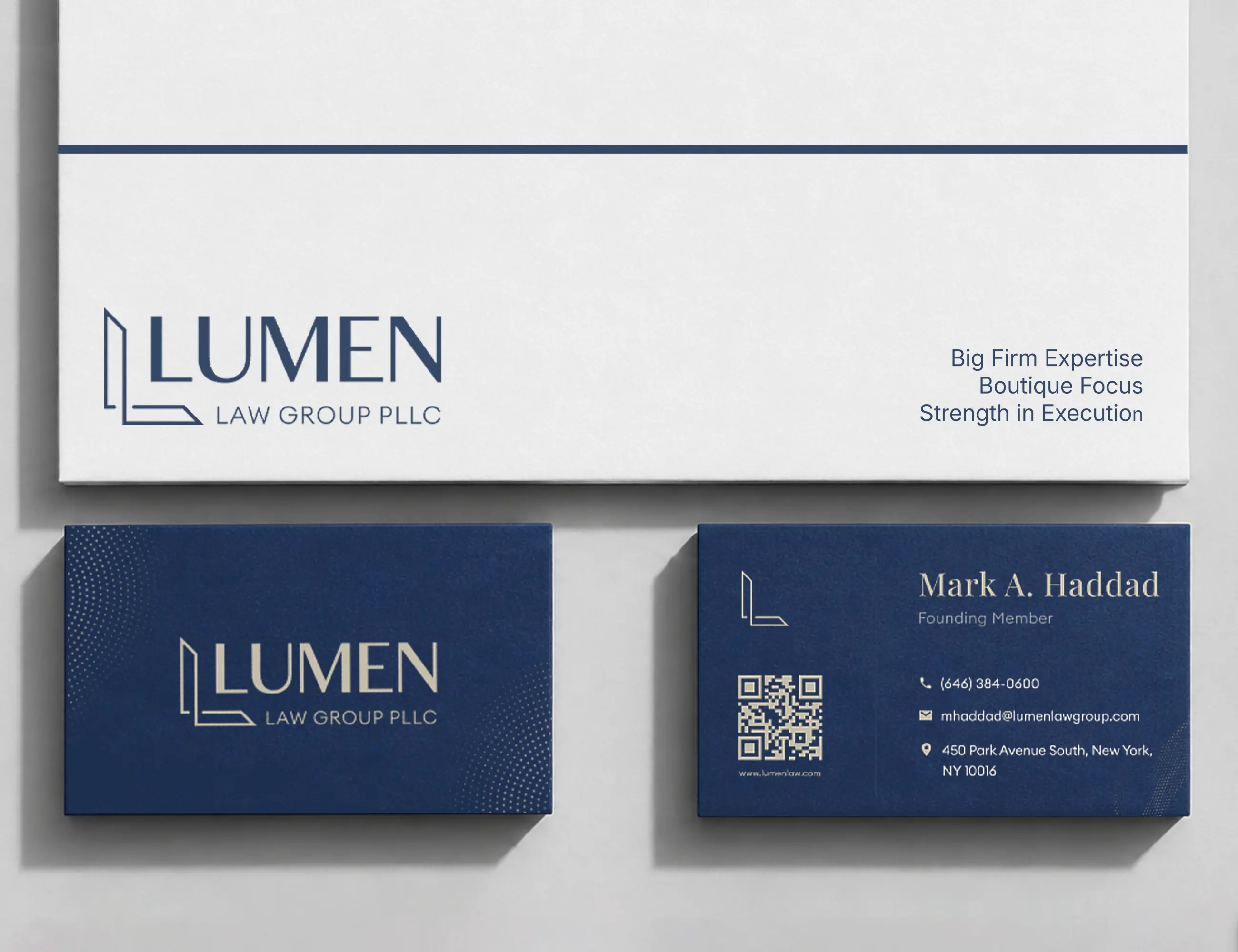
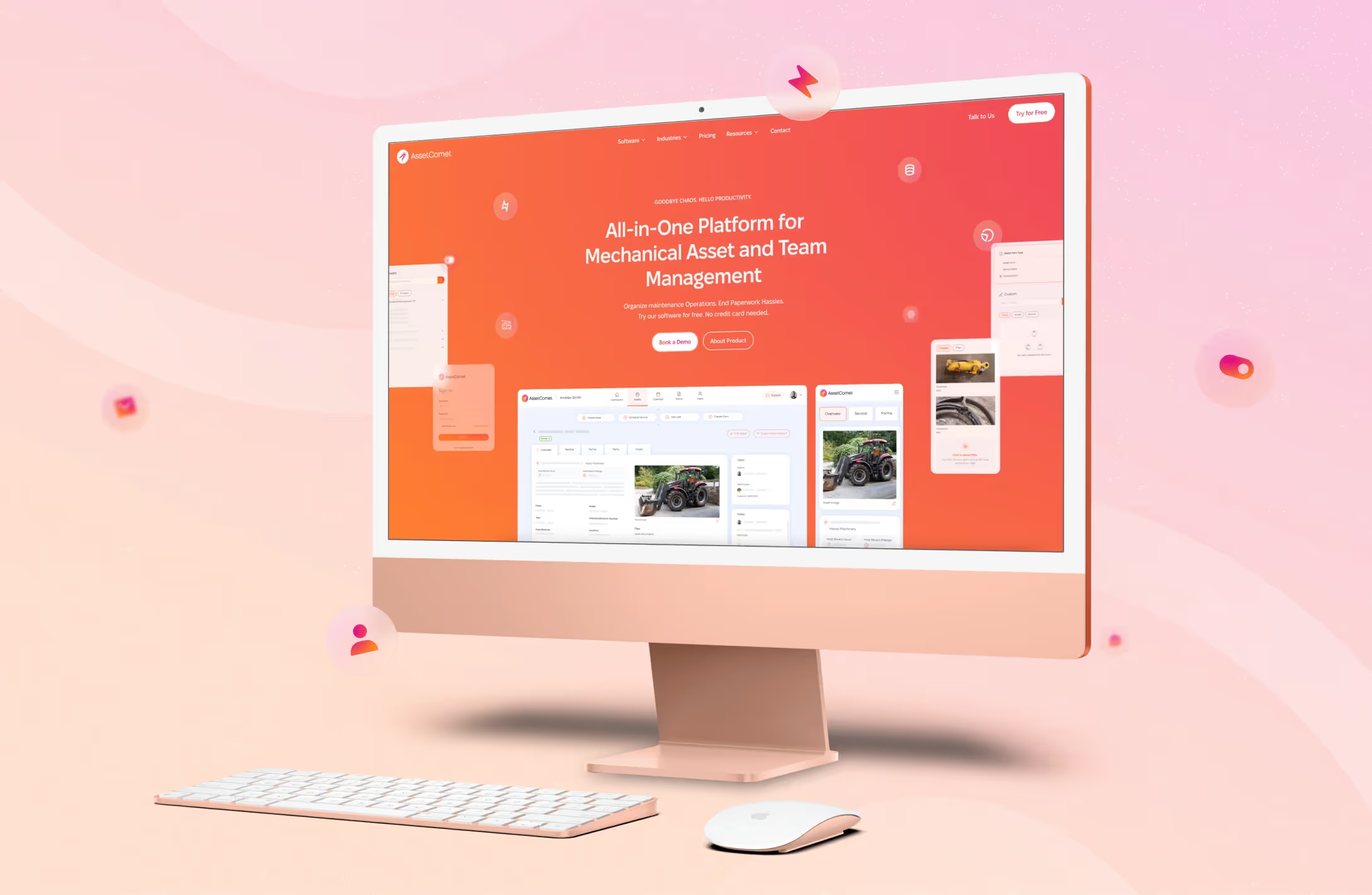
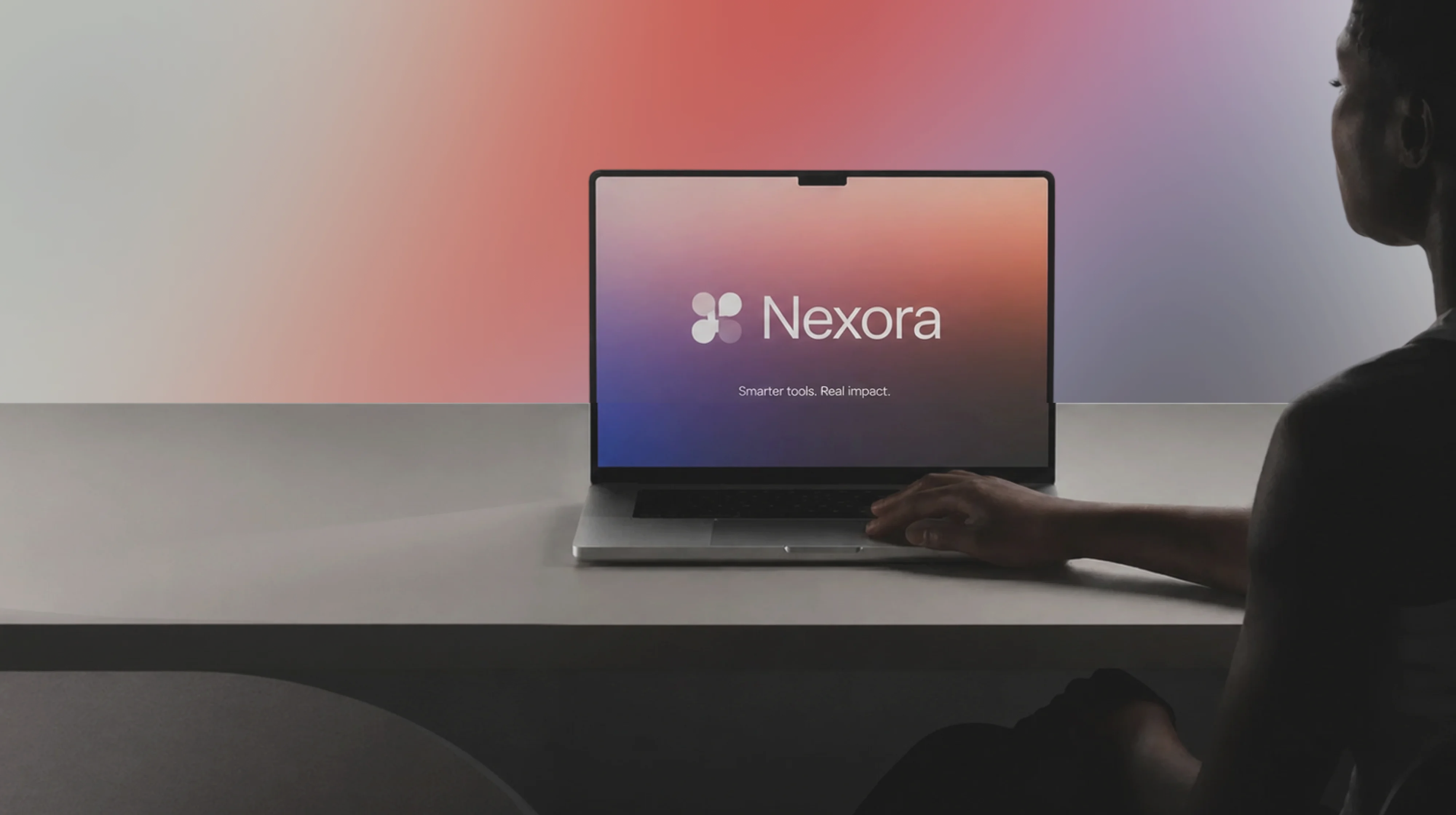
Selected naming work delivered by our brand naming agency for companies and product lines across North America.
The standard a name has to meet differs by industry. A consumer brand competes for attention, while a law firm competes on credibility before anyone calls. Our brand naming agency weights the work toward whichever constraint decides the category and clears every name against it.












Product depth shouldn’t slow the story down. We partner with SaaS, platform, and enterprise software teams to translate technical capability into focused narratives. Clear paths to demo, trial, or contact serve both buyers and technical evaluators. Systems are built for product-led growth with composable components, editor guardrails, and instrumented analytics that tie directly to pipeline.
Complex services sell on clarity, not volume. We help consulting, financial, and advisory firms structure their digital presence around buyer tasks: understanding capabilities, comparing options, and starting a brief. Every touchpoint earns trust through specificity and proof. Content is organized by audience need, so the people making the hiring decision find answers quickly and move to contact without friction.
Patients and practitioners make high-stakes decisions under pressure. We design trust-first experiences for healthcare and wellness brands, keeping clinical accuracy intact while making it simple for people to find the right provider, service, or next step. Accessibility, privacy-compliant forms, and plain-language content are standard. Local visibility for practices and clinics is built into the foundation, not bolted on later.
Prospective clients searching for legal help are often under pressure and comparing firms quickly. We help law firms present practice areas with credibility, surface the right contact paths, and build a digital presence that earns trust before the first conversation. Clear structure, plain language, attorney profiles, and consultation flows make it easy for people to take the next step with confidence. Ethical advertising compliance is built in from the start.
Buyers, investors, and project owners move on trust and timing. We work with brokerages, developers, general contractors, and property management firms to present listings, projects, and capabilities with clarity. Content is organized around what prospects actually need: proof of work, service scope, location context, and a direct path to inquire. Pre-construction launches and trade portfolios get the same strategic rigor as resale platforms.
Conversion lives in the details. We work with consumer and ecommerce brands to build fast, clear shopping experiences where product pages explain value quickly, checkout flows reduce friction, and the entire system scales with the catalog. Promotional templates, collection architecture, and performance monitoring keep the storefront sharp as demand and inventory shift with seasons. The result is a store your team can run day to day without developer dependency.
Early-stage companies need focus over flash. We help startups define positioning, build a credible identity, and launch a conversion-ready presence that clearly communicates what the product does, who it’s for, and how to get started. Everything is built to scale: component systems, content structures, and analytics foundations grow with the roadmap instead of needing a rebuild at Series A. The pitch and the website tell the same story.
Students, parents, and administrators all need different answers from the same site. We help schools, universities, and training organizations structure digital experiences by task: apply, visit, inquire, enroll. Accessible design and plain-language content serve diverse audiences without alienating any of them. A manageable CMS means internal teams keep program pages, event listings, and admissions information current without outside help or bottlenecks.
Nonprofits compete for attention, funding, and volunteers simultaneously. We build accessible digital experiences that make programs clear, donation paths intuitive, and calls to action specific enough to drive real participation and support. Content governance is designed for lean teams, so pages, campaigns, and impact reports stay current without bottlenecks. The organizations doing the most important work deserve a digital presence that matches their mission.
From restaurants to packaged goods, this industry sells on quality and convenience. We help food and beverage brands connect story with logistics: clear menus, product lines, ordering options, and wholesale paths that make it obvious how to buy and reorder. Identity and digital experience work in tandem so visitors see quality and know exactly what to do next, whether they’re a consumer walking in or a distributor placing a first order.
Audiences decide in seconds. We work with labels, venues, talent agencies, and event companies to build media-rich, performance-optimized experiences where the work is front and center. Booking, inquiry, and ticket paths stay visible and fast across devices. Campaign templates and component systems let teams launch content for new shows, releases, and events without starting from scratch each time. The creative comes first; the infrastructure stays invisible.
Guests research and book across multiple touchpoints. We help hotels, resorts, tourism brands, and event venues present their experience with clarity, connecting visual storytelling with practical booking flows, local discovery, and seasonal content that stays current. The systems we build make it straightforward for teams to update rates, packages, and promotions without depending on a developer for every change. The experience starts online, and it should feel as considered as the stay itself.









Original research and expert perspective on design, branding, and the strategy behind both.
Still have questions? Contact us to discuss.
A brand naming agency develops names that are distinctive enough to own and clear enough to use, and the second half of that sentence is where most naming projects fall apart. A name everybody loves and nobody can register is not a name. It is a very expensive shortlist entry.
The plain version of the work. Somebody has to study the names already in the category, generate far more candidates than anybody wants to read, kill most of them on legal and linguistic grounds before they ever get presented, and hand over the survivors with the evidence attached. The generating part looks like the job. The eliminating part is the job.
Why clients bring naming to us.
Development and screening run as one process. Candidates get checked for trademark conflict, domain reality, and language problems as they are created, so no name reaches a presentation without clearance evidence sitting behind it.
We do not present names we cannot defend. A shortlist here is short because most of what we generated is already dead. That is the point of the exercise.
Naming sits next to positioning and identity. The same people run the strategy and the design, so a name gets judged on whether it can carry a wordmark, a package, and a domain, and not simply on whether it reads well in a document.
25+ branding and design awards for work that had to survive real markets, which is a harder test than a judging panel.
One structural fact worth knowing before you start. The trademark registers are far more crowded than they were a decade ago, and in busy classes the short, obvious English words are effectively gone. A compound, a coined word, or a real word borrowed from somewhere unrelated is now more often the practical answer than the single elegant noun most clients arrive hoping for. That is a constraint of the register and not a shortage of ideas.
Over 15 years of branding experience behind that, plus 250+ verified five-star reviews. One thing we are explicit about from the first call. We are not a law firm and we do not give legal opinions. We screen, we narrow, and trademark counsel clears and files. You can see named work and who runs it before starting anything.
Five, and they cover the company name, the things it sells, the line underneath it, and the case where an existing name has to go. Research runs through all of them instead of sitting at the end.
Company naming services. The name a business trades under, developed against a mapped competitive set so it does not sound like the six firms it competes with, then screened for trademark and domain availability before it reaches you.
Product naming services. For a single launch or a full portfolio. Structure comes first, because a product name has to sit correctly against the parent brand and against the products beside it, and screening runs in the classes that actually apply to the product.
Tagline writing services. The line has a defined job, which is saying what the name cannot say on its own. Options come out of the positioning work and get tested for clarity and for how they read at small sizes beside the logo. Taglines can be registered, so legal screening applies here too.
Brand renaming services. For when a name has run out of room, or a conflict has closed the door on it. We assess what the current name still carries before replacing it, then handle both the new name and the plan that moves customers onto it.
Brand name research. The competitive naming landscape, linguistic performance in the languages a business operates in, domain and handle availability, and preliminary trademark knockout searches in the relevant classes. This is what removes names, which is what makes the survivors worth presenting.
What we do not sell is a list of names on its own. A name with no screening behind it and no plan for putting it into use is a document, and the client ends up paying twice, once for the list and again for the clearance work that should have run alongside it.
Naming is often commissioned inside something larger, meaning a full brand engagement where the name, the identity, and the positioning are decided together. It is also commissioned on its own, usually by a business that already knows who it is and needs one specific problem solved. Either is fine, and a short consultation is the faster way to work out which you need.
A name that can be said once and understood, owned legally, and still fit the business in ten years. Most naming arguments are really arguments about which of those three somebody is willing to compromise on.
Six tests we apply, and they are all boring on purpose.
Can somebody say it on a phone call and have the other person spell it correctly. If a name needs spelling out twice, every customer service call, every referral, and every conference introduction pays a small tax forever.
Is it available in a way you can actually own. Distinctive enough to register, distinct enough to rank for, and not one letter away from a competitor.
Does it survive success. Names built around a single product, a founding city, or a current technology become constraints the moment the business grows past them. Plenty of companies are stuck explaining a name that described them accurately in year two.
Does it look right as a wordmark. Letter count, ascenders and descenders, and awkward letter pairs all matter once it becomes a logotype sitting on a package or an app icon.
Does it read cleanly as a domain and a handle, with no accidental second word appearing when the spaces come out. This has embarrassed larger companies than yours.
And will it still sound current in a decade. Trend suffixes date fast, and a name that announces the year it was created ages the business along with it.
What we weight differently by category. A consumer brand competes for attention and can afford to be strange. A professional services firm competes on credibility before anybody calls, so an odd invented name works against it. A technical product often needs to survive being read aloud in a procurement meeting. Which constraint governs depends on the industry, and that judgment comes from looking at the category instead of applying a general rule about good names.
One thing to expect. New names almost always feel wrong for a while, including the ones that go on to be obvious in hindsight.
Six to ten weeks for most naming engagements, and the timeline is set by legal screening and decision-making instead of by creative work. Generating candidates is the fast part.
Brief and landscape. Week one. We agree what the name has to do, what it must avoid, and who it is competing against, then map how the category actually names things. Categories have conventions, and knowing them is what lets you decide whether to follow or break one deliberately.
Development. Weeks two to three. Volume matters here. A serious engagement generates well into the hundreds of candidates across several territories, meaning descriptive, evocative, invented, metaphorical, and borrowed real words, because you cannot know which direction is right until you see what each one produces.
Screening. Runs continuously and does most of the killing. Preliminary trademark knockout searches in the relevant classes, domain and handle checks, and linguistic review. Attrition is brutal and normal. It is routine for the great majority of candidates to die here, and the ones that survive are the only ones worth your time.
Presentation and discussion. Weeks four to five. Names arrive in batches with the rationale and the clearance evidence attached, and we talk through them properly instead of leaving you to react to a list.
Clearance and selection. Weeks six onward. Finalists go to trademark counsel for a full search, and their opinion decides what proceeds. This step depends on somebody else's calendar, which is the most common reason a naming project runs long.
What moves the scope. Whether it is one name or a portfolio. How many markets and languages. How many classes need screening, since more classes means more search and more filing cost. Whether taglines are included. And how many people hold approval, because naming is the discipline where decision by committee does the most damage.
Two costs to plan for separately from our fee. Legal work, meaning search and filing, billed by counsel. And the domain, which for a strong exact match can be a real number. We flag both at the start instead of surprising you at the end, which is a scoping conversation worth having in a first call.
Screening removes candidates and trademark counsel clears the survivor, and no honest agency describes it any other way. What we do is reduce risk and eliminate obvious conflicts early. What a lawyer does is give you an opinion you can rely on.
What our preliminary screening covers. Direct and close matches in the relevant classes on the Canadian and United States registers, since goods and services are classified and a conflict usually only matters within the classes that touch your business. Phonetic and visual similarity, because sound-alike marks are the most common source of trouble. Registered marks and pending applications, since a pending application ahead of you can block you. Unregistered use, meaning a company already trading under the name without registering it, which is why a web and business registry sweep runs alongside the database work. Then domains, handles, and app store names, because a name you can register and cannot use online is only half available.
What survives goes to counsel for a full clearance search, and their opinion is what decides. We do not overrule it and we will not present a finalist you cannot proceed with.
Four things are worth knowing before you get into this.
Distinctiveness and protectability move together. A descriptive name is easy for customers to understand and hard to own, since nobody gets exclusive rights to ordinary words for the thing they describe. An invented name is easy to own and takes marketing spend to give it meaning. That trade sits underneath most naming decisions and it is a business choice, not a creative one.
Registration takes far longer than launching. Examination queues at the Canadian office have run long, and a straightforward United States application still takes many months. You can generally begin trading while an application is pending, which is why the plan sequences filing early and launch sensibly.
There is an objection window after publication where third parties can oppose, so a name is not fully settled the day it is filed.
And clearance is risk reduction, never a guarantee. Anybody promising certainty is describing something that does not exist. What you should expect is a documented, defensible position and counsel's opinion on the risk you are accepting. That evidence travels with the name into the identity work and the launch plan that follow.
Almost every good name has a taken domain, so the useful question is what it would cost to get it or what a credible alternative looks like. Refusing every name whose exact match is unavailable would rule out most of the language.
The options, in the order we usually work through them.
Buy it. Many held domains are for sale even without a listing, and an approach through a broker keeps the buyer anonymous, which matters because a known company asking directly moves the price. Budget for this as a line item and decide your ceiling before anybody makes contact.
Use a modifier. A short prefix or suffix, the category word attached, or a construction the brand adopts consistently. This works when the whole business uses it everywhere without exception, and it fails when the marketing team quietly keeps referring to the bare name.
Take a different extension. This has stopped being a compromise in several categories, and in technical and software markets a well-known alternative extension carries no penalty at all. In conservative professional categories it still raises eyebrows, which is a judgment call about your buyers.
Adjust the name. Sometimes the honest answer is that a candidate is not worth the domain problem, and we would rather change the name than build a business on a workaround.
Two technical cautions on buying an existing domain. Check its history before you pay, because a domain that hosted something spammy carries baggage, and the archived versions and the backlink profile will tell you what it used to be. And check what else exists around it, since the parked variants and the near-miss spellings decide how much mail and traffic you lose to typos.
What we do not recommend. Hyphens, deliberate misspellings, and doubled letters, all of which fail the phone test and make a company sound smaller than it is.
Handles matter here too, and consistency across platforms is worth more than the perfect handle on one. Where the domain that gets chosen differs from a name you already trade under, the redirect and search implications get handled properly, since that is the same discipline as any site migration and it is easy to get wrong.
Descriptive names are understood immediately and are hard to own. Invented names are easy to own and need marketing to mean anything. Choosing between them is a decision about where you want to spend, and it should be made deliberately.
The territories we develop across, with what each one buys you.
Descriptive. It says the category. Easy to understand, weak legally, and often impossible to register in any exclusive way, since the words describing a service belong to everybody offering it. Fine for a local business competing on clarity, a real constraint for a company planning to become a category leader.
Suggestive. It hints at a benefit or a quality without stating the service. This is where a lot of good commercial naming lives, because it carries meaning and still has enough distance to be protectable.
Invented or coined. Built from roots, blends, or from nothing. Strongest legal position, cleanest domain availability, and the largest bill for making it mean something. Worth it when the business will invest in awareness for years.
Metaphorical. A real word borrowed from elsewhere, carrying an association you want. Memorable, and it depends entirely on the association being one your market shares.
Founder or eponymous. Standard in professional services and it comes with two long-term questions. What happens when that person leaves, and what happens if the firm is sold.
Acronyms. Almost always the result of a compromise. They are hard to build meaning into, hard to search for, and they usually mean a decision got avoided.
How we actually decide. We develop across several territories and present them side by side, because the choice becomes obvious in comparison and abstract in a briefing document. Then the deciding factors are how much awareness spend the business realistically has, how crowded the naming landscape is in the category, whether the name has to travel across languages, and how much legal certainty you need. Where positioning is not settled, that argument surfaces here first, and the honest answer is that it is a positioning question that naming cannot resolve. The competitive picture comes from naming and market research instead of from taste.
Product naming starts with architecture, because the question of what to call one product is meaningless until you know how the portfolio is meant to work. Get the structure wrong and every future launch reopens the same argument.
Three structures, and most companies are one of them by accident.
A single master brand with descriptive product names. The company name does the branding and products are described plainly. Cheapest to run, and it means no product ever gets its own identity or its own following.
Sub-brands. Products get real names that live under the parent and borrow its credibility. More expensive, and correct when products serve different buyers or need to be sold separately.
Independent brands. Products stand apart with little visible connection to the parent, which is what you do when a product needs distance, when it targets a very different segment, or when it may be sold one day.
The structure question is a budget question in disguise. Every named brand needs its own trademark filings, its own visual system, and its own share of attention. Naming everything is how a portfolio ends up with fifteen marks and no recognition attached to any of them, and that is where a proper look at architecture pays for itself.
Once the structure is set, product naming has its own rules. Names have to be distinguishable from each other when read quickly, since a customer choosing between two of your own products should never hesitate. Numbering and lettering systems need to be extensible, because a range built on a scheme that runs out is a range that gets renamed. Screening happens in the specific classes the product occupies and not the ones the company occupies. And the name has to work in the retail context it will actually appear in, meaning shelf, marketplace listing, or app store, where truncation is real and a long name gets cut mid-word.
Clearance runs early on product names for a specific reason. A conflict discovered after packaging is printed costs a reprint, a relaunch, and a delay, which is why naming and packaging design get sequenced with legal in between instead of running in parallel and hoping.
The name identifies. The tagline does the job the name cannot do on its own, which is usually saying what you do or why it matters. If the name already does both, you do not need a line, and we will say so.
When a tagline is doing real work. The name is invented or abstract, so somebody encountering it cold has no idea what the business is. You are entering a category where the offer needs a frame. The name is descriptive but says nothing about why you are better. Or the business has a specific claim worth repeating and no natural place to put it.
When it is decoration. Everybody in the category has one and they all sound the same. The line restates the name in more words. It is describing an aspiration nobody outside the leadership team recognizes. Or there is no realistic plan to use it anywhere.
How we develop one. Options come out of the positioning work, since a tagline is positioning compressed into a few words and cannot be written before that is settled. Then each candidate gets tested against four things. Whether it says something a competitor could not equally claim. Whether it reads at small size beside the logo, which quietly kills longer lines. Whether it survives being said out loud by a salesperson without embarrassment. And whether it can be registered, because taglines are protectable when they are distinctive, while lines that are purely informational usually are not.
Two practical notes. Taglines and lockups have to be designed together, since a line that works in a document and breaks the identity lockup will get dropped within a year. And a tagline is allowed to have a shorter life than a name. Names should last decades. A line can be replaced when the strategy moves, and treating them as equally permanent is why some businesses are still carrying a line written for a market they left.
Where the line has to work across a whole content and campaign program as well as beside the logo, that is a messaging exercise as much as a writing one, and we scope it that way.
Start by establishing what the current name is still worth, because renaming a business with real recognition is a transfer and not a replacement. We will not discard equity built over years without a reason that holds up.
What gets assessed first. Whether customers actually know the name or only your salespeople do. What ranks and what links point to it. Whether the name is a genuine constraint, meaning a legal conflict, a merger, a market shift, or a business that has outgrown what the name describes, or whether somebody internally is simply tired of it. Those are different situations with different answers, and the second one usually does not justify the cost.
When the case holds, the transition is its own project.
Legal and administrative first, since the corporate entity name, the operating name, registrations, contracts, and invoices are not the same thing and are frequently confused. Some businesses keep the legal entity and change only what they trade under.
Then sequencing. Staff hear it before customers. Customers hear it before the market. Getting that order wrong is how a rename leaks badly.
Then a dual period, where the new name appears with a short reference to the former one for a defined stretch. Long enough that people connect them, short enough that it does not become the permanent brand.
Then the unglamorous list that decides whether it goes smoothly. Permanent redirects from the old domain, which stays renewed indefinitely and does not get dropped in year three. Email forwarding for every old address. Business listings, review platforms, and directory citations updated so search does not see two competing entities. App store listings. Signage and print. Third-party integrations and anywhere your name appears in somebody else's system. Search performance protected the way any domain migration is protected, because a rename with a careless redirect plan loses visibility that took years to earn.
A rename usually arrives alongside a larger question, and the honest distinction is that changing the name is not the same as changing the brand. Where the position, identity, and expression all need to move together, that is a rebrand, and it is worth scoping as one piece of work instead of two.
Every candidate that survives screening gets read by people who speak the languages the business operates in, because a database cannot tell you a name is unfortunate. The internet is full of examples, and all of them were avoidable.
What linguistic screening actually checks. Whether the name is pronounceable to a speaker of each target language without instruction. Whether the spelling survives being heard and typed. What it means or resembles in each language, including slang and the near-misses that appear when a syllable shifts. Whether it collides with something already well known locally. And how it behaves when it takes on grammar, meaning plurals, possessives, and the accents or diacritics that either belong on it or get stripped by systems that cannot handle them.
For businesses operating in Canada, there is a specific layer worth planning for early. Quebec has requirements around French on public signage and commercial materials, and the rules governing how a non-French trademark can appear were tightened in 2025, with the exemption narrowing toward marks that are actually registered. In practice that means a name intended for use in Quebec should be considered alongside filing strategy instead of after it, and it should be reviewed with counsel who works in that jurisdiction. We flag it during naming instead of letting it surface when signage is being quoted.
Trademark work is jurisdiction by jurisdiction as well. A mark cleared in one country is not cleared everywhere, classes and examination standards differ, and translations of a mark can be treated as conflicting with it. Where a business plans to expand, the sensible move is screening the priority markets during naming rather than discovering a block in the market you were counting on.
Two things we watch beyond language. How the name is likely to be transliterated where a different script is used, and whether the shortened or nickname version customers will inevitably invent is one you can live with, since customers shorten names whether you authorize it or not.
Which of these matter depends on where the business actually trades, and we scope the screening against that instead of running every check on every project. That question usually surfaces during market research, and it is worth raising at the briefing stage so the work is sized correctly.
We keep going. There is no revision limit on naming, because a name is a decade-long decision and rationing feedback to stay inside a round count is how businesses end up with their second choice. Options come in batches, we discuss them properly, and the work continues until the answer is right.
Why we work that way. A capped process makes clients hold back the objection that actually matters, which surfaces two weeks later as unease nobody can name. Discussing a batch openly, including the candidates you dislike, is what tells us where the brief was wrong. Dislike is information, and on naming projects it is usually the most useful information in the room.
Three things that make the process converge quickly, and they are worth arranging before we start.
A settled position. Naming arguments are frequently positioning arguments in costume, and no volume of candidates resolves them.
One decision-maker. Naming by vote produces the least objectionable option every time, because distinctive names always divide a room and the compromise candidate is the one nobody feels anything about. Advisors are useful. Equal votes are not.
Feedback that names the problem. Too corporate, hard to say, sounds like a competitor, and cannot picture it on a package are all actionable. I do not love it is not.
How to judge a name properly, since reading it in a document is the worst possible test. Say it out loud. Answer a pretend phone call with it. Write it beside your logo at real size. Type it as a domain. Put it in a sentence a customer would actually say. Then leave it for a day, because unfamiliarity fades and the wrong name still feels wrong on the second morning.
One honest caution. If several rounds pass and nothing lands, the problem is usually upstream. Either the brief is describing a company the business is not, or two people at the table want different companies. When we see that, we say it and go back to the brief instead of generating a fourth batch against one that cannot produce an answer. And where a name is the beginning of a larger piece of work, it usually continues into identity and design once the name is cleared, which is the sequence most of our project work has followed.

Our goal is to nurture your vision and provide innovative, custom solutions for all your marketing needs.


%2520(1).png)
.png)