Rebranding can prove to be a lifesaver for businesses whose images and operations no longer resonate with shifting markets. When executed properly, a new identity can empower a company to overcome financial crises, altered customer expectations, or dated brand perceptions. Below are five successful rebranding stories showcasing how a strategic shift in brand focus, visual identity, and messaging can dramatically revive a struggling enterprise.
LEGO: From Financial Crisis to Global Phenomenon
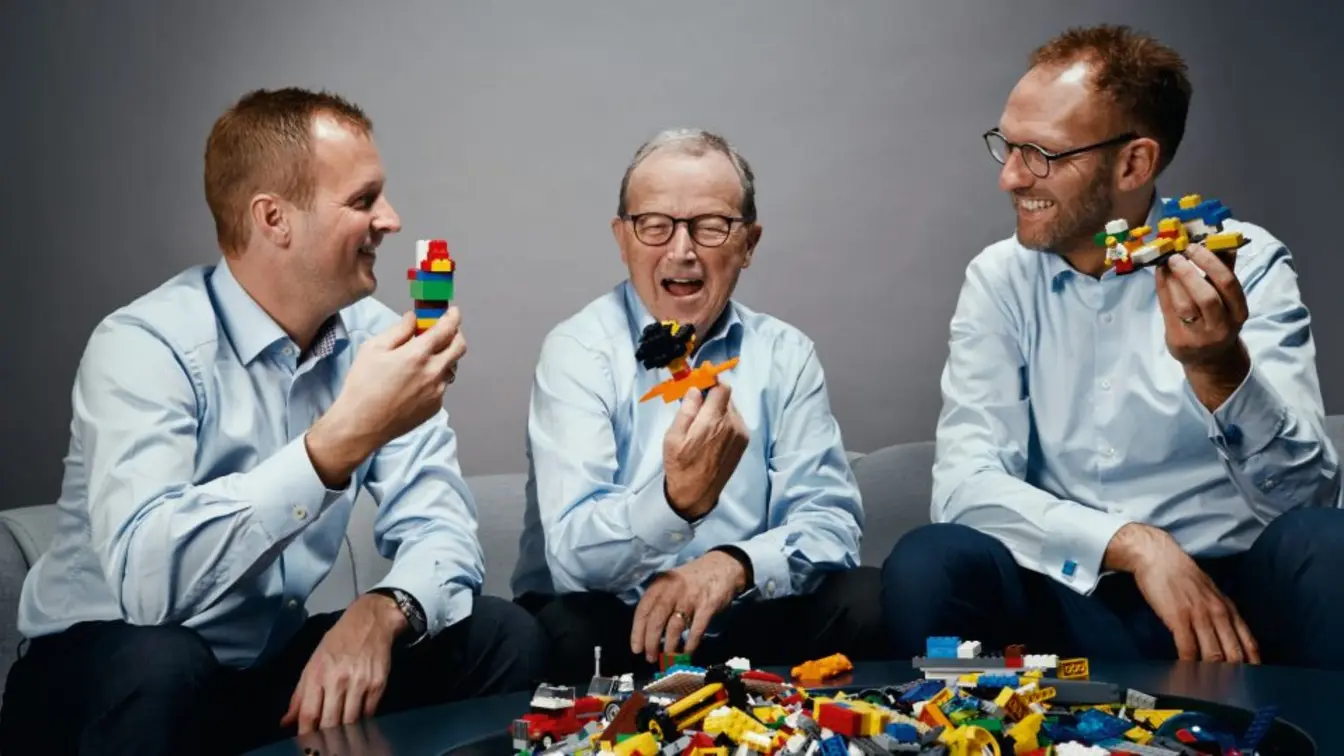
LEGO, founded by Ole Kirk Kristiansen in Billund, Denmark (1932), initially specialized in wooden toys before introducing its iconic interlocking plastic bricks in 1949. By the early 2000s, however, the company was losing nearly $300 million a year and teetered on the brink of bankruptcy. Much of the trouble stemmed from over-diversification, as LEGO ventured into theme parks, television programming, and other non-core projects that diluted its brand and strained its resources. The severe financial issues threatened to bury a once-beloved name.
To overcome these challenges, LEGO decided to refocus on what had made it legendary: its bricks. CEO Jørgen Vig Knudstorp orchestrated the sale of non-essential ventures, including the theme parks, so that the company could devote its energies to developing and improving core brick-based sets. LEGO also embraced digital channels, creating products like LEGO Mindstorms that appealed to a new wave of STEM educators and technology enthusiasts. The strategic licensing of well-known franchises like Star Wars and Harry Potter introduced a fresh spark, allowing LEGO to capture fans across multiple generations.
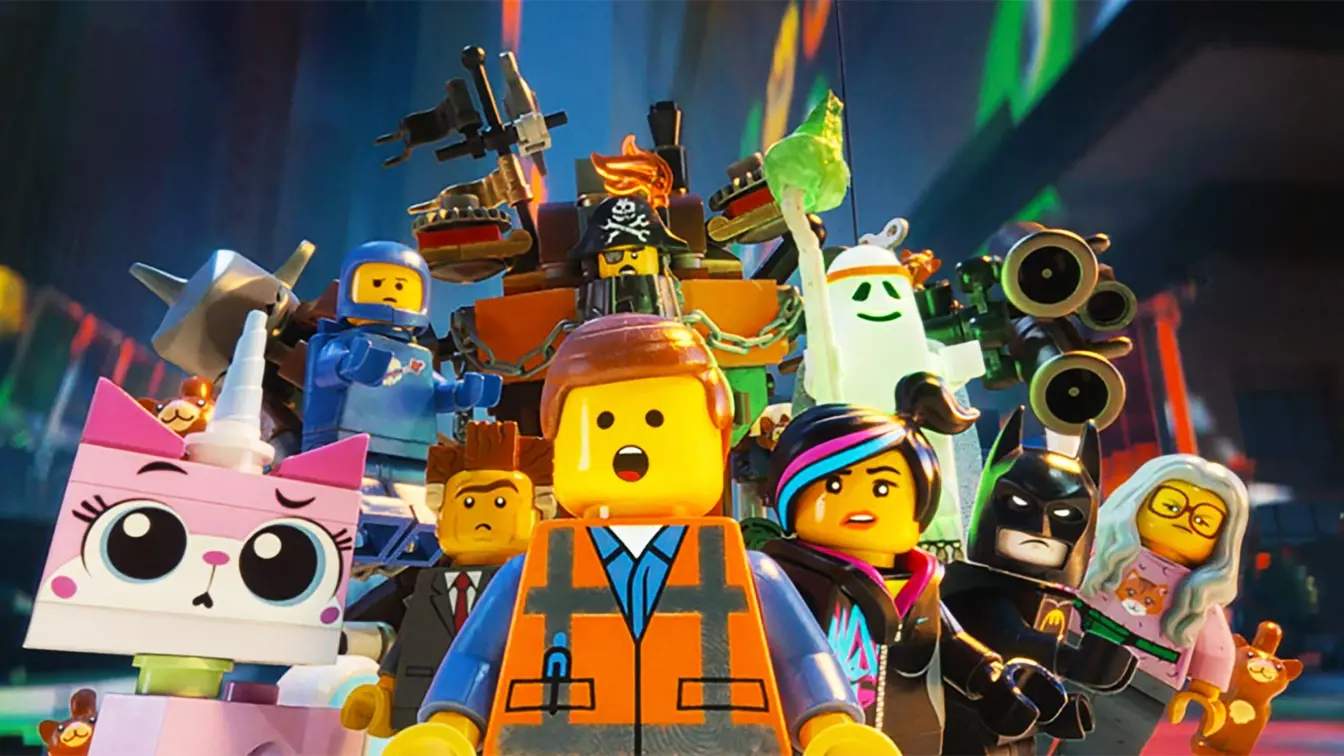
This rebrand devotion to high-quality bricks and digital ingenuity set the stage for a monumental turnaround. By 2015, LEGO had become one of the world’s most profitable toymakers, driven by crowd-pleasing releases such as The LEGO Movie in 2014. The brand’s evolution also saw the unveiling of a modernized visual identity in 2024, reaffirming LEGO’s commitment to innovation and creativity. Today, LEGO has transcended the realm of simple toys, influencing pop culture, partnering with gaming giants like Epic Games, and maintaining a passionate global fan community that lauds the brand’s interplay of fun, design, and tradition.
Old Spice: The Comeback Scent
Old Spice, established in 1937, long catered to older men with its classic cologne and aftershave. By the 2000s, the brand’s archaic look and feel no longer resonated with a new generation of grooming consumers, leading to declining sales. Old Spice had lost relevance in a market that now gravitated toward fresher, more youth-oriented labels.
In 2010, Old Spice launched a bold rebranding campaign in partnership with Wieden+Kennedy, spearheaded by “The Man Your Man Could Smell Like” commercials featuring actor Isaiah Mustafa. The ads projected confidence and humor, rapidly going viral across television and social media. Old Spice further engaged online audiences by recording real-time video replies to fans and influencers, making the brand feel both playful and interactive.
Sales soared over 100% in the months following the ad’s debut. Consumers found themselves drawn to Old Spice’s fun, ironic take on masculinity, prompting a transformation from dusty and outdated to fresh and entertaining. The shift also involved new packaging, fragrances, and comedic marketing angles that appealed to young men and women alike. In short, Old Spice’s rebranding became a benchmark for how personality and social media can reignite a dormant brand.
Apple: Think Different, Emerge Triumphant
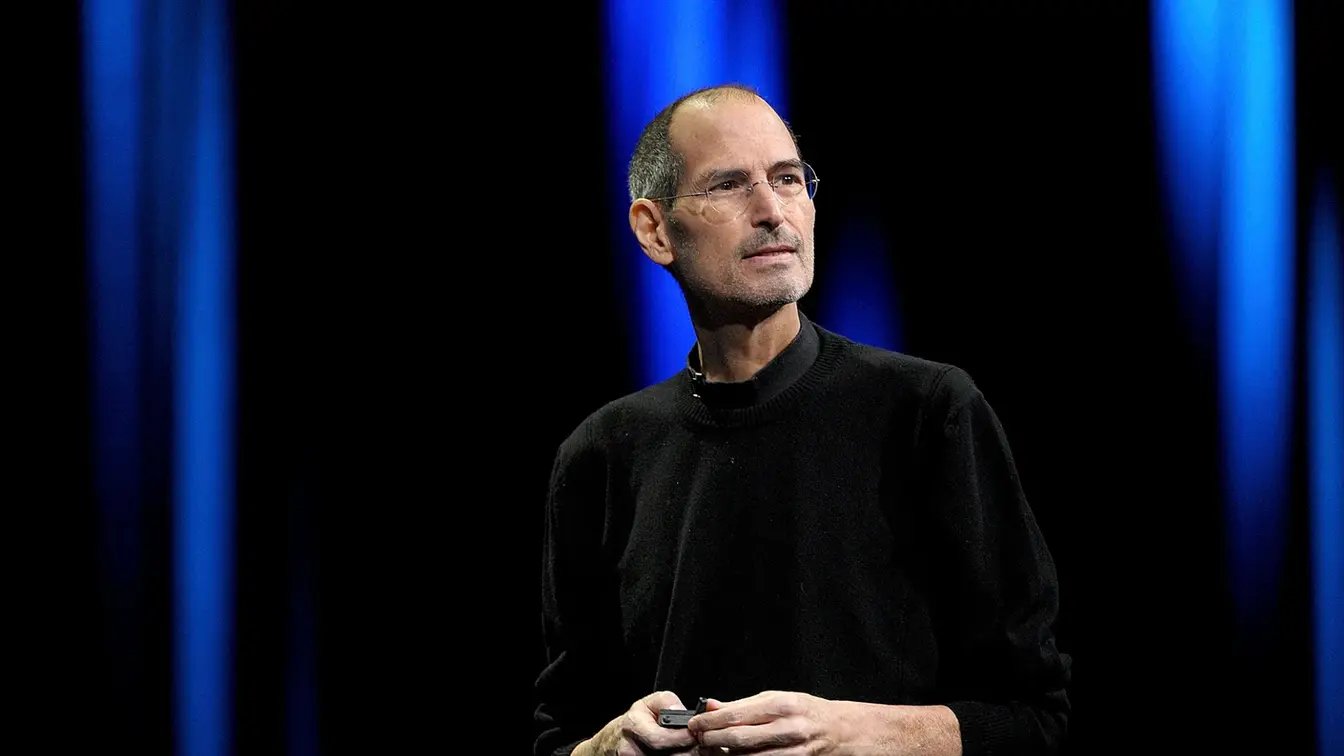
By the mid-1990s, Apple, co-founded by Steve Jobs, Steve Wozniak, and Ronald Wayne in 1976—was on the brink of disaster. Internal strife, weak product lines, and intense competition left Apple hemorrhaging money. The brand’s identity, marked by a multicolored apple logo, felt stale in comparison to the sleek approaches of emerging tech rivals.
In 1997, Apple reinstated Steve Jobs as CEO, initiating a sweeping rebranding strategy. The “Think Different” campaign celebrated disruptive visionaries like Albert Einstein and Martin Luther King Jr., and aligned Apple with bold creativity. Apple also moved from the rainbow-hued logo to a minimalist monochrome motif, symbolizing a shift from a chaotic product lineup to one rooted in streamlined design. Soon, Apple unveiled the iMac in 1998, an all-in-one desktop brimming with color and user-friendliness.
This rebranding helped Apple break away from its narrow “niche computer” label. Subsequent innovations such as the iPod (2001) and iPhone (2007) not only revolutionized their categories but solidified Apple’s identity as a tech pioneer. By emphasizing elegance, intuitive experiences, and consistent messaging, Apple cultivated a fiercely loyal global fanbase. Today, the brand that once teetered on the edge of bankruptcy stands as one of the world’s most influential, owing its success, in part, to rebranding approaches that emphasized design simplicity, user-focused narratives, and a spirit of innovation.
Domino’s: Delivering a Tasty Makeover
Launched in 1960 in Ypsilanti, Michigan, Domino’s Pizza expanded into a global powerhouse known for quick deliveries. But by the early 2000s, Domino’s faced stagnant sales and negative reviews condemning its pizza’s flavor and quality. Consumers dismissed the crust as “cardboard” and the sauce as bland, hurting brand credibility.
To address these criticisms, Domino’s underwent a transparent rebranding in 2010. Executives owned up to the negative feedback, running ads that admitted past failings and committed to “new and improved” recipes. This honesty, combined with a product overhaul that significantly upgraded crusts, sauces, and cheeses, re-engaged consumers. Domino’s also leveraged technology, introducing an online ordering portal, mobile apps, and a real-time Pizza Tracker that let users follow their orders from oven to doorstep.
The approach quickly paid off. Domino’s reprted double-digit growth in a crowded fast-food market, reestablishing itself as a fast, tech-savvy choice for modern pizza lovers. The brand soared forward with drone delivery experiments, user-friendly store designs, and comedic marketing. Domino’s transformation proved that acknowledging shortcomings and listening to consumer critiques can form the foundation of an effective rebrand, particularly when followed by tangible product and service improvements.
Dunkin’: Dropping “Donuts” to Focus on Coffee
Founded in 1950 as Dunkin’ Donuts, the brand dominated doughnut sales for decades but risked fading into irrelevance as consumer tastes shifted toward coffee, health-conscious options, and quick-serve convenience. Dunkin’ found itself overshadowed by competitor coffee chains that exuded premium vibes.
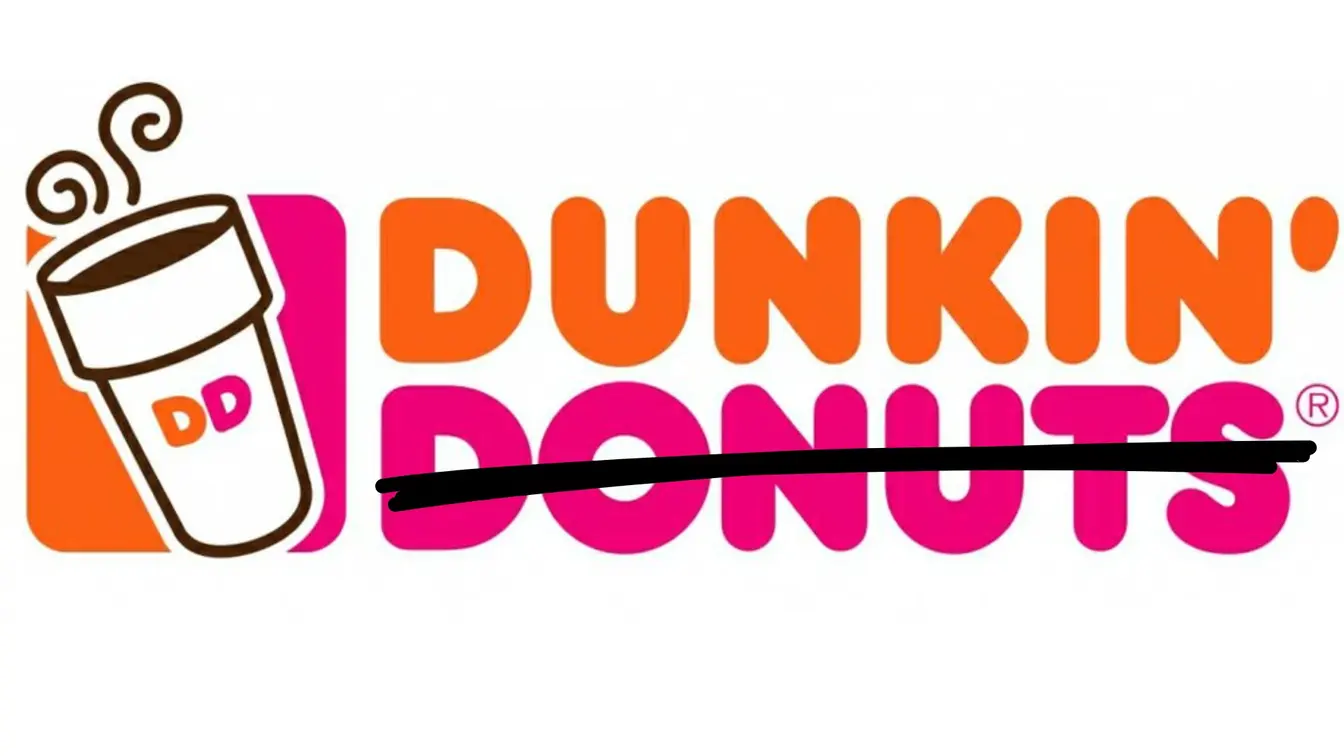
A decisive moment came in 2018, when Dunkin’ Donuts officially rebranded to “Dunkin" signaling a pivot to coffee-led strategies and away from an exclusive doughnut identity. This name change arrived with a refreshed logo, keeping the iconic pink and orange color scheme but adopting a more contemporary look. To sustain brand loyalty, Dunkin’ also modernized store designs, adding mobile order lanes, digital kiosks, and curated beverage bars.
The rebranding freed Dunkin’ to aggressively compete with companies like Starbucks on coffee quality and variety. Enhanced espresso drinks, plant-based menu items, and an expanded breakfast selection made it a broader daypart destination. By pruning the doughnut-centric focus and embracing a beverage-driven approach, Dunkin’ revitalized consumer perception, triggering sales growth and brand relevance.
Why These Rebranding Success Stories Inspire
Each example above underscores that rebranding campaigns that succeeded rely on several consistent themes. When Old Spice and Domino’s recognized their deteriorating images, they tackled negative perceptions with honesty, humor, and a commitment to product improvements. Apple returned to its design roots, focusing on intuitive user experiences and minimalistic aesthetics that resonated emotionally. LEGO rediscovered its brick-based heritage while also embracing digital realms, forging a path where tradition meets modernity. Dunkin’ abandoned an outdated identity to push coffee offerings. In all cases, the rebranding extended beyond superficial logos or slogans. Instead, each brand realigned with core strengths, listened to consumer concerns, and introduced genuine innovations.
These companies saved by rebranding demonstrate that no matter how dire the situation, be it plummeting revenues, an aged image, or missed market opportunities, a thoughtful and courageous approach can reignite a brand’s vitality. Rebranding usually involves an honest assessment of what made a brand special, where it failed its customers, and how it can address modern consumer desires. The journey often pairs fresh visual identity with product reengineering, harnessing both nostalgia and forward-thinking strategies.



%2520(1).png)