The best UX design agencies help a team decide what to build, make important tasks easier to complete, and give developers enough detail to implement the design. The right partner depends on the assignment: a website audit, a complex enterprise workflow, a new consumer product, or research with a specialized audience.
This shortlist compares ten agencies with a U.S. or Canadian presence. Brand Vision leads the list, followed by specialists with different strengths in product strategy, research, interface design, and delivery. Use the profiles to identify suitable conversations, then compare proposals against the same brief.
How We Selected These UX Design Agencies
This is a subjective editorial selection based on official service pages, published work, location information, and accessible Clutch profiles checked on October 26, 2026. We looked for substantive UX services and specific evidence of relevant work. The order reflects editorial judgment; we did not conduct interviews, test the agencies, or run a scoring exercise.
Project examples describe work reported by the agency unless another source is identified. Review figures are overall agency totals, not counts of UX-only engagements. Separate verified-review panels can carry different totals and older dates. Retrieved pages may be cached, so confirm current staffing, scope, availability, and fees directly.
10 UX Design Agencies to Consider
1. Brand Vision
- Best For: Usability improvements that need research, detailed interaction design, and a clear implementation plan.
- Services: UX research and audits, information architecture, UI and interaction design, prototypes, design systems, and implementation QA support.
- Location: Toronto and Chicago headquarters; additional offices in San Francisco and Miami.
- Website: Brand Vision UI/UX Services.
- Reviews: Clutch: 5.0/5 from 65 total reviews; a separate panel lists 57 verified reviews, updated August 17, 2026.
Brand Vision is a useful first consideration when a team needs to connect a usability diagnosis to concrete design decisions. Its UX offering covers complex websites, SaaS journeys, and product interfaces, including roles, onboarding, dashboards, and recurring tasks. That breadth makes it relevant when the brief crosses navigation, content, and interaction problems.
The agency's research services include interviews, recruitment, and task-based usability testing. Its interaction design work specifies details such as loading, error, focus, and success states, alongside responsive behavior and developer handoff. Those details belong in a proposal when a polished prototype must become a usable product.
One relevant example is Brand Vision's Alberta Municipalities assessment. The agency describes a six-week assignment involving stakeholder interviews, task mapping, analytics and content review, and recommendations for navigation and accessibility. The deliverable included a prioritized roadmap with owners. This supports its audit and planning capabilities; it does not establish a completed rebuild or measured performance improvement.
For a proposal, ask Brand Vision to separate the research questions, design deliverables, and implementation responsibilities. Confirm whether the engagement ends with Figma files and specifications or includes development and post-build validation. That distinction matters especially when comparing a website assignment with a native application.
2. HTEC Momentum
- Best For: Complex enterprise products and workflows involving AI recommendations.
- Services: Product strategy, user research, service design, UX/CX, concept validation, and experience assessments.
- Location: Palo Alto, California; the official site also lists London and Belgrade.
- Website: HTEC Momentum, formerly Momentum Design Lab.
- Reviews: Clutch: 4.8/5 from 97 total reviews; a separate verified-review total was not found.
HTEC Momentum connects product and experience design with the wider HTEC group's technology, data, and delivery capabilities. It is a relevant candidate when the design brief depends on understanding a complicated system and coordinating with engineering.
Its Sifted case study describes redesigning shipping analytics to make AI recommendations easier to discover. The reported work included journey mapping, an interactive prototype, and a revised design system. Use that example to ask how the team would handle recommendation explanations, user control, and uncertain data in your product. Confirm the actual designers and engineers assigned to the engagement rather than assuming access to the entire parent organization.
3. Neuron
- Best For: B2B workplace software with complex tasks and approval flows.
- Services: Product strategy, information architecture, UX/UI, prototyping, usability testing, and DesignOps.
- Location: San Francisco, California; remote-first team.
- Website: Neuron.
- Reviews: Clutch: 4.9/5 from 53 total reviews; 51 verified in the panel updated October 9, 2026.
Neuron's enterprise-software focus makes it relevant for tools people use repeatedly at work. Its Vendr project illustrates that fit: the agency describes a procurement workflow builder, intake forms, request tracking, and task and approval views, with testing of prototypes and early builds.
A separate DesignOps offering covers design systems, documentation, and design-to-code integration. This gives buyers a reason to consider Neuron beyond an initial redesign. Ask who will maintain the component library and how changes will reach development. Also distinguish handoff support from responsibility for building the application.
4. UXReactor
- Best For: Enterprise or legacy software that needs both redesign and stronger internal UX practices.
- Services: Research, audits, experience strategy, workflows, prototyping, testing, design systems, and design QA.
- Location: Pleasanton, California, in the San Francisco Bay Area; additional offices in Hyderabad and Medellín.
- Website: UXReactor.
- Reviews: Clutch: 4.8/5 from 8 total reviews; a separate verified-review total was not found.
UXReactor's enterprise offering connects a software redesign with the processes a team needs to keep designing. Its services cover research, workflows, design systems, and implementation support, making it a candidate for assignments that span multiple modules and user roles.
The agency's Tekion case study describes dealership-software design, a shared design system, and support for establishing an internal experience-design function. That organizational element distinguishes it from a project limited to new screens. Ask what your own team will own at the end: research evidence, design standards, documented decisions, and the ability to continue the work. The available review sample is relatively small, so request references for assignments of comparable complexity.
5. Akendi
- Best For: Connected product and service experiences that require substantial research.
- Services: UX strategy, user research, journey mapping, digital design, design systems, usability testing, and front-end development.
- Location: Toronto, Ottawa, and Brooklyn/New York; additional offices in Cambridge and London, U.K.
- Website: Akendi.
- Reviews: Clutch: 4.8/5 from 4 total reviews; three visible review cards were marked verified.
Akendi's approach connects the product with the service around it. That is relevant when an app or portal forms only one part of a customer or employee journey, and the research must account for what happens before and after someone uses the interface.
Its Focus FS safety-platform case describes interviews, journey mapping, personas, design, testing, and front-end development. Akendi also offers several engagement models, including project teams, staff augmentation, and fractional UX leadership. Decide whether you need a defined delivery team or help developing your own practice; those are different proposals even when the methods overlap.
6. Clay
- Best For: Consumer products where brand expression and interface behavior both matter.
- Services: Research, UX/UI and interaction design, motion, design systems, branding, and web/mobile development.
- Location: San Francisco, California; remote-first, with physical collaboration spaces in several cities.
- Website: Clay.
- Reviews: Clutch: 4.8/5 from 32 total reviews; 30 verified in the panel updated April 7, 2026.
Clay combines product design with motion and brand work. That combination suits a consumer interface whose visual identity must carry through navigation, feedback, and transitions. Its research and development services also give buyers scope to discuss how those decisions will be tested and built.
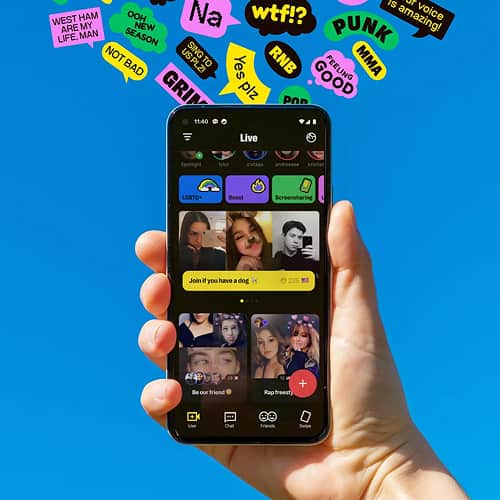
In its Snapchat case study, Clay describes interfaces for AR shopping lenses and tutorial animation concepts using Snapchat's existing design system. That is a specific example of designing within an established product language. Ask how Clay would balance expressive motion with task clarity, and which research and testing activities are included in the proposed scope.
7. ROSSUL
- Best For: Enterprise workflows, technical interfaces, and software requiring design and development coordination.
- Services: Workflow analysis, research, wireframes, UI and interaction design, design systems, and application development.
- Location: Toronto, Canada, as listed on Clutch.
- Website: ROSSUL.
- Reviews: Clutch: 4.9/5 from 20 total reviews; a separate panel lists 20 verified reviews, updated September 24, 2025.
ROSSUL's published services extend beyond conventional websites into enterprise SaaS, internal tools, scientific instruments, and industrial controls. It is a useful candidate when the design must make dense information and specialized tasks understandable.
Its weather-service app case study describes research, alert prioritization, bilingual testing, and a modular design system. The government department is not identified in that account, so the example supports the reported scope without establishing a named public-sector reference. For technical products, ask ROSSUL to explain how it will learn domain terminology, validate unusual workflows, and test with the people who actually operate the system.
8. Guidea
- Best For: Healthcare products requiring patient, provider, or specialized user research.
- Services: Design research, product strategy, prototypes, product design, validation, DesignOps, and Figma design systems.
- Location: Austin, Texas, as listed on Clutch; its profile also lists San Jose.
- Website: Guidea.
- Reviews: Clutch: 5.0/5 from 43 total reviews; a separate verified-review total was not found.
Guidea adds a specific healthcare option to the shortlist. Its digital-health portfolio names platform design for Amalgam Rx and human-factors testing for Cognoa, alongside work involving patients, caregivers, and providers.
Those examples make Guidea relevant when participant needs and validation requirements shape the project. The agency's capabilities include formative and summative validation as well as design systems. Ask which methods are appropriate for your product, who recruits participants, and what documentation the engagement produces. A healthcare portfolio does not mean every project includes regulatory submission support; define that responsibility explicitly if it is part of your brief.
9. Idea Theorem
- Best For: Public-service apps and enterprise products that need research before redesign decisions.
- Services: User research, heuristic evaluation, information architecture, UX/UI, design systems, prototypes, and development.
- Location: Toronto, Canada.
- Website: Idea Theorem.
- Reviews: Clutch: 4.9/5 from 18 total reviews; a separate verified-review total was not found.
Idea Theorem's Green P case study shows how it investigated an existing public-service app before recommending changes. The agency describes work for the Toronto Parking Authority involving a usability study, a user survey, a focus group, and prioritized recommendations.
The distinction is the connection between user evidence and the next set of product decisions. When discussing a similar assignment, ask to see how findings become a backlog, which recommendations require further testing, and how disagreements between participants are handled. Keep research and implementation milestones separate in the proposal, even if the same agency will deliver both.
10. Slide UX
- Best For: AgeTech, care, and experiences for people affected by cognitive change.
- Services: Experience audits, research, usability testing, information architecture, content strategy, visual design, and design systems.
- Location: Austin, Texas.
- Website: Slide UX.
- Reviews: Clutch: 4.9/5 from 72 total reviews; a separate panel lists 72 verified reviews, updated July 16, 2026.
Slide UX's current positioning focuses on aging, brain change, and care. Its service descriptions emphasize cognitive load, readable interfaces, predictable navigation, and the circumstances of older adults and care partners. That focus gives it a different role from the enterprise-software generalists above.
The Youngtimers case study describes an audit, information architecture, content strategy, and a website rebuild for a familial Alzheimer's nonprofit. Slide UX says its founder volunteered her time on the project and serves on the nonprofit's board. It demonstrates reported project involvement, while paid engagement terms need a separate discussion. Ask how Slide UX would recruit relevant participants and accommodate fatigue or support needs during research.
How to Choose a UX Design Partner
Start with the decisions you need help making. If the problem is unclear, prioritize research and diagnosis. If your team already has reliable evidence, focus on interaction detail, prototyping, and implementation. If several teams are building inconsistent interfaces, design-system ownership may matter more than another standalone redesign.
For enterprise software, compare the emphasis: Neuron's workflow and DesignOps work, HTEC Momentum's AI-related product example, UXReactor's support for an internal design function, and ROSSUL's technical-interface services. Akendi adds a service-journey perspective; Clay brings motion and brand expression to product design. Guidea and Slide UX address different specialist audiences. Brand Vision connects usability assessment, research, and detailed interaction design. These are starting points for a brief, not exclusive capabilities.
Send the same short brief to each candidate, then ask for:
- A research plan: Which questions need evidence, who will participate, and how recruitment will work.
- A workflow inventory: User roles, essential tasks, permissions, failure states, and devices included in the estimate.
- Named responsibilities: Who leads research and design, who makes decisions, and what your team must provide.
- Acceptance criteria: Agreed task flows and interface states, the contents of the component library, and what developers need to implement the design.
- A comparable example: Ask to see the problem, evidence, design changes, and implementation constraints, rather than only final screens.
For a diagnostic engagement, use the existing guide to UX audit deliverables to evaluate the proposed outputs. For a software-company brief, distinguish the technology website and acquisition journey from the experience inside the product. They may require different research participants and success measures.
What Does Hiring a UX Design Agency Cost?
A useful estimate starts with a defined scope and an explicit currency, such as USD or CAD. Ask agencies to price the same workflows, research activities, deliverables, and revision allowances. Screen count alone is a weak basis for comparison: one permission-sensitive workflow can require more work than several straightforward pages.
For one-time fees, separate discovery and research, design and prototyping, testing, and implementation support. Confirm whether participant incentives, recruitment, travel, translation, accessibility evaluation, development, and taxes are included. For a recurring engagement, specify monthly capacity, roles, response expectations, rollover rules, and how the arrangement ends.
A documented historical example illustrates why scope matters. In a September 2022 Clutch review of ROSSUL, Prep101 reported approximately CAD 40,000 for a July–August 2022 UI/UX engagement involving personas, Figma mock-ups, and implementation. That is a client-reported past project, not a current quote or a benchmark for every agency here.
Compare proposals by what the fee resolves. A smaller initial research phase can be appropriate when the problem is uncertain; a larger design engagement should identify the decisions, workflows, and handoff obligations it covers. Require written approval for additions to scope and a clear price for post-launch changes.
Frequently Asked Questions
What Should a UX Design Agency Deliver?
Deliverables should follow the assignment. Research may produce findings, recordings, and prioritized recommendations. Design may produce flows, wireframes, prototypes, interface specifications, and reusable components. Ask for the editable source files, the evidence behind major decisions, and documentation for errors and edge cases. A list of attractive screens is insufficient to define an entire product engagement.
What Is the Difference Between UX and UI Design?
UX addresses how people complete tasks across an experience; UI addresses the interface they use to do so. A project may need both. Brand Vision and Neuron, for example, list research or testing alongside interface and interaction work. In a proposal, distinguish the activities used to understand the problem from the visual and behavioral specifications used to implement a solution.
Should We Hire an Agency for an Audit or a Full Redesign?
Choose an audit when you need to locate and prioritize problems in an existing experience. Commission a redesign when the necessary changes and their scope are sufficiently understood. An audit may reveal that targeted fixes are appropriate. Ask whether the agency will test its recommendations and what evidence would justify expanding the engagement.
How Should We Compare Agencies With Different Review Counts?
Use reviews to investigate working relationships, not to rank agencies by stars alone. Look for projects with comparable scope, recent accounts of communication and delivery, and enough detail to understand the client's role. Clutch totals in this shortlist cover each agency overall, and a separate verification panel may use an older date. For a small or less relevant review sample, request references for similar engagements.
Does UX Design Include Development?
Development is included only when it is part of the agreed scope. Clay and Akendi list development among their services, but that does not make it part of every UX engagement. A Figma component library and a coded component library are different deliverables. Confirm who writes production code, connects components to the application, checks the build against the design, and maintains it after launch.
Do We Need an Agency in Our Own City?
Location matters when the project requires in-person observation, workshops, or access to specific participants. For remote work, assess time-zone overlap, language, communication, and availability instead of relying on an office address alone. Clay and Neuron describe remote-first models. Ask where your assigned team works and how it will reach the users you need to study.
How Should We Judge Whether the Work Succeeded?
Agree on the problem and baseline before design begins. For a task-focused product, measure whether representative users can complete the target task, where they make errors, and what remains confusing. For a live release, agree who measures subsequent behavior and how other product changes will be considered. Treat portfolio results as context, not a promise that your project will produce the same outcome.