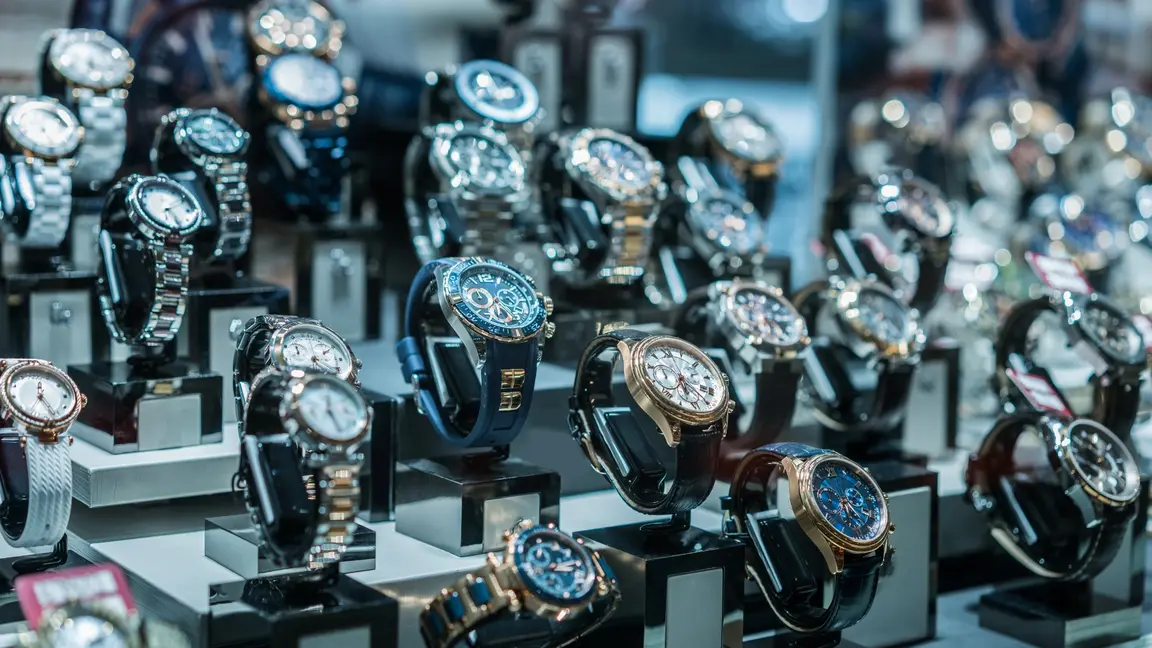
Luxury watches sit at the intersection of mechanical engineering, design, heritage, scarcity, retail distribution, and cultural signaling. In 2025, the Swiss watch industry remained highly concentrated at the top even as total Swiss watch exports declined 1.7% by value. This guide keeps the original 20-brand selection, including many names commonly discussed among the most valuable watch brands, but it no longer presents them as an audited 1–20 brand-value ranking.
That distinction matters because “brand value,” estimated wholesale sales, retail market share, auction prices, and parent-company revenue measure different things. Industry estimates published in 2026 place Rolex far ahead of other Swiss watch brands by sales and share, with Cartier also gaining ground, while independent high-end makers such as Audemars Piguet, Patek Philippe, and Richard Mille continued to strengthen their positions. At the same time, the category extends beyond traditional mechanical luxury; products such as the rugged smart watch illustrate how broader watch demand can follow very different value propositions. For brands building in premium consumer categories, branding services help align product, story, distribution, and perceived value before promotion scales.
Bvlgari
Known primarily for high jewelry, Bvlgari also operates an important watch business under LVMH. Its watch identity combines Italian design with Swiss production, especially through the Octo Finissimo family and the jewelry-led Serpenti line. Because Bvlgari reports within a larger luxury group and spans both jewelry and watches, broad company or brand valuations should not be treated as watch-specific market value.
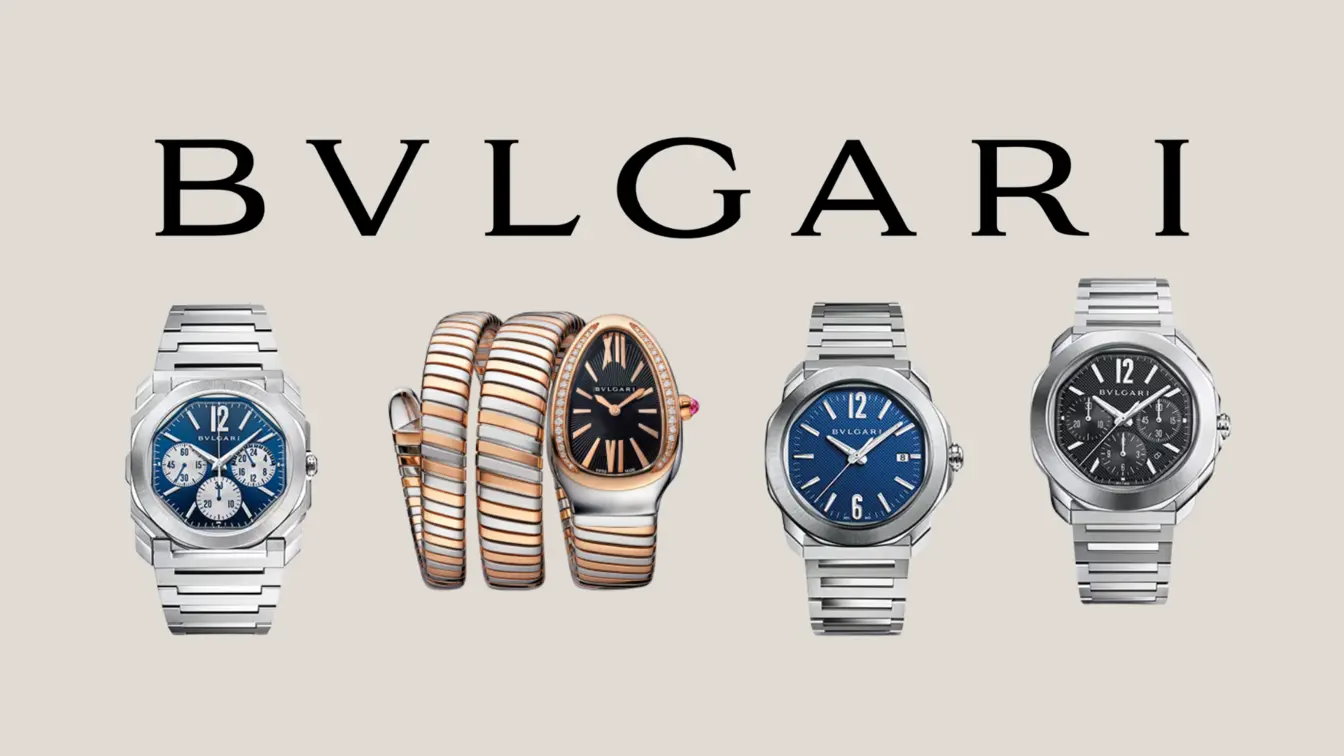
Bvlgari positions itself at the intersection of Italian style and Swiss engineering, appealing to both fashion-forward clientele and serious collectors. Campaigns often highlight craftsmanship and synergy between jewelry design and watchmaking. The brand’s Serpenti line merges gem-encrusted artistry with mechanical timekeeping. Bulgari’s most expensive known piece is the “Serpenti Misteriosi Romani” secret watch valued at $1.5M, though certain one-off high-jewelry creations can reach multi-million-dollar territory. Its social media campaigns often feature A-list celebrities and red-carpet appearances, cementing Bulgari’s glamorous image. The same intersection of celebrity, fashion, and premium positioning appears across major celebrity fashion brands. A luxury retailer building a regional launch can also work with a branding agency in Miami to adapt the message to local audiences without implying any relationship between Brand Vision and Bvlgari.
Panerai
Panerai, part of Richemont, built its modern identity around large-cased Luminor and Radiomir watches and the brand's historical connection with military diving. It remains a specialist luxury name rather than a mass-volume leader, so estimates of annual units or standalone revenue should be treated as industry estimates rather than audited disclosures.
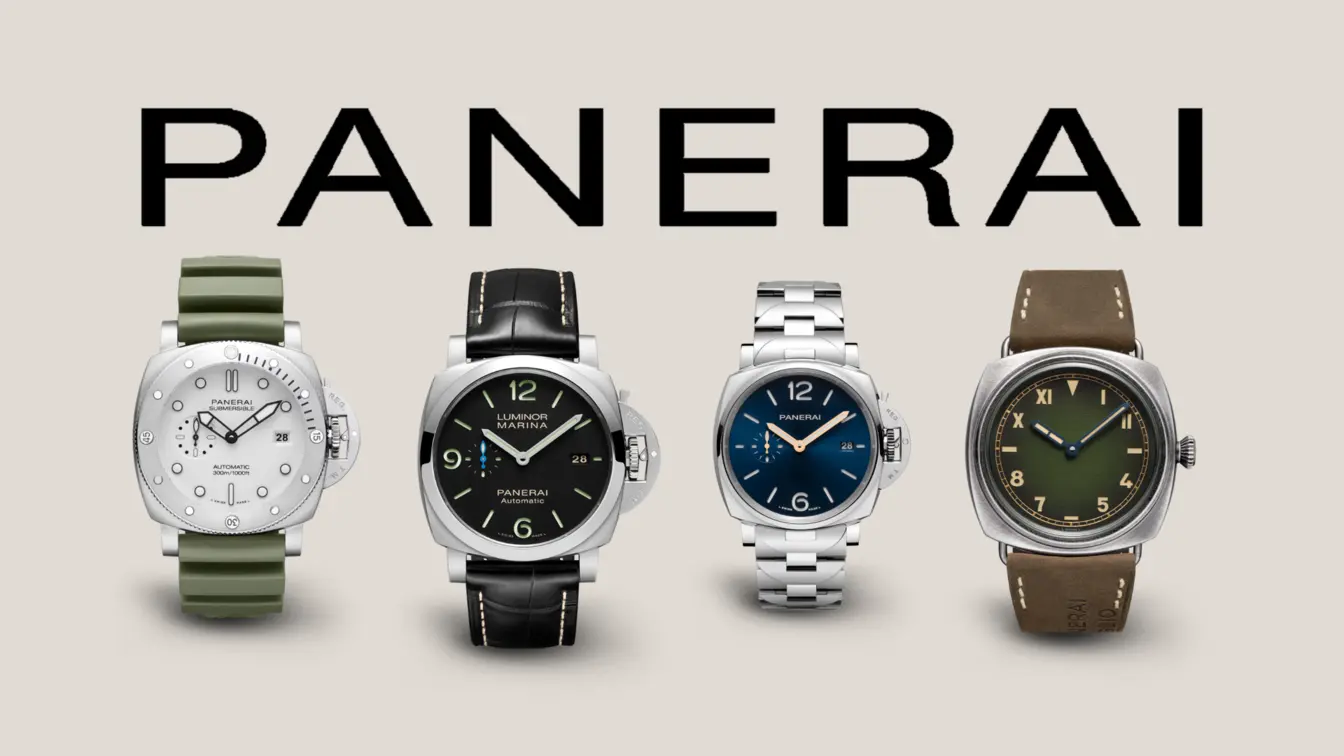
Panerai’s marketing capitalizes on its military heritage and bold aesthetics. Ads emphasize the oversized dials, luminous numerals, and robust water resistance—underscoring a sense of adventure. Collaboration with famous explorers and marine conservation projects adds authenticity. The brand fosters an online “Paneristi” community for fans sharing watch stories. Historically, the priciest sale was a vintage 1950s “Egiziano” prototype made for the Egyptian Navy, fetching $478,000. Modern Panerai’s top-tier offerings like the Lo Scienziato Tourbillon can reach $140K or more, but rarely appear at auction, keeping Panerai’s exclusive aura intact.
Blancpain
Blancpain traces its name to 1735 and sits within Swatch Group's high-end portfolio. Its modern identity centers on mechanical watchmaking, the Fifty Fathoms dive line, and traditional complications. Blancpain's position is better understood through heritage and product specialization than through unsupported standalone “brand value” figures. Brand Vision's coverage of high-profile watches provides a separate look at the celebrity side of the luxury-watch market.
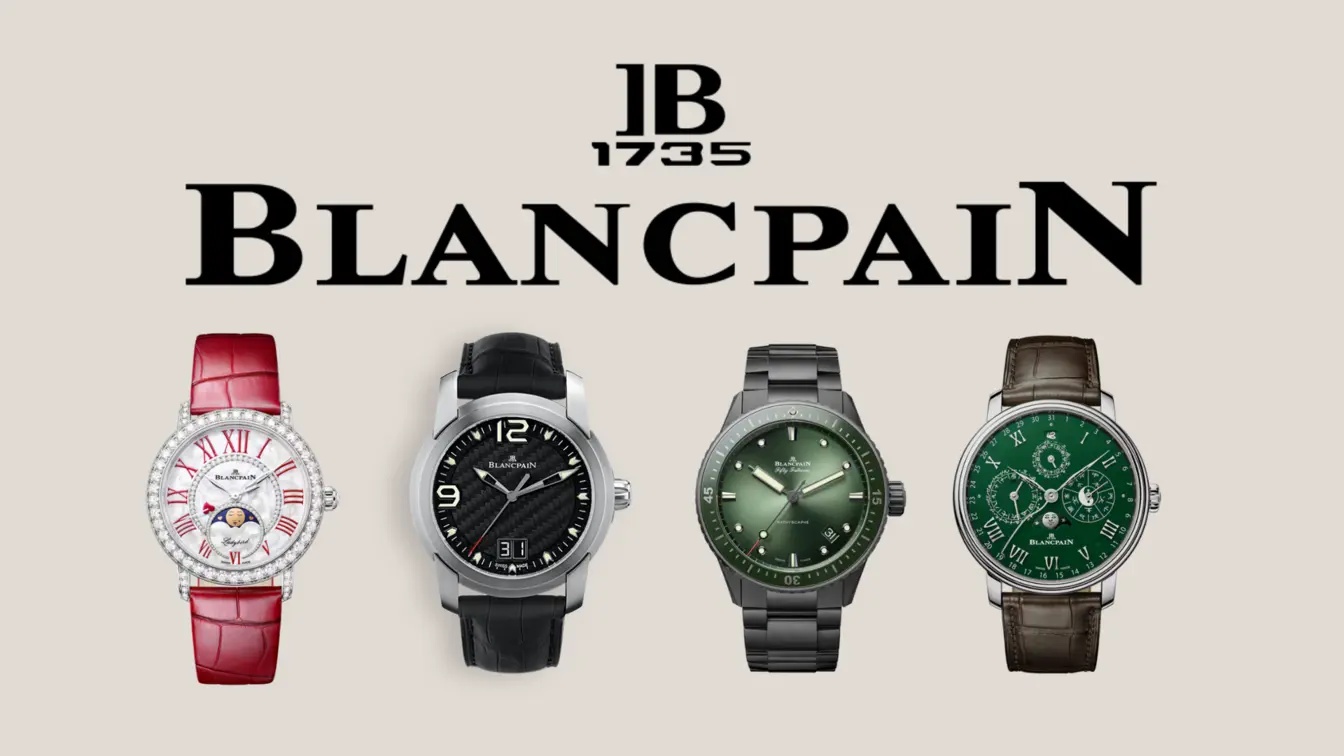
Blancpain’s marketing revolves around heritage and sophisticated craftsmanship. The Fifty Fathoms dive watch, introduced in 1953, is celebrated as one of the first modern dive watches, making it a pillar of the brand’s identity in ads highlighting scuba exploration. Blancpain also sponsors ocean preservation efforts, linking the Fifty Fathoms to marine conservation. On the high-complication side, the “1735 Grande Complication” cost $800K upon release, showcasing tourbillon and minute repeater. An antique pocket watch from 1790 sold at Antiquorum for $2.7M, reaffirming Blancpain’s historical prestige. The brand primarily relies on brand history, limited production, and subtle marketing to attract connoisseurs.
A. Lange & Söhne
Founded in 1845 in Glashütte, Germany, A. Lange & Söhne was revived after German reunification and developed into one of the most respected names in high-end mechanical watchmaking. Its value proposition is unusually concentrated on finishing, movement architecture, limited production, and a distinctly Saxon design language rather than broad consumer reach.
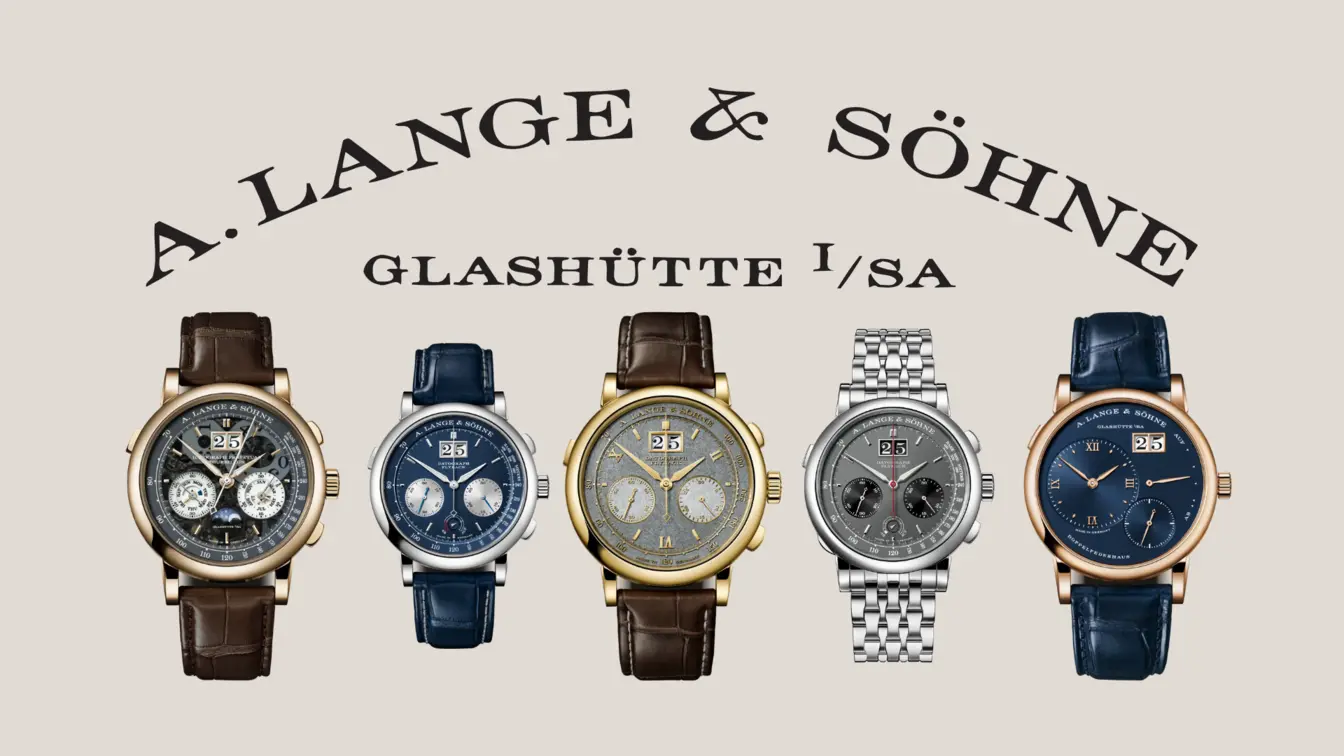
Lange’s marketing highlights technical excellence and Saxon watchmaking tradition. Campaigns often underscore the meticulous finishing of movements—hand-engraved balance cocks, mirror-polished components—and the brand’s “Made in Germany” heritage. Key lines like the Lange 1 (iconic off-center dial) and Datograph chronograph star in sleek print ads targeting high-end clientele. The brand’s Grand Complication (2013) priced at $2.5M exemplifies its top-tier credentials; only six were made. Its single highest public auction result was $873K for a unique stainless-steel 1815 “Homage to Walter Lange,” though private sales of grand complications likely surpass that. Lange thrives on word-of-mouth among purists who appreciate discreet, masterful watchmaking over flashy marketing.
Piaget
Piaget is a Richemont maison whose identity spans watches and jewelry. Its watchmaking reputation is closely tied to ultra-thin movements, the Altiplano family, Polo models, and gem-set watches. Because the business combines jewelry and watchmaking, group-level or maison-level revenue estimates should not be presented as watch-only figures.
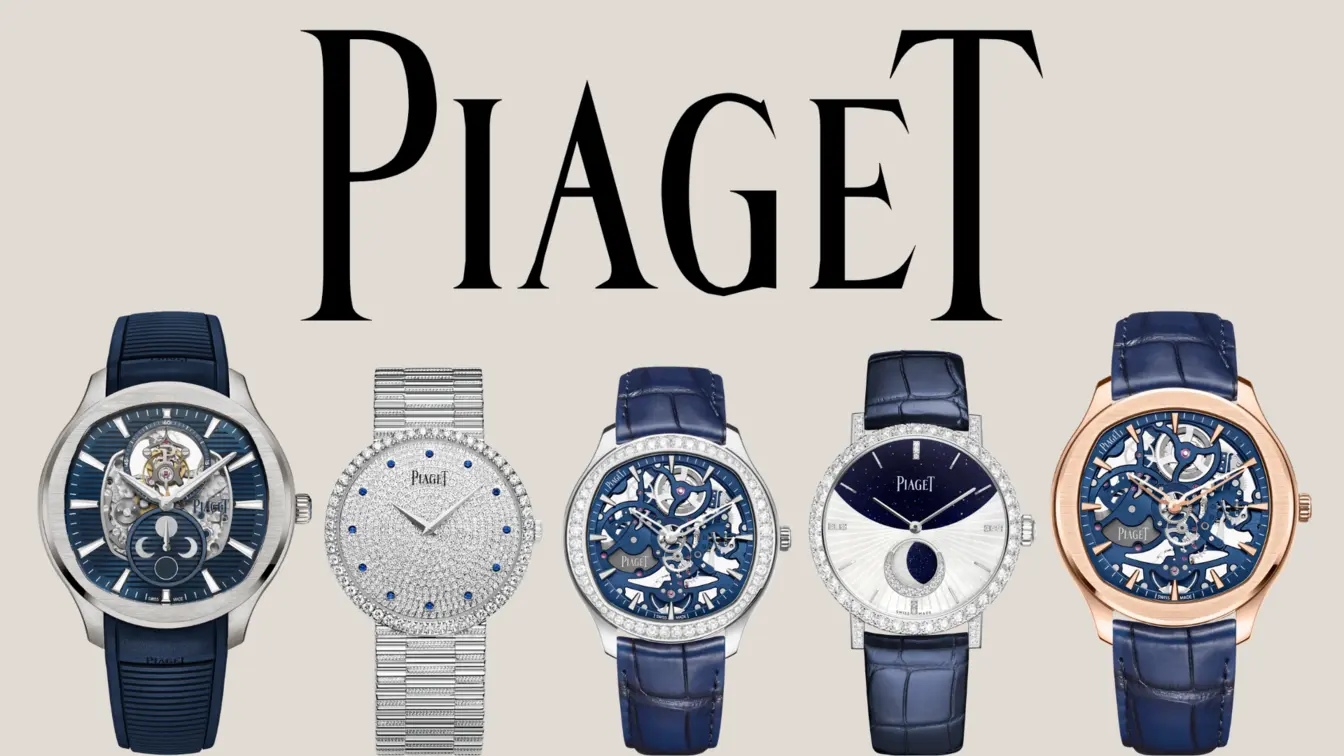
Piaget’s marketing leans on elegance and the “ultra-thin” legacy, especially with its Altiplano line. Campaigns often feature celebrities at glamorous galas, showcasing Piaget’s refined dials and gem-encrusted creations. The brand also invests in art sponsorships, reinforcing its image of understated luxury. Piaget’s hallmark is slender silhouettes, from the Polo S to high-jewelry cuff watches. The 2010 Emperador Temple watch, dripping in diamonds, retailed around $3.3M—Piaget’s costliest piece to date. While it rarely aims for splashy auction records, Piaget’s blend of slender mechanical prowess and jewelry aesthetics resonates with clientele seeking sophisticated statement pieces.
Breguet
Founded by Abraham-Louis Breguet in 1775, Breguet occupies an unusually important place in watchmaking history. Now part of Swatch Group, the maison uses inventions associated with Abraham-Louis Breguet, classical design codes, and long-form heritage storytelling as the foundation of its positioning. Standalone revenue and brand-value estimates remain less transparent than the historical record.
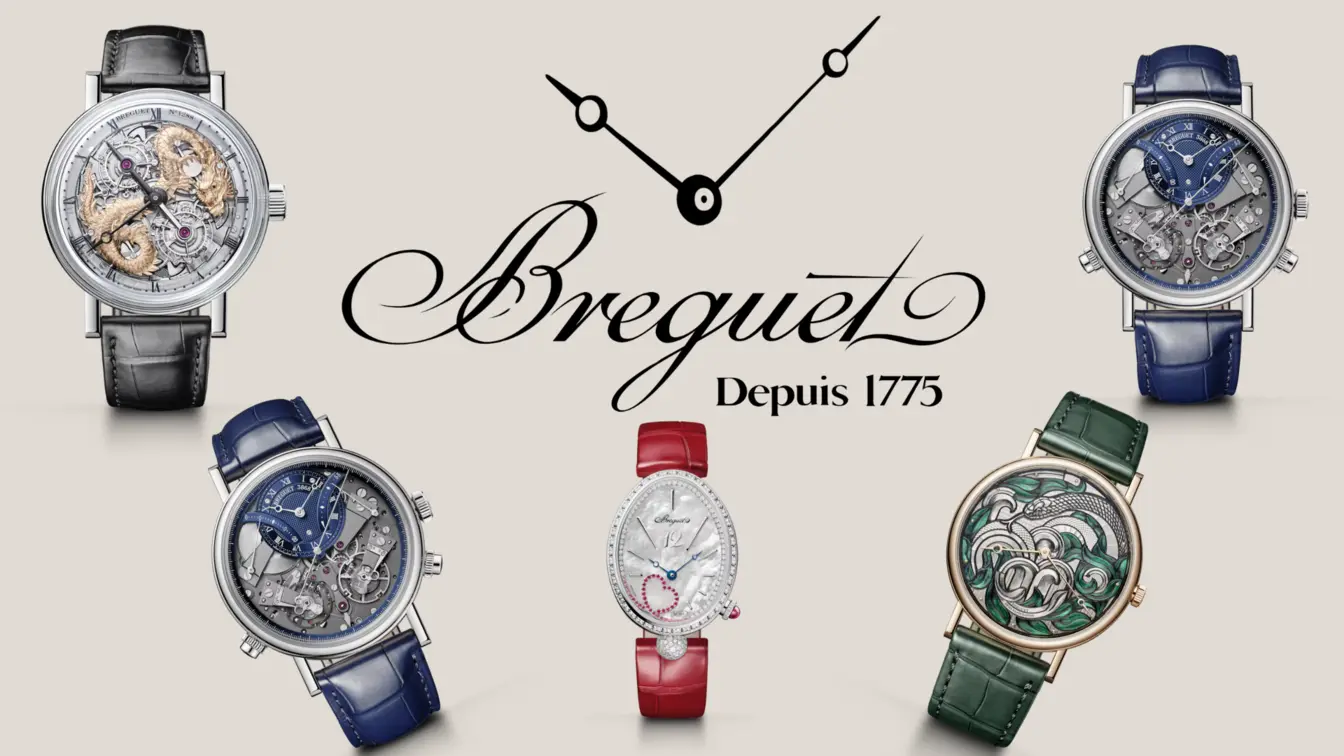
Breguet’s marketing highlights its illustrious past and technical pedigree (“Invention since 1775”). Brochures and boutiques often emphasize heritage pieces, linking them to modern references (e.g. Classique, Tradition). The brand’s “Classic Tourbillon” motif underscores how Breguet invented the tourbillon in 1801. Breguet invests in cultural sponsorships (like the Louvre’s restoration projects) to enhance its regal image. Its costliest publicly sold item is an antique pocket watch like the No. 217 Montre à Tact, which fetched $2.7M at auction. Meanwhile, the modern “Marie-Antoinette” 1160 grand complication re-creation remains a showcase of Breguet’s apex of watchmaking artistry rather than a clean basis for ranking the brand by value.
Hublot
Hublot, founded in 1980 and acquired by LVMH in 2008, built its modern reputation around the Big Bang and an “Art of Fusion” approach to materials and design. Its market position is driven more by bold visual identity, partnerships, and limited editions than by the traditional heritage narrative used by many older Swiss maisons.
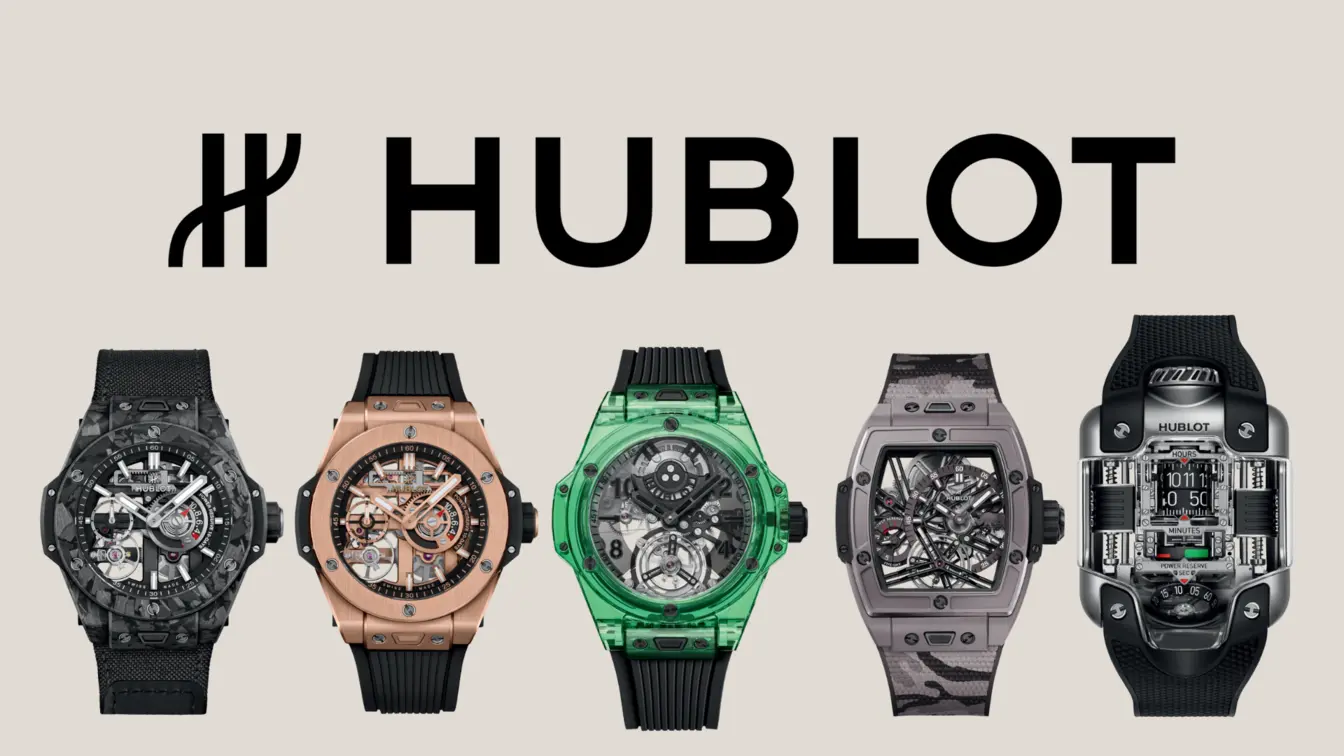
Hublot’s “Art of Fusion” marketing merges unconventional materials (rubber, ceramic, carbon) with Swiss watchmaking. Sponsorships of FIFA World Cup, Champions League, and star athletes (e.g. Usain Bolt) amplify brand visibility. Celebrity-limited editions (like with Jay-Z or Ferrari) generate hype among style-conscious fans. Hublot’s flamboyant presence on social media, plus brand ambassadors from sports to music, cements it as the watch of the bold. The $5 Million Big Bang diamond watch sold to Beyoncé for Jay-Z exemplifies Hublot’s pinnacle, forging an extravagant image that resonates with a modern, showy clientele.
Breitling
Breitling, founded in 1884, remains closely associated with aviation chronographs such as the Navitimer while also competing across diving, travel, and lifestyle categories. Industry estimates for 2025 placed it among the larger independent-scale Swiss brands, but those figures are estimates rather than audited standalone public-company reporting.
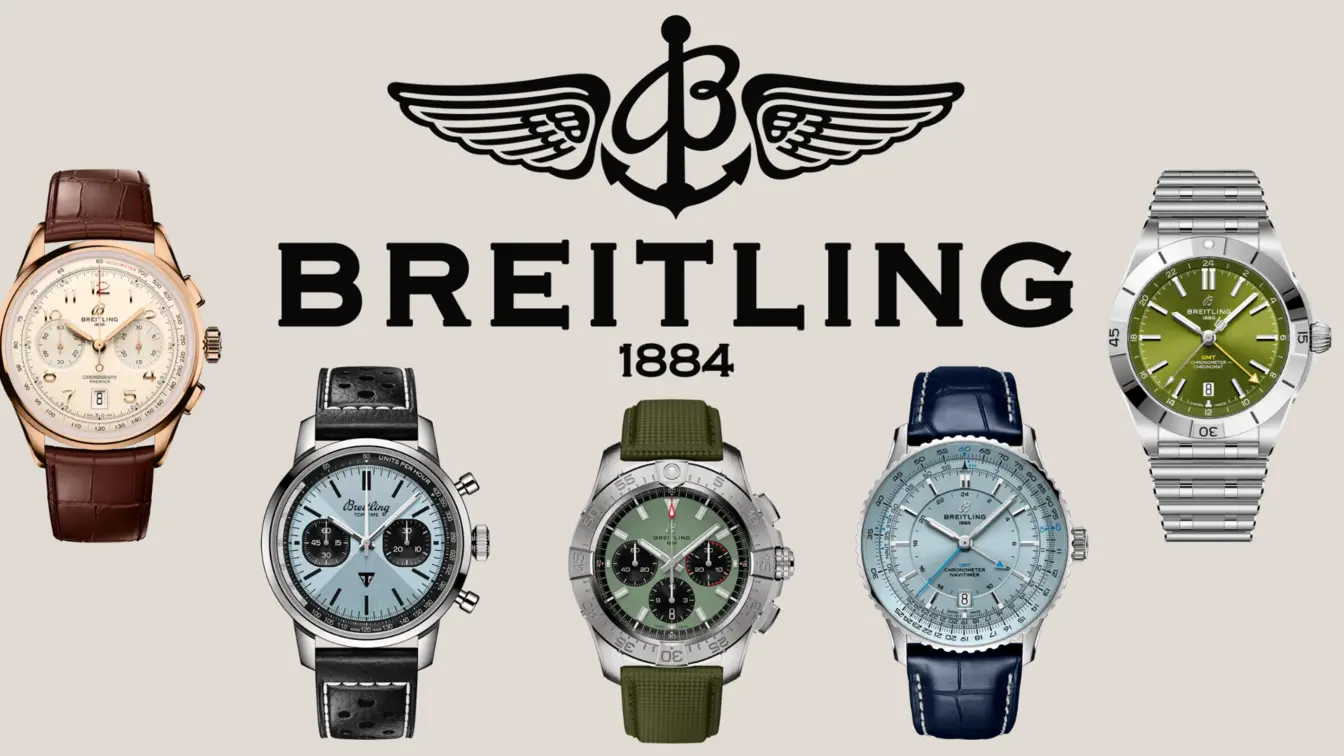
Historically associated with pilots, Breitling sponsors air shows and partners with aviation organizations (like the Reno Air Races). Ads highlight adventurous lifestyles—skydiving, scuba diving, or stunt flying—tying into watch lines like SuperOcean and Avenger. The brand has also collaborated with automotive icons (Bentley) and embraced pop culture (Brad Pitt, Charlize Theron, and others as “Breitling Cinema Squad”). Its costliest timepiece is the Bentley Mulliner Tourbillon (~$200K+), showcasing a rare side of Breitling’s range. Social media campaigns featuring personal stories from explorers wearing a Breitling accentuate the brand’s spirit of exploration and reliability.
IWC Schaffhausen
IWC, founded in 1868 and now part of Richemont, is known for Pilot's Watches, the Portugieser, Portofino, and engineering-led complications. Its positioning combines functional design with a premium luxury presentation. IWC's pilot-watch heritage remains a strong content platform, including in Brand Vision's coverage of celebrity watches.
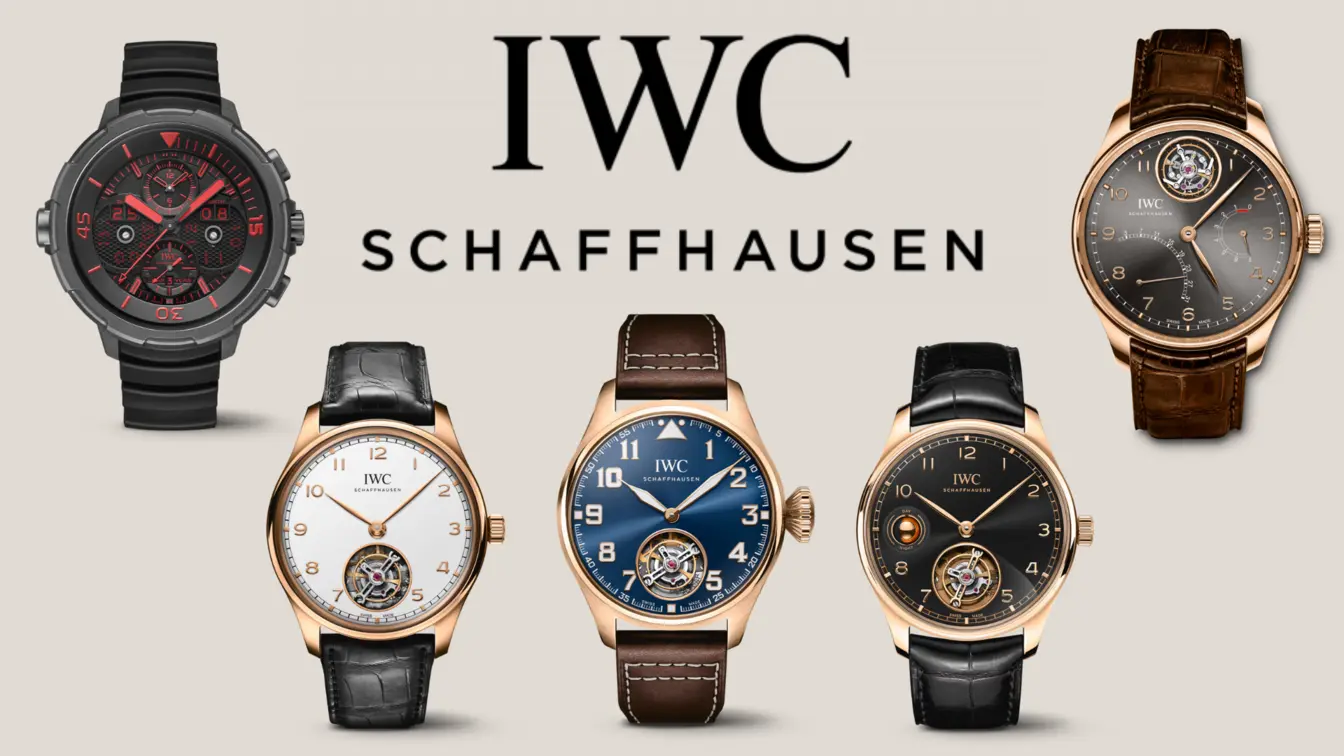
IWC’s approach highlights “form and function,” pairing clean aesthetics with in-house movements. Campaigns often feature philanthropic partnerships (e.g., Laureus Sport for Good Foundation) or tie into motorsports and environmental causes. The brand’s longtime tagline, “Engineered for Men,” was updated to be more inclusive, yet the classic pilot watch theme remains. Its Siderale Scafusia grand complication costs about $750K, an ultracomplex piece each built to order. IWC’s digital “Time Well Shared” initiative also fosters community, as watch enthusiasts share personal stories, building a loyal collector base.
Jaeger-LeCoultre (JLC)
Established in 1833 in the Vallée de Joux, JLC is known for movement development, the Reverso, and high-complication watchmaking. The brand's reputation among collectors comes from technical depth and a relatively discreet luxury identity, so reducing the maison to a single speculative brand-value number misses much of what makes it commercially distinctive.
%252520watches.webp)
JLC highlights its dual tradition of innovation and elegance. Ads often showcase the Reverso’s swiveling case or the Master Ultra Thin’s artistry, appealing to connoisseurs seeking discreet luxury. The brand sponsors cinematic events (e.g. Venice Film Festival) to link its heritage to cultural sophistication. Its Hybris Mechanica series (like the Grand Sonnerie or Quadriptyque) pushes technical limits, commanding $1M+ price tags. The Hybris Mechanica series demonstrates the brand's ability to combine multiple complications in a single platform. Rather than compare JLC with an unrelated Omega auction result, the stronger point is that these pieces function as technical flagships for the maison and reinforce its reputation for movement development.
Chopard
Chopard, founded in 1860 and still family-controlled, combines watchmaking with a major jewelry business. Its watch portfolio ranges from Mille Miglia sports models to L.U.C. haute horlogerie and gem-set pieces. As with other watch-and-jewelry maisons, total company value or revenue should not be confused with watch-only performance.
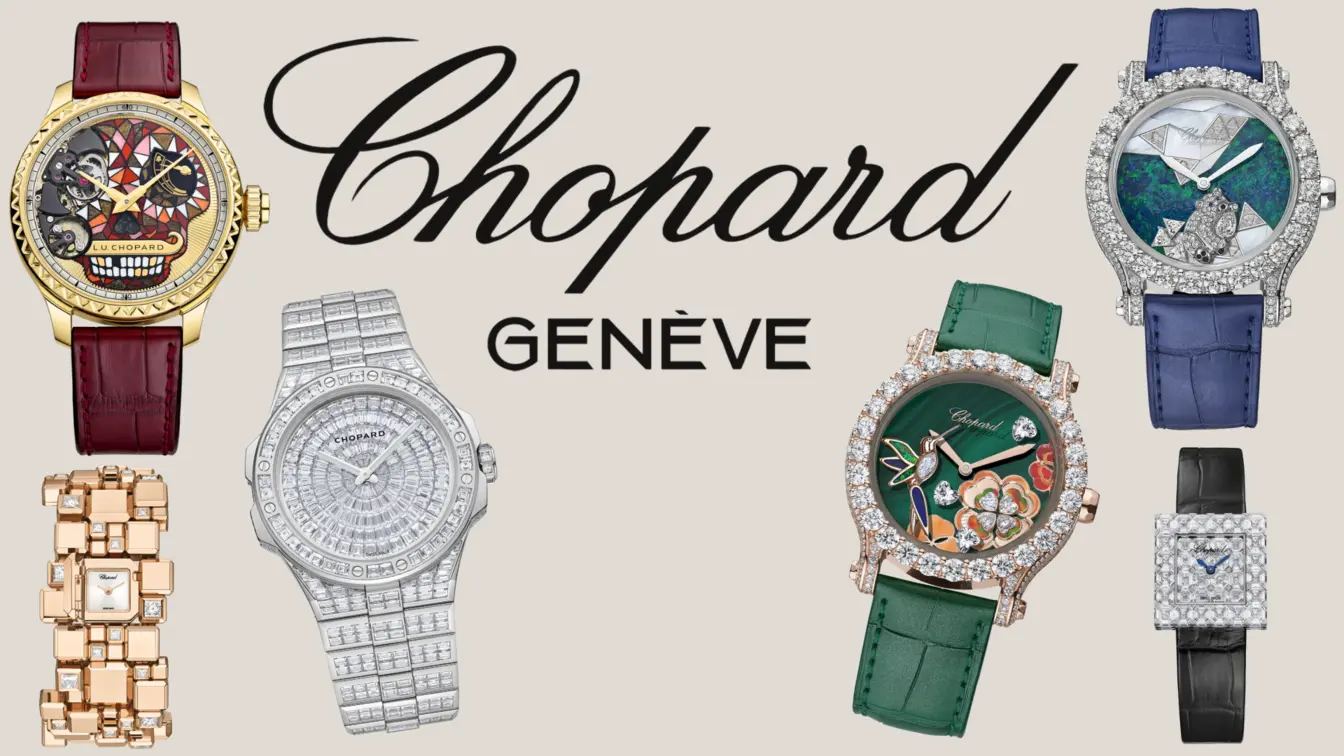
Chopard’s marketing often merges red-carpet glamour with artisanal watch images. They sponsor the Cannes Film Festival, awarding the Trophée Chopard to rising film talents, hence reinforcing an association with Hollywood glitz. Watch lines are frequently tied to motorsport (Mille Miglia) or classic design (Happy Diamonds). The 201-Carat Chopard is widely cited with an estimated price around $25 million, reflecting its jewelry value more than a conventional watch-market transaction. While overshadowed by jewelry, Chopard’s watch segment remains influential, especially for gem-set ladies’ timepieces. Celebrity ambassadors and charitable tie-ins (e.g. “Journey to Sustainable Luxury”) highlight ethical gold sourcing and maintain a lavish, responsible brand persona.
Longines
Longines, founded in Saint-Imier in 1832 and owned by Swatch Group, operates at a more accessible luxury price point than many brands in this guide. Morgan Stanley/LuxeConsult estimates reported in 2026 put 2025 sales below the CHF 1 billion threshold after a difficult year, illustrating how even a globally recognized brand can lose share in a market that is increasingly concentrated at the top.
The brand’s slogan “Elegance is an Attitude” underpins its marketing, often featuring equestrian sports sponsorships and ambassadors like champion tennis players. Longines invests in classic watch lines (HydroConquest, Master Collection) with moderate prices, bridging entry-level Swiss and refined tradition. They sponsor horse racing events (e.g. the Kentucky Derby) to spotlight precision timing. The most expensive known sale is a rare vintage Tortoise-Shell Desk Timepiece from the 1920s at $875K. In general, Longines focuses on consistent brand messaging of timeless elegance rather than chasing million-dollar auction records. That broader-market position makes it a useful example of B2C marketing: the brand has to balance heritage, price accessibility, retail scale, and repeat recognition.
Vacheron Constantin
Vacheron Constantin, founded in 1755, describes itself as the world's oldest watch manufacture operating continuously. The maison is part of Richemont and is associated with the Overseas, Patrimony, Traditionnelle, and Historiques collections. Current industry estimates place it among the significant high-end Swiss brands, but its appeal is more accurately framed through scarcity, complications, and heritage than through a speculative standalone brand valuation.
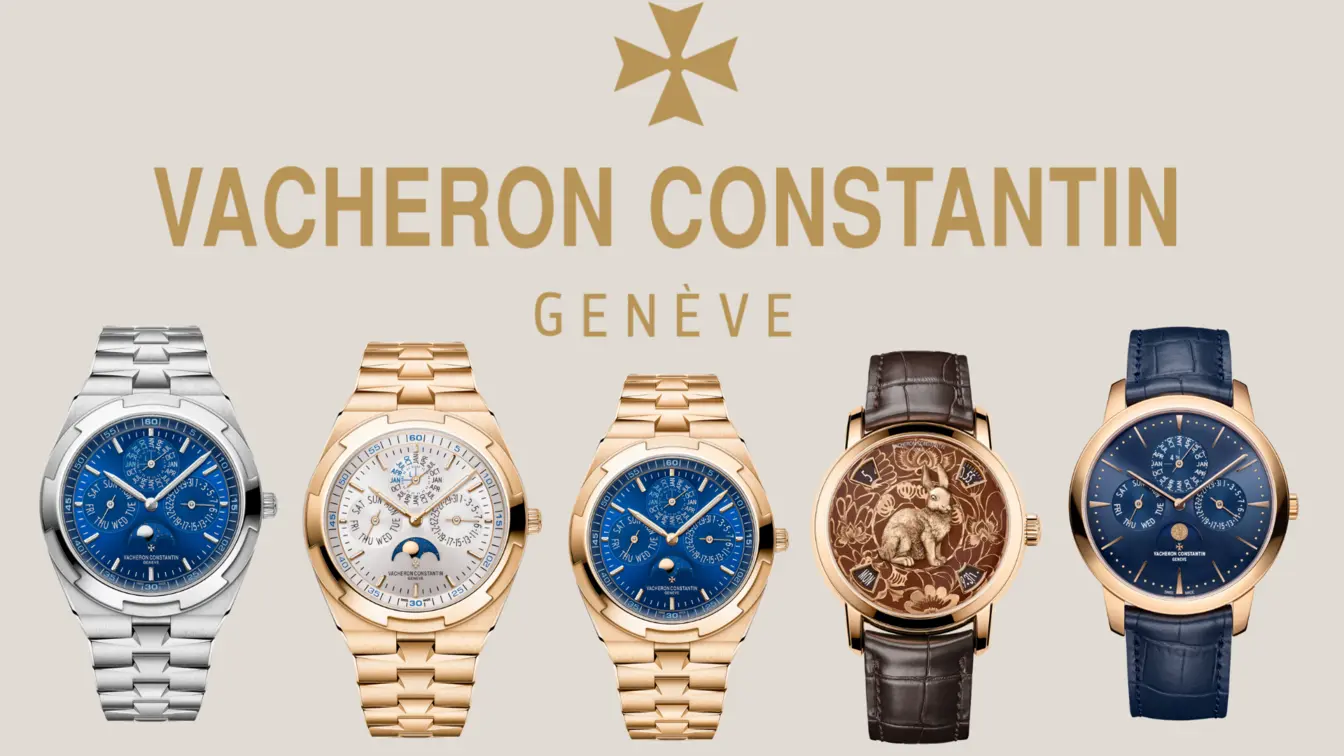
Vacheron Constantin highlights a lineage dating back over 265 years. Its campaigns feature refined visuals of complicated movements and reference the brand’s motto, “Do better if possible, and that is always possible.” They sponsor cultural events, forging an aura of exclusivity. The Overseas line is often promoted with sporty-luxe ambassadors, while haute complications like the Reference 57260 (57 complications) earned press as a watchmaking tour de force (valued $5-10M). The top publicly sold piece remains the King Fuad I pocket watch, fetching $2.7M. Overall, Vacheron marketing exudes a quiet confidence in time-honored craftsmanship.
Richard Mille
Richard Mille, founded in 2001, reached the top tier of modern luxury watchmaking with very low volumes, extremely high average prices, technical materials, and a recognizable tonneau-shaped design language. Industry estimates for 2025 continued to place it among the largest independent Swiss watch businesses by sales despite producing only several thousand watches annually.
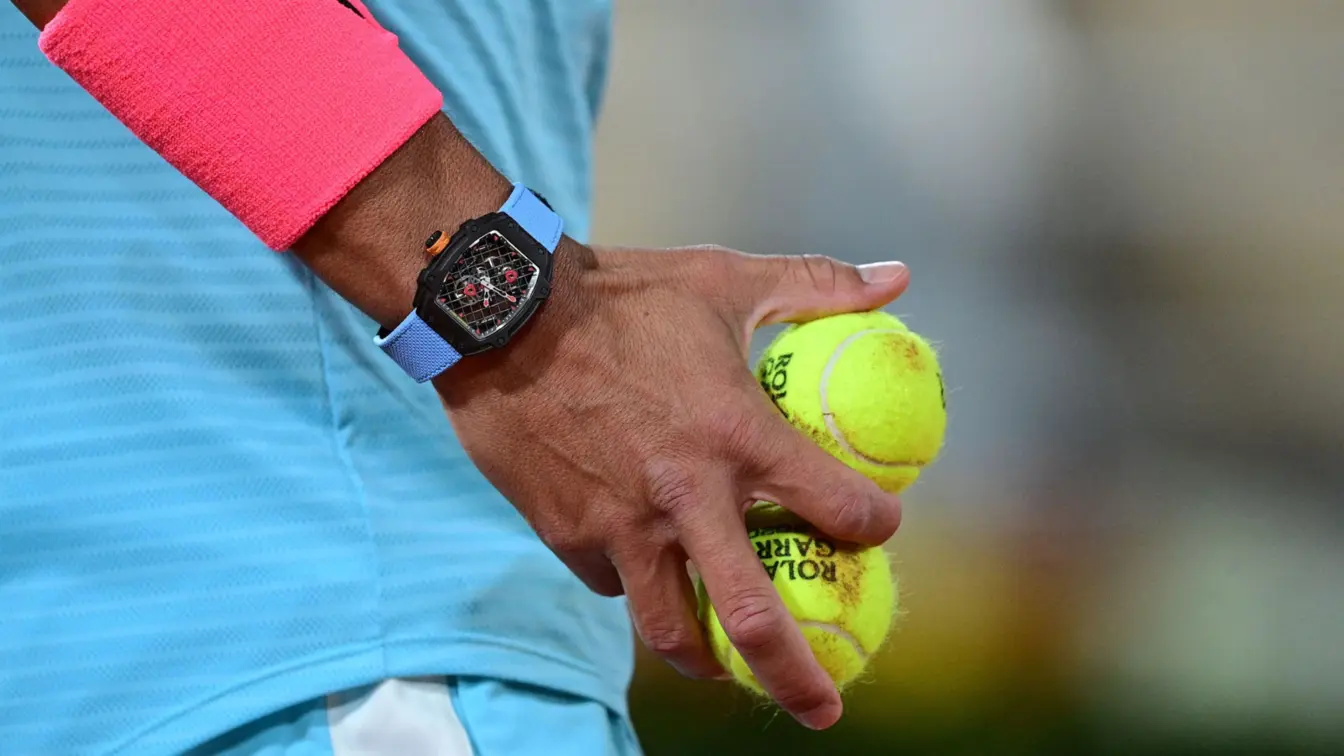
Richard Mille invests in F1 racing, tennis (Rafael Nadal’s signature RM series), and star endorsements to highlight high-tech materials (titanium, carbon TPT). Ads proclaim “A Racing Machine on the Wrist,” capturing its fusion of performance and flamboyant styling. The brand gained a cult among ultra-high-net-worth collectors seeking flamboyant watch statements. Ultra-limited Richard Mille pieces can reach exceptionally high prices in private and auction markets, but individual record claims vary by source and should be treated cautiously. Social media hype (celebrities wearing bright RM pieces at sporting events) amplifies the brand’s aura of exclusivity and innovation.
Audemars Piguet
AP remains family-controlled and is defined commercially by the Royal Oak, one of the most influential luxury sports-watch designs. Morgan Stanley/LuxeConsult estimates for 2025 put Audemars Piguet among the industry's largest brands by sales, reinforcing how a relatively low-volume independent maker can command an outsized share of luxury-watch value.
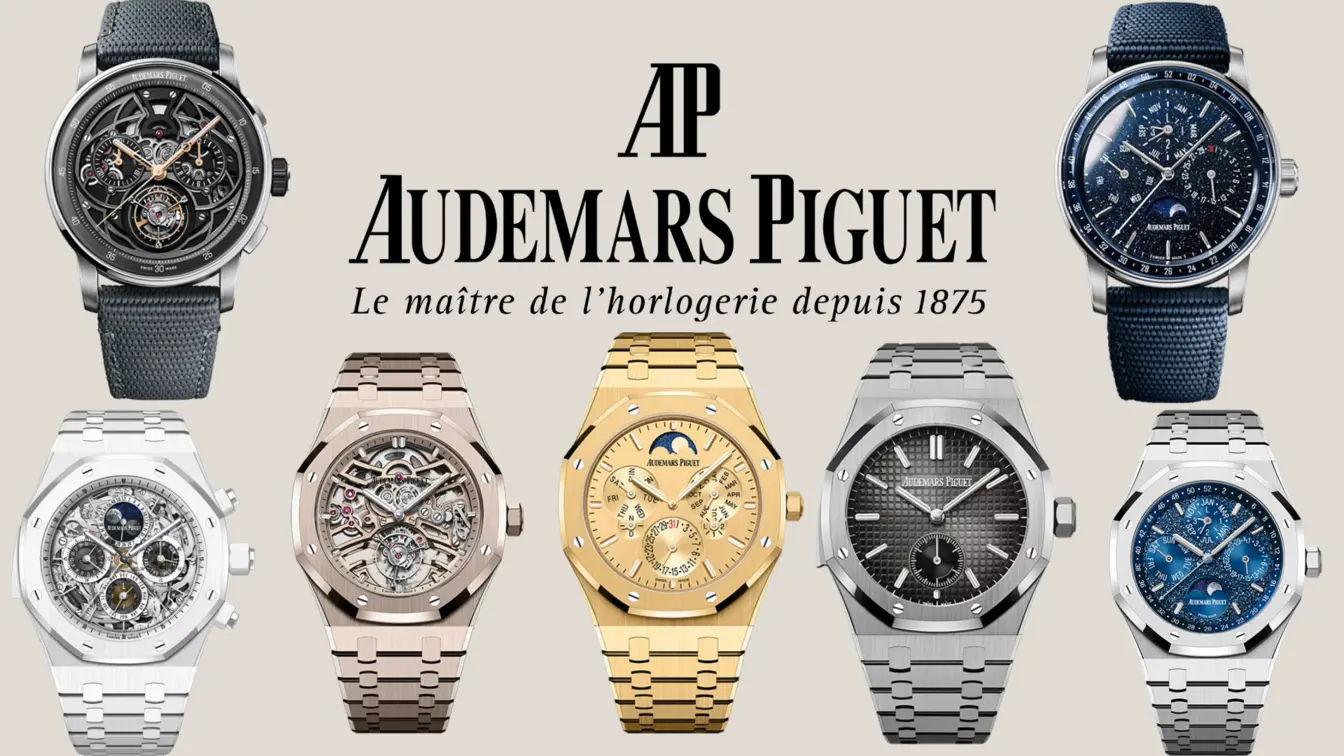
The Royal Oak is AP’s marketing engine—its octagonal bezel, exposed screws, and integrated bracelet exude sporty chic. Campaigns often feature celeb fans (LeBron James, Jay-Z) wearing special Royal Oak editions. AP invests in art and music sponsorships (e.g. Art Basel) to connect with younger affluent audiences. The brand’s Concept line yields high-tech designs favored by connoisseurs. The most expensive AP sold is the unique Royal Oak Concept “Spider-Man” in 2023 for $6.2M at a charity auction. Overall, AP leverages the exclusivity of limited production and collaborations, forging a glamorous, forward-thinking identity.
Patek Philippe
Patek is an independent, family-owned Geneva manufacture whose commercial power rests on complications, long production continuity, controlled distribution, and exceptional collector demand. Industry estimates for 2025 placed Patek among the largest Swiss watch brands by sales despite production volumes far below mass-market competitors.
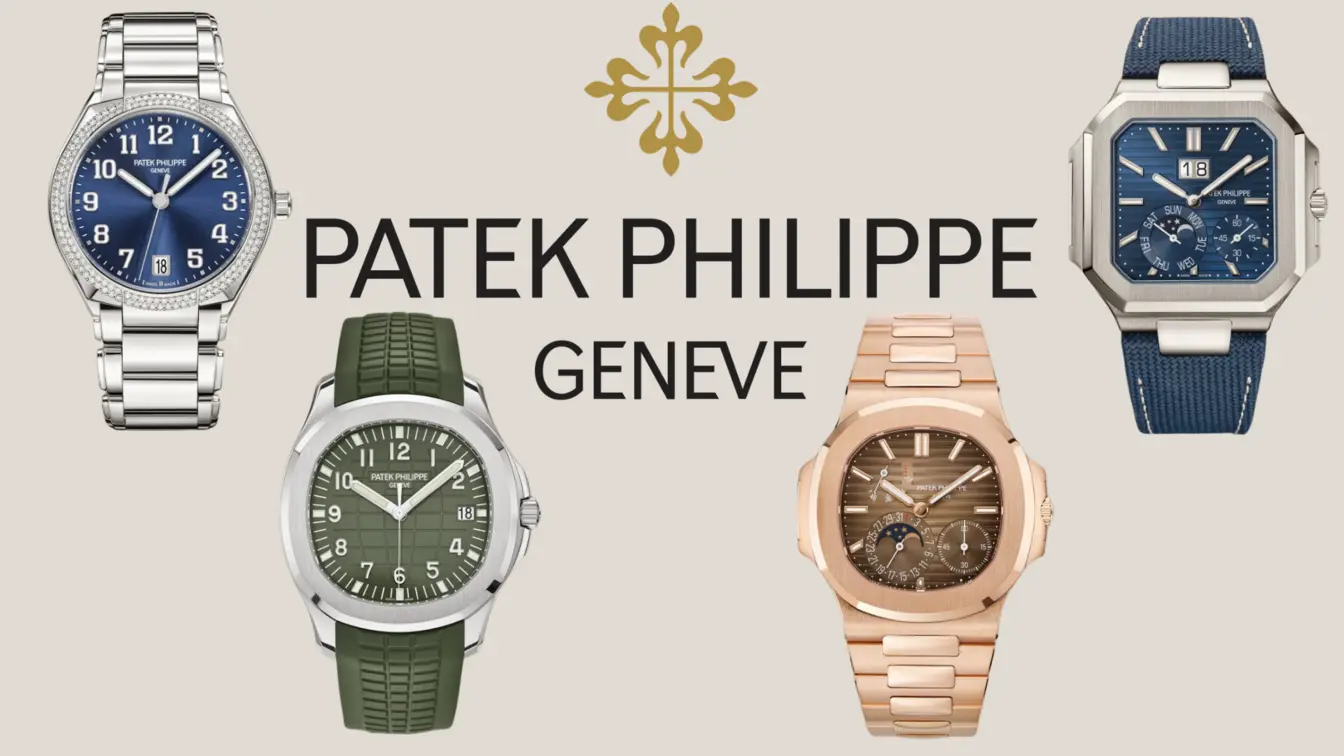
Marketing focuses on legacy and emotional storytelling—portraying Patek owners passing treasured watches to heirs. Aesthetically refined campaigns highlight the brand’s watchmaking heritage. Patek’s flagship complications (Grand Complications, perpetual calendars, minute repeaters) anchor its prestige. Auction records are legendary: the Grandmaster Chime ref. 6300A sold for $31.2M in 2019, a world record for any wristwatch. That philanthropic sale reaffirmed Patek’s untouchable status among collectors. Such feats, combined with discrete celebrity endorsement (e.g. high-profile personalities wearing Nautilus), maintain an aura of ultimate exclusivity.
TAG Heuer
TAG Heuer’s identity is built around motorsport, chronographs, the Carrera and Monaco, and a more accessible entry point than the ultra-high-end independents. The brand is part of LVMH's watch portfolio. Rather than assigning it an unsupported multibillion-dollar “brand value,” it is more useful to evaluate how effectively it translates racing heritage into products, partnerships, and retail demand.
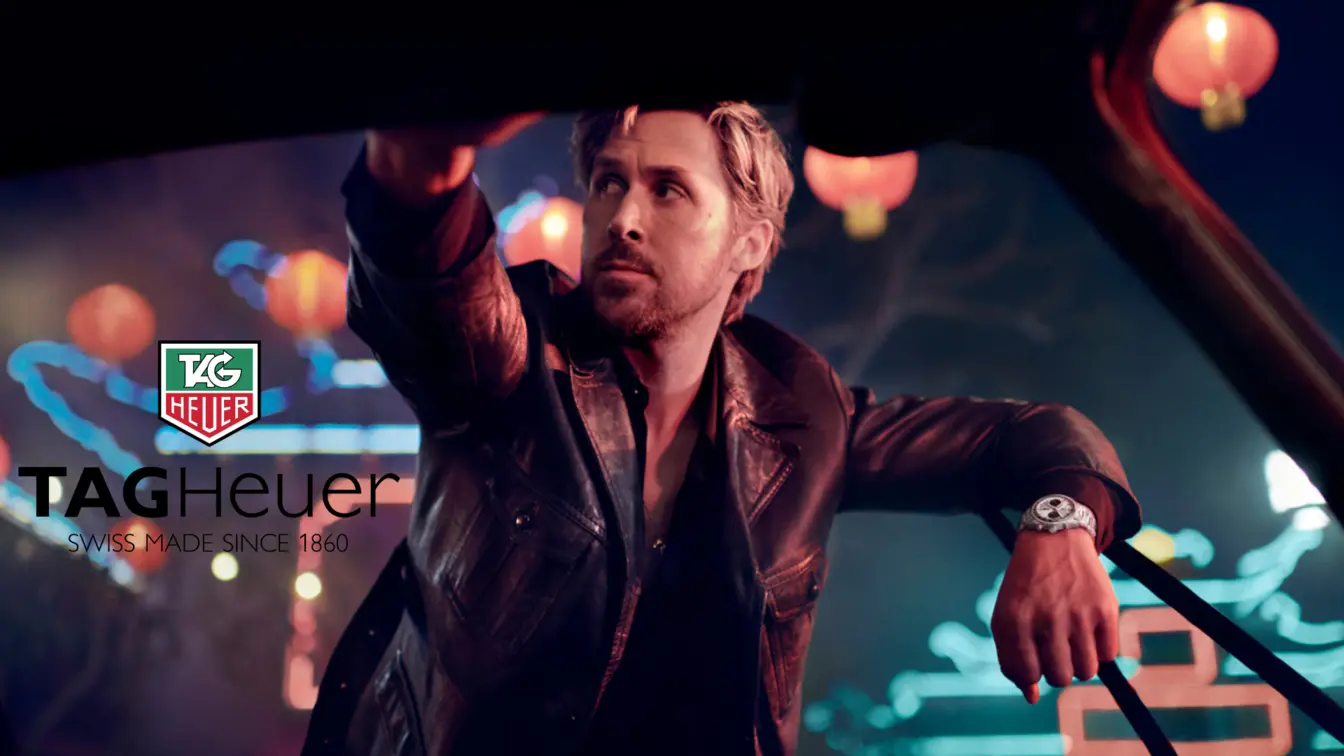
Tag Heuer’s tagline “Don’t Crack Under Pressure” ties to auto racing partnerships (F1, Indy 500) and brand ambassadors like Max Verstappen, Jessica Korda, or Hollywood stars. The iconic Monaco watch soared to pop-culture fame worn by Steve McQueen in 1971’s Le Mans. In 2020, that same McQueen-worn Monaco sold for $2.21M, a record for TAG Heuer. Overall, the brand invests in edgy, youthful campaigns, capitalizing on star endorsements (Leonardo DiCaprio, Chris Hemsworth) and digital content, emphasizing sporty design at relatively accessible prices.
Omega
Omega’s position combines mass recognition with deep technical and cultural associations, including the Speedmaster's space history, the Olympics, and the Seamaster's James Bond connection. Morgan Stanley/LuxeConsult estimates for 2025 placed Omega among the industry's largest brands, although it lost share during a difficult year for much of Swatch Group.
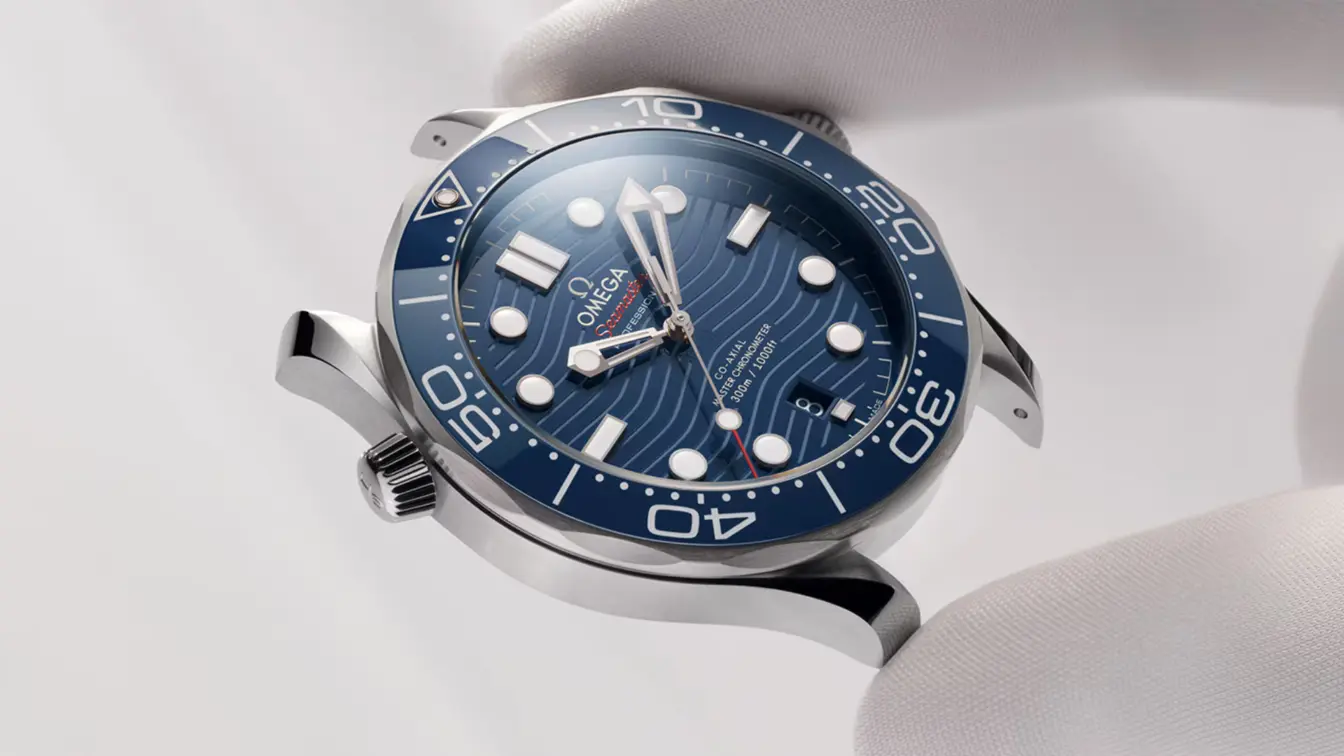
Omega’s “Speedmaster” was famously worn during Apollo 11’s moon landing, shaping the brand’s adventurous identity. The brand invests heavily in ambassadors (George Clooney, Daniel Craig) and major sports partnerships. Slogans like “Exact time for life” highlight Omega’s precision heritage. The 2021 record sale was a 1957 Speedmaster Ref. 2915-1 at $3.4M, reflecting growing vintage collectibility. Meanwhile, Omega cultivates mainstream appeal via James Bond tie-ins (Seamaster for 007) and ongoing NASA-themed marketing to draw enthusiasts. Its approach merges technical authenticity with Hollywood glamour, ensuring global recognition.
Rolex
Rolex, founded in 1905, remains the dominant Swiss watch brand by a wide margin in current industry estimates. Morgan Stanley/LuxeConsult's 2025 analysis put estimated wholesale sales at roughly CHF 11 billion and implied retail market share near one third of the Swiss watch market. Those figures are estimates, but they illustrate a scale gap that is far more meaningful than unsupported third-party “brand value” ranges.
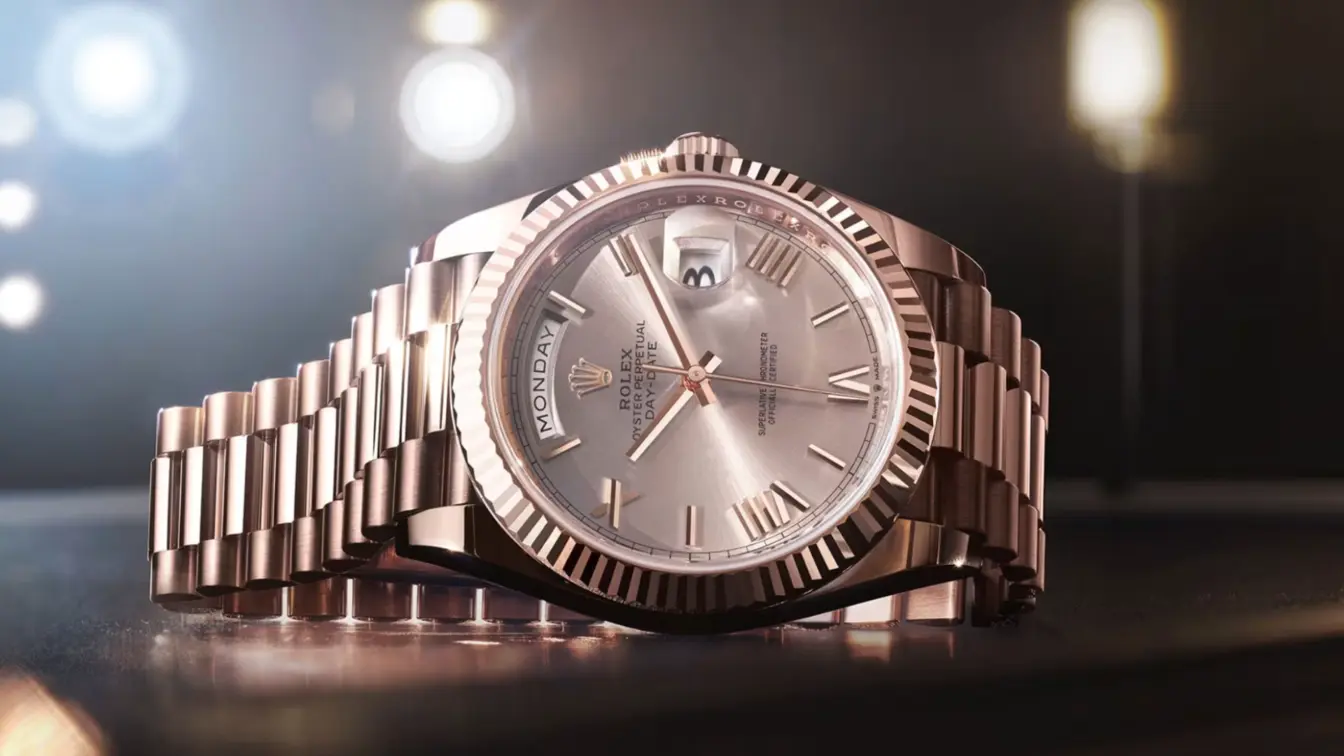
Rolex invests in timeless sponsorships (Wimbledon tennis, golf majors, yachting) and subtle celebrity endorsements (Paul Newman, James Cameron, etc.). Ad campaigns revolve around heritage and reliability, rarely discounting or oversaturating the market. Its slogan “A Crown for Every Achievement” conveys prestige. The highest auction result is Paul Newman’s personal Daytona, sold for $17.75M in 2017. Vintage Daytonas, Submariners, and GMT-Masters routinely fetch six to seven figures. Rolex’s synergy of sporty-luxe design, minimal discounts, and storied ambassadors ensures an enduring brand mystique like no other watchmaker.
Cartier
Cartier is both a major jewelry maison and one of the world's largest watch businesses. Industry estimates for 2025 placed Cartier Watches second among Swiss watch brands by implied retail market share, supported by enduring designs such as the Tank, Santos, and Panthère. Its broader jewelry identity strengthens the maison, but jewelry-company valuation should not be treated as the same thing as watch-brand value.
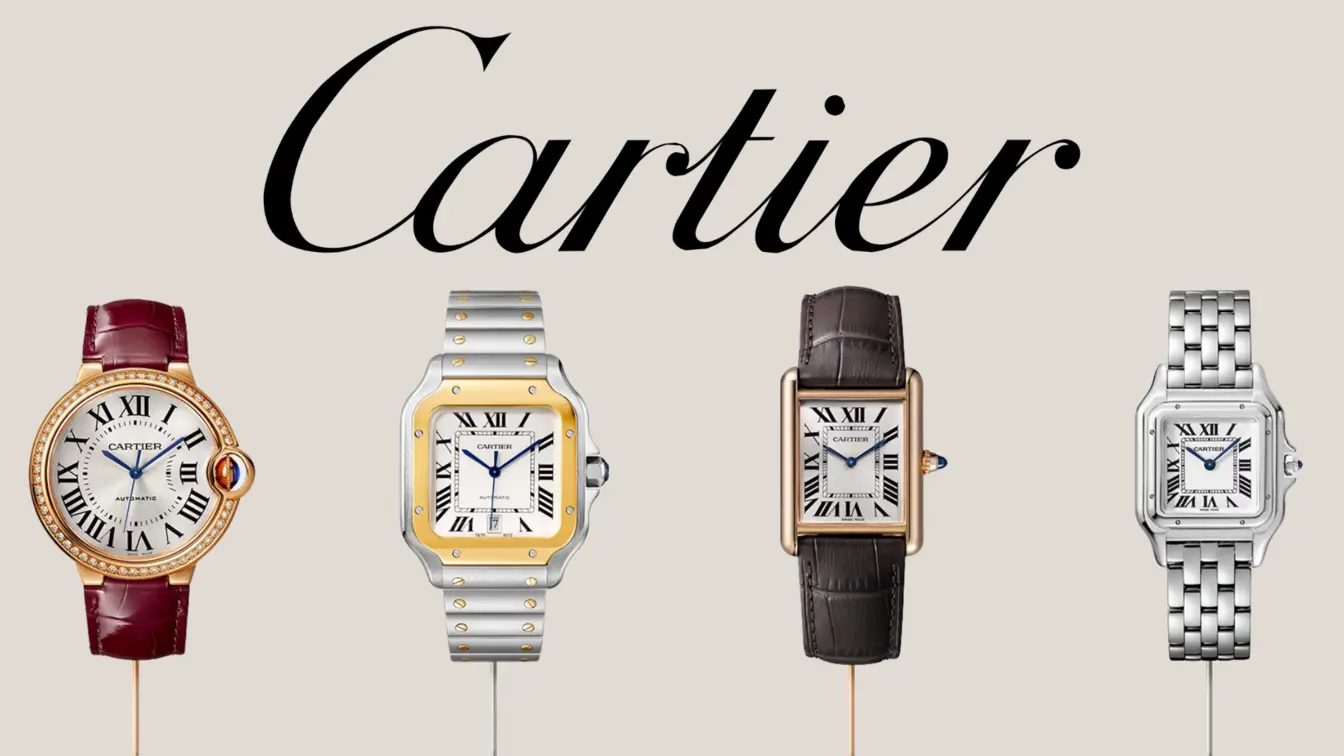
Cartier’s marketing merges refined French elegance with avant-garde design. Iconic models like the Cartier Tank are immortalized by cultural icons (Jackie Kennedy, Andy Warhol). Campaigns often highlight heritage, referencing patrons from royalty to Hollywood. Cartier invests in lavish exhibitions showcasing historic pieces and modern re-interpretations. The “Crash” watch, launched in 1967, is among its most coveted. A vintage 1967 London Crash reached $1.65M in 2022, setting a Cartier record. Meanwhile, Cartier’s elaborate high-jewelry secret watches can surpass $2-$3M. By intertwining watchmaking with gem mastery, Cartier reigns as the top brand by total value in the luxury watch sphere.
What Makes a Luxury Watch Brand Valuable?
Across these 20 brands, value is created through different combinations of heritage, product design, manufacturing capability, scarcity, distribution, collector demand, cultural visibility, and pricing power. Rolex demonstrates the effect of scale and controlled distribution; Cartier combines watch icons with a wider jewelry maison; Patek Philippe and Audemars Piguet show how relatively low volumes can support enormous commercial influence; and Richard Mille proves that a younger company can create luxury status without centuries of history. The common thread is not one universal “brand value” formula. It is the ability to maintain a distinctive visual identity and product promise across retail, partnerships, ambassadors, and ownership experience.
The watch market also remains cyclical. Swiss watch exports fell in 2025 even as the very strongest brands gained share, so a single sales year does not define long-term equity. Third-party lists of what is most valuable can be useful for discovery, but estimates should be separated from audited company reporting, auction results, and parent-group financials. For a premium consumer brand reviewing its own positioning, contact Brand Vision to discuss brand strategy, customer experience, and launch priorities.
Check Out Our Other Reports
- Top 15 Highest Rated Universities in 2025
- Top 15 Highest Rated Universities in United States 2025
- Top 15 Highest Rated Law Schools in 2025
- 20 of The Best Universities for Finance in the World
- Top 15 Highest Rated Canadian Universities in 2025
- The Top 10 Most Expensive NFTs Ever Sold
- Largest American Fast Food Chains
- Best Streaming Services in the USA for 2025
- Top 10 Cities in North America With a Booming Real Estate Market
- Top 10 Largest Fast-Food Chains in the U.S.: The Chains With the Biggest National Footprint
- Top 10 Canadian Fast Food Chains: The Fast Food Companies Shaking Up Canada