Celebrity fashion brands can succeed for very different reasons. Some become credible luxury houses, some build scale through inclusive basics, and others turn a founder's personal style into a recognizable retail system. The useful question is not whether celebrity status helps. It clearly creates attention. The harder question is whether the brand develops a product, identity, distribution model, and customer experience that can stand beyond the founder's fame.
This list covers eight notable celebrity-led fashion labels: The Row, Skims, Victoria Beckham, Guest in Residence, Good American, Savage X Fenty, Ivy Park, and Drew House. They are not all at the same stage in 2026. Some are expanding, some are better understood as historical case studies, and one has lost the direct founder relationship that originally made it a celebrity brand. That distinction matters when comparing the most successful celebrity fashion brands.
For businesses building a founder-led label of their own, the shared lesson is to connect product with branding services, a coherent visual identity, and a customer journey that supports the promise after the initial attention arrives.
8 Celebrity Fashion Brands and What Made Them Stand Out
The Row
Founded in 2006 by twins Mary-Kate and Ashley Olsen, The Row is one of the clearest examples of a celebrity-founded label earning fashion credibility on product terms. Its identity is built around restrained silhouettes, premium materials, precise fit, and minimal visible branding. The founders largely moved out of the promotional spotlight, allowing the clothes and retail environment to carry the brand.
The Row's early luxury positioning and industry recognition helped separate it from short-lived celebrity licensing projects. Its first standalone Los Angeles store opened in 2014, followed by another in New York, with spaces designed to feel more like private residences or galleries than conventional fashion stores. That consistency between product and place is a useful lesson for any premium label.
The Row also illustrates a form of celebrity branding that deliberately suppresses celebrity cues. The founders' fame helped create early interest, but the long-term strategy made restraint part of the product: subdued campaigns, careful retail environments, limited logo dependence, and a price structure that signals luxury before the founder story is even mentioned. That is a different model from businesses that keep the celebrity at the center of every launch.
A retailer planning a similar high-touch launch can use a branding agency in Miami to adapt positioning and customer experience to a local market. That is a reader-facing application, not a claim that The Row works with Brand Vision.
Skims
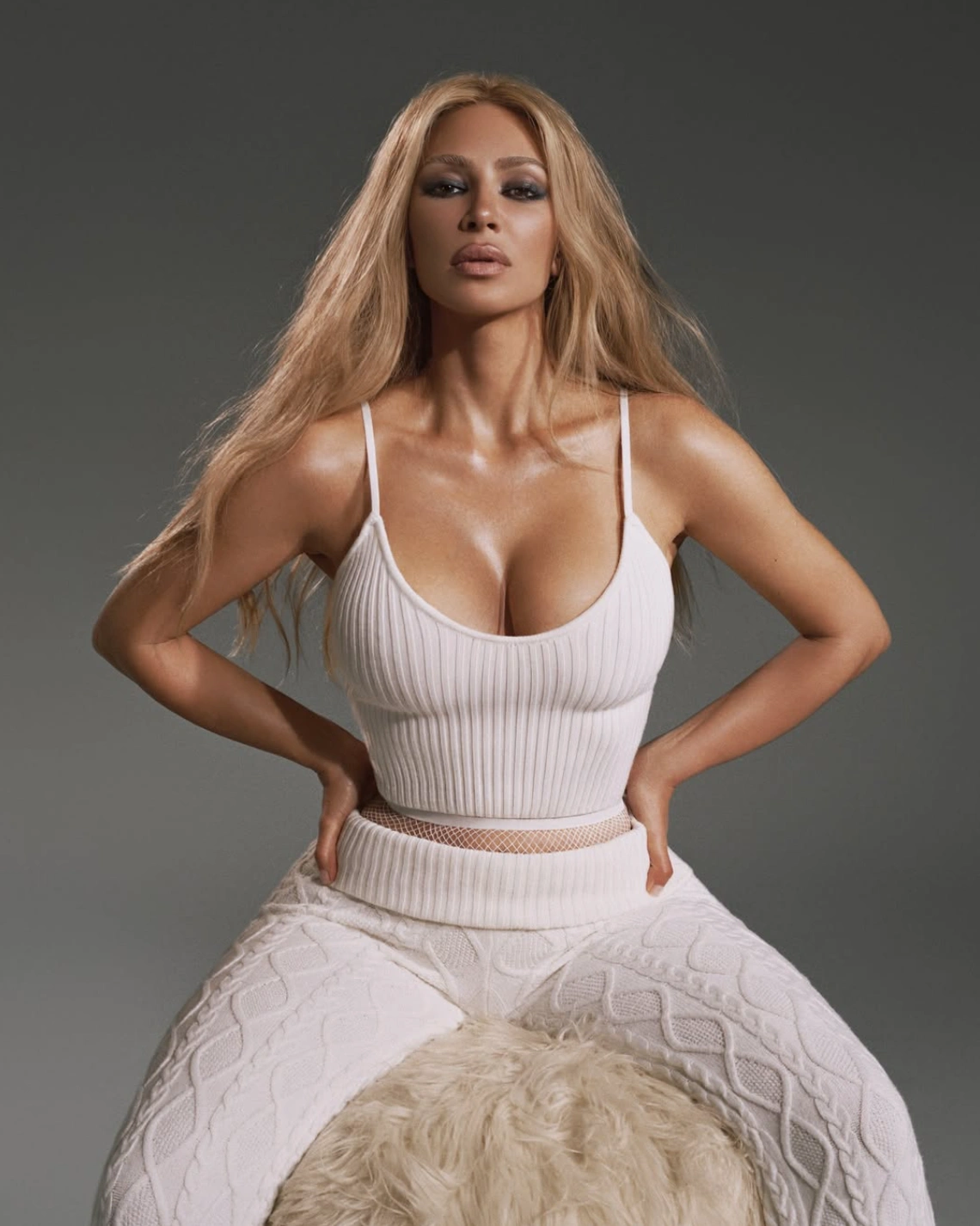
Kim Kardashian West launched Skims in 2019 after an earlier name drew criticism and the company rebranded to Skims after public feedback. The brand grew from shapewear into underwear, loungewear, bras, apparel, and activewear while keeping inclusive sizing and neutral color ranges central to its identity.
The New York Times reported that the company was valued at past $4 billion in 2023. That figure is now historical: a 2025 funding round valued Skims at $5 billion, and the company has continued expanding physical retail. The shift from online-first growth toward stores is important because it shows how a celebrity brand can evolve into a broader consumer company rather than remain a social-media launch vehicle.
Skims is also a useful example of B2C marketing: high awareness still has to translate into product breadth, repeat purchase, merchandising, and accessible shopping paths. The NikeSKIMS partnership adds another test of that transition, because entering performance apparel requires the brand to work for customers who may care more about function, fit, and training credibility than celebrity association.
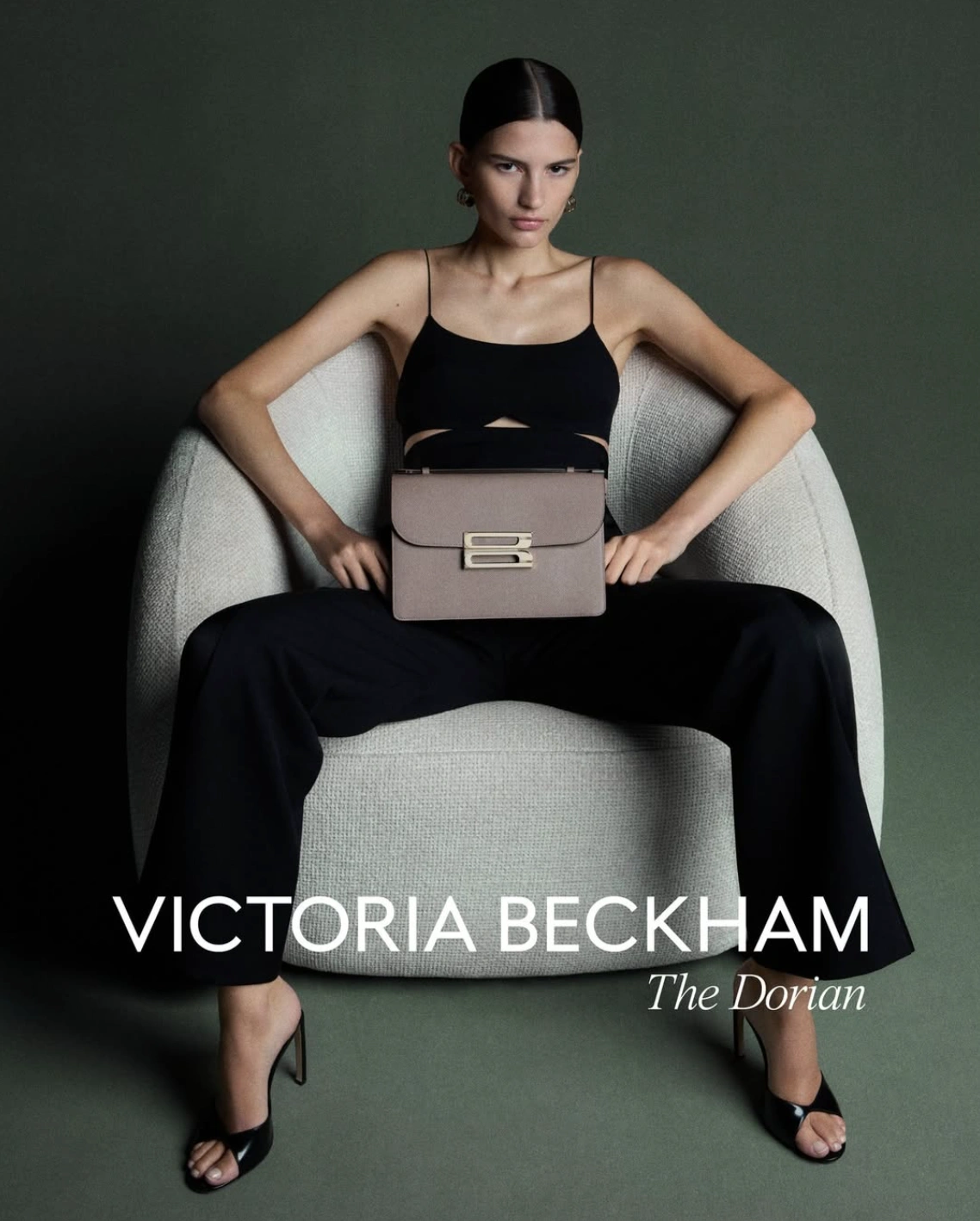
Victoria Beckham
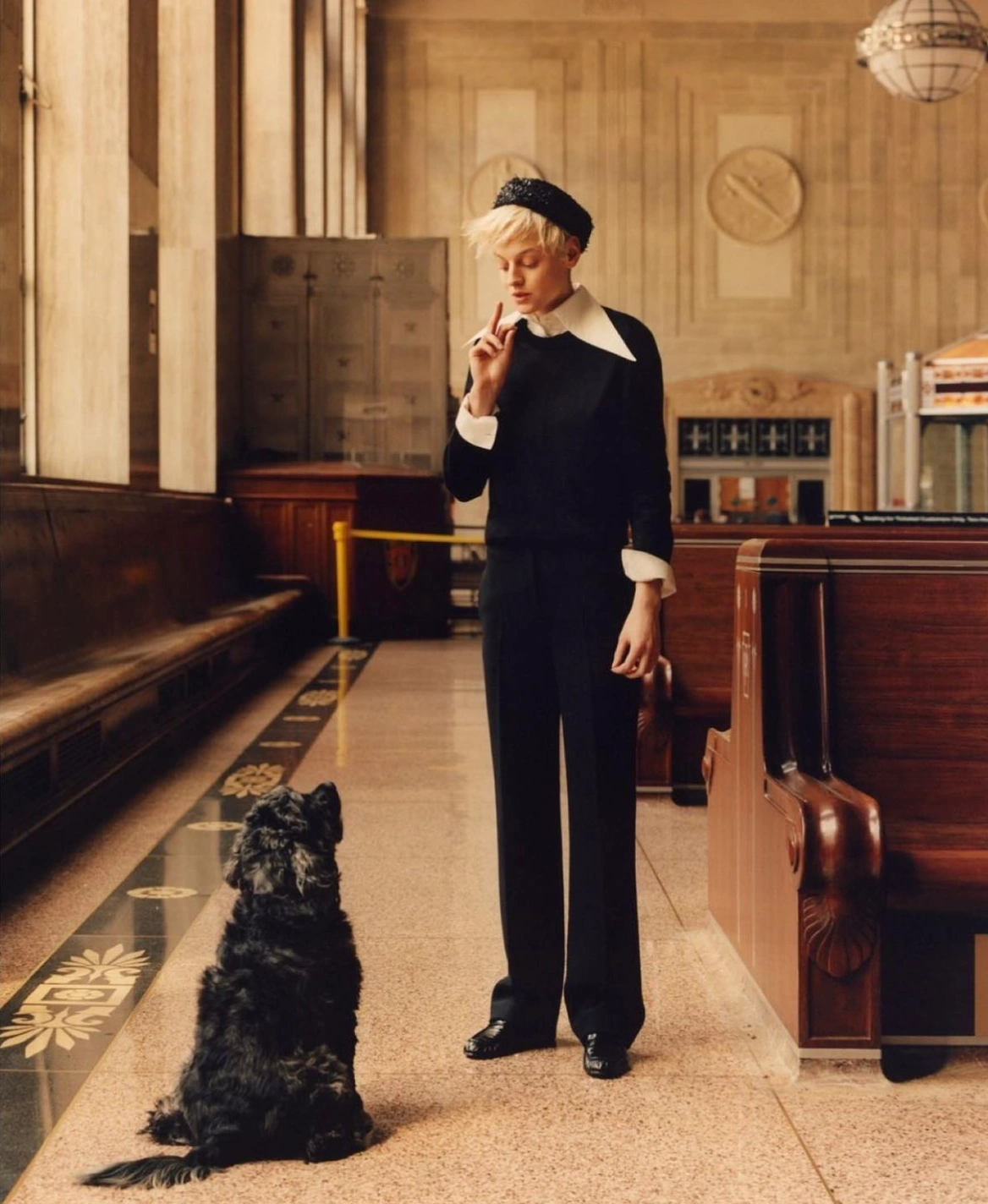
Victoria Beckham moved from global pop fame into fashion design in the 2000s. Her label launched in 2008 and gradually established a reputation for tailoring, dresses, elevated daywear, and a controlled luxury aesthetic. The brand opened a flagship boutique in London’s Mayfair and later expanded its beauty business as well.
The most important 2026 update is financial. Victoria Beckham Holdings reported its first operating profit for 2025, £7.3 million, after years of losses, while revenue rose 15% to £129.8 million. That does not make every celebrity label a viable luxury house, but it strengthens the case that long-term creative consistency and disciplined operations can eventually outweigh the skepticism attached to a famous founder.
Its development also shows why the word “successful” needs context. Cultural legitimacy arrived years before operating profitability. The fashion line, beauty business, retail footprint, and management structure developed on different timelines, so success here is better understood as durable brand-building rather than a quick conversion of fame into profit.
Guest in Residence
Guest in Residence, led by Gigi Hadid, emerged in late 2022 with a focus on premium cashmere and relaxed wardrobe staples. The brand translated Hadid's fashion-industry experience into a quieter proposition than a typical logo-driven celebrity launch, using color, materials, and everyday wearability as the main creative language.
The original article overstated what could be said about its sales mix. Public information does not establish that ecommerce accounts for the majority of sales, so that claim has been removed. What is clear in 2026 is that Guest in Residence remains active, sells direct online and through physical retail, and has expanded beyond its original cashmere focus into categories including denim. That move broadens the wardrobe proposition while keeping the founder's personal style and material focus recognizable.
For a digital-first fashion label, that kind of expansion makes UI/UX design increasingly important because customers need to navigate a broader assortment without losing the brand's simple point of view. Category expansion is useful only if the customer can still understand what the brand stands for.

Good American
Founded in 2016 by Khloé Kardashian and Emma Grede, Good American built its launch around inclusive denim and a wide size range (00 to 32). Retail Dive reported a reported $1 million in sales on launch day alone, an early sign that the positioning connected with a large audience.
The brand later expanded beyond denim into activewear, swim, dresses, and other apparel. The Good American x Zara collaboration also extended that positioning into a mass-market partnership. As of 2026, Khloé Kardashian has publicly reaffirmed that she remains a co-founder and owner, which matters because this is still a founder-connected celebrity label rather than a brand using only legacy association.
Good American's marketing advantage is that the inclusivity message is built into merchandising rather than left only in campaign imagery. Size availability, fit language, casting, wholesale presentation, and product development all have to reinforce the same promise. That makes the brand a stronger case study than a campaign that uses representation visually without changing the underlying offer.

Savage X Fenty
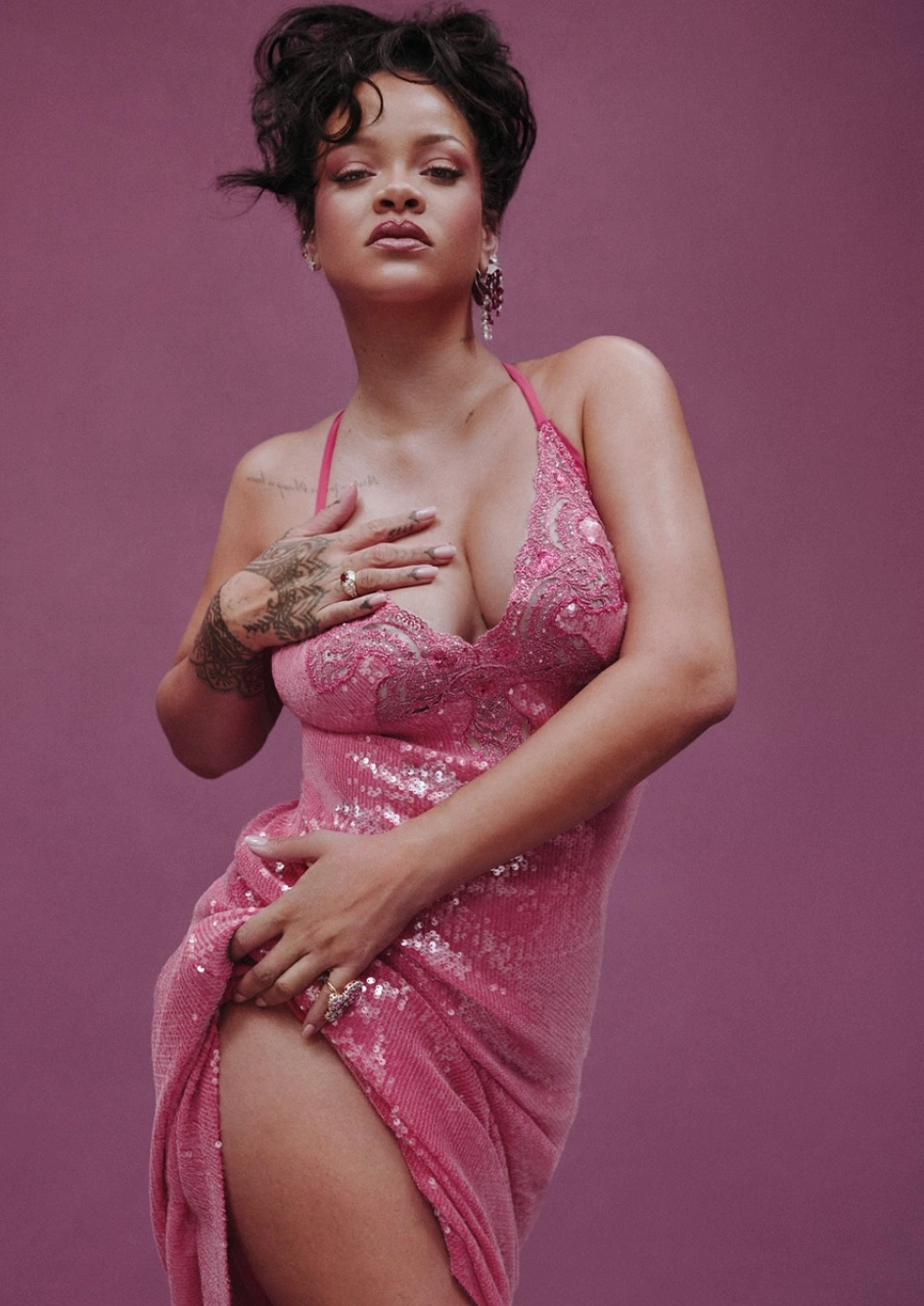
Rihanna launched Savage X Fenty in 2018. The original profile described how Savage x Fenty redefined the lingerie sector with its boundary-pushing, inclusive approach. Its product and casting strategy challenged narrower category conventions and made representation part of the brand's commercial identity.
Entertainment has been another major distribution tool. The Savage x Fenty show, streamed globally on platforms like Amazon Prime Video turned a lingerie presentation into a broader cultural event. That combination of commerce and performance helped the label stand apart from both traditional runway shows and conventional intimate-apparel advertising.
The original valuation wording needs an important qualification. One older case-study source said the brand y soared to a multi-billion dollar valuation within just a few years. Better-documented reporting put Savage X Fenty at about a $1 billion valuation in 2021, while a later 2022 financing round did not disclose a new valuation. The older link is preserved in its original Savage X Fenty context, but its claim should not be treated as a verified current valuation.
The broader business lesson is stronger than the headline number anyway. Savage X Fenty combined membership economics, entertainment, inclusive casting, and physical retail expansion. Those pieces create multiple reasons to return, which is more durable than relying on Rihanna's audience for each individual launch.
Ivy Park
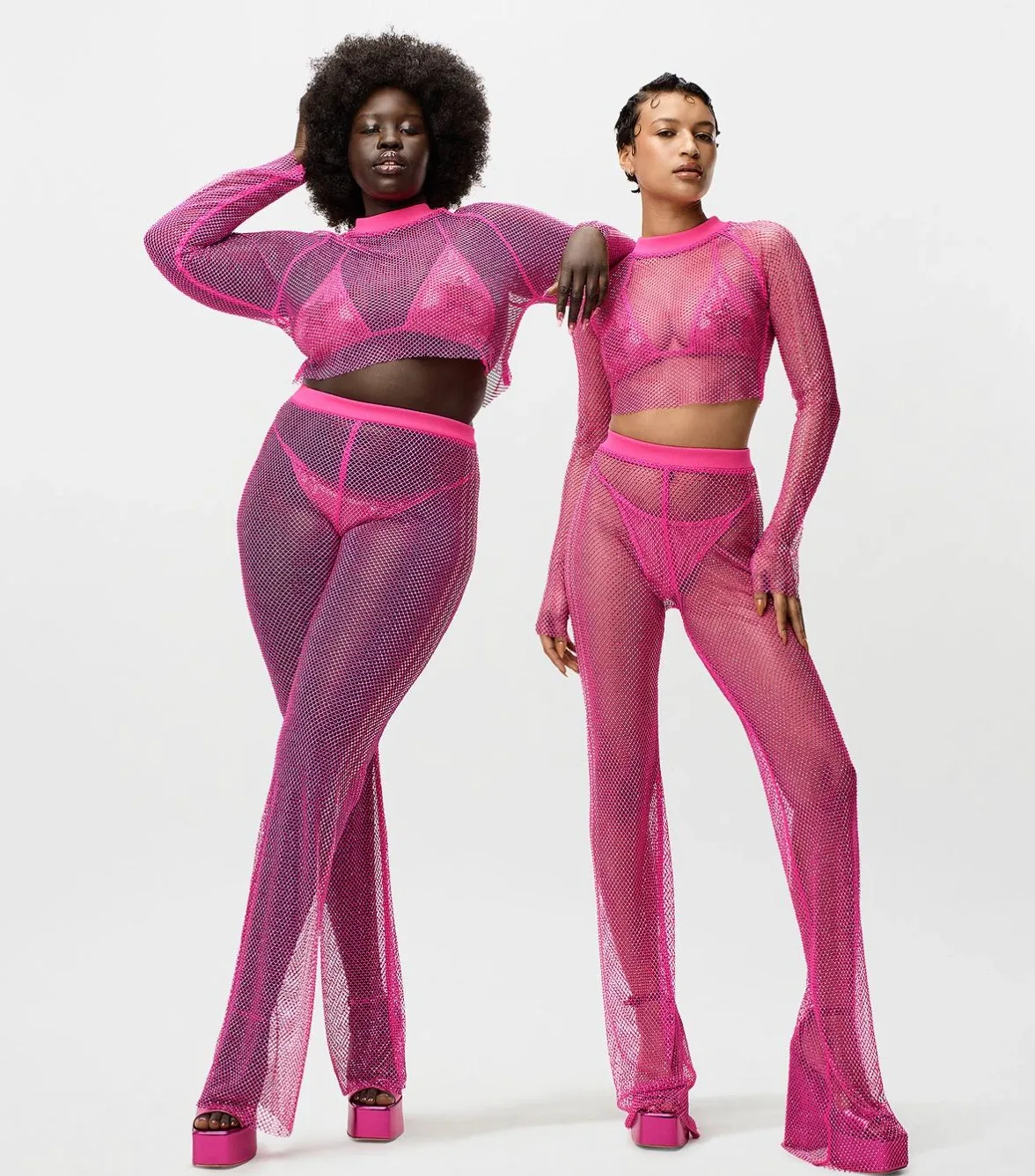
Ivy Park began as a joint venture between Beyoncé and Topshop in 2014, before launching publicly in 2016. The brand name paid homage to daughter Blue Ivy and framed activewear around movement, confidence, and Beyoncé's own visual world.
Beyoncé fully assumed ownership of Ivy Park in 2018, ending the Topshop collaboration after controversies involving Arcadia Group, then partnered with Adidas, re-launching Ivy Park in 2020. That Adidas partnership ended in 2023, with the final Adidas x Ivy Park collection released later that year.
For a 2026 article, Ivy Park is better treated as a historical celebrity-fashion case study than as an active high-growth retail example. Beyoncé retained ownership of the brand, but the large-scale Adidas collaboration that drove its most visible commercial period is over. The useful lesson is how a celebrity-owned identity can survive multiple ownership and distribution arrangements even when the retail strategy changes.
It also shows the importance of distinguishing brand ownership from active distribution. A celebrity can retain the intellectual property and creative identity while a major commercial partnership ends. Readers evaluating celebrity brands should therefore check current retail activity instead of assuming that a recognizable name still operates at its peak scale.
Drew House
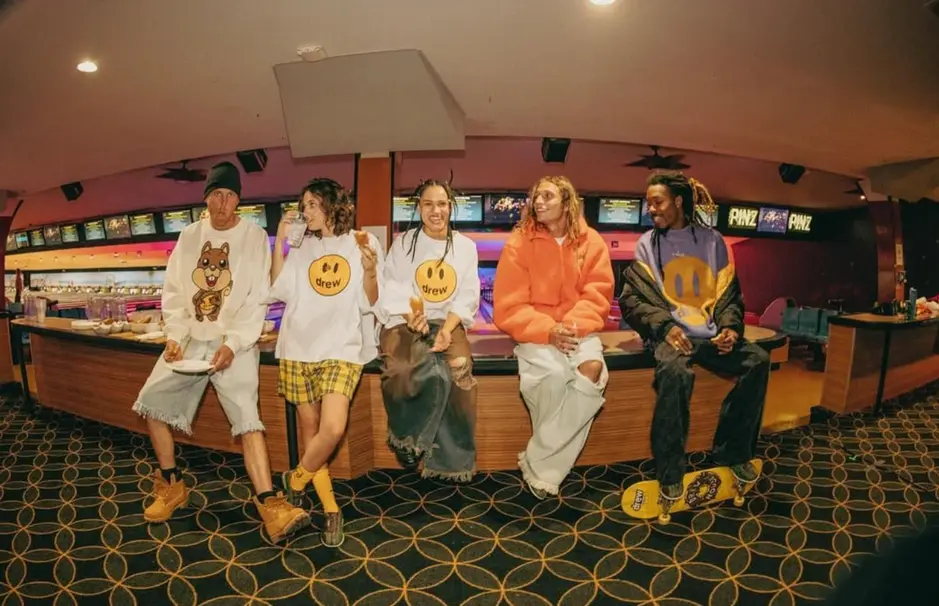
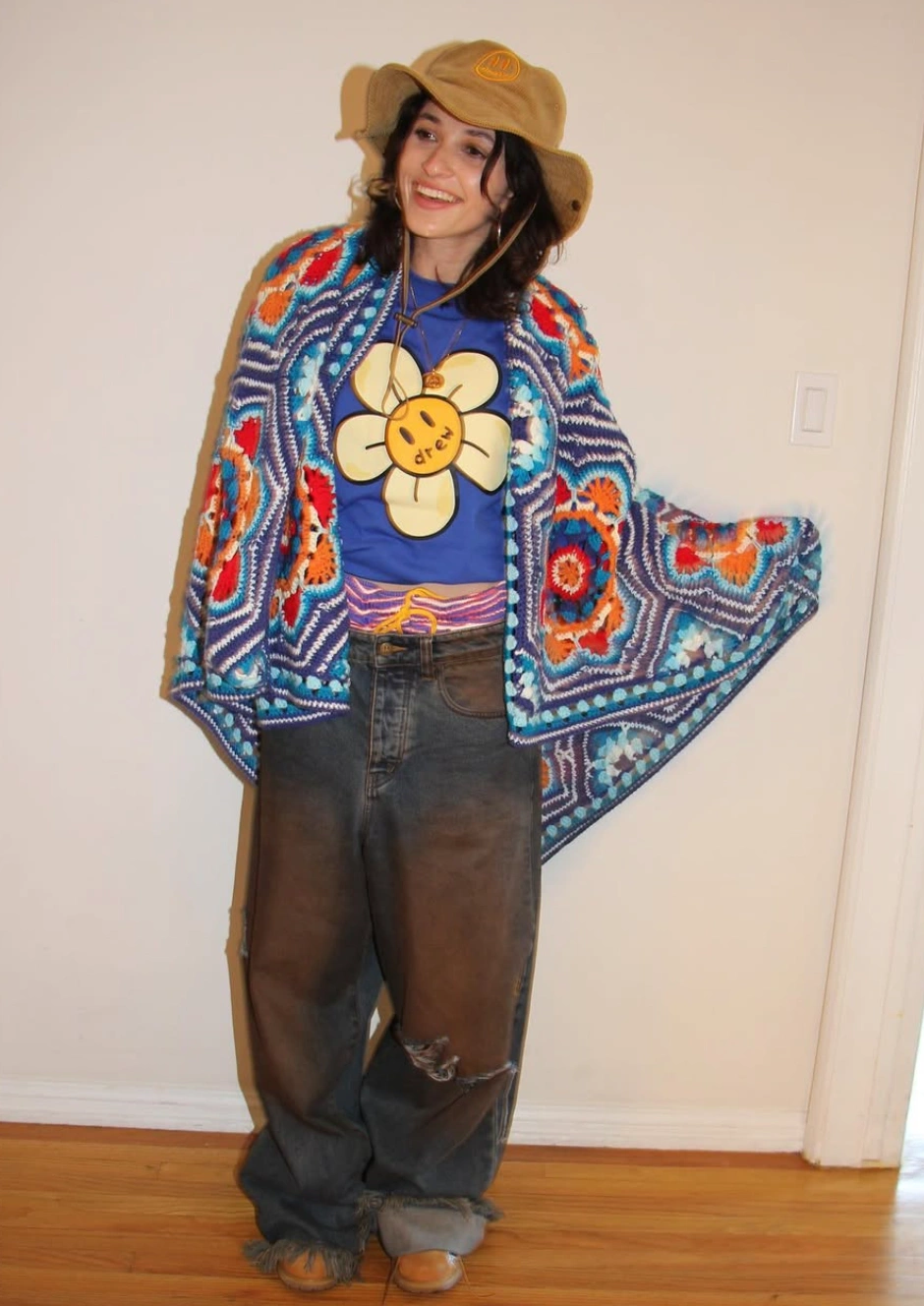
Drew House was founded by pop sensation Justin Bieber in late 2018 with a casual streetwear proposition built around oversized silhouettes, bright colors, and its smiley-face logo. The name references Bieber’s middle name, reinforcing the personal connection between founder and brand.
Its early strategy relied on limited drops, pop-ups, and a deliberately relaxed voice, including the well-known invitation to wear like you don’t care”. That approach helped Drew House build a recognizable streetwear community around a simple visual system.
The current-status caveat is important. In 2025, Justin Bieber publicly said Drew House no longer represented him and told fans not to support it. That means Drew House should no longer be described as his current founder-led fashion brand in 2026. It remains relevant here as a case study in how quickly celebrity association can build a label, and how much the brand meaning can change when that founder relationship breaks.
For founders and investors, that is a governance lesson as much as a marketing one. If the public associates a brand almost entirely with one person, ownership changes, disputes, or a founder exit can alter customer perception immediately. A durable identity needs enough independent meaning to survive that possibility.
What These Celebrity Fashion Brands Have in Common
These eight brands show several different paths from fame to a durable consumer proposition. The Row minimized celebrity visibility and emphasized craftsmanship. Skims and Good American turned inclusivity into product systems with broad retail potential. Victoria Beckham spent years building luxury credibility before reaching operating profitability. Guest in Residence is still expanding its assortment. Savage X Fenty uses entertainment and representation as distribution advantages. Ivy Park and Drew House show why current ownership, partnerships, and founder involvement need to be checked before calling a celebrity label an active success story.
The broader pattern is the same one explored in Brand Vision's guide to the biggest celebrity-owned brands: fame can accelerate awareness, but repeat purchase depends on product, positioning, distribution, and experience.
For a fashion or consumer brand developing its own identity, the goal is not to imitate celebrity reach. It is to build a system that remains coherent when attention shifts. If you are reviewing your positioning, visual system, ecommerce experience, or launch plan, contact Brand Vision to discuss the scope and priorities.
Frequently Asked Questions
How many celebrity fashion brands are covered here?
Eight: The Row, Skims, Victoria Beckham, Guest in Residence, Good American, Savage X Fenty, Ivy Park, and Drew House. The earlier article incorrectly referred to nine.
Which celebrity fashion brands are still actively expanding in 2026?
Skims, Victoria Beckham, Guest in Residence, Good American, The Row, and Savage X Fenty remain active examples in different parts of the market. Ivy Park is better treated as a historical case after the Adidas partnership ended, while Justin Bieber has publicly separated himself from Drew House.
What makes a celebrity fashion brand sustainable beyond launch hype?
A recognizable product proposition, consistent brand identity, customer experience, distribution, and repeat demand matter more than founder visibility alone. Celebrity attention can open the door, but the business has to give customers reasons to stay.