The most expensive marketing campaigns show what large budgets can make possible, from worldwide film launches to software releases and fast-food promotions. They also show the limits of spending. A campaign can make a product familiar without making it desirable, and a successful launch does not prove that advertising alone delivered the result. The useful question is not simply how much a brand spent, but how the message, product, distribution, and timing worked together.
Below are ten high-budget campaigns across entertainment, technology, food, automotive, and luxury. They are examples, not an audited spending ranking: reported figures can describe media purchases, production costs, partner promotions, or planned budgets, and those measures are not interchangeable. The amounts are historical estimates, not inflation-adjusted comparisons. For a smaller business, branding services help establish the promise and identity that a campaign will carry before money is committed to distribution.
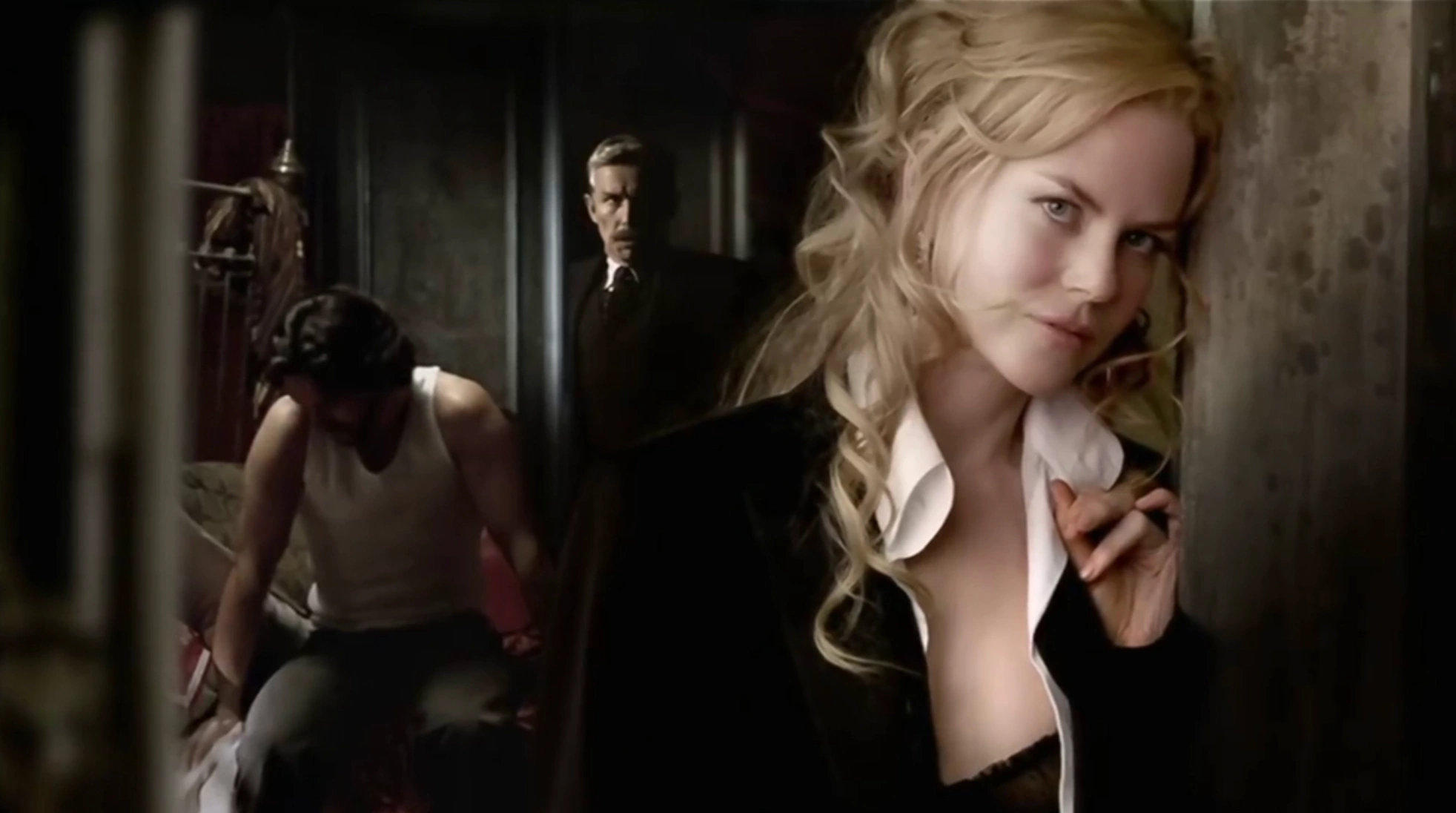
1. “Avengers: Endgame” (2019): Marvel Studios/Disney
When Disney and Marvel promoted “Avengers: Endgame,” they coordinated trailers, social media, television advertising, and retail partnerships around the finale to a decade of superhero storytelling. Deadline reported over $200 million in promotional-partner media value. That describes the value of partner activity, not a disclosed Disney advertising bill. Secrecy around the plot and the #DontSpoilTheEndgame message helped focus attention on the release while allowing trailers to reveal relatively little. Partnerships extended the film beyond cinema advertising into products and everyday retail encounters.
The film amassed $1.2 billion globally in its first five days and went on to pass $2.7 billion worldwide. Those grosses reflect audience demand, distribution, franchise investment, and many other factors as well as promotion; they are not a calculation of marketing return. The transferable lesson is coordination. A release date gives many partners a common deadline, but the creative must still make sense across their channels. Businesses seeking entertainment marketing support can apply that principle by connecting announcement, ticket or product availability, and follow-up activity instead of treating each channel as a separate launch.
2. Arch Deluxe Launch (1996): McDonald’s
Fast food is not usually associated with a nine-figure campaign for one burger, but McDonald’s took that approach with its Arch Deluxe launch, widely reported to involve roughly $200 million in advertising. The 1996 promotion targeted adult tastes, using the idea of a more sophisticated burger and advertising that distinguished it from children’s meals. Prime-time exposure and in-store presentation made the product difficult to miss. The positioning problem was more fundamental: customers needed a convincing reason to choose a premium item from a brand already strongly associated with convenience and value.
The Arch Deluxe did not meet the company’s ambitions. Its targeted $1 billion in first-year sales went unmet, and the burger eventually disappeared from the menu. The campaign remains a useful caution in food and beverage marketing: awareness cannot compensate for an offer that does not fit the audience’s expectations. Before committing to a national rollout, brand research can test perceptions of the product, price, and brand together. That does not guarantee success, but it can reveal whether the intended positioning is credible before distribution magnifies the mismatch.
3. Windows 95 (1995): Microsoft
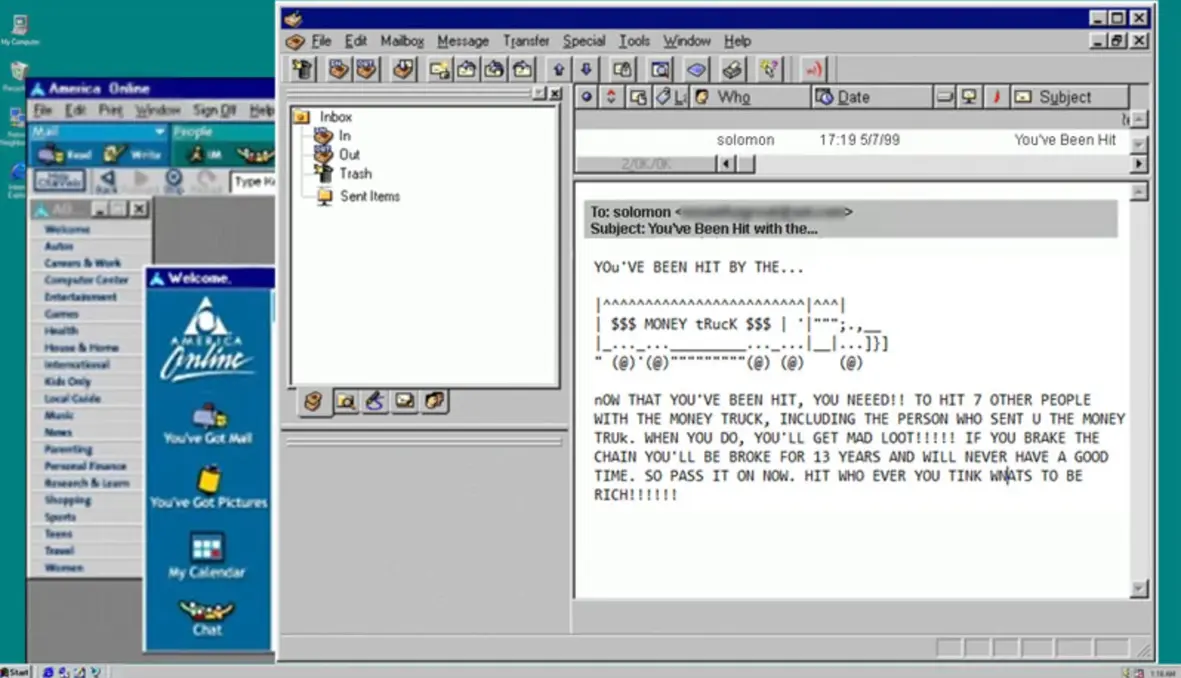
Microsoft’s Windows 95 debut turned a software release into a mass-market event. Contemporary reporting put the promotional outlay at an estimated $300 million, a figure that should be treated as a reported campaign estimate rather than an audited breakdown. The launch combined television, print, retail events, and the Rolling Stones’ “Start Me Up” to connect a technical product with a recognizable cultural cue. The song reinforced the product’s Start button, making an unfamiliar interface feature part of a simple message. High-profile launch appearances helped the operating system reach beyond specialist computing audiences.
Windows 95 arrived as personal computing was becoming more central to everyday life. By October 1995, Microsoft estimated that customers had purchased about seven million copies. The campaign benefited from an established distribution network and demand for the product, not publicity alone. Its marketing lesson is the translation of a feature into a memorable benefit. A technical launch becomes easier to communicate when customers can recognize what has changed and why it matters. Large reach can amplify that explanation, but it cannot replace one.
4. “Imported from Detroit” (2011): Chrysler 200
Chrysler’s “Imported from Detroit” campaign centered on a two-minute Super Bowl commercial, “Born of Fire,” featuring Eminem and images of Detroit. Later accounts have estimated the cost of the spot at $12 million. That is an estimate associated with a single high-profile commercial, not a verified total for the entire campaign. The creative connected the Chrysler 200 with craftsmanship, resilience, and the city’s industrial history. Rather than lead with a long list of vehicle specifications, it gave the brand’s recovery a recognizable emotional setting.
The commercial attracted attention because its setting and tone were central to the message rather than interchangeable scenery. That does not establish how many additional cars the advertising sold. The more useful lesson is that a brand story needs a basis customers can recognize. A company choosing a branding agency for its own repositioning should ask how the proposed story connects with its products, history, and audience. Chrysler’s example illustrates the value of a coherent narrative; it is not evidence that every expensive cinematic advertisement will rebuild trust or improve sales.
5. No. 5 “The Film” (2004): Chanel
Chanel approached fragrance advertising like a short film with its 2004 No. 5 campaign starring Nicole Kidman. Reported to have cost around $33 million to produce, it belongs in a discussion of unusually expensive advertising productions, although that figure is not directly comparable with a year-long media budget. Directed by Baz Luhrmann, the approximately three-minute film used romance, elaborate sets, and a celebrity lead to express the fragrance’s aspirational world. The perfume was presented through atmosphere and association rather than a conventional explanation of product features.
The creative choice suited a luxury product whose appeal includes its symbolism as well as its practical use. Kidman’s presence and Luhrmann’s cinematic style gave the advertisement an identity audiences could discuss beyond the product itself. The lesson is not that luxury brands must spend like film studios. It is that the format, casting, and production should reinforce the intended position. A distinctive piece of creative work can provide material for several channels, but production quality and distribution still need to be planned together. Without that connection, an impressive film may remain an isolated brand statement.
6. Bing Launch (2009): Microsoft
For Bing’s 2009 launch, Microsoft promoted a “decision engine” intended to make searching feel more useful and less overwhelming. Reporting at the time described a major launch push, often summarized as a $100 million marketing campaign. The figure represents reported launch plans, not a verified final spending total. Television, print, and online advertising helped Microsoft explain a new search brand in a category already associated with Google. The message focused on a consumer problem, information overload, rather than asking people to care about another search engine simply because it was new.
Bing’s launch also illustrates the difference between recognition and behavior change. Making a competing service familiar does not ensure that people will abandon an established habit. A smaller technology business faces the same question when it enters a crowded category: what useful difference makes trying the product worthwhile? A team seeking a marketing agency in San Francisco for its own launch can use that question to shape the brief, asking for a clear audience, promise, and path to trial rather than a campaign built only around visibility.
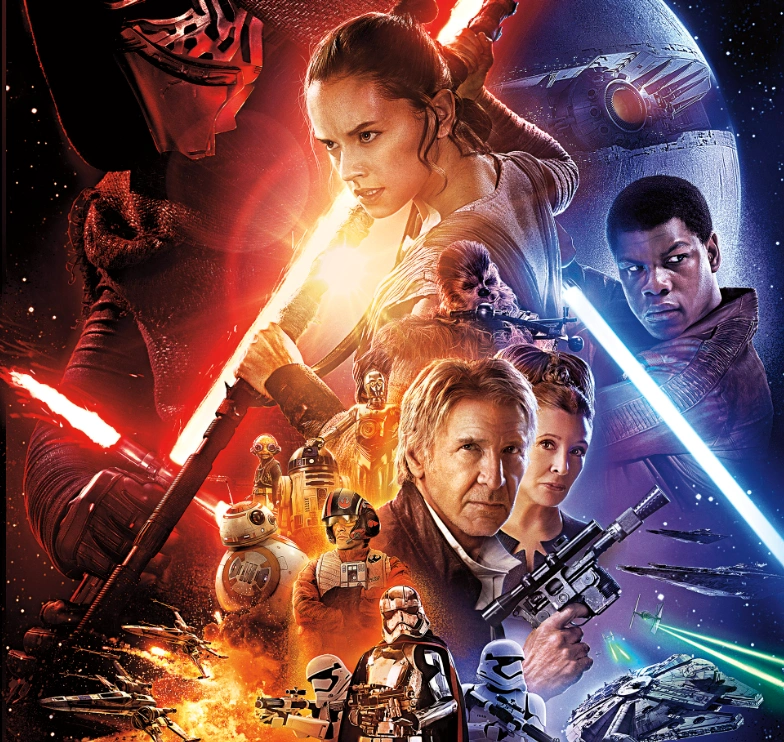
7. Star Wars: The Force Awakens (2015): Disney/Lucasfilm
Disney’s revival of “Star Wars” with “The Force Awakens” combined a long trailer rollout, returning characters, retail partnerships, and extensive licensed merchandise. The release generated record opening-night box-office coverage, although a comparable, publicly verified total for the campaign’s marketing expenditure is not available here. Retailers’ “Force Friday” activity gave toys and other products a coordinated launch moment, while the trailers connected a new cast with familiar franchise imagery. Promotion reached both existing fans and people encountering the series for the first time.
The film ultimately grossed more than $2 billion worldwide. Its place among notable movie marketing campaigns rests on the breadth and coordination of the launch, not a claim that every dollar of promotion can be isolated. Familiar characters helped reactivate interest, while new protagonists gave the story somewhere to go. For an established brand, that balance is useful: preserve the cues customers recognize while making the next chapter clear. Licensing and partner activity can extend a campaign substantially, but they also make it important to distinguish the brand’s own spending from the value of the wider promotional network.
8. Barbie (2023): Warner Bros.
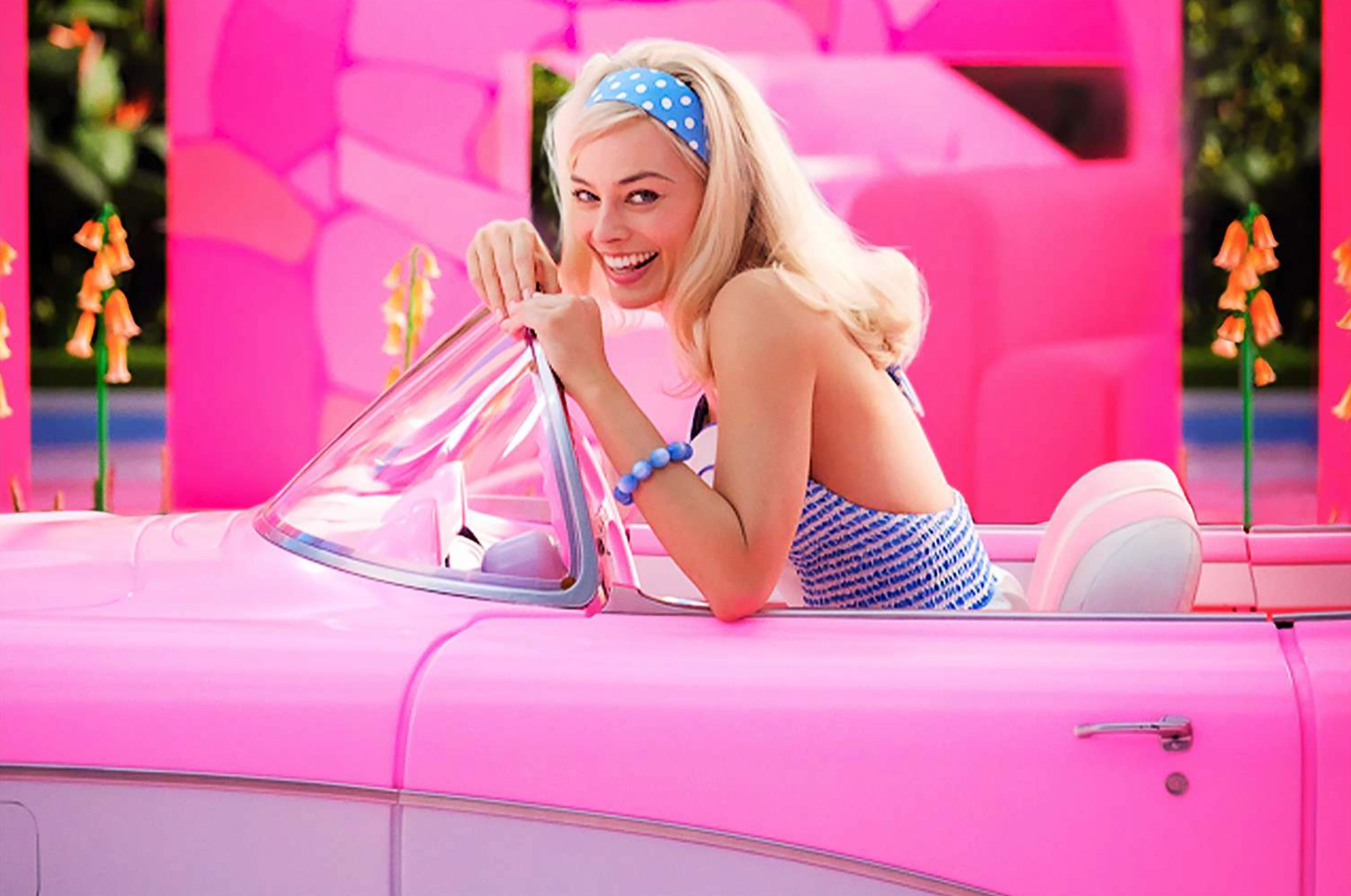
Warner Bros.’ “Barbie” campaign made a strong visual identity visible across billboards, collaborations, social content, and retail products. Trade and entertainment coverage reported an estimated $150 million marketing budget for “Barbie” in 2023; it was not a studio-confirmed public accounting. Bright pink creative and the familiar doll brand gave partners a consistent visual language. The shared release date with “Oppenheimer” also inspired the audience-driven “Barbenheimer” phenomenon. That organic response added attention, but it should not be described as a meme manufactured by the marketing team.
“Barbie” passed $1.4 billion at the global box office, alongside an unusually visible coordinated movie marketing campaign. Its lesson is the usefulness of a recognizable creative system. Collaborations can look different while still belonging to the same campaign when color, tone, and the central idea remain consistent. The film’s reception, distribution, and audience participation also mattered. Treating the result as advertising alone would miss that interaction. Smaller brands can borrow the discipline of a unified campaign without copying its scale or assuming that every partnership will contribute equally to demand.
9. Quibi Launch (2020): Quibi Holdings
Quibi launched in April 2020 with short-form entertainment designed for mobile viewing. One documented measure of the launch push is MediaRadar’s estimate of at least $63 million in tracked advertising. That measure covered tracked television, digital, and print activity, not every marketing expense. The service used recognizable entertainment names and high-profile advertising to explain its “quick bites” proposition. A large launch campaign gave the product exposure, but exposure was only the beginning of the subscription challenge.
Quibi announced its wind-down in October 2020, with streaming due to end on December 1. Its short life illustrates why an announced budget, measured ad spending, and money actually spent must be kept separate. It also cautions against attributing failure to one issue. Product fit, subscription demand, competition, and the circumstances of the pandemic all formed part of the launch context. For marketers, the practical lesson is to test whether attention becomes sustained use. Expanding reach is a different task from persuading people that a service deserves a place in their routine.
10. Grand Theft Auto V (2013): Rockstar Games
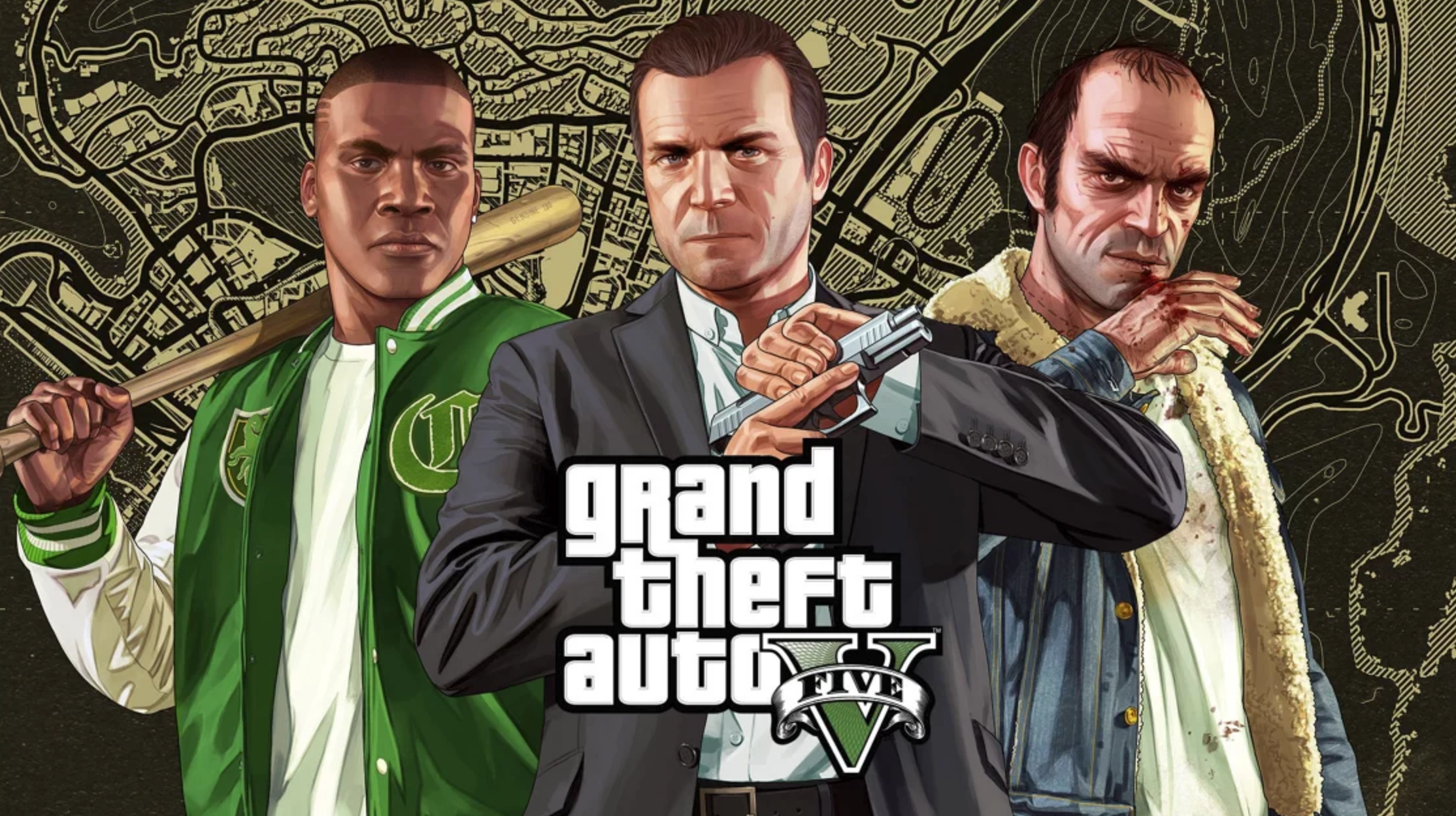
Rockstar Games promoted “Grand Theft Auto V” through cinematic trailers, outdoor advertising, and carefully paced previews of its open world. A contemporary marketing analysis reported a $150 million marketing budget, which should be read as an estimate rather than an audited separation of development and promotion costs. The rollout gave an established fanbase new details to discuss over time rather than revealing everything at once. Screenshots and gameplay previews fed anticipation, while large outdoor placements made the release visible beyond dedicated gaming communities.
Take-Two announced that the game had generated more than $1 billion in worldwide retail sales in its first three days. Retail sales are not the same as publisher profit or marketing return. The campaign worked alongside an established franchise, product development, retail distribution, and strong audience interest. Its transferable lesson is pacing: give interested customers clear reasons to pay attention at successive stages of a launch. Scarcity of information can sustain curiosity when the product already has an audience, but it is not a substitute for explaining an unfamiliar offer.
What High-Budget Campaigns Teach Smaller Brands
These ten campaigns show that high spending can create visibility, but they do not provide a single formula for success. Some built on strong franchises and established demand; others exposed a gap between the promotional promise and the product. Compare like-for-like costs, label estimates, and distinguish sales from profit before drawing conclusions. A business evaluating a marketing agency in the United States for a national launch should start with the audience, offer, distribution, and measurement plan rather than a headline budget. For help translating those questions into priorities for your own brand, a Brand Vision marketing consultation can provide a structured next step.