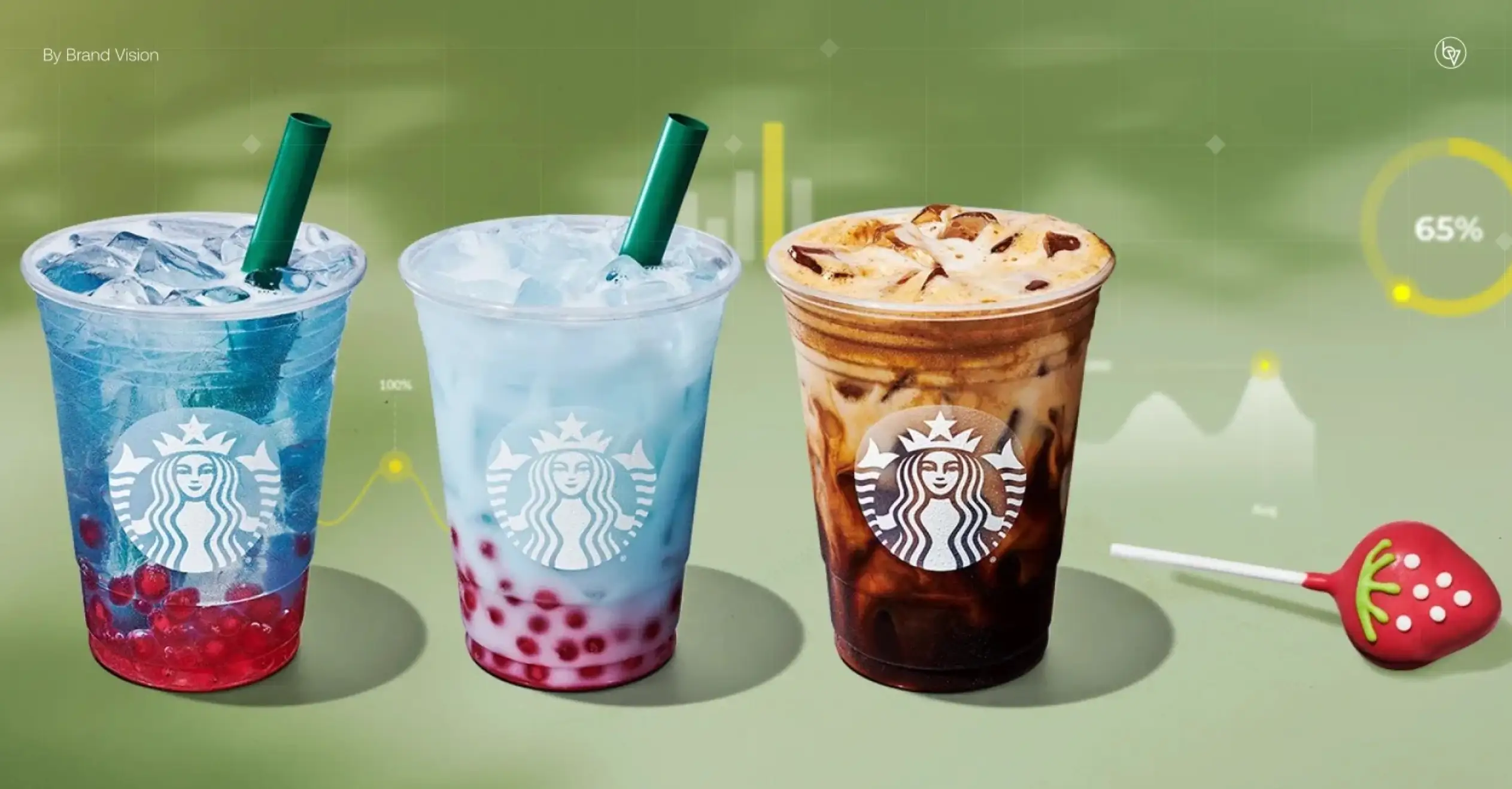
Starbucks marketing is rarely a one-off campaign. It’s a system that turns the calendar into demand, demand into habit, and habit into long-term brand equity. The Starbucks marketing strategy works because product drops, store experience, digital loyalty, and partnerships move in sync, so customers feel the shift everywhere at once.
This Starbucks marketing strategy analysis is written through Brand Vision’s lens, the same approach we use to help brands sharpen positioning, build durable brand stories, and translate marketing strategy into repeatable growth. More brand breakdowns live on Brand Vision Insights.
-1.webp)
At a Glance
- The Starbucks marketing strategy is powered by a seasonal flywheel that creates appointment retail, especially around fall and holiday launches like Pumpkin Spice and seasonal drinkware (Starbucks Newsroom).
- Starbucks marketing leans on its app and Starbucks Rewards to convert seasonal interest into repeat frequency, including 34.6 million 90-day active U.S. Rewards members reported in Q1 FY2025 (Starbucks IR).
- Starbucks ended FY2025 with 40,990 stores globally, showing how scale turns marketing consistency into financial leverage (SEC filing Exhibit 99.1).
- In Starbucks marketing 2026, partnerships and creator-driven launches are becoming a bigger lever for attention and incremental spend (Modern Retail, Axios).
The Seasonal Flywheel That Keeps Demand Predictable
The Starbucks marketing strategy is built on a familiar rhythm. Customers don’t have to guess when fall begins. Starbucks signals it through coordinated cues: drinks, food, merchandising, store visuals, app prompts, and social content landing together. That consistency is what makes Starbucks marketing feel inevitable instead of promotional.
The Fall 2025 lineup was a clear example of how Starbucks' marketing strategy locked a seasonal chapter into place. PSL returned August 26 alongside a broader fall lineup, including new additions, bakery pairings, and storytelling designed to travel beyond the cafe (Starbucks Newsroom). The result is a repeatable pattern customers already understand, which is why the Starbucks marketing strategy scales.
- Seasonal “appointment retail” works because customers recognize the timing and the ritual, not just the product (Starbucks Newsroom).
- Starbucks marketing wins when each season has a few hero items that are easy to order, easy to remember, and easy to share.
Loyalty And The App As The Habit Engine
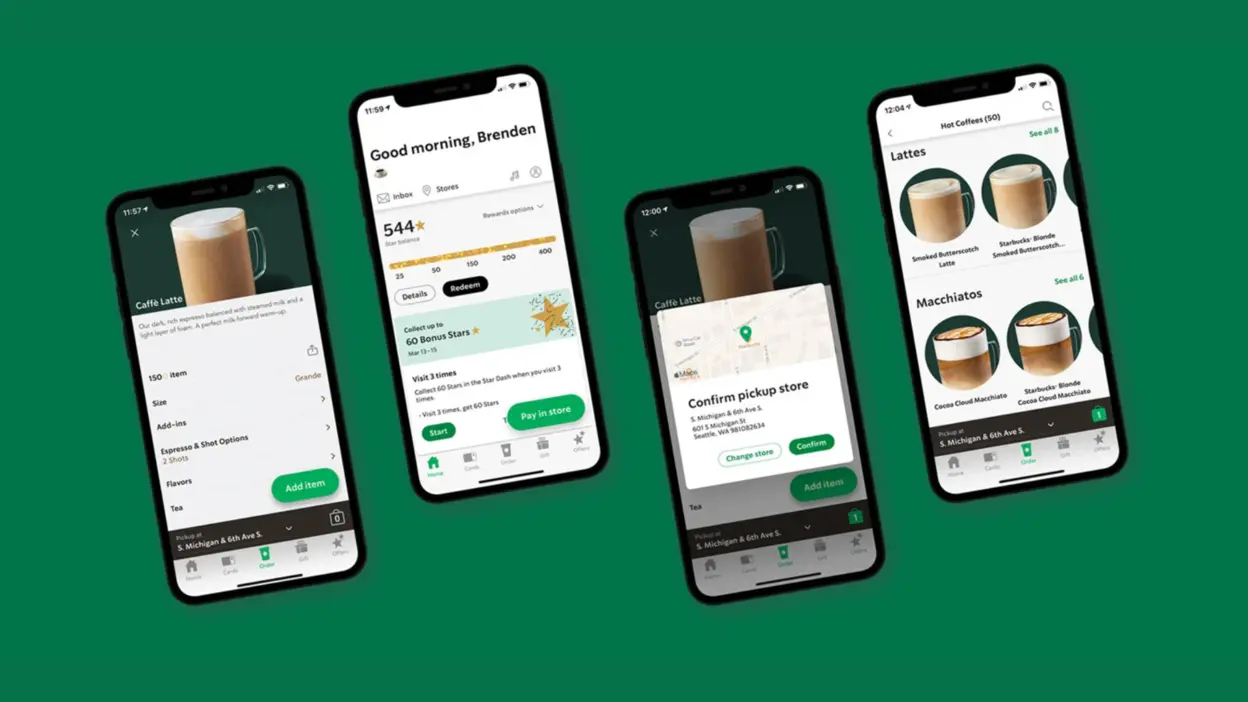
The Starbucks app is not just convenience. It’s where Starbucks marketing becomes behavior design. The Starbucks marketing strategy pairs new launches with low-friction ordering, targeted offers, and reward mechanics that turn discovery into repeat frequency. That’s why Starbucks marketing feels like a routine, not a campaign.
Starbucks reported 34.6 million 90 day active U.S. Starbucks Rewards members in Q1 FY2025 (Starbucks IR). That scale matters because it gives Starbucks marketing a direct line to millions of customers for launches, personalized nudges, and reorder prompts.
- Starbucks marketing strategy becomes stronger when loyalty is treated like a product, refined continuously instead of used only for discounts (Starbucks IR).
- Starbucks has framed “Back to Starbucks” as a customer experience reset that supports loyalty and frequency, reinforcing why app growth and store warmth are linked (Starbucks Stories).
Starbucks Marketing 2026 And The Shift Toward Creators
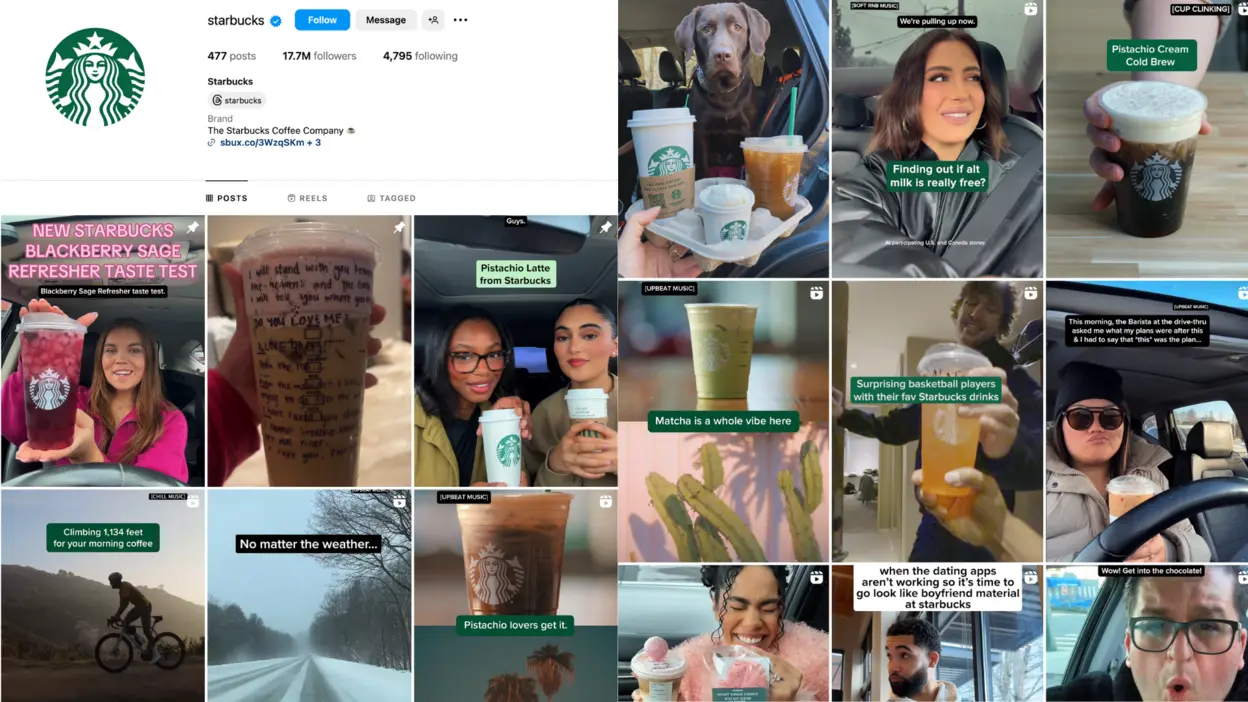
Starbucks marketing succeeds on social because the content is designed into the product experience. Drinks, cups, and seasonal moments are built to be photographed. Starbucks does not need to invent a new voice every month. It needs consistent releases that customers can see, taste, and post.
In Starbucks marketing 2026, creator distribution is becoming a larger lever. Starbucks and Dunkin’ have both been leaning into influencers to sell new drinks, shifting attention toward creator reach and engaged audiences (Axios). That matters because creators can move faster than traditional awareness and funnel attention into limited drops, app behaviors, and store visits.
- Creator collaborations work best when they reinforce a seasonal chapter customers already recognize (Axios).
- Starbucks marketing strategy is strongest when social content points to a real-world ritual, not just a claim.
Merch As Media: Cups, Collectibles, And Shareable Proof
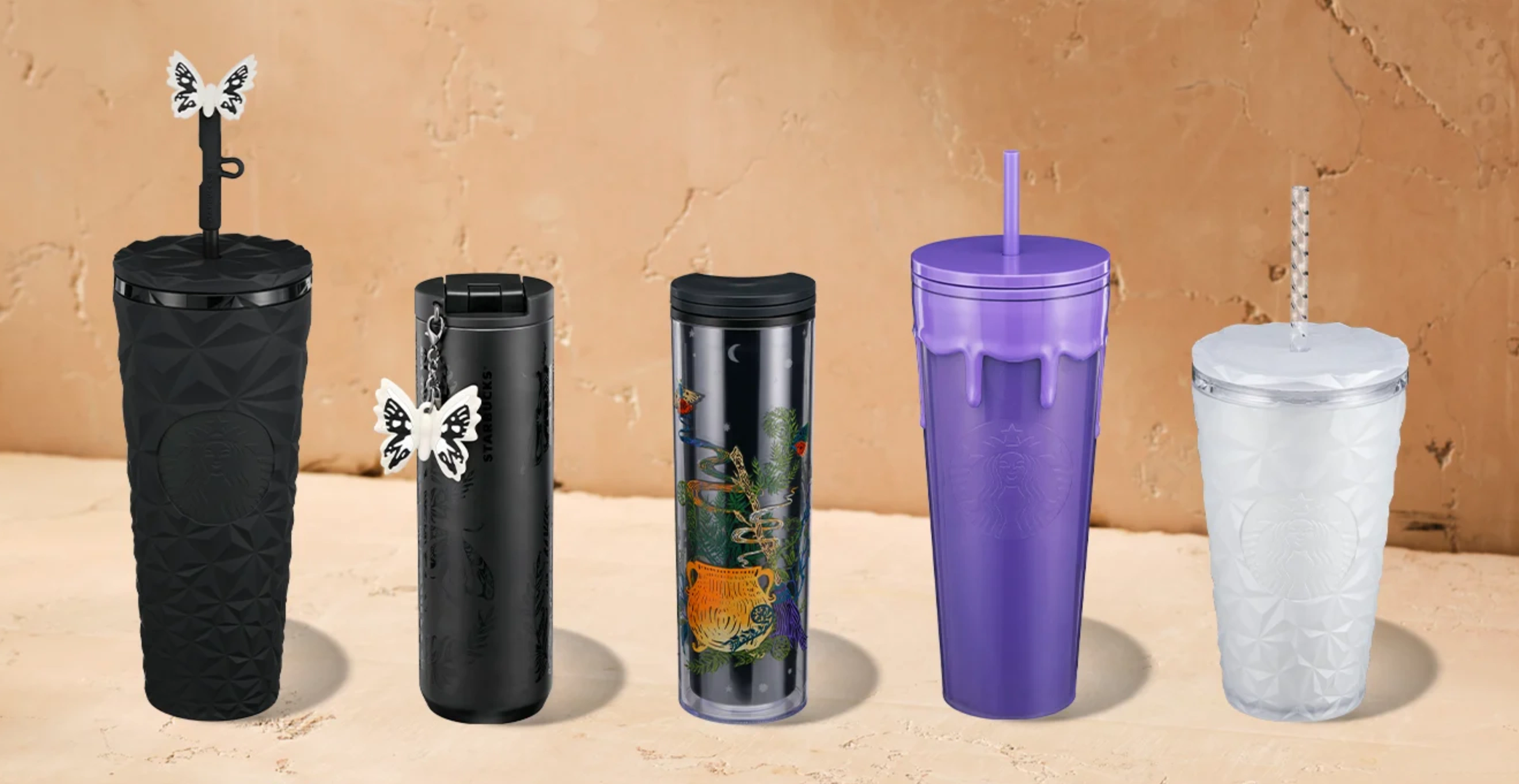
Drinkware is one of Starbucks’ smartest marketing formats. It travels, it sits on desks, it becomes visible in public, and it creates impressions that customers pay for. The Starbucks marketing strategy uses merch to make seasonal change visible even when customers are not holding a drink.
The Halloween drinkware release is a clean example of Starbucks marketing using product design as distribution. Starbucks highlighted glow-in-the-dark drinkware built for visual impact and shareability (Starbucks Newsroom). That’s how Starbucks marketing turns a cup into a signal that the season has arrived.
- Merch works as a brand visibility layer that does not rely on paid ads (Starbucks Newsroom).
- Collectible drops create repeat store checks when the releases feel limited and coordinated.
Reserve As Premium Theater
Starbucks Reserve plays a specific role inside the Starbucks marketing strategy. It creates premium theater that lifts perception, even if most customers never visit a Roastery. Reserve experiences generate high-value content and conversation that flows back into the mainstream brand.
Starbucks Reserve’s fall menu leaned into that theater with a duo flight concept built for tasting, sharing, and story value (Starbucks Newsroom). That’s how Starbucks marketing keeps premium positioning alive while operating at global scale.
- Premium experiences create stories customers retell, which is a different asset than a coupon.
- Reserve innovation makes the core menu feel more credible by association.

Delivery And Last Mile Access As A Brand Expectation
Convenience is part of brand positioning now. Starbucks marketing treats access as a growth lever, not a channel add-on. Customers in the U.S. and Canada can order delivery inside the Starbucks app via DoorDash, keeping the relationship inside Starbucks’ ecosystem (Starbucks Stories, Starbucks Canada). Starbucks also launched a delivery partnership with Grubhub to expand marketplace reach (Starbucks Newsroom).
- In-app delivery protects the brand relationship and keeps Starbucks Rewards central (Starbucks Stories).
- Marketplace delivery expands reach for customers who start in a delivery platform (Starbucks Newsroom).
At Home Starbucks Marketing Strategy: Always On Shelf Presence
The Starbucks marketing strategy works because it does not end at the cafe. The Nestlé Starbucks alliance extends the brand into grocery aisles through capsules, creamers, and ready-to-drink formats, keeping Starbucks present even when customers skip the store (Starbucks Newsroom, Nestlé Press). Shelf products keep the seasonal cues alive in more places, which is why Starbucks marketing remains top of mind.
- At-home products keep brand memory fresh between cafe visits.
- Grocery distribution turns seasonal launches into multi-location moments.
Sustainability As Participation: Reuse As A Marketing Signal
Operational changes become marketing signals when customers can participate. Starbucks expanded acceptance of personal cups across cafe, drive-thrus, and mobile order pickup, turning sustainability into a visible ritual customers can repeat (Starbucks Newsroom). This is why the Starbucks marketing strategy works here: participation creates belief faster than statements do.
- Sustainability becomes culture when it is embedded into behavior, not only messaging.
- Participation is more persuasive than persuasion.
Partnerships As Distribution: The LA28 Platform
Starbucks is the Official Coffee Partner of the LA28 Olympic and Paralympic Games and Team USA, positioning the partnership as a multi-year platform with athlete content, on-site experiences, and broader distribution through media relationships (Starbucks Newsroom, Starbucks IR). Starbucks marketing succeeds when a partnership maps to real life behavior, not just logos.
- The best partnerships reinforce habits customers already have.
- Platform scale matters most when it has clear in-store and app touchpoints.
Partnerships In Starbucks Marketing 2026: Collabs That Keep The Brand Feeling New
In 2026, Starbucks marketing is leaning harder into in-store partnerships and limited collaborations that make visits feel refreshed without rewriting the core brand. Modern Retail reported Starbucks expanding partnerships with limited-edition merch and on-trend products tied to a broader strategy of increasing spend and relevance (Modern Retail). Fashion and lifestyle press have also highlighted Starbucks' collabs that move beyond beverage into brand adjacency and collectible culture, like its winter collection with Sarah Andelman (WWD).
- Collabs work when they feel like a natural extension of the brand’s world, not a forced crossover.
- Limited merch creates reasons to visit even when the customer’s usual order doesn’t change (Modern Retail).
Owned Storytelling That Customers Can Confirm
Starbucks marketing is strongest when storytelling reinforces what customers already experience: seasonal cues, familiar rituals, and human moments. The Starbucks marketing strategy treats owned channels as the anchor: stores, cups, and the app. Paid amplification works best when it points back to something people can confirm in real life.
Starbucks’ seasonal hubs show how the brand packages each chapter into a shareable narrative, including Holiday pages that keep the story consistent across products and channels (Starbucks Stories). This is how Starbucks marketing stays coherent at scale.
- Owned channels create frequency, which builds brand memory faster than occasional bursts.
- Seasonal hubs work because they organize the story customers want to share (Starbucks Stories).
The Turnaround Context: “Back to Starbucks” As A Marketing Strategy
Some of the most important Starbucks marketing strategy shifts are operational. Starbucks has been explicit about rebuilding coffeehouse warmth, simplifying complexity, and recentering the experience, which directly supports marketing outcomes like loyalty, frequency, and brand trust (Starbucks Stories). Starbucks’ FY2025 reporting also shows the scale of the business and the structural decisions underway (SEC 10-K PDF).
Mobile ordering remains critical, with reporting indicating it represents roughly a third of transactions, which explains why Starbucks is threading convenience with a renewed focus on hospitality (Fortune, GeekWire).
- Marketing strategy is stronger when the experience matches the promise, especially at scale (Starbucks Stories).
- Convenience cannot replace warmth, but warmth alone cannot fix friction, which is why Starbucks marketing strategy is balancing both (GeekWire).
Global Strategy As Brand Story: Starbucks In China
Starbucks marketing is also shaped by global growth strategy. A major 2026 development is Starbucks’ China structure shift, reported as a $4 billion deal to sell a 60 percent stake in its China business while retaining a 40 percent interest, reflecting competitive pressure and a new operating model for the market (AP News). That move is not just finance. It affects how Starbucks marketing and store experience evolve in a market where local competition has been aggressive.
- Brand strategy becomes visible when the business model changes, especially in a company’s largest growth markets (AP News).
- Global story matters because Starbucks marketing relies on being perceived as both familiar and evolving.
Inclusivity And Values As Long Term Brand Equity
Starbucks has a long history of values-led storytelling. The most durable version of this strategy is when customers can see values reflected in daily experience and partner culture, not just campaigns. Starbucks’ impact reporting keeps that narrative grounded in a broader corporate posture that supports long-term trust (Starbucks Global Impact Report PDF).
- Values build brand durability when they appear in decisions customers can observe.
- Values become part of the Starbucks marketing strategy when they are consistent across years, not only during moments of attention.
Celebrity And Culture Moments: When Participation Is Frictionless
Starbucks marketing often connects seasonal moments to culture. The Taylor Swift tie-in is a clean example of how Starbucks marketing can turn a simple ordering shortcut into outsized attention when participation is easy and the moment is already culturally primed (People.com).
- Cultural tie-ins work best when they reduce friction, not when they add steps.
- Seasonal moments amplify culture because they already have built-in audience rituals.
What You Can Apply To Your Own Brand
- Build a calendar customers can recognize. Predictability creates anticipation when it’s tied to real releases and visible cues.
- Treat loyalty as behavior design. Remove friction, reward repeat actions, and make benefits feel immediate.
- Design shareable proof into the product. If customers cannot show the difference, they will not spread it.
- Use partnerships as distribution, not decoration. Collaborations should place you in front of a specific audience with a clear reason to buy.
- Make one channel the source of truth. Starbucks uses its app, stores, and seasonal hubs to keep the story consistent.
FAQ
What makes the Starbucks marketing strategy work year after year?
The Starbucks marketing strategy relies on a predictable seasonal cadence, strong loyalty mechanics, and consistent experience cues that customers can recognize across stores, the app, and retail products.
How big is Starbucks Rewards right now?
Starbucks reported 34.6 million 90-day active U.S. Starbucks Rewards members in Q1 FY2025 (Starbucks IR).
Why is merch so important to Starbucks marketing?
Merch creates visible, portable brand impressions that customers pay for, carry, and share. Seasonal drinkware also acts like proof that a new chapter has arrived (Starbucks Newsroom).
How does Starbucks marketing balance mobile convenience with coffeehouse experience?
Starbucks has framed “Back to Starbucks” around rebuilding warmth and human connection while keeping digital ordering central, which is why store experience updates and app evolution move together (Starbucks Stories, GeekWire).
What is a key Starbucks marketing 2026 trend to watch?
More brand partnerships and creator-led drink launches, especially limited collaborations designed to increase relevance and spend (Modern Retail, Axios).
The Final Pour
Starbucks marketing is a repeatable machine: seasonal discipline, loyalty-driven behavior, merch as visible proof, and partnerships that extend reach without breaking the core brand. The Starbucks marketing strategy holds because the experience supports the promise, and the promise is reinforced everywhere customers move.
How Business Owners Can Learn From Starbucks Marketing Strategy And Apply It To Their Own Brand In 2026
Starbucks marketing strategy works because it treats brand as a system customers can recognize and repeat. The lesson is not to copy Starbucks. The lesson is to build a structure where attention converts into habit, and habit converts into revenue. That structure has to live in your positioning, your product, and your customer experience, not only your ads.
Brand Vision sees the same pattern across high-performing brands. The strongest marketing strategy is the one that holds up when the novelty wears off. That means a clear brand story, a consistent release rhythm, and a digital layer that removes friction. If the website experience feels confusing or inconsistent, the brand loses trust at the exact moment the customer is ready to convert. A stronger customer journey often starts with clearer positioning through a branding agency, then moves into conversion-focused web design services that make decisions easier. When discovery and retention need to grow together, pairing content with an SEO agency helps create sustained demand instead of short spikes. For brands that need sharper priorities and a cleaner growth plan, a marketing consultation can identify which lever to pull first. When friction appears inside the funnel, improving flows with a UI UX design agency often creates faster lift than adding more spend.
.webp)



%2520(1).png)