
Nike marketing has always been more than product promotion. It's a disciplined brand system that ties sport, culture, and commerce together so each campaign builds on the last. In 2026, that system is being tested during a business reset, but its core mechanics remain recognizable: sport-specific products, athlete storytelling, cultural moments, membership, retail, and digital experiences reinforce one another instead of operating as isolated campaigns.
At Brand Vision, this kind of brand strategy work centers on tightening positioning, strengthening brand identity, and turning storytelling into a repeatable system. For more brand and marketing analyses, explore Brand Vision's articles.
Nike's 2026 Context: Scale, Reset, and a Return to Sport
Nike marketing strategy is easiest to understand through the business lens. In fiscal 2025, Nike reported $46.3B in revenue, with NIKE Direct at $18.8B and wholesale at $25.9B. That mix matters because it influences everything from pricing to product storytelling to retail strategy. See Nike's fiscal 2025 results on NIKE Investor Relations.
By fiscal 2026 Q2, Nike reported $12.4B in quarterly revenue, with wholesale rising to $7.5B and NIKE Direct at $4.6B. Nike also disclosed demand creation expense at $1.3B, up 13%, driven by higher brand and sports marketing spend. (NIKE Investor Relations)
Nike's full fiscal 2026 results show how that reset developed across the year. Revenue finished at $46.4 billion, wholesale revenue reached $27.5 billion, and NIKE Direct revenue was $17.7 billion. Demand creation expense was $4.8 billion, up 1%, as higher sports marketing expense was partly offset by lower brand marketing expense. Nike said its Sport Offense work focused on team culture, product, brand strength, and how it serves consumers. (NIKE Investor Relations)
That context sets up the real Nike marketing lesson for 2026: the brand is actively rebalancing channels and sharpening its sport focus, and marketing is the lever that protects long-term brand equity while the business resets.

Marketing Planning: Why Nike Treats Brand Like an Operating System
Nike marketing planning works because it reduces internal debate. Nike doesn't reinvent its meaning every season. The brand keeps a stable message spine, then expresses it across sport, lifestyle, retail, and digital with different creative wrappers.
If you want a clean baseline for what marketing planning is supposed to do, the American Marketing Association's overview of marketing plans frames the role clearly. Nike's version is simply more rigorous: fewer random campaigns, more consistent decision making. Brand Vision's marketing metrics guide provides a practical next step for connecting campaign activity to measurable business outcomes.
Influencer Marketing: Nike's Advantage Is Range, Not Just Celebrity
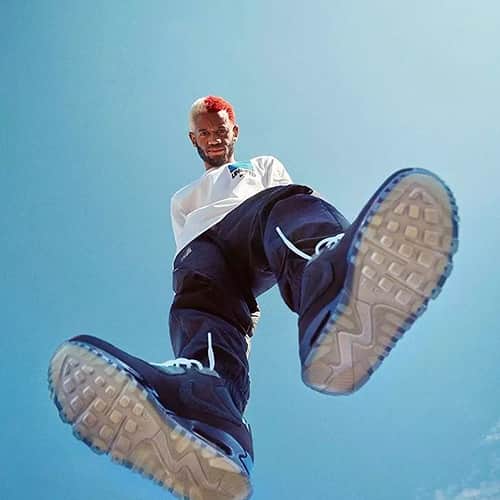
Nike's influencer marketing is effective because it's layered. It includes elite athletes, culture drivers, and everyday creators who make product feel wearable in real life. Nike marketing doesn't treat influencers as a channel. It treats them as social proof.
Kaepernick's "Dream Crazy" remains a useful example of values driven brand alignment, but 2026 Nike marketing is better understood as a broader creator system: athlete storytelling, team partnerships, training communities, and sport culture amplification that runs year-round.
For a deeper look at how creator ecosystems shape perception and growth, influencer marketing offers a clear foundation.
Women's World Cup: Sponsorship Share Becomes Cultural Share
Nike marketing has a specific advantage in global sport moments: the brand often shows up with scale, consistency, and athlete credibility all at once. The 2023 Women's World Cup remains a useful proof point because it shows how sponsorship becomes visibility, and that visibility can support commerce.
Nike's play isn't only being present. It's being coherent across team kits, athlete storytelling, product drops, and fan conversation. That cohesion is what turns a tournament into a brand amplification engine.
.webp)
Partnerships With Athletes: Proof, Not Just Promotion
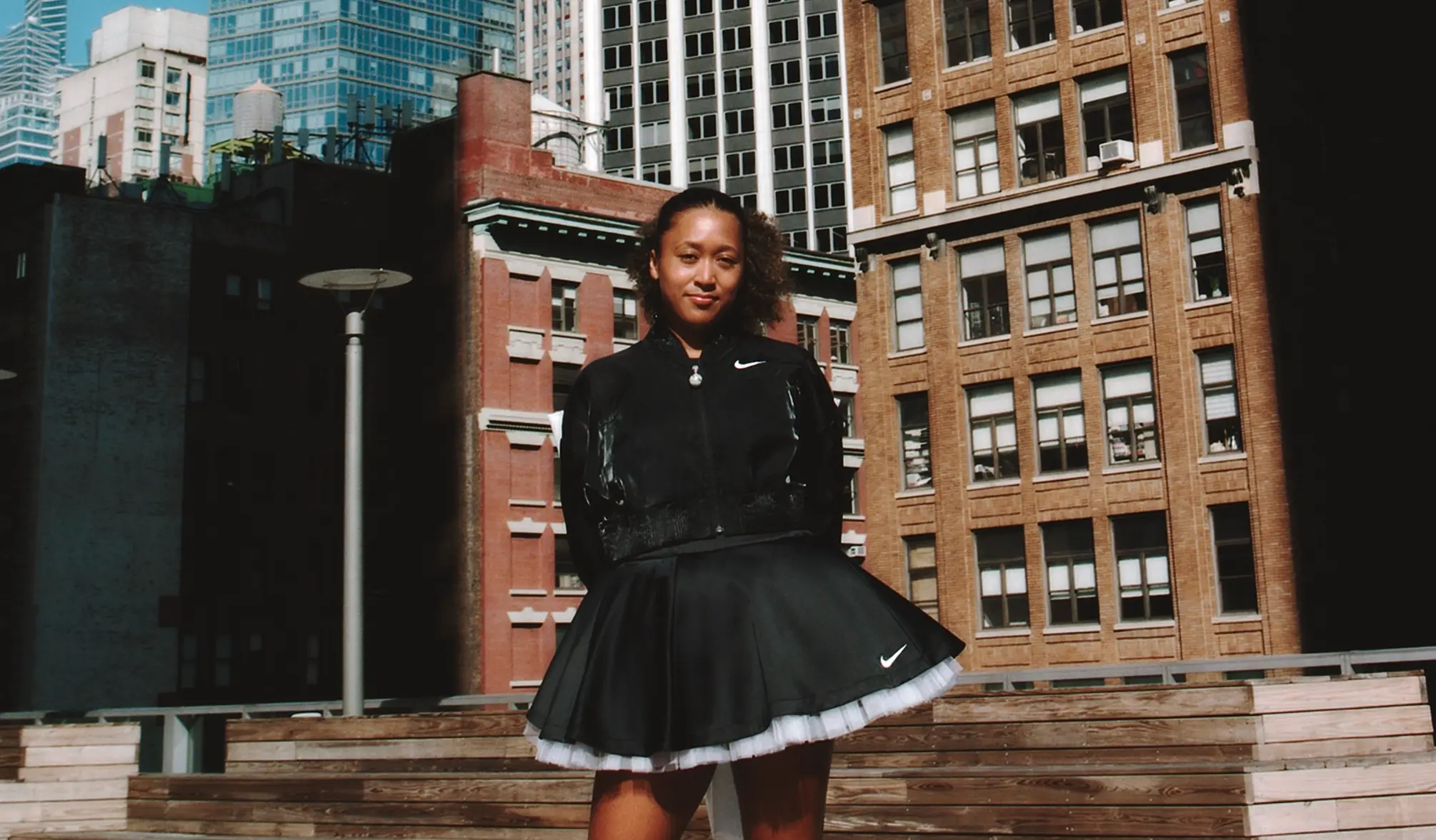
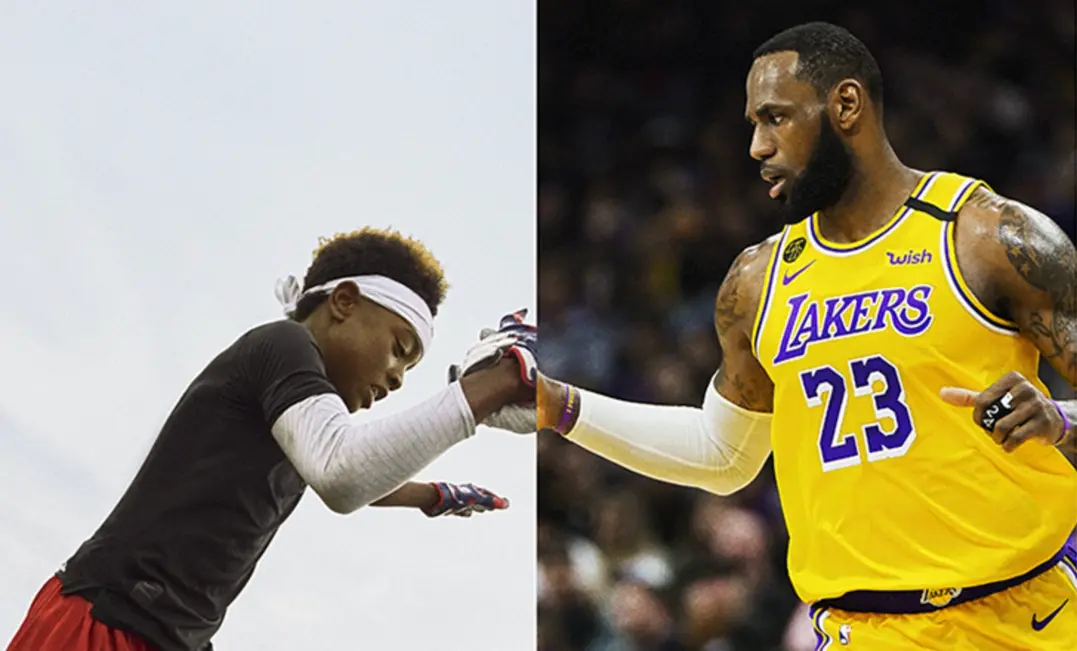
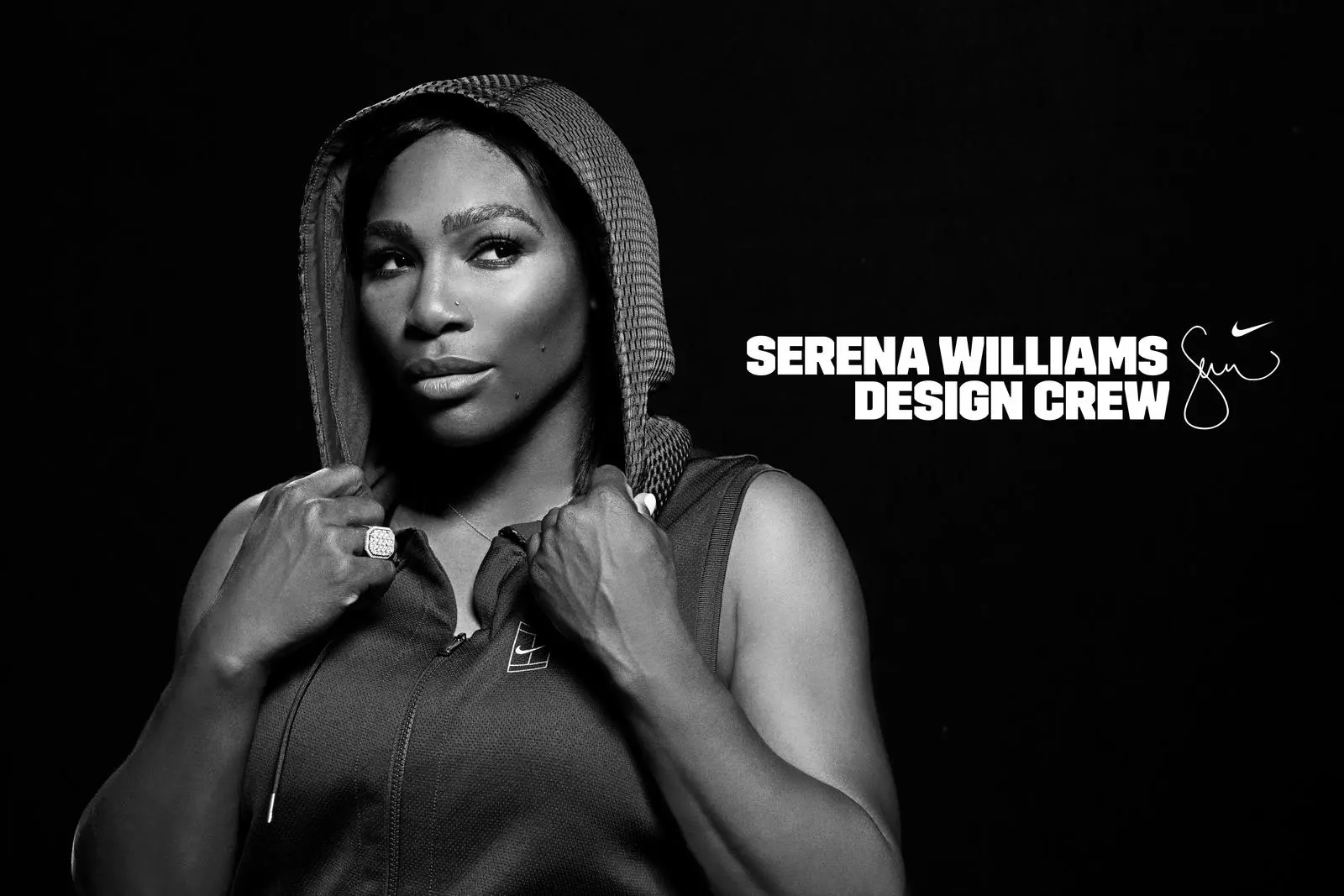
Nike athlete partnerships aren't simply endorsements. They're credibility infrastructure. Nike marketing strategy builds meaning through athletes who embody specific dimensions of the brand: resilience, ambition, inclusion, and performance under pressure. From LeBron James to Serena Williams, the Nike athletes are star-studded.
Nike's fiscal updates underline how meaningful this is operationally too. In fiscal 2025, Nike reported demand creation expense of $4.7B, up 9%, driven by higher sports and brand marketing. That is an intentional investment in the athlete ecosystem and brand storytelling engine. See the fiscal 2025 details in Nike's release on NIKE Investor Relations.
For a broader lens on how athlete ecosystems connect to marketing performance, this analysis on sports marketing helps connect partnerships to strategy.
Collaborations: Scarcity Meets Identity
Nike collaborations work because they blend cultural relevance with controlled scarcity. Nike marketing uses these partnerships to reach audiences who might not enter through performance sport, then keeps them through membership, content, and product storytelling.
The key is discipline. Nike collaborations are most powerful when they feel inevitable, meaning the collaboration aligns with Nike's identity rather than simply chasing attention.
Quirky Campaigns: Pop Culture as a Distribution Channel
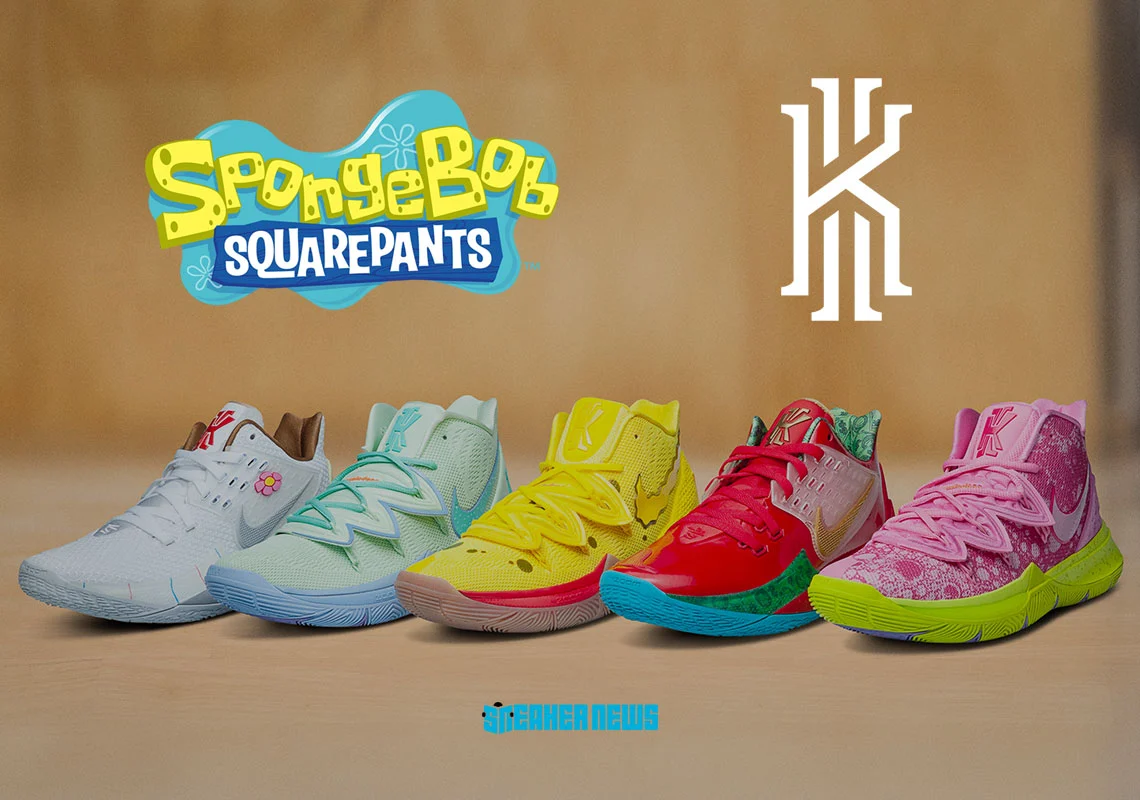
Pop culture collaborations can look playful, but the intent is serious. A great example of this is their collaboration with SpongeBob SquarePants, where they created a line of sneakers inspired by the beloved cartoon character. Nike's whimsical initiative not only shows off their creative flair but also demonstrates their ability to connect with a wide range of consumers. Nike marketing uses these moments to widen the top of funnel while keeping brand identity intact. It's segmentation through culture: one collaboration pulls in a new audience, then Nike's core promise does the retention work.
Brands copying this in 2026 need one condition first: a stable brand identity that can absorb experimentation without feeling random.
User-Friendly Online Store: Nike Turns Browsing Into a Product Experience
Nike's ecommerce experience works because it behaves like product, not just checkout. Visual storytelling, customization, and friction reduction help the brand convert interest into intent. This is where Nike marketing strategy becomes tangible: the website reinforces identity, not just transactions. That combination of merchandising, storytelling, and conversion is a core B2C marketing challenge: the store has to make the brand distinctive without slowing the path to purchase.
Nike's own view of Membership also reinforces the relationship layer around shopping and sport experiences. (Nike Membership)
Putting Customers First: Personalization That Feels Like Respect
Nike marketing earns trust when personalization feels like service, not surveillance. The brand's digital ecosystem is built around relevance: product recommendations, training content, and localized experiences that make a global brand feel personal.
This is where brands often break trust. Nike's support documentation is a reminder that customer data governance is part of brand experience, including how "active" accounts are defined and how long data is stored. (Nike Help)
Emotional Connection: Nike Sells Meaning Before It Sells Product
Nike's emotional storytelling works because it expands who gets to be part of sport. Campaign narratives often focus on self-belief, discipline, and growth, which makes the brand feel like a personal identity marker, not just a logo.
Nike marketing strategy stays resilient because the emotional mechanism is consistent even when formats change. The brand keeps repeating the same promise in new cultural contexts.
Membership and Perks: Nike's Loyalty Engine Is the Real Media Channel
Nike's strongest distribution channel is its relationship with members. Membership creates a direct line for launches, community moments, and sport engagement that doesn't depend entirely on rented attention. The point isn't perks for perks' sake. It's sustained relevance. For brands building a similar owned-audience layer, Brand Vision's email marketing guide shows how segmentation and lifecycle messaging can support repeat engagement without relying on rented reach.
Unforgettable Retail Experience: Physical Space as Content
Nike's retail strategy is designed for interaction. Stores become brand theaters where product education, service, and experience increase conversion and memory. This matters in 2026 because physical environments still carry credibility that digital cannot fully replicate.
Retail also reinforces pricing power. When the experience is premium, the product feels worth more. That is a brand identity outcome, not just a store design choice.
Experiential Ads: Nike's Creative Direction Is Built for Participation
Nike ads tend to work when they invite action, not passive viewing. The creative feels like a challenge, a belief statement, or a moment of recognition. That structure makes the viewer feel involved, which is why Nike marketing travels so well across channels.
When marketing becomes participation, it becomes shareable without begging for shares.

Iconic Slogans: Language That Stays Stable While Everything Else Changes
"Just Do It" is effective because it's a behavioral cue, not a trend phrase. It's simple enough to hold meaning across decades, athletes, and cultures. Nike's marketing strategy benefits from that stability because the slogan compresses the brand promise into a single line that people already understand.
What You Can Apply To Your Own Brand
- Build one message spine and repeat it until recognition is automatic.
- Use partners as proof, not decoration. Choose people who embody your promise naturally.
- Invest in a relationship layer like membership, email, SMS, or community, so you're not renting attention every launch.
- Treat your website like a product experience. Make it feel like the brand, not a brochure.
- Use cultural collaborations only when the fit is obvious in one sentence.
- Make customer respect visible: clear policies, clear service, and consistent follow-through.
Find Similar Reads on More of Your Favourite Brands
What Business Owners Can Learn From Nike's Marketing Strategy in 2026
Nike's marketing strategy is built on clarity. The brand doesn't negotiate with itself every quarter. It commits to a promise, then scales that promise through product, story, and experience. That is why Nike can weather business resets without losing brand identity.
Start by tightening what you stand for. That's the foundation of a strong brand strategy. Then translate it into a visual system people recognize instantly, which is where visual identity does the heavy lifting. When positioning and visuals align, your marketing stops feeling like disconnected posts and starts feeling like a brand.
Next, pressure test the experience. A high-performing web design agency and a sharp UI UX design agency turn brand intention into customer action. Finally, build demand that compounds. A strong SEO agency supports discoverability over time, and marketing consultation helps you map the fastest path from identity to growth without wasting cycles.