
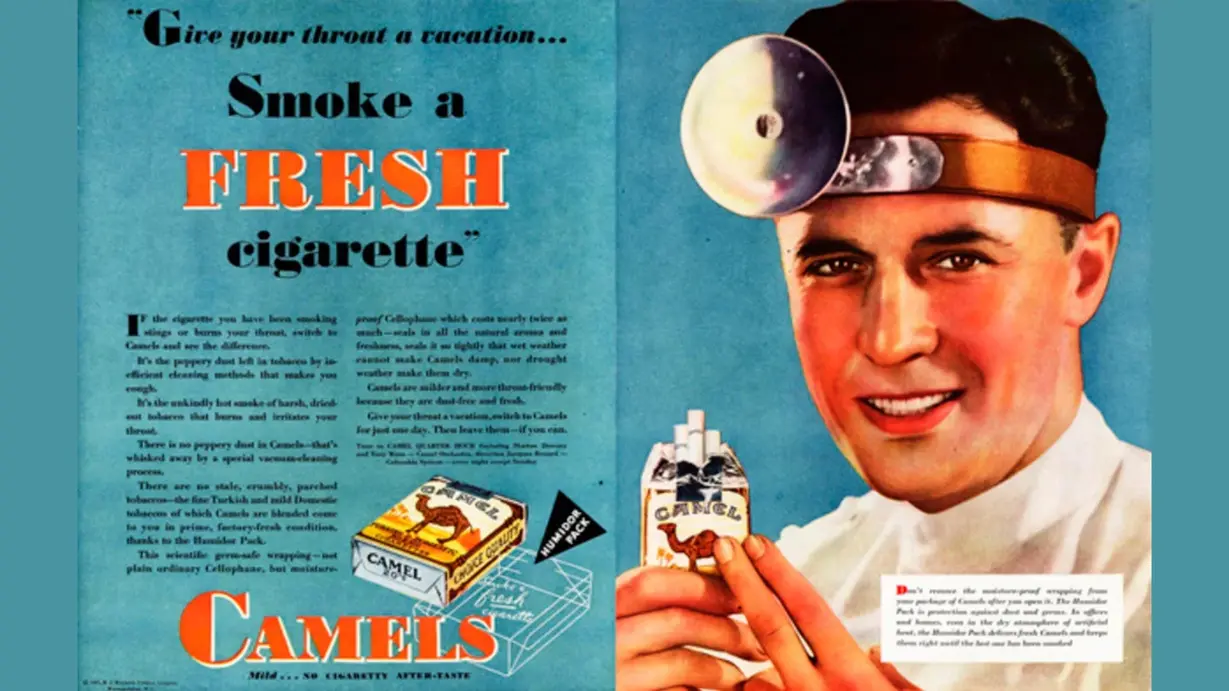
The story of tobacco marketing is intertwined with broader social, technological, and regulatory shifts over centuries. From hand-rolled cigars quietly advertised in local newspapers to sweeping multimedia campaigns featuring celebrities and doctors, the evolution of cigarette advertising reflects transformations in both public perception and corporate strategy. Below is a comprehensive look at how tobacco industry marketing strategies developed, adapted, and often circumvented growing regulations—ultimately shaping global smoking culture.
Pre‑1800 and Early 19th Century – The Beginnings
In the late 1700s, tobacco advertising was mostly rudimentary. Local newspapers carried small ads promoting snuff and loose tobacco, and word-of-mouth drove sales more than brand identity. Early tobacco ads often focused on product quality rather than brand name, showing the pre-industrial preference for craftsmanship over mass production. Although explicit branding was minimal, this era set the foundation for future brand-building, as customers began associating certain qualities—like flavor or smoothness—with specific tobacco merchants.
- Advertising was local and informal.
- No robust brand identities; customers selected based on product quality.
- Newspaper ads and leaflets were the primary marketing channels.
Despite limited scope, these initial efforts laid the groundwork for the history of tobacco marketing by hinting at the importance of product differentiation. When industrialization arrived, brand identity would become a critical factor in standing out amid fierce competition.
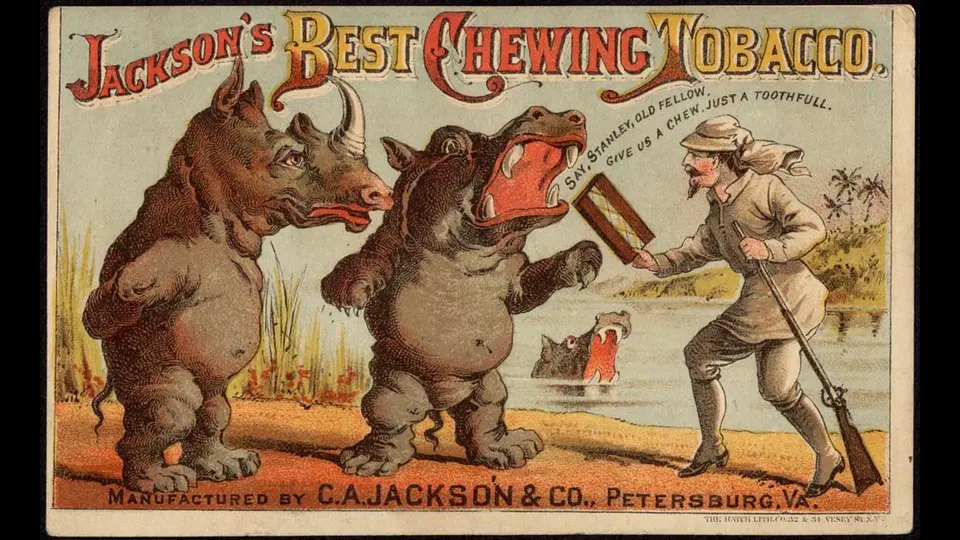
Mid‑19th Century (1800–1880) – The Rise of Branded Tobacco
As the 19th century progressed, technological innovations transformed tobacco from an artisan product to a standardized commodity. Early mechanized rolling processes (later perfected by machines like Bonsack’s in the 1880s) allowed manufacturers to produce consistent cigarettes at scale. This shift fueled the emergence of 19th century cigarette ads, which grew more sophisticated in language and design.
- Mass Production: Industrial techniques facilitated uniform quality and higher output.
- Collectible Trade Cards: Advertisers distributed attractive cards featuring brand names, gently moving consumers toward brand loyalty.
- Foreshadowing Brand Competition: Even though brand logos weren’t yet as prominent, the seeds of inter-brand rivalry were sown.
This period underscores the early branding mindset, where tobacco companies began using brand names or symbols to differentiate themselves. While not as aggressive as later marketing, these efforts indicated an evolving relationship between manufacturer identity and consumer choice—a hallmark of how tobacco companies marketed cigarettes as time went on.
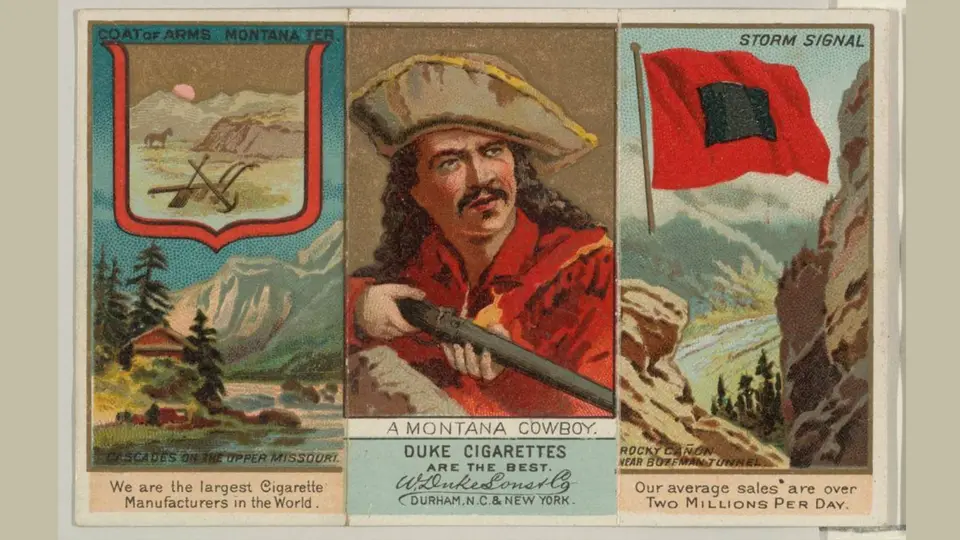
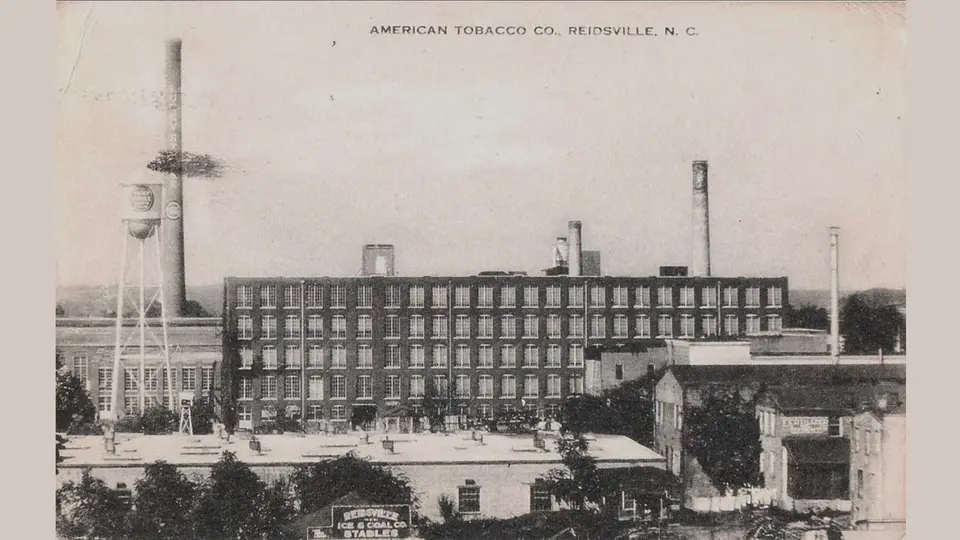
Late 19th Century (1880–1914) – Consolidation and the Tobacco Trust
By the late 1800s, the tobacco industry was consolidating. The formation of the American Tobacco Company in 1890 under James B. Duke marked a pivotal moment, merging over 200 firms into a single powerhouse. This consolidation significantly impacted tobacco branding strategies over time. Advertising shifted from simple trade cards to more elaborate tin tags, color posters, and detailed packaging—all enabled by color lithography.
- Trust Formation: The American Tobacco Company dominated production and distribution, centralizing marketing decisions.
- Enhanced Visual Advertising: Lithography facilitated vibrant posters, raising brand recognition.
- Consistency and Quality: Marketing campaigns highlighted reliability and uniformity, appealing to a growing consumer base.
This consolidation not only influenced the tobacco trust era but also signaled the importance of corporate-scale marketing strategies. By pushing uniform quality and overarching brand values, the trust effectively standardized how consumers viewed cigarette products. This period reveals how famous cigarette brand campaigns would evolve, ultimately shaping consumer loyalty in the early 20th century.
Early 20th Century (1914–1950) – Mass Media and Cultural Shifts
The early 1900s introduced new channels—print magazines, newspapers, and eventually radio—that expanded the reach of tobacco advertising beyond local markets. World War I also boosted tobacco consumption, with cigarettes often included in soldiers’ rations. Companies seized the moment, refining marketing messages to target broader demographics.
- Rise of Mass Media:
- Print and radio ads showcased brand slogans, artful design, and endorsements.
- Celebrity appearances began surfacing, though not yet as pervasive as in later decades.
- Torches of Freedom:
- In 1929, Edward Bernays orchestrated a campaign to encourage women to smoke publicly by framing cigarettes as symbols of liberation.
- This act significantly shifted public perception, linking smoking with modernity and social progress.
- Impact on Women:
- Tobacco marketing moved beyond male consumers, deliberately courting female smokers.
- Smoking became a statement of independence, broadening the consumer base.
Why It Matters: This era illustrated how marketing could transform social norms—particularly the “Torches of Freedom” campaign, which redefined gender roles in cigarette ads. As mass media gained influence, how the Marlboro Man shaped tobacco branding decades later would similarly harness cultural tropes to embed smoking deeper into societal constructs.
Mid‑20th Century (1950–1970) – The Era of Doctor and Celebrity Endorsements
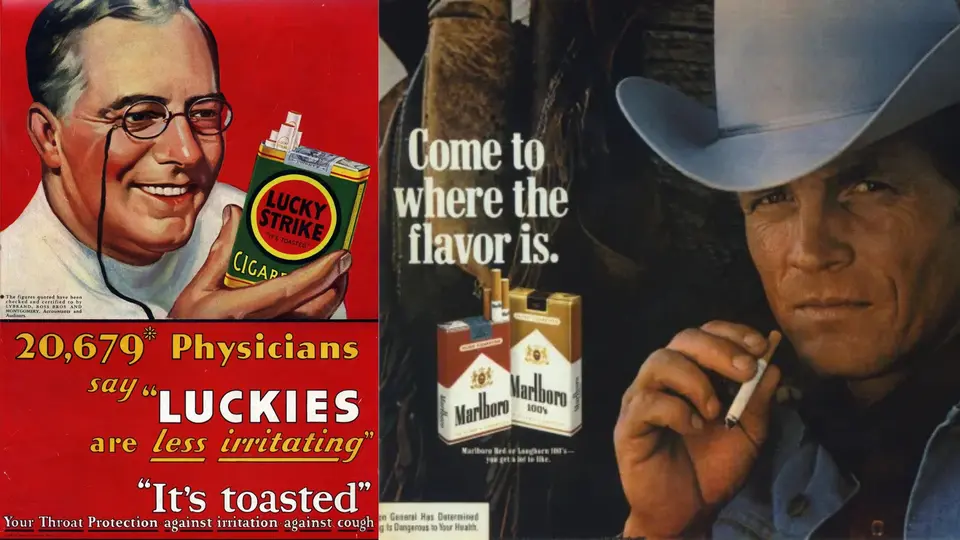
Scientific evidence linking smoking to lung cancer emerged in the 1950s, presenting significant challenges to the industry. Tobacco companies responded with proactive marketing that aimed to reassure consumers. This included doctor endorsements—a practice in which medical professionals were featured in ads, suggesting certain brands were “less irritating” or “safer”—and celebrity endorsements on TV and radio.
- Frank Statement to Cigarette Smokers (1954):
- Orchestrated by public relations firm Hill & Knowlton, the statement questioned medical research on smoking hazards.
- By sowing doubt, it attempted to delay regulatory actions and keep consumers confident in their smoking habits.
- Celebrity Sponsorship:
- Popular figures in film, music, and sports lent their names, reinforcing the idea that “if a star smokes it, it’s desirable.”
This phase reveals how tobacco industry marketing strategies adapted when facing public health controversies. The power of endorsements in shaping consumer beliefs illustrates the broad cultural impact of big advertising budgets—even when it conflicts with public health data.

Late 20th Century (1970–1990s) – Regulatory Pressures and Strategic Shifts
The 1970s brought legislative moves that dramatically altered tobacco advertising history timelines. The 1971 Public Health Cigarette Smoking Act in the United States, for instance, banned cigarette ads on TV and radio. In response, tobacco companies marketed cigarettes through alternative avenues.
- Pivot to Print and In-Store Promotions:
- Print magazines, newspapers, and point-of-sale displays became primary marketing platforms.
- Iconic tobacco ads like the Marlboro Man thrived in print, emphasizing rugged individualism.
- Sponsorship of Sports and Culture:
- With broadcast ads restricted, companies sponsored car racing (e.g., Formula One), tennis tournaments, and even music festivals.
- This tactic associated tobacco brands with prestige and excitement, subtly encouraging brand loyalty.
- Youth-Targeted Techniques:
- Cartoons such as Joe Camel drew criticism for allegedly appealing to minors.
- Regulators and public health advocates pointed to these campaigns as examples of how tobacco marketing shaped public perception, especially among teens.
The increasing wave of regulation underscores how public health concerns reshaped brand strategies. Tobacco sponsorship in sports and creative promotions exemplify the industry’s resilience—while also fueling debates about the ethical boundaries of marketing an addictive product.
21st Century (2000s–Present) – Digital Transformation and Reduced‑Risk Messaging
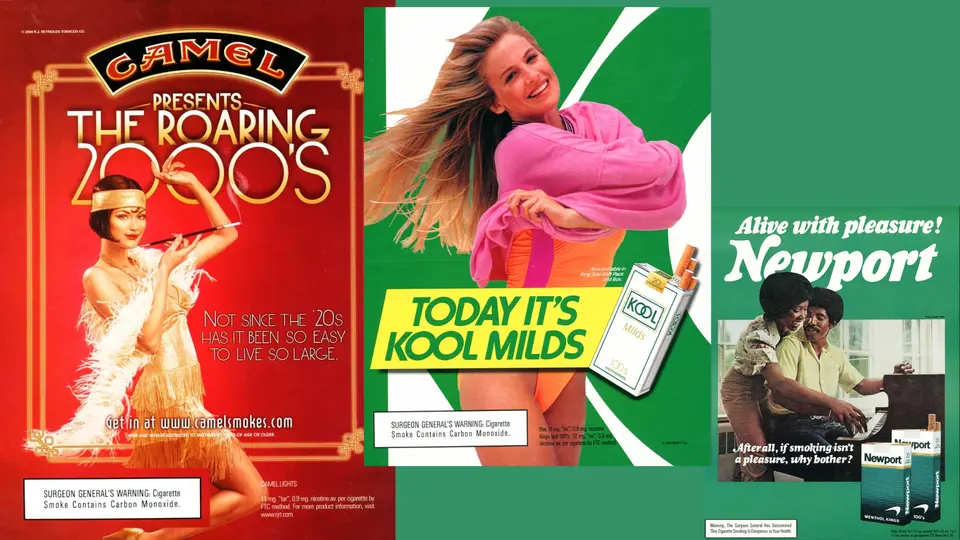
By the turn of the millennium, many nations had enforced comprehensive bans on tobacco ads in traditional media, culminating in landmark agreements like the U.S. Master Settlement Agreement (1998) and stringent EU directives. Unable to rely on high-profile TV or print spots, tobacco companies pivoted toward digital tobacco marketing and indirect promotion.
- Social Media & Influencers:
- Although direct tobacco advertising on platforms like Facebook or Instagram is heavily restricted, some companies use subtle product placements or lifestyle-based posts to maintain visibility.
- Brand ambassadors or influencers in certain regions may still promote “heated tobacco” or e-cigarette products.
- Shift to Reduced‑Risk Products:
- E-cigarettes, heat-not-burn devices, and vape pods now dominate marketing discussions.
- With slogans focusing on “less harmful” or “reduced risk,” the industry strives to adapt in an era of anti‑smoking laws and heightened consumer awareness.
- Global Discrepancies in Regulation:
- While Western nations impose rigid rules on advertising, emerging markets sometimes have more lenient policies, offering new growth avenues for tobacco brands.
Even under heavy regulation, the industry’s digital pivot reveals continuous attempts at shaping consumer habits. These modern tactics underscore an evolving battlefield where anti-smoking campaigns and regulatory bodies challenge an industry seeking to remain profitable by diversifying into new product lines.
Societal Influence, Public Perception, and the Future
Beyond promotional techniques, how tobacco marketing shaped public perception is evident in the long history of advertising that intertwined smoking with social status, freedom, and fashion. Hollywood once glamorized cigarettes, from Humphrey Bogart’s classic poses to James Dean’s rebellious image, reinforcing the cultural cachet that tobacco marketers had carefully built.
Key Observations
- Regulatory Impact: As laws banned certain ads, tobacco companies consistently found creative alternatives—sports sponsorships, stealth marketing, or digital channels.
- Public Health Perspective: Anti-tobacco campaigns paralleled marketing efforts, using stark imagery and evidence-based facts to discourage smoking.
- Shifting Demographics: While Western markets tighten restrictions, tobacco manufacturers increasingly target emerging markets, reflecting new battlegrounds for brand expansion.
Modern-Day Legacy
- Continued Controversy: Disputes regarding e-cigarettes or heated devices mirror older debates, indicating the cyclical nature of tobacco marketing controversies.
- Corporate Responsibility: Some tobacco giants now claim to support harm reduction or cessation tools, yet critics argue these moves keep them relevant and profitable despite lower smoking rates.
- Educational Campaigns: Health authorities and NGOs persist with anti‑smoking ads, highlighting the long-term health and economic costs associated with tobacco.
The journey of tobacco advertising, from newspaper classifieds to influencer partnerships—serves as a cautionary tale about marketing an addictive product in a world increasingly conscious of public health and consumer well-being. While new technologies and regulations shape the industry’s present and future, the legacy of iconic campaigns remains a pivotal chapter in global advertising history.
Looking Ahead: Lessons from Tobacco Marketing
The history of tobacco marketing is a microcosm of changing societal values, technological advancements, and regulatory landscapes. What began as local pitches in 18th-century newspapers evolved into powerful global campaigns that at one point featured doctors, celebrities, and even cartoon mascots. As evidence mounted about the harms of smoking, governments and health advocates enacted bans and restrictions, forcing tobacco companies to adopt new mediums, from sports sponsorships to digital influencer tie-ins.
Ultimately, tobacco advertising has left an indelible mark not only on the advertising industry but also on public health debates worldwide. Whether one sees it as an ingenious case study in branding or an ethical misstep in consumer culture, the evolution of cigarette advertising serves as a rich lesson in how corporate interests, government policies, and cultural norms intersect. As the battle over reduced-risk products continues, and as digital strategies become more sophisticated, the story of tobacco marketing remains an ongoing narrative: a testament to the complexities of selling a product deeply entwined with both commerce and public welfare.



%2520(1).png)






