The most successful PR campaigns are not all publicity stunts. Some manage a crisis, some reposition a brand, and others turn a cultural insight into a conversation people choose to join. This article contains nine case studies, not ten, ranging from Tylenol’s 1982 recall to Red Bull Stratos in 2012. The useful comparison is not which campaign was “best,” but how each matched communication, evidence, timing, and brand behavior to the problem in front of it.
Johnson & Johnson – Tylenol Cyanide Crisis (1982)
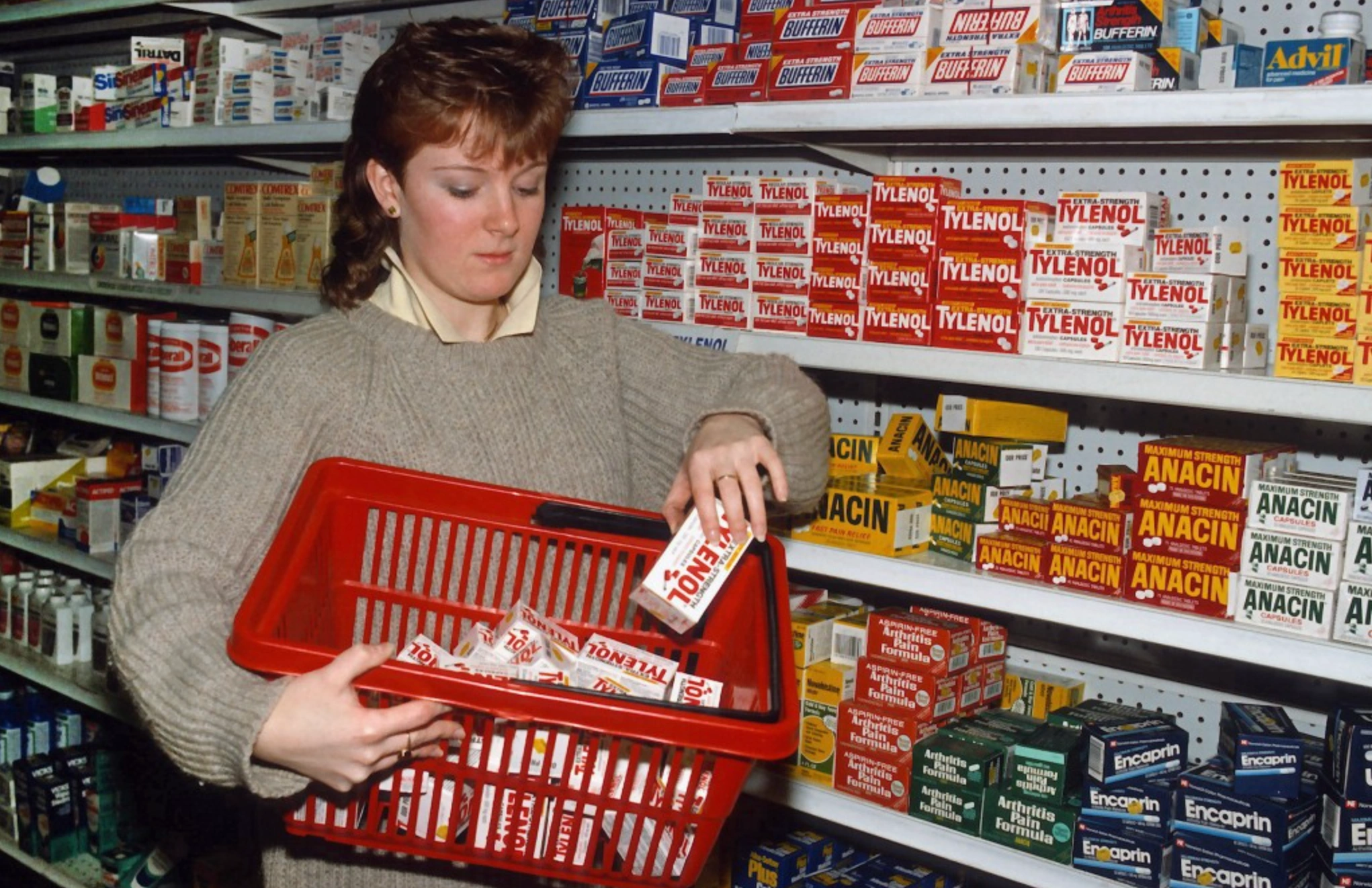
The 1982 Tylenol poisonings killed seven people in the Chicago area after capsules were laced with cyanide. The deaths triggered a national product-safety crisis. Johnson & Johnson and its McNeil unit warned consumers and issued a nationwide recall of more than 31 million bottles. FDA history also records that the poisonings led to federal tamper-resistant packaging requirements in 1982.
The lasting lesson is the priority order: safety first, factual updates second, reputation recovery later. The company also reintroduced Tylenol with tamper-resistant packaging rather than treating communication as a substitute for product changes. For current health organizations, health and wellness marketing has to preserve that same distinction between clear public communication and the underlying clinical, regulatory, or operational response.
PepsiCo – Diet Pepsi Syringe Hoax (1993)
In June 1993, reports of syringes allegedly found in Diet Pepsi cans spread across the United States. Pepsi worked with the FDA and law enforcement while demonstrating how its canning process worked. The existing case-study summary describes the company’s decision not to launch a broad recall, while contemporary reporting documented that investigators increasingly identified the reports as hoaxes.
The response depended on evidence rather than reassurance alone. Pepsi showed the production process publicly, and surveillance footage from one reported incident helped demonstrate post-production tampering. The case is useful because the company did not copy the Tylenol playbook mechanically: different evidence led to a different operational response, even though both situations required frequent public communication.
Apple – “Think Different” Rebrand (1997)
By 1997, Apple needed to clarify what the company stood for as Steve Jobs returned and the product line was being simplified. The “Think Different” campaign used cultural figures such as Einstein, Gandhi, and Picasso, an approach described in this campaign retrospective. Apple’s own 50th-anniversary material now cites the 1997 “Think Different” campaign as part of the company’s history.
The campaign is better understood as positioning work than as proof that advertising alone caused Apple’s turnaround. It gave the company a recognizable idea while product and business changes were happening in parallel. The existing rebrands link remains useful here, and the same kind of reset benefits from evidence-led brand research and a clear brand strategy before new creative is rolled out.
Old Spice – “The Man Your Man Could Smell Like” (2010)
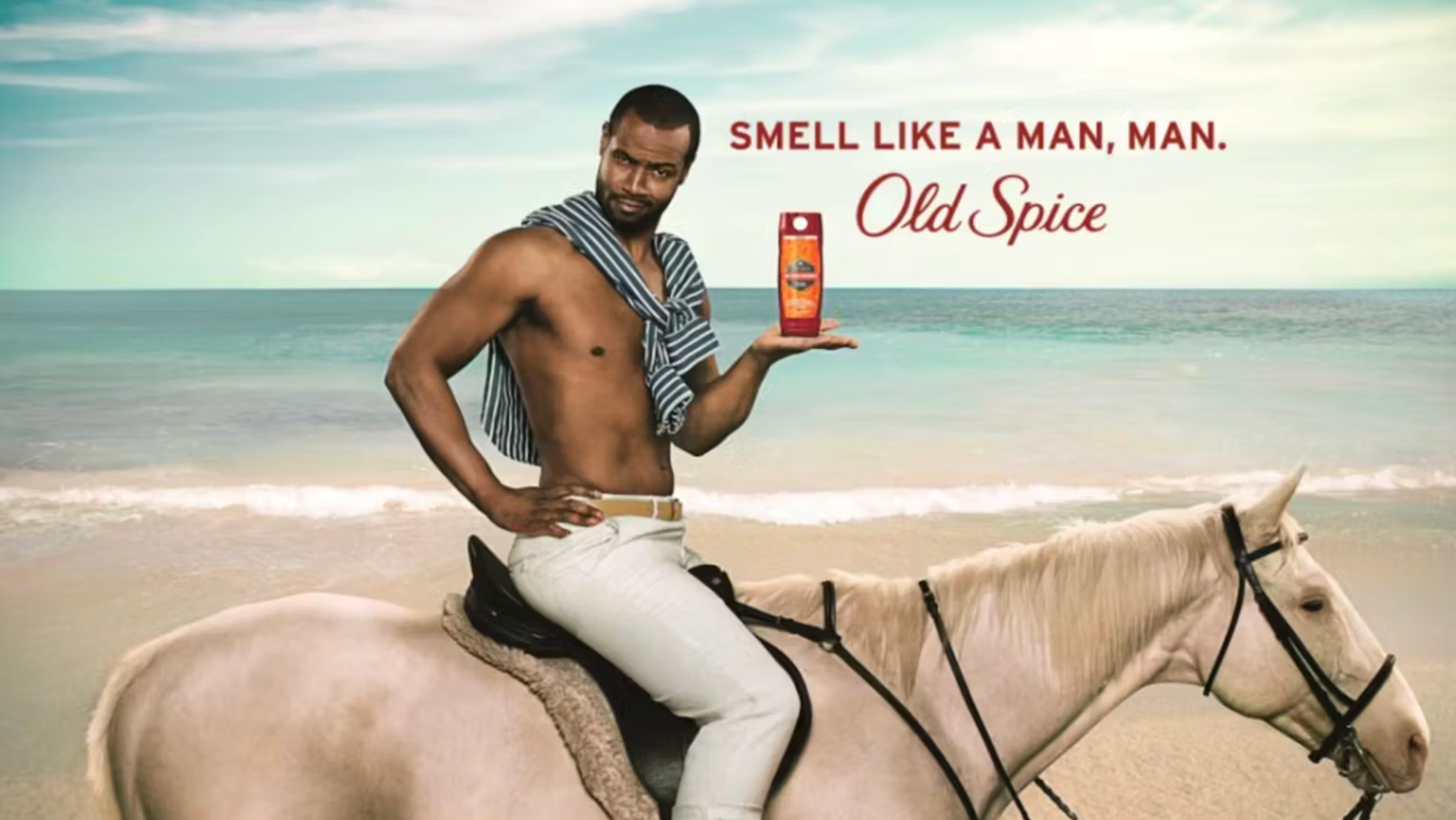
Old Spice refreshed its image with “The Man Your Man Could Smell Like,” starring Isaiah Mustafa. The original external article previously linked here now returns a confirmed 404, so it has been replaced with Wieden+Kennedy’s campaign history. The agency says the campaign launched online during Super Bowl weekend in February 2010 and moved to television shortly afterward, rather than airing as a Super Bowl commercial itself.
The follow-up “Response” campaign expanded the idea by producing real-time YouTube replies to fans and celebrities. The existing third-party report that sales rose by over 107% in some weeks following launch is one measure; Wieden+Kennedy reports that Red Zone Body Wash sales were up 60% year over year by May and had doubled by July. The stronger lesson is not the precise percentage but the continuity between television creative, humor, and interactive social response. That consistency is also what makes broader brand images coherent instead of a collection of disconnected posts.
Domino’s Pizza – “Pizza Turnaround” (2009–2010)
Domino’s confronted harsh product feedback in the late 2000s and made that criticism part of its “Pizza Turnaround” documentary-style campaign. The brand showed negative comments, introduced a reformulated pizza, and had CEO Patrick Doyle address quality criticism directly in the apology-led campaign. Domino’s later described the transformation as beginning with the late-2009 launch of Pizza Turnaround.
The change was not only rhetorical. Domino’s company reporting said U.S. same-store sales were up 11.6% through the third quarter of 2010, while later company materials called Pizza Turnaround a landmark brand transformation. For food and beverage marketing, the case shows why a communications reset works best when the product, photography, customer feedback, and message all change together.
Burberry – Luxury Repositioning (2006–2010)
Burberry’s repositioning under CEO Angela Ahrendts and creative leadership from Christopher Bailey addressed a brand that had become heavily licensed and overexposed. The turnaround reduced licensing, refocused on core products and British heritage, and paired that work with digital investment. Burberry also became an early luxury adopter of live-streamed runway shows, expanding direct digital access to the brand.
The useful rebranding lesson is preservation, not erasure. Burberry did not discard the trench coat, check, or British identity; it changed how those assets were controlled and presented. A specialist rebranding agency faces the same underlying question: which recognition still earns value, and which associations need to change?
Dove – “Campaign for Real Beauty” (2004–Present)
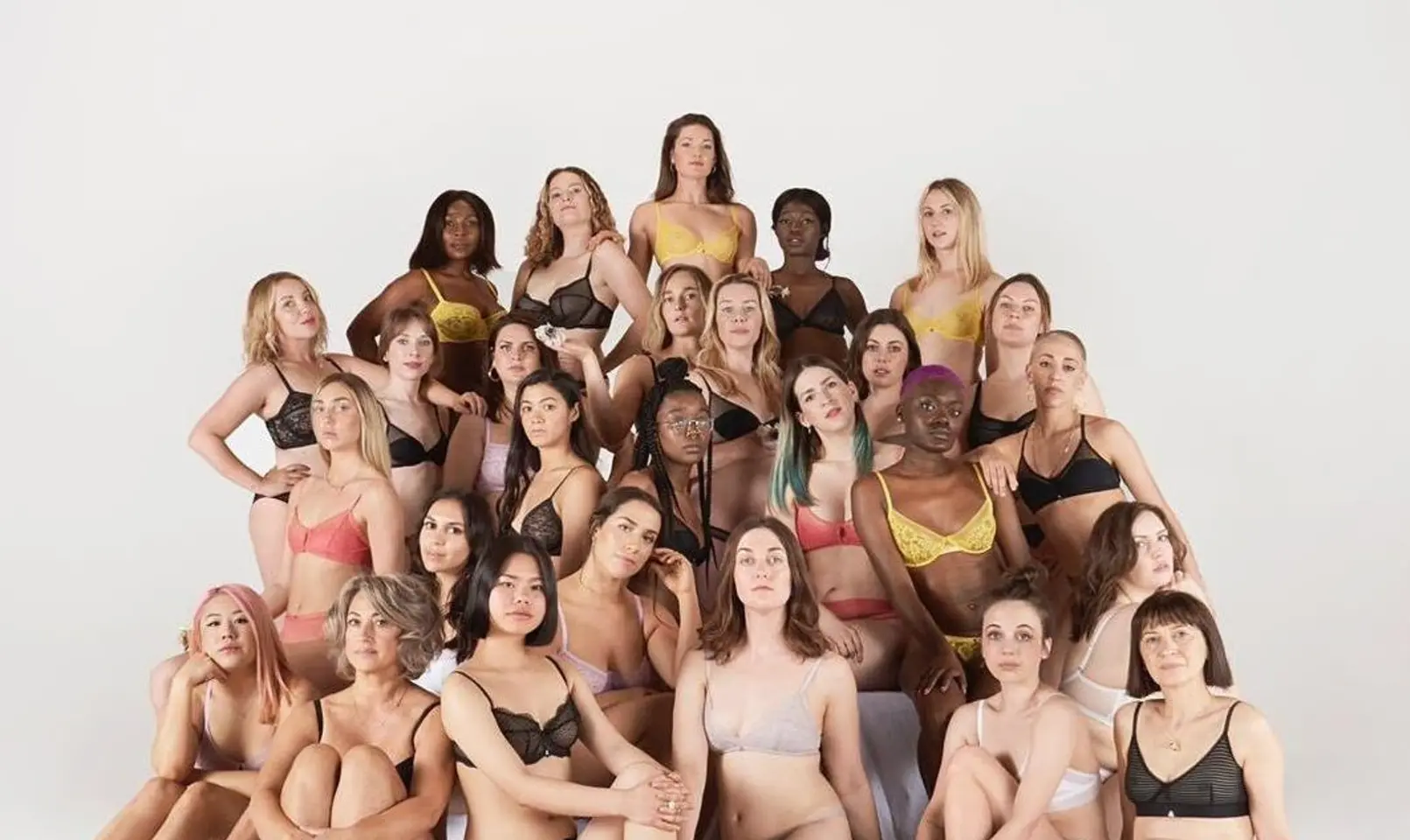
Dove launched the Campaign for Real Beauty in 2004, challenging narrow beauty stereotypes with advertising featuring women outside the industry’s conventional model imagery. Later work, including “Evolution,” extended the argument by showing how makeup, lighting, and image manipulation can change what audiences see in advertising.
The campaign endured because the theme became a long-term platform rather than a one-season claim. Dove still describes Real Beauty as a multi-decade commitment and has linked it to body-confidence education. That longevity is a stronger measure of strategic consistency than an isolated sales statistic, especially for a campaign built around a social issue.

Always – “#LikeAGirl” (2014)
Always launched #LikeAGirl in 2014 to challenge the use of “like a girl” as an insult and its effect on confidence around puberty. The campaign video contrasted how older participants interpreted the phrase with how younger girls performed the same actions, turning a familiar expression into the central research and creative idea.
Always continued the platform with later iterations rather than treating the first video as a standalone viral hit. The existing emotional brand storytelling link is useful here because the campaign joined an emotional insight to a specific question about confidence. The transferable lesson is to ground purpose-led creative in evidence and a clearly defined audience problem.
Red Bull – “Stratos Space Jump” (2012)
Red Bull Stratos turned an extreme-sports sponsorship into a live global media event. In October 2012, Felix Baumgartner jumped from roughly 128,000 feet, breaking the sound barrier during the freefall. The stunt aligned unusually closely with Red Bull’s long-running association with extreme sport and adventure.
The YouTube livestream topped 8 million concurrent viewers, which YouTube confirmed at the time. The useful PR lesson is not that every brand needs a dangerous spectacle. Stratos worked because the event, content, sponsorship history, and brand promise all pointed in the same direction.
What These Nine PR Campaigns Have in Common
These nine examples span crisis response, repositioning, social-purpose work, product reformulation, and live spectacle. Their common feature is not a single PR tactic. Each paired communication with something observable: a recall, production evidence, a new recipe, a longer-term brand platform, or a real event audiences could witness. Before copying the visible campaign idea, teams should identify the underlying problem, what evidence the public needs, and what behavior has to change inside the organization.
For organizations deciding whether the need is crisis communication, repositioning, campaign planning, or a broader brand reset, a marketing consultation can help define the scope before execution.