Marilyn Monroe remains one of the most recognizable figures in twentieth-century popular culture. Her public identity combined film performance, studio publicity, fashion, photography, comedy, and sex appeal into a set of cues audiences could identify quickly. That is why the Marilyn Monroe brand still appears in fashion references, films, advertising, exhibitions, and celebrity culture decades after her death.
The story is more useful when the mythology is separated from what can actually be documented. Monroe participated in shaping her public image, benefited from it, and later fought for greater control over her career. Studios, photographers, publishers, journalists, and audiences also shaped what “Marilyn Monroe” came to mean. The result was not a perfectly controlled personal brand. It was a public identity created through both agency and outside pressure.
From Norma Jeane to Marilyn Monroe
Before there was the Marilyn Monroe brand, there was Norma Jeane, born into uncertainty and raised under difficult circumstances. Orphanages, foster homes, and frequent moves were part of her early life. As a young adult she began modeling, learned how photography could transform appearance, and moved into film work. Those documented steps are enough to explain the beginning of the public transformation without assigning motives or emotions that cannot be verified.
The name “Marilyn Monroe” emerged thanks to Hollywood executives wanting something more marketable than the humble, girl-next-door “Norma Jeane.” Time’s account says Fox executive Ben Lyon suggested “Marilyn,” recalling stage performer Marilyn Miller, while Monroe supplied a family surname from her mother’s side. From a modern brand strategy perspective, the change mattered because it created a short, memorable identity that could accumulate meaning across films, photographs, interviews, and publicity. Monroe later legally adopted the name, making the public identity more than a temporary screen label.
Becoming the Blonde Bombshell: Crafting an Iconic Persona
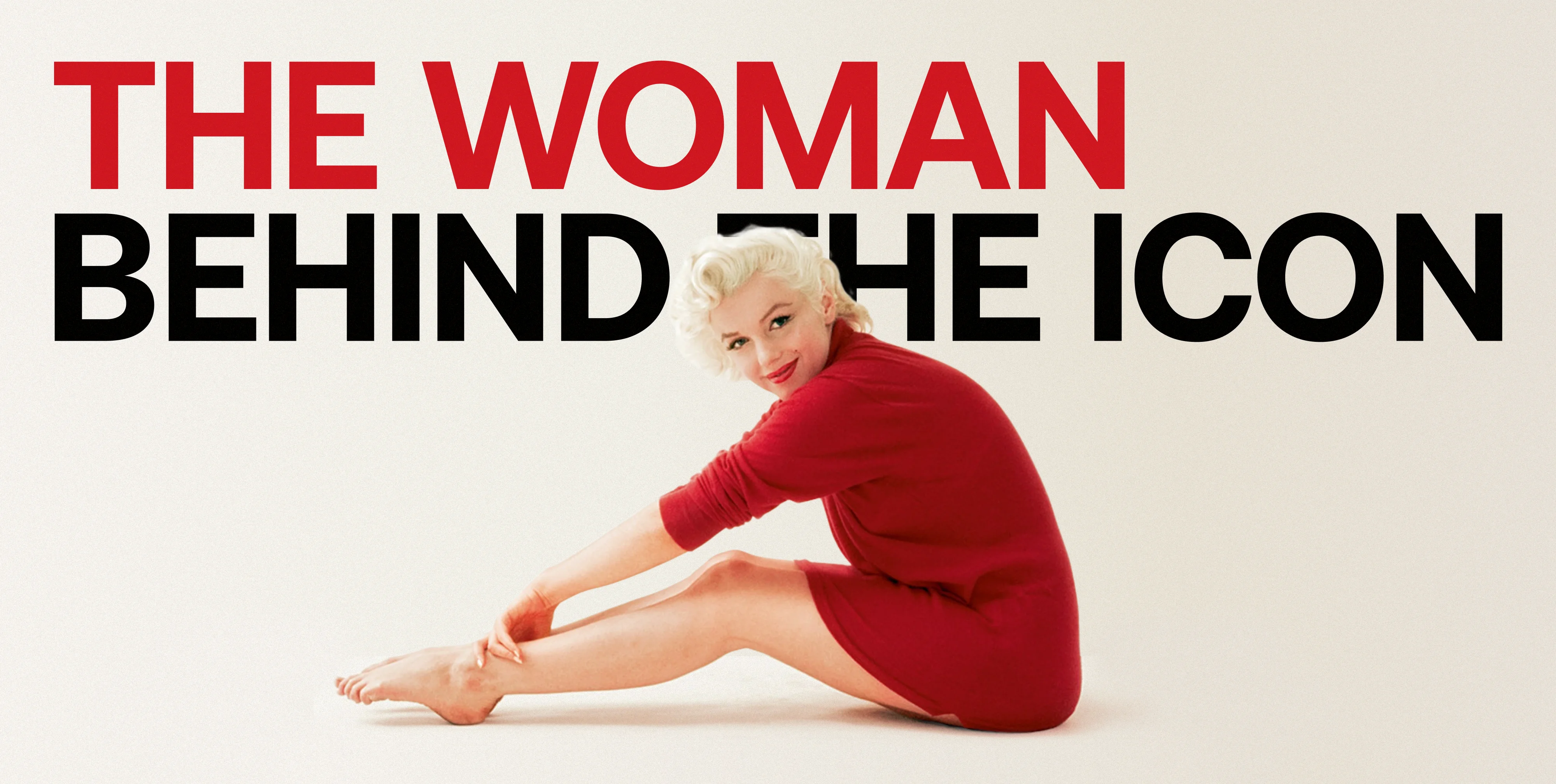
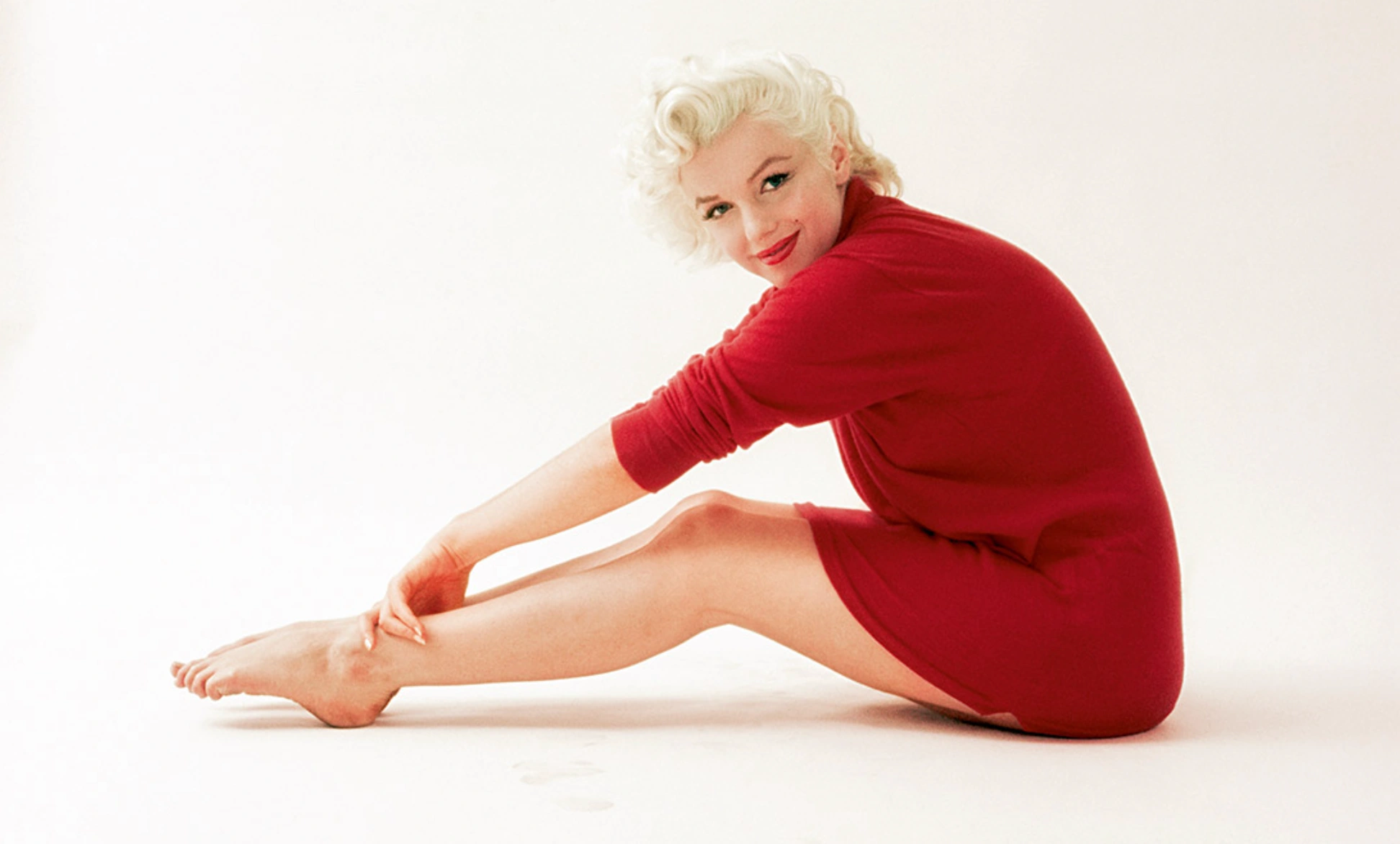
Monroe’s transformation also depended on a visual system repeated across films, publicity photographs, magazines, and appearances. This bold hair color, paired with tight-fitting dresses, perfect red lipstick, a seductive beauty mark and a breathy voice, became part of a look audiences could identify quickly. Hair, makeup, wardrobe, lighting, photography, studio publicity, and Monroe’s own camera awareness all contributed to that recognizable visual identity. The image generated enormous attention, but it also narrowed the roles she was commonly offered, helping explain why she later pursued more acting study and professional control.
But it wasn’t simply about physical appearance. She studied magazines, observed other starlets, and practiced how to speak, walk, and pose to market herself as the ultimate fantasy figure. She astutely recognized the attention that sex appeal generated and leveraged it into a star-making tool. By donning the blonde bombshell image, Monroe quickly caught the public’s eye, leading men to swoon and producers to scramble for her presence in films. This persona wasn’t just an accidental product of Hollywood. It was her calculated effort to craft the Marilyn Monroe brand into the most desirable star in an industry that thrived on glamour. The result: her fame skyrocketed almost overnight, leaving audiences clamoring for more of that signature blend of innocence and seduction.
A Symbol for the Male Gaze
Monroe’s dazzling presence soon propelled her to the forefront of Hollywood, especially under the era’s objectifying lens. Post-war America was entering a new chapter of consumer-driven culture, and female sexuality emerged as a potent marketing weapon. Nobody embodied it better than Monroe. She learned how to play with the camera that would send hearts racing, forging an identity that catered directly to the era’s ideals of desirability. The Marilyn Monroe brand thus crystallized around this potent mixture of flirtation, warmth, and mystery, ensuring her place as a universal sex symbol.
The Dress Scene vs. Reality: Voyeurism and Her Image
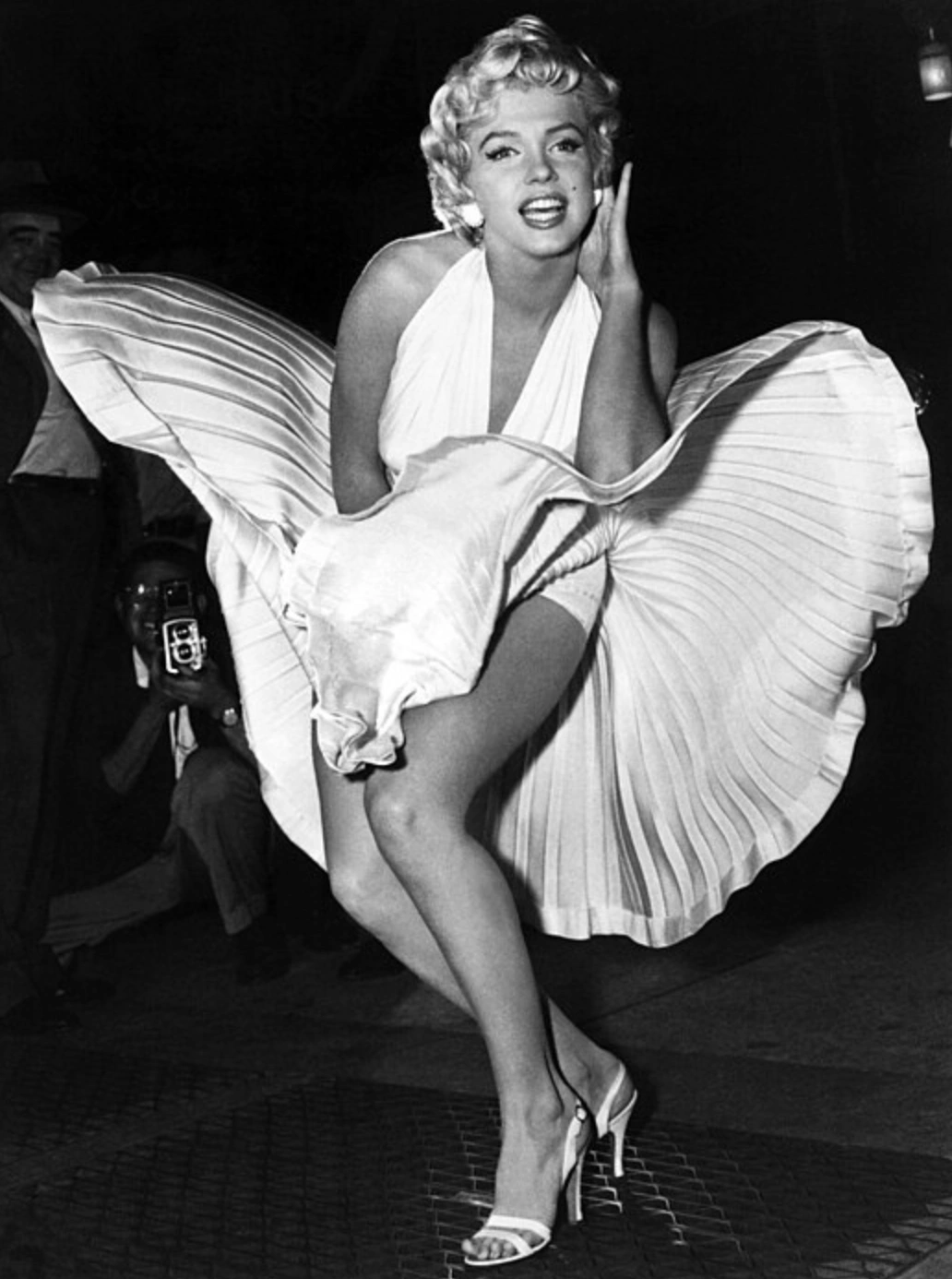
The swirl of press coverage around the “dress scene” in The Seven Year Itch—where thousands of onlookers yelled “Do it again!” shows how deliberately publicity and spectacle could merge around a star. The New York location shoot drew a large crowd and many photographers. The noise made the footage difficult to use, so the scene was later re-shot on the Fox lot, while the location photographs became part of the movie’s promotional mythology.
The moment is a useful example of entertainment marketing. A single visual traveled far beyond the film and became a shorthand for Monroe herself. The image became commercially valuable because newspapers, photographers, the studio, audiences, and later pop culture all kept repeating it, not because we can know exactly how Monroe privately interpreted every moment of the shoot.
The Playboy Moment: Fame Without Consent
Monroe’s connection to Playboy is often summarized too loosely. The first issue of Playboy featured her on the cover in 1953—but she did not pose for the magazine. The nude photographs had been taken by Tom Kelley in 1949, years before Playboy existed. She was paid for that original modeling session, and the photographs later changed hands. Later, without her knowledge, Hefner purchased the rights to these images. Monroe was not involved in the decision to publish them in Playboy and did not receive additional compensation from the magazine.
This incident underscored a recurring pattern in Monroe’s life: powerful men claimed ownership, literal or metaphorical, over her image, seeing it as a vehicle to build empires. Indeed, Hefner’s career catapulted largely on the back of that inaugural cover, establishing Playboy as a daring new force in publishing. Compounding the irony, he later bought a burial plot next to Monroe for $75,000, reportedly so he could spend “eternity” by her side—a decision sparking debate on whether she would have wanted such company in death. The lack of her direct involvement or ongoing consent only magnified the notion that men sought to control her, project fantasies onto her, and exploit her magnetism for profit. Yet this unauthorized exposure also fed the legend: the Marilyn Monroe brand became more intriguing precisely because she occupied a world in which she was both desired and commodified by those who saw only her outer glow. Men clamored to align themselves with her mystique, furthering the belief that she was an elusive trophy, even in death, and paradoxically intensifying the public’s fascination with her struggles and ultimate tragedy.
The JFK Birthday Performance: Crafting a Femme Fatale Aura
Among the enduring episodes of Monroe’s story is her 1962 rendition of “Happy Birthday, Mr. President” for John F. Kennedy. Her breathy delivery and flesh-toned gown became instant spectacle, and it generated endless rumors about whether she was indeed the president’s mistress. Those rumors remain part of pop culture, but they should be presented as rumors rather than established fact. What is clearly documented is the cultural afterlife of the performance and the dress associated with it.
Men found her irresistible, women found her mystifying, and gossip columnists found her an endless source of tantalizing stories. The enigma of whether she and JFK truly had an intimate relationship lingered, further immortalizing her in pop-culture folklore. That night, she overshadowed Washington politics and signaled just how potent her star power could be. A simple birthday serenade became a cultural event, underscoring that Monroe’s control of the spotlight wasn’t accidental. She had a knack for turning every moment into a talking point. But beyond the performance, the gown she wore that evening became just as legendary, evolving into one of the most celebrated dresses in Hollywood history.
The Jean Louis-designed gown, encrusted with over 2,500 hand-sewn crystals, was created specifically to mold to Monroe’s body like a second skin, making it one of the first dresses of its kind to achieve such a daring, nearly nude illusion on stage. The way it shimmered under the lights, paired with Monroe’s breathy delivery, solidified it as one of the most iconic fashion moments in history. Hollywood’s fascination with this dress has endured for decades, culminating in Kim Kardashian’s controversial decision to wear the exact same gown at the 2022 Met Gala. Kardashian’s choice reignited debates about Monroe’s legacy, fashion preservation, and the reuse of historic celebrity imagery. Brand Vision’s analysis of Kim Kardashian’s branding strategy offers a modern comparison for how public appearances and fashion moments can become extensions of a wider celebrity identity. The gown’s continuing cultural value comes from the meaning accumulated around Monroe’s original performance, not just the object itself.
View this post on Instagram
A post shared by Kim Kardashian (@kimkardashian)
A Force of Nature or a Woman Controlled?
While Monroe’s public image gratified the male gaze, she was never entirely helpless in shaping her trajectory. She stood her ground against studios, fought for more nuanced acting roles, and even formed her own production company. Defying the dumb-blonde stereotype, she studied acting rigorously at the Actors Studio and devoured literature in her downtime. Despite studios pushing her to stay within the comedic or provocative mold, she exhibited glimpses of dramatic range that could have changed her career path had Hollywood been more supportive.
Her career also shows why recognition and control are not the same thing. Studios profited from a reliable blonde-bombshell image, while Monroe increasingly pursued stronger roles and more say over scripts and directors. Marilyn Monroe Productions made that conflict unusually visible: she was not rejecting comedy or glamour altogether, but trying to expand what the established image allowed her to do. The public persona created leverage, yet the success of that persona also gave studios and audiences a reason to resist change.
Hollywood’s Enduring Obsession with the Blonde Bombshell
Hollywood’s enduring fascination with the blonde bombshell has spanned generations, with modern actresses like Pamela Anderson, Margot Robbie, and Sydney Sweeney finding themselves in roles that echo a familiar narrative. Many argue that their introductions to mainstream success were tied to their desirability, with breakthrough roles that emphasized nudity or sexuality. Whether it was Robbie’s breakout role in The Wolf of Wall Street, Sweeney’s portrayal in Euphoria, or Anderson’s rise through Baywatch, these moments cemented their status as icons of beauty before their full range of talent was recognized. While each has since built an impressive career beyond these initial roles, their journeys highlight Hollywood’s ongoing reliance on physical allure as an entry point for leading women.
Despite changes in the industry, many of the challenges Monroe faced still resonate today. Being perceived as a sex symbol often comes with the struggle of being taken seriously, something Robbie, Sweeney, and Anderson have all openly addressed. Monroe, despite her intelligence and ambitions, was often underestimated beyond her on-screen persona, a dynamic that persists in conversations about today’s blonde bombshells. While these actresses have gained more agency over their careers through producing, advocating for diverse roles, and reclaiming their narratives, they still navigate an industry that continues to market them in a way that prioritizes aesthetics before depth.
Monroe’s legacy as the original Hollywood blonde bombshell remains influential, but the industry’s treatment of women in this role has evolved only incrementally. Actresses like Robbie, Sweeney, and Anderson continue to challenge the expectations placed on them, proving that their talent extends far beyond the image that initially made them famous. Though each has worked to redefine her public persona, their careers reflect a broader conversation about how Hollywood continues to shape, sell, and sometimes confine the blonde bombshell archetype. While these women have more opportunities and creative control than their predecessors, their experiences serve as a reminder that the allure of the bombshell still holds a firm grip on the industry’s imagination.

The Impact of Fame on Her Personal Struggles
Monroe’s health, marriages, pregnancy losses, work difficulties, medication use, and tabloid scrutiny are part of the biographical record, but they are often retold as if a narrator can know exactly what she felt or what caused each difficult period. A branding analysis does not need to diagnose her or turn private suffering into a marketing explanation.
Monroe was married and divorced three times, to James Dougherty, Joe DiMaggio, and Arthur Miller. Sources also document pregnancy losses during her marriage to Miller. Those facts are enough to show how much of her private life became public material without claiming access to her internal state.
The distinction matters because celebrity biographies often turn documented events into one seamless psychological explanation. Monroe has attracted especially heavy interpretation because her death fixed the public record before she could narrate later decades in her own words. It is more responsible to separate documented events from later attempts to explain her entire personality through them.
A Carefully Marketed Persona
Monroe’s rise was inextricably tied to orchestrated promotions, whether by studios, her own managers, or the swirling rumor mill. Iconic photos—like those from the Playboy spread or the breezy The Seven Year Itch shoot—emerged not by chance but through calculated decisions to position her as the apex of sex appeal. Every scandal, real or contrived, propelled her name further into stardom’s orbit. In a sense, she was living proof of how well controversy sells, perpetuating the belief that the Marilyn Monroe brand thrived on the tension between innocence and provocation.
She also used visibility for her own professional ends. She pushed for contract changes, sought roles that could show more range, created a production company, and studied acting. Those decisions do not mean she controlled every use of her image. They show that the Marilyn Monroe brand was jointly produced by Monroe and the institutions around her. Recognition created bargaining power, but it also made change harder because studios and audiences already understood the existing image.
The Duality of Power and Vulnerability
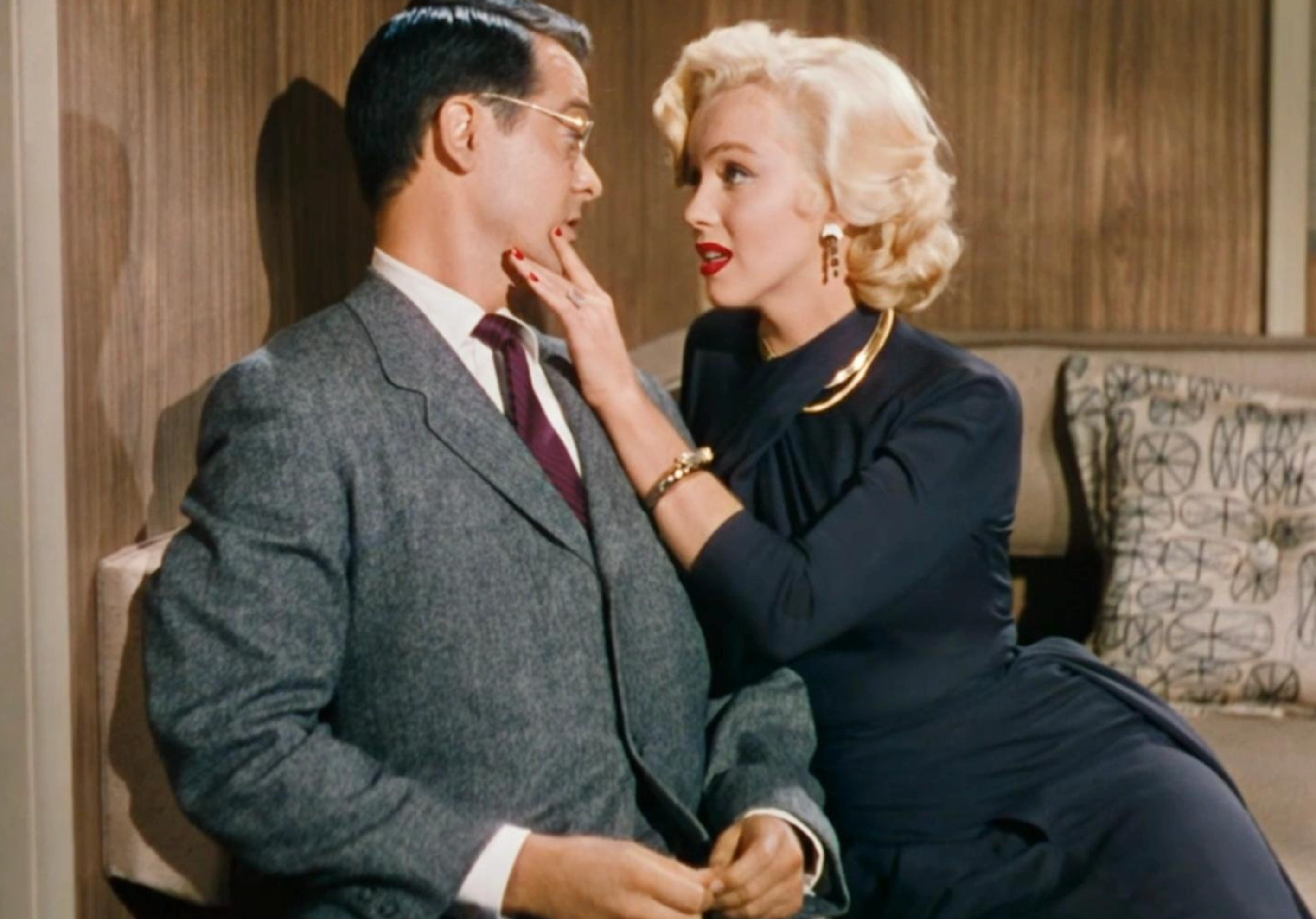
One of Monroe’s enduring paradoxes lies in how the Marilyn Monroe brand implies subservience to the male gaze, yet she commanded extraordinary influence over men in the film industry. Directors describe how entire sets quieted when she walked in, her presence magnetizing the camera like no other star. Her slow, whispery speech and carefully managed posture turned every glance or gesture into an invitation, a hypnotic lure. In personal relationships, some men tried to restrain her success, but the public only intensified its fascination whenever tension surfaced.
It is safer to analyze what survives on screen than to claim that private wounds directly produced the performance. Interviews, films, photographs, contracts, and career decisions are observable. Claims that one hidden motive explains her behavior move from biography into interpretation. The documented tension between a profitable public image and a performer seeking stronger work is already compelling without inventing an inner narrative.
Glamour, Materialism, and the Golden Age of Hollywood
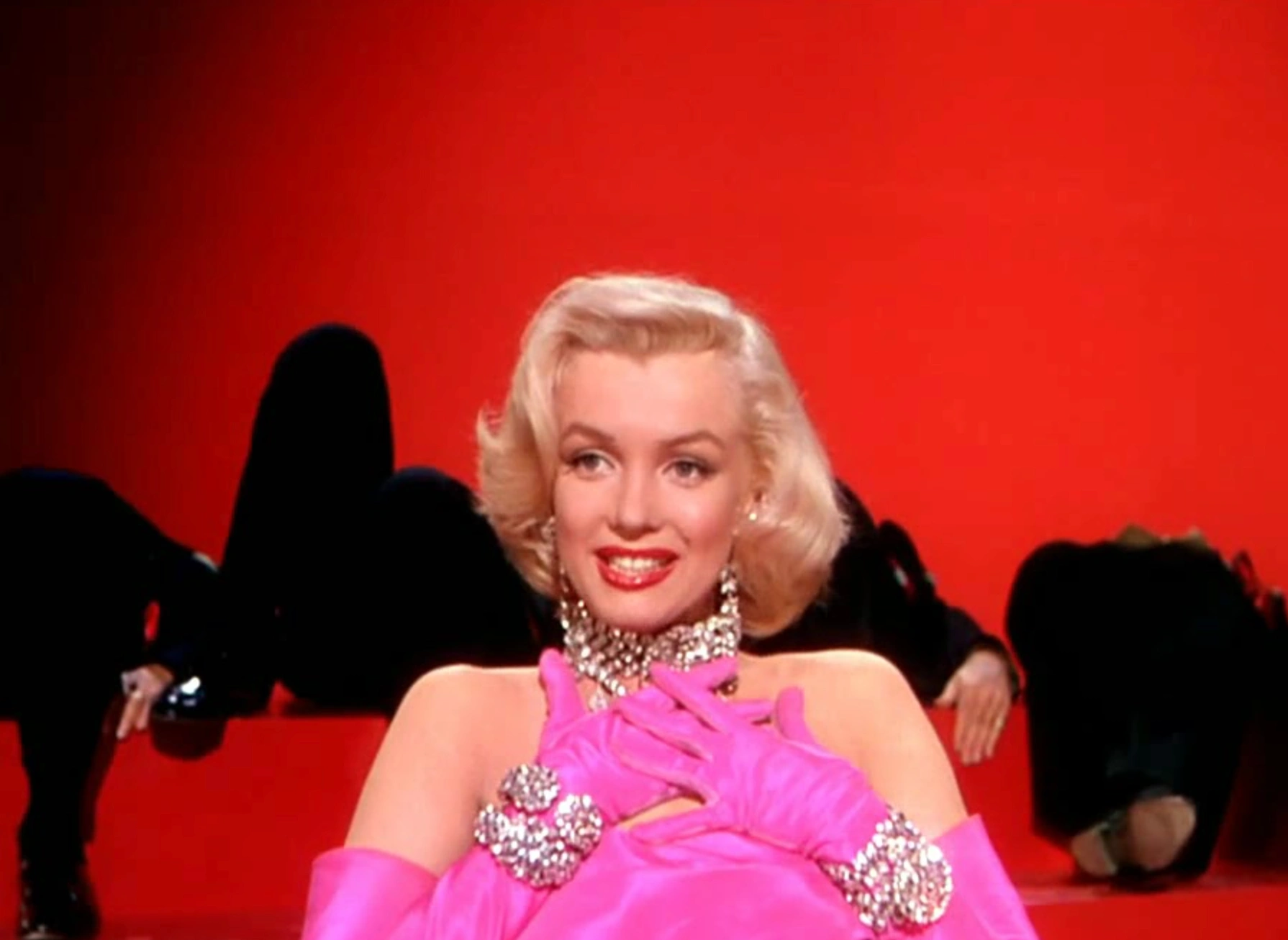
During the golden age of Hollywood, Monroe transformed a certain brand of extravagance into mainstream appeal. She famously performed “Diamonds Are a Girl’s Best Friend” in Gentlemen Prefer Blondes, veiled in pink satin and dripping with crystals. The number became a cultural touchstone: sparkling proof that indulging in luxury, excess, and materialism could serve as a gateway to fantasy for everyday audiences. Monroe’s radiant smile and playful winks signaled that it was perfectly fine to revel in glamour, to crave opulence and bright lights. Thus, she didn’t merely star in Hollywood’s most lavish productions. She became Hollywood, the brand of spectacle and stardust that so many craved.
Years later, Madonna famously paid tribute to that scene with her “Material Girl” music video, echoing Monroe’s pink-draped performance. The homage cemented Monroe’s legacy as the high priestess of luxury and feminine allure, suggesting that the Marilyn Monroe brand had transcended its original era to influence pop stars decades on. By bringing together humor, sex appeal, and a tongue-in-cheek celebration of wealth, Monroe’s persona encapsulated a universal longing for something unattainable yet irresistibly shiny. And that blend, romantic yearnings wrapped in diamond-studded fantasy, continues to define part of the Hollywood dream machine, illuminating how she became the living symbol of Tinseltown’s promise: perpetual youth, wealth, and perfection.
Even decades later, Monroe’s style and persona remain a source of quotation, from Madonna’s references to Gentlemen Prefer Blondes to the 2022 film Blonde. In Netflix’s account of that production, Ana de Armas attempted to channel both Marilyn’s ephemeral beauty and the tortured nuances behind the character. That wording describes the film’s interpretation of Monroe, not a neutral biography. The distinction matters because fictional portrayals can become part of the public memory around a real person, extending the Marilyn Monroe brand while also reshaping it.

The Tragic End and Its Effect on Her Legacy
Monroe’s unexpected death in 1962 due to an overdose cut her story short, preventing any post-spotlight reinventions. Historical summaries from the Smithsonian note the official finding of probable suicide from acute barbiturate poisoning. Later conspiracy theories became part of the mythology around her death, but they should not replace the documented official conclusion.
Her death at 36 also created a freeze-frame effect around the public image. Monroe did not have later decades in which to take different roles, age in public, change her style, or explain earlier choices on her own terms. Biographies, photographs, fictionalized films, exhibitions, merchandise, and celebrity homages therefore keep returning to a relatively narrow archive. That repetition has helped preserve the Marilyn Monroe brand while also making it easier for later culture to simplify the person behind it.
Why She Still Resonates
Today’s culture still references Monroe in countless ways: from museum exhibits featuring her dresses, to T-shirts bearing her face, to music videos mimicking her style. The Marilyn Monroe brand resonates because it merges extremes: empowerment and exploitation, empowerment and fragility, longing and showmanship, like no star before or since. She also symbolizes an era when womanly curves were celebrated, when glamour reigned supreme, and when the Hollywood studio system had a stranglehold on shaping star identities.
What keeps the story compelling is the documented contradiction between commercial image and professional ambition. Monroe was marketed through a narrow archetype, yet pursued serious acting study and more control over production. She benefited from publicity, yet some profitable uses of her image happened without her participation. Those tensions are more durable and more defensible than speculation about private motives.
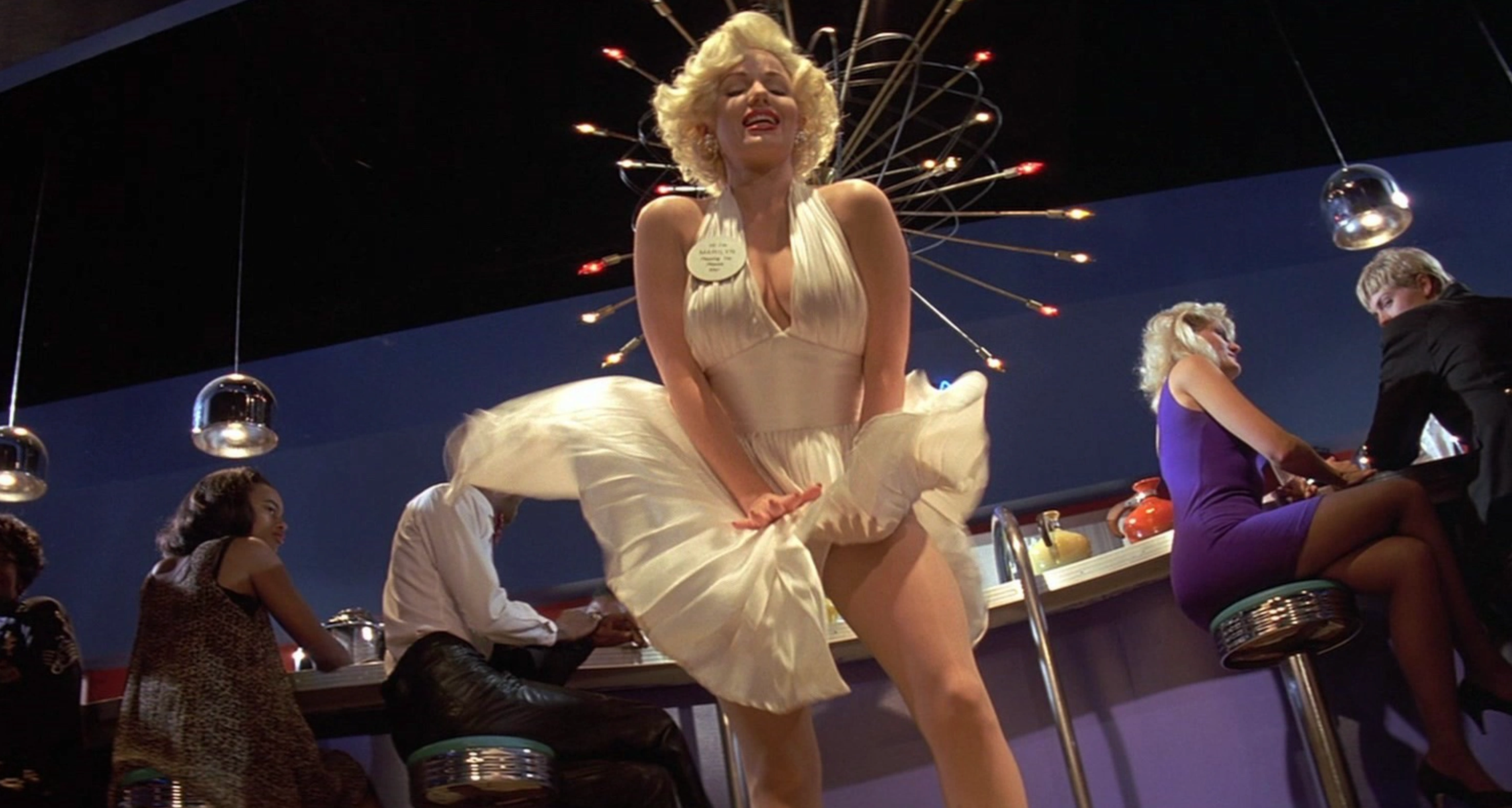
The Legacy of Marilyn’s Image
Marilyn Monroe’s transformation from Norma Jeane to a globally recognized star shows how a public identity can become a system of names, visuals, performances, narratives, and symbols. It also shows why branding a person is different from branding a product. Recognition can create opportunity and leverage, while also encouraging studios, media, and audiences to flatten a complicated person into an easy story.
The strongest lesson is not to copy Monroe’s aesthetics. It is to understand the relationship between distinctiveness and control. A recognizable image becomes more valuable when it is consistent, but a lasting public identity also needs room for change, authorship, and context. Modern public figures and founder-led businesses navigating the same tension can apply that principle through thoughtful branding rather than relying on spectacle alone.
Monroe’s iconography also became modular. The white dress, platinum curls, red lip, pink gown, and breathy performance style can each evoke the larger cultural archive on their own. Every later reference adds another layer of recognition. That cumulative reuse, not one isolated marketing decision, is a major reason the Marilyn Monroe brand continues to function decades after the original career ended.