.avif)
Selena Gomez has extended a public identity built in music and acting into beauty, mental-wellness media, food, production, and commercial partnerships. The strongest parts of that portfolio share a common pattern: the extension feels connected to themes audiences already associate with her, including self-expression, accessibility, community, and openness.
That makes Gomez a useful case study in brand strategy. Celebrity reach can create an opening, but the ventures that hold attention need their own product logic, audience fit, and reason to exist beyond the founder's fame.
.webp)
Rare Beauty: Turning Purpose Into a Brand System
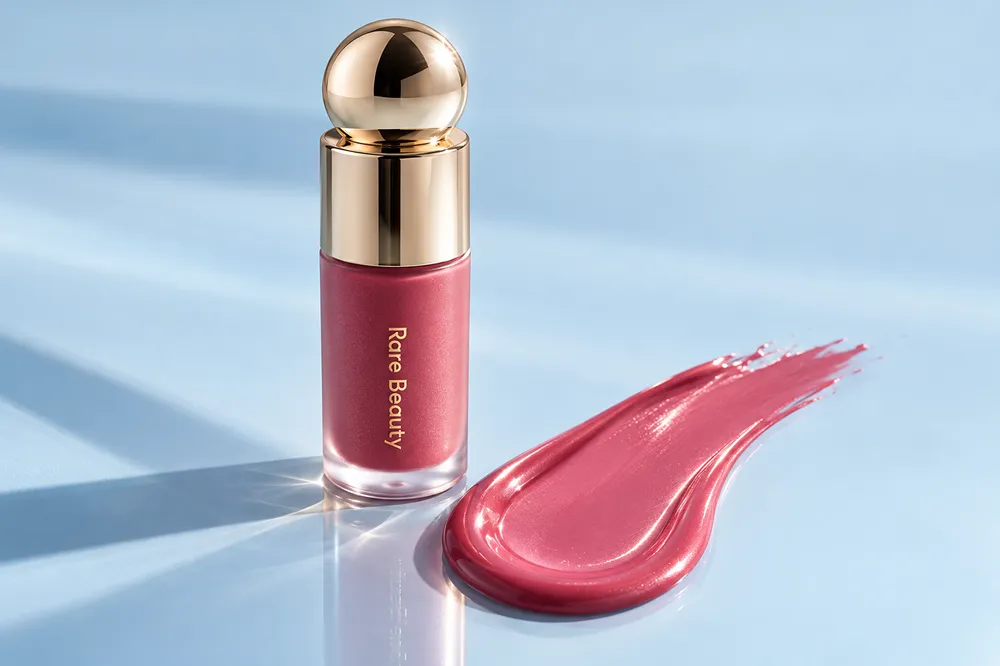
Gomez launched Rare Beauty in September 2020. Rather than relying only on celebrity association, the company built its branding around self-acceptance, approachable products, inclusive representation, and a close connection between product storytelling and mental-health advocacy. Rare Beauty's own brand story continues to frame the company around challenging unrealistic standards and helping people feel comfortable with what makes them unique.
The audience fit is a large part of the strategy. Rare Beauty's campaigns, creator content, product demonstrations, and community posts make the brand feel less like a distant celebrity license and more like a consumer brand with a defined point of view. That is where brand research matters: the promise has to reflect what customers value, but it also has to be specific enough to guide product, messaging, partnerships, and experience.
.webp)
Mental health is not treated as a separate campaign theme. Rare Beauty says that 1% of all sales goes to the Rare Impact Fund, which works to expand access to mental-health services in educational settings. The company also maintains mental-health resources and community programming around that commitment.
For brands working near health and wellness marketing, that integration is important. A cause is more credible when it is connected to funding, product decisions, community programs, and the customer experience rather than added to a campaign after the fact.
.webp)
The products also have to support the message. Rare Beauty currently labels products across its site as cruelty-free and vegan, while specific formulas carry additional claims such as dermatologist-tested or suitable for sensitive skin. Its environmental language is more careful than the older version of this article suggested: the company describes sustainability as an ongoing effort rather than making a blanket claim that every product is eco-friendly.
Social media remains a major distribution layer, but the useful lesson is not simply that Gomez has a large audience. Rare Beauty uses tutorials, creator content, founder appearances, launches, live sessions, and community participation to give that attention something repeatable to attach to. Product demonstrations are especially useful in beauty because the format can show texture, application, shade, and finish rather than asking the customer to accept a broad advertising claim.
That also gives influencers and customers a role in distribution. When a product is easy to demonstrate and the brand has a recognizable point of view, reviews and routines can extend the story beyond the founder's own channels. The brand still benefits from Gomez's visibility, but it does not need every piece of communication to center on her.
For a deeper look at the company itself, Brand Vision's Rare Beauty business-model and marketing analysis covers its positioning, distribution, products, and community-building in more detail.
Serendipity Brands: A Food Collaboration Built Around Fit
In 2020, Gomez became an owner and investor in Serendipity Brands. Around the release of her song "Ice Cream" with BLACKPINK, the company introduced Selena Gomez's Cookies & Cream Remix, turning the partnership into a product moment that connected entertainment, social reach, and an established consumer brand.
.webp)
The collaboration worked as an extension because the product had a clear cultural hook and an easy role for Gomez to play. Her audience could understand why she was involved, while Serendipity gained a launch story that was more distinctive than a standard endorsement. Gomez promoted the collaboration through her own social channels, which gave the brand access to an audience already following the music release and her broader public life.
That is different from simply putting a celebrity face on an unrelated product. The song title, flavor name, timing, and founder involvement gave the launch a coherent story. It also made the collaboration easy for fans to explain and share, which is often more valuable than adding another layer of promotional copy.
That is a useful principle in food and beverage marketing: celebrity attention can accelerate awareness, but the product still needs a memorable concept, distribution, and a reason for customers to care after the announcement passes.
.webp)
Wondermind: Extending the Mental-Health Conversation
Gomez co-founded Wondermind with Mandy Teefey and Daniella Pierson in 2021. The company was built as a mental-fitness and wellness media platform, using articles, conversations, tools, and expert-informed content to make discussions about mental well-being more approachable. Wondermind's current company story continues to identify Gomez as a co-founder.
.webp)
The fit with Gomez's broader public identity is clear because mental-health advocacy predates the platform. That gives Wondermind a stronger foundation than a business that would depend only on name recognition. Gomez has also used interviews and public conversations to discuss the platform, while Wondermind has built its own editorial presence through articles, interviews, exercises, and expert-informed material.
Collaboration is part of that model. The platform works with mental-health professionals, advocates, creators, and contributors rather than presenting Gomez as the only voice. That helps the organization establish a reason to return even when a visitor is not arriving because of celebrity news or a specific founder appearance.
Its role should still be described carefully: Wondermind publishes wellness content and tools, and it states that its material is not a substitute for medical advice, diagnosis, or treatment. From a branding perspective, that boundary matters because credibility includes being clear about what a platform does and does not provide.
Wondermind therefore shows how a founder can extend a recurring theme into a separate company without making the company identical to the founder. The name, editorial voice, contributors, and resources have to carry the mission even when Gomez is not the center of every piece of content.
Television and Film Production: Building Beyond On-Screen Roles
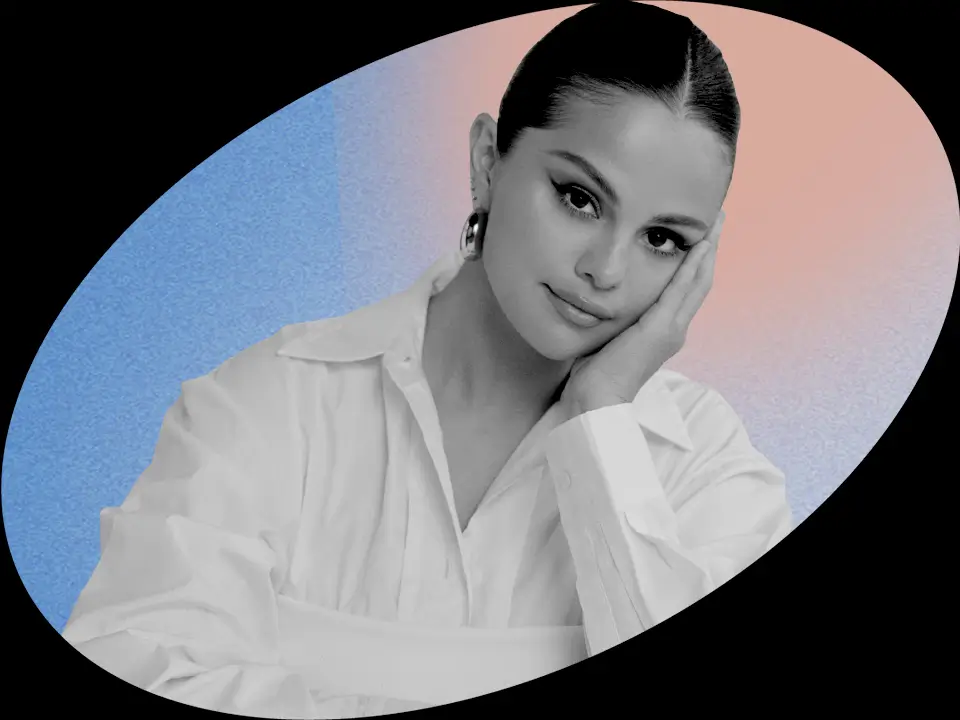
Gomez's entertainment career also includes production work. She was an executive producer on Netflix's "13 Reasons Why," and Hulu currently lists her as an executive producer on Season 6 of "Only Murders in the Building," where she also stars. She was also an executive producer on "Hotel Transylvania: Transformania." Those roles are different from simply appearing in a project, and separating them makes the business side of her entertainment career clearer.
For a celebrity-led portfolio, production creates a different kind of leverage from an endorsement. It gives the public figure a role in developing intellectual property and shaping projects behind the scenes. It also broadens the public narrative from performer to producer, which can open doors to projects that do not depend on a music release or product launch.
That makes production a relevant extension within entertainment marketing, where audience attention, creative ownership, distribution, and long-term rights can intersect. The important distinction is role clarity: acting in a film, executive-producing a series, and attaching a name to a consumer product are different forms of value creation and should not be grouped together as if they were the same business activity.
.webp)
Music: The Audience Engine Behind the Portfolio
Music remains foundational to Gomez's public brand. Her solo career and earlier work with Selena Gomez & The Scene created the audience, cultural familiarity, and storytelling platform that later business ventures could build on. The older version of this article tied album counts and tour revenue directly to net worth, but those figures are not necessary to understand the branding lesson.
The stronger point is that a music career creates recurring moments of attention: releases, performances, interviews, collaborations, and fan communities. Those moments can support business extensions when the connection feels natural, but they do not replace the need for the company or product to deliver on its own promise.
.webp)
Endorsements and Partnerships: Fit Matters More Than Follower Counts
Gomez has worked with major consumer brands across fashion, footwear, beauty, beverages, and home goods, including Coach, Puma, Coca-Cola, Louis Vuitton, Pantene, and Our Place. The exact size of a social audience and estimates of what a sponsored post might cost change constantly, so those figures are less useful than the pattern behind the partnerships.
The strongest collaborations borrow something recognizable from both sides. Coach and Puma could use Gomez's style and audience without pretending she was the company, while product collaborations gave her a more active role than a one-off sponsored post. Campaigns for companies such as Coca-Cola, Louis Vuitton, and Pantene also show how her public identity has moved between mass-market and premium contexts without becoming a single fixed commercial persona.
That distinction is central to celebrity branding: the more durable value usually comes from a partnership that fits the person's existing identity and gives the customer something concrete. A large audience can make the first announcement louder, but fit determines whether the association strengthens both brands or disappears as soon as the media cycle moves on.
What Selena Gomez's Portfolio Shows About Personal Branding
Gomez's portfolio is not one single business. It is a set of different relationships between a public figure and companies, products, causes, and creative projects. Rare Beauty is a founder-led consumer brand, Wondermind is a co-founded wellness-media company, Serendipity was an investment and product collaboration, and production work sits inside entertainment.
The common thread is coherence. A strong personal brand can create trust and attention across categories, but each extension needs its own role and operating logic. The useful question for other founders is not how many categories a personal brand can enter. It is which extensions genuinely reinforce what the audience already understands about the person, and which ones deserve a separate identity of their own.




.webp)