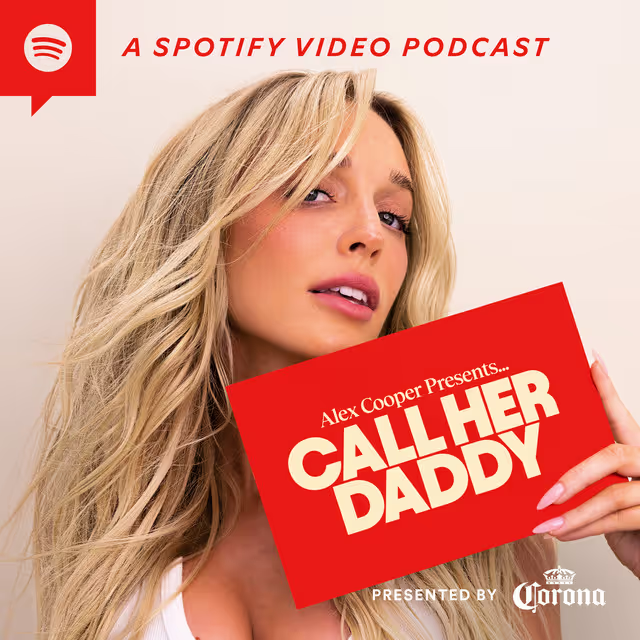
Alex Cooper built Call Her Daddy into a major podcast brand by combining a distinctive voice, a clearly defined audience and control over how the show evolved. Launched in 2018 with Sofia Franklyn, the podcast grew from conversational relationship and sex advice into a broader interview and media brand. Its growth is useful because the story is not only about audience size. It shows how tone, community, brand strategy and distribution can work together over time.
The Early Days of Call Her Daddy
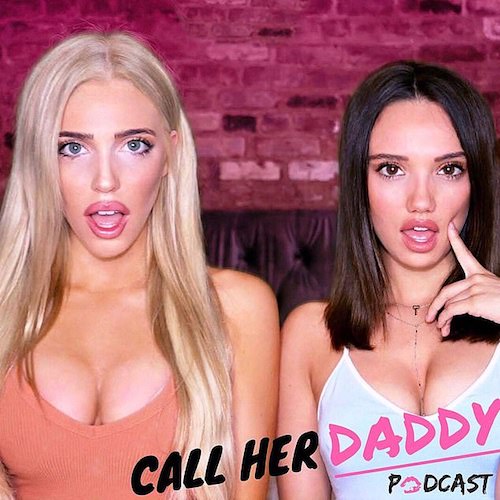
Call Her Daddy launched in 2018 with Cooper and Franklyn as co-hosts. The original format stood out because it was candid, deliberately informal and written for listeners who wanted a less polished take on relationships and sex. That voice became a recognizable asset rather than just a presentation style.
Social media strengthened the relationship with listeners by turning the show into a community between episodes. Memes, clips and audience language gave fans ways to participate in the brand instead of only consuming it. That is one reason the show could become more than a podcast feed. The audience nickname “Daddy Gang” became part of that system. A shared name, repeated phrases and recurring jokes gave listeners recognizable language they could use with one another. That kind of community vocabulary is valuable because it turns passive reach into identity: people are not only listening to the show, they understand the references and feel part of the same culture.
Brand Building: A Clear Voice and Audience
The strongest part of the early brand was consistency. Cooper understood that to build a successful brand, the show needed a recognizable point of view. The content was bold and personal, but it was also targeted. Millennial and Gen Z women were a core audience, which influenced the language, guests, topics and social content around the show.
That focus is a basic branding lesson: relatability works better when it is specific. Cooper did not try to make the show feel equally relevant to everyone. She developed a tone and community identity that made the target audience feel that the show understood them. That clarity also makes editorial decisions easier. A brand with a defined audience can judge guests, topics, collaborations and platform choices against the same question: will this strengthen the relationship with the people the brand is built to serve? In that sense, audience focus is not just a marketing tactic. It becomes a filter for the content product itself.
The 2020 Split Became a Rebranding Moment
In 2020, Cooper and Franklyn's partnership ended and Cooper continued as the solo host. Forbes later described the split as the result of contract renegotiations with Barstool Sports, after which Cooper became the show's sole host. Rather than treating that change as a complete restart, Cooper kept the recognizable voice while broadening the subject matter. (Forbes)
The shift is a useful example of rebranding without discarding existing equity. The show moved into more interviews, mental-health conversations and broader culture while keeping the direct tone that listeners already associated with Call Her Daddy. The important move was continuity. The host structure changed, but the show did not abandon the language, intimacy or audience expectations that already carried value. That is often the harder part of a rebrand: deciding what has genuinely become a constraint and what still deserves to be protected.
Monetization and Distribution Turned Audience Into Enterprise Value
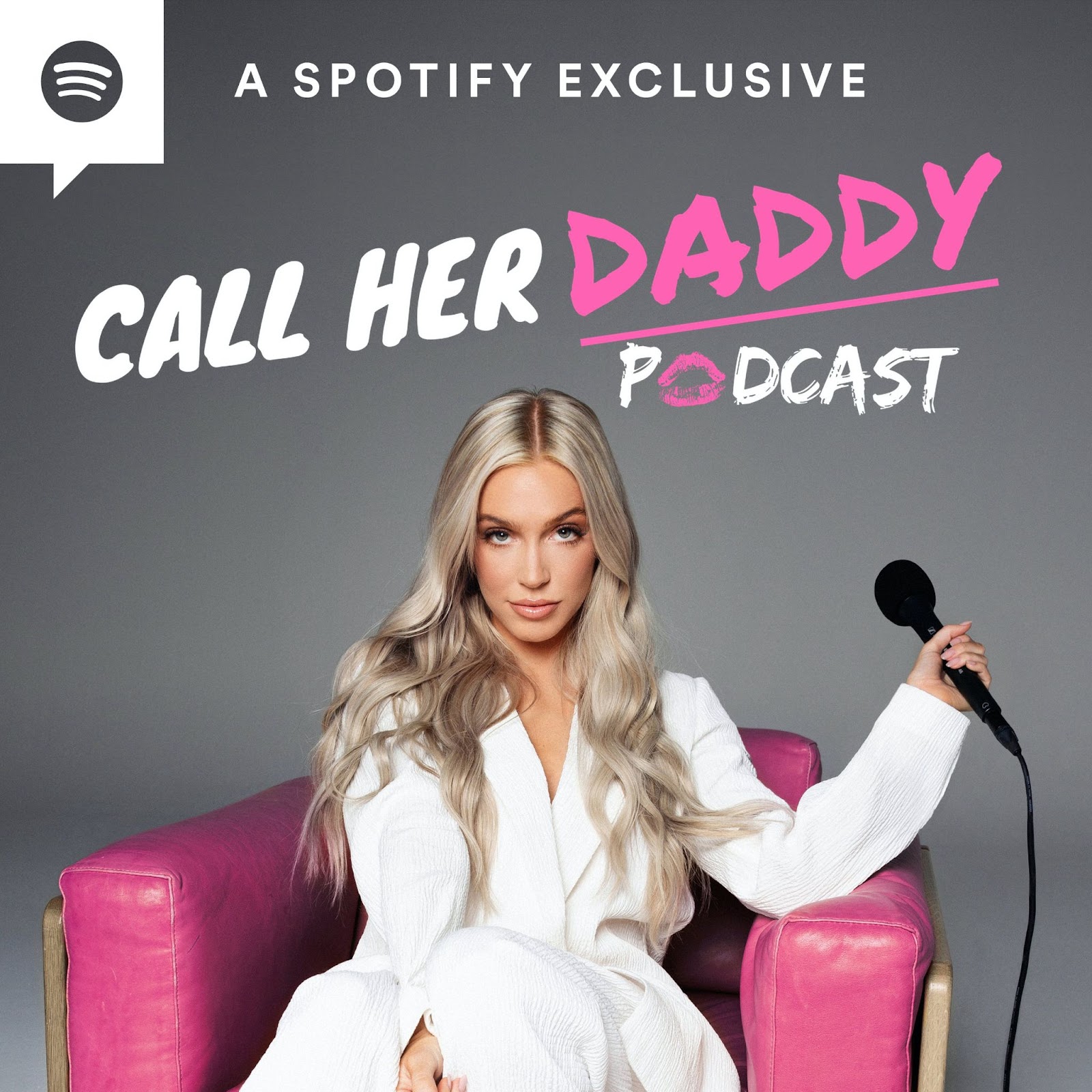
Sponsorships and merchandise helped monetize the audience, but the 2021 Spotify agreement made the scale of the brand much more visible. Alex Cooper moved Call Her Daddy exclusively to Spotify in July 2021. Spotify publicly confirmed the exclusivity, while Forbes reported the three-year deal was worth as much as $60 million. (Spotify; Forbes) Cooper later told Forbes that she still owned the content and was licensing it to Spotify, an important distinction between selling a brand outright and licensing distribution rights. Ownership gave the show more strategic flexibility when that exclusivity period ended.
That Spotify period is historical, not the current distribution arrangement. In August 2024, SiriusXM announced a new multi-year agreement covering advertising and distribution rights for Call Her Daddy and the wider Unwell Network, with additional exclusive SiriusXM content beginning in 2025. The change shows how a strong creator brand can negotiate distribution while continuing to expand into a broader media business. (SiriusXM) SiriusXM's announcement also covered the wider Unwell Network, showing how the original show had become a platform for additional talent and formats. By 2025, SiriusXM was rolling out exclusive Unwell programming while Call Her Daddy continued as the flagship audience engine.
Alex Cooper's Personal Brand Expanded Beyond One Show
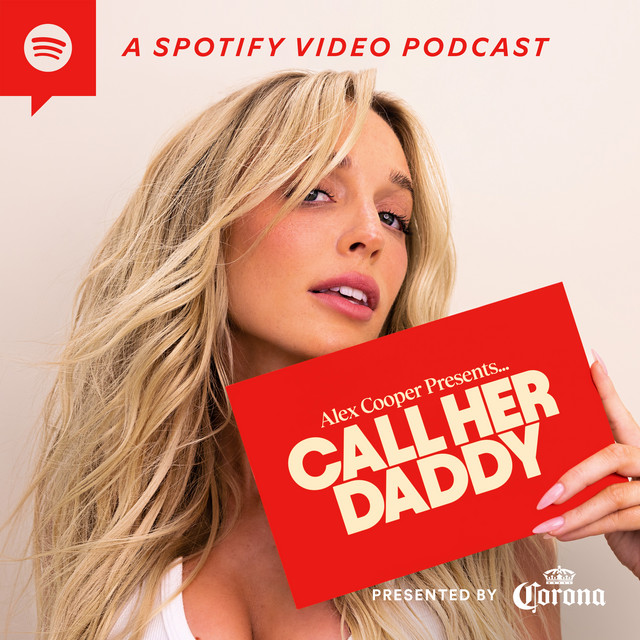
Call Her Daddy is closely connected to Cooper's personal identity, which gives the brand flexibility but also makes consistency important. Cooper's brand extends through interviews, events, social content and the Unwell media network, but the recognizable traits remain directness, audience intimacy and creator-led storytelling.
That structure is similar to other celebrity-led businesses where the founder's reputation supports a wider portfolio. Brand Vision's analysis of Selena Gomez's branding shows another version of that model, where a personal brand connects separate ventures without requiring every business to look identical. Creator-led brands gain speed because the founder already has attention and trust, but they also have to manage dependence on one public identity. A broader portfolio works best when each venture can develop its own value while still benefiting from the founder's reputation. That is the brand-architecture challenge behind moving from one successful show to a network.
What the Call Her Daddy Brand Shows
Cooper's growth shows that a media brand can change format, partners and distribution without losing its core identity. The durable elements are the voice, audience relationship and willingness to adapt the product around those two things. The reported $60 million Spotify deal was an important milestone, but the larger lesson is the brand system that made a deal of that scale possible. The sequence matters: first build a differentiated product and community, then use distribution deals, sponsorships, merchandise and network expansion to monetize demand that already exists. Reversing that order usually creates promotion without enough brand equity underneath it.
For creators and entertainment businesses, the practical takeaway is to define who the brand is for, protect the parts audiences already value, and change distribution or format without confusing the underlying promise. Brand Vision works with companies that need that kind of alignment across entertainment marketing, branding and digital experience. If your business is at a similar transition point, Brand Vision can help connect the strategy to a clear identity and execution plan.

.avif)
.avif)
.avif)