Buying a domain name might seem straightforward—pick your preferred web address, pay the fee, and you’re all set. In reality, when you buy domain name online, you’re leasing it for a specific term, usually one to ten years. That domain then points to where your site is hosted. You can also transfer it to another registrar if your needs change. Before you commit, it’s worth researching the best domain registrars 2025 for features like competitive pricing, privacy protection, and reliable customer support. Below, we’ll explore eight leading options, covering each one’s background, pricing, plus pros and cons.
1. Namecheap
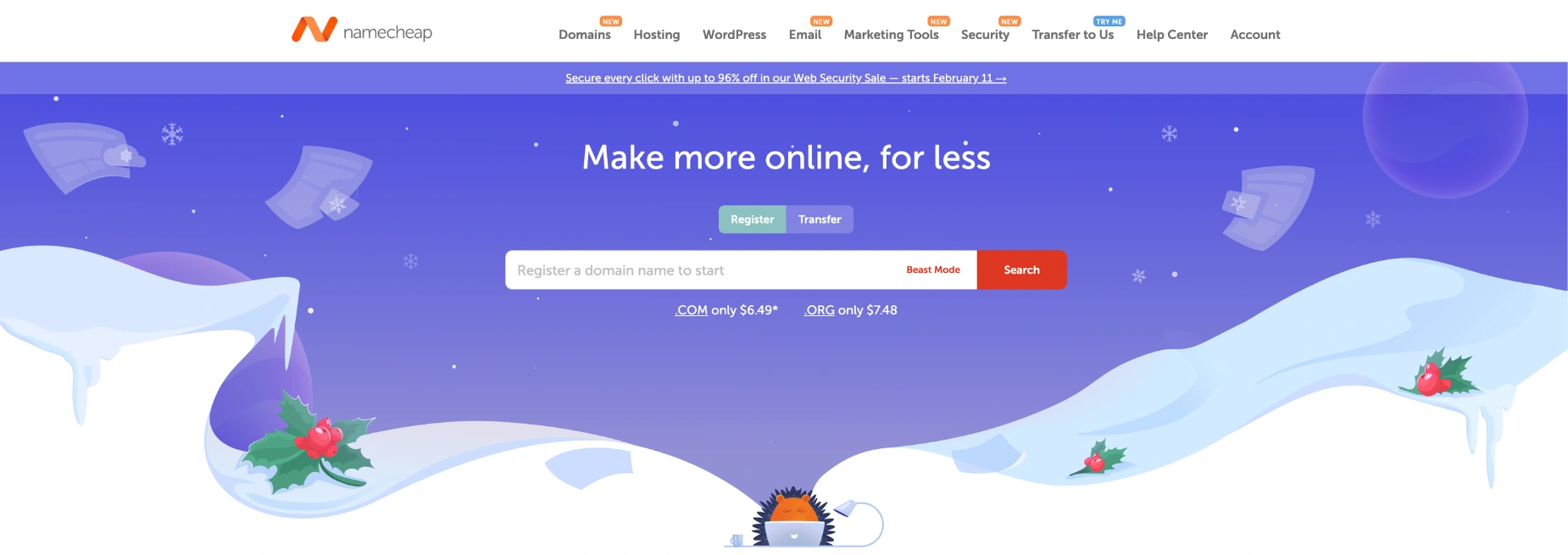
Founded in 2000, Namecheap earned its popularity by offering free WHOIS privacy protection, a huge range of domain extensions, and a straightforward interface. Known for 24/7 customer support and consistently low renewal fees, it’s a go-to for those seeking a no-fuss approach. Whether you’re looking for a .com, .net, or something more exotic, Namecheap’s user-friendly dashboard and competitive deals help people manage everything easily, from DNS settings to domain transfers.
Pricing
- .com domains: $6.49 for the first year
- Renewal price: $15.88 per year
Pros
- Affordable introductory pricing
- Large variety of TLDs
- Free domain privacy included
Cons
- No phone support
- Occasional slow chat response times
2. Google Domains (Squarespace)
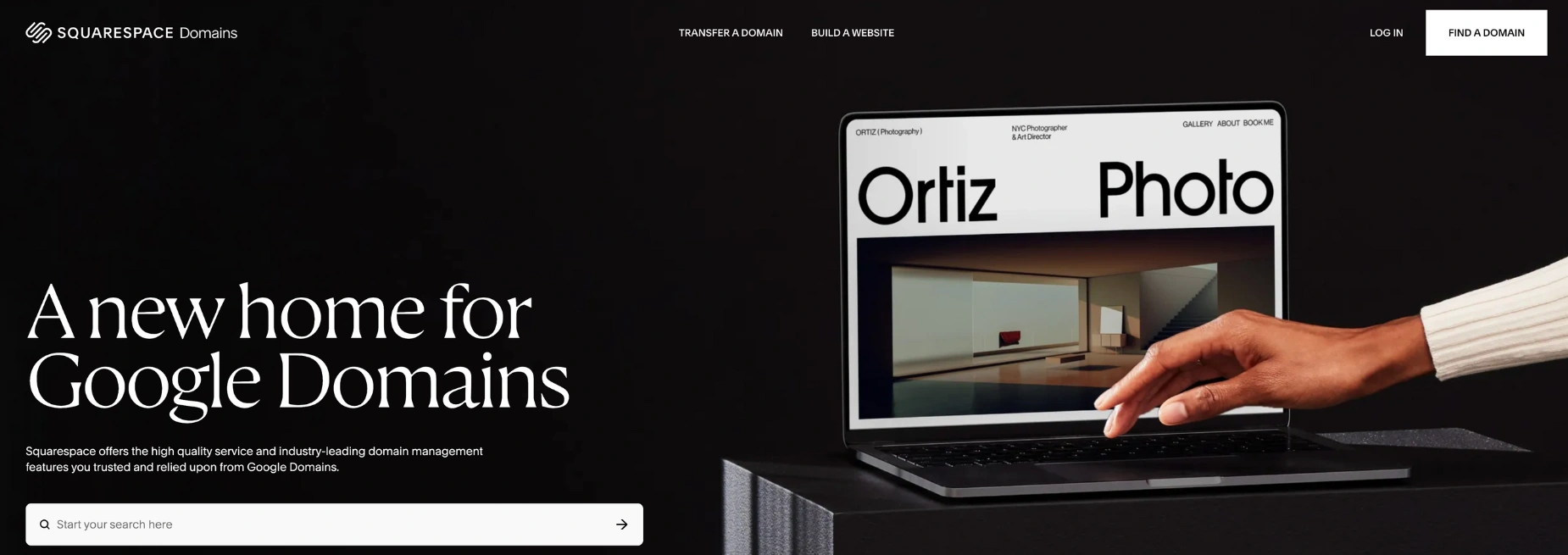
Now part of Squarespace, Google Domains stands out for its transparent pricing, simple DNS management, and no hidden fees. The platform integrates neatly with Google Workspace, streamlining tasks like email setup and domain verification. Though it has fewer domain extensions than some competitors, Google Domains’ clutter-free design appeals to anyone seeking minimal upselling and easy user experiences.
Pricing
- .com domains: $12 per year
- Includes free WHOIS privacy
Pros
- Straightforward interface without ads
- Automatic integration with Google services
Cons
- Limited extension options
- Lacks bulk domain discount
3. Hover
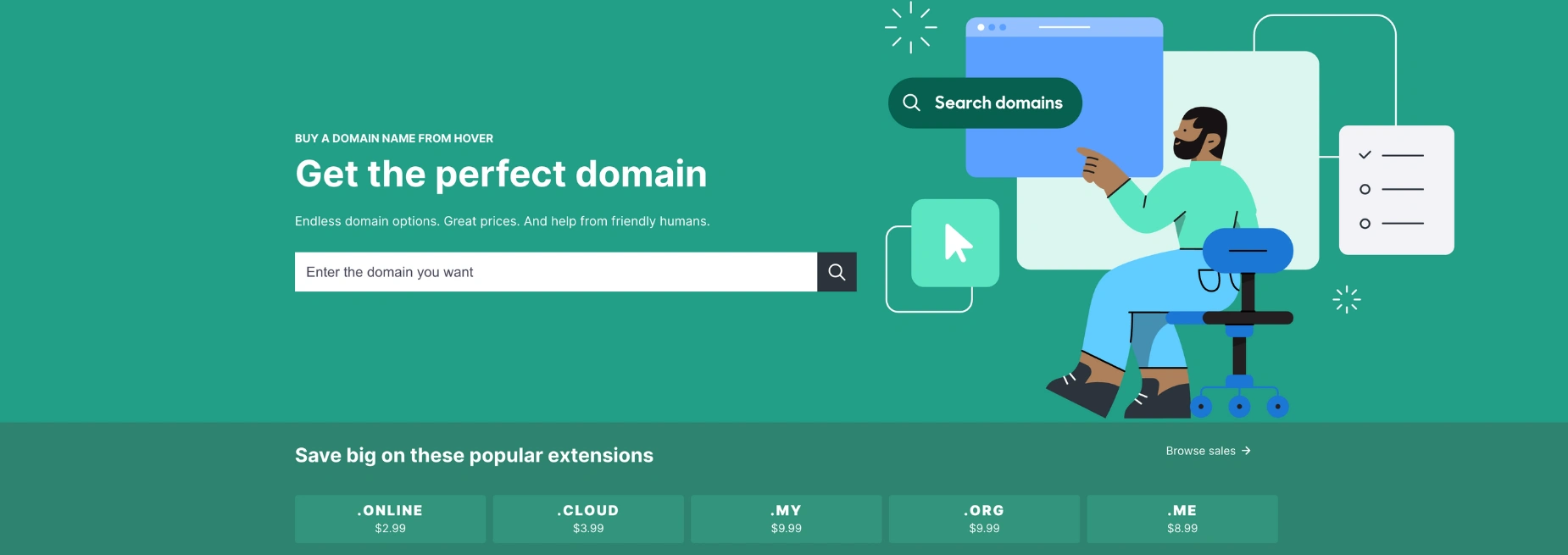
Hover focuses almost solely on domains, steering clear of hosting or advanced add-ons. It offers free WHOIS privacy and a no-frills approach, letting you purchase and renew domains without facing constant upsells. Email forwarding is also included, making it easy to route messages from your domain to any mailbox of your choice.
Pricing
- .com domains: $12.99 per year
- Renewal price: remains stable year-to-year
Pros
- Transparent pricing
- Ideal for beginners
Cons
- No web hosting options
- No bulk registration discounts
4. IONOS
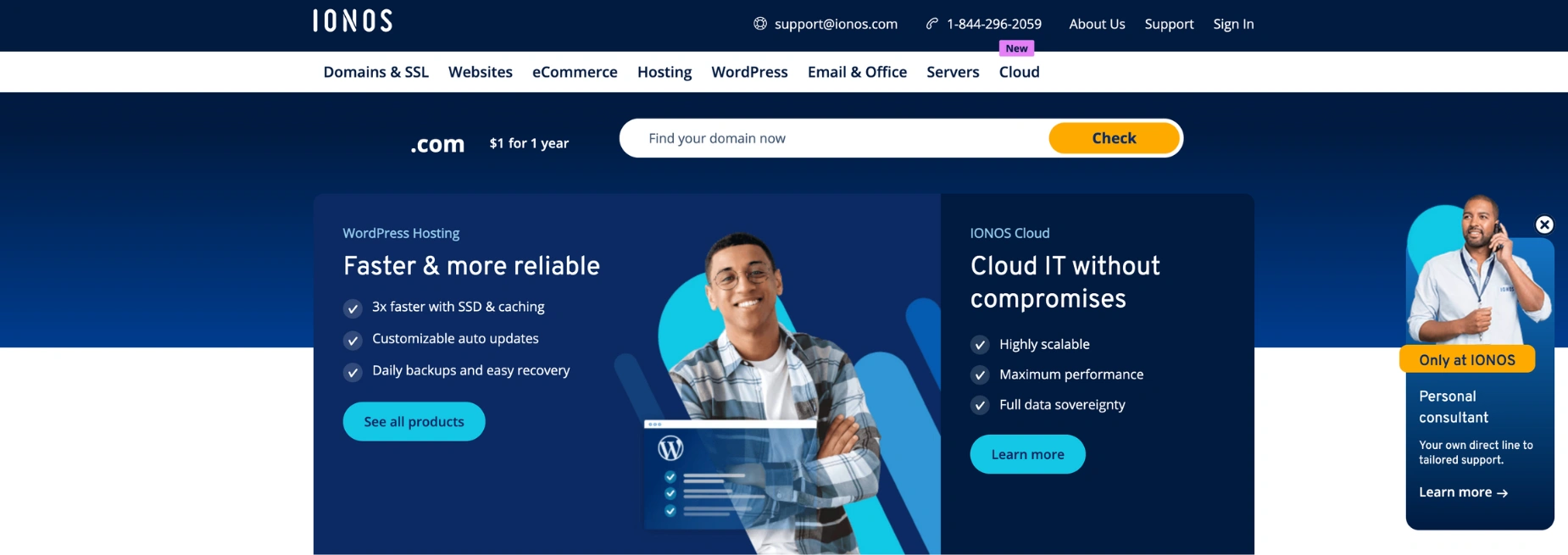
Formerly 1&1, IONOS is a large European hosting provider that also excels in domain registration. It’s famous for its $1 first-year deals on specific TLDs and free email hosting with domain purchases. The company offers 24/7 phone support, a big plus for those who need immediate assistance. While renewal fees can climb after the promo period, the initial discount remains one of the most competitive offers available.
Pricing
- .com domains: $1 for the first year
- Renewal price: starts at $17 per year
Pros
- Very low introductory pricing
- Bundled extras like email hosting
Cons
- Higher renewal fees
- Cancellation can be cumbersome
5. GoDaddy
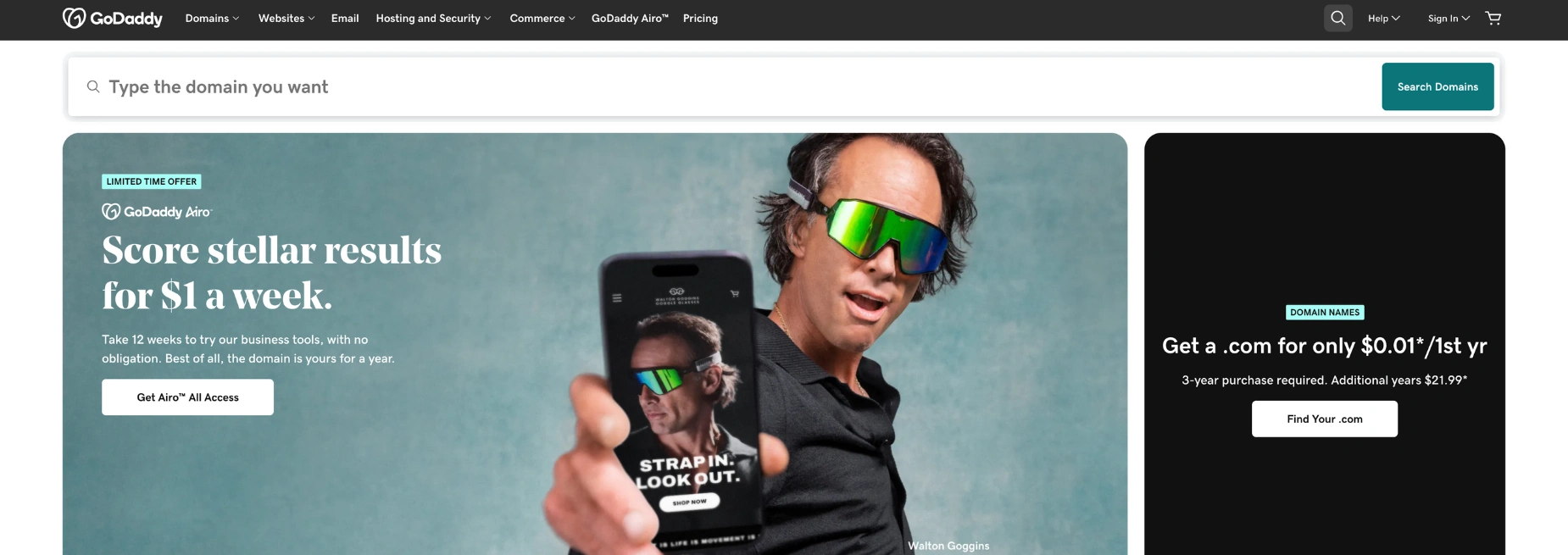
GoDaddy ranks among the largest registrars globally, offering an all-in-one platform for domains, hosting, email, and more. It maintains a massive domain marketplace, plus round-the-clock customer support and integrated site-building tools. Although the renewal costs might be steeper than some rivals, GoDaddy’s comprehensive ecosystem appeals to many users wanting everything under one roof.
Pricing
- .com domains: $11.99 for the first year (special promotions available)
- Renewal price: $21.99 per year
Pros
- Wide range of TLDs
- Convenient add-on services (hosting, email, etc.)
Cons
- High renewal fees
- Frequent upsells
6. Domain.com
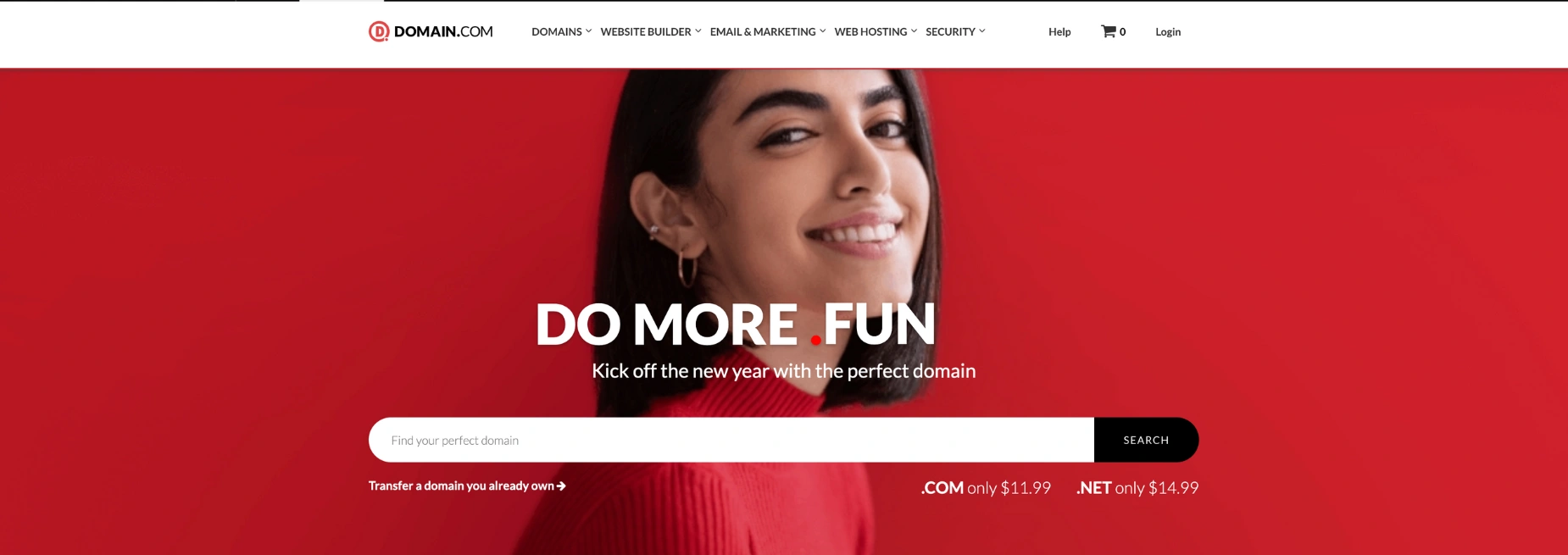
Established in 2000, Domain.com has grown into a versatile registrar offering numerous TLDs and bulk domain registration options. The platform also provides website hosting and email services, giving users an integrated experience. Its straightforward interface makes registering domains a breeze, but you won’t find free WHOIS privacy, which could add extra costs.
Pricing
- .com domains: $11.99 per year
- Renewal price: $21.99 per year
Pros
- Wide selection of domain extensions
- 24/7 support via phone or chat
Cons
- No free privacy protection
- Relatively high renewal rates
7. Bluehost
Background & Key Features
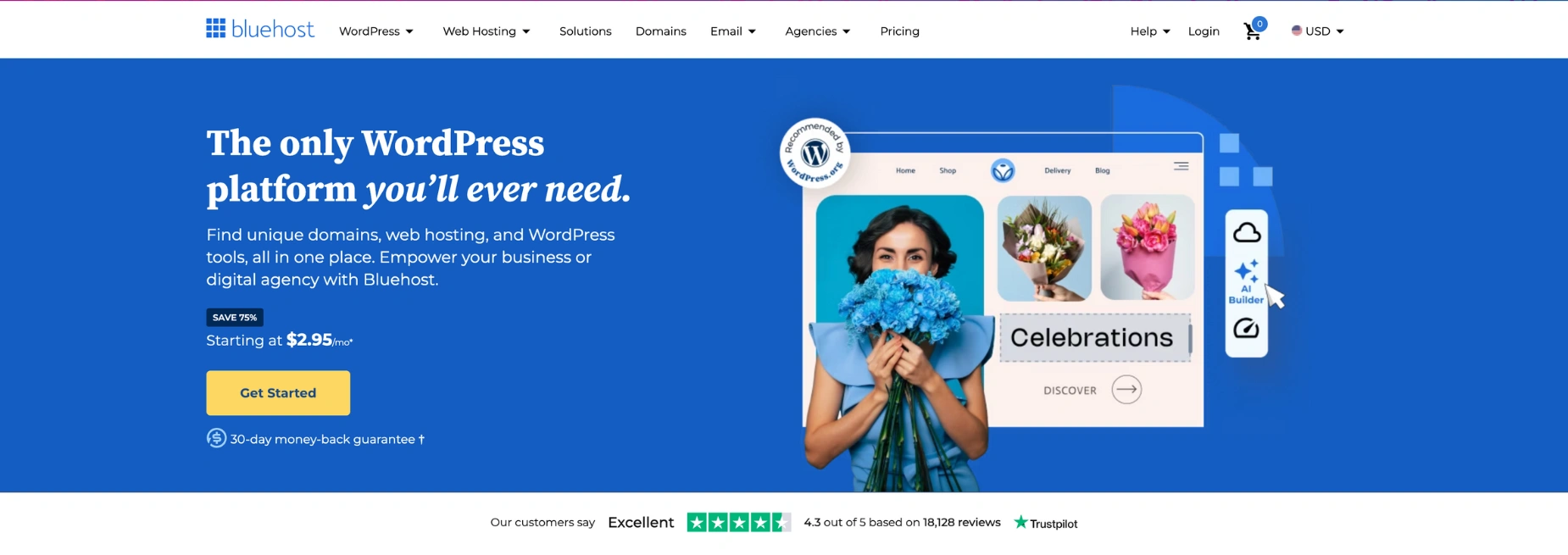
Primarily a hosting provider, Bluehost also offers domain registration, often bundled free for the first year with hosting. Boasting strong WordPress integration, free SSL certificates, and easy site setup, Bluehost is an appealing option for users planning to build a WordPress site. However, buying standalone domains can be pricier, and domain management features aren’t as extensive as specialized registrars.
Pricing
- .com domains: $12.99 per year
- Hosting plans start at: $2.95/month (includes 1 free domain)
Pros
- Ideal for WordPress setups
- “All-in-one” hosting and domain combos
Cons
- Higher cost for standalone domain purchases
- Limited advanced domain tools
8. Dynadot
Background & Key Features
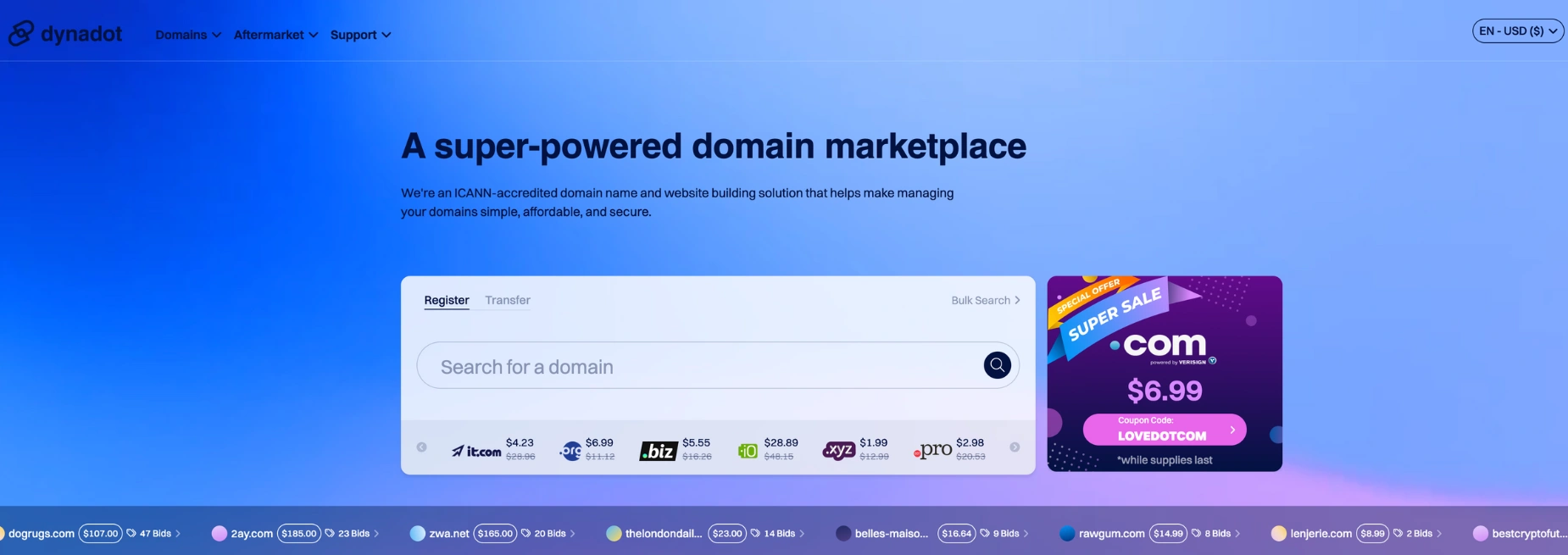
Known for a privacy-focused approach, Dynadot includes free WHOIS privacy and offers bulk registration discounts. Despite lacking hosting services, its domain management features are robust, letting you easily tweak DNS records, transfer domains, or buy and sell through Dynadot’s marketplace. It’s a favorite among domain investors and those looking for stable renewal rates.
Pricing
- .com domains: $9.99 per year (special offers available)
- Renewal price: same as initial
Pros
- Transparent, consistent pricing
- No upsells or hidden add-ons
Cons
- Limited customer support channels
- No hosting services available
Final Verdict: What’s Right For You?
- Best Budget Option: Namecheap
- Best for Google Users: Google Domains
- Best for Beginners: Hover
- Best for Cheap First-Year Pricing: IONOS
- Best for All-in-One Services: GoDaddy
- Best for Business Domains: Domain.com
- Best for WordPress Sites: Bluehost
- Best for Bulk Buyers: Dynadot
Before you decide where to purchase a domain name, reflect on your specific needs: are you seeking the cheapest domain name providers, or do you want a platform that bundles hosting, email, and extra perks? If budget is your main concern, Namecheap or IONOS might be your best bet, but be mindful of higher renewal costs. On the other hand, if simplicity is key, Google Domains or Hover could be appealing for their clean dashboards and minimal upsells. For those wanting a single provider for everything, GoDaddy and Bluehost offer robust ecosystems.
No matter which route you choose, be sure to compare renewal pricing, consider domain privacy protection tips, and think ahead about add-ons like email hosting or SSL certificates. A little planning goes a long way, ensuring you’ll have a domain that supports your brand or personal project effectively, and at a price you can comfortably manage over the long term.

%2520(1).png)
.png)