Bloom Nutrition built its growth around a founder-led story, bright visual branding, social-first distribution and a fast move from direct-to-consumer supplements into mass retail and functional beverages. The brand operates in the health and wellness industry, but its marketing is more useful to study as a consumer-brand system than as proof of any health outcome.
Bloom was founded in 2019 by Mari Llewellyn and Greg LaVecchia. By the end of 2023, the company had reached about $170 million in sales, according to Modern Retail, and a 2024 financing led by Nutrabolt gave Nutrabolt an approximately 20% stake. Nutrabolt expanded that strategic partnership again in 2025 as Bloom pushed further into beverages. (Modern Retail; Nutrabolt)

Founder Story Became Part of the Brand
Mari Llewellyn first built an audience by sharing her fitness and wellness journey. Bloom's own story says she lost 90 pounds and later created supplements intended to make wellness feel approachable and enjoyable. Earlier coverage also documented the $5 PDF workout guides that helped finance her first products. That founder narrative gave Bloom an existing audience before the supplement brand scaled.
The marketing advantage was not simply "authenticity." Llewellyn's personal story gave Bloom a clear origin, target audience and tone. That is a classic brand strategy advantage: customers can quickly understand who created the brand, who it is for and what problem the brand claims to simplify.
Bloom Expanded Beyond One Hero Product
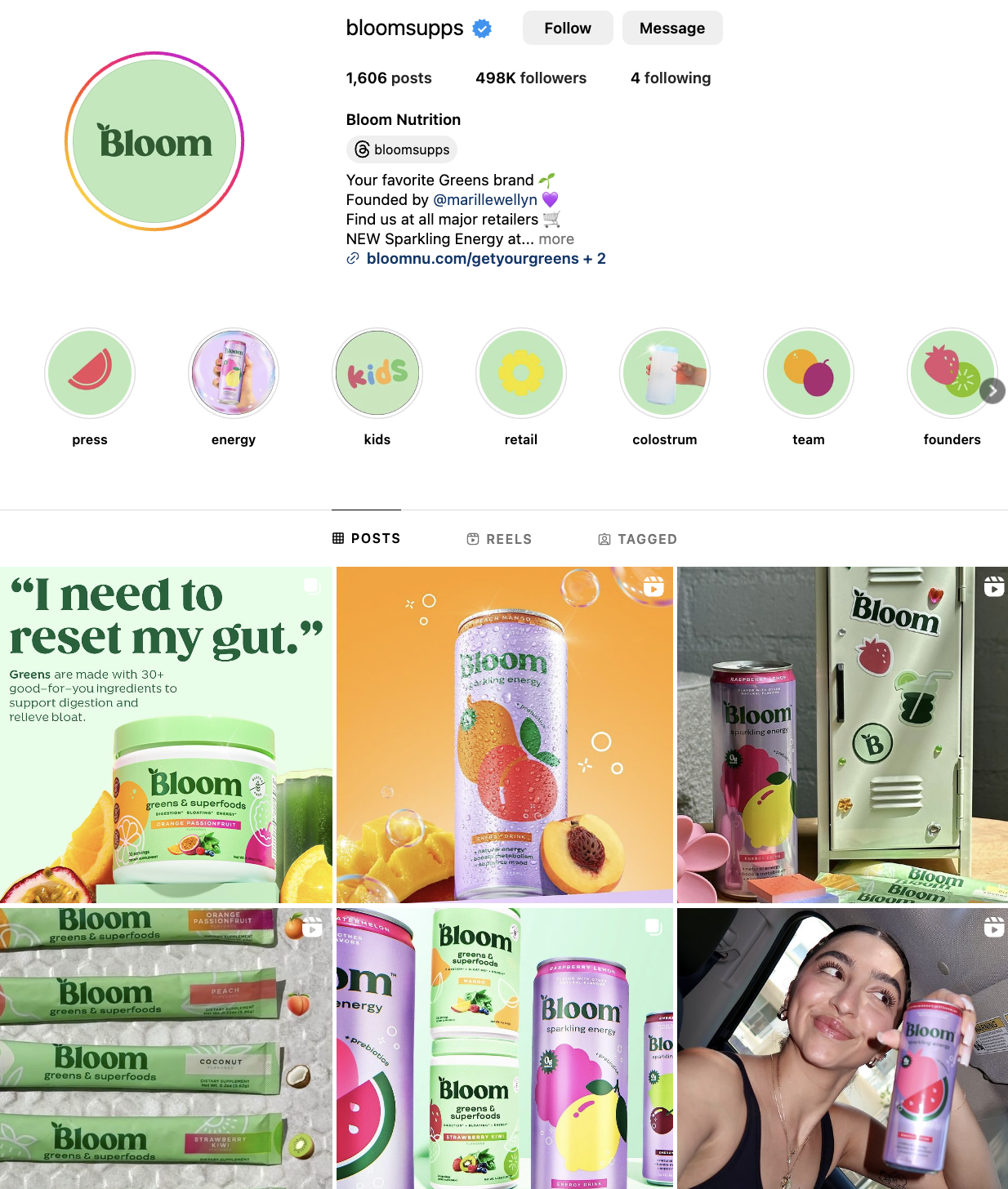
Bloom Greens & Superfoods remains one of the brand's best-known products, but the portfolio now extends across powders, supplements, hydration and functional beverages. Bloom's own Greens page markets the powder around digestion, bloat relief and energy, while also displaying the required disclaimer that the statements have not been evaluated by the FDA and the product is not intended to diagnose, treat, cure or prevent disease. (Bloom Nutrition)
That distinction matters. The earlier article repeated supplement benefits as settled facts. A more accurate marketing analysis is that Bloom packages those benefits as product claims and supports the offer with flavor variety, convenient formats and highly visual creative. Forbes Health has also noted that the product's health claims are not FDA-approved, while discussing the broader wellness market.
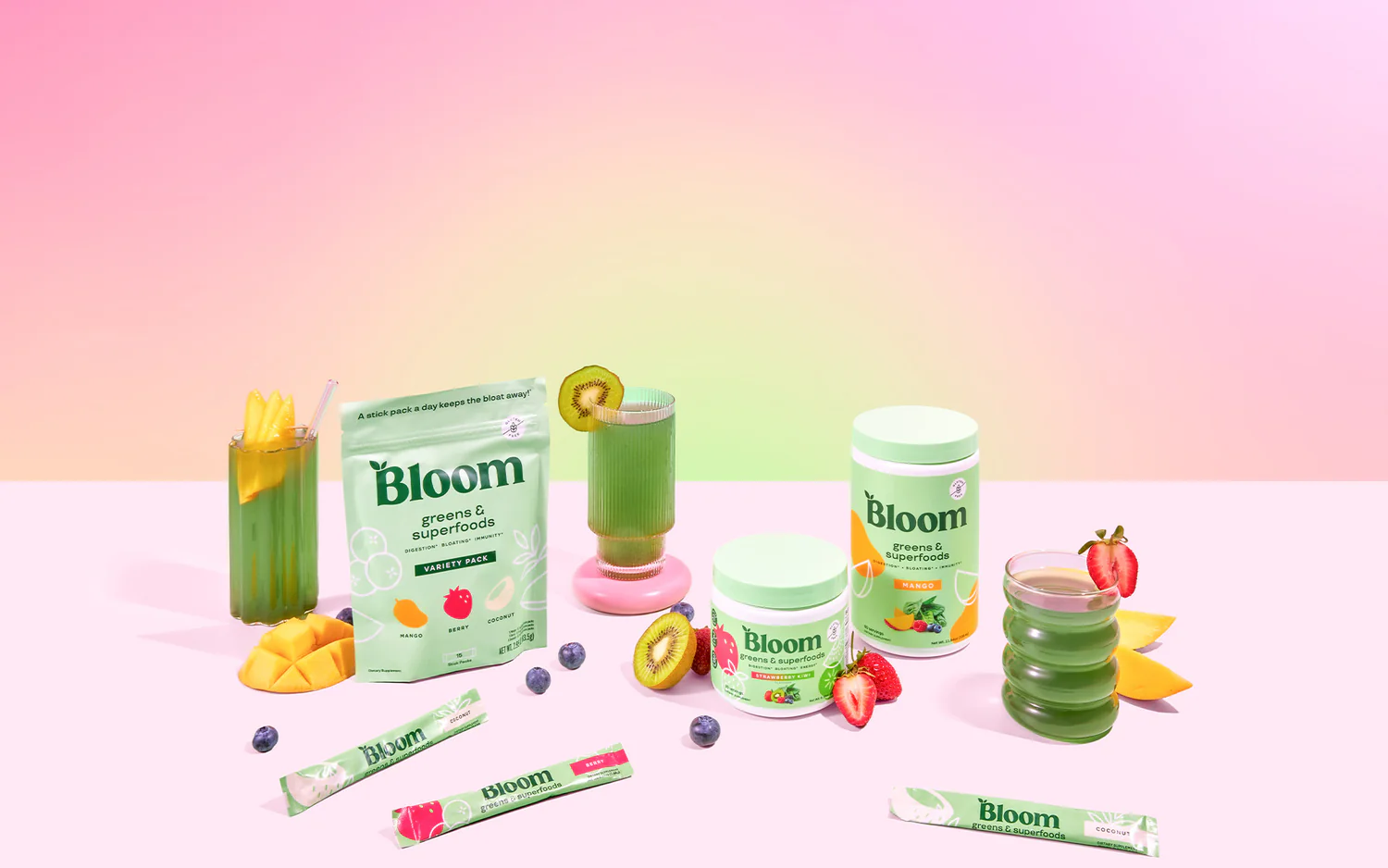
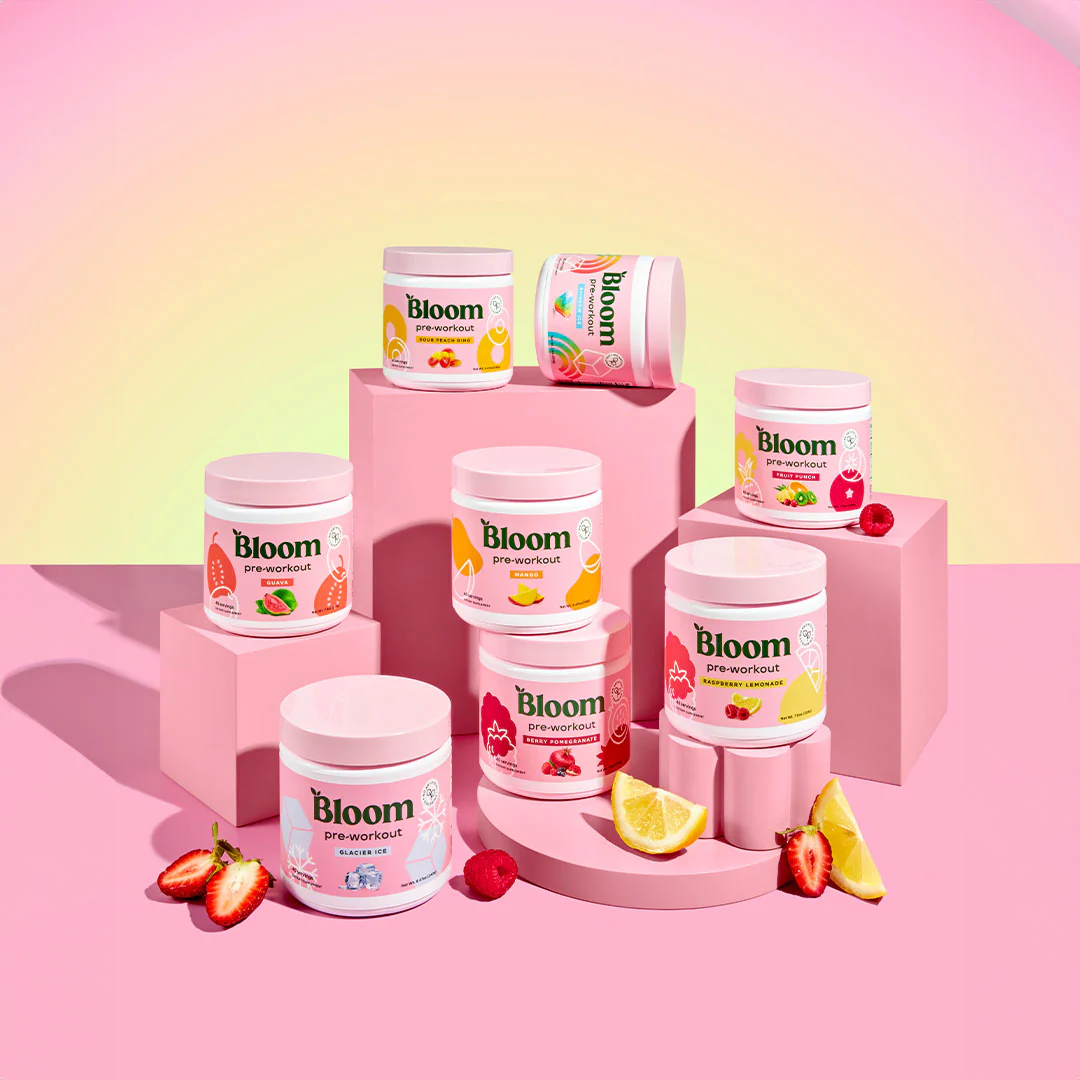
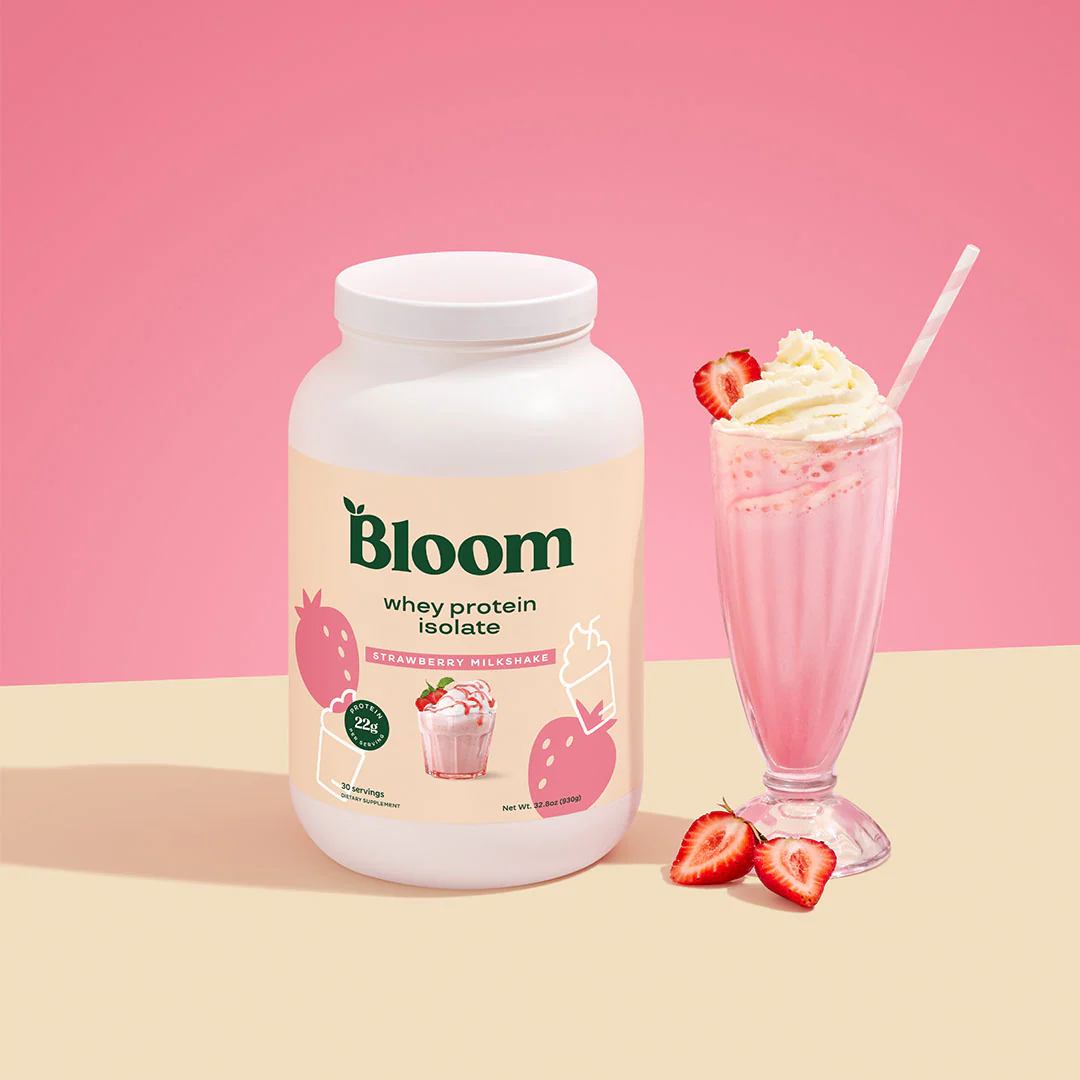
Bloom's broader product range has included pre-workout, protein, vitamins and hydration products. Rather than treating each as equally central, the better marketing lesson is portfolio expansion: once Greens created awareness, Bloom had more opportunities to serve adjacent routines and usage occasions.
Positioning: Flavorful, Female-Forward and Accessible
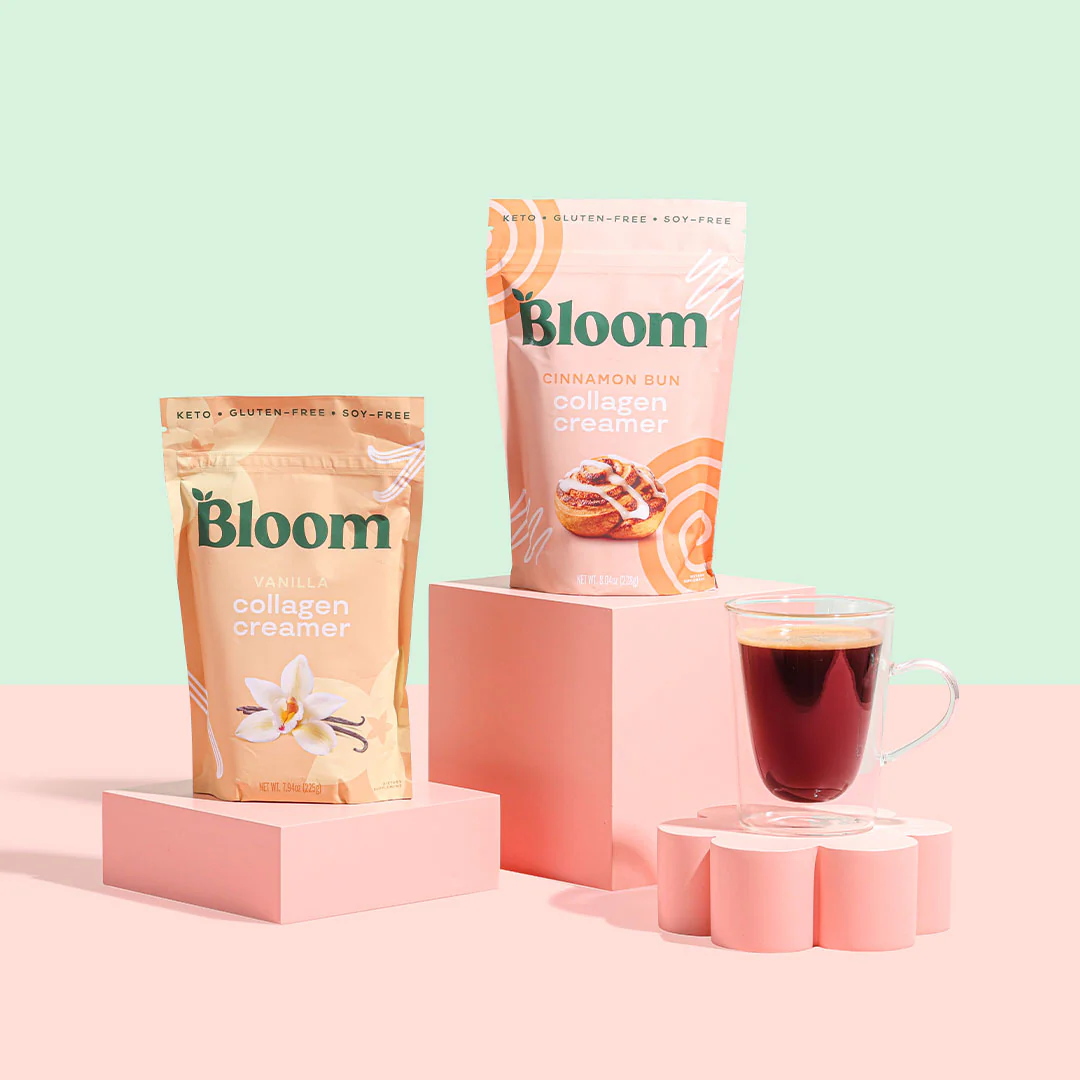
Bloom's own positioning emphasizes flavor, function and a female-forward identity. That is more defensible than the older article's broad claims about sustainability and eco-friendly sourcing. Independent reviews of Bloom's key strengths also show how taste, convenience and social visibility have shaped consumer interest.
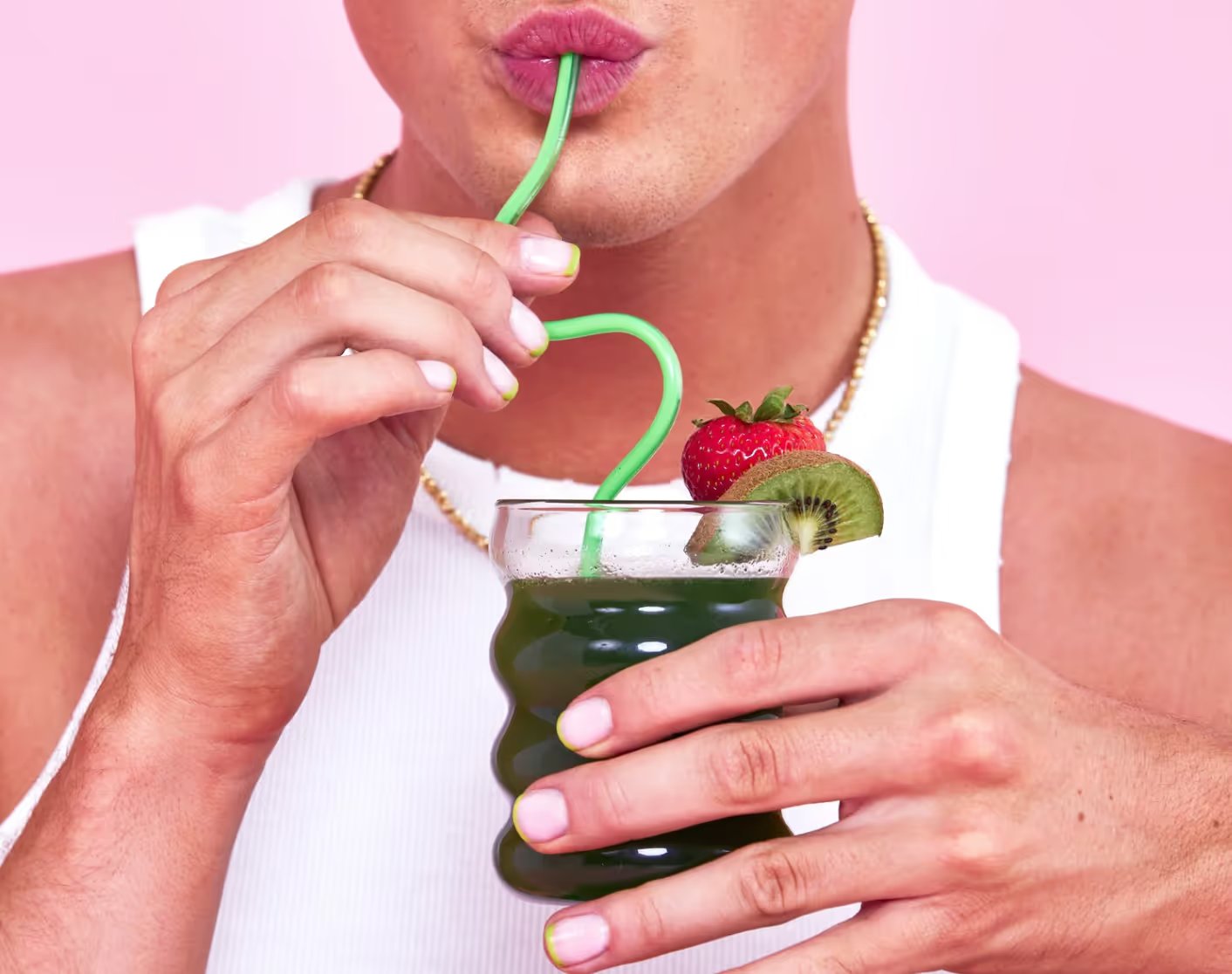
For marketers, Bloom demonstrates how visual identity and graphic design can help a supplement brand feel less clinical. Bright colors, flavor-led packaging and lifestyle photography make the products easy to recognize in feeds and on retail shelves.
TikTok and Influencers Accelerated Discovery
Bloom's digital marketing strategy has leaned heavily on creators and short-form video. Forbes reported that Bloom went viral on TikTok in 2023 with more than 4.5 billion views, while the brand's founder story gave its content a recognizable face. The existing review of Bloom's marketing success sits within that broader greens category conversation.
@bloomnu make it look cute 🤳 #fyp #bloomnutrition #office ♬ original sound - ⭐️
The older article cited Bloom's TikTok presence and TikTok wellness influencers, including creator partnerships such as Alix Earle. Those examples remain useful, but the specific claim of 12 billion views and 5,600 influencers is not repeated here because the supporting source is not strong enough for those exact numbers. The 2023 $170 million sales figure is retained separately because it is independently reported.
@alixearle Tell me I'm crazy, but it works. @Bloom Nutrition #bloompartner ♬ original sound - Alix Earle
@marillewellyn @Bloom Nutrition my baby 💚🥹 #marillewellyn #bloomnutrition #businesswoman ♬ So your an artist - Tej Patel
This creator strategy has a natural parallel with Brand Vision's analysis of Alo Yoga's marketing strategy, where lifestyle positioning and creators also help a wellness-oriented brand travel across social platforms, physical retail and adjacent product categories.
Retail Expansion Turned Social Demand Into Distribution
Bloom started as a direct-to-consumer brand and later expanded into major retail. The existing retail expansion link now points to Bloom's clean store locator without the previous search-tracking parameter. Current Walmart and Target listings show Bloom products across supplements, hydration and beverages, while Bloom's own site says its beverage lineup is available nationwide.
This is where the strategy moved beyond virality. Social media can create demand, but retail presence makes the product easier to try, repurchase and discover without following the founder. The shift from DTC to omnichannel distribution also creates an ecommerce SEO opportunity around branded searches, product categories and retailer pages. Bloom already has a broad search engine optimization footprint, but the old claim that it intentionally ranked for phrases such as "Bloom Greens marketing strategy" was not supported and has been removed.
Retention and the Next Growth Phase
Bloom uses subscriptions and repeat-purchase mechanics to support customer loyalty. Its current Greens product pages promote subscription discounts, free U.S. shipping and the ability to modify, pause or cancel. That is a more concrete retention mechanism than vague claims about personalized email or wellness groups.
The company's next phase is increasingly beverage-led. Nutrabolt said in 2025 that Bloom Sparkling Energy had expanded nationwide and that the partnership would support further product and distribution growth. That makes Bloom a useful example of how a digitally native supplement brand can move into larger consumer packaged goods categories without abandoning the founder-led identity that built initial demand.
What Marketers Can Learn From Bloom Nutrition
Bloom's growth combines founder-led storytelling, approachable brand positioning, creator distribution, mass retail and product expansion. The strongest lesson is not that TikTok alone created the business. Social reach worked because the company paired it with recognizable packaging, repeatable products and increasingly broad availability.
For wellness brands, responsible digital marketing efforts also require careful claim language. Product benefits should be attributed accurately, disclaimers should remain visible, and lifestyle marketing should not turn supplement claims into medical promises. Brand Vision can help connect positioning, visual identity and digital acquisition for consumer wellness brands through health and wellness marketing.