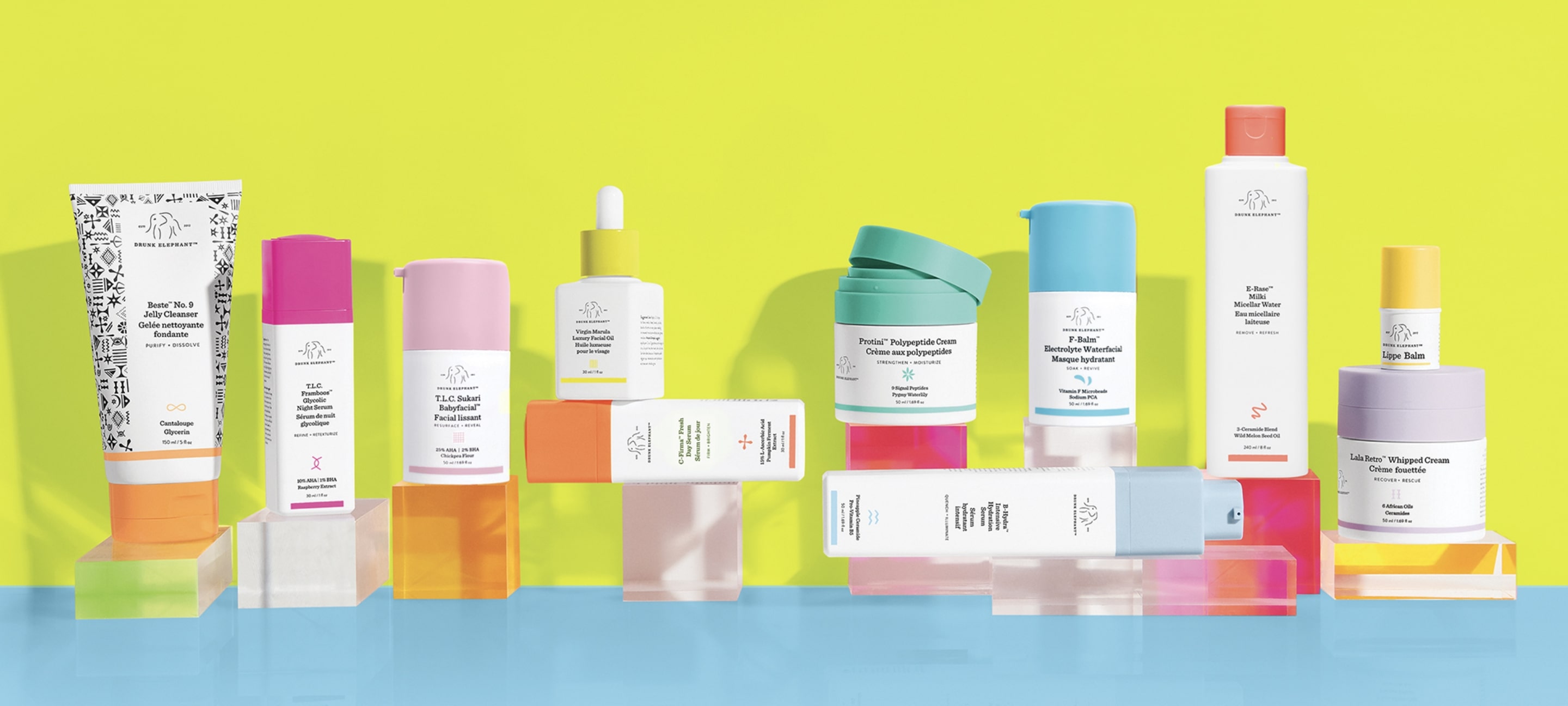
Drunk Elephant's marketing strategy connects a clear skincare philosophy with colourful packaging, customer conversation, and social media content that is easy to recognize. Its rise offers lessons in building a brand around a consistent idea, while its popularity with Gen Alpha also shows why reach and product suitability must be considered separately.
The story begins with Tiffany Masterson's frustration with her own skin and the products she was using. In her account of the brand's origins, she describes developing an ingredient-elimination approach after struggling to find products that met her preferences. That personal narrative gave the company a clear starting point. This case study examines its positioning, Instagram and TikTok presence, community-building approach, and the debate around younger users that emerged in late 2023 and early 2024.
Drunk Elephant's Core Success Factors
An Ingredient-Led Positioning
Drunk Elephant distinguishes its products through what it calls the Suspicious 6: essential oils, drying alcohols, silicones, chemical sunscreens, fragrances/dyes, and sodium lauryl sulfate (SLS). Its published formulation philosophy says it selects both natural and synthetic ingredients rather than treating either category as inherently better. This gives customers a memorable explanation of what the brand leaves out. It is a positioning framework, not evidence that every excluded ingredient is unsafe or that every Drunk Elephant product suits every user.
A Simple Skincare Story
At the heart of Drunk Elephant's positioning lies its minimalist skincare approach. The brand started with a concise range of core products, combining straightforward packaging with an accessible explanation of its philosophy. That simplicity helped distinguish the brand in a crowded beauty market. The lesson is not that customers should all use the same routine. It is that a product system becomes easier to navigate when the brand explains what each item does, where it fits, and how its role differs from the rest of the range.
Word-of-Mouth Marketing
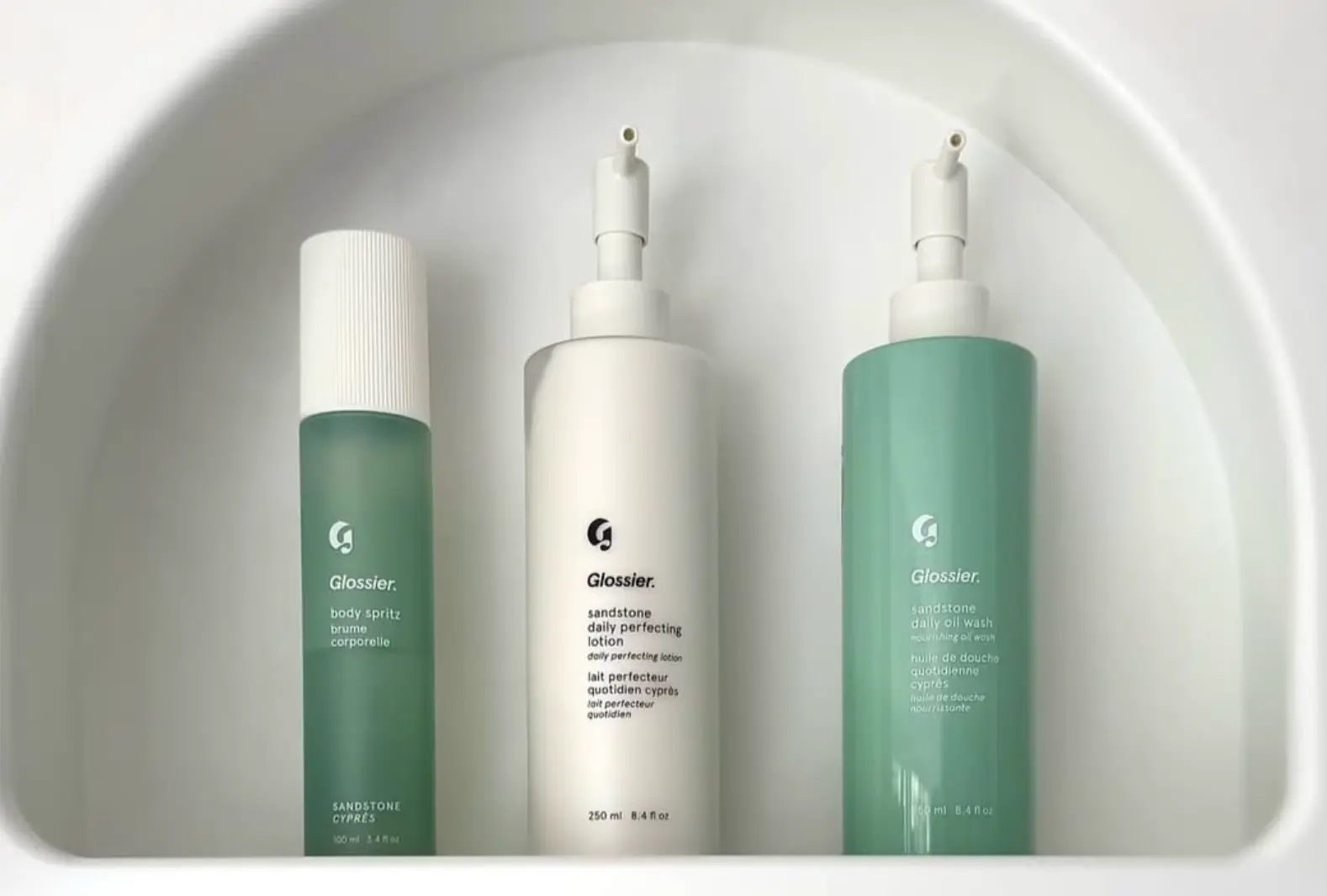
One of the standout features of Drunk Elephant's marketing strategy is its reliance on word of mouth. The brand encourages its community to share experiences and advice on social media, particularly Instagram. Customer reviews give prospective buyers perspectives beyond the company's own messaging. This community conversation sits alongside creator promotion; it should not be mistaken for evidence that all attention is unpaid. Glossier's community-led marketing offers a related example of how customer conversation can inform a beauty brand's story as well as spread it.
Learning From Customer Feedback
Customer feedback can reveal where product explanations are confusing, which questions recur, and whether the audience differs from the one a brand expected. It should not be treated as proof that a company rapidly reformulates products in response to comments. For teams applying this lesson, audience research helps distinguish recurring needs from a few highly visible reactions. Grouping questions by theme gives the team a practical basis for deciding what to explain more clearly and what needs further investigation.
Media Coverage and Influencer Engagement
Media coverage and creator content give a skincare brand different ways to reach an audience. Editorial coverage can explain a founder's story or examine a controversy, while demonstrations show how products fit into everyday routines. Drunk Elephant's visibility should not be read as an entirely organic phenomenon: paid creator campaigns also formed part of the picture. When evaluating any creator mention, distinguish a paid partnership, a gifted product, and an independent review rather than treating them as interchangeable endorsements.
Building Trust Through Clear Communication
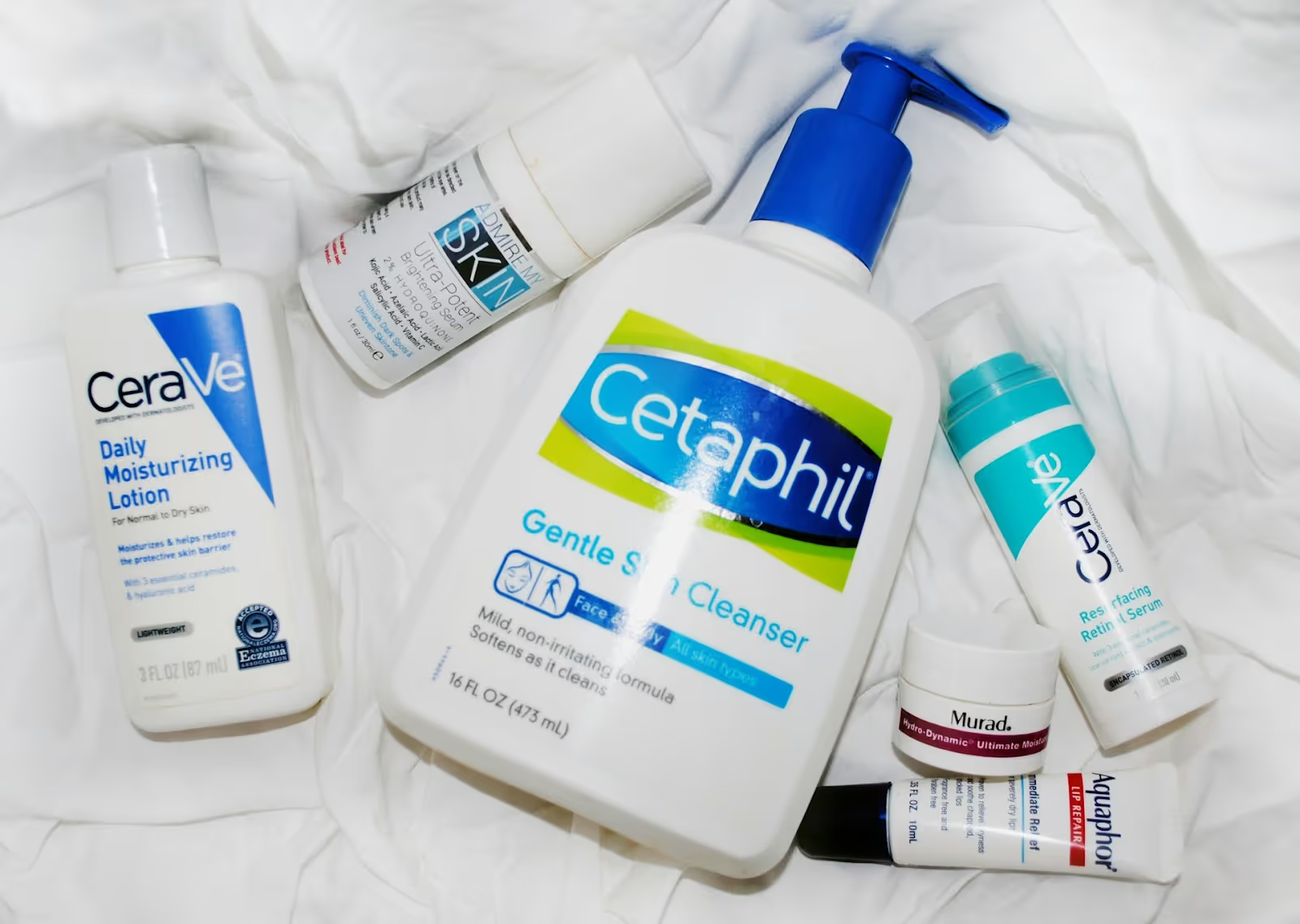
Trust is a fundamental element in the skincare industry. Transparent communication, genuine customer stories, and attention to consumer needs can contribute to trust-building. These are useful elements of Drunk Elephant's approach, but customer experiences should not be presented as universal results. CeraVe's marketing strategy offers a comparison for how a distinct skincare position can carry through entertaining campaigns. The lesson is consistency between the product story and the way it is communicated, not a judgment about which brand's products are better.
Drunk Elephant's Social Media Strategy

A Consistent Posting Rhythm
Drunk Elephant's social media approach relies on regular content, particularly on Instagram. A consistent posting rhythm gives the audience repeated opportunities to encounter products and join conversations. Recognizable imagery and recurring themes create continuity between individual posts, helping the brand stay familiar in a competitive beauty market. That does not establish an optimal posting hour or guarantee engagement. For other brands, the practical step is to test a sustainable schedule and compare results over time, rather than assume that more frequent publishing is always more effective.
Representation and Relatability
Showing people with different skin tones, routines, and experiences can make skincare content more relatable. That representation contributes to a brand image that feels connected to customers rather than limited to product photography. The stronger approach is to connect the imagery with clear information about the product being shown. Inclusive casting should not imply that one formula works identically for everyone. Authenticity comes from giving people useful context and realistic expectations, not simply describing a campaign as inclusive.
A Mix of Content Formats
Drunk Elephant uses a variety of content types to keep its Instagram feed engaging. A notable focus is Reels, Instagram's short-form video format. Entertaining and informative videos sit alongside product imagery, giving followers different ways to encounter the brand. This versatility allows a demonstration, a customer question, and a product close-up to serve different purposes within the same feed. The value is not novelty alone: each format should help viewers understand the product or connect with the story without losing the brand's recognizable presentation.
Creator Content and Customer Questions
Creator content can introduce a brand to new audiences, while question-led posts give existing followers a reason to return. The useful idea behind FAQ-style content is simple: turn recurring questions into clear, accessible answers. A named weekly feature is less important than keeping those answers accurate and easy to find. For a skincare brand, the format also needs clear boundaries. Product explanations can clarify usage, but individual treatment questions should be directed to an appropriate professional rather than answered through promotional content.
Hashtags and Brand Storytelling
Drunk Elephant uses branded hashtags to foster community participation. Hashtags give users a way to connect their experiences with a wider conversation and can make customer posts easier to discover. Beyond hashtags, Drunk Elephant integrates storytelling into its marketing. By weaving a narrative around products, ingredients, and its philosophy, the brand gives individual posts a shared context. That continuity helps keep content recognizable even as the format changes. The useful lesson is to build a story that customers can participate in, rather than rely on hashtags alone to generate attention.
User-Generated Content
User-generated content (UGC) takes an important place in Drunk Elephant's social media story. By showcasing people's experiences with products, a brand can encourage community participation and create a connection with consumers. Product-focused posts also allow for more detailed education about individual items, helping viewers understand how they are used. Permission, attribution, and context matter when a company reuses customer content. A testimonial can describe one person's experience, but it should not imply identical outcomes for every customer or present an entire routine as something every viewer should copy.
Distinctive Packaging and Branding
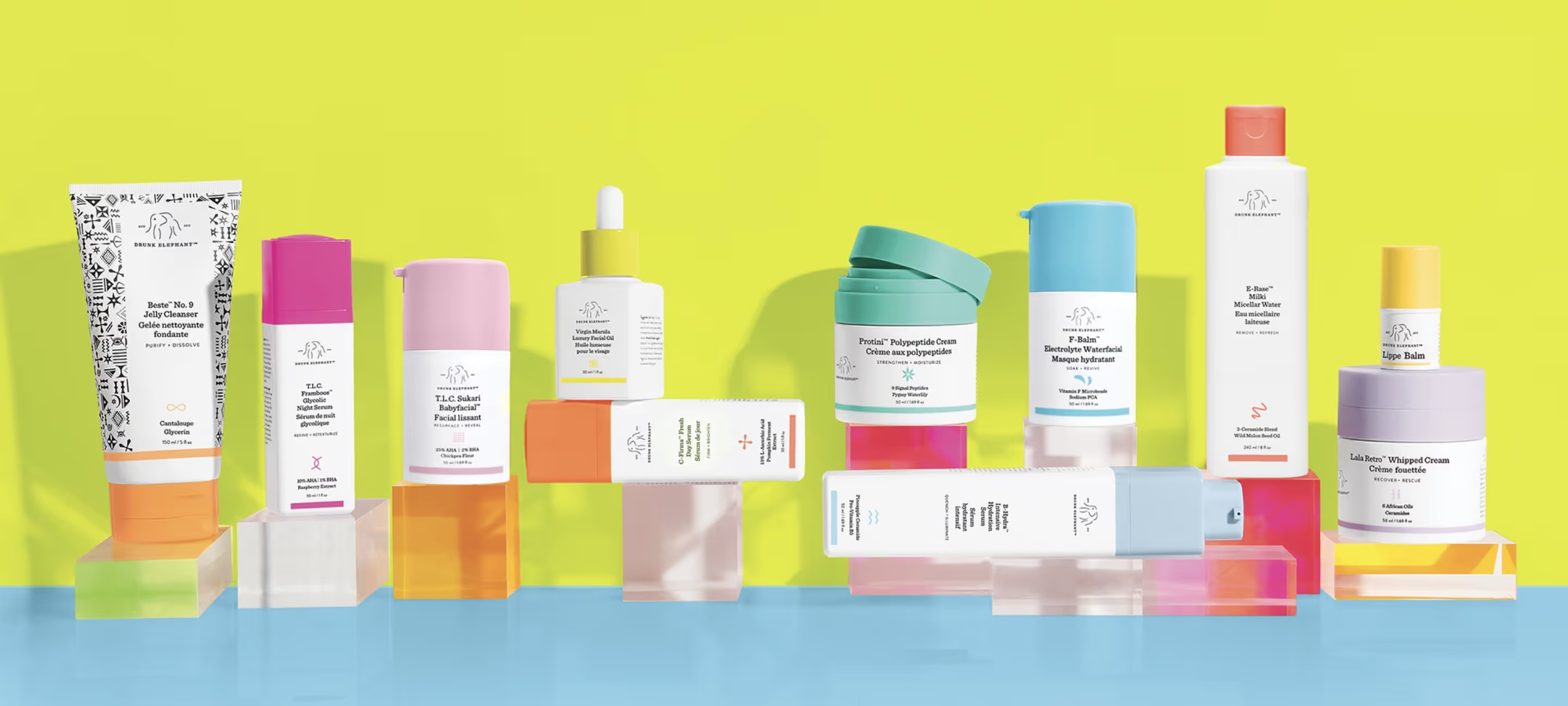
The visual appeal of Drunk Elephant's distinctive packaging is an important part of its Instagram presence. The colourful design of its products adds vibrancy to the feed and helps them stand out in a crowded beauty market. Consistency in branding is another strength: a recognizable visual identity connects individual products and posts. For other brands, the practical task is carrying that system into packaging and campaign graphics without sacrificing legibility. The product should remain easy to identify on a shelf, in a creator's video, and in a small mobile image.
Drunk Elephant's Areas for Improvement
Social visibility is only one part of a marketing assessment. Follower totals and isolated screenshots cannot establish customer sentiment, sales impact, or an advantage over brands such as Glow Recipe and Mario Badescu. The more useful questions concern clarity: can a visitor recognize the brand, understand the product, and find reliable information? The following considerations are practical review points, not claims about the current condition of Drunk Elephant's Instagram profile.
Profile Clarity and Website Continuity
A concise bio, a recognizable profile image, and a clear next step help visitors understand what a brand offers. The transition from social content to a product page matters just as much. Consistent website design should carry the same product language and visual cues, while a clear user experience makes details and navigation easy to follow. An attractive feed is less useful when the destination leaves customers searching for basic information or unsure which product they were viewing.

Making Stories and Highlights Useful
Instagram Stories can engage and inform an audience through behind-the-scenes content, product demonstrations, and user testimonials. While Stories are temporary, Highlights provide an opportunity to curate content with lasting relevance. Organizing them systematically can turn a profile into a useful resource for followers. For a skincare brand, categories should reflect the questions visitors actually ask, such as product purpose, routine guidance, and where to find further help. Clear labels and periodic reviews make information easier to find without asking followers to search through an archive of unrelated posts.
Logo Legibility and Message Consistency
A recognizable logo needs to remain clear in a small, circular profile image, not only on packaging or a desktop screen. Reviewing that crop and its contrast is a sensible quality check, but a historical screenshot does not establish that today's profile is pixelated. The same principle applies to messaging. Repeated product claims, captions, and profile text should reinforce the same positioning. When they introduce conflicting promises, visual consistency alone cannot resolve the confusion.
Giving Playful Content a Clear Context
Not every social post needs to explain an ingredient or promote a product. Playful imagery, including pets, can give a brand personality. Without context, however, it may leave followers unsure how the post relates to the wider story. The useful question is whether the content reinforces a familiar tone or merely interrupts it. A short caption or a recurring creative idea can provide that connection. Brands can be informal without making their educational and promotional messages harder to distinguish.
The 2024 Gen Alpha Skincare Debate
@garzacrewGRW Haven using only Drunk Elephant
♬ original sound - Garza Crew
By early 2024, Drunk Elephant's popularity with preteens had become part of a wider debate about children using adult skincare. Glamour's January 2024 reporting examined that interest. Masterson denied choosing the packaging to target children and advised against acids and retinol for under-13s. Dermatologist Joshua Zeichner also cautioned against unnecessary use of potent products without clinical guidance.
For marketers, the distinction is between who a brand intends to reach and who actually encounters its content. A routine shared online may attract viewers outside the intended audience. The example below belongs to that historical discussion; it is not a recommendation to copy the products or routines shown.
The controversy made product education more important, not less. A broad statement about a brand's philosophy cannot answer whether a particular formula is appropriate for a particular person. Families considering products for a child should seek individualized advice from a pediatrician or dermatologist rather than treat a creator's routine as a prescription. This article examines marketing decisions, not medical suitability.
For a brand facing an unexpected audience shift, a practical response is to review the information that accompanies its most visible products. Product pages, creator briefs, support responses, and retail guidance should not give conflicting impressions about intended use. Clear explanations are more useful than assuming that every viewer already understands the difference between a basic routine and a treatment product.
The wider lesson concerns responsibility as well as reach. A successful social format can travel beyond the context in which it was created. Brands should consider what a new viewer might misunderstand, where further guidance is needed, and how to make that guidance visible without burying it beneath promotional language. Popularity is not a substitute for clarity.
Drunk Elephant's marketing strategy illustrates how a founder's story, distinctive packaging, customer conversation, and recognizable social content can reinforce one another. Its ingredient-led positioning gives the brand a clear narrative, while the Gen Alpha debate shows the limits of treating attention alone as success. The useful lesson for other skincare brands is to keep the promise understandable, the presentation consistent, and the product information specific.
Community building and adaptability remain important, but they work best alongside clear boundaries and realistic expectations. Rather than copy a visual style or chase a follower total, teams can examine how their own content connects customer questions with helpful next steps. That is a more durable starting point than assuming a viral format will produce the same results for every business.
Brand Vision helps teams connect positioning, visual identity, and digital experience. You can discuss your brand's next steps with our team.