
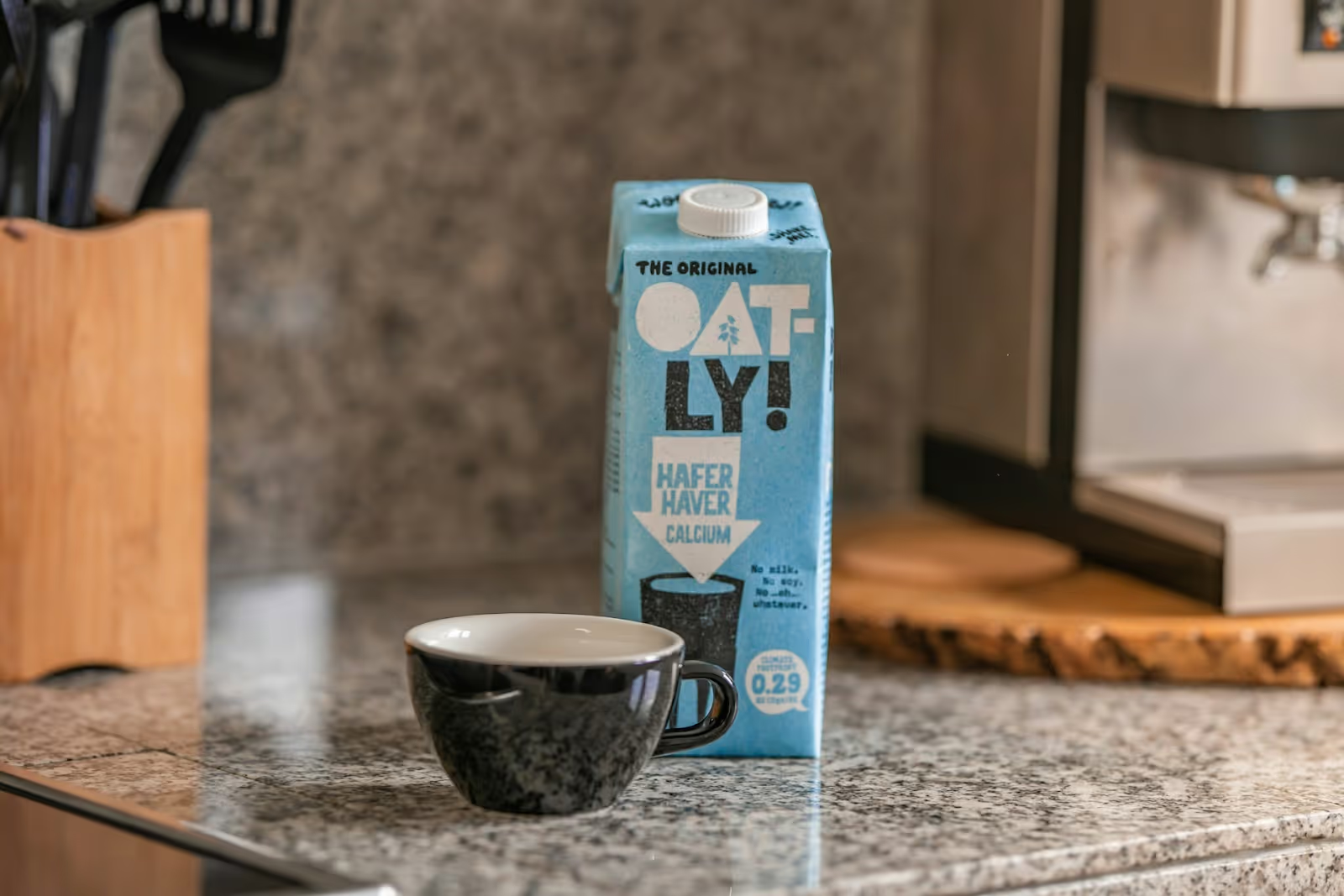
One brand stands out from the rest when it comes to milk alternatives: Oatly. Born in Sweden and dedicated to sustainability, Oatly has become a leader in the plant-based milk market, attracting customers all over the world. But what lies behind Oatly's rise, and how does it approach its marketing efforts? In this article, we will look at how Oatly has changed over the years and its creative "back to basics with a twist" marketing strategy.
Founded in 1985, Oatly traces its origins to academic research at Lund University, where the quest for a nutritious and sustainable alternative to dairy milk began. Oatly set out to change the dairy industry with the goal of making "delicious, nutritious plant-based milk made out of oats." Sweden is a big part of Oatly's brand, and the oats they use as a symbol of sustainability are a constant reminder of their roots. What sets Oatly apart is its marketing approach, a blend of simplicity, authenticity, and sustainability. By creating personal connections with consumers and embracing unusual marketing tactics, Oatly has carved a niche as more than just a dairy alternative but a lifestyle emblem synonymous with eco-conscious values.
The rise of plant-based milk has been a gradual process, but Oatly's story truly begins in the 1990s with Swedish food scientist Rickard Öste. Recognizing the growing concerns surrounding lactose intolerance and environmental sustainability, Öste embarked on a mission to develop a healthier and more sustainable alternative to cow's milk. This led him to experiment with oats, ultimately giving birth to oat milk as a viable dairy alternative. However, Oatly's journey was not without its challenges. Despite initial setbacks with previous oat-based products, Öste remained undeterred and decided to rebrand and relaunch his company as Oatly. This strategic pivot allowed Oatly to expand its product range and better align with the needs of a growing market.
Oatly's Marketing Strategy
To amplify its brand awareness and reach, Oatly adopted a bold marketing strategy that bypassed traditional advertising channels. Instead of relying on mass media campaigns, Oatly went straight to the frontline: coffee shops. By partnering with artisanal coffee shops across the US, Oatly positioned itself as the go-to alternative to dairy milk in the booming specialty coffee scene. Through strategic collaborations with baristas and the introduction of its innovative Barista Blend, Oatly successfully captured the attention of coffee drinkers nationwide. By establishing a presence in trendy, independent cafes, Oatly solidified its status as a staple in the plant-based milk market. Additionally, by embracing humour and creativity, Oatly's marketing campaigns resonate with consumers on a personal level, fostering a sense of connection and camaraderie. From the 'Help Dad' campaign targeting teens to initiatives like 'stop plant-based censorship,' Oatly's messaging exudes authenticity and clarity, reflecting its dedication to sustainability. In order to achieve its success, Oatly prioritized the following.
1. Putting Content First
One of Oatly's key strengths lies in its content creation strategy, particularly on social media platforms. With a focus on delivering engaging and witty content, Oatly has cultivated a strong sense of community among its followers. From humorous observations to oat-based life hacks, Oatly's content resonates with its audience, fostering brand loyalty and advocacy. The brand's approach to content curation has garnered praise from both consumers and industry professionals alike, demonstrating the effectiveness of prioritizing quality and creativity in marketing efforts.
2. Campaigning like Oat Punks
Oatly's marketing campaigns are anything but conventional. By embracing negative feedback and turning it into a rallying cry for change, Oatly has positioned itself as a disruptor in the food industry. The brand's advocacy for sustainable living and environmental consciousness has struck a chord with consumers, inspiring a movement towards a 'post-milk' generation. By mobilizing its audience and championing causes that align with its values, Oatly has effectively differentiated itself from competitors and cultivated a loyal following of like-minded individuals.
3. Connecting with the Audience

Oatly's commitment to engaging with its audience extends beyond social media. Through initiatives like 'Je Ne Sais Quoi of the Month' and 'Hey Barista!,' Oatly celebrates individuals who embody its ethos of sustainability and creativity. By highlighting the stories of scientists, artists, entrepreneurs, and activists, Oatly creates a sense of community and mutual support among its customers. Moreover, Oatly's engagement with coffee professionals shows its dedication to catering to the needs of its target market, further strengthening its brand identity and relevance.
4. Having Unapologetic Fun
While Oatly remains steadfast in its mission to promote sustainability, it also knows how to have fun. By infusing its marketing with humour, honesty and a tad of sarcasm, Oatly stands out in a crowded marketplace, capturing the attention of consumers and sparking conversations. The brand's willingness to challenge industry norms and embrace creativity has earned it a reputation for being refreshingly different, resonating with consumers who value authenticity and individuality.
5. Making Really Good Products
Last but not least, Oatly's success can be attributed to the quality of its products. With a commitment to innovation and excellence, Oatly has developed a range of oat-based alternatives that not only taste great but also align with consumers' preferences for sustainable and plant-based options. By consistently delivering products that meet and exceed customer expectations, Oatly has earned the trust and loyalty of its customers, driving continued growth and demand for its offerings.
The brand Oatly became well-known around the world because of its rapid growth during the pandemic, which included a shocking 295% rise in sales in 2020. Celebrity endorsements and a valuation that skyrocketed to almost $13 billion after a successful IPO in 2021 are just a few examples of Oatly's unmatched success in the industry. The surge in Oatly's popularity, particularly amidst the pandemic, speaks volumes about its groundbreaking marketing strategies and dedication to fulfilling the demand for sustainable, health-conscious options. Despite encountering hurdles like supply chain disruptions and market uncertainties, which jeopardized its NASDAQ listing due to a significant drop in share value, Oatly remains resilient. Despite anticipated supply chain improvements, increased distribution, and a positive outlook for Asia, optimism is still present. Furthermore, strategic alliances, such as the decade-long partnership with Ya YA Foods, fortify Oatly's market position.
From a Swedish school project to a world leader in plant-based milk, Oatly's growth shows how smart its marketing is and how dedicated it is to being environmentally friendly. Oatly has stayed at the top of its industry despite problems like supply chain disruptions and uncertain markets thanks to its strength and creativity. As it continues to change and grow, Oatly remains a symbol of eco-friendly living and a popular choice for people who want to buy healthy, long-lasting products.



%2520(1).png)






