
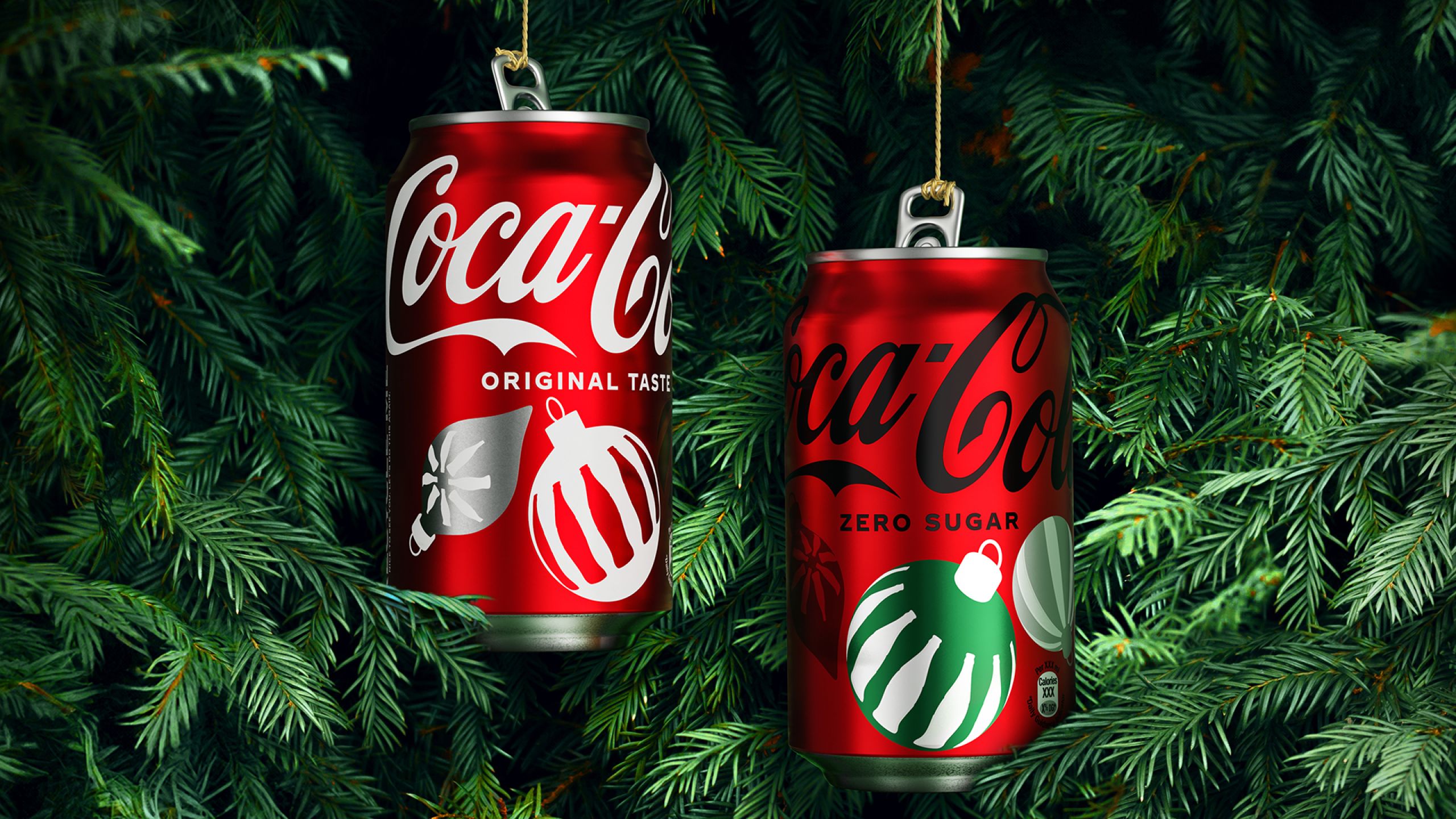
Christmas shopping compresses gifting, travel, food, entertainment, and year-end promotions into a short window, so brands compete for attention while customers are already making more purchase decisions than usual. Historical consumer-spending roundups have put household holiday budgets in the four-figure range, including about $1,000 on holiday-related purchases in the U.S. and around CAD $1,500 on holiday shopping in Canada. The exact totals vary by year and methodology, but the commercial importance of the season is clear.
The best Christmas marketing campaigns become memorable because they use repeatable creative devices, emotional storytelling, recognizable brand assets, and a clear brand strategy. The 50 examples below are useful less as a scoreboard than as a library of techniques: characters, music, packaging, nostalgia, participation, generosity, humour, and seasonal rituals.
1. Coca-Cola’s “Holiday Caravans” (1995)
Coca-Cola's illuminated caravans of red trucks, decorated with festive lights, drove through towns worldwide, making a memorable visual impact. The sight of these trucks against snowy landscapes helped establish Coca-Cola as a symbol of holiday cheer.
Its strength is repetition: red trucks, lights, music, and Coca-Cola's established holiday codes became a seasonal ritual rather than a one-off promotion.
2. John Lewis, “Man on the Moon” (2015)
John Lewis’s emotional campaign told the story of a young girl who sends a telescope to an elderly man living alone on the moon. The ad spotlighted loneliness during the holidays, with a call for empathy and connection.
The moon setting makes loneliness visually simple, while the telescope gives the story a concrete act of connection without pushing product into every scene.
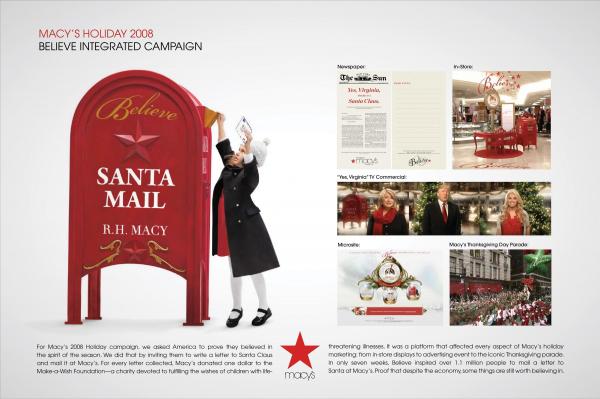
3. Macy’s “Believe” Campaign (2008)
Macy’s campaign encouraged children to write letters to Santa, promising to donate $1 per letter to the Make-A-Wish Foundation. This simple, feel-good campaign tied charitable giving to holiday traditions.
The campaign turns participation into charity, giving customers a repeatable ritual and a reason to engage with the brand beyond a transaction.
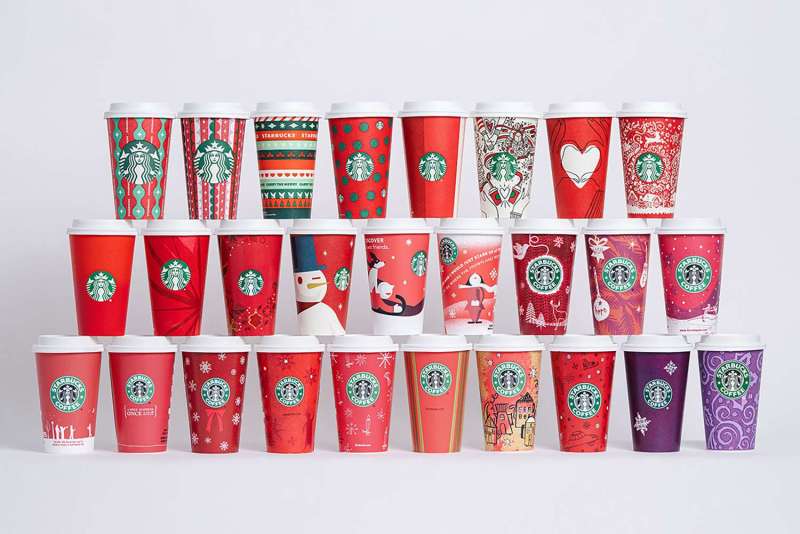
4. Starbucks Holiday Cups (1997-present)
Starbucks introduced its first holiday cups in 1997, though the earliest designs were jewel-toned rather than the now-familiar red. The cups became predominantly red in 1999 and evolved into a recurring seasonal design system. Starbucks' own history documents that progression.
The annual cup system shows how recurring graphic design can act as seasonal media. For food and beverage marketing, packaging can become part of the campaign surface itself.
5. Apple “Share Your Gifts” (2018)
Apple’s animated ad featured a young girl who hides her creative work until she finds the courage to share it. It celebrated the act of creative expression and sharing gifts with others.
Apple keeps the product role secondary to a story about creative confidence, reinforcing the brand's broader association with making and sharing.
6. Sainsbury's “1914 Christmas Truce” (2014)
Inspired by a WWI Christmas truce, this Based on the WWI Christmas truce, this ad depicted soldiers from opposing sides uniting in a brief moment of peace. It was a powerful visual of human kindness.
The historical setting gives the ad emotional weight, while restrained product presence keeps the story focused on remembrance and human connection.
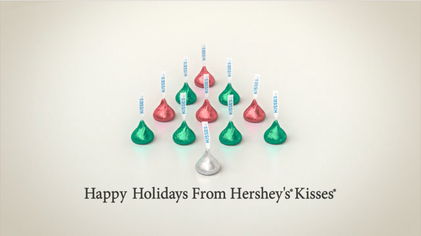
7. Hershey’s Kisses “Holiday Bells” (1989)
In this ad, Hershey’s Kisses “ring” to the tune of “We Wish You a Merry Christmas,” using simple animation to create a memorable scene that repeats every holiday.
The product itself becomes the musical instrument, an unusually compact idea that can be recognized within seconds and repeated across decades.
8. Aldi “Kevin the Carrot” Series (2016-present)
Aldi introduced Kevin the Carrot, a character who stars in various holiday-themed storylines each year.
A recurring character turned Aldi's Christmas advertising into a franchise, creating continuity, merchandising opportunities, and anticipation for each new chapter.
9. Amazon's 2020 Ballerina Christmas Ad
Amazon's 2020 global Christmas campaign followed a young ballerina whose performance is cancelled during the pandemic before her family and neighbours create an outdoor stage for her. Amazon described the campaign as a story of tenacity, friendship, family, and community.
Amazon matched the emotional conditions of 2020 by making persistence and community the story, with delivery kept in a supporting role rather than presented as the emotional payoff.
10. Hallmark “Countdown to Christmas” (2009-present)
Summary: Hallmark’s annual Christmas movie marathon became a tradition, drawing millions of loyal viewers every season.
Hallmark's advantage is repetition at platform scale. A predictable seasonal programming block gives audiences a ritual and the brand a durable position in entertainment marketing.

11. Kmart “Jingle Joes” (2013)
Kmart’s humorous “Jingle Joes” ad went viral with its playful holiday spirit and catchy jingle.
The campaign demonstrates how a simple joke can travel when the premise is understandable immediately and the brand commits fully to the tone.
12. Marks & Spencer “Mrs. Claus” (2016)
This ad spotlighted Mrs. Claus, portraying her as a holiday hero and adding an empowered twist to a traditional character.
Reframing Mrs. Claus as the capable protagonist refreshed a familiar Christmas character without abandoning the recognition that makes seasonal storytelling work.
13. Coca-Cola “Share a Coke” Holiday Editions (2014)
Coca-Cola adapted its “Share a Coke” campaign to feature holiday names like “Santa” and “Rudolph,” adding a seasonal touch to its personalization campaign.
The holiday execution extended an already familiar personalization mechanic instead of inventing a completely separate seasonal platform.
.webp)
14. Burberry’s “The Tale of Thomas Burberry” (2016)
This cinematic short film highlighted Burberry’s heritage and craftsmanship, following a fictionalized life of its founder.
Burberry used cinematic storytelling to turn heritage into entertainment, making craftsmanship and brand history feel like narrative material rather than catalogue copy.

15. IKEA “The Other Letter” (2014)
IKEA’s Spanish ad focused on family, encouraging children to write letters to their parents rather than Santa, stressing togetherness.
The emotional proposition is simple: children may value time with family more than more things. IKEA connects that insight naturally to the home and family occasions it already serves.
16. Guinness Christmas Advertising (2013)
Guinness has often approached Christmas advertising with a quieter, atmospheric tone rather than relying on busy retail imagery. The 2013 example in this list is useful for that contrast: winter mood and brand atmosphere carry more of the message than promotion.
The example is useful as a reminder that not every Christmas campaign needs spectacle. A quieter atmosphere can differentiate a brand when the category is full of noise.
17. WestJet’s “Christmas Miracle” (2013)
WestJet surprised passengers with Christmas gifts at the airport, capturing heartwarming reactions that went viral.
WestJet made the campaign itself an experience by surprising travellers with gifts, creating a story people could witness rather than simply watch. It is a useful example of travel and hospitality marketing built around service moments.
18. Asda’s “Bring Christmas Home” (2017)
Asda’s ad focused on holiday traditions and family, depicting warm, relatable scenes of Christmas preparation.
Asda focused on recognizable household rituals, making preparation and family activity more important than a single product or price message.
19. Budweiser Clydesdales Christmas Commercial (1987)
This heartwarming ad featured Budweiser’s iconic Clydesdale horses reuniting with family for the holidays.
The Clydesdales give Budweiser a distinctive brand asset that can carry seasonal emotion with relatively little explanation.
20. Marks & Spencer “Paddington Bear Saves Christmas” (2017)
M&S’s ad used Paddington Bear to convey a warm holiday story, leveraging a beloved character to build festive excitement.
Using Paddington gave Marks & Spencer instant character recognition and a ready-made tone of warmth, curiosity, and family-friendly humour.
21. LEGO “Rebuild the World” (2020)
This ad encouraged children to create new worlds, blending holiday themes with creativity and family bonding.
LEGO ties the holidays back to its core promise of imagination, so the seasonal message still feels like the product's everyday brand idea.
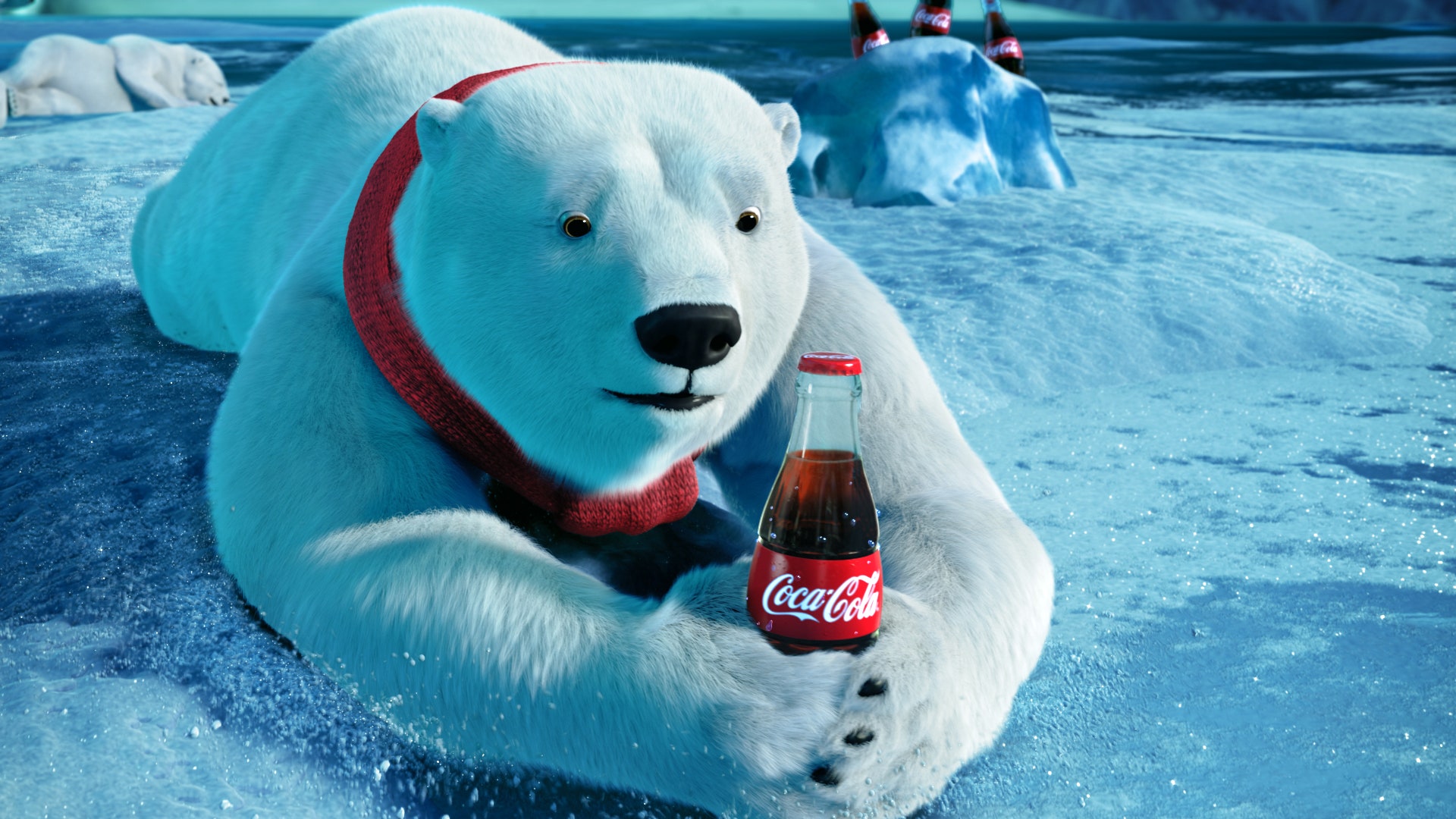
22. Coca-Cola “Polar Bears” (1993)
Coca-Cola introduced its animated polar bears, adding a playful, wintry element to the brand’s holiday image.
The polar bears show the long-term value of distinctive brand characters. They can return in new stories while preserving instant Coca-Cola recognition.
23. Walkers’ “All Mariah Carey Wants for Christmas” (2019)
Featuring Mariah Carey, Walkers added humor and holiday cheer to its holiday lineup.
Mariah Carey brings an existing Christmas association into the campaign, showing how celebrity partnerships work best when the person already fits the cultural moment.
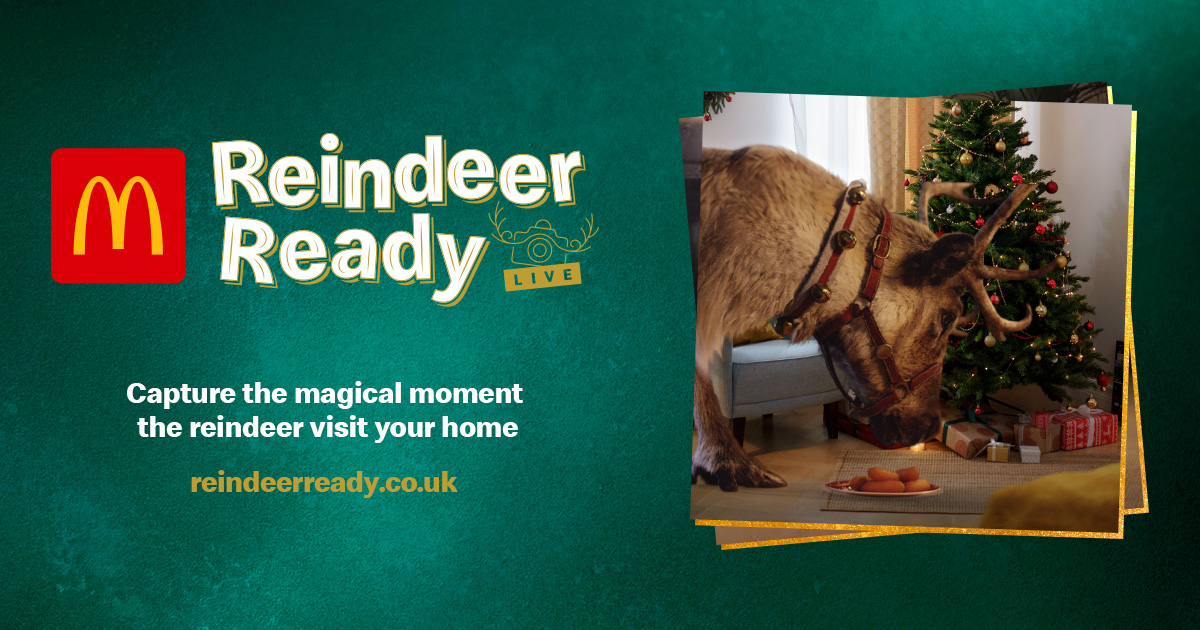
24. McDonald’s “Reindeer Ready” (2018-present)
McDonald’s featured “reindeer treats” like carrot sticks, aligning itself with family-friendly holiday traditions.
The reindeer-carrot idea connects McDonald's to a family ritual in a way that is inexpensive, easy to understand, and naturally repeatable.
25. Walmart’s “Elf on the Shelf” Partnership (2020)
By partnering with Elf on the Shelf, Walmart tapped into a beloved holiday tradition, driving seasonal relevance.
The partnership borrows a widely recognized family tradition and gives Walmart a seasonal role without needing to create a new character from scratch.
26. Boots “Gifts that Get Them” (2018)
Boots emphasized personalized holiday shopping by showcasing gift options suited to different personalities.
Boots frames gifting around understanding the recipient, turning product assortment into a personalization story rather than a generic gift guide.
27. Microsoft “Find Your Joy” (2020)
Microsoft’s holiday ad encouraged families to find joy amidst the pandemic by showing people coming together virtually through technology.
Microsoft used remote connection as an emotional benefit during 2020, aligning a technology product with the need to stay close when people could not gather normally.
28. eBay’s “Christmas is Happening” (2018)
eBay’s campaign emphasized unique holiday gifts and highlighted its inventory of rare and vintage items, positioning itself as a go-to for special finds.
eBay's strongest holiday position is selection: rare, vintage, and hard-to-find products give the marketplace a reason to compete on discovery rather than only price.
29. Honda’s “Happy Honda Days” (2009-present)
Honda’s annual “Happy Honda Days” sales event became widely recognized, offering discounts and emphasizing the brand’s connection to holiday family traditions.
Happy Honda Days shows how an annual sales event can become a recognizable seasonal property when the name, timing, and creative treatment stay consistent.

30. Tesco “Delivering Christmas” (2020)
Tesco’s ad paid tribute to delivery drivers and frontline workers during the pandemic, recognizing their essential contributions and bringing a human touch to holiday shopping.
Tesco connected its retail role to the people keeping everyday life moving during the pandemic, using recognition and gratitude rather than pure promotion.
31. Zara Holiday Fashion Marketing (2020)
Zara's 2020 seasonal fashion marketing relied on editorial product presentation and ecommerce at a time when in-person retail behaviour had been disrupted. The useful lesson is the brand's ability to create seasonal relevance through styling, imagery, and merchandising rather than a single story-led commercial.
Zara's seasonal fashion marketing is most useful as a product-led example: editorial imagery, styling, and digital merchandising can create a holiday mood without a conventional narrative ad.
32. H&M’s “Come Together” (2016)
Directed by Wes Anderson, this ad portrayed a festive train journey with an emphasis on kindness and coming together.
Wes Anderson's direction gave H&M a distinctive cinematic world, proving that a familiar theme such as togetherness can feel fresh when the execution has a strong authorial style.
33. Google’s “Santa Tracker” (2004-present)
Google’s interactive Santa Tracker became a holiday tradition, allowing families to track Santa’s journey on Christmas Eve.
Google's Santa Tracker is an interactive product experience rather than a conventional ad. Its utility and playfulness give families a reason to return each December.

34. Tiffany & Co.’s “Very, Very Tiffany” (2018)
This campaign emphasized Tiffany’s luxury status by highlighting the brand as the perfect choice for special holiday gifts.
Tiffany's holiday work reinforces an existing ownership position around meaningful gifts, luxury presentation, and milestone moments instead of creating a separate seasonal identity.
35. Netflix “Christmas Chronicles” (2018)
Netflix launched its original Christmas movie “The Christmas Chronicles,” creating a seasonal cinematic experience for subscribers.
Netflix uses seasonal programming as content marketing: a Christmas film can create a reason to open the service, generate conversation, and give the catalogue a timely entry point. Brand Vision's Netflix marketing strategy analysis looks at that content-and-distribution system in more detail.
36. British Airways “Bringing People Together” (2019)
This ad celebrated family reunions, capturing heartfelt moments of people coming home for the holidays.
British Airways connects the holiday with homecoming, a natural emotional territory for an airline because the service itself enables the reunion.
37. Target “Gather Round” (2018)
Target’s campaign focused on small, intimate gatherings during the pandemic, reflecting the tone of a quieter holiday season.
Target's "Gather Round" platform used music and multicultural creative to frame the brand around the many ways people gather, giving one campaign idea room to work across channels.
38. Boots “Here Come the Girls” (2007)
This ad humorously celebrated women’s joy in holiday shopping, capturing the lighthearted side of holiday preparations.
Boots used humour and a recognizable soundtrack to make shopping preparation feel social and energetic rather than purely functional.
39. Publix “Home for the Holidays” (1985-present)
Publix’s annual family-centered ads have consistently portrayed warm holiday gatherings, creating a strong emotional connection with viewers.
Publix's recurring family-centred advertising shows the value of consistent emotional territory. The individual stories can change while the brand keeps returning to togetherness.
40. Debenhams “You Shall Find Your Fairytale” (2017)
Using fairy tale imagery, this ad brought magic and wonder to the holiday season, appealing to viewers’ sense of nostalgia and fantasy.
The fairytale device gave Debenhams a flexible visual world for gifting, fashion, and beauty while preserving a clear sense of seasonal fantasy.
41. Disney “From Our Family to Yours” (2020)
Disney’s animated ad celebrated family bonds and holiday traditions, showing a grandmother passing down a cherished Mickey Mouse toy.
Disney used a multigenerational story to connect a physical keepsake with family memory, putting heritage and continuity at the centre of the message.

42. Edeka’s “Time to Come Home” (2015)
This German ad about an elderly man reuniting with his family went viral, touching millions with its message of togetherness.
Edeka's story became widely discussed because it used a dramatic reversal to force attention onto family togetherness. The lesson is powerful, though the emotional provocation also shows how easily a holiday message can become divisive.
43. Heathrow Airport “Coming Home” (2016)
Heathrow’s ad featured teddy bears reuniting with family, linking air travel to the joy of coming home for Christmas.
Heathrow's teddy bears translate the abstract idea of airport arrivals into a simple family reunion story, making infrastructure feel personal.
44. Amazon Prime’s “Give” (2017)
Amazon’s ad showed a family theme, focusing on the joy of giving gifts and the convenience of online shopping.
Amazon Prime's holiday advertising has often paired giving with convenience. The useful lesson is to let functional value support the emotional story rather than replace it.
45. Lidl “A Christmas You Can Believe In” (2014)
Lidl’s humorous campaign emphasized that affordability and family togetherness make for a perfect holiday.
Lidl combines affordability with family warmth, showing that value positioning does not have to sound purely transactional during the holidays.
46. Peloton “The Gift That Gives Back” (2019)
Peloton's 2019 holiday spot showed a woman receiving a bike from her husband and documenting a year of workouts before presenting the video back to him. The ad generated substantial backlash over how viewers interpreted the gift and the character's transformation.
Peloton's 2019 "The Gift That Gives Back" ad became a cautionary example because many viewers read the gift and transformation story differently than the brand intended. Seasonal advertising still needs to test how the premise will feel from the audience's point of view.
47. Tesco “No Naughty List” (2020)
Tesco humorously reassured customers they were on the “nice list,” lightening the mood during a difficult year.
Tesco's "No Naughty List" used humour to release some of the tension of 2020, giving the supermarket permission to be playful without pretending the year had been normal.
48. Etsy “Gift Like You Mean It” (2020)
Etsy highlighted the value of unique, handmade gifts, appealing to those seeking personal connections in their gifts.
Etsy makes personalization the product advantage. Handmade and individual gifts fit naturally with a season when shoppers want purchases to feel thoughtful.
49. M&M’s “Fainting Santa” (1996)
In this lighthearted ad, Santa faints upon meeting the M&M’s characters, creating a humorous holiday scene.
The M&M's spot is a strong example of character-based continuity: one short joke created a Christmas asset that could return for years without needing a new premise.
50. L.L. Bean “Share the Joy” (2021)
L.L. Bean encouraged viewers to experience holiday joy outdoors, connecting the season with nature.
L.L.Bean connects gifting with time outdoors, keeping the holiday message aligned with the brand's everyday lifestyle territory.
Across the list, the most durable ideas are rarely the ones with the loudest sales claim. They are the ones audiences can recognize and participate in: recurring characters, packaging, music, nostalgia, acts of generosity, interactive experiences, and stories that fit what the brand already means. Brand Vision's guide to nostalgia marketing during the holidays explores one of those patterns in more depth, while the best holiday ads of 2025 show how current brands are adapting the same fundamentals.
Why Christmas Advertising Can Be So Memorable
Christmas concentrates emotional themes such as giving, family, homecoming, ritual, and nostalgia at the same time that purchase activity rises. Historical holiday spending data helps explain the commercial opportunity, but spending alone does not make a campaign memorable. The stronger examples connect the brand to a seasonal behaviour or feeling it can credibly own, then repeat that association consistently over time.
If your team is planning a seasonal campaign, Brand Vision can help connect the strategy, creative system, and channel execution without forcing the brand into generic holiday conventions. Explore our marketing services.



%2520(1).webp)