
Nostalgia marketing is a recurring holiday tactic because seasonal rituals, music, imagery, and family traditions can make past experiences unusually salient. This guide looks at what research actually supports, how nostalgic Christmas advertising uses memory cues, and where a focused marketing consultation can help teams pressure-test an emotional idea before it becomes a campaign.
Every December, brands compete for attention with bigger budgets and shinier effects, yet many memorable holiday campaigns rely on familiar music, recurring characters, family rituals, or brand assets people already recognize. Christmas gives nostalgia unusually rich material because the season is tied to repeated routines and shared cultural cues. Those cues can strengthen emotional response, but they do not guarantee recall, engagement, or sales on their own.
- Holiday marketing sits at the intersection of memory, emotion and ritual, which is exactly where nostalgia is strongest.
- Emotional marketing that reaches back into shared experiences can help a brand feel familiar and trustworthy, even in a crowded season.
At a Glance
- A secondary research summary links nostalgia with greater willingness to spend, but its cited 10–15 percent price premium should be treated as a directional marketing claim rather than a universal benchmark. (Accelerant Research)
- Talon OOH says 90 percent of Britons feel nostalgic around Christmas and reports a 140 percent increase in action when emotion is paired with product messaging in its OOH benchmarks. Those figures describe Talon’s advertising data, not a universal lift for every nostalgic campaign. (Talon OOH)
- Academic work found that stronger holiday atmosphere in brand logos increased preference for nostalgic brands and products by eliciting more childhood imagery, with the effect depending on whether the holiday was traditional for the audience. (Wang & Chen, 2022)
Why Nostalgia Marketing Peaks At Christmas
Traditional holidays give nostalgia marketers a dense set of repeated cues, but the mechanism is broader than Christmas alone. Research on temporal landmarks shows that marked moments can increase nostalgic consumption through the need to belong. (Song et al., 2024) Wang and Chen’s holiday-logo experiments add a more specific boundary: nostalgic preference rose when a holiday atmosphere activated childhood imagery for a traditional holiday.
- Christmas acts as an automatic nostalgia trigger because it carries rituals, music, food and family scripts from early life, which holiday marketing can echo.
- Nostalgia marketing at this time is less about inventing new feelings and more about amplifying what people are already experiencing internally.

How Nostalgic Christmas Advertising Drives Results
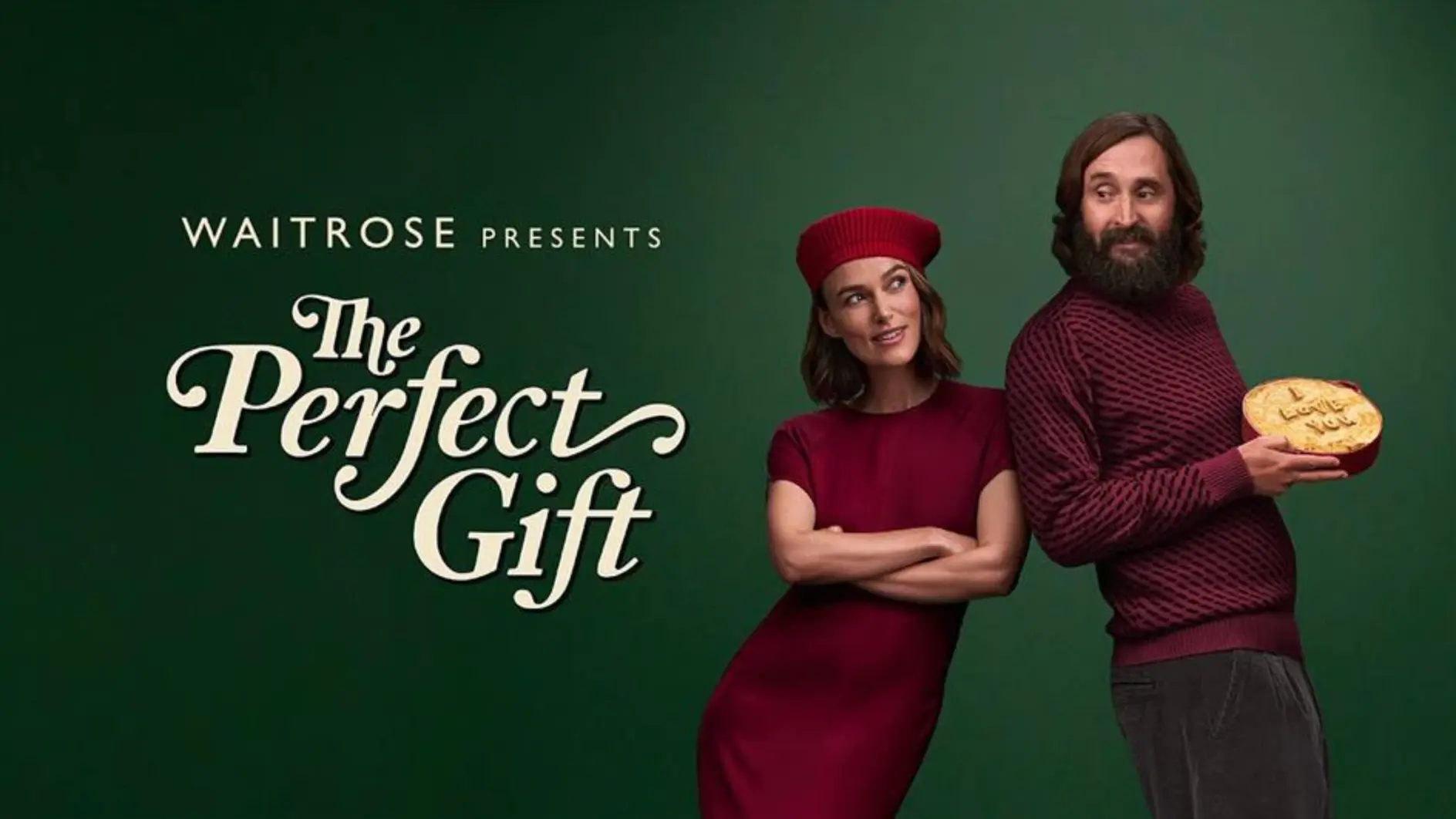
Industry testing in 2025 gives a more useful picture than saying nostalgia always wins. Zappi’s holiday-ad analysis found that, within the campaigns it tested, strong storytelling and emotions such as love and nostalgia were associated with high short- and long-term impact scores. (Zappi) Kantar separately found that five of its top 10 performing Christmas ads were repeats, showing the value of familiar creative platforms when the brand assets remain distinctive. (Marketing Week) For concrete examples, see these holiday advertising examples from 2025.
- Familiar characters, music, and visual assets can strengthen branded memory when they remain clearly connected to the advertiser.
- Repeat creative can work when the underlying story world is still recognizable and relevant; repetition by itself is not evidence of effectiveness.
Emotional Marketing Rules For Nostalgic Holiday Work
Good emotional marketing at Christmas does more than push sentimental buttons; it gives the audience a believable story and a reason the brand belongs in it. MOO’s overview of “sadvertising” discusses how sadness is often paired with hope or resolution, while University of Virginia marketing experts emphasize emotional connection, nostalgia, family, giving, and kindness as recurring ingredients in memorable holiday advertising. (MOO) (UVA Darden)
- Nostalgia marketing should pick one universal emotional theme, such as reunion, childhood wonder or second chances, then build everything around that feeling.
- Holiday marketing that uses emotional arcs, such as loss leading to reconnection, can move people more than constant cheer, as long as it ends with warmth and resolution.

Practical Nostalgia Tactics For Holiday Marketing
On the execution side, nostalgic Christmas advertising relies on a combination of sensory cues and storytelling devices. That can include using vintage colour palettes, film treatments or retro typography, incorporating classic songs or carols, reviving old brand assets and characters, or referencing periods that match your audience’s childhood. An integrative review of nostalgia marketing points out that repeat Christmas campaigns from John Lewis, Coca-Cola and others reinforce nostalgic association over time and generate high levels of consumer interaction because people anticipate them each year. (Mehdian Rad, 2024)
- Choose cultural references based on evidence about the audience, not the creative team’s favourite decade. Audience research can test whether a reference is meaningful, overused, or exclusionary before it becomes the campaign premise.
- Plan a small set of repeatable cues that can be refreshed over time. A strong visual identity makes colours, packaging, typography, and recurring imagery recognizable without forcing every holiday campaign to look identical.
Omnichannel Nostalgia: TV, OOH And In-Store
Nostalgic holiday creative works across channels only when the audience can recognize the same idea in each context. TV and online video may carry the story, OOH can repeat a key cue in public space, and retail or packaging can complete the experience near purchase. That is an integrated marketing challenge, not simply a media-placement exercise. Talon’s Christmas OOH guidance reports stronger action when emotion and product messaging are combined, but its figures are platform benchmarks rather than a universal result for nostalgia. (Talon OOH)
For a local seasonal campaign, a marketing agency in Chicago can adapt familiar references to the local audience, retail calendar, and media environment instead of assuming the same memory cue travels everywhere.
- For holiday marketing, use OOH and retail to echo key images or lines from your nostalgic Christmas advertising so consumers feel continuity, not whiplash.
- Make sure packaging, POS and store music align with the emotional tone of your ad so the in-person experience feels like stepping into the same story.

Nostalgia On Social: Short Form Memory Triggers
Social platforms give nostalgia campaigns more ways to reuse and respond to familiar material, from short clips and archive callbacks to audience stories. The useful 2025 Zappi finding is narrower: recognizable characters, branded assets, nostalgia, music, and emotionally clear storytelling appeared across many of the stronger ads it tested. (Zappi)
- Repurpose your main spot into social-friendly cuts that focus on the most nostalgic moments, such as the reveal of an old toy, a song cue or a returning character.
- Encourage UGC around prompts like “show us your family’s version of this moment,” so emotional marketing becomes two-way rather than a monologue.
B2B And Retail Uses Of Holiday Nostalgia
Nostalgia is not limited to consumer advertising. B2B companies can use milestones, legacy products, archival material, or industry history when those references are genuinely relevant to clients. Retailers have a different job: consumer marketing has to connect the nostalgic story to browsing, gifting, in-store experience, and purchase without making the shop feel like a museum.
- B2B holiday marketing can use nostalgia by referencing industry “good old days,” historic milestones or iconic products, especially in thought leadership and client gifting.
- Retailers can strengthen buyer relationships with brands by aligning their nostalgic in-store storytelling with supplier campaigns, creating a joined-up holiday experience.

Pitfalls: When Nostalgia Marketing Backfires
Nostalgia can misfire when it assumes everyone shares the same past. Generic “good old days” imagery can exclude people who do not recognize the reference or who experienced the period differently. A review of nostalgia marketing also discusses rosy retrospection and the risk of becoming too dependent on the past. (Mehdian Rad, 2024)
- Always check whether the era and imagery you are referencing genuinely match your brand history and your customers’ lived experience.
- Balance nostalgic Christmas advertising with modern details and inclusive casting so it feels like a bridge between then and now, not a retreat into a narrow past.
Using AI Without Killing The Nostalgia Vibe
AI can support a nostalgia campaign without becoming the campaign idea. Teams may use it for archive restoration, versioning, rough concept exploration, or production assistance, but the emotional reference still needs to be understandable, brand-relevant, and reviewed by people who know the audience. The production method itself does not prove that a holiday ad will feel warmer or perform better.
- Use AI behind the scenes where it improves the workflow, while keeping human judgment responsible for the core story, references, and final creative choices.
- Be cautious when synthetic imagery recreates personal or historical memories, especially when the audience could mistake a generated scene for real archive material.
Emotional Resonance for the Holidays
Nostalgia marketing during the holidays works best as a brand system, not a pile of retro references. The stronger approach is to identify a memory cue the audience genuinely understands, connect it to distinctive brand assets, and carry it consistently through the channels where people encounter the campaign. Brand Vision is a branding agency that connects research, identity, digital experience, and marketing execution. If you are planning a seasonal campaign, discuss your brand’s seasonal story with Brand Vision.
FAQ
What is nostalgia marketing in the context of holiday marketing?
Nostalgia marketing in holiday marketing is the deliberate use of memories, past eras and familiar festive cues to evoke warm feelings and connect a brand to people’s own Christmas experiences.
Why does nostalgic Christmas advertising work so well?
Nostalgic Christmas advertising can work because familiar stories, music, and visual cues can trigger childhood imagery, belonging, or recognition. Those mechanisms can increase nostalgic preference in the right context, but they do not guarantee purchase or campaign effectiveness.
Is emotional marketing always better than product-focused holiday ads?
No. Emotion is one route to effectiveness, not a rule. In 2025 holiday-ad testing, emotionally clear campaigns performed strongly in several samples, but product relevance, branding, distinctiveness, distribution, and execution still matter.
How can a smaller brand use nostalgia marketing without copying big players?
Smaller brands can focus on specific, local or family-based memories, such as neighbourhood traditions, old packaging or founder stories, and build their holiday marketing around those rather than trying to mimic blockbuster supermarket or tech ads.
What should brands avoid when using nostalgia marketing during the holidays?
Brands should avoid generic or forced nostalgia that does not match their history or audience, and should be cautious about romanticizing the past in ways that erase real challenges, since authenticity is critical to effective emotional marketing.