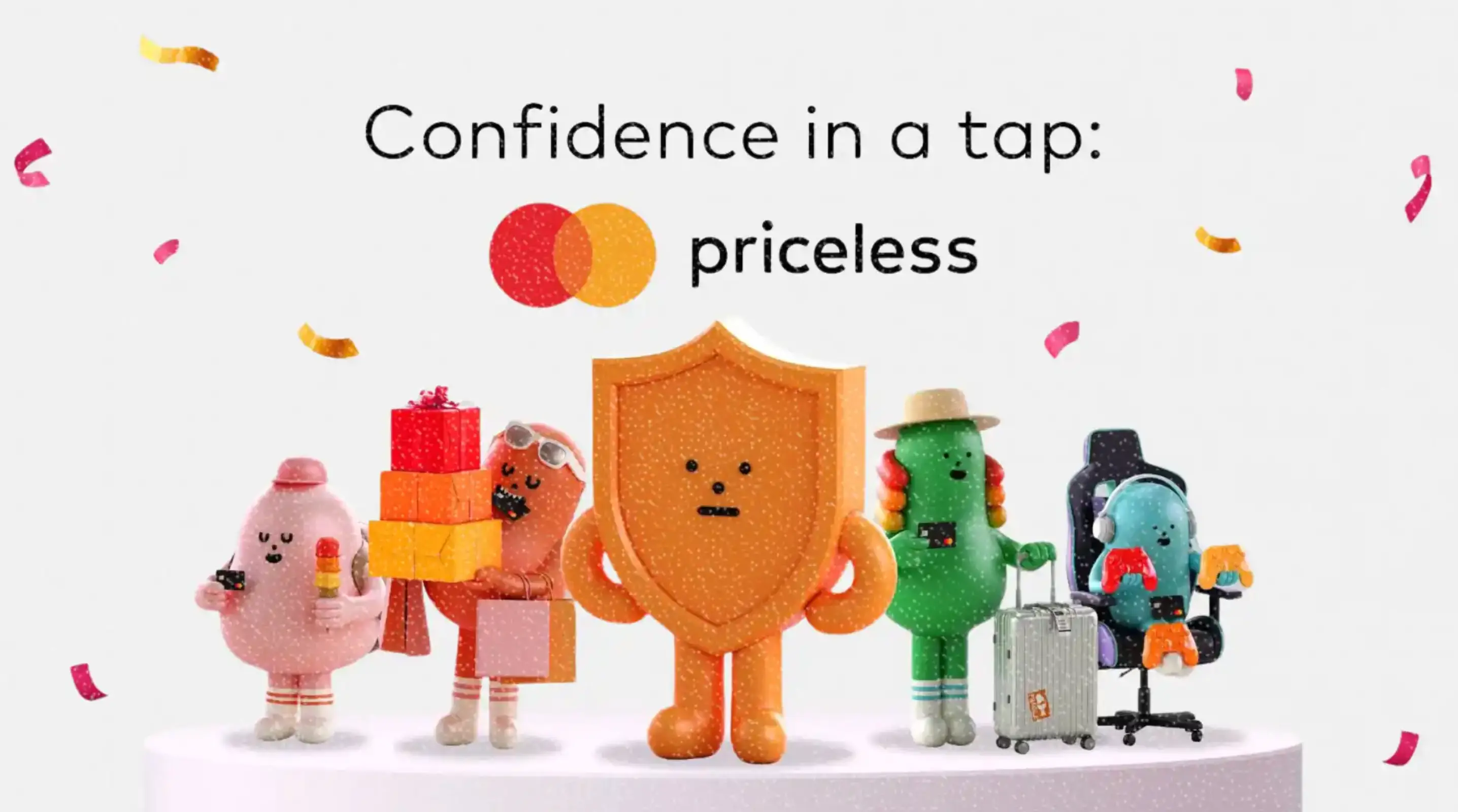
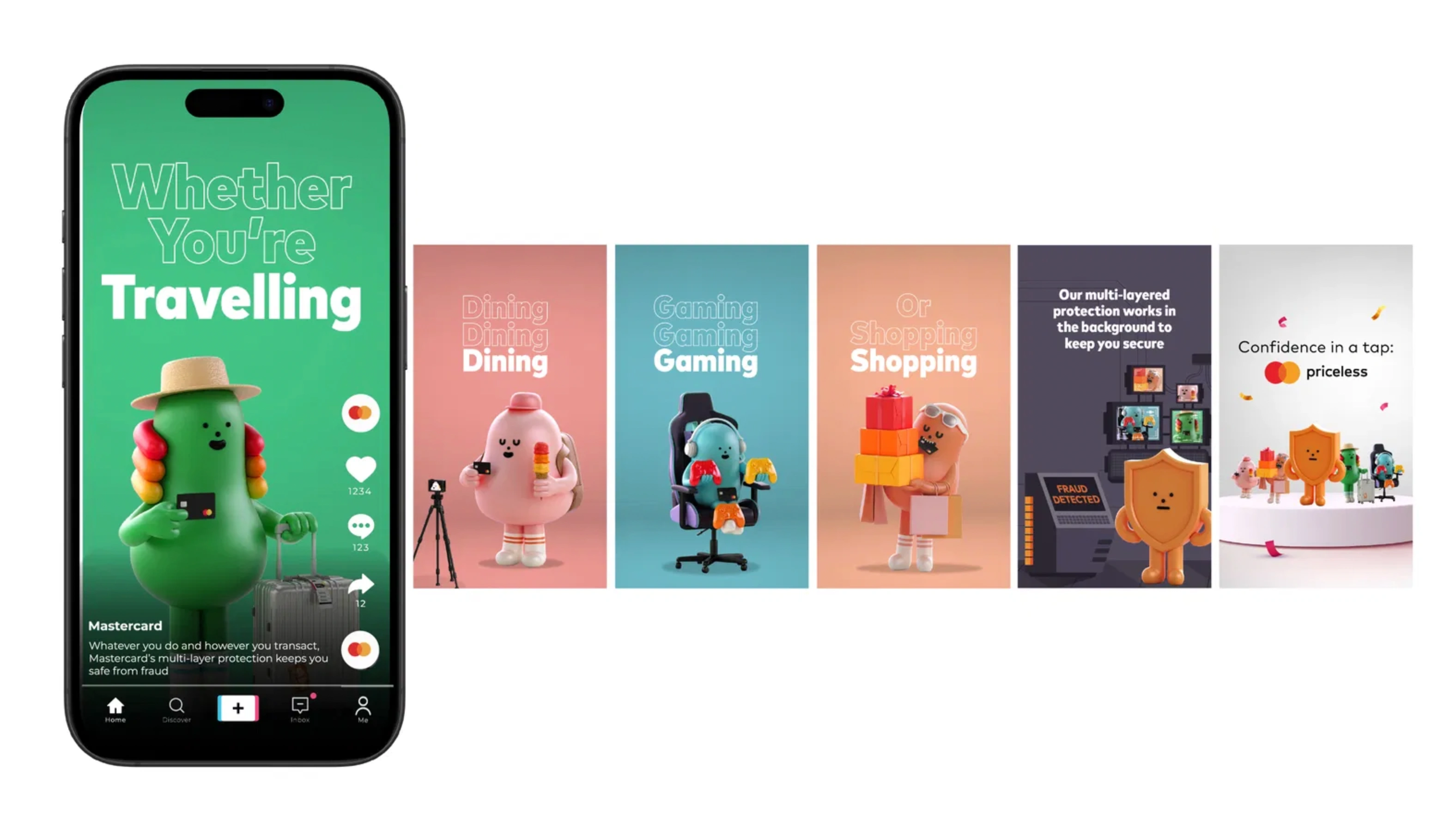
In February 2026, Mastercard launched Protected Monsters across Southeast Asia with Sticky Monster Lab and McCann Singapore. The campaign uses playful characters to make payment security and fraud awareness more approachable. It offers a useful example of communicating a service that customers rarely see directly.
The characters offer a friendlier way to talk about familiar moments of vulnerability. Creator-led stories and AI-powered transformations bring shopping, dining and scrolling into the campaign's visual world. The message is reassuring without suggesting that any payment method removes every risk.
Why Fraud Protection Is Now a Brand-Level Issue
In 2024, U.S. consumers reported losing more than $12.5 billion to fraud in the Federal Trade Commission's data (FTC press release). Separately, the FBI's Internet Crime Complaint Center recorded more than $16 billion in reported internet-crime losses that year (FBI Internet Crime Report). These are different reporting systems with different scopes, not two directly comparable totals.
The figures show why security deserves clear communication, without establishing the effectiveness of any particular marketing campaign. Payment brands need to explain safeguards and the customer's role in spotting suspicious activity. Protected Monsters makes that topic accessible in ordinary consumer settings.
For marketing and product teams, a security message is useful only when it reflects verifiable controls and explains what people should do when something seems wrong. Trust can be damaged when reassurance promises more than the payment experience can deliver.
What the MasterCard Protected Monsters Marketing Campaign Actually Does
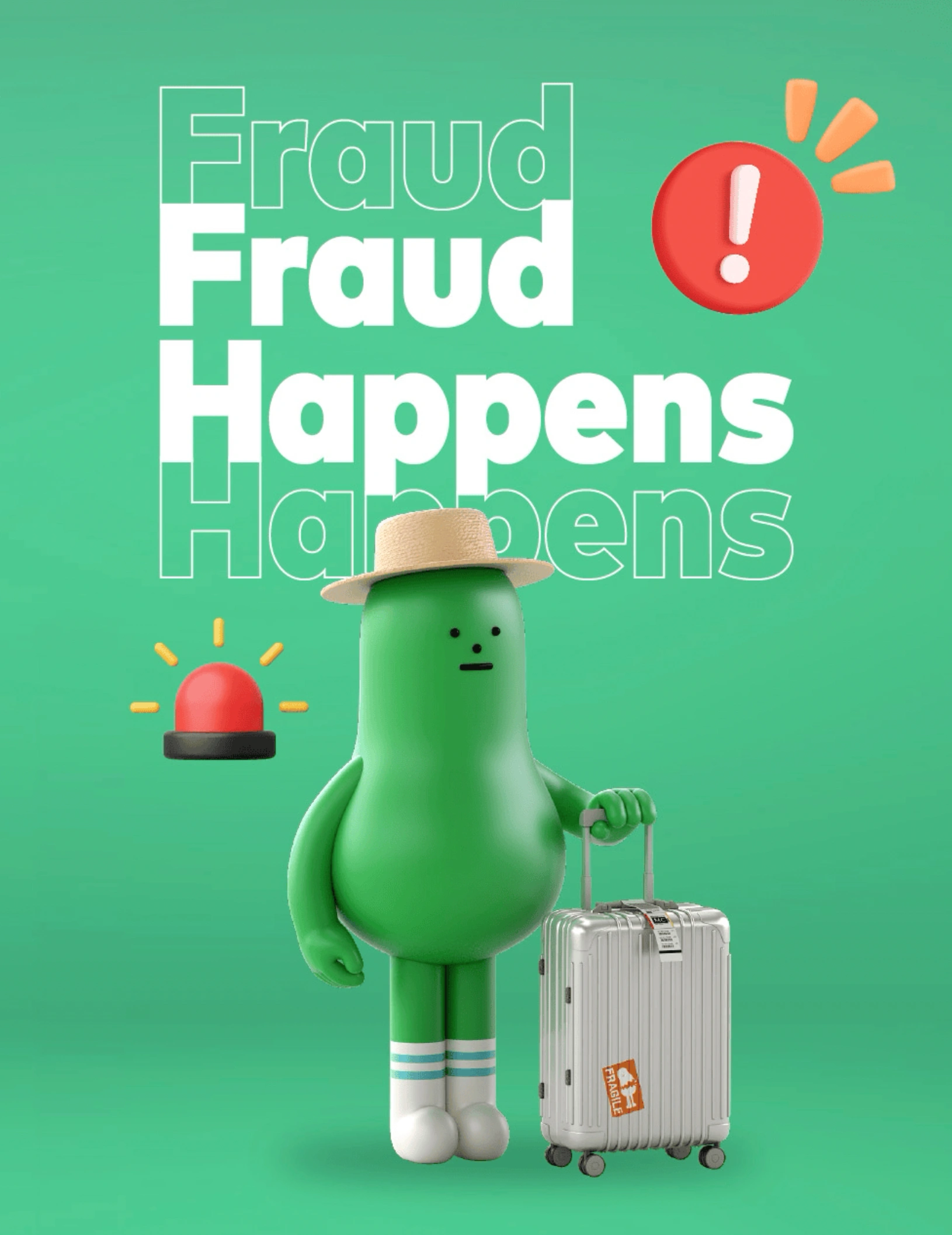
Protected Monsters uses the minimal, expressive characters associated with Sticky Monster Lab to reflect human habits and anxieties around payments. The characters are people who may encounter fraud risk, not caricatures of the scammers. Creators transform into protected monsters to share relatable close calls.
Rather than explaining risk scores or transaction models, the creative places payment safety alongside routine behavior, from buying something to spending time online. AI-assisted motion capture, creator-led storytelling and social assets make the idea portable beyond a single film. The message emphasizes awareness rather than detailed instructions about individual security controls.
Contemporary coverage describes a Southeast Asian campaign combining creators, shareable stickers, social media, in-game activity and placements in public spaces (Marketing Interactive). The creative partnership included Sticky Monster Lab and McCann Singapore.
This approach does three strategic things:
- Makes payment security emotionally accessible
- Connects scam prevention to daily life
- Reinforces MasterCard fraud protection as continuous rather than reactive
Its main strength is the creative concept: a friendly, repeatable way to talk about a difficult topic. Available campaign coverage does not establish sales lift, fraud reduction or measured recall.
From Infrastructure to Story: The Messaging Architecture
Security messaging often defaults to technical terms such as risk scoring, machine learning and network analytics. Those capabilities matter, but a consumer campaign still has to translate them into familiar choices without hiding the limits of protection.
The MasterCard Protected Monsters marketing campaign shifts the focus from technology to experience. Its messaging follows a deliberate structure:
- Normalize the risk. Scams happen in ordinary environments.
- Make risk relatable. Use recognizable daily activities and situations.
- Reinforce background protection. Position MasterCard fraud protection as constant and proactive.
The message emphasizes awareness and reassurance rather than extreme outcomes. The aim is to help people take payment safety seriously without implying that detection is infallible.
For brands operating in fintech, SaaS, marketplaces, or eCommerce, this structure offers a repeatable model. Market the system. Teach the behavior. Reinforce the outcome.
Why Character-Led Creative Works in Security Marketing
Security messaging often fails because it is either too technical or too alarmist. The MasterCard Protected Monsters marketing campaign avoids both extremes through character-driven storytelling.
The characters stand in for consumers whose everyday quirks and anxieties can leave them exposed to scams. Their simple design is easy to recognize and extend across formats. A reusable visual identity design system is a useful lesson for brands developing their own character-led work.
The execution moves across creator stories, social sharing, sticker packs and other placements. Those formats retain the same character language while bringing fraud awareness into everyday settings. This consistency is a creative choice, not evidence of a measured business outcome.
Repeated, consistent character cues may help people recognize a campaign and remember its message. Whether they change safety behavior or brand trust requires separate research.
The Proof Layer Behind the Campaign
The creative message should be evaluated separately from the security capabilities behind Mastercard's products. A campaign can explain protection, but its execution alone does not demonstrate that any particular control prevented a scam.
Separately from Protected Monsters, Mastercard describes Scam Protect as an initiative that applies identity signals, collaboration and education at different points in a scam's lifecycle (Mastercard Scam Protect). This is evidence of its wider approach, not a claim that every capability is shown or guaranteed in the campaign.
Examples of safeguards described across Mastercard's wider security portfolio include:
- Network-level fraud detection models
- Digital identity verification tools
- Tokenization to reduce exposed card data
- Ongoing scam prevention education
Tokenization can replace sensitive payment credentials with tokens in supported systems. The EMVCo standard explains that mechanism (EMVCo). It is a technology example, not proof of a particular Protected Monsters claim or a promise that fraud is impossible.
The useful marketing principle is to connect creative reassurance to capabilities that the product team can substantiate. An appealing character cannot substitute for actual security controls.
Positioning Fraud Protection as Continuous, Not Reactive
A common mistake in security marketing is framing protection as something that activates after a problem occurs. The MasterCard Protected Monsters marketing campaign avoids that framing.
The campaign suggests that safety is part of everyday payments, while Mastercard's broader security portfolio covers multiple stages of risk assessment and response. The scope of any protection still depends on the product, issuer, transaction and circumstances.
The #PayProtected initiative reflects the same philosophy of ongoing education and awareness. (Mastercard)
The distinction matters: an ongoing security program and a consumer-awareness campaign can reinforce each other, but they are not interchangeable. Messaging should make clear what users can reasonably expect.
Lessons for B2B and Digital Brands
The MasterCard Protected Monsters marketing campaign offers practical lessons beyond payments.
First, identify a genuine risk moment in the customer journey. A software company may need to clarify account access, and an online marketplace may need to explain payouts and disputes. In a SaaS marketing program, translate verified product safeguards into plain language instead of inventing security guarantees. At checkout, shoppers need clear payment and support information.
Second, align the actual website experience with security messaging. Clear verification instructions, recovery options and transparent policies should appear where people need them. A focused UX audit can help identify unclear steps or unnecessary friction, while security teams confirm the controls themselves.
Teams can coordinate broader UX systems with web design services and branding services so policy language and user journeys remain consistent. These are design and communication responsibilities, distinct from operating a payment network or providing fraud prevention.
A credible security message needs product evidence as well as a clear interface.
The UX Layer That Makes Fraud Protection Credible
The MasterCard Protected Monsters marketing campaign reinforces an important principle: marketing sets expectations that product and design must fulfill.
High-risk digital touchpoints should include:
- Clear explanations of verification steps
- Plain-language security reassurances near payment CTAs
- Helpful error messaging when fraud detection triggers safeguards
- Accessible digital identity flows
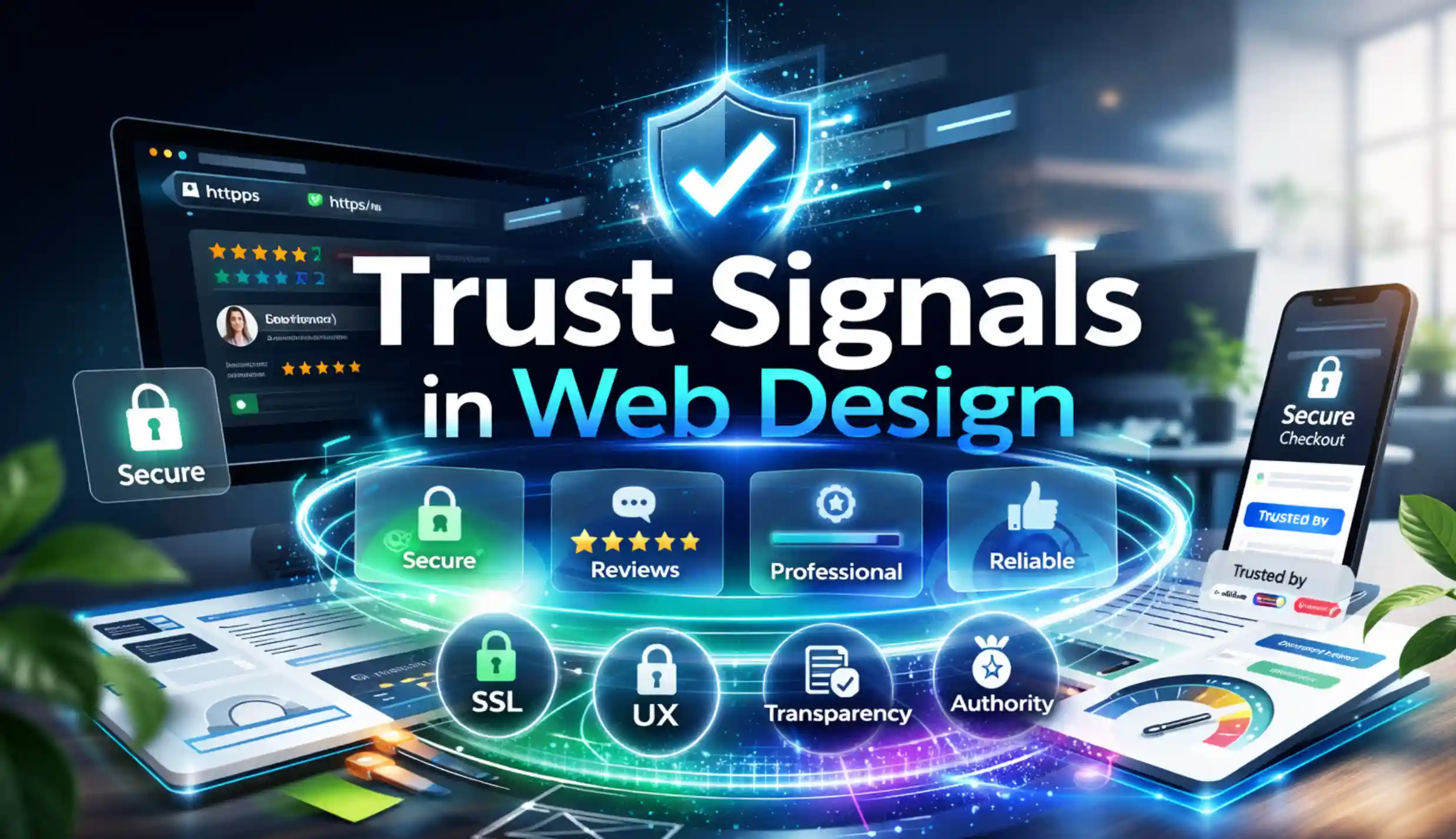
Accessible verification flows and understandable explanations can reduce avoidable confusion. The existing guides to Trust signals in web design and E-E-A-T trust signals offer practical ways to review credibility cues without claiming they prevent fraud.
A clear interface must support, not contradict, the security promise.

Governance and Measurement
Security messaging needs approval from teams responsible for product, legal and compliance claims. For organizations applying lessons from the campaign, a marketing consultation can help clarify message ownership and website priorities.
Measurement should span two domains:
- Fraud detection performance metrics such as chargebacks and account takeovers
- Experience metrics such as checkout completion and verification drop-off
Each public safety claim should map to a documented control, qualification and accountable reviewer. Marketers can evaluate message comprehension separately from fraud operations, using methods appropriate to each measure.
Operational investment gives security messaging a basis for evidence, but the campaign's creative performance and protection outcomes have not been established here.
What the Campaign Signals About the Future of Payment Security Marketing
The MasterCard Protected Monsters marketing campaign signals a broader industry direction. Fraud prevention is becoming part of brand storytelling. Payment security is becoming experiential.
Businesses can explain the checks they perform, what information people should expect to provide, and how to report an issue. For more on this broader trust challenge, see brand trust and data security. These explanations should make limitations clear rather than suggest all scams can be stopped.
The central insight is straightforward. Fraud protection can be marketed without fear. It can be human, structured, and calm.
The Perspective To Take With You
Protected Monsters shows how a complex topic can be introduced through approachable characters, creator stories and familiar settings. It does not show that the monsters themselves are fraudsters or provide independently measured evidence of fraud prevention.
For organizations seeking to align brand, UX, and governance around trust, clarity is the differentiator. Structured design systems, disciplined messaging, and measurable controls create credibility at scale.
If your team is aligning security language with brand design and digital UX, Brand Vision can help clarify the communication and experience priorities. You can discuss your brand and UX priorities with the team. Any specific payment-security claims must still be validated by the providers responsible for those safeguards.


webp.webp)