
The rapid evolution of AI tools for content creation has revolutionized how businesses and creatives craft compelling stories. From high-impact copy and polished visuals to voice-overs and personalized audience targeting, these tools can transform your workflow and fuel your brand’s growth. Below, we’ll explore several standout platforms—organized with point-form highlights and supportive paragraphs—so you can see exactly how each solution can elevate your content strategy in 2025.
1. AI-Powered Copywriting Platforms
Why They’re Game-Changers
Producing high-quality written content at scale can be overwhelming. AI copywriting tools accelerate the process, generating human-like text for blogs, product descriptions, social media posts, and more. These platforms often learn your brand voice over time, ensuring consistent messaging.
Notable Platforms
- OpenAI ChatGPT (Advanced Versions)
- Strengths: Excellent for idea generation, detailed explanations, and language mastery in various tones and styles.
- Use Cases: Drafting blog content, writing scripts, researching topics, and brainstorming marketing angles.
- Integration: Works with third-party apps and plugins, making it easy to build into existing workflows.
- Strengths: Excellent for idea generation, detailed explanations, and language mastery in various tones and styles.
- Jasper
- Strengths: Jasper offers a library of templates for different content types (emails, ads, product copy).
- Use Cases: Ideal for marketers and agencies aiming to create diverse pieces of written content quickly.
- Integration: Seamless plugin support for Google Docs, Surfer SEO, and other marketing tools.
- Strengths: Jasper offers a library of templates for different content types (emails, ads, product copy).
- Copy.ai
- Strengths: Straightforward interface, quickly generates short-form copy like headlines and taglines.
- Use Cases: Copy.ai is perfect for social media posts, email subject lines, and product descriptions for eCommerce.
- Integration: Works well as a standalone tool or within a broader marketing stack.
- Strengths: Straightforward interface, quickly generates short-form copy like headlines and taglines.
By automating the bulk of your writing tasks, AI copywriting tools let you focus on refining the core message and ensuring it resonates with your audience. Whether you’re a solo blogger or part of a massive marketing team, these platforms can slash your content production time while maintaining (or even elevating) quality.
2. Intelligent Image and Video Generation
Why They’re Essential
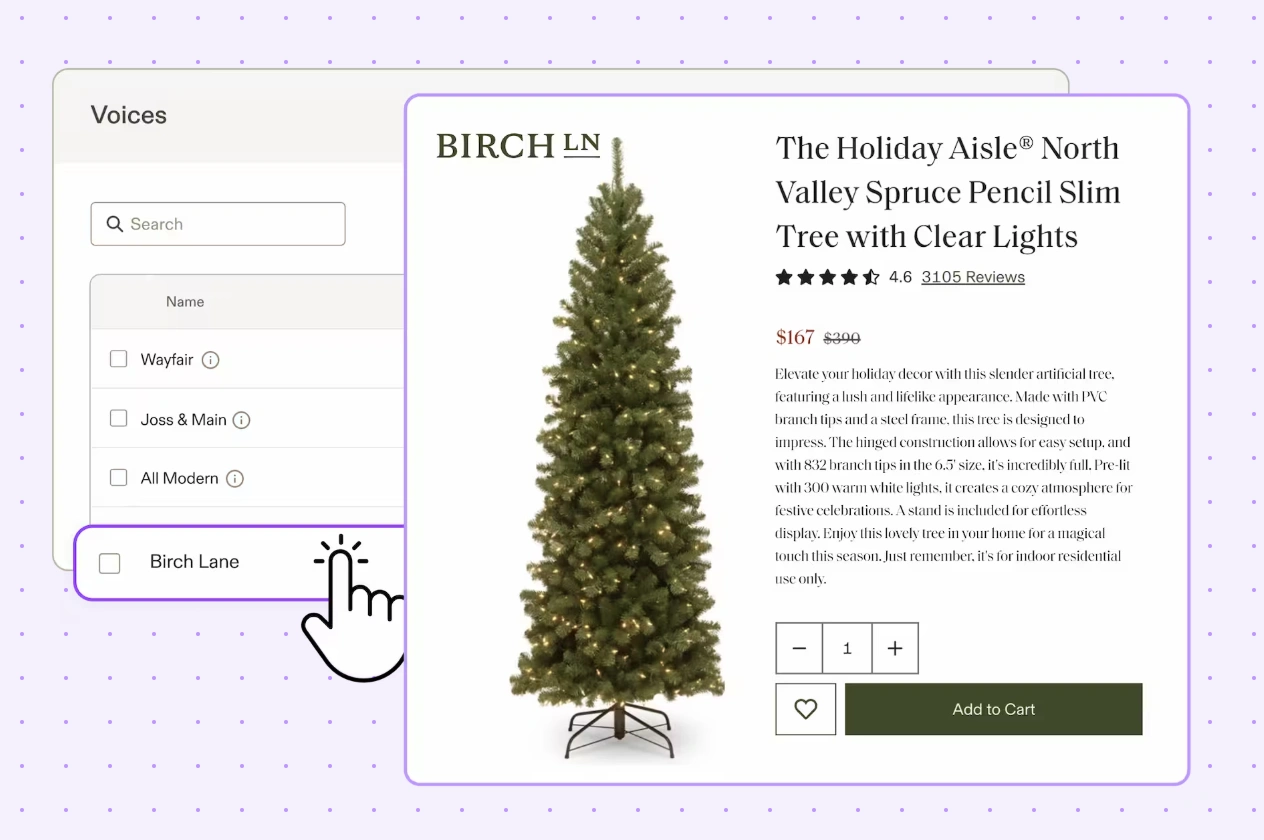
In a crowded digital landscape, eye-catching visuals can make or break engagement. Modern AI tools for content creation in the visual space handle everything from simple graphic design to fully AI-generated video clips, saving you hours of post-production.
Key Platforms
- Midjourney
- Strengths: Generates high-quality, often artistic images from text prompts.
- Use Cases: Quickly mock up brand concepts, produce unique social media graphics, or experiment with art styles for marketing.
- Integration: Primarily Discord-based, but third-party integrations and community libraries expand its capabilities.
- Strengths: Generates high-quality, often artistic images from text prompts.
- Stable Diffusion
- Strengths: Open-source approach, letting you train and customize models for specific brand aesthetics.
- Use Cases: Customizing visuals for product catalogs, marketing campaigns, and rapid concept iterations.
- Integration: Works with a variety of developer tools, ideal for those who want a more tailored solution.
- Strengths: Open-source approach, letting you train and customize models for specific brand aesthetics.
- Runway Gen-2
- Strengths: Focuses on AI-powered video generation and editing.
- Use Cases: Automating color correction, creating transitions, or even generating entire video sequences from prompts.
- Integration: Syncs with popular editing software and offers direct exports for social media platforms.
- Strengths: Focuses on AI-powered video generation and editing.
Imagine having the power to conceptualize a product photoshoot or a short promotional video without hiring a full design team. Visual AI solutions make this a reality. While they won’t replace designers entirely, they dramatically shorten the gap between idea and polished visual output—perfect for fast-moving content strategies.
3. Advanced Audio Tools and Voice Synthesis
Why Audio Matters
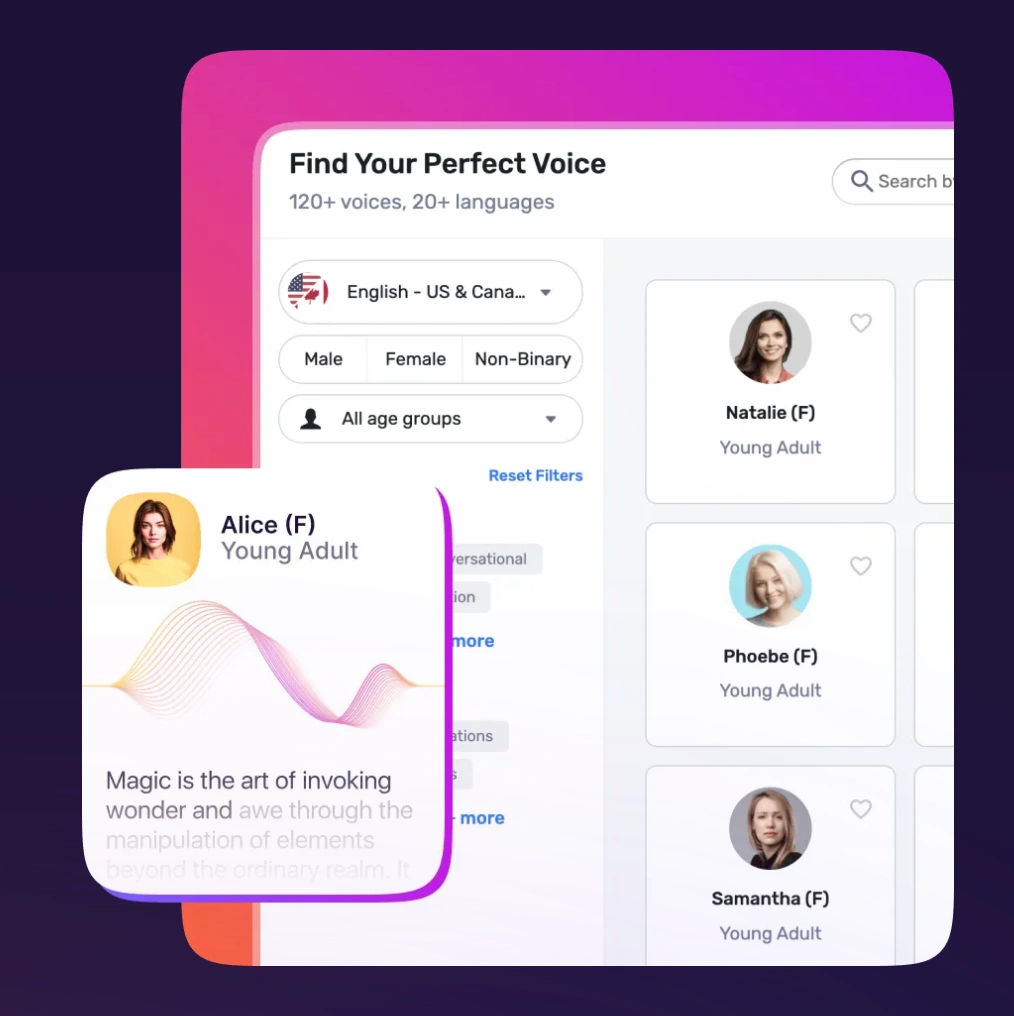
From podcasts and video voice-overs to interactive brand experiences, audio is increasingly central to user engagement. AI-driven platforms make it simpler to create, edit, and repurpose audio content, even if you have minimal sound-engineering experience.
Leading Platforms
- Descript
- Strengths: Text-based editing: delete or rearrange words in a transcript to make real-time changes to your audio.
- Use Cases: Podcast editing, webinar recordings, creating video clips with clean audio.
- Integration: Easily exports to popular audio and video platforms; syncs with editing software for post-production.
- Strengths: Text-based editing: delete or rearrange words in a transcript to make real-time changes to your audio.
- Murf AI
- Strengths: Murf AI uses realistic voice cloning for narrations, tutorials, and advertising.
- Use Cases: Multilingual campaigns, e-learning modules, or quickly localizing brand materials.
- Integration: Works well with eCommerce and marketing tools that require dynamic audio content.
- Strengths: Murf AI uses realistic voice cloning for narrations, tutorials, and advertising.
- Respeecher
- Strengths: High-end voice cloning that captures subtle qualities (pitch, timbre, emotion).
- Use Cases: Film, television, detailed character voiceovers, major branding campaigns.
- Integration: Mainly geared toward professional studios but increasingly accessible to smaller teams.
- Strengths: High-end voice cloning that captures subtle qualities (pitch, timbre, emotion).
AI-based audio solutions democratize sound production. Even a small startup can produce professional-quality podcasts or advertisements without needing an in-house sound engineer. By automating tasks like editing out background noise or generating new voice lines, these platforms save hours of manual labor.

4. Data-Driven Personalization and Strategic Insights
Why Strategy Tools Are Vital
Creating great content is only half the battle. Effective distribution and optimization matter just as much. Data-driven AI platforms analyze user behavior, competitor rankings, and keyword gaps, giving you clear guidance on what to create next and how to improve existing content.
Top Platforms
- Surfer SEO
- Strengths: Helps optimize on-page SEO by analyzing the top-ranking content and suggesting ideal keyword usage.
- Use Cases: Blog writing, landing pages, ensuring consistent keyword density and improved search ranking.
- Integration: Works with Google Docs and WordPress for instant feedback during content creation.
- Strengths: Helps optimize on-page SEO by analyzing the top-ranking content and suggesting ideal keyword usage.
- MarketMuse
- Strengths: Identifies content gaps, helps prioritize topics, and estimates ROI based on data-driven insights.
- Use Cases: Scaling content across multiple domains or product lines, ensuring a holistic content strategy.
- Integration: Connects with content management systems and project management tools to streamline production.
- Strengths: Identifies content gaps, helps prioritize topics, and estimates ROI based on data-driven insights.
- ZeroRank
- Strengths: Tracks your brand's visibility across AI search platforms like ChatGPT, Claude, Gemini, and Perplexity, then provides actionable recommendations to improve
- Use Cases: Monitoring AI search visibility, identifying content gaps, improving brand mentions in AI-generated responses, and executing AI search optimization strategies from a single platform.
- Integration: Combines AI visibility tracking, content recommendations, AI-powered content creation, and execution workflows in one platform, making it easy for marketing and SEO teams to move from insights to action.
- Strengths: Tracks your brand's visibility across AI search platforms like ChatGPT, Claude, Gemini, and Perplexity, then provides actionable recommendations to improve
- PathFactory
- Strengths: Delivers personalized content recommendations based on user interactions and real-time data.
- Use Cases: Tailoring blog or resource sections to each visitor, improving conversion and retention rates.
- Integration: Embeds in marketing automation platforms (like Marketo or HubSpot) for cohesive customer journeys.
- Strengths: Delivers personalized content recommendations based on user interactions and real-time data.
These AI-driven strategy tools ensure that you’re not just pushing out content blindly. Instead, you’re basing decisions on hard data, maximizing impact and ROI. Whether you’re building an authority blog or refining a new product launch strategy, data-backed insights help you deliver the right message to the right audience at the right time.
5. Balancing Human Creativity with AI Efficiency
While AI tools for content creation can handle repetitive tasks and offer fresh ideas, they work best when paired with human creativity and oversight. A dynamic brand voice, memorable storytelling, and genuine emotional resonance still come from people. The sweet spot is a collaborative approach: let AI handle the heavy lifting and mundane tasks, while human talent refines, contextualizes, and adds that creative spark audiences love.
It’s easy to get swept up by the efficiency AI offers, but remember that authenticity and originality often hinge on a human touch. If you’re leading a content team, adopt AI as your ally: use it to automate routine processes and gain strategic insights, then apply your own expertise for the finishing flourishes.
Creating Better Content with AI?
By combining innovative copywriting platforms, advanced video and image generators, cutting-edge audio solutions, and data-driven strategy tools, AI tools for content creation can transform the way you plan, produce, and publish. Whether you’re juggling multiple marketing campaigns or aiming to supercharge a single brand, these solutions offer speed, scale, and sophistication, letting you stand out in a competitive marketplace.
With the right balance of AI-driven automation and human creativity, your content can go beyond just “good enough.” It can become truly impactful, forging genuine connections with audiences who crave meaningful, engaging experiences. So explore these platforms, adopt the ones that align with your goals, and get ready to create content that resonates powerfully in 2025 and beyond.



%2520(1).png)






