Social media marketing in 2025 rewarded brands that matched content to the platform, gave audiences a reason to engage, and measured more than surface-level reach. Algorithmic feeds, short-form video, creator partnerships, social search, and AI-assisted workflows all shaped how teams planned content during the year.
The strongest 2025 strategies were not simply about posting more. They combined useful or entertaining content with platform-specific execution, a clear brand voice, and measurement tied to business goals. B2B companies also leaned further into formats once associated mainly with consumer brands, especially video, creator-style storytelling, and executive thought leadership.
This guide is a 2025 snapshot of the formats and practices that mattered most, plus the tactics that were becoming less effective as audiences and platforms changed.
Educational Content Builds Trust
In 2025, content that educates is content that wins. Whether it’s a how-to tutorial, financial tip, or an explainer carousel, value-driven posts are performing well across platforms. Social media marketing strategies increasingly center around building trust and authority, not just awareness.
Brands across sectors, including beauty, finance, and technology, used bite-sized insights to become useful resources for their audiences. A fintech app might share savings tips on Instagram Reels, while a B2B SaaS company publishes LinkedIn documents explaining industry changes. For technology marketing, this kind of content can help make a complex product easier to understand before a buyer reaches a sales conversation. Educational posts also give people a reason to save, share, or return to the account instead of seeing every post as a promotion.

Native, Platform-Specific Content Performs Better
Reposting the same video or caption across Instagram, TikTok, LinkedIn, and Twitter no longer cuts it. Each platform has its own tone, audience, and content expectations, and brands that tailor content accordingly are seeing far better results.
For instance, a fashion brand might post try-on hauls with trending sounds on TikTok, but share editorial-style photos on Instagram and behind-the-scenes sustainability stories on LinkedIn. Auto-posted content can feel out of place when the format, caption, or pacing does not match the platform. Stronger 2025 workflows often started with one idea, then adapted the format and voice for each channel. A short-form video might use a casual hook on TikTok and a more explanatory caption on LinkedIn. The principle is not that every asset must be unique; it is that the content should feel native to where people encounter it.
Short-Form Video Remains a Core Format
Short-form video remained a major format in 2025 across TikTok, Instagram Reels, YouTube Shorts, and increasingly LinkedIn. It worked especially well for discovery, demonstrations, explainers, and creator-led content, but it was one part of a broader video marketing mix rather than a universal replacement for every other format.
These videos often need to earn attention within the first few seconds and deliver entertainment, education, or a clear product idea quickly. Brands also repurpose long-form material into short highlights or film natively in-app to match platform aesthetics. The strongest use of short video depends on the objective: discovery, education, conversion, or retention all need different creative choices.
Influencer Marketing Shifts Toward Ongoing Creator Partnerships
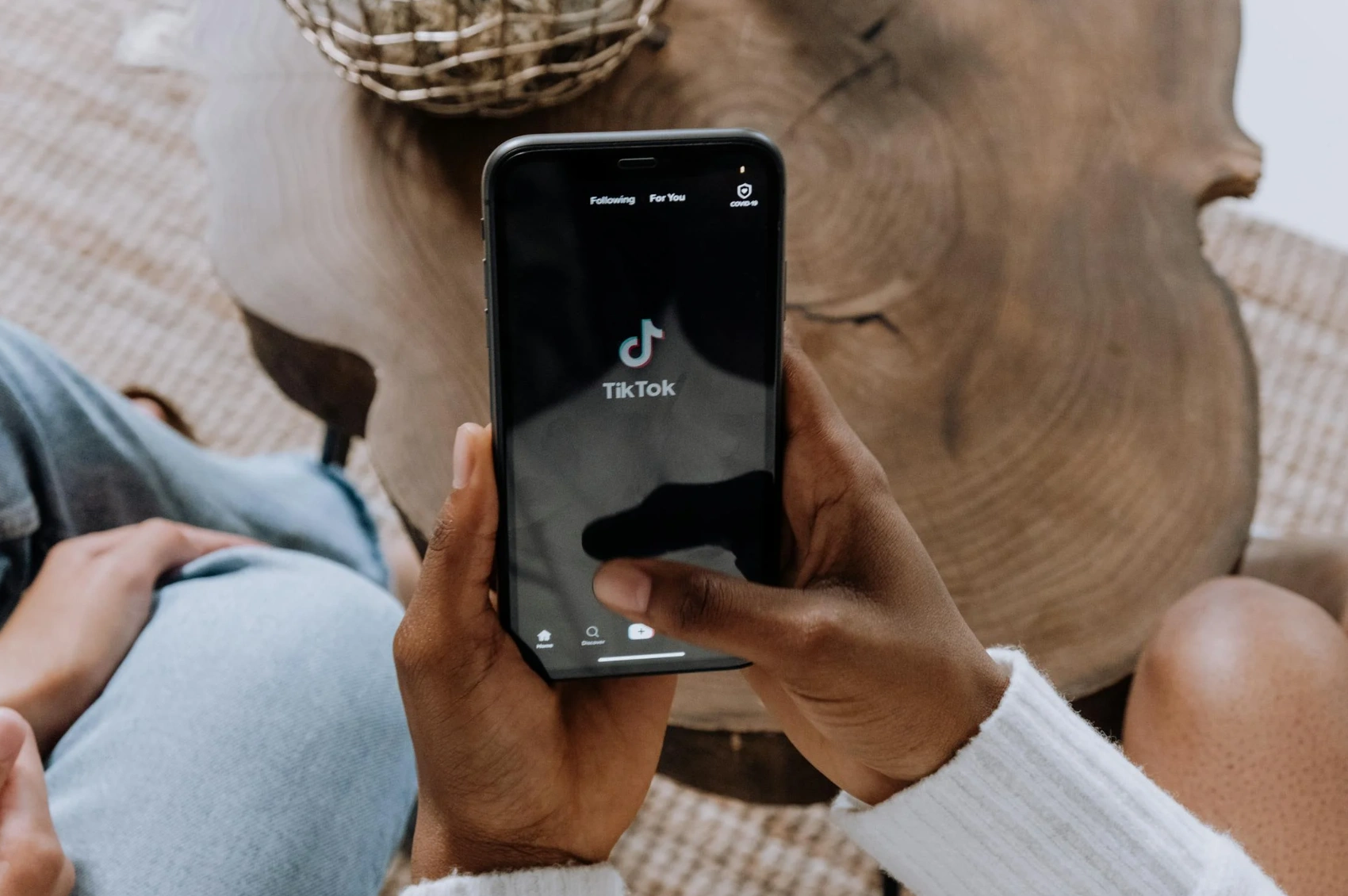
In 2025, many brands put more emphasis on creator fit, trust, and continuity instead of choosing partners by follower count alone. That often meant working with smaller or niche creators on recurring programs rather than relying only on one-off celebrity placements.
Smaller creators can be useful when their audience, subject matter, and tone match the brand. Strong campaigns give creators room to speak in their own voice, tell genuine stories, and sometimes co-create recurring content or product ideas. Repurposing creator content across paid and organic channels can also extend the value of the partnership, provided usage rights and disclosure requirements are handled properly.
Multi-Platform Strategy Requires Different Content
Audiences in 2025 were fragmented across multiple platforms, but that did not mean every brand needed to be active everywhere. The better question was where the audience already paid attention and which channels the team could support consistently.
However, being everywhere doesn’t mean saying the same thing everywhere. A winning social media marketing strategy involves customizing both content and tone per platform. For example, B2B companies may publish deep-dive thought leadership on LinkedIn, while also sharing short educational videos on YouTube or X. A broader B2B marketing plan should choose those channels based on the buying process, not simply because a platform is popular. Meanwhile, e-commerce brands lean on Instagram for visual inspiration and TikTok for viral storytelling. The rule is simple: speak the language of each channel. Cross-posting identical content is now considered lazy and ineffective. In 2025, platform-specific creativity and storytelling define brand success.

Interactive Content Encourages Deeper Engagement
Likes alone were a weak measure of social performance in 2025. Comments, shares, saves, DMs, watch time, clicks, and conversions could all matter depending on the platform and objective, so brands increasingly designed content to encourage a meaningful next action rather than passive consumption.
Instagram Story polls, LinkedIn Q&As, TikTok challenges, carousels, quizzes, and live events can all create stronger participation when the format fits the audience. A thoughtful question can sometimes produce more useful feedback than a polished promotional post. The important shift is from chasing raw reach to measuring whether people watched, responded, saved, clicked, or took another meaningful action.
Paid Social Connects Creative and Conversion
On the paid side, 2025 creative increasingly borrowed the pacing and visual language of organic content. For commerce campaigns, the ad also needed a clear next step, whether that was a product page, lead form, or “Shop Now” CTA.
Shoppable posts and native lead formats shortened the path between discovery and action, but format alone did not guarantee performance. Creative testing, audience quality, offer strength, landing-page experience, and measurement all affected the result. The most useful paid-social workflow was iterative: test a small number of meaningful creative variables, compare them against the campaign objective, then scale what actually improved the business outcome.
Social Search Becomes a Discovery Channel
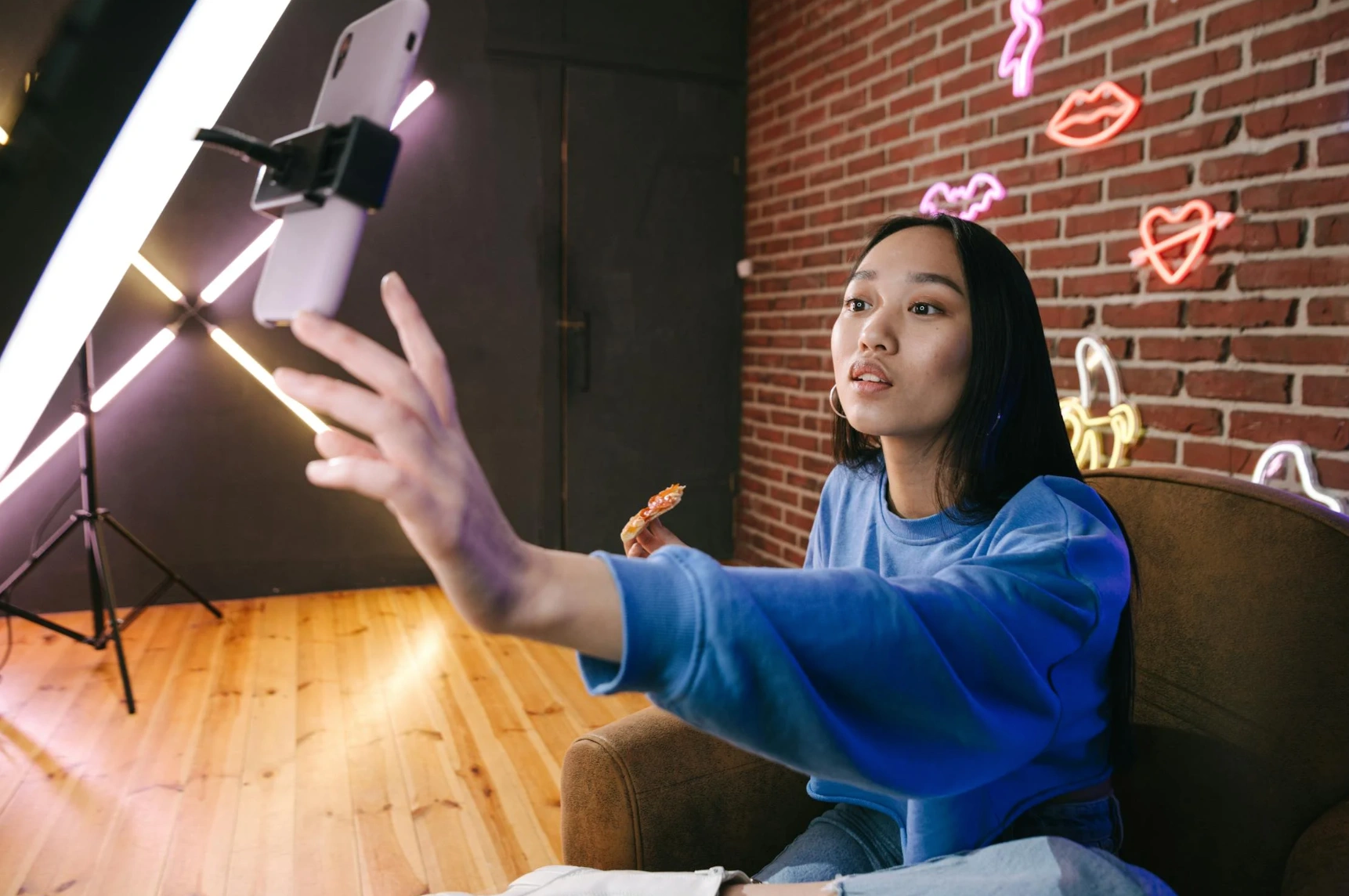
Social platforms increasingly acted as discovery and search environments in 2025, especially for products, local recommendations, entertainment, tutorials, and lifestyle questions. That made search behavior inside social apps more relevant to content planning.
That shift made captions, on-screen text, spoken keywords, titles, and topic clarity more important for discoverability. Smart marketers created content around real audience questions such as “best NYC coffee shops,” “2025 productivity apps,” or “budget travel hacks.” Social search should complement, not replace, broader search strategy. When the goal extends beyond in-app discovery, an SEO agency can help connect social topics with website search demand and content opportunities.
AI and Measurement Reshape the Workflow
AI became a more common part of the social marketing workflow in 2025, especially for ideation, first drafts, creative variation, reporting, and repetitive production tasks. The value depended on how well the team reviewed the output and kept the brand voice consistent.
CMOs and content creators alike use AI to automate tedious tasks, analyze past performance, and even plan campaigns based on predictive trends. Dynamic creative optimization (DCO) allows brands to test dozens of ad variants simultaneously, automatically boosting the best performers. Social media marketers are also using AI to improve customer service, with chatbots handling common inquiries via Messenger or Instagram DMs, improving both response time and user satisfaction. The data side is equally important: UTMs, conversion APIs, platform reporting, and attribution models help connect social activity to business outcomes. The right marketing metrics depend on the objective, whether the campaign is designed for awareness, traffic, leads, sales, or retention. A tool like Sintra's AI social media assistant, Soshie, can help turn campaign goals, audience insights, and brand context into more consistent social content while keeping brand voice aligned across channels.
Authenticity Often Beats Over-Production
A recurring 2025 lesson was that highly polished content was not automatically more persuasive. Human, informal, or behind-the-scenes formats often worked well when they matched the brand and gave the audience something useful or entertaining.
Brands increasingly used employee voices, customer stories, founder content, and casual video formats alongside polished campaign work. A behind-the-scenes reel or a founder explanation can feel more credible than a heavily scripted ad in the right context. The point is not to make every post look lo-fi; it is to choose a level of production that fits the platform, message, and audience.
Social Media Marketing 2025 FAQ
What are the top social media marketing strategies in 2025?
Short-form video, educational content, creator collaboration, social search, measurement, and platform-specific execution were among the strongest recurring themes in 2025.
What’s the biggest change in social media marketing 2025?
The shift was toward more platform-native content, better use of first-party and campaign data, and greater personalization without losing a consistent brand voice.
Do paid social ads still work in 2025?
Yes. Performance depends on the offer, audience, creative, landing experience, and measurement setup rather than one universal ad format.
How should small businesses adapt to social media marketing 2025?
Choose a small number of channels your team can sustain, create useful native content, test short-form video where it fits, and measure actions that matter to the business.
What’s the future of influencer marketing?
Longer-term creator relationships and strong audience fit can be more useful than choosing partners by follower count alone.
What Social Media Marketing Looked Like in 2025
Looking back at 2025, the strongest social programs balanced reach with relevance. Short-form video, educational content, creators, social search, paid distribution, and AI-assisted workflows all mattered, but none worked in isolation. The common thread was adapting the message to the platform while keeping the brand recognizable.
For business owners, the practical takeaway is to choose channels intentionally, build repeatable content formats, and measure what happens after the impression. If the challenge is deciding which channels, formats, and KPIs should work together, a marketing consultation can help turn the 2025 lessons into a clearer plan. You can also contact Brand Vision to discuss the next step.