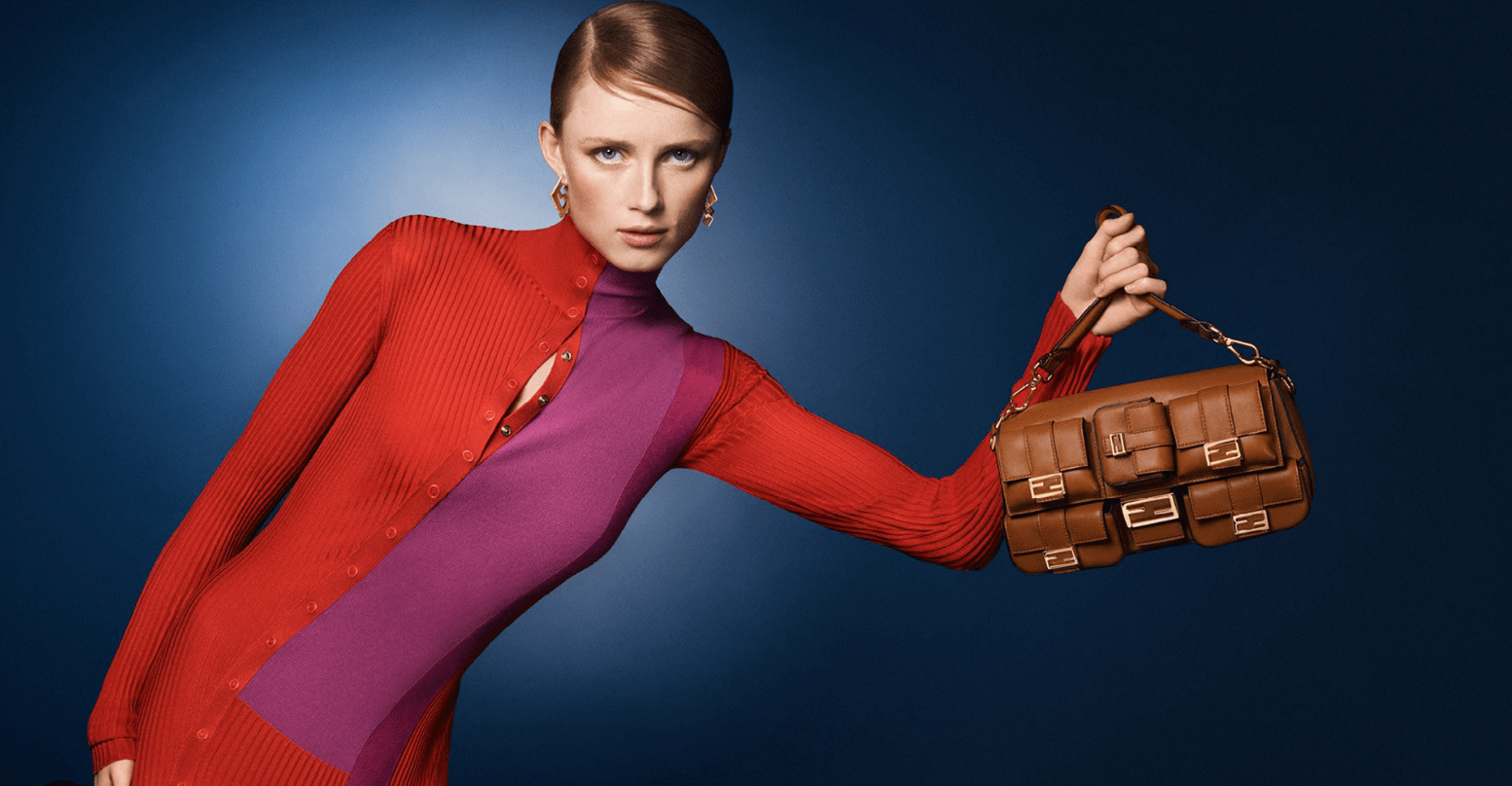
Fendi's identity strategy has always balanced Roman heritage with an appetite for fashion spectacle. That tension is why the brand can make a bag feel like a pop-culture character, a monogram feel playful rather than corporate, and a century-old house still feel relevant to new generations of luxury consumers.
The Baguette remains the clearest example. It is an accessory, a piece of Fendi history, and a media object that has been revived through television, celebrity styling, archival references, and new editions. That combination makes Fendi a useful case study in how visual identity, product icons, and cultural memory can work together without turning heritage into nostalgia for its own sake.
Fendi's current chapter also matters. Kim Jones left the women's and couture role in October 2024, Silvia Venturini Fendi guided the house through its centenary year, and Maria Grazia Chiuri became Chief Creative Officer in October 2025. Her first collection for the house, Fall/Winter 2026-27, debuted in 2026. That means the brand's “It-Girl” identity now sits inside a new creative era rather than under Jones's direction.
That makes Fendi especially useful for studying identity continuity: the house can change designers, campaigns, and cultural references while retaining a recognizable combination of Roman heritage, accessories, craftsmanship, humor, and confident visual codes.
View this post on Instagram
A post shared by Old Trends New Trends (@oldtrendsnewtrends)
1. Carrie Bradshaw and the Baguette's It-Girl Legacy
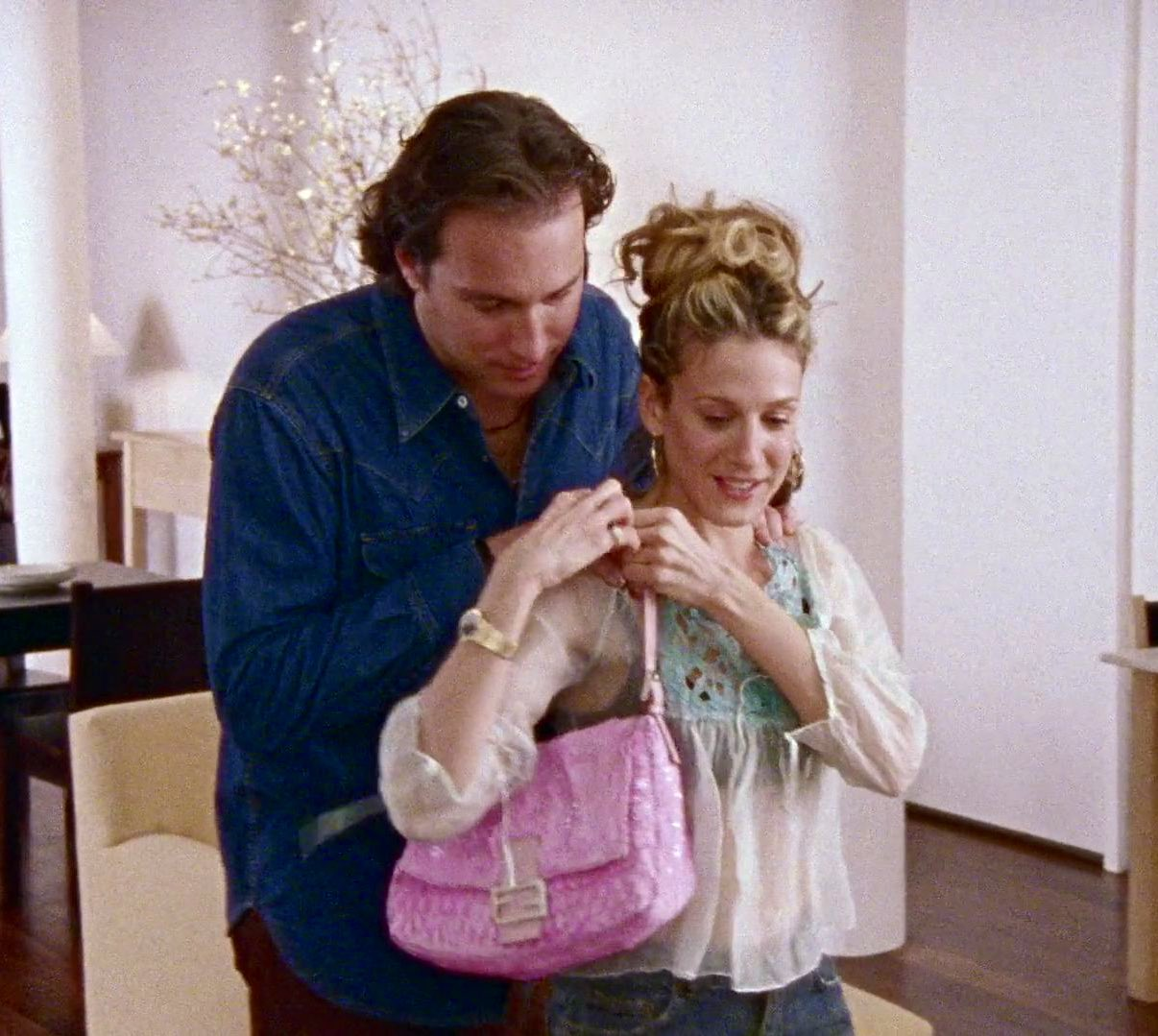
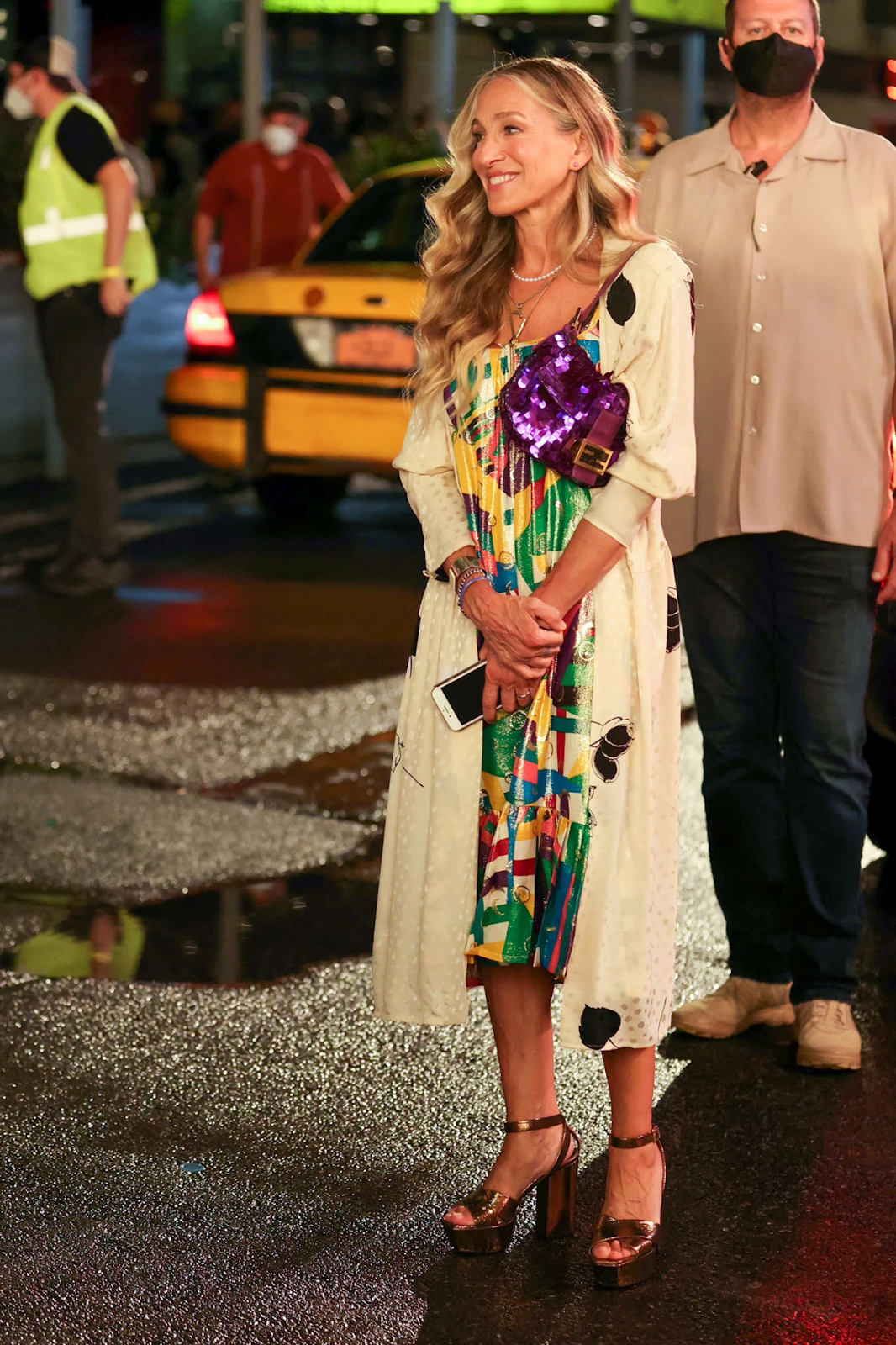
Sex and the City gave the Fendi Baguette one of fashion's most durable television moments. When Carrie Bradshaw says, “It’s not a bag, it’s a Baguette,” the product becomes part of the character rather than background wardrobe.
That moment still matters because Fendi has repeatedly reintroduced the Baguette to new audiences instead of treating its late-1990s fame as a closed chapter. Reissues, celebrity styling, archival references, and new materials turn the bag into a form of nostalgia marketing that remains commercially active. The goal is not to recreate 2000 exactly. It is to let recognition from one era make the product easier to desire in another.
2. The Baguette as a Product Icon
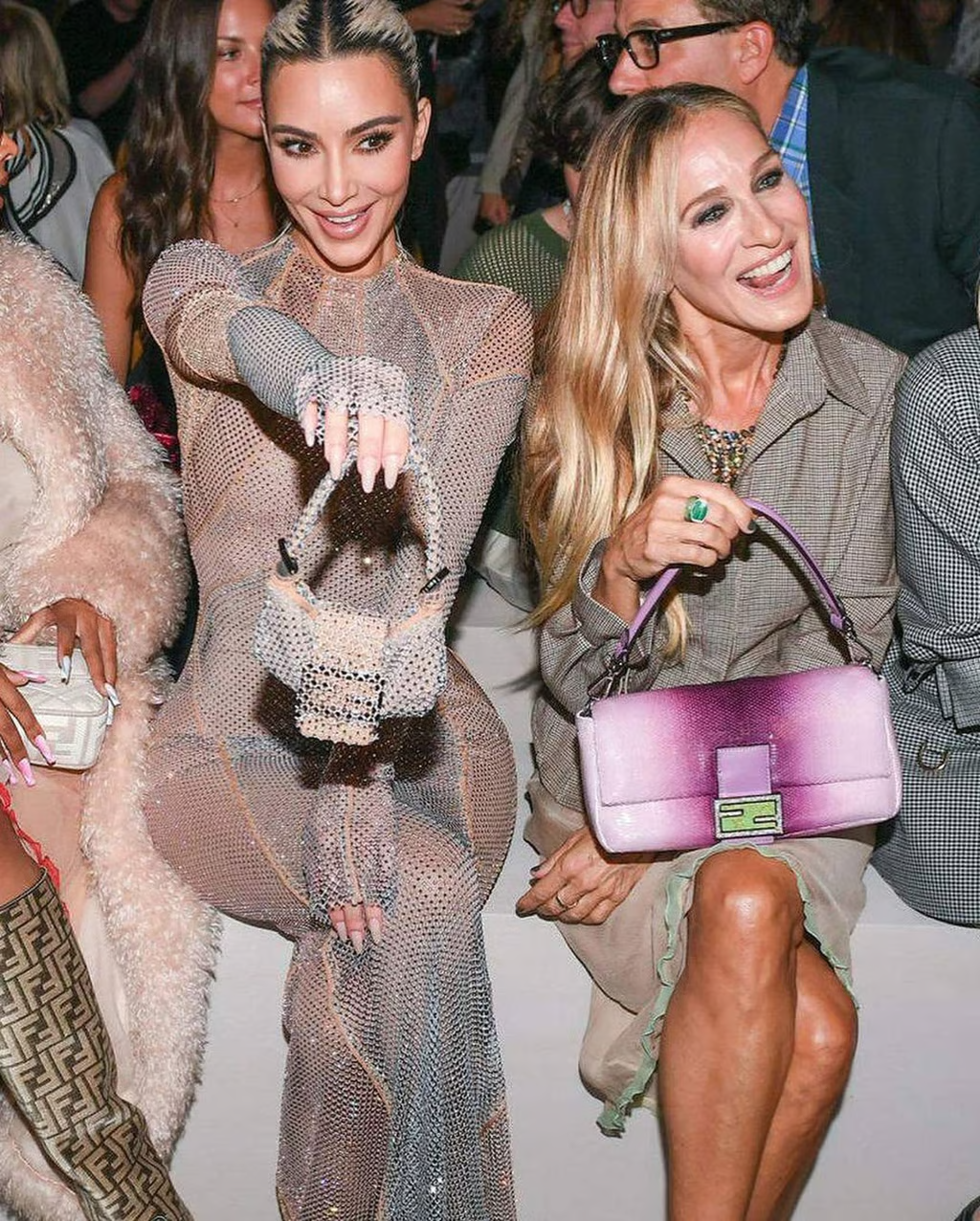
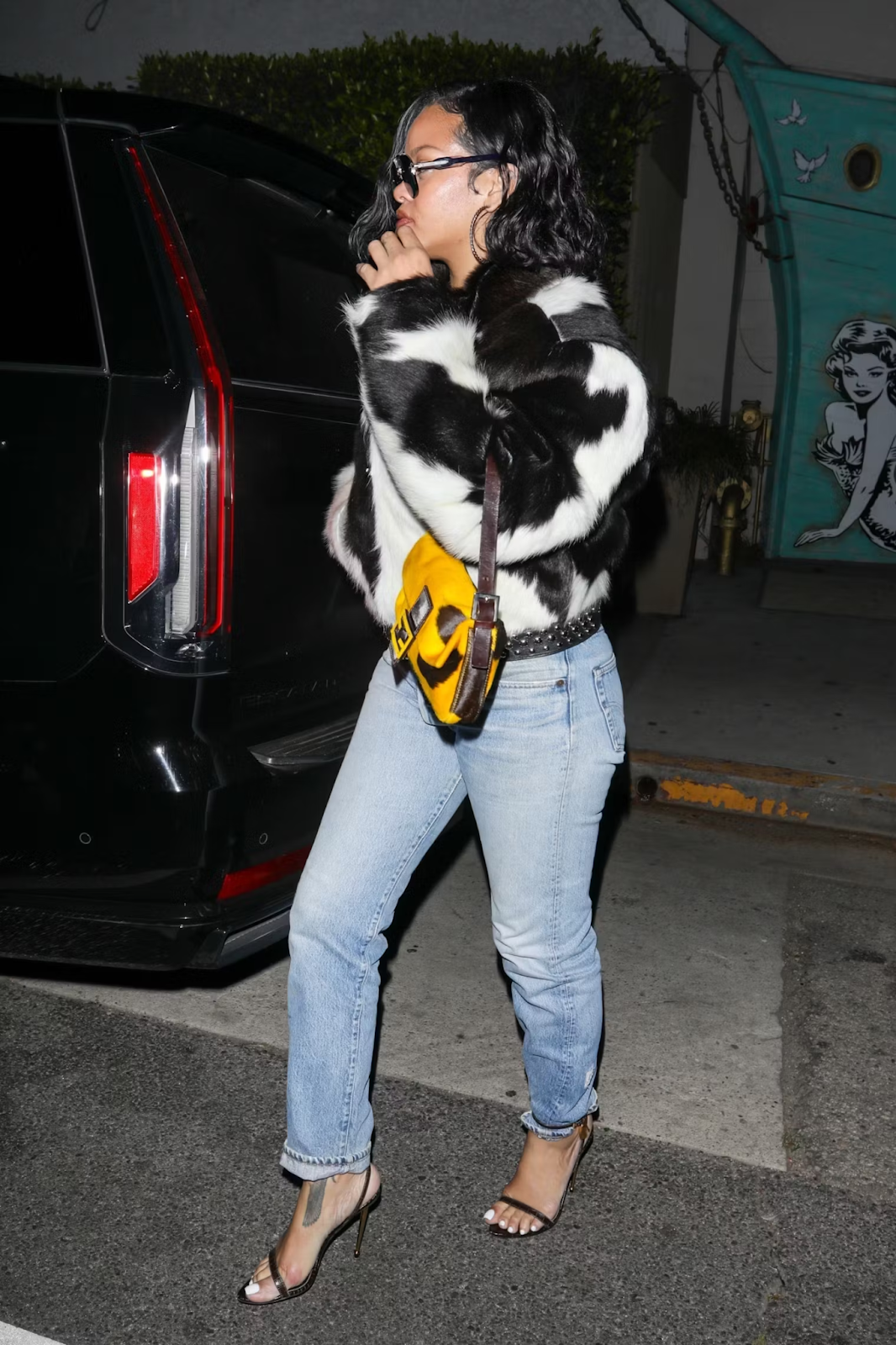
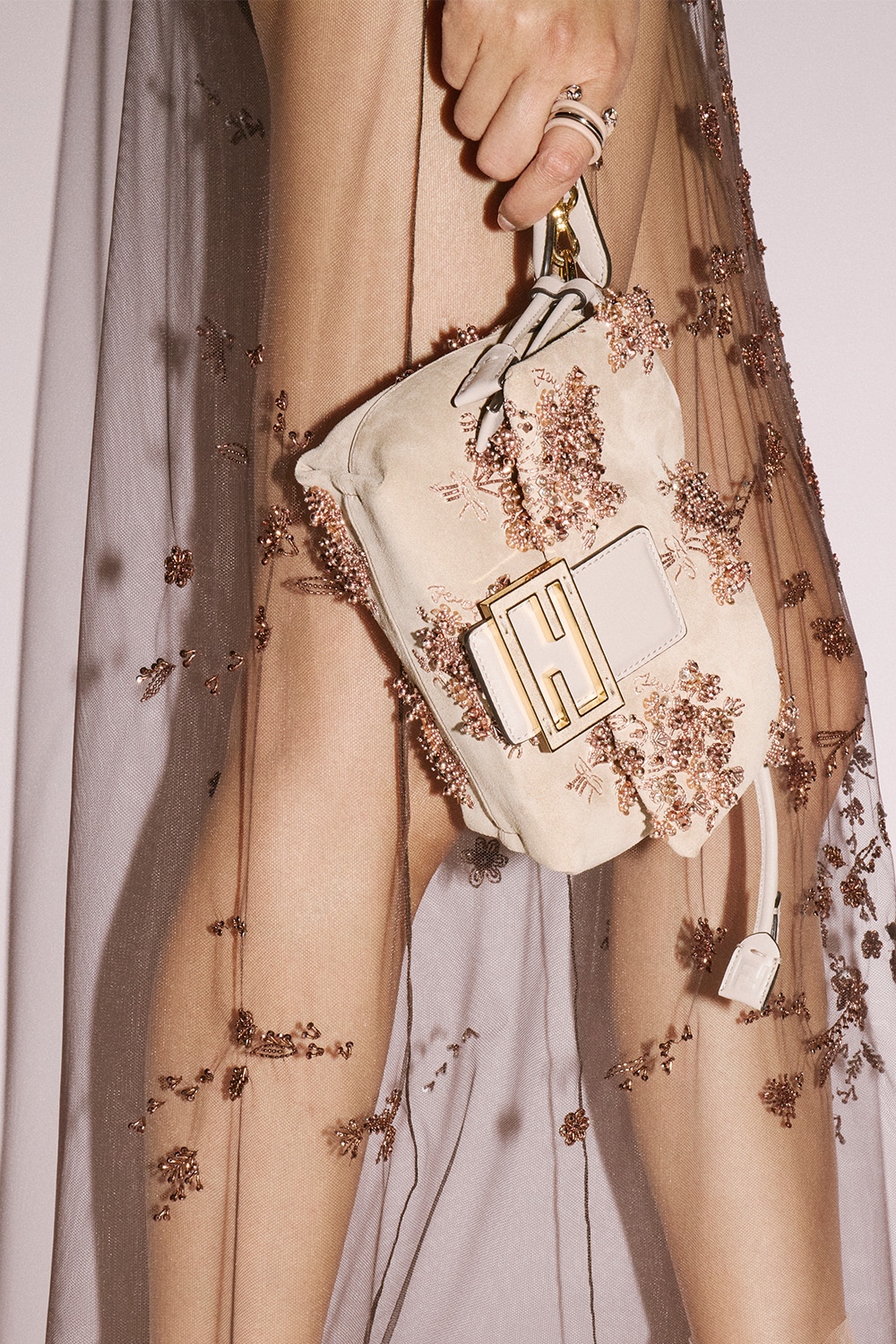
The Baguette itself gives Fendi something most fashion brands spend decades trying to build: a recognizable product shape with a story attached. The bag was Created in 1997 by Silvia Venturini Fendi, and LVMH still lists the Baguette alongside the Peekaboo as one of the house's defining icons.
The important identity lesson is controlled variation. Fendi can change embroidery, color, texture, embellishment, and collaboration partner while keeping the overall product idea recognizable. That gives the brand novelty without forcing it to start from zero each season.
3. Karl Lagerfeld, the FF Logo, and Fendi's Creative System
Karl Lagerfeld joined Fendi in 1965 and began a collaboration that lasted more than five decades. Fendi's own heritage material says he created the FF “Fun Fur” logo in his first year. That logo design became both a mark and a decorative motif, giving the house a visual asset that could move across bags, clothing, accessories, and later home products.
The broader branding lesson is that a symbol becomes valuable through repeated use and a clear point of view. The FF motif works because it is not carrying the brand alone. It sits beside Roman heritage, craftsmanship, recognizable bags, unusual materials, and a long history of theatrical fashion presentation.
4. From Kim Jones to Maria Grazia Chiuri
Kim Jones became Artistic Director of Couture and Womenswear in 2020 and left the role in 2024. The original article linked the then-current wording Jones stepped down just last month, in October. That “last month” referred to October 2024 and is no longer current context.
Silvia Venturini Fendi then led the women's collection during Fendi's centenary year before becoming Honorary President from October 2025. Later that month, LVMH announced Maria Grazia Chiuri as Fendi's Chief Creative Officer. Her first collection, Fall/Winter 2026-27, presented a more collective vision under the phrase “Less I, More Us.” (LVMH)
This transition strengthens the identity story rather than weakening it. Fendi has moved through Lagerfeld, Jones, Silvia Venturini Fendi, and now Chiuri while retaining recognizable codes. The house changes authors, but the brand still has enough structure for each era to feel like Fendi.
5. Loud Luxe, Quiet Sophistication, and Consumer Identity
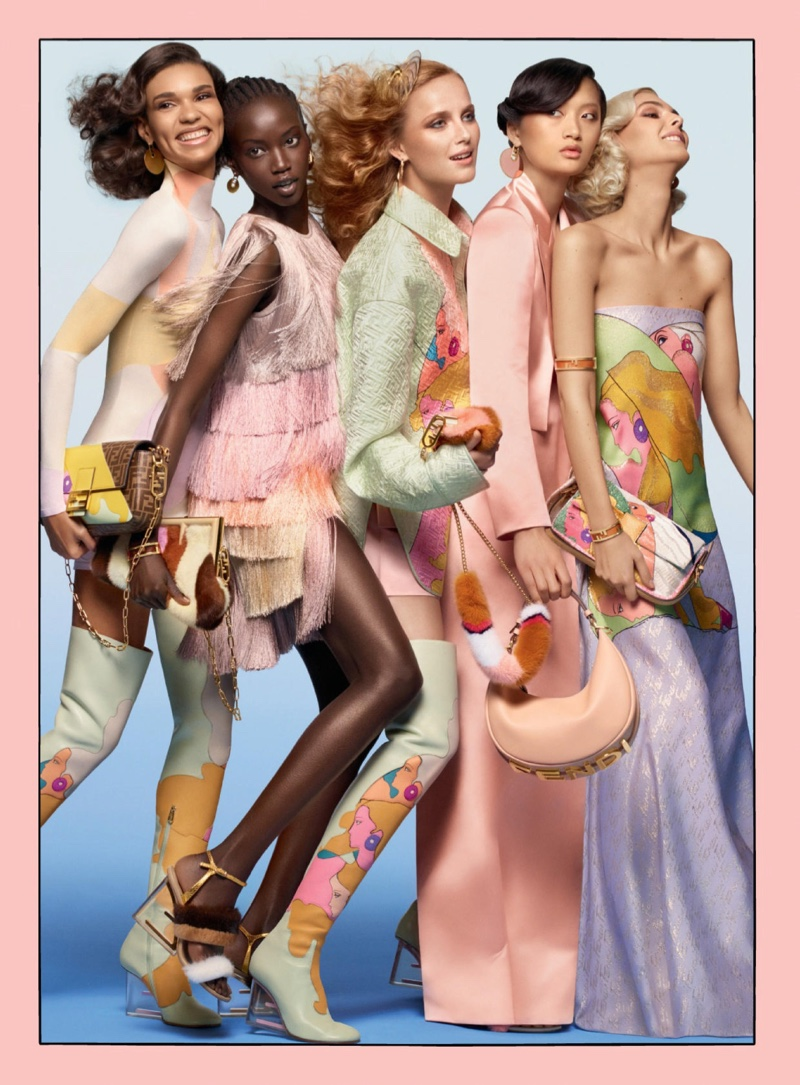
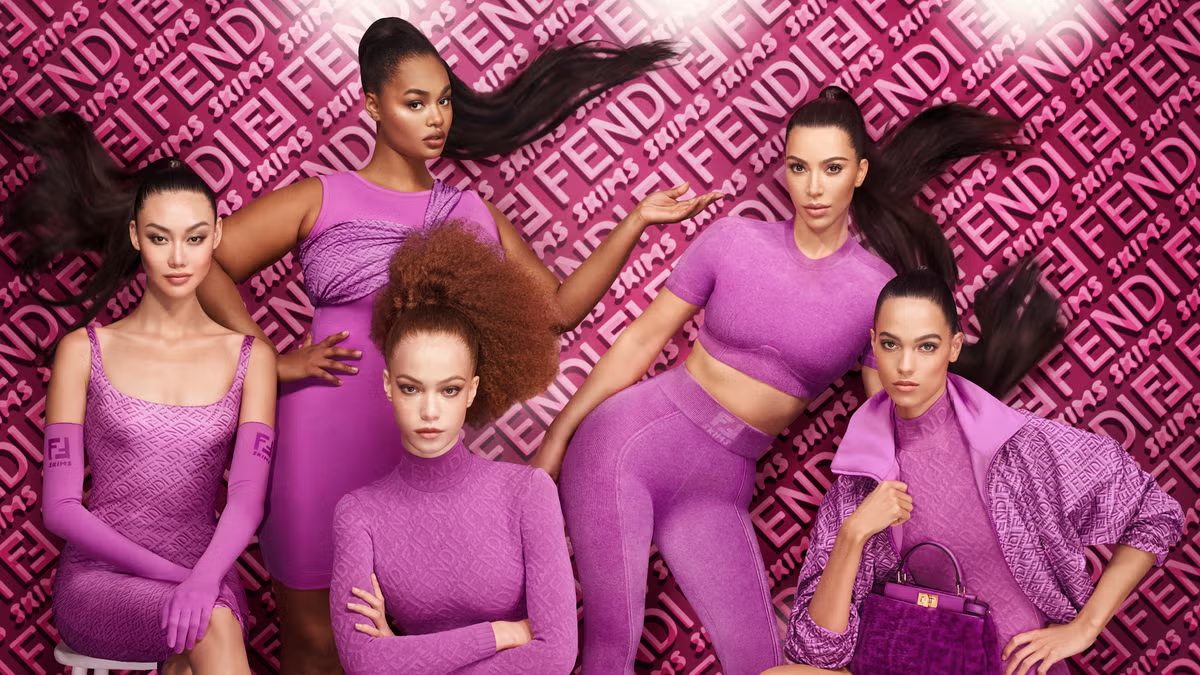
Fendi is often associated with visible luxury: monograms, unusual fur techniques, sequins, bold bags, collaborations, and looks made to be noticed. But the house also produces restrained tailoring, leather goods, and accessories that rely more on material and construction than logo visibility.
That range is commercially useful. In B2C marketing, consumers rarely want one personality from a luxury brand forever. Fendi can serve the customer who wants a recognizable FF statement and the customer who wants a quieter Roman object, as long as both still feel connected to the same house. Brand Vision's guide to luxury brand marketing strategies explores the same tension between reach and exclusivity.
6. Spring/Summer 2025 and the Value of Fashion References
The original article highlighted Fendi's turn to the 1920s for their Spring/summer 2025 collection. That moment still works as an example of how the house uses historical references without becoming costume-driven. Art Deco geometry, transparency, decoration, and Jazz Age associations were filtered through contemporary Fendi rather than copied literally.
That is a useful fashion marketing principle. References create depth when they support the brand's existing identity. They become distracting when the audience notices the reference before the product.

Fendi's Identity Strategy in 2026
Fendi's current identity is less about choosing between “loud” and “quiet” luxury than about protecting a recognizable Roman house while allowing different generations to reinterpret it. The Baguette, Peekaboo, FF motif, craftsmanship, family history, and sense of humor create continuity. New creative leadership changes the expression around those assets.
For other brands, the practical lesson is to build recognizable assets before chasing constant novelty. A clear visual system, a few products or services customers can name, and a consistent point of view make evolution easier because the audience has something stable to recognize.
If your brand needs that kind of system across identity, campaigns, and customer experience, contact Brand Vision to discuss the next step.