Event branding is the system that connects the physical environment, digital touchpoints, messaging, and attendee experience around one recognizable idea. A product launch, conference, fundraiser, networking event, or branded activation may use very different formats, but the same principle applies: the experience should feel like an extension of the brand rather than a collection of unrelated signs, screens, and sponsor assets.
That makes event branding relevant before, during, and after the event itself. Invitations, registration pages, stage graphics, wayfinding, social content, presentation templates, and follow-up materials all shape what attendees understand and remember. For experiential launches, cultural activations, and public-facing gatherings, it can also overlap with entertainment marketing. Organizations that need help connecting those pieces may also work with marketing experts or a broader agency team. At Brand Vision, we approach the event as another brand touchpoint, not a separate visual exercise.
Why Strategic Event Branding Matters
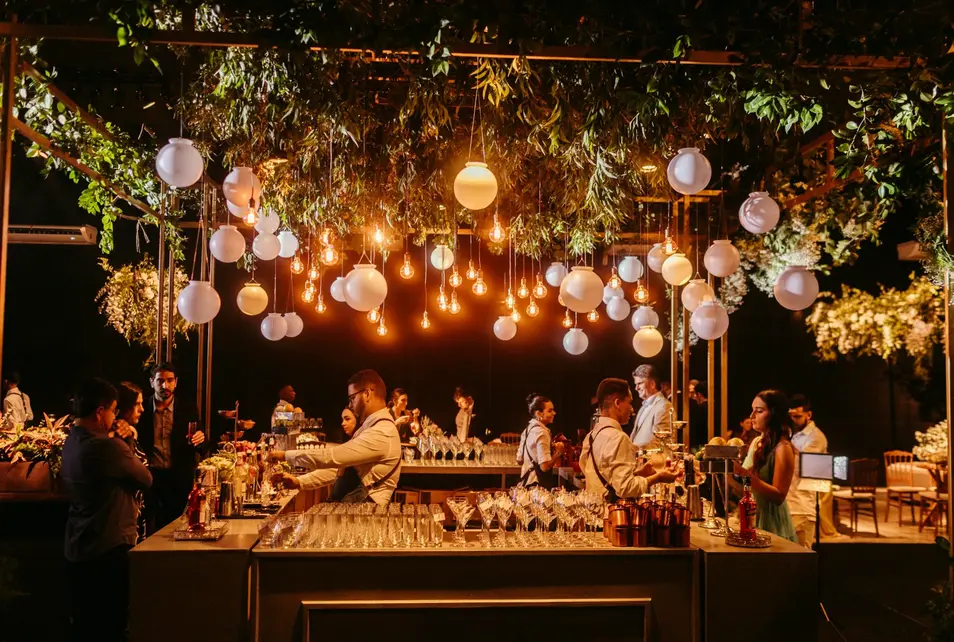
An event gives people a concentrated experience of a brand. Signage, stage design, color, typography, staff materials, sponsor areas, digital screens, and presentation content can all reinforce the same positioning, or undermine it when they feel disconnected. The goal is not to place a logo on every surface. It is to make the environment, information, and interactions feel related.
Sponsor integration is another place where the system matters. Events often combine the host brand with partners that have their own colors, logos, and messaging requirements. Clear hierarchy helps attendees understand who owns the event, where sponsors fit, and which information is functional rather than promotional. The same principle applies to accessibility and wayfinding. High-contrast signage, readable type, consistent room naming, and clear digital schedules are practical experience decisions first, but they also affect whether the brand feels organized and considerate.
Event branding also extends beyond the venue. Pre-event campaigns set expectations, while post-event photos and attendee posts can continue carrying the identity after the doors close. Done well, event branding transforms attendees into ambassadors who snap photos, tweet about the décor, or share personal highlights under a custom hashtag. That sharing is more useful when the visual and verbal system is recognizable enough that individual posts still feel connected to the event.
Design Around the Attendee Experience
Effective event branding is not only about how a venue looks. It also affects how people move through the experience. Check-in, wayfinding, session schedules, sponsor zones, seating, presentation graphics, and digital tools should help attendees understand what to do next while reinforcing the same tone and identity.
Technology can support that experience when it has a clear purpose. Some events use interactive tech corners or AR-enabled displays to make a product easier to explore. Other brands may get more value from better signage, more comfortable gathering areas, or simpler digital check-in. The right choice depends on the audience and event goal, not on whether a tool feels novel.
Format should follow the same logic. Roundtables may support a collaborative brand positioning, while guided demonstrations may suit a product-led event. Photo areas, workshops, stages, and breakout rooms should feel useful first and branded second.
Why Work With an Agency on Event Branding
Events often require coordination across strategy, design, web, production, vendors, sponsors, and internal teams. An outside partner can help when those responsibilities are spread across several people and no one owns the complete brand experience. From an agency perspective, the useful role is not to make every surface more decorative. It is to create a system that different teams can apply consistently.
Regional context can matter as well. A company planning an event in Quebec may choose a branding agency in Montreal because local market familiarity, language, vendor coordination, or audience expectations are relevant. That location support should complement the strategy rather than substitute for the specialist work needed across design, web, UX, and promotion.

How Brand Vision Supports Event Branding
At Brand Vision, we treat event branding as part of the wider brand system. Research, positioning, visual identity, digital experience, and event-specific production should support the same idea. That approach gives teams clearer rules for what needs to stay consistent and where the experience can adapt to a venue, audience, or format.
Website Design and Development
Event-specific microsites or registration portals should reflect the same identity people will encounter on site. We design online spaces that echo your brand’s aesthetic. That work can also connect with broader website design so registration, schedules, speaker information, and event content are easy to navigate on desktop and mobile.
Visual Branding
From stage graphics and signage to badges, presentation templates, backdrops, and keepsakes, we unify visuals so each element reinforces your event’s message. A defined visual identity helps different vendors and internal teams produce materials that still feel related even when they are created at different times.
Brand Research and Strategy
We examine the audience, market, event purpose, and relevant alternatives before deciding how the experience should be framed. This research-driven approach to event branding is more useful when paired with brand research that identifies what attendees value, what they expect from the category, and where the brand has a credible point of difference.
UI/UX
Event apps, registration flows, digital agendas, and interactive booths are part of the experience too. Our UI/UX work focuses on helping people find information and complete tasks without unnecessary friction, while brand storytelling provides the wider message those digital touchpoints should support.
Consultation and Audit
When an event is already in development, an audit can identify inconsistencies before production is locked. We can review layouts, vendor proposals, messaging, registration flows, and sponsor treatments, pinpointing weak spots in your event branding. The goal is to resolve the highest-impact gaps rather than redesigning everything unnecessarily.
SEO and Event Discovery
Search can matter for conferences, trade shows, public events, and recurring programs. Optimizing event pages and press releases with relevant keywords can support discovery when people are actively looking for events in a category or location. A broader SEO strategy can also help event pages fit the rest of the site instead of operating as isolated campaign pages.
Sustain the Brand Experience After the Event
Event branding should not end when attendees leave. Recap content, photography, follow-up emails, recorded sessions, surveys, and future-event announcements can extend the same visual and verbal system into the post-event period. That continuity helps people connect the event with the wider brand rather than remembering it as a one-off production.
A post-event brand survey also helps gauge how well your event branding resonated. Ask questions tied to the event goals: whether people understood the theme, whether navigation was clear, which sessions or spaces they remember, and whether the experience matched what was promised before arrival. Use those responses to improve the next event rather than treating positive sentiment as the only measure of success.
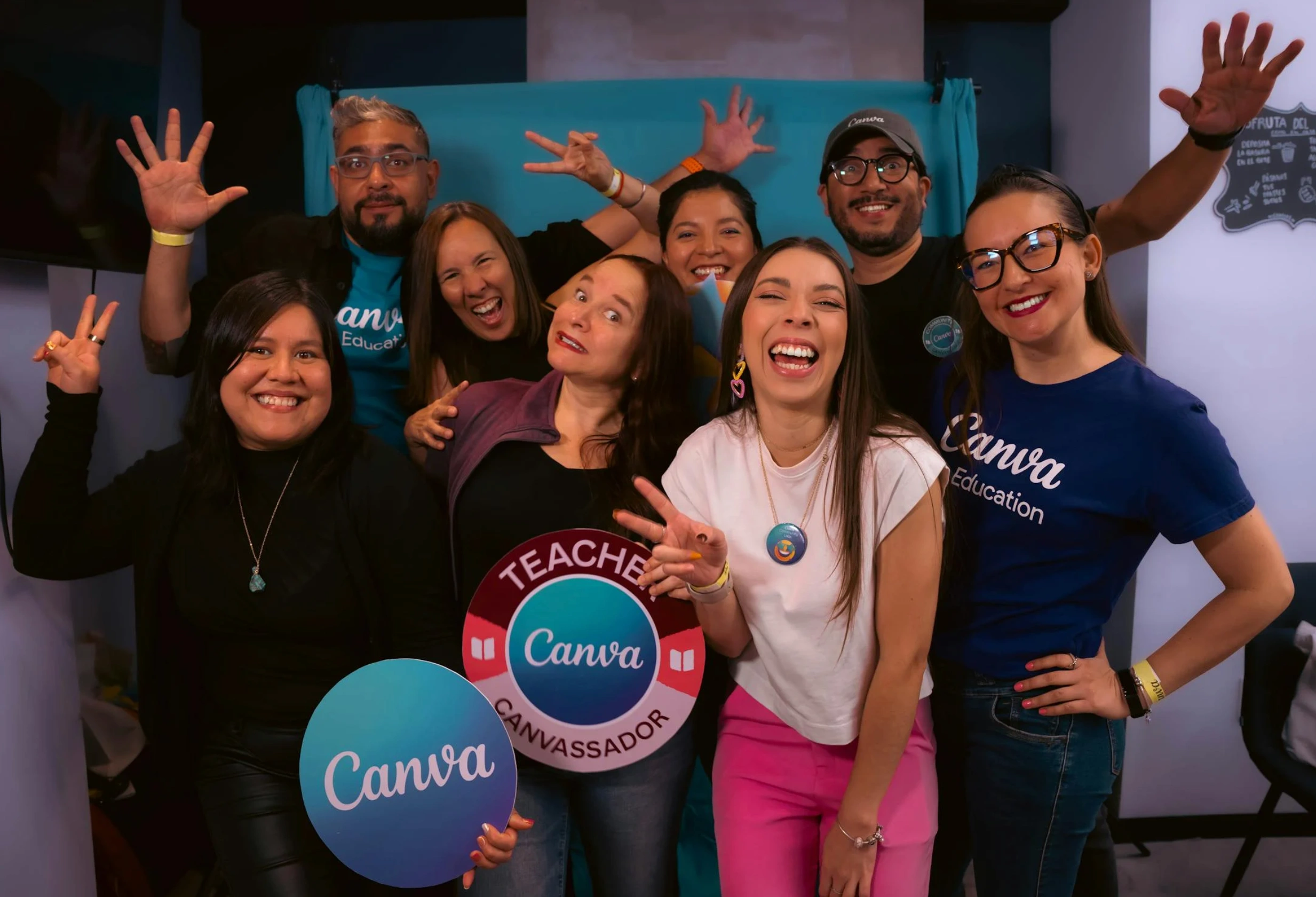
Event Branding Works Beyond Large Conferences
Smaller gatherings can benefit from the same principles. A workshop, community meetup, customer dinner, pop-up, or fundraiser still needs a clear identity and an experience that matches the invitation. Nonprofit events in particular can connect event identity with the wider goals of not-for-profit marketing, while clear, consistent identity cues that underline the cause’s urgency and unify participants around shared values.
The level of production can change without abandoning consistency. A small event may need a simple visual kit, clear signage, and a well-designed registration page rather than an elaborate installation. Entertainment-led events may require a different balance of staging, content, and audience participation, but the brand system should still help attendees understand what kind of experience they have entered.
Make Event Branding Measurable and Repeatable
Ideas only become useful when teams can execute them consistently. Brand guidelines, production files, approved templates, naming conventions, and clear responsibilities help vendors and internal teams make decisions without recreating the system every time.
Measuring success, whether through social engagement, attendee surveys, or sponsor feedback—offers tangible insights about which facets of your brand resonated and what might need fine-tuning next time. Tie those signals to a broader set of marketing metrics where appropriate, especially when the event is expected to support leads, pipeline, registrations, donations, or other business outcomes.
Build Event Branding as a System
Strong event branding connects the promise made before the event with what attendees actually experience on site and what they encounter afterward. The design, messaging, digital tools, environment, and follow-up do not need to look identical, but they should feel like parts of the same brand.
If your team is planning an event and needs an outside view on positioning, identity, digital touchpoints, or consistency, you can discuss your event branding with Brand Vision. The goal is a system your team can actually deploy across the full attendee journey, not simply a collection of event graphics.


.webp)