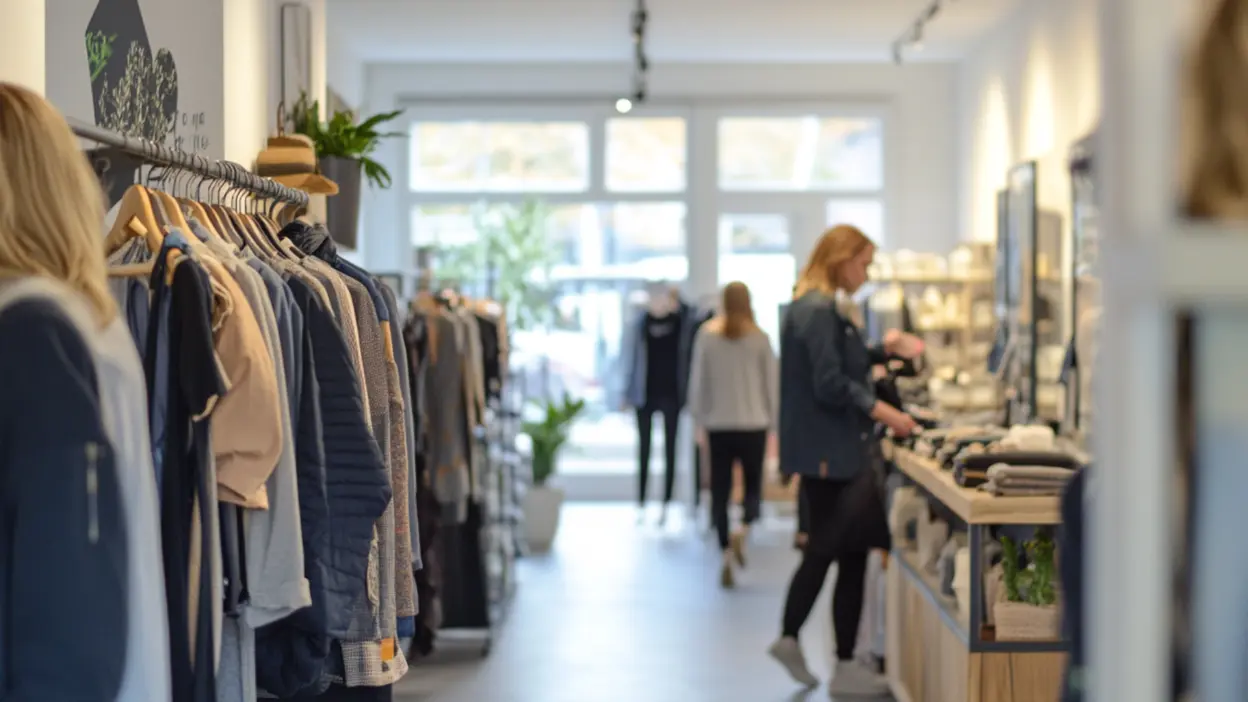
Retail marketing and branding work best when the in-store experience, digital storefront, messaging, and visual identity all reinforce the same promise. A retailer may compete on product, price, convenience, curation, service, or community, but customers still need a clear reason to recognize and choose the brand. That is where retail marketing and branding come together: one shapes how the business is presented, while the other brings that identity into the channels where customers discover, compare, and buy.
Why Retail Marketing and Branding Matter
Retail is not only about moving products. It is also about shaping expectations before, during, and after a purchase. A strong retail brand can make the store, website, packaging, customer service, promotions, and social content feel related rather than disconnected. The National Retail Federation regularly tracks how shopping behavior changes across stores and digital channels, which is a useful reminder that retailers have to think about the customer journey as a connected system rather than separate online and offline businesses.
Consistency does not mean every touchpoint should look identical. It means that customers should be able to recognize the same point of view whether they encounter a window display, an email, a product page, or a checkout experience.
Know Your Audience and Differentiate the Brand
Every retail category has its own buying triggers and expectations. Understanding the audience helps determine which parts of the experience deserve the most emphasis. Your branding, from visual cues to tone of voice, should reflect the customer, category, price point, and value proposition rather than defaulting to whatever happens to be popular in the market.
Research can help identify the difference between a genuine opportunity and a surface-level trend. Review customer feedback, competitor positioning, shopping behavior, product performance, and the questions customers ask before buying. That evidence can reveal whether the brand needs clearer positioning, stronger proof, a more distinctive identity, or a smoother path to purchase.
Develop a Retail Brand Identity That Can Scale
A retail identity is more than a logo. It includes the language, visual system, photography, packaging, signage, merchandising, and digital presentation customers encounter repeatedly. A useful branding system should be specific enough to create recognition and flexible enough to work across seasonal campaigns, product categories, store formats, and new markets.
That is where brand strategy and brand research become practical rather than theoretical. Strategy clarifies what the brand wants to be known for, while research helps test whether that position is relevant and differentiated.
Build a Cohesive Visual and Verbal Experience
Retail brands are experienced through details. Packaging, shelf graphics, store signage, ecommerce imagery, campaign assets, product labels, and social content all contribute to recognition. Strong retail graphic design gives those materials a shared visual logic without forcing every item into the same template.
The same applies to language. Product descriptions, promotional emails, customer-service scripts, returns policies, and social captions should feel like they belong to the same company. The goal is not decorative consistency for its own sake. It is to reduce friction and make the brand easier to understand.
Capture Attention, Then Deliver the Experience
Retail marketing can create interest, but the brand still has to deliver once the customer arrives. A promotion that promises simplicity will feel inconsistent if the store is difficult to navigate. A premium campaign loses credibility if product pages are confusing or checkout feels unreliable. Every customer interaction, whether through an email, a well-designed website, or an in-store experience, should support the same expectation.
This is also where retail UX design matters. Navigation, product discovery, filtering, checkout, mobile usability, and store-locator experiences can reinforce the brand while making the path to purchase easier.

How an Agency Can Support Retail Branding
Retail branding often touches more functions than one internal team can comfortably coordinate at once. An outside agency can be useful when the challenge spans positioning, identity, web experience, campaign planning, and measurement. From an agency perspective, the value is not simply producing more assets. It is helping the different parts of the customer experience point in the same direction.
A team such as Brand Vision can support that work by identifying brand gaps, refining messaging, establishing a visual system, and connecting those decisions to the website and marketing plan. For a retailer expanding or refreshing its presence in a specific market, choosing a branding agency in Chicago, or another relevant region, can also add local context without replacing the need for specialist services.
How Brand Vision Approaches Retail Marketing
Brand Positioning and Research
Retail strategy starts with understanding who the customer is, what alternatives they are considering, and what the brand can credibly own. We use research and positioning work to clarify the message before applying it across campaigns or channels. That foundation supports broader branding decisions without turning every customer touchpoint into a separate creative exercise.
Website and Ecommerce Experience
A retailer’s website is a digital storefront, but it also has to function as a shopping tool. Brand Vision connects brand expression with high-performing, responsive web design so product discovery, merchandising, mobile behavior, and conversion paths are considered alongside aesthetics.
Retail Marketing Strategy
Campaign planning should connect the audience, offer, channel, and next step. A broader retail marketing strategy can coordinate content, paid media, launches, promotions, and customer-retention activity so individual campaigns contribute to a larger commercial plan.
Search Visibility
General SEO supports site structure, content, technical performance, and discoverability, while ecommerce SEO is especially relevant for category pages, product architecture, faceted navigation, and search demand tied directly to products. The two are related but not interchangeable.
Unified Brand Execution
Every channel should feel connected to the same brand system. That means the store, product packaging, website, campaigns, and customer communications all draw from a consistent set of priorities. Strong branding makes that coordination easier because teams have clearer rules for what should remain consistent and where the experience can adapt.
Strengthening Retail Branding Over Time
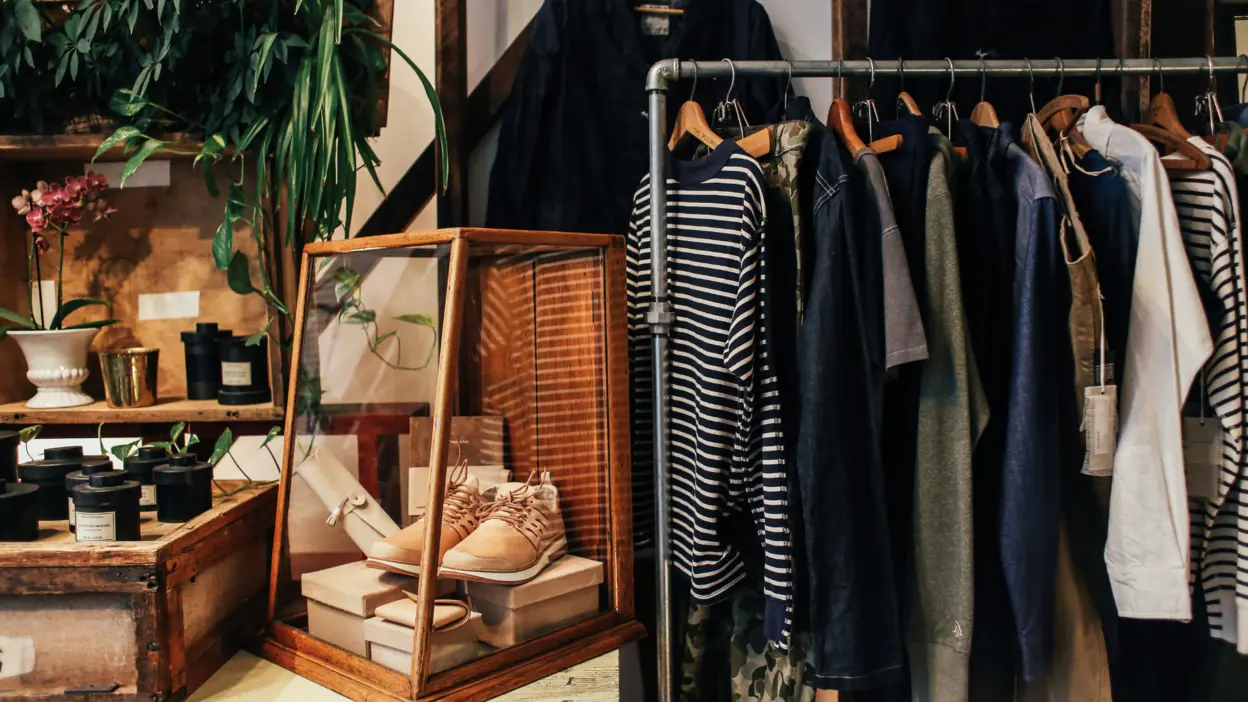
Retail brands need to evolve without losing recognition. New product lines, stores, partnerships, platforms, and customer expectations can all put pressure on an identity that once felt coherent. Periodically reviewing the branding helps teams identify where the system is still working and where the experience has become fragmented.
Protect Recognition While the Business Changes
When a brand adds new categories or channels, the answer is not always a complete redesign. Often the better move is to preserve the most recognizable assets while improving the areas that no longer serve customers well. Clear governance can prevent every campaign, store, or product line from developing its own disconnected visual language.
Build Loyalty Through Consistency
Repeat customers already know what the brand promises. Consistent product presentation, service, communication, and digital usability help preserve that trust. Strong retail branding gives customers recognizable cues while still leaving room for campaigns and seasonal change.
Connect Brand Building to Commercial Decisions
Retail branding should support the business model, not sit beside it. Track how customers respond to campaigns, store changes, product launches, website improvements, and loyalty activity. The point is not to force every brand decision into a short-term attribution model, but to connect creative and strategic decisions to observable customer behavior.
Moving Forward With a Stronger Retail Brand
Retail marketing and branding work best when the store, website, campaigns, packaging, customer service, and product experience feel like parts of one system. The most useful strategy is not the one with the most channels. It is the one that gives customers a clear reason to recognize, trust, and return to the brand.
Every aspect of retail branding, from the storefront to social media, contributes to that perception. If you are evaluating where your own retail brand feels fragmented, Brand Vision can help connect the strategic, creative, and digital pieces. You can also discuss your retail brand with our team to identify which part of the customer experience needs attention first.