Crowdfunding in 2025 sat at the intersection of reward-based launches, donation campaigns, and regulated investment crowdfunding. The basic idea was familiar: raise support from a distributed audience rather than depending on one institution or buyer. What had changed was the level of planning expected from creators. Backers wanted clearer timelines, realistic fulfillment plans, transparent use-of-funds explanations, and more evidence that a campaign could deliver what it promised.
The year also showed how different crowdfunding models had become. A product pre-order campaign, a nonprofit fundraiser, and an equity offering may all use the language of “the crowd,” but they involve different incentives, risks, platforms, and regulations. This guide reviews the platform shifts, regulatory context, community dynamics, and campaign-marketing lessons that defined crowdfunding in 2025. For teams using crowdfunding to validate or launch a new venture, strong startup marketing mattered as much as the platform itself: backers still needed a clear story, credible proof, and a realistic delivery plan.
How Crowdfunding Reached 2025
To understand crowdfunding in 2025, it helps to separate the major models. Fifteen years ago, Kickstarter’s breakthrough showed that creators could rally online communities around reward-based projects. Indiegogo expanded the familiar rewards model, while donation platforms grew around personal causes and nonprofit fundraising. Around the mid-2010s, real estate crowdfunding and equity-based models started gaining traction as securities rules evolved and online investment portals became more common.
Nonprofit fundraising developed along a parallel path. Nonprofit marketing increasingly incorporated peer-to-peer fundraising, direct donor storytelling, and campaign updates that made the intended use of funds easier to understand. Charities and community organizations used crowdfunding for recurring donations or emergency relief. That shift mattered because it made crowdfunding less of a novelty and more of a repeatable distribution and fundraising channel.
By the end of 2025, crowdfunding was firmly established across creative projects, consumer products, causes, and regulated investment offerings. Kickstarter later described 2025 as its biggest year to date, with record activity in several creative categories. That does not mean every project became easier to fund. Rising production, shipping, and acquisition costs made pre-launch research and post-campaign execution more important, especially for physical products.

Crowdfunding Platforms in 2025: Broad vs. Niche
Crowdfunding in 2025 was not one market. Reward-based platforms, donation sites, and regulated investment portals served different needs, so platform selection depended on what was being funded and what backers were being asked to receive in return. Kickstarter and Indiegogo remained familiar names for product and creative campaigns, while other platforms focused on donations, local projects, property, or securities offerings.
For creators, the choice between a broad platform and a niche community was less about prestige than audience fit. A specialized platform may have fewer total visitors but a higher concentration of people who understand the category. A broad platform can offer more discovery and recognizable infrastructure, but it also places a project beside thousands of competing launches. Technical products may need more education and proof, while arts, publishing, games, and community projects often rely more heavily on an existing fan base.
Platform rules can also change quickly. Indiegogo itself changed substantially late in the year: its October 2025 platform upgrade introduced new creator and pledge-management tools and discontinued Flexible Funding for new campaigns. The lesson for future launches is straightforward: compare the current fee structure, funding model, payout rules, geographic availability, compliance process, and post-campaign tools before committing to a platform.
Blockchain and Crowdfunding: What It Could and Couldn’t Solve
Blockchain-based crowdfunding remained a specialized part of the market in 2025 rather than a replacement for conventional platforms. Early experiments such as ICOs showed how quickly token fundraising could cross into securities regulation, while later approaches such as security token offerings (STOs) emerged with more explicit compliance structures. Existing discussion of the melding of blockchain technology with crowdfunding is useful as a technology trend, but a public ledger does not by itself eliminate fraud, delivery risk, or legal obligations.
Smart contracts can automate predefined conditions, including staged disbursements, voting rules, or token transfers. That can improve auditability for actions that occur on-chain. But many campaign milestones happen in the physical world: a prototype must work, a factory must produce an item, or a shipment must arrive. Software cannot independently verify those events without a trusted data source, reviewer, or oracle, so automation changes the trust model rather than removing trust altogether.
Regulation also varies considerably across jurisdictions, as reflected in research on how countries regulate crypto differently, creating uneven acceptance. Tokenized fundraising may introduce questions about securities classification, custody, identity checks, taxation, consumer protection, and cross-border distribution. For founders, blockchain therefore adds legal and operational diligence in addition to technical infrastructure. It should be chosen because it solves a specific campaign problem, not because decentralization sounds inherently safer.
Crowdfunding Regulation in 2025: U.S. and EU Context
Regulation mattered most when crowdfunding crossed from donations or rewards into securities. In the United States, Regulation Crowdfunding, created under the JOBS Act, allowed eligible companies in 2025 to raise up to $5 million in a 12-month period through a registered broker-dealer or funding portal. The SEC also imposed investor limits and disclosure requirements, with current Regulation Crowdfunding guidance explaining the framework.
Existing overviews of how much non-accredited investors can contribute, the documentation campaigns must supply, can help founders identify questions that need professional review, but they should not replace the applicable rules. Equity crowdfunding is also different from a traditional IPO. It offers a narrower exemption from full securities registration and comes with its own intermediary, disclosure, and resale requirements.
Europe also operated under a more unified framework. The European Crowdfunding Service Providers Regulation created common rules for investment-based and lending-based business crowdfunding and an EU passport that can support cross-border services under a single authorization. The European Commission’s crowdfunding overview emphasizes disclosure, governance, risk management, and investor-protection requirements. The practical takeaway is simple: the fundraising model determines the compliance burden, so creators should identify the legal category before planning promotion or accepting money.
Donation Crowdfunding and Social Impact
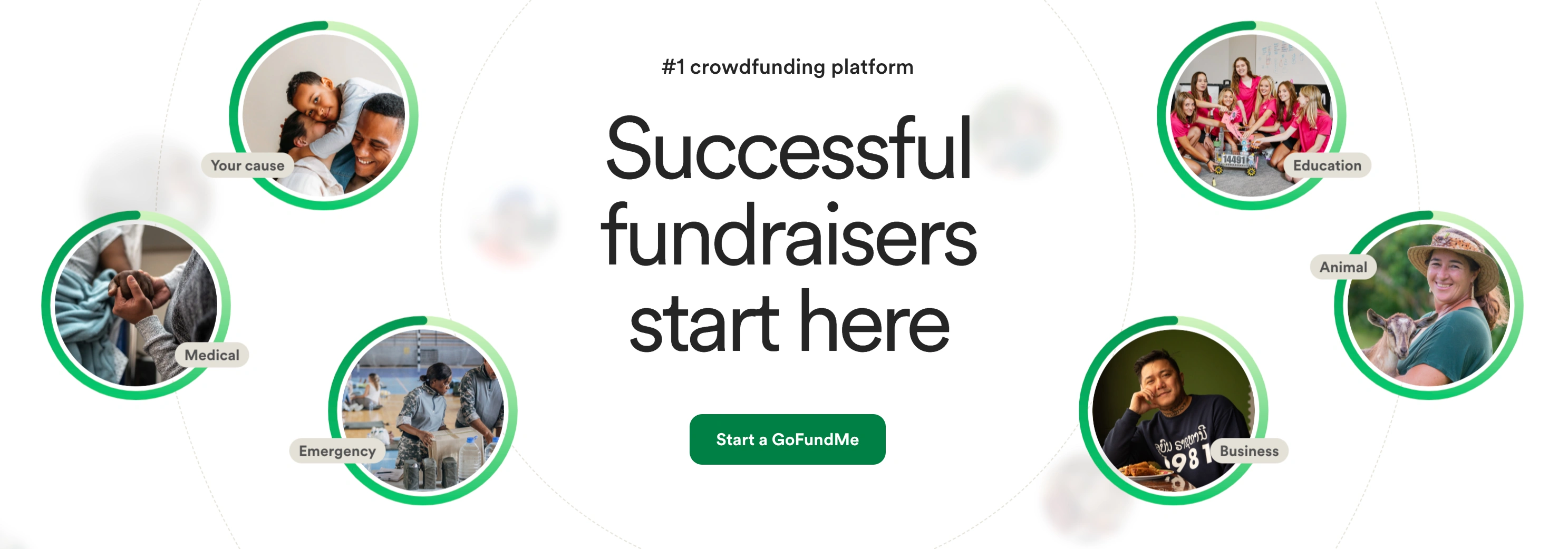
Not every crowdfunding campaign in 2025 was designed to generate a financial return. Donation and social-impact campaigns continued to fund humanitarian relief, student projects, medical costs, community initiatives, and research. Existing examples of humanitarian relief, student projects, and peer-to-peer giving show why direct storytelling remains central: supporters need to understand who benefits, what the money will fund, and how progress will be communicated.
For nonprofits, the technology is only part of the job. A nonprofit crowdfunding platform can simplify campaign setup, supporter pages, recurring gifts, and peer-to-peer participation, but credibility still depends on transparent use-of-funds language, realistic goals, and regular updates. Donation campaigns can be especially sensitive when the need is urgent, so clarity about who controls the funds and how they will be distributed matters as much as emotional storytelling.
Matching gifts can extend reach when a foundation, company, or major donor agrees to contribute alongside the public. Local campaigns can also connect online participation with a visible outcome such as a community program, arts project, or restoration effort. The strongest social-impact campaigns make that connection concrete: they explain the problem, show what a contribution enables, and report what happened after the campaign closes.

Micro-Communities and Niche Projects
One of crowdfunding’s enduring strengths is that a campaign does not always need a mass audience. A historian digitizing manuscripts, a craftsperson reviving a specialized technique, or a creator serving a small fandom may only need a few hundred committed supporters. Niche platforms and community spaces can help those projects reach people who already understand why the work matters, reducing the need to explain the entire category before explaining the project.
The marketing lesson is relevance over raw reach. When campaign language reflects the audience’s real interests, supporters have a clearer reason to participate and share. Social media micro-influencers also play a major role, giving an enthusiastic shoutout that can direct a wave of pledges to a project. A smaller creator may benefit more from ten trusted community advocates than from a broad burst of attention that produces little intent.
This changes how a funding goal should be planned. Instead of asking whether a project can become viral, creators can estimate the average pledge, the size of the reachable audience, the expected conversion range, and the number of committed early backers needed to create momentum. That produces a campaign model grounded in community size rather than wishful reach.

Reward Campaigns, E-Commerce, Subscriptions, and Equity
Creators in 2025 increasingly planned beyond the initial pledge. For example, a hardware startup might allow pre-orders of its main device while also offering subscription-based services after launch. Reward campaigns can also transition into direct e-commerce, late pledges, add-ons, replacement parts, software features, or recurring community products once fulfillment is understood.
That does not mean every revenue model belongs inside the original campaign. Subscription pricing can create ongoing obligations that need support and retention planning. International shipping can change margins dramatically. Add-ons can complicate manufacturing and fulfillment. Creators should model those costs before using them as incentives, especially when a stretch goal changes the product itself.
Equity crowdfunding is different again. Selling an ownership stake is a regulated securities activity, not simply another reward tier, so founders should avoid treating product perks and investment rights as interchangeable. Meanwhile, “stretch goals” can still extend a reward campaign when additional funding genuinely supports added scope. The common thread is planning the post-campaign business model before promising benefits that may be expensive or difficult to deliver.
Marketing a Crowdfunding Campaign
Crowdfunding campaigns compete for attention before they compete for money. Strong photography, concise video, a credible prototype, and a clear explanation of the offer are basic campaign assets. The surrounding branding services work matters too: the promise, identity, and proof should feel consistent from pre-launch content through the campaign page. A separate campaign site can also benefit from web design services when founders need more room for product education, FAQs, press, lead capture, or updates that do not fit cleanly inside the funding platform.
Data can help teams decide where to focus. Campaign owners can compare video engagement, email sign-ups, referral sources, reward interest, and conversion behavior to see where prospective backers are losing confidence. Those signals are useful when they answer a real question, such as whether people understand the offer or whether a specific reward is confusing. They are less useful when a team simply optimizes individual clicks without a coherent campaign story.
Paid media can support a launch, but it works best after the audience and offer are clear. Some creators use retargeting ads to reconnect with visitors, while teams with larger acquisition plans may need paid campaign management. Analytics can show which parts of a brand messaging framework draw attention or cause drop-off, but the data should refine the campaign rather than replace a coherent story.

Crowdfunding Campaign Planning: A Founders’ Playbook
For a creator planning a crowdfunding launch, platform choice comes first: reward, donation, or investment crowdfunding each has different economics and obligations. Compare fees, funding rules, payout timing, supported countries, campaign tools, and the audience already using the platform. A technically impressive platform is a poor fit if the right backers are somewhere else.
Audience preparation should begin before launch. Build an email list, gather early feedback, and make sure the campaign voice is consistent across updates, creator content, and community responses. A defined consistent brand voice helps a campaign stay recognizable when several people are posting or answering questions. Teams preparing a U.S. launch can also compare support from a marketing agency in the United States when they need help coordinating creative, media, and launch materials.
Once the campaign is live, communicate milestones, delays, and changes plainly. Reward tiers should reflect realistic manufacturing and fulfillment costs. Investment campaigns should explain risk without presenting returns as guaranteed. While analytics can improve targeting, genuine communication still sparks true engagement. After funding, delivery and backer communication become part of the brand record, which can influence whether supporters return for another launch or recommend the team to others.
What Crowdfunding in 2025 Ultimately Showed
Crowdfunding in 2025 showed that community funding could serve very different jobs: validating a product, supporting a cause, financing a business, or giving a niche creator direct access to supporters. It also showed why creators need to distinguish platform mechanics from campaign strategy. Regulation, fulfillment, positioning, and audience development still matter regardless of where the pledge button sits.
The year also reinforced that crowdfunding is not automatically a shortcut around conventional business planning. A successful campaign can create demand before production, but that demand introduces obligations around delivery, communication, refunds, compliance, and customer support. For backers, the platform is part marketplace, part community, and part trust mechanism. For creators, it is a public test of both the idea and the team behind it.
For organizations coordinating several channels around a launch, integrated marketing can connect campaign creative, paid media, content, and measurement without treating crowdfunding as a standalone tactic. Brand Vision works across brand, web, and marketing planning, and teams preparing campaign materials can talk with Brand Vision about the scope they need.