A familiar label on a grocery, personal-care, or household product does not always tell you which company sits behind it. Large consumer-goods groups often manage many distinct brands at once, using different names, packaging, audiences, and positioning across the same corporate portfolio. That structure is a practical example of brand architecture: the parent company can stay relatively quiet while individual brands build their own recognition.
This September 2026 snapshot looks at ten companies behind familiar household brands. Ownership changes over time, so the list separates current portfolios from brands that have been sold, spun off, or moved into new companies. Historical revenue figures already present in the article are kept where they still describe the same parent company, but they are not intended as a current ranking.
1. General Mills
Founded: 1928
Revenue (2022): $20.09 billion
Major Brands: Betty Crocker, Bisquick, Gold Medal, Cheerios, Chex, Yoplait, Pillsbury, Nature Valley
General Mills is a clear example of a parent company whose corporate name is less visible than many of its products. Families can move from Cheerios at breakfast and Betty Crocker cake mixes for birthdays to Pillsbury doughs and Nature Valley snacks without changing parent companies.
The portfolio spans cereal, baking, refrigerated dough, snacks, meals, and pet food. That breadth gives General Mills multiple consumer occasions while allowing each brand to keep a distinct identity rather than forcing everything under one consumer-facing name. It also shows why parent-company awareness and consumer-brand awareness can be very different even when the products share distribution, investment, and corporate ownership.
2. Nestlé
Founded: 1867
Revenue (2024, CAD): Approximately $145.37 billion
Major Brands: Nescafé, KitKat, Gerber, Stouffer’s, Nesquik, Maggi, Toll House
Nestlé remains one of the world’s largest food and beverage companies, with brands spanning coffee (Nescafé) and confections (KitKat) to baby nutrition (Gerber) and prepared meals (Stouffer’s). Founded in 1867, the company has built a portfolio that reaches many different eating occasions and markets.
For teams working in food and beverage marketing, Nestlé is a useful example of how one parent can manage brands with very different audiences, price points, and category expectations while keeping the corporate structure mostly in the background.
3. Unilever
Founded: 1929
Revenue (2024): Approximately $60 billion
Major Brands in the current Unilever portfolio: Dove, Axe, Hellmann’s, Knorr, Vaseline, Sunsilk
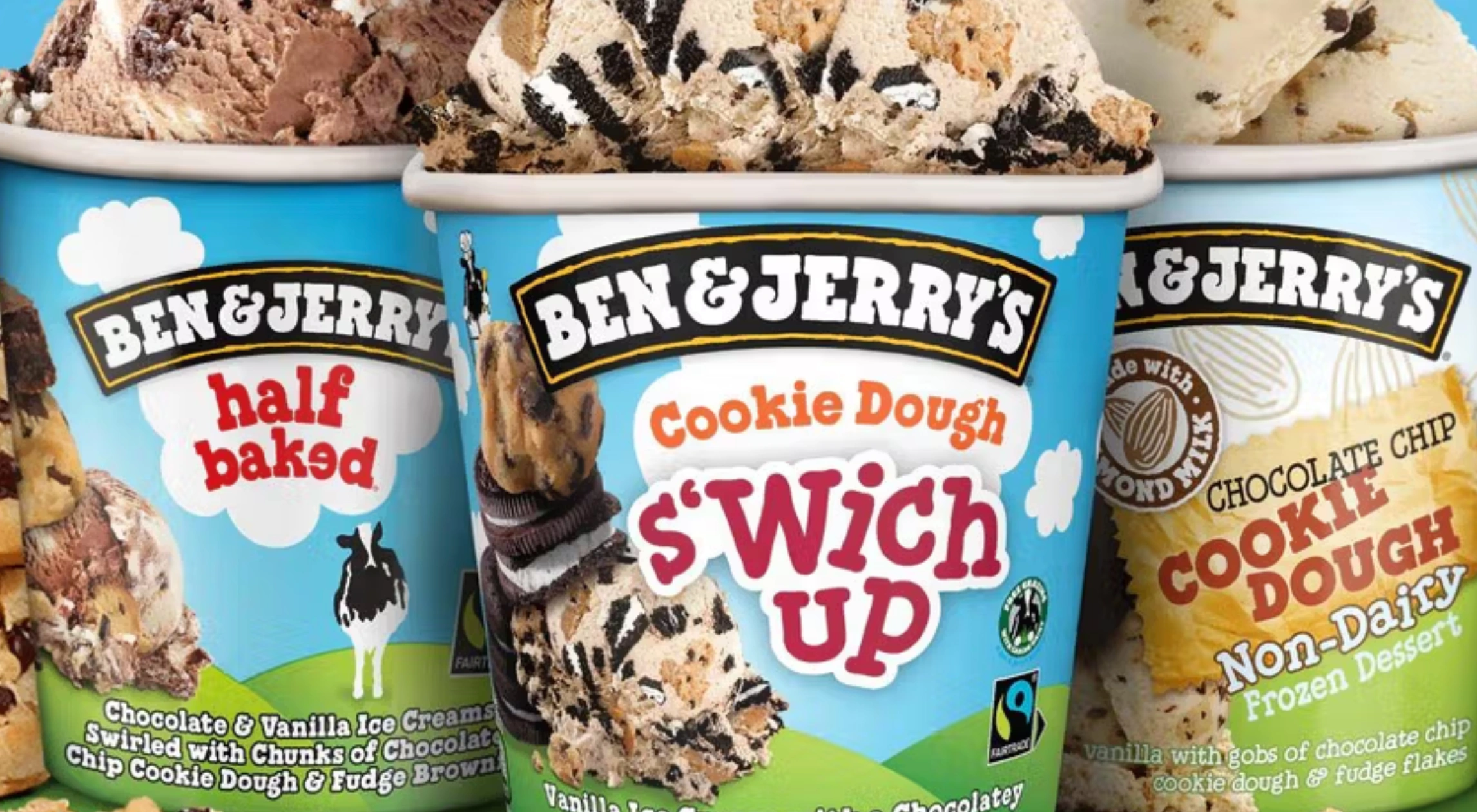
Unilever still spans personal care, beauty, foods, and home-care categories, but two familiar names in the older version of this article have moved out of the portfolio. An earlier portfolio view linked here grouped Dove (personal care), Lipton (tea), and Ben & Jerry’s (ice cream). That no longer reflects current ownership.
Unilever sold its global tea business, including Lipton in most markets, in 2022. LIPTON Teas and Infusions now states that CVC completed the acquisition of the business. Unilever then completed the demerger of its ice-cream business in December 2025. Ben & Jerry’s is now part of The Magnum Ice Cream Company, while Unilever retained a minority stake in that newly independent company after the demerger.
4. PepsiCo
Founded: 1898 (as Pepsi-Cola Company; merged with Frito-Lay in 1965)
Revenue (2024): $91.854 billion
Major Brands: Pepsi, Lay’s, Doritos, Gatorade, Quaker, Cheetos, SodaStream
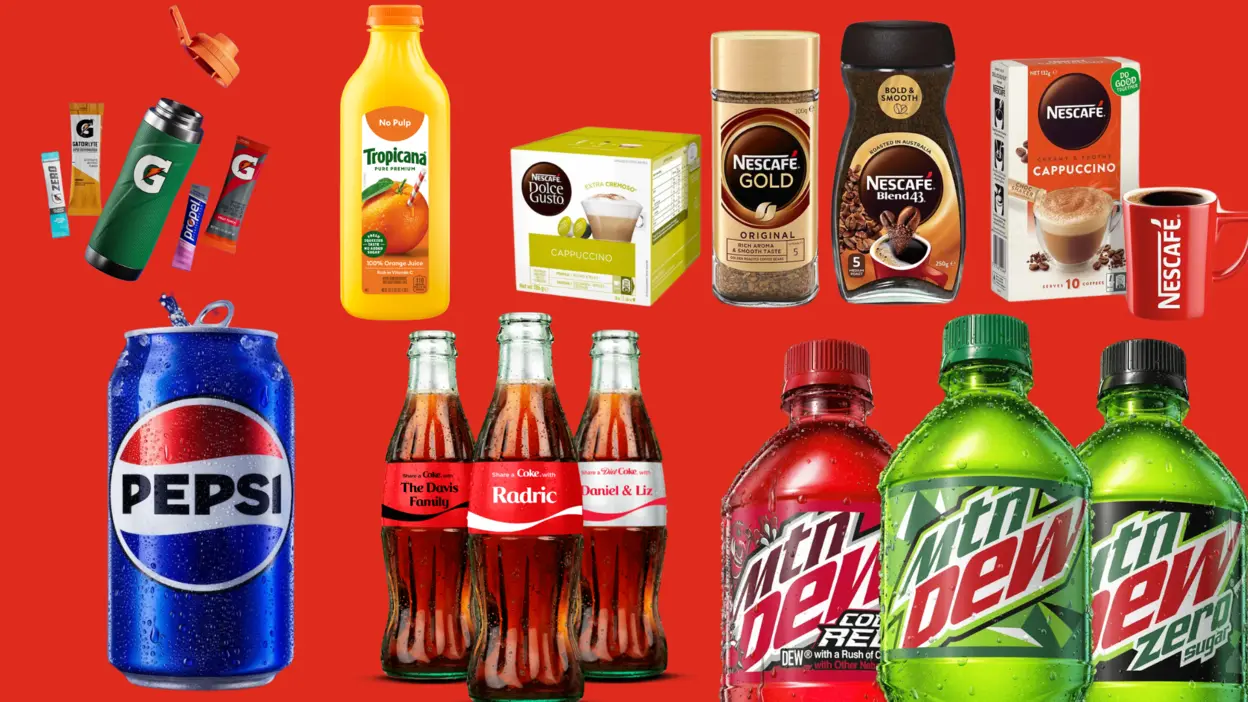
PepsiCo’s portfolio reaches well beyond cola. Pepsi and other beverages sit alongside large snack and food brands such as Lay’s and Doritos. Notably, Gatorade and Quaker Oats expand its range into sports hydration and breakfast staples. The combination makes PepsiCo one of the clearest examples of a consumer company operating across both beverage and convenient-food categories.
Tropicana should no longer be listed as a PepsiCo-controlled brand. PepsiCo sold Tropicana, Naked, and other selected juice brands to a joint venture led by PAI Partners, retaining a 39% non-controlling interest. For a broader comparison of parent companies and individual drink labels, see Brand Vision’s guide to major beverage brands.
5. Kraft Heinz Company
Founded: 2015 (merger of Kraft Foods and Heinz; legacy brands date back further)
Revenue (2024): $25.85 billion
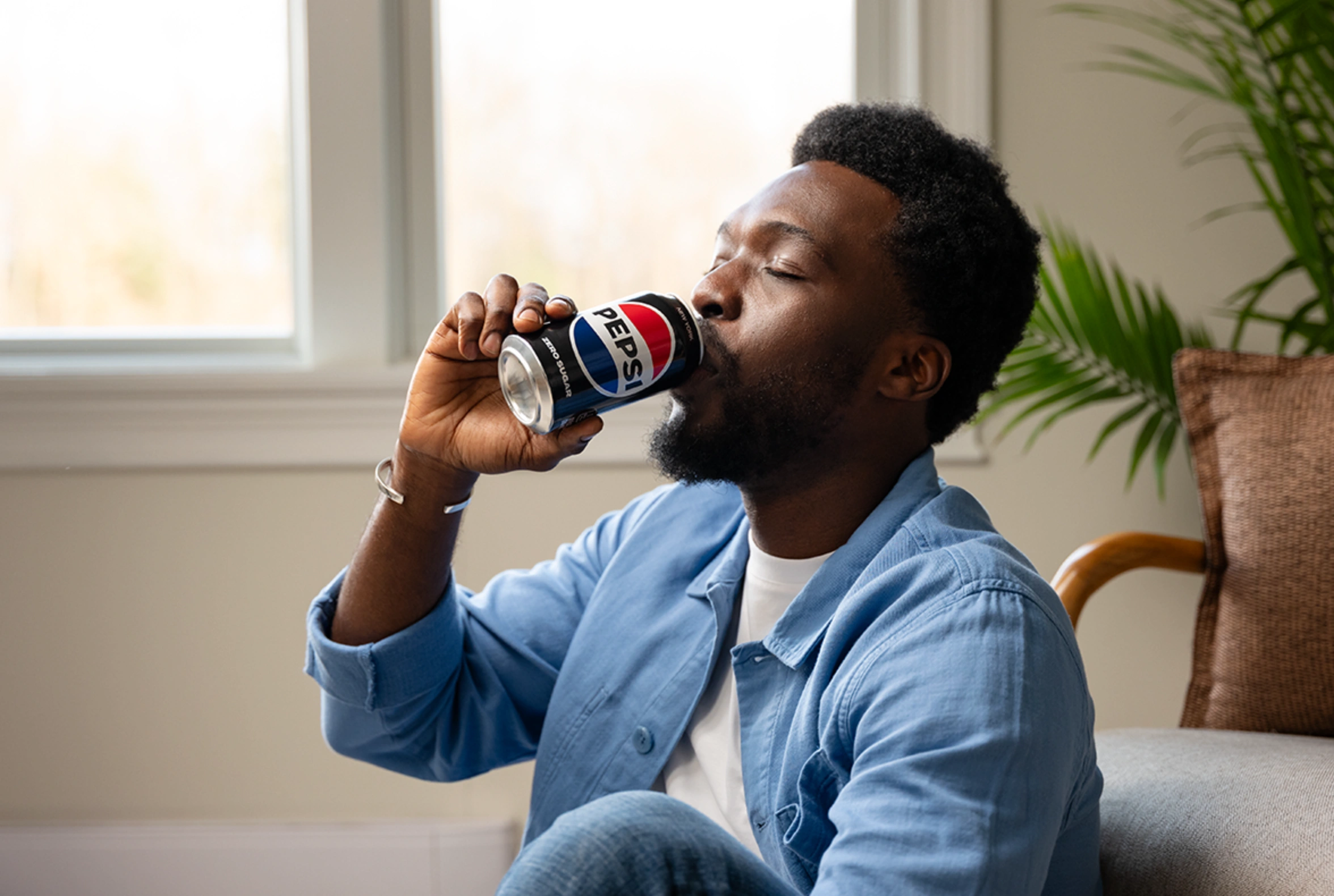
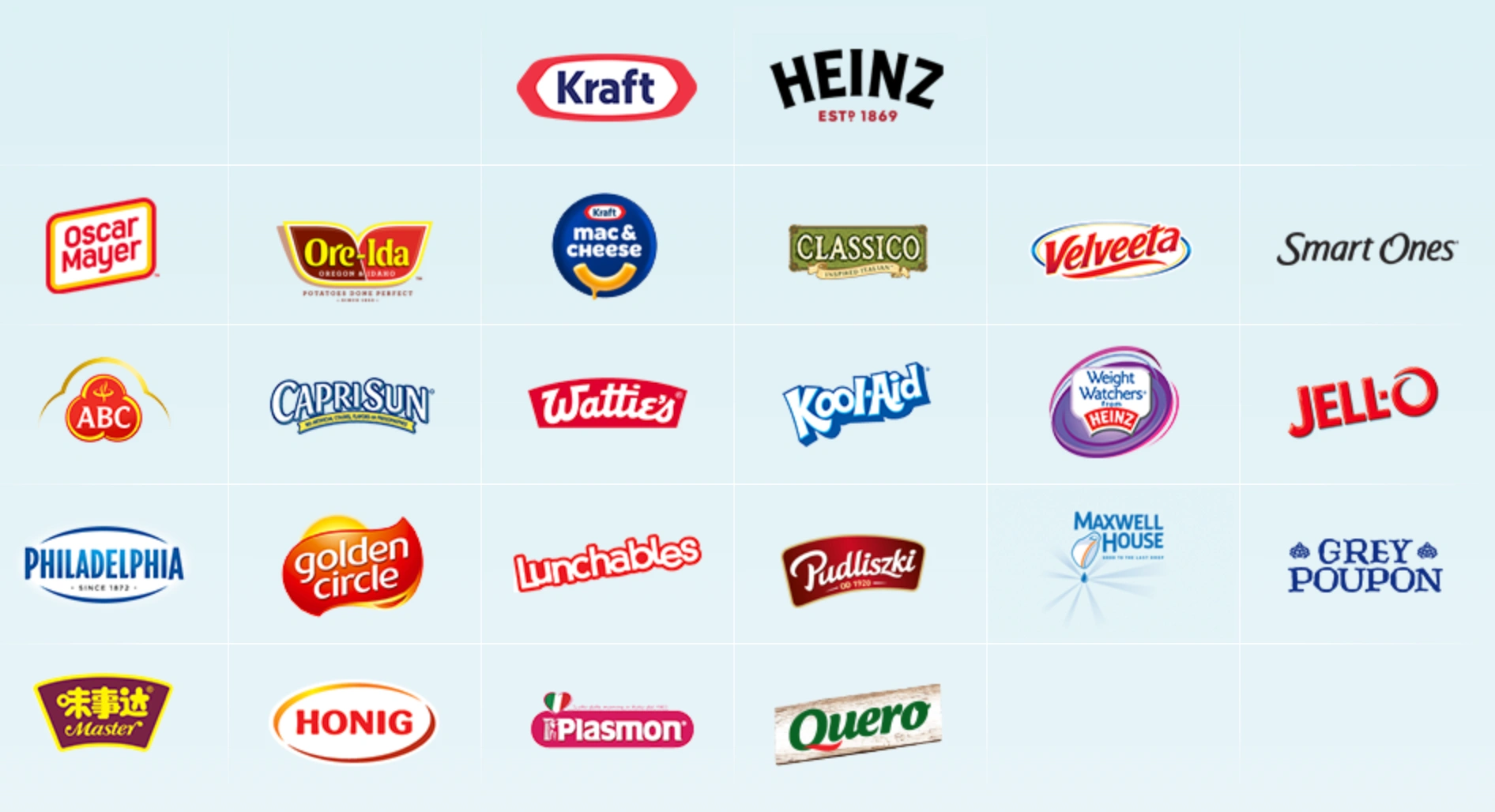
Major Brands: Heinz Ketchup, Kraft Mac & Cheese, Jell-O, Philadelphia, Oscar Mayer, Velveeta
Kraft Heinz is a relatively recent corporate combination built from much older consumer brands. Heinz ketchup and Kraft Mac & Cheese bring decades of recognition, while Philadelphia, Jell-O, Oscar Mayer, and Velveeta extend the portfolio across several grocery categories.
With recognized staples like Oscar Mayer hot dogs and Velveeta cheese, the company shows how a parent can combine established household products without erasing each brand’s separate brand identity. That separation can preserve different audiences, histories, and shelf positions inside one corporate portfolio.
6. The Coca‑Cola Company
Founded: 1892
Revenue (2024): $47.1 billion
Major Brands: Coca‑Cola, Diet Coke, Sprite, Fanta, Minute Maid, Dasani
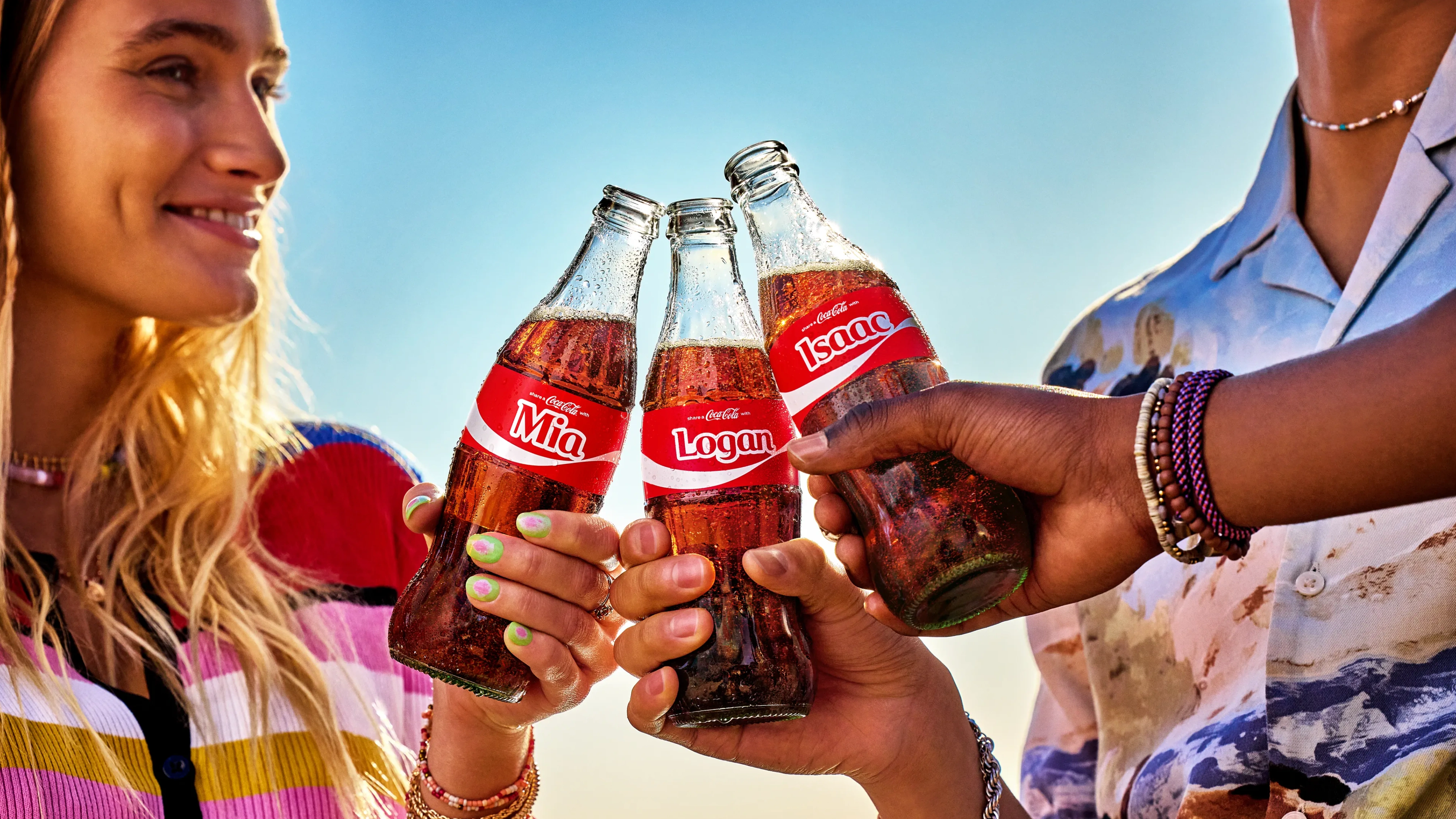
The Coca‑Cola Company is best known for its namesake soda, but the portfolio extends across sparkling drinks, juices, water, coffee, sports drinks, and other beverage categories. A shopper who skips cola might still buy Dasani water or Minute Maid juice from the same overarching brand family.
That structure lets Coca‑Cola serve different tastes and occasions while keeping each consumer brand recognizable. Behind that storied identity is a portfolio strategy in which the parent company can invest across multiple labels instead of relying on a single product name. It also lets the company position products differently by market, category, and consumption occasion while still benefiting from shared distribution and corporate resources.
7. Procter & Gamble (P&G)
Founded: 1837
Revenue (2024): $84 billion
Major Brands: Tide, Pampers, Gillette, Crest, Oral‑B, Olay, Downy
P&G has spent nearly two centuries building and reshaping a house of consumer brands across laundry, baby care, grooming, oral care, skincare, and home care. Tide leads in laundry; Pampers, in diapers; and Gillette reigns in shaving. Many households use several P&G products without treating P&G itself as the primary consumer brand.
The company can update formulas, positioning, and branded packaging at the individual-brand level while managing the larger portfolio centrally. That is one reason P&G remains a frequently used example of a house-of-brands model.
8. Mars, Inc.
Founded: 1911
Confectionery sales estimate (2024): ~$22 billion (est.)
Major Brands: M&M’s, Snickers, Pedigree, Ben’s Original, Orbit, Pringles, Cheez-It, Pop-Tarts
Mars is a privately held business spanning snacking, food, pet care, and veterinary services. Its long-standing portfolio includes Snickers, M&M’s) and Pedigree dog food, among many other brands.
The portfolio became significantly larger in December 2025 when Mars completed its acquisition of Kellanova. That transaction brought Pringles, Cheez-It, Pop-Tarts, Rice Krispies Treats, RXBAR, and Kellogg’s international cereal brands into Mars. Mars described the combined company as a family-owned business with more than $65 billion in annual sales.
9. Ferrero Group
Founded: 1946
Major Brands: Nutella, Kinder, Ferrero Rocher, Tic Tac, plus WK Kellogg cereal brands including Frosted Flakes, Froot Loops, Rice Krispies, and Special K
Ferrero is best known for confectionery brands such as Nutella, Kinder, Ferrero Rocher, and Tic Tac, but its North American portfolio expanded materially in 2026. On February 12, 2026, Ferrero completed its acquisition of WK Kellogg Co, making the cereal company a wholly owned subsidiary.
That means familiar North American cereals such as Frosted Flakes, Froot Loops, Rice Krispies, Special K, and other Kellogg’s cereal brands now sit within the wider Ferrero group. The change is easy to miss because the Kellogg’s name remains on the boxes even though the ultimate parent company changed. It is also separate from Kellanova, whose Pringles, Cheez-It, Pop-Tarts, and international Kellogg’s cereal portfolio moved to Mars in December 2025.
10. Kenvue (Formerly J&J Consumer Health)
Created: 2022; fully independent from Johnson & Johnson since 2023
2025 net sales: $15.1 billion
Major Brands: Aveeno, Band-Aid, Tylenol, Neutrogena, Listerine, Johnson’s Baby
These consumer-health brands were long associated with Johnson & Johnson. Older ownership summaries commonly grouped Band-Aid, Tylenol, or Listerine under J&J, but that is no longer the current corporate structure.
Johnson & Johnson completed the separation of its consumer-health business in 2023. Kenvue is now the independent company behind Aveeno, Band-Aid, Johnson’s, Listerine, Neutrogena, and Tylenol, while Johnson & Johnson focuses on medicines and medical technology. As of September 29, 2026, Kenvue remains independent, although a pending acquisition by Kimberly-Clark is expected to close in the fourth quarter of 2026, subject to the remaining transaction conditions. This pending deal is another reason ownership guides need a clear date.
The Parent Companies Behind Familiar Brands
These ten examples show why the logo on the front of a package tells only part of the ownership story. Some parent companies operate a classic house of brands, while others have sold or spun off major businesses and reshaped their portfolios. The changes at Unilever, PepsiCo, Kellogg, Mars, and Johnson & Johnson also show that parent-company maps can become outdated quickly.
For consumers, checking the parent company is one way to understand how brands connect. For businesses managing several products or acquired brands, the same exercise is part of brand research: ownership, audience overlap, positioning, and portfolio relationships all influence how a brand should be presented. A parent-company change does not automatically require a consumer-facing rebrand, but it can affect governance, investment priorities, distribution, naming rights, and the relationship between individual brands. If you are working through a similar portfolio question, you can contact Brand Vision for a focused discussion of the brand structure and next steps.