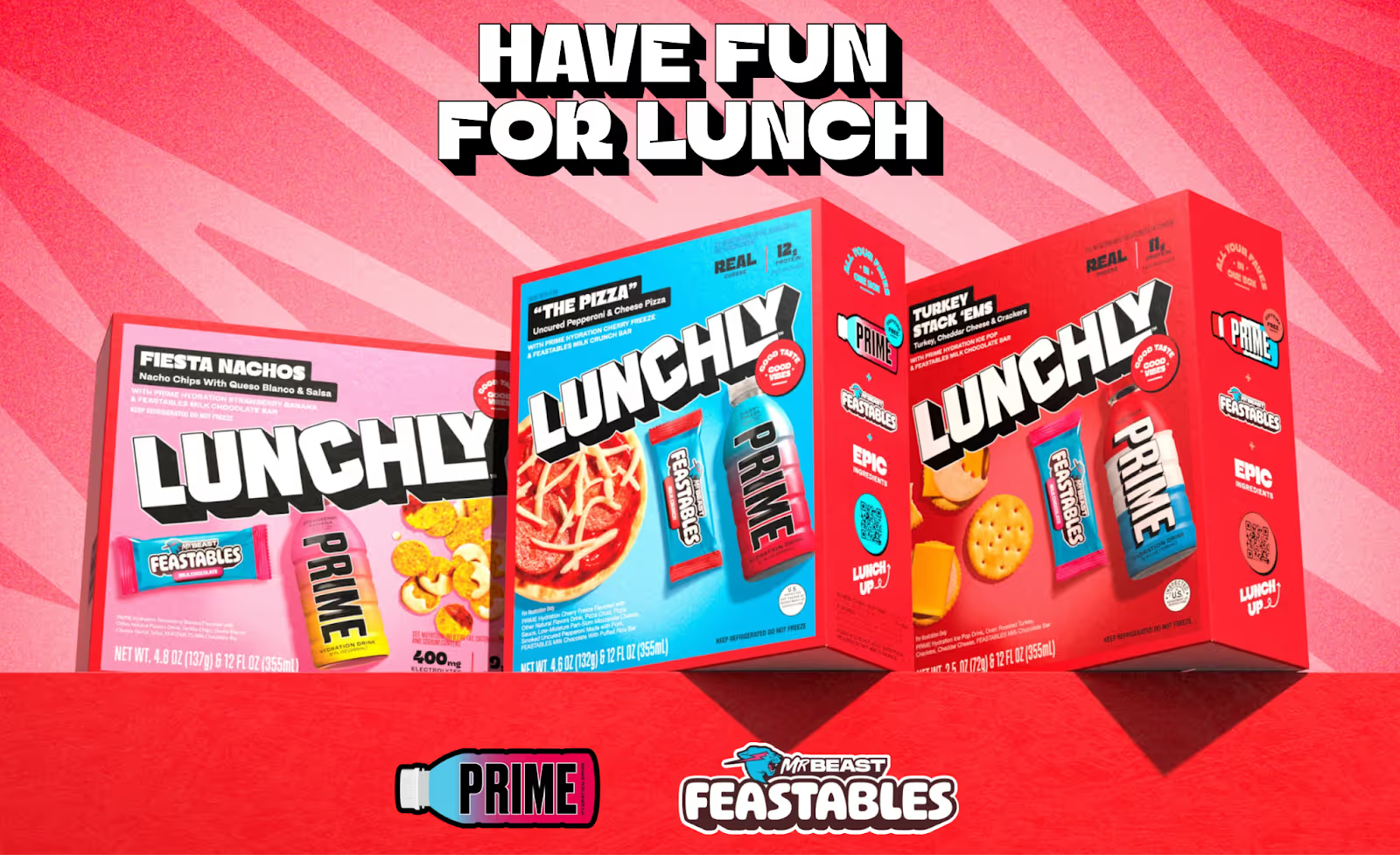
In September 2024, Logan Paul, KSI, and MrBeast joined forces, introducing Lunchly as a challenger to Lunchables. Each meal kit combined a familiar format with PRIME Hydration and Feastables products. The launch raised a useful question for consumer brands: could the creators’ audiences turn initial attention into repeat purchases and lasting retail preference?

A Creator-Led Product Launch
Logan Paul and KSI brought Prime Hydration into the collaboration, while MrBeast brought Feastables. Their combined reach gave Lunchly a direct route to fans, but the product still had to compete on taste, price, availability, and trust. The three creators were promoting a new packaged-food brand, not simply another online video. Their established products also gave the Lunchly box recognizable cues before shoppers evaluated the new meal itself.
At launch, Lunchly offered Turkey Stack ’Ems, The Pizza, and Fiesta Nachos. Each kit included a PRIME Hydration drink and a Feastables chocolate bar. The creators positioned the products as a convenient, better-for-you alternative to Lunchables, a promise that needed evidence beyond recognizable faces on the packaging.
What the Better-for-You Positioning Promised
One of the selling points of Lunchly was its better-for-you message. That is a consequential promise when parents are evaluating children’s meals. A brand positioning strategy should connect the claim to the full nutritional picture, not just selected comparisons of sugar, protein, or electrolytes. The September 2024 launch positioning was a marketing claim, not proof of an overall health advantage. Parents still needed to judge how the complete meal suited their household’s nutritional needs, beyond any headline comparison.
Lunchly kits included a Feastables chocolate bar and a PRIME Hydration sports drink, not an energy drink. The distinction matters, but it does not establish whether the complete meal is healthier. In a July 2025 comparison, Consumer Reports concluded that Lunchly kits were not healthier overall than comparable Lunchables options. Lunchly challenged aspects of its testing. This is why nutrition-focused food marketing needs clear, defensible evidence.

The Challenge of Winning Over Critics
The announcement of Lunchly attracted attention and questions about the nutritional claims. In 2024, health advocates criticized the way creator-backed convenience meals were promoted to children. Fans could be enthusiastic about the collaboration while parents weighed ingredients, sodium, price, and portion sizes differently. That makes the gap between a promotional comparison and verified nutrition more than a minor messaging detail.
Logan Paul defended the creators’ move into building brands and businesses beyond online content. That ambition does not establish that a lunch product will earn sustained trust, especially when the positioning invites scrutiny.
MrBeast likewise argued that established lunch kits could be improved. A competitive story can create awareness, but launch coverage alone does not establish market share, product quality, or repeat purchasing.
Creator Reach Versus Lasting Brand Loyalty
The combined audiences of Paul, KSI, and MrBeast made Lunchly unusually visible at launch. That visibility could encourage trial among existing fans, but followers are not the same as customers. Families still evaluate value, satisfaction, and confidence in the product before choosing it again.
Prime Hydration and Feastables had already shown how creators can connect their audiences with consumer products. Lunchly applied a similar entertainment marketing strategy to a new category. For a branding agency, the lesson is to distinguish publicity from a product promise strong enough to support repeat demand. These brand positioning examples offer other ways businesses make that difference recognizable. Retailers still need reasons to stock and replenish a product, while families need reasons to buy it after the initial burst of interest.
What the 2024 Launch Teaches Brands
The 2024 launch illustrated both the value and the limits of creator-led distribution. A recognizable format, online reach, and familiar partner brands generated a compelling debut. Competing with Lunchables over time also requires reliable retail execution, repeat purchasing, and substantiation for product claims. Publicity alone cannot answer those questions.
The useful measure is what happens beyond the initial conversation: customer satisfaction, retail distribution, and repeat demand. If your team is preparing a product launch, you can discuss your brand strategy with Brand Vision to connect the positioning to credible proof and marketing.