In the world of apparel, fashion marketing is more than an attractive photo shoot or a big-name runway show. It is the strategic backbone that helps brands stand out. As consumer trends shift faster than ever, fashion marketing helps connect each new collection or collaboration with the right audience, from the first teaser on Instagram to the final purchase in an online cart. In short, it transforms garments into narratives, tying every style choice to an emotional story or lifestyle promise that customers appreciate.
Yet successfully executing fashion marketing can be a puzzle, especially for designers and entrepreneurs who juggle sourcing materials, finalizing looks, and managing day-to-day business tasks. That’s why many labels enlist marketing experts, leveraging professional insights to refine brand messaging and identity, tailor influencer partnerships, and orchestrate events that turn casual onlookers into loyal fans. Below, we’ll explore why fashion marketing matters more than ever, reveal key strategies to keep your label ahead, and illustrate how working with a partner like Brand Vision can help everything flow seamlessly.
Why Fashion Marketing Matters in a Rapidly Evolving Industry
Whether you sell streetwear, couture dresses, or artisan accessories, fashion marketing defines how the outside world perceives your brand. Instead of treating each garment launch as a disconnected drop, it’s crucial to create cohesive storytelling that threads through social channels, pop-up events, and website design. This unity builds recognition. If customers can consistently link the brand’s look, mood, and voice across channels, the experience becomes easier to recognize from discovery through purchase.
Moreover, fashion marketing bridges the gap between aspiration and reality. Shoppers might admire runways or stylish ad campaigns, but the real question is whether that vision feels accessible and relevant to their everyday wardrobe or lifestyle. Great fashion marketing shows them how the latest pieces fit their own style, perhaps via TikTok outfit-of-the-day clips or in-store styling sessions. By aligning brand imagery with genuine consumer desires, you turn passing interest into meaningful attachment. In a world where new labels can pop up and vanish almost overnight, a well-curated marketing approach can keep the identity recognizable in a crowded field.
View this post on Instagram
A post shared by Adanola (@adanola)
Deep Dive: The Cornerstones of Effective Fashion Marketing
While many people picture fashion marketing as purely about glamorous campaigns or runway theatrics, the discipline actually involves a mix of brand research, compelling narratives, and consistent branding. Each brand must first understand its audience: are they eco-conscious millennials seeking organic fabrics, or perhaps executives who need tasteful yet versatile office wear? Once that audience is clear, the brand can tailor every promotional effort accordingly. These insights guide brand strategy and product positioning so the identity speaks to the aspirations or lifestyle of a well-defined customer base.
This holistic approach to fashion marketing ensures brands tell meaningful stories. Rather than dropping random collections with no context, fashion labels can anchor each launch in a theme or journey that resonates emotionally. For instance, a spring line might evoke nostalgic coastal road trips, weaving pastel palettes and breezy silhouettes into photos and short films that transport viewers to that dreamy landscape. At the same time, brand images, copywriting, and behind-the-scenes glimpses must stay cohesive, reflecting the same color schemes, design motifs, and tone. This emphasis on consistency is crucial; it reassures customers that whether they encounter the brand online or offline, they’re immersed in the same aesthetic language. Done well, it can support recognition beyond a single season.
Telling a Story with Every Collection
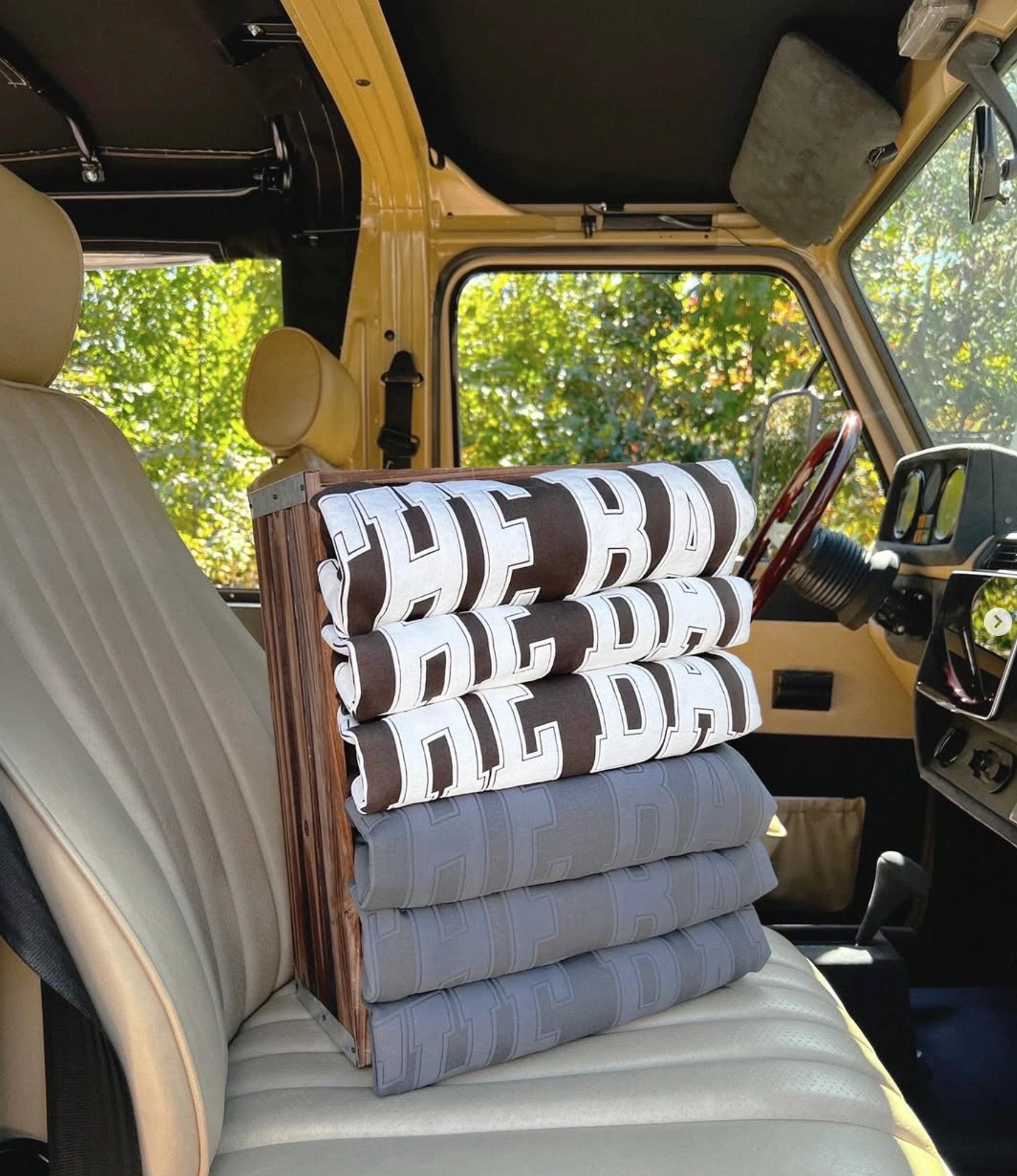
One hallmark of effective fashion marketing is weaving a story around every new collection. Think beyond simply describing color palettes or cuts. Perhaps you frame your fall lineup around the concept of “urban solace,” presenting each coat, bag, or sweater as a shield against the city’s hustle. Launch events could feature curated playlists and decor reminiscent of that theme, making everything feel unified. This approach is not only theatrical. It helps audiences understand the brand’s world through a consistent theme that extends beyond the garments themselves. For pop-ups, launches, and runway moments, clear event branding strategies can carry that same story into the physical experience.
Such narrative-driven fashion marketing also encourages repeat visits to your platforms. Customers return to see the “next chapter,” whether it’s behind-the-scenes photos or new styling tips. Over time, consistent storytelling can elevate brand loyalty, as followers come to see each new release as part of an unfolding saga rather than a random product drop. Across social platforms, this can generate anticipation for the next teaser or glimpse of how the collection integrates into everyday life. By weaving narratives throughout the production cycle, you transform lookbooks and shoots into dynamic brand statements.
View this post on Instagram
A post shared by DSQUARED2 - Dean & Dan Caten (@dsquared2)
Why Hire a Marketing Agency for Fashion Marketing
Despite having a compelling design vision, many entrepreneurs struggle to craft a coherent strategy that addresses every customer touchpoint. Handling fashion marketing internally can mean splitting focus between finalizing garment samples, coordinating production schedules, and attempting to run influencer campaigns or runway shows. That’s where a specialized marketing agency comes in, stepping up to unify brand identity, fine-tune messaging, and orchestrate promotional strategies that resonate.
Expert marketing partners not only create polished visuals and promotional copy but also keep brand cohesion across your seasonal lookbooks, social media channels, and e-commerce site. They’ll help you interpret data, like which collection highlights draw the strongest clicks or how certain influencer posts drive more sales, so you can refine future approaches. Rather than guess at how to align your designs with consumer expectations, an agency offers structured fashion marketing solutions, from influencer matching to event conceptualization. This frees you to focus on product excellence while the marketing system stays coordinated. For labels entering or expanding in Southern California, working with a branding agency in Los Angeles can also add regional context when that market is genuinely part of the growth plan.

How Brand Vision Can Boost Your Approach
At Brand Vision, we recognize that fashion marketing hinges on forging emotional bonds as much as it does on hitting numerical sales targets. By pairing creative flair with methodical market analysis, we guide fashion labels in expressing their core identity across every channel. Whether you’re a startup seeking a memorable Instagram reveal or a heritage brand expanding globally, we tailor our services to suit the unique flavor of your line.
Website Design and Development
A fashion brand’s website often offers the first impression. Through user-friendly navigation, immersive photo galleries, and brand-consistent aesthetics, Brand Vision ensures your fashion marketing message stays strong from homepage to checkout. We optimize layouts to encourage browsing, reflecting each collection’s essence in a clean, intuitive framework.
SEO
Relevance matters: If consumers can’t find you, your design prowess goes unnoticed. Through SEO, we improve how collection, category, and editorial pages are structured around relevant search demand. For stores with large product catalogs, ecommerce SEO can also address category architecture, product discovery, and search visibility without promising a fixed ranking.
Visual Branding
We develop or refine logos, design motifs, and color schemes so each piece of your brand identity, from product packaging to email newsletters, stays consistent. Supporting graphic design can extend that system into campaign assets, lookbooks, and packaging. Instead of releasing scattered visuals each season, we unify them under one design language. This synergy cements your place in fashion marketing, making every campaign or lookbook an extension of your core brand DNA.
Brand Research & Strategy
With audience and market insight, our team identifies how a label can differentiate itself without relying on trend imitation. We translate those findings into a brand strategy that gives the label a clear personality, whether that is edgy minimalism, vintage romanticism, or bold street style. This data-backed approach to fashion marketing makes each collection resonate deeply with target audiences.
Consultation & Audit
If you sense your brand’s visual or messaging elements feel disjointed, we perform an audit. This assessment pinpoints inconsistencies across websites, ads, and packaging. We then recommend straightforward actions to unify everything under a coherent, alluring fashion marketing vision.
UI/UX
Each digital touchpoint, from mobile checkout to social landing pages, must offer a frictionless experience. Our user experience guidance ensures visitors appreciate your brand’s aesthetic and can navigate smoothly, an often-overlooked element of fashion marketing that can influence conversion behavior.
The Role of Social and Digital Platforms
Modern fashion marketing thrives on a digital-first approach. While classic print ads or magazine features still exist, few campaigns achieve full impact without an online component. Platforms like Instagram, TikTok, and Pinterest allow real-time engagement, from creative Reels showcasing styling options to behind-the-scenes workshops streamed live. Influencer collaborations can further amplify reach, with niche creators authentically introducing your line to highly engaged communities. When done correctly, these collaborations don’t feel like forced sponsorships but natural fits that connect a brand’s style with a spokesperson’s personality.
Another key element of digital-focused fashion marketing is social commerce. By embedding shopping links directly into posts or employing livestream shopping events, brands can shorten the path between discovery and purchase. This interactivity can also sustain momentum around product launches. Rather than passively scrolling past a beautiful dress, users can buy it in a few taps, all while internalizing the brand’s carefully crafted message. Through it all, a consistent brand voice, aligned color palettes, and well-edited imagery should tie everything together. For labels selling across ecommerce and physical stores, the same principle extends to retail marketing and branding so online and in-store touchpoints feel related.
Making Fashion Marketing Actionable
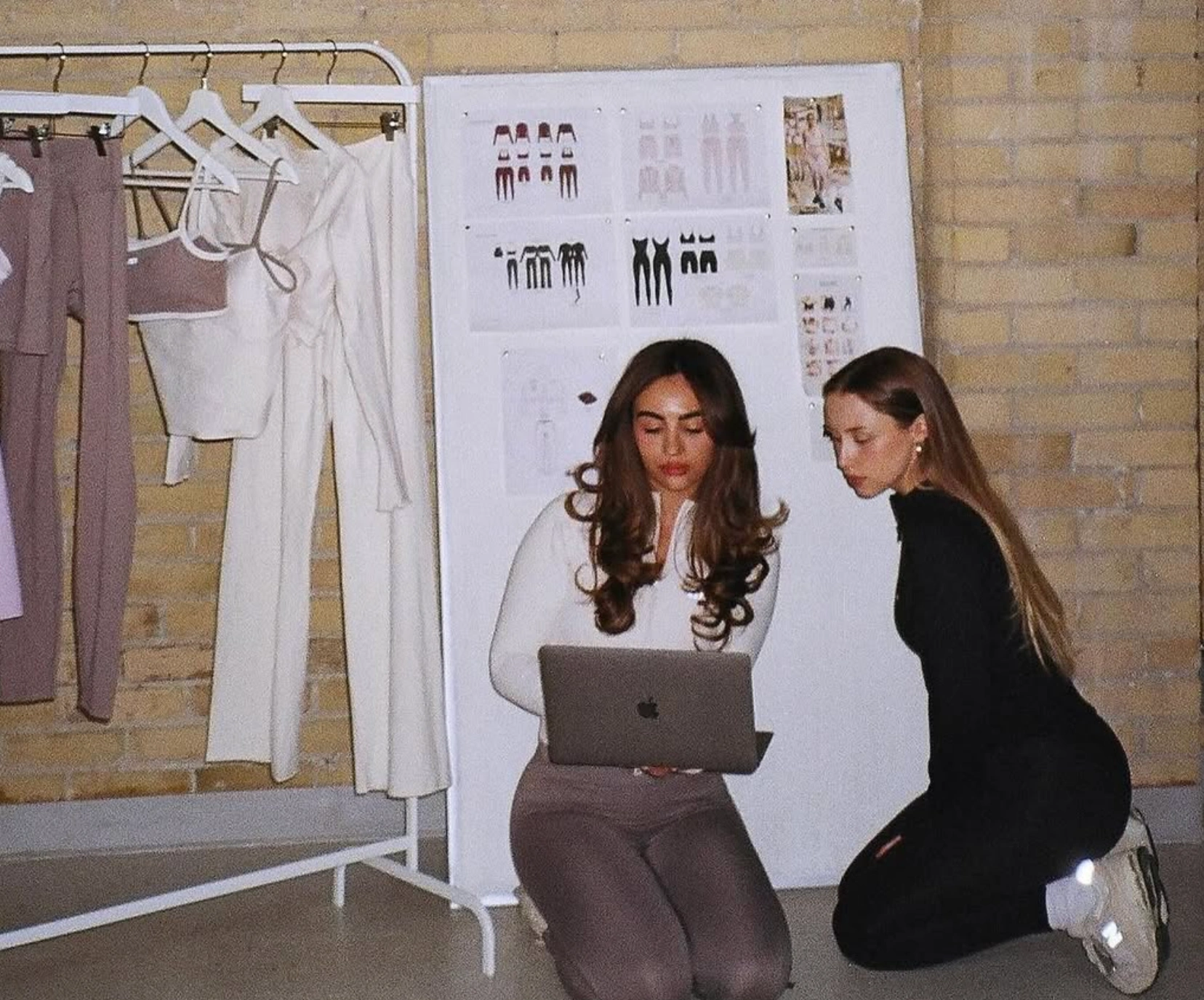
Creating a sleek lookbook or hosting a stylish runway show doesn’t automatically guarantee brand success if it’s not backed by cohesive fashion marketing. Setting brand guidelines and clarifying messages for each channel helps keep momentum rolling. That might involve scheduling teaser posts ahead of a new collection drop, picking the perfect influencer for IG Reels, or crafting event invites that sustain the same mood your campaign images evoke.
Measuring performance is equally crucial: track social media engagement, website visits, or in-store foot traffic to see what sparks excitement. If a certain styling video or limited-edition release garners far higher conversions, it offers insights you can roll into the next season’s fashion marketing strategy. Rather than view marketing as a static endeavor, continuous iteration, shaped by data and genuine audience feedback, will keep your brand fresh and visible in an ever-crowded field.
View this post on Instagram
A post shared by Levi's (@levis)
Sewing the Final Thread: Bringing It All Together
Fashion is not only about selling clothes. It can also support self-expression, aspiration, and emotional connection. That’s precisely what well-crafted fashion marketing achieves: merging creative design with strategic outreach to ensure your brand stands apart in a cluttered space. By shaping seasonal storylines, leveraging digital platforms, and curating interactive events, you elevate brand experiences from surface-level visuals to impactful encounters.
At Brand Vision, we see fashion marketing as the system connecting a label’s identity, campaigns, digital experience, ecommerce presence, and customer feedback. A structured plan can help a brand adapt to changing preferences without abandoning the visual and verbal cues people already recognize. If you are refining that system, you can discuss your fashion brand with Brand Vision and identify which part of the strategy needs attention first.