
Why These Marketing Books Still Matter in 2026
Marketing changes quickly, but not every useful idea expires with an algorithm update. The ten books in this list cover audience understanding, positioning, product habits, persuasion, leadership, lead generation, word of mouth, copywriting, memorable ideas, and creative thinking. Those subjects are still relevant in 2026 because they sit underneath the channels marketers use, even when the platforms themselves change.
This updated list keeps the original ten selections rather than replacing established frameworks simply to make the article feel newer. The Goodreads scores shown below are the rating snapshots preserved from the article’s original 2025 version, so readers should expect live ratings to change over time. At Brand Vision, the most useful way to read these books is as frameworks to test against your own audience, category, offer, and evidence rather than as universal rules.
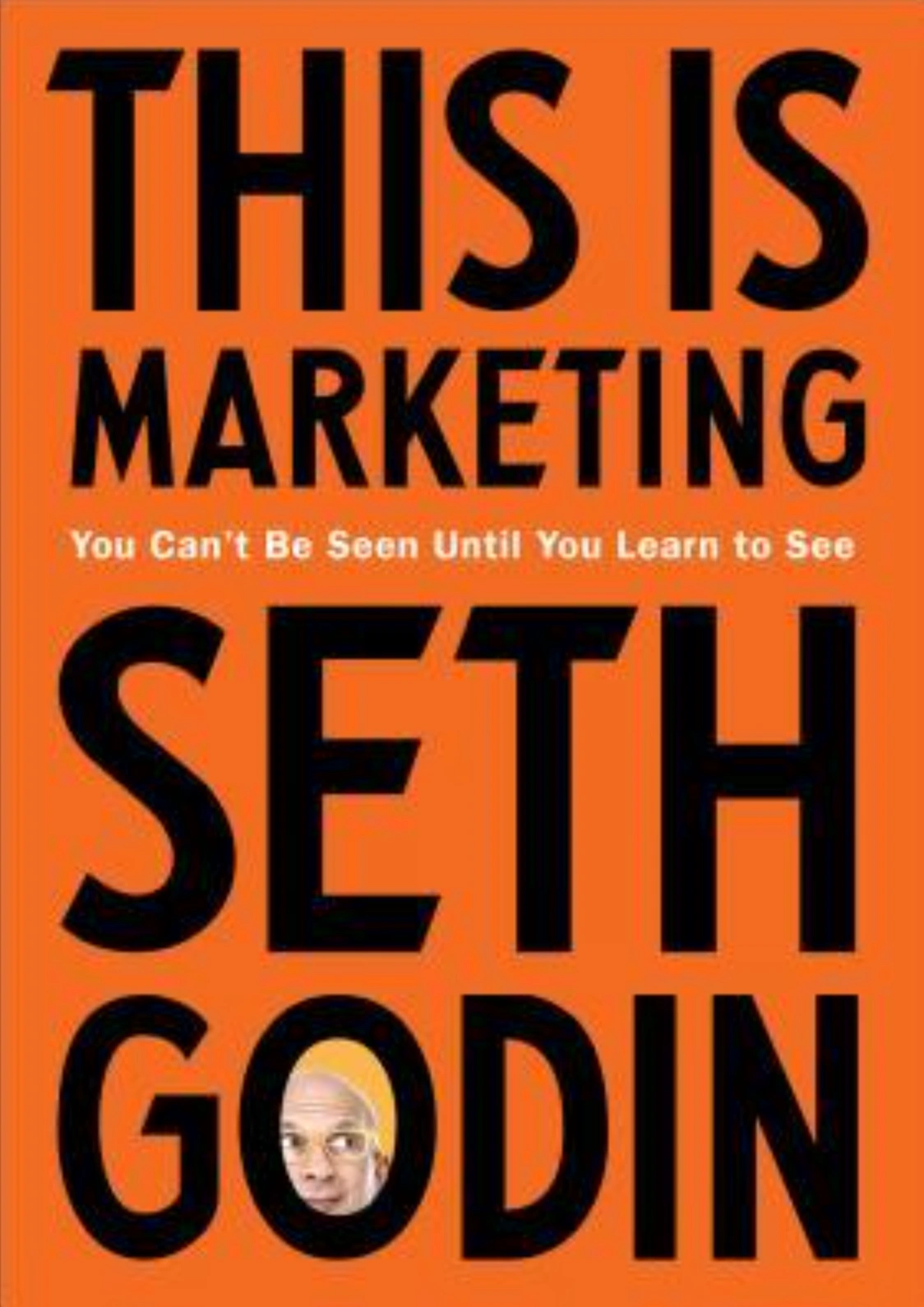
10. This Is Marketing by Seth Godin
Goodreads snapshot: 3.93/5.
Seth Godin’s This Is Marketing argues that marketing is less about reaching everybody and more about serving a clearly defined group well. His idea of the “smallest viable market” is especially useful for teams that are tempted to define their audience too broadly. The book also treats trust, empathy, positioning, and storytelling as strategic choices rather than decorative messaging.
The practical value is in asking better questions before launching a campaign: who is this for, what change are we trying to create, and why should this audience care? That thinking pairs naturally with structured brand and audience research, which can test whether a marketer’s assumptions reflect the people they actually want to reach.
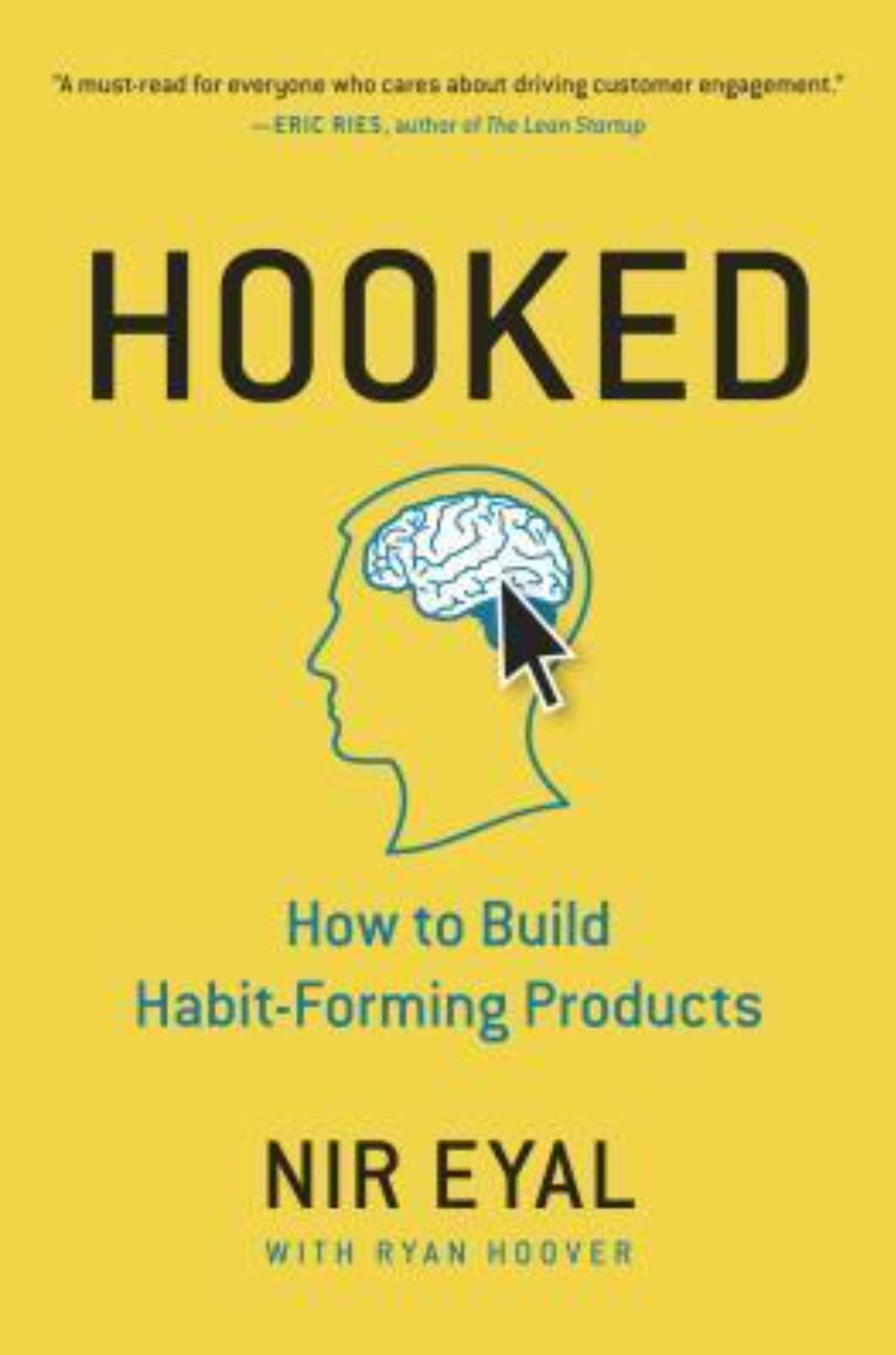
9. Hooked: How to Build Habit-Forming Products by Nir Eyal
Goodreads snapshot: 4.12/5.
Hooked explains Eyal’s four-part Hook Model: trigger, action, variable reward, and investment. The framework is designed to help product teams understand how repeated behaviors can form around digital products and services. For marketers, its value is strongest when product experience and communication are considered together rather than treating retention as a media problem.
The model should not be read as permission to manipulate users. Eyal discusses ethical boundaries, and modern teams also have to consider privacy, accessibility, and user autonomy. A useful companion discipline is interaction design, where the goal is to make actions understandable and useful without relying on dark patterns.
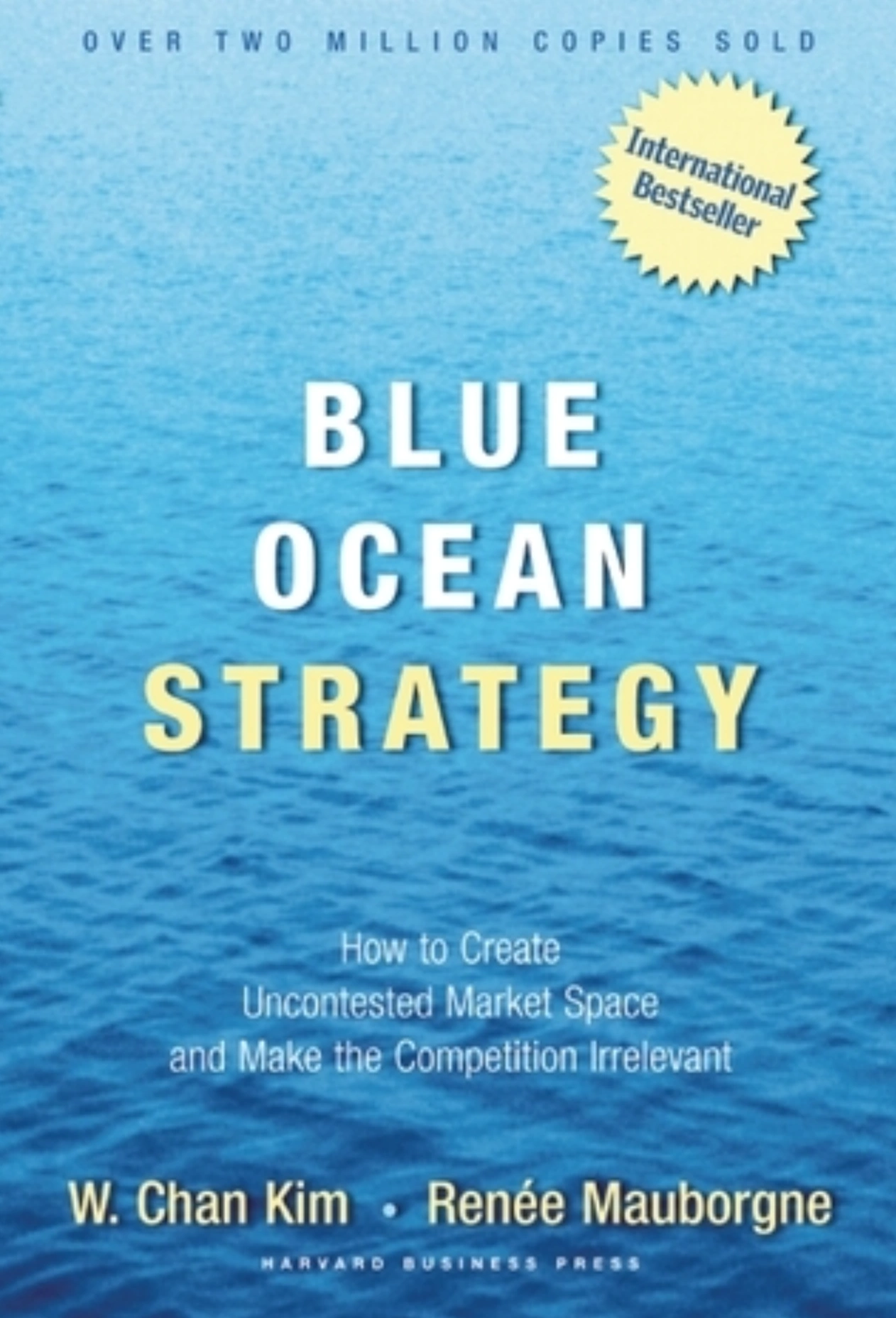
8. Blue Ocean Strategy by W. Chan Kim and Renée Mauborgne
Goodreads snapshot: 4.02/5.
Blue Ocean Strategy asks businesses to look beyond direct competition and search for value that can reshape a category. Its “red ocean” and “blue ocean” language gives teams a simple way to discuss crowded markets, differentiation, and opportunities that competitors may be overlooking.
The framework is most useful as a strategic prompt, not a guarantee that uncontested markets stay uncontested. Marketers still need evidence that customers value the proposed difference and that the business can deliver it. That is why the book fits closely with brand strategy: positioning becomes stronger when it is based on a real choice about where and how the brand will compete.
7. Influence: The Psychology of Persuasion by Robert Cialdini
Goodreads snapshot: 4.22/5.
Cialdini’s Influence, often published with “The Psychology of Persuasion” in the title, explores principles including reciprocity, authority, social proof, liking, commitment, and scarcity. These ideas help explain why context changes how people evaluate an offer, recommendation, or request.
For marketers, the book is useful because it gives names to persuasive patterns that appear across reviews, testimonials, expert endorsements, trials, communities, and limited availability. The principles are not automatic conversion formulas. Social proof, for example, can strengthen credibility when it is relevant and trustworthy, but fabricated or misleading proof can damage trust. The strongest application is transparent persuasion that helps people make informed choices.
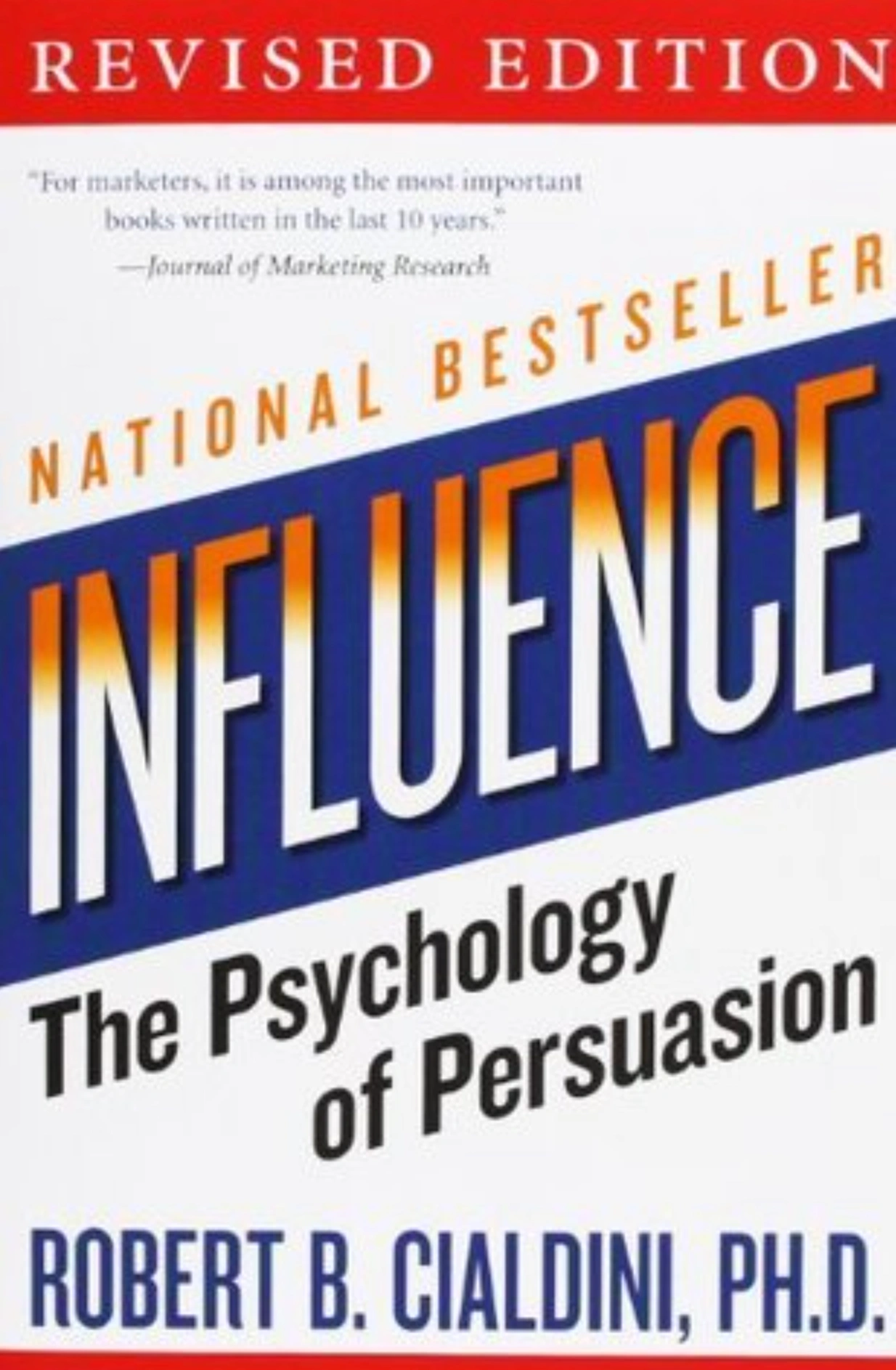
6. Good to Great by Jim Collins
Goodreads snapshot: 4.12/5.
Good to Great is a management book rather than a marketing manual, but its ideas about focus and organizational discipline can still inform marketing decisions. Collins and his research team studied companies that met the book’s defined performance criteria and used those cases to develop concepts such as Level 5 leadership and the “hedgehog concept.”
Those findings should be treated as the book’s framework, not as universal laws that guarantee performance for every company. The marketing takeaway is narrower and more practical: strategy becomes easier to communicate when a business understands what it can credibly be known for, what it does well, and what economic model supports that focus.
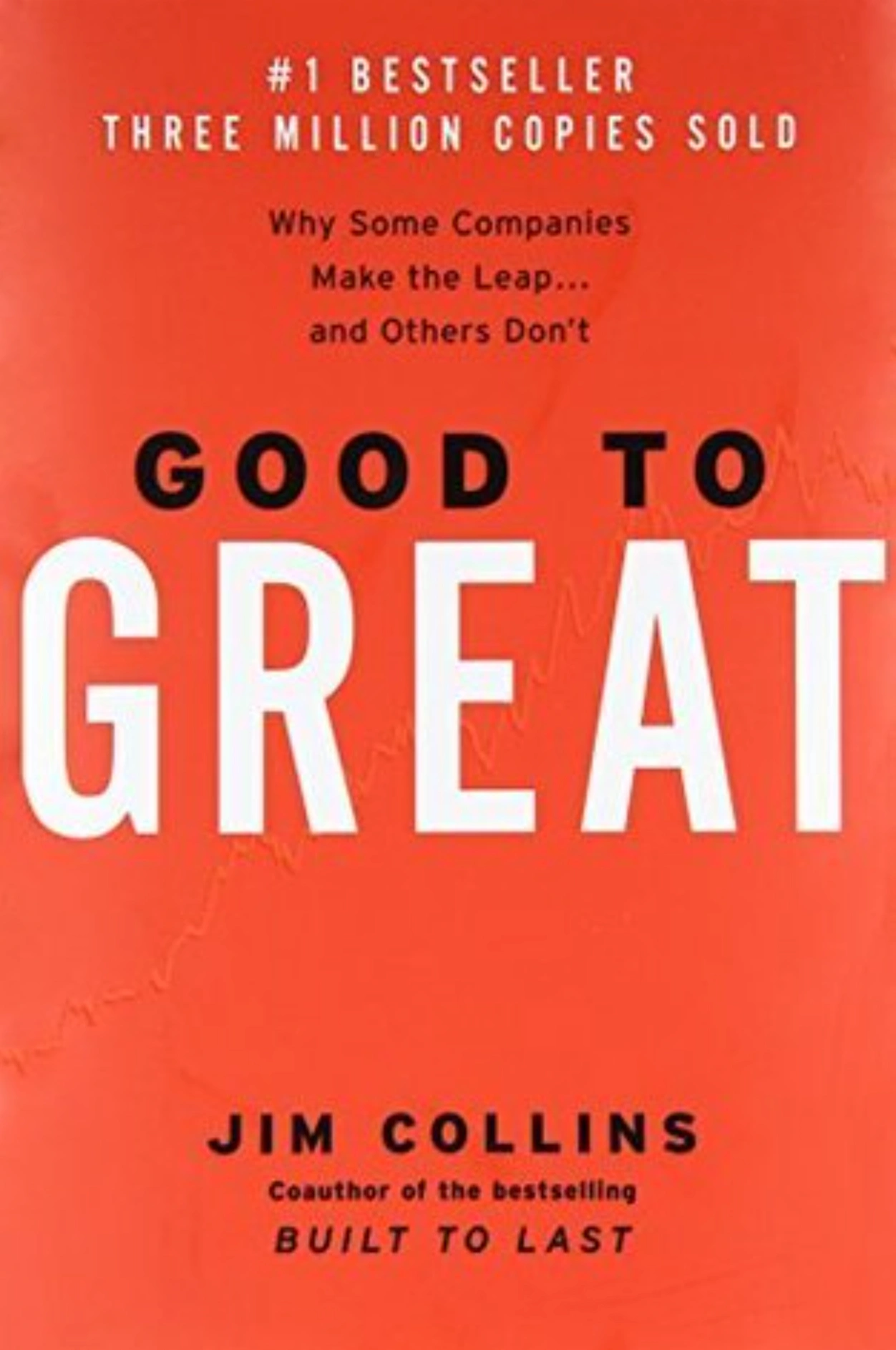
5. $100M Leads by Alex Hormozi
Goodreads snapshot: 4.58/5.
Alex Hormozi’s $100M Leads focuses on lead generation, offers, channels, outreach, and the systems used to create more opportunities for a business. It is more tactical than several other books on this list, which makes it useful for readers who want to translate broad positioning into repeatable acquisition activity.
The book’s frameworks still need to be adapted to the business model, audience, margins, sales cycle, and channel economics. A large lead volume is not automatically valuable if the people are poorly matched to the offer. The useful principle is to connect acquisition activity to qualification, conversion, and customer value rather than treating raw lead count as success.
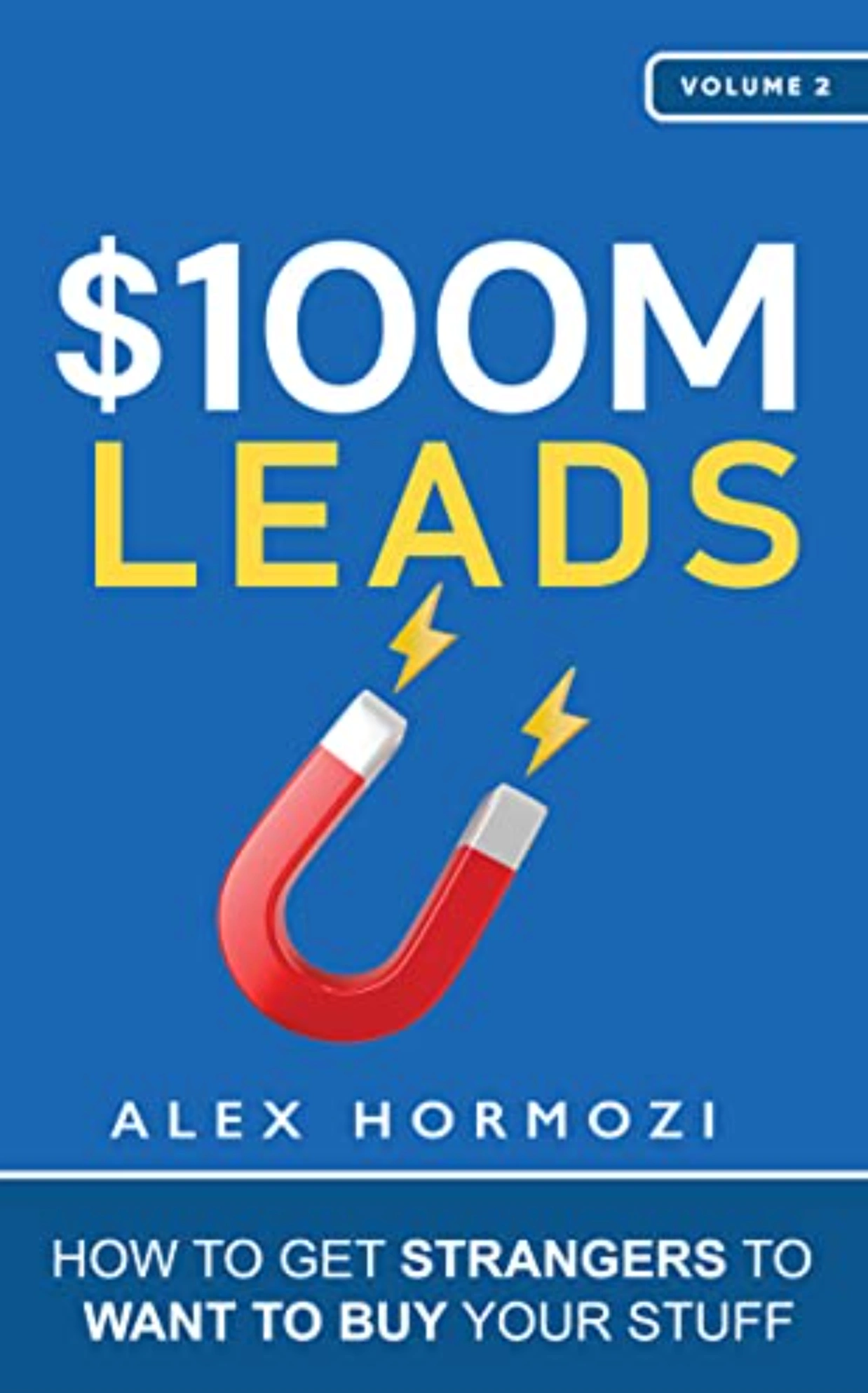
4. Contagious by Jonah Berger
Goodreads snapshot: 3.98/5.
Contagious examines why some ideas and products are discussed and shared more than others. Berger organizes the book around the STEPPS framework: Social Currency, Triggers, Emotion, Public, Practical Value, and Stories. The framework remains useful in 2026 because word of mouth still operates across short-form video, creator content, communities, messaging apps, search, and offline conversation.
No framework can guarantee virality. Its better use is as a checklist for whether a campaign gives people a genuine reason to notice, remember, and talk. Marketers looking for more unconventional applications can also compare the book’s ideas with Brand Vision’s guide to guerrilla marketing tactics.
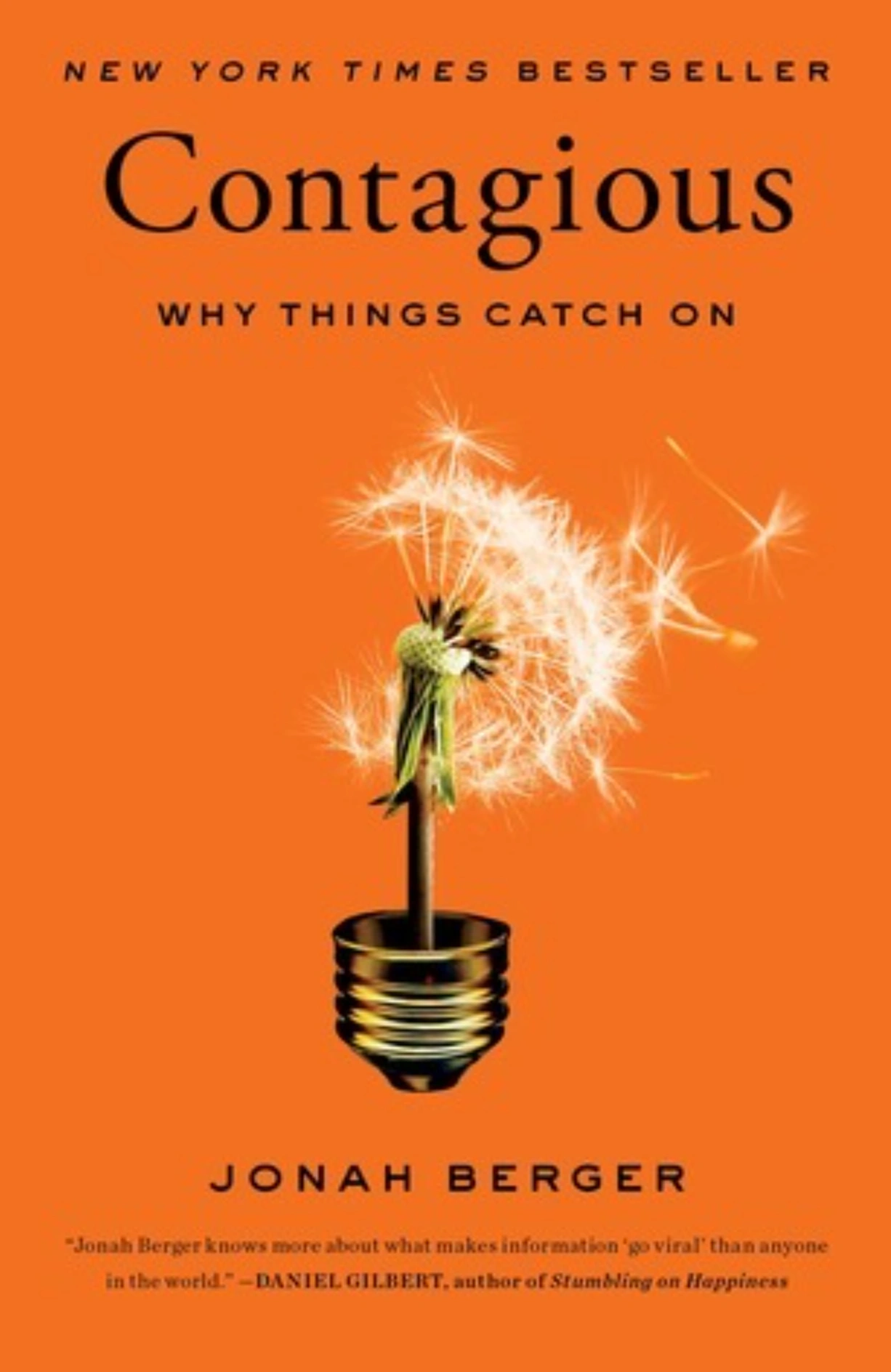
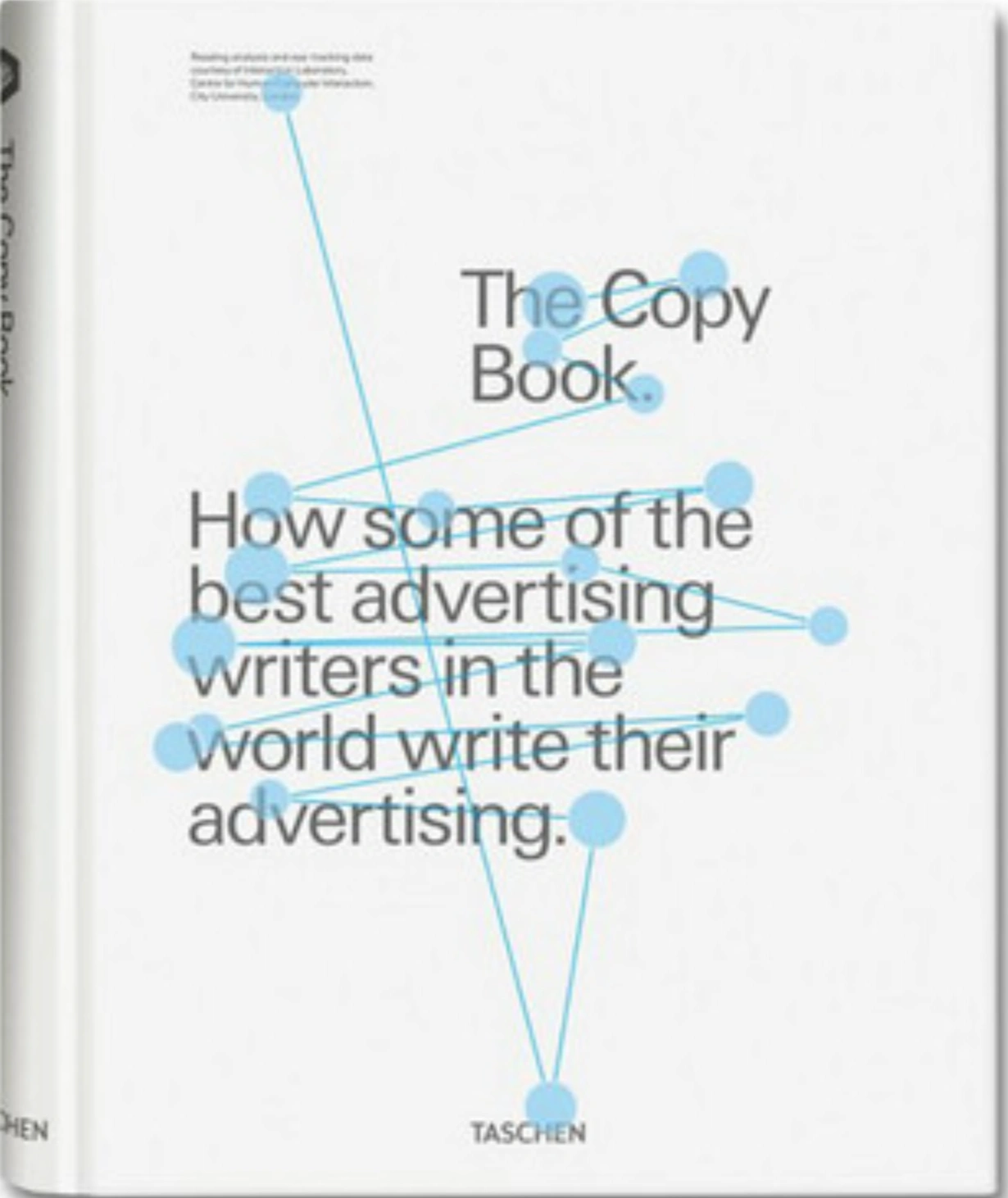
3. The Copy Book by D&AD
Goodreads snapshot: 4.30/5.
As a copywriter , the original author of this article highlighted The Copy Book for its behind-the-scenes look at advertising writing. The book brings together work and commentary from established copywriters, showing how headlines, concepts, briefs, drafts, and finished ads develop.
Its value is the craft rather than one formula. Strong copy depends on the idea, the audience, the medium, and the job the message needs to do. The examples are a reminder that clarity and specificity often matter more than ornamental language, and that memorable advertising usually begins with a strong angle before it becomes a polished line.
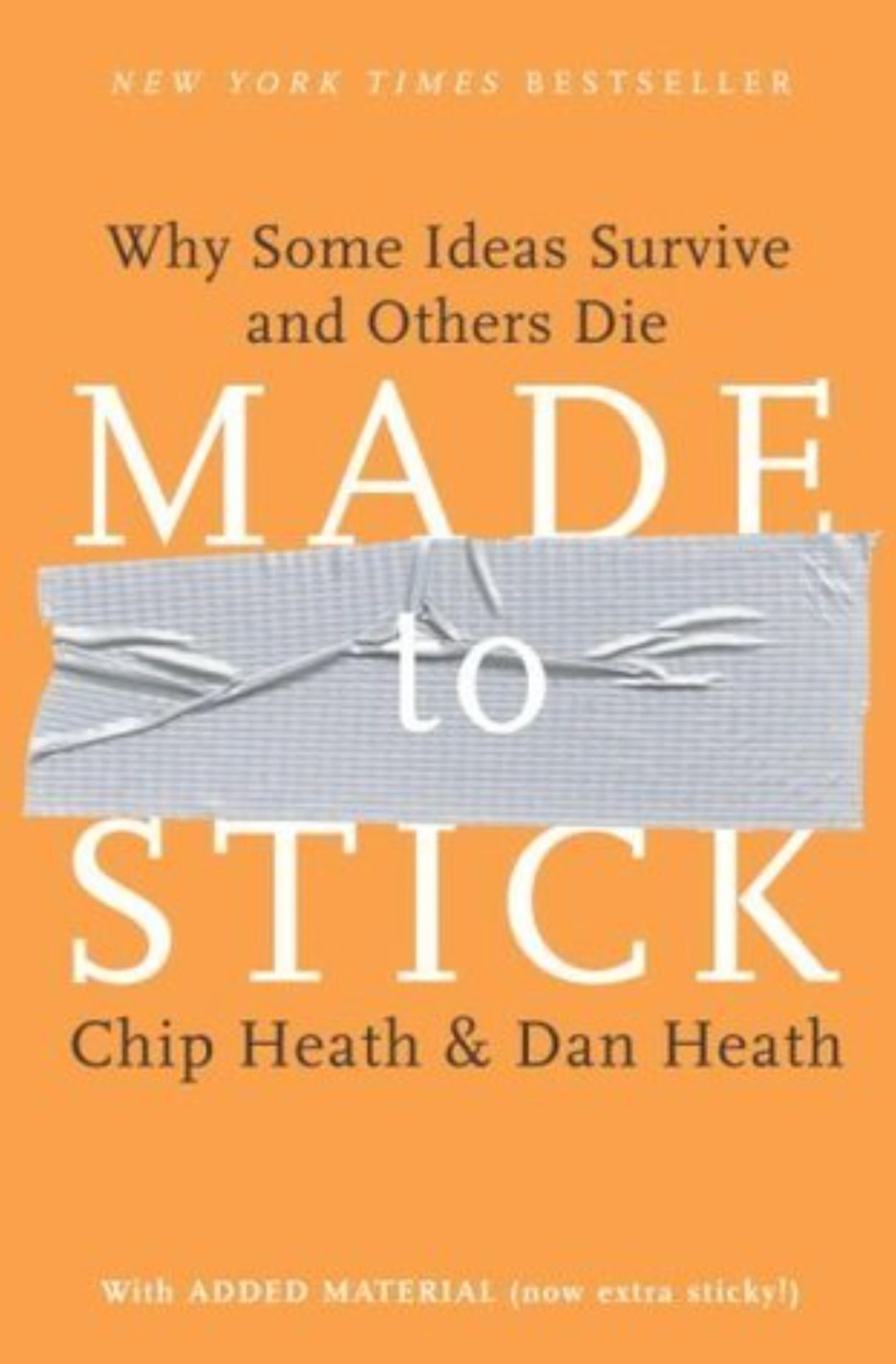
2. Made to Stick by Chip and Dan Heath
Goodreads snapshot: 3.99/5.
Made to Stick explores why some ideas are easier to understand and remember. The Heath brothers organize their approach around qualities such as simplicity, unexpectedness, concreteness, credibility, emotion, and stories. For marketers, those principles are useful when a message is technically accurate but too abstract or complicated for an audience to repeat.
The framework is especially helpful during editing. It encourages teams to remove unnecessary complexity, use concrete examples, and decide what the audience should remember after the details fade. Those decisions apply across ads, presentations, landing pages, social content, videos, and internal communication.
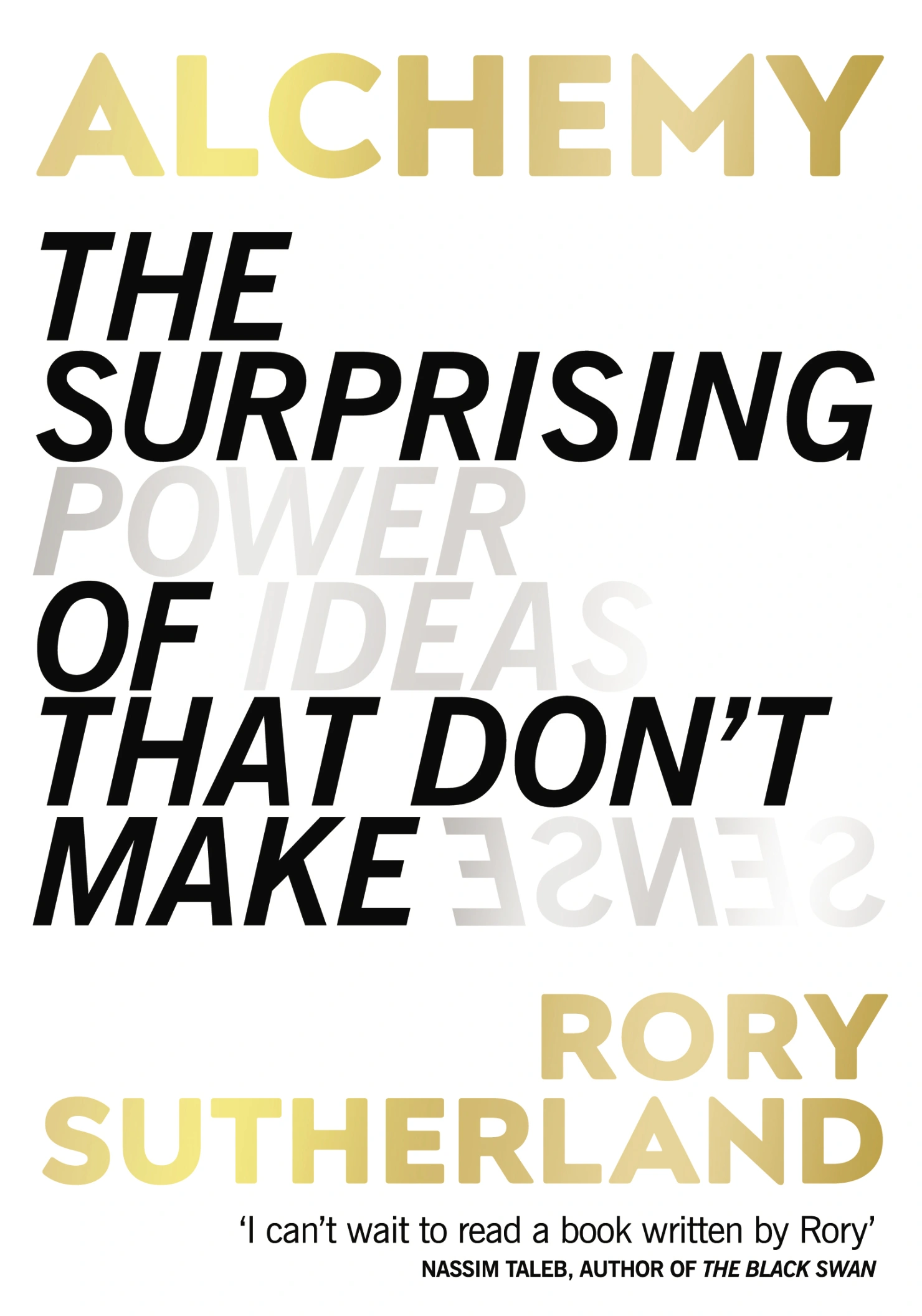
1. Alchemy by Rory Sutherland
Goodreads snapshot: 4.21/5.
Rory Sutherland’s Alchemy challenges the assumption that every effective business or marketing decision must begin with a perfectly rational explanation. Drawing on behavioral science and advertising experience, Sutherland argues that perception, context, signaling, and seemingly irrational preferences can materially change how people value an experience.
The useful lesson is not to ignore data. It is to recognize that data can describe behavior without always explaining the human meaning behind it. Alchemy is strongest as an invitation to test creative hypotheses that conventional optimization might never produce, then judge those ideas against real outcomes rather than intuition alone.
Choosing the Right Marketing Book for Your Goals
There is no single best marketing book for every problem. Start with the gap you are trying to close. Godin and Blue Ocean Strategy are useful for positioning and audience choices. Hooked is more relevant to product behavior. Cialdini and Sutherland focus on decision-making. Berger and the Heath brothers help with ideas that spread or stick. The Copy Book focuses on craft, while Hormozi is more tactical about acquisition.
Reading is most valuable when it changes what you test. Take one framework, apply it to a real campaign or customer problem, and compare the result with your baseline. If you need help deciding which marketing problem to solve first, a marketing consultation with Brand Vision can help connect audience, positioning, channels, creative, and measurement.


.webp)