
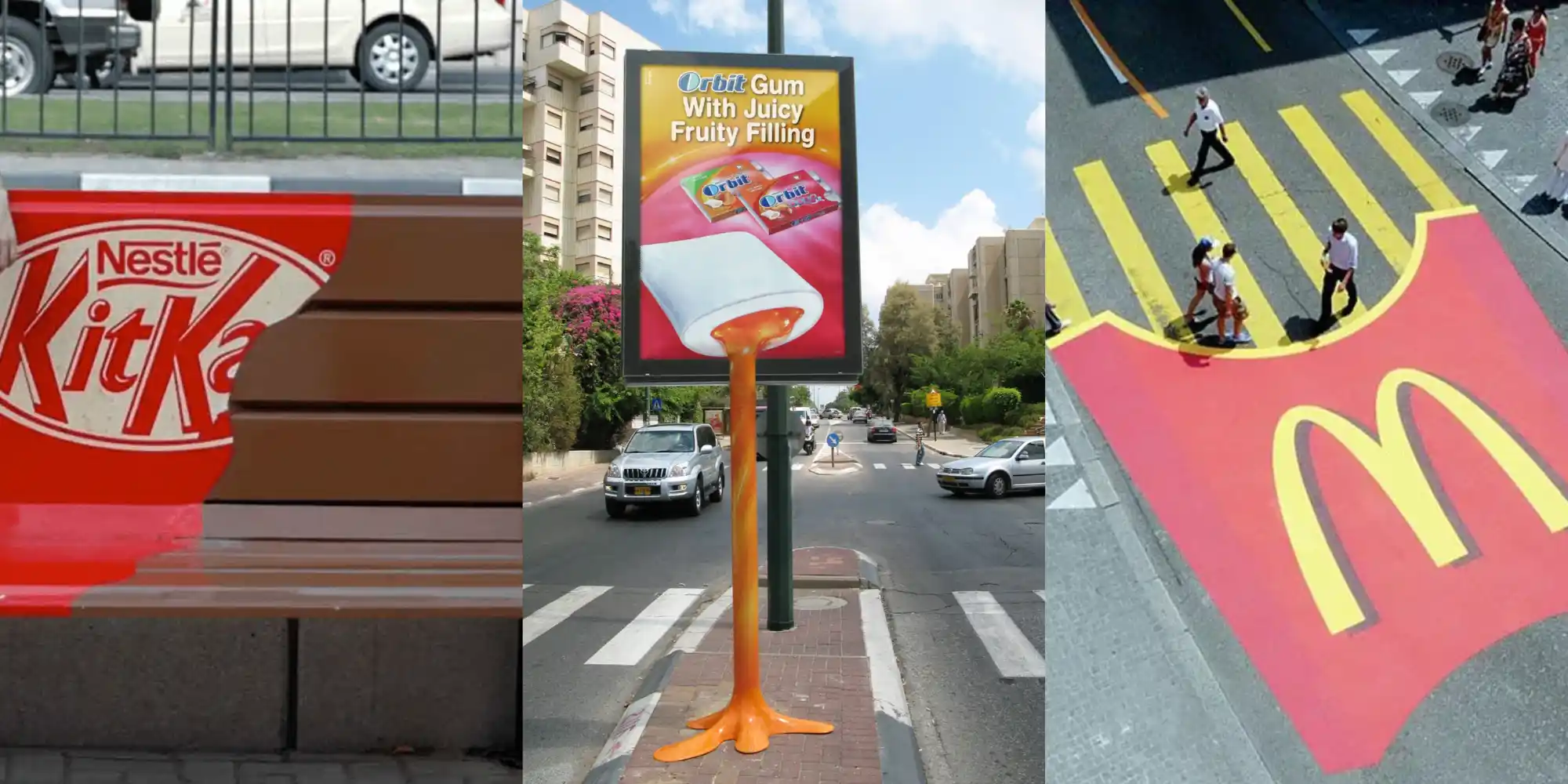
Guerrilla marketing uses an unexpected space, object, or moment to make the placement part of the message. Instead of relying only on a standard media slot, the brand changes how people experience an ordinary environment, whether that is a crosswalk, mall floor, bench, exit sign, sidewalk, or red carpet. The strongest executions are easy to understand in seconds and closely tied to what the brand sells.
These seven best guerrilla marketing examples show different versions of that idea. Some were ambient advertising created by major agencies, while one became a viral sponsorship moment after the cameras started rolling. For startups and small businesses, the lesson is not that every stunt is cheap. Production, permissions, safety, staffing, and measurement still matter. The useful lesson is how creative placement can make a simple idea more memorable.
Mr. Clean Crosswalk
First is the Mr. Clean crosswalk, a widely circulated ambient execution documented in Italy. One stripe of the crosswalk appears dramatically whiter than the others, with the Mr. Clean character attached to the bright stripe. The product benefit is visible before anyone reads a line of copy, turning the street marking into a compact cleaning demonstration.
The strength is the fit between medium and promise. The crosswalk already contains repeated white bars, so changing one bar creates an immediate before-and-after comparison. It is also visually contrasting without needing a long headline. For marketers, the transferable idea is to let graphic design make the product benefit legible at a glance rather than adding decoration after the concept is chosen.

Stepping on Frontline’s Giant Dog
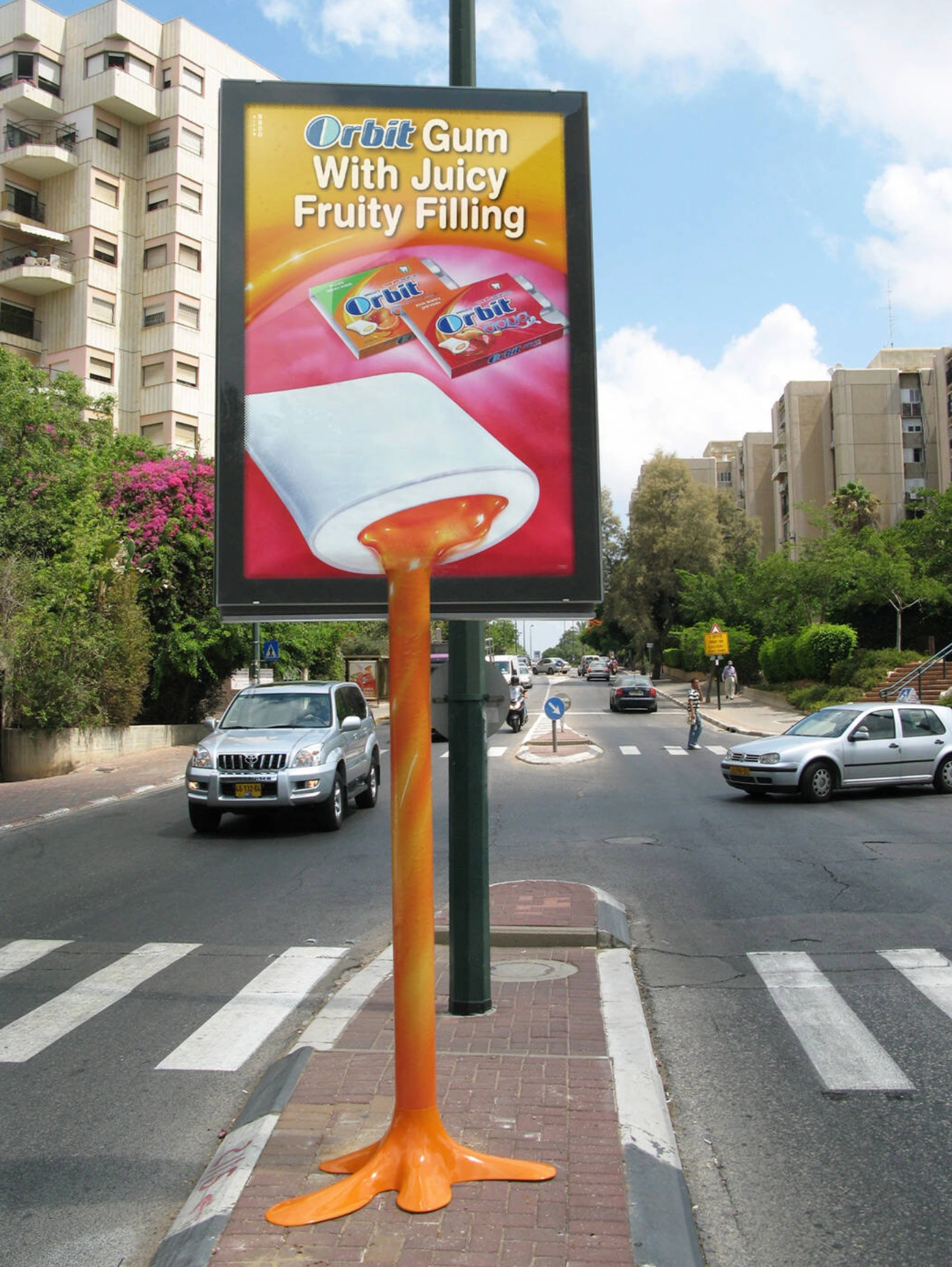
Frontline’s Giant Dog turned mall foot traffic into part of the picture. From above, shoppers walking over a giant dog image looked like fleas. Ads of the World archives the execution as a 2009 ambient campaign by Saatchi & Saatchi Jakarta in Indonesia. The placement mattered as much as the illustration because the idea only fully appeared from the upper levels of the mall.
The campaign is useful because the audience unknowingly completes the visual. It also makes the product problem visible without showing the product itself. Public performance metrics for the original installation are limited, so its value is better understood as a placement and perspective lesson than as an unverified claim about virality. The media choice, viewpoint, and brand problem all work together.
“Irresistible” Axe Body Spray Exit Sign
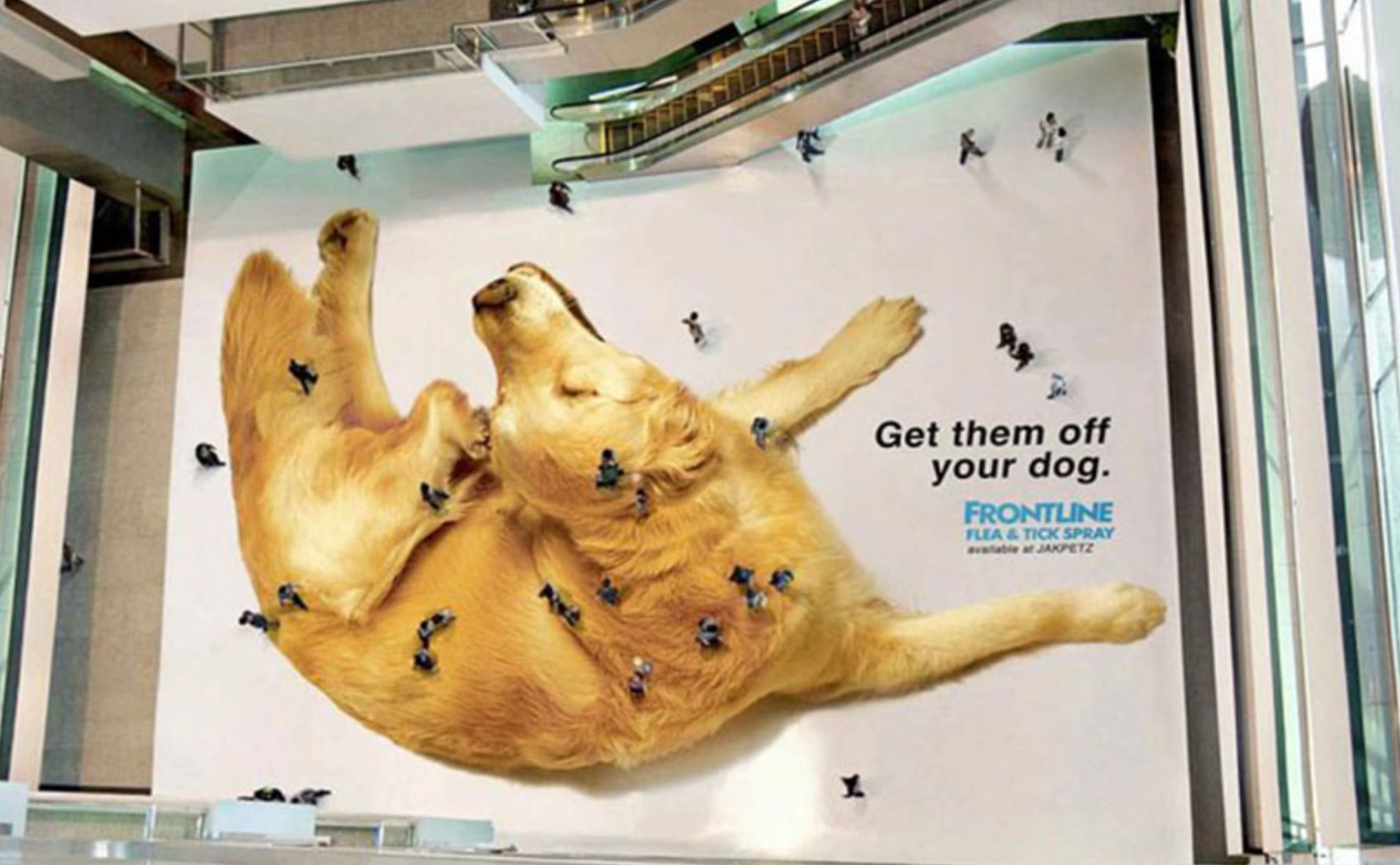
Sometimes guerrilla marketing focuses on a small intervention rather than a large installation. The Axe Body Spray Exit Man campaign added chasing figures beside a familiar emergency-exit pictogram, turning a standard sign into a joke about attraction. Ads of the World records the execution as a 2007 ambient campaign created by Lowe Belgium. It fit Axe’s longtime brand message: their scents make guys highly appealing to potential love interests.
The execution works because it borrows a visual language people already understand. The added sticker changes the meaning of the sign without requiring a second explanation. It is also a reminder that guerrilla marketing does not have to be physically large. A small intervention can be effective when the brand idea, placement, and audience context are immediately connected.
Orbit Gum Dripping in the Streets
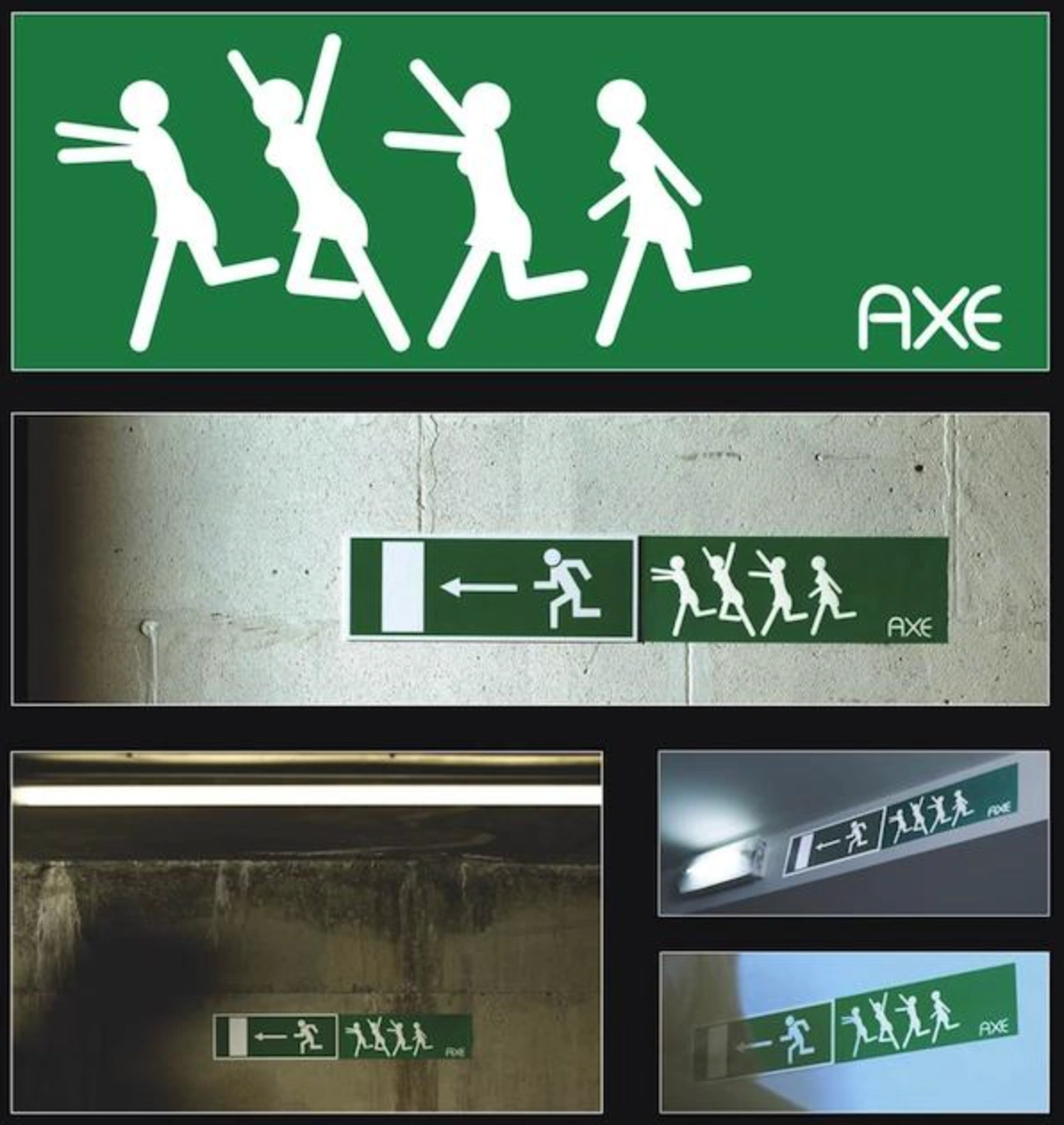
Among the most mouth-watering guerrilla campaigns is Orbit Gum’s “juicy fruit flavor” advertisement. BBDO, the creative agency behind it, decided to make gum so appealing that it would literally appear to spill onto the streets. In certain cities, sidewalk or pavement art showcased bright fruit “juices” seemingly pouring out, as if an enormous piece of gum was melting with fruity goodness. The aim was to convey that Orbit’s gum packs a burst of flavor so intense it’s leaking right out in a fun, eye-catching way.
Ads of the World archives the “Juicy” work as a 2009 ambient campaign by GITAM/BBDO in Israel. Its strength is sensory translation: colour and the illusion of liquid communicate flavour before the audience processes the copy. For food and beverage marketing, that is a useful lesson. The environment can help dramatize taste, texture, or refreshment when the connection is clear and does not depend on an exaggerated product claim.
Kit Kat’s Literal Break
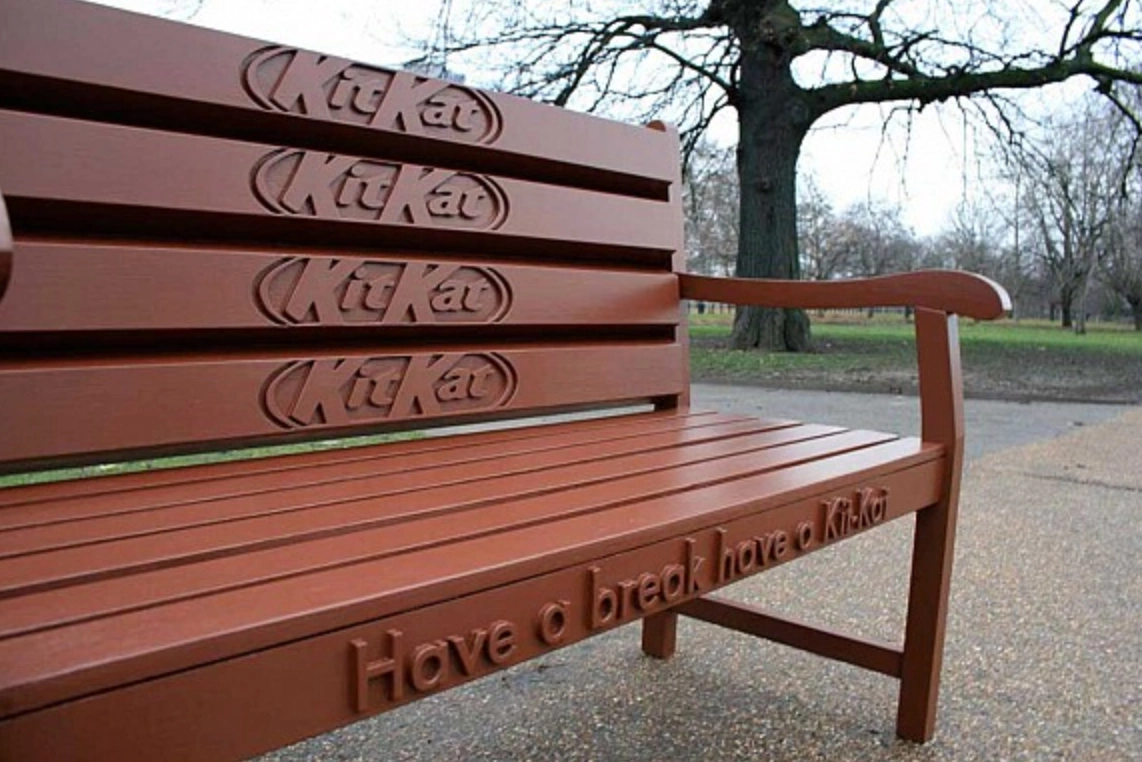
When you think of Kit Kat, you probably recall the slogan “Have a Break, Have a Kit Kat.” Best Ads documents the 2009 ambient execution by JWT London, which turned street benches into objects that resembled giant chocolate bars with segments. The bench already represented a break, while its slatted form could visually echo the product. That gave the campaign a direct connection between object, slogan, and packaging.
The useful principle is message consistency. The product shape, the physical object, and the long-running “break” positioning all reinforce one another. That is stronger than adding a logo to an unrelated installation. It also shows why permissions and execution matter: public furniture, transit areas, and other shared spaces have practical constraints that need to be resolved before the creative idea can work in the real world.
Fiji Girl At The Golden Globes
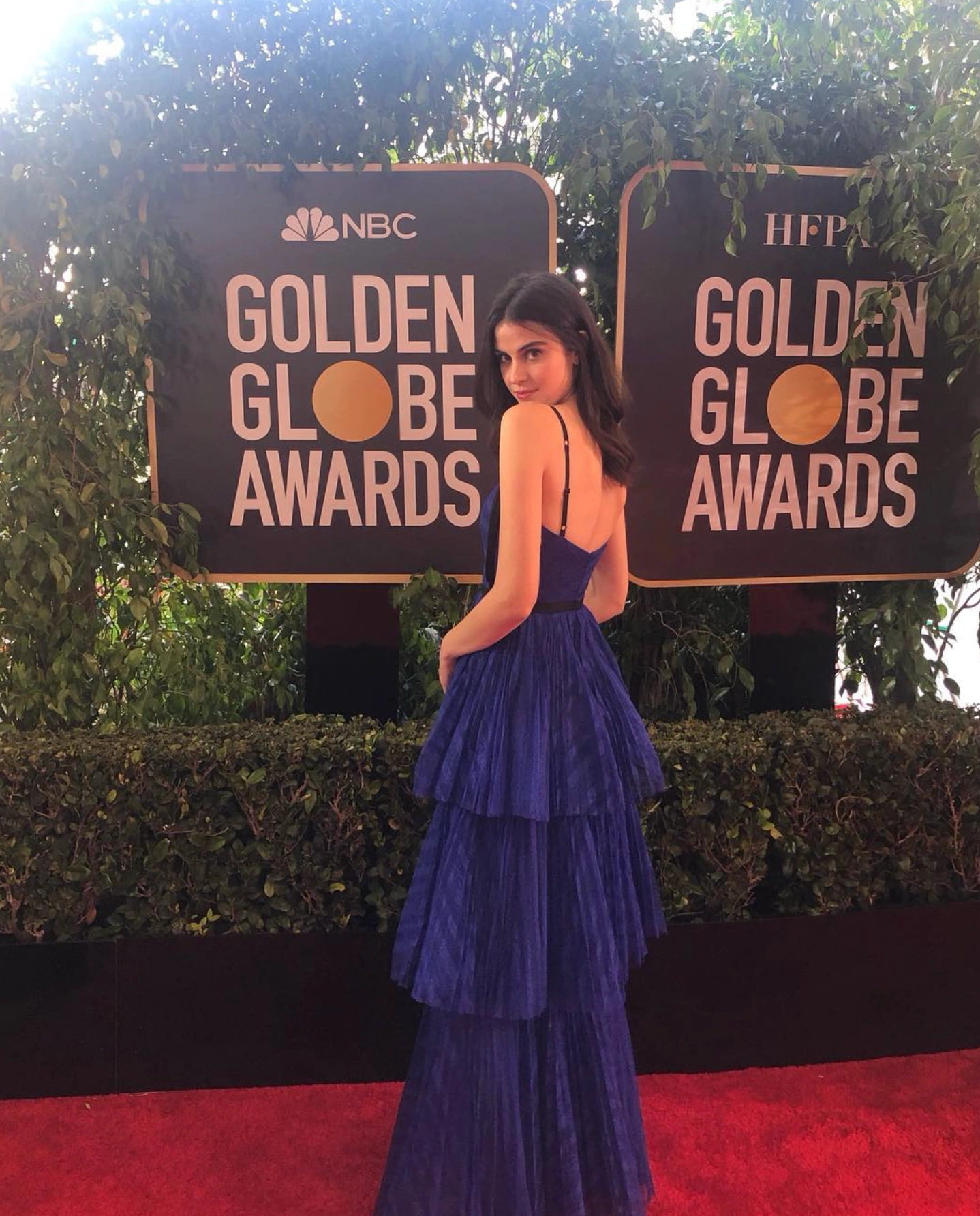
Guerrilla marketing does not always begin as a street installation. At the 2019 Golden Globes, Fiji Water promotional staff member Kelleth Cuthbert stood on the red carpet with a tray of bottled water, photobombing numerous celebrity pictures. Her repeated appearances in event photography quickly became a meme and turned a normal sponsor presence into a much larger earned-media moment.
The distinction matters because the viral outcome should not be rewritten as a fully planned stunt. The Guardian reported that Cuthbert was part of the brand’s promotional staff and later said she had not deliberately set out to photobomb celebrities. Fiji was able to capitalize on the attention once it happened. For marketers, the lesson is to separate planned placement from earned reaction and evaluate both with appropriate marketing metrics.
Nike’s Bench Advertising
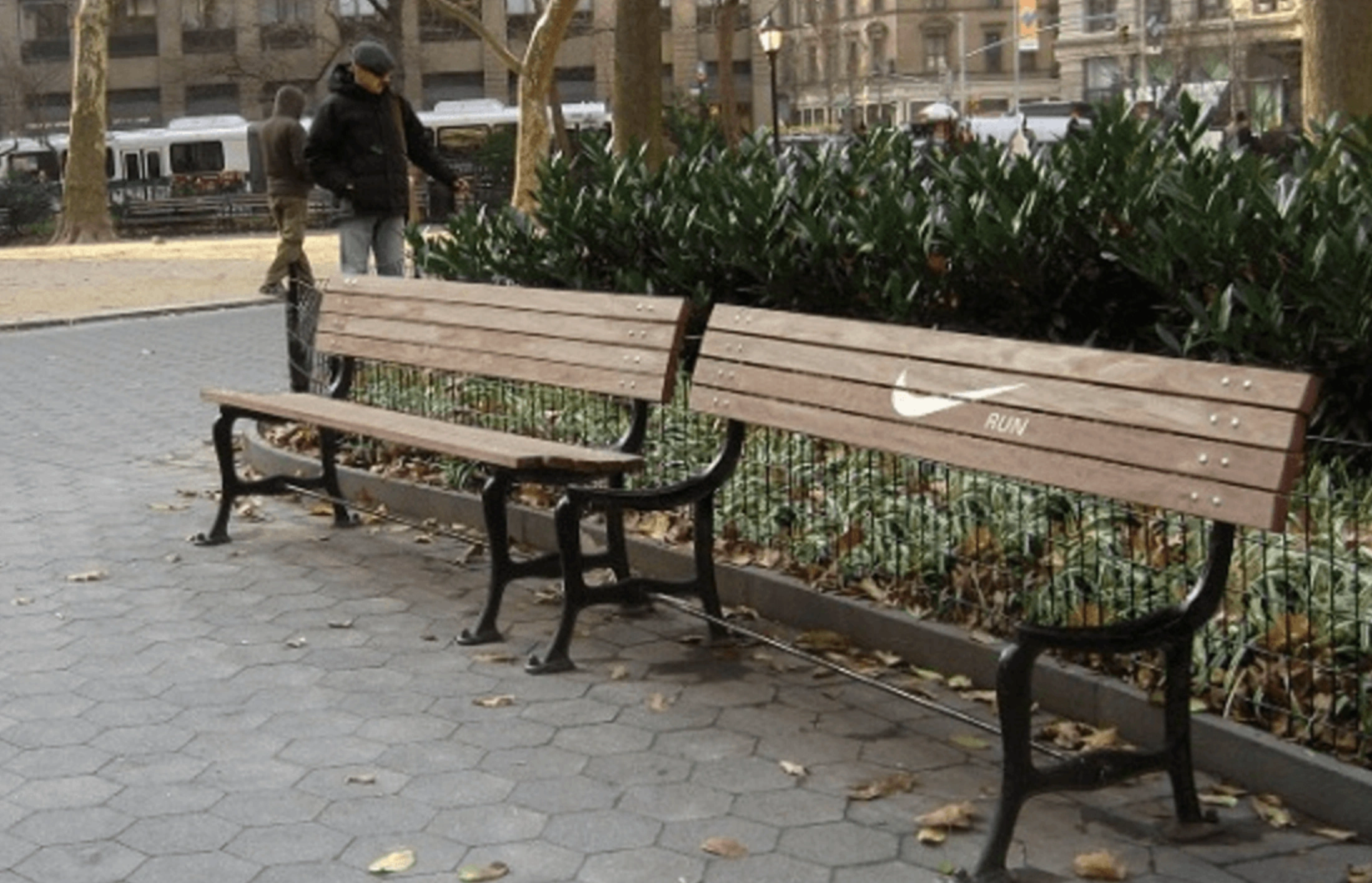
Finally, Nike’s bench execution turned a place associated with rest into a prompt to move. Nike placed or designed a bench in such a way that the seat portion was removed, leaving the back structure with the Swoosh and “RUN.” The One Club credits the 2012 “Special Bench” work to F/Nazca Saatchi & Saatchi in São Paulo.
The bench works because it reverses the expected function of the object while staying consistent with Nike’s movement-oriented brand strategy. The viewer understands the joke before needing an explanation. It is also a useful reminder that a strong ambient idea is not just “unexpected.” The surprise has to point back to a recognizable brand promise.
What Makes Guerrilla Marketing So Effective
Across these examples, the common principle is contextual fit. Mr. Clean uses a white stripe, Frontline uses people as “fleas,” Kit Kat uses the idea of a break, and Nike turns rest into movement. Surprise earns the first look, but the connection to the brand is what gives the execution meaning. Brand Vision’s guide to guerrilla marketing tactics for local businesses applies the same principle to smaller, more practical activations.
For a real campaign, creative concepting is only one part of the work. Teams also need permission to use the space, safe production, a plan for documentation, and a way to measure what happened after launch. Local context matters too. A street activation in Miami, for example, has to fit the property, weather, pedestrian flow, tourism patterns, and neighborhood rather than borrowing a stunt from another city unchanged. A Miami marketing team can help adapt an idea to that market, while a broader marketing agency can connect the activation to the rest of the campaign.



.webp)






