Adidas has spent decades connecting sport with fashion, music, and culture, and its advertising is one of the clearest ways to see that positioning at work. From campaigns built around star athletes to films centered on creativity and social purpose, the best Adidas ads do more than introduce a shoe or jersey. They repeat a recognizable point of view while adapting it to a new audience or moment. From an agency perspective, that consistency is the useful lesson: strong branding services connect positioning, identity, and campaign execution so each new piece still feels like the same brand. Below are nine Adidas ads that show how the company has done that in different eras.
Impossible Is Nothing (2004)
In 2004, “Impossible Is Nothing” gave Adidas a campaign platform broad enough to work across sports and generations. Drawing inspiration from legendary athletes such as Muhammad Ali, the creative framed performance through adversity rather than victory alone. That made the slogan useful well beyond a single product launch: it could carry stories about limits, setbacks, and progress while remaining recognizably Adidas.
That flexibility helped the idea last. Adidas brought it back in 2021 for a new generation, while keeping the same core theme of seeing possibility where others see limits. The lesson for a brand strategy is simple: a durable platform gives a company room to refresh the cast, format, and context without rebuilding its message from scratch.
Adidas Is All In (2011)
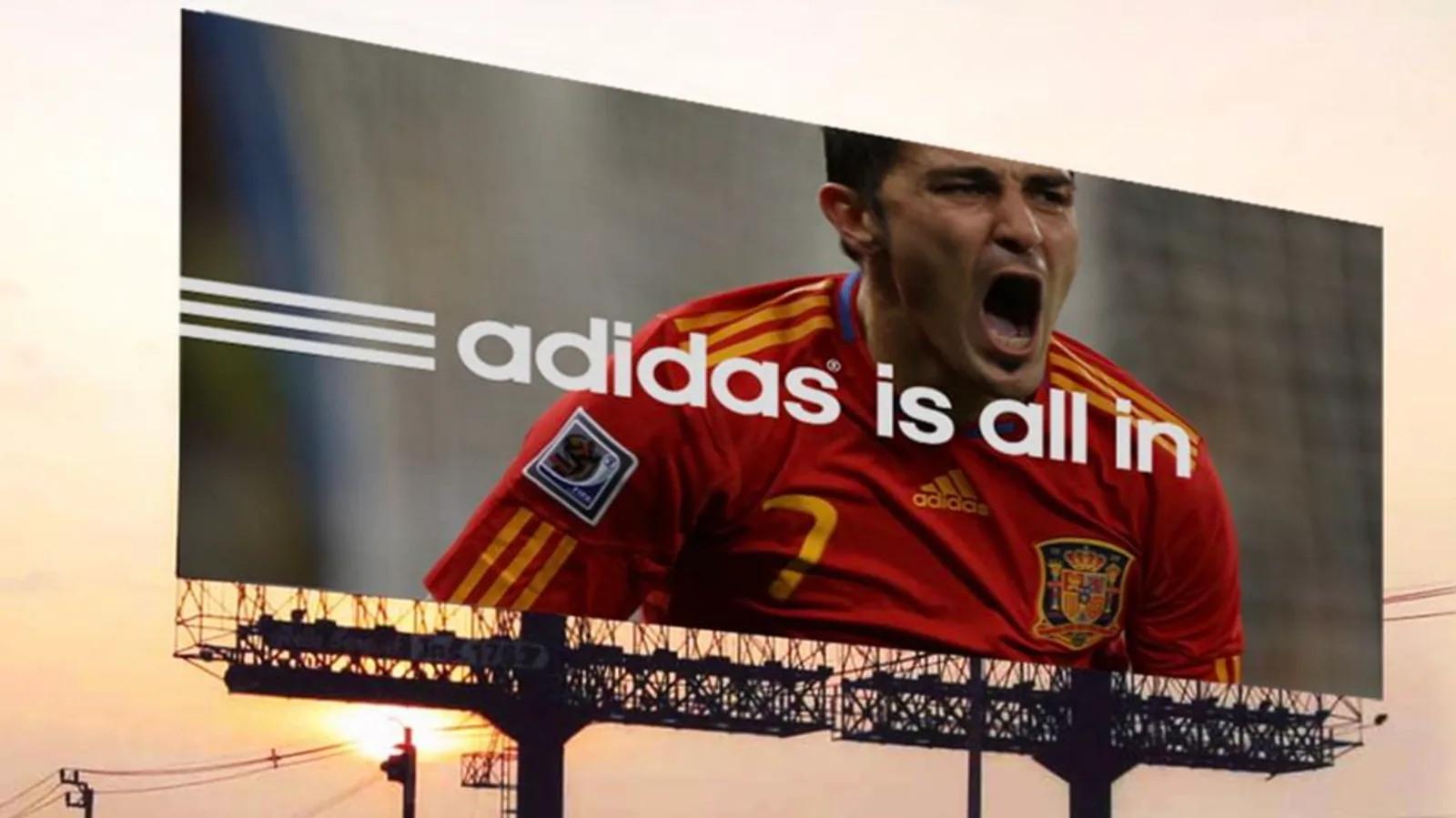
“Adidas Is All In” widened the brand’s world in 2011 by bringing sport, music, and fashion into one campaign. These Adidas ads starred icons such as Lionel Messi, Derrick Rose, and pop sensation Katy Perry, giving the idea enough range to move from stadiums to stages without losing the central message about commitment. The campaign showed how celebrity casting can support a brand platform when each person represents a different expression of the same idea.
The rollout also carried the same campaign idea across television, cinema, digital content, and social channels. Shorter edits created reach while longer and behind-the-scenes pieces gave audiences more ways to stay with the campaign. Instead of changing the message for every channel, Adidas changed the format while keeping “all in” as the organizing idea. That consistency made the launch feel larger without fragmenting recognition, because each execution added a new layer to the same campaign rather than competing for attention with a different message.
Unite All Originals (2013)
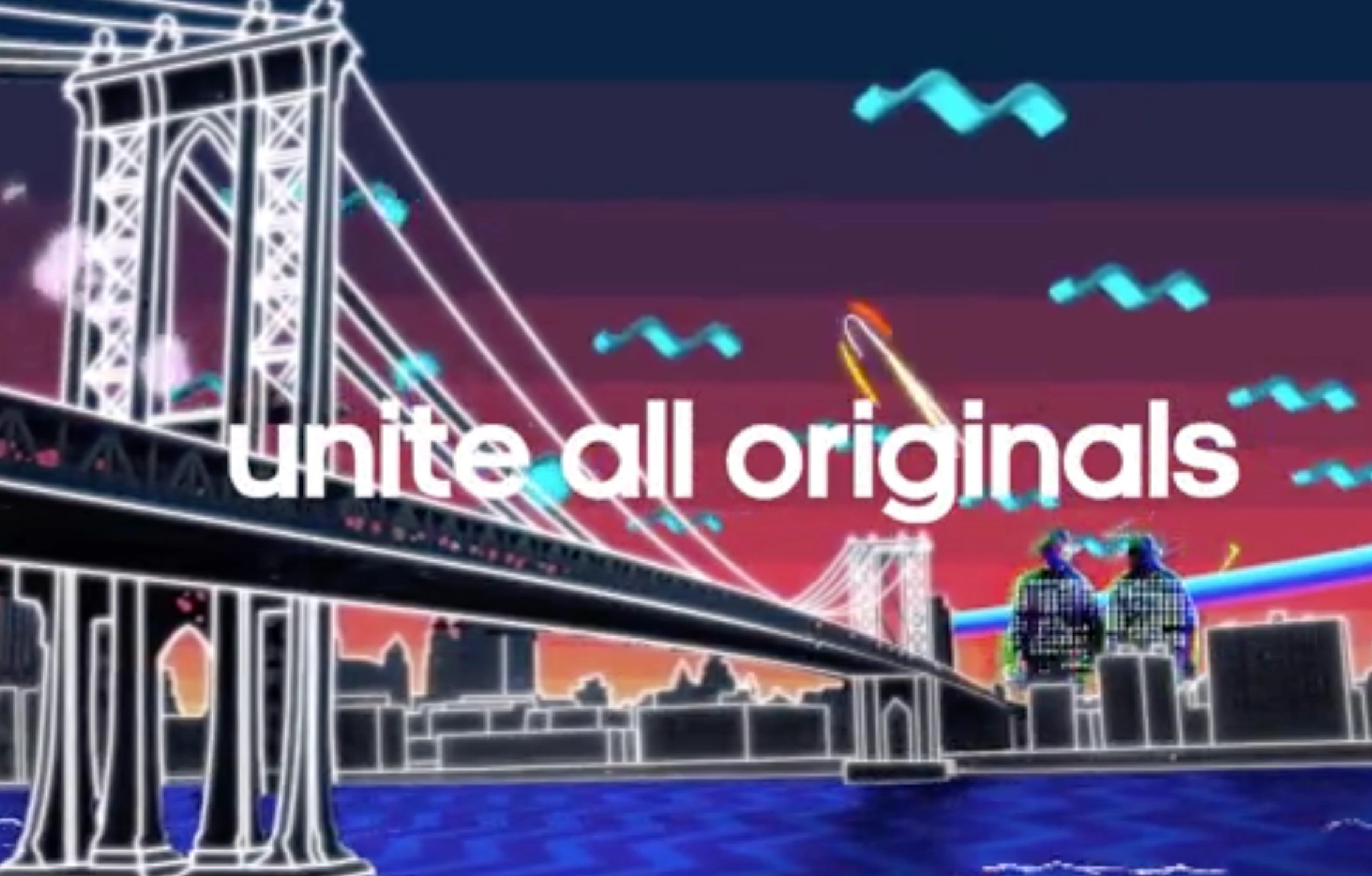
By 2013, Adidas ads had already carved out a place in both sports and culture, but “Unite All Originals” took that blend to another level. These Adidas ads didn’t just rely on star athletes; they also tapped Run-D.M.C. and DJ A-Trak for a fresh spin on music, fusing old-school hip-hop with modern EDM. It was a bold statement that Adidas could speak to different generations without missing a beat. The interactive component was a fun extra, inviting users online to mix beats and visuals, which gave everyone a shot at co-creating part of the experience.
The campaign balanced nostalgia with a format built for contemporary digital participation. Run-D.M.C.’s history with the brand gave the collaboration credibility, while A-Trak and the interactive execution made it feel current. For brands working across music, media, and culture, that is a useful entertainment marketing principle: the partner should expand the brand story rather than replace it. The interactive component also gave the audience a role, turning the collaboration from something people only watched into something they could manipulate and explore.
Original Is Never Finished (2017)
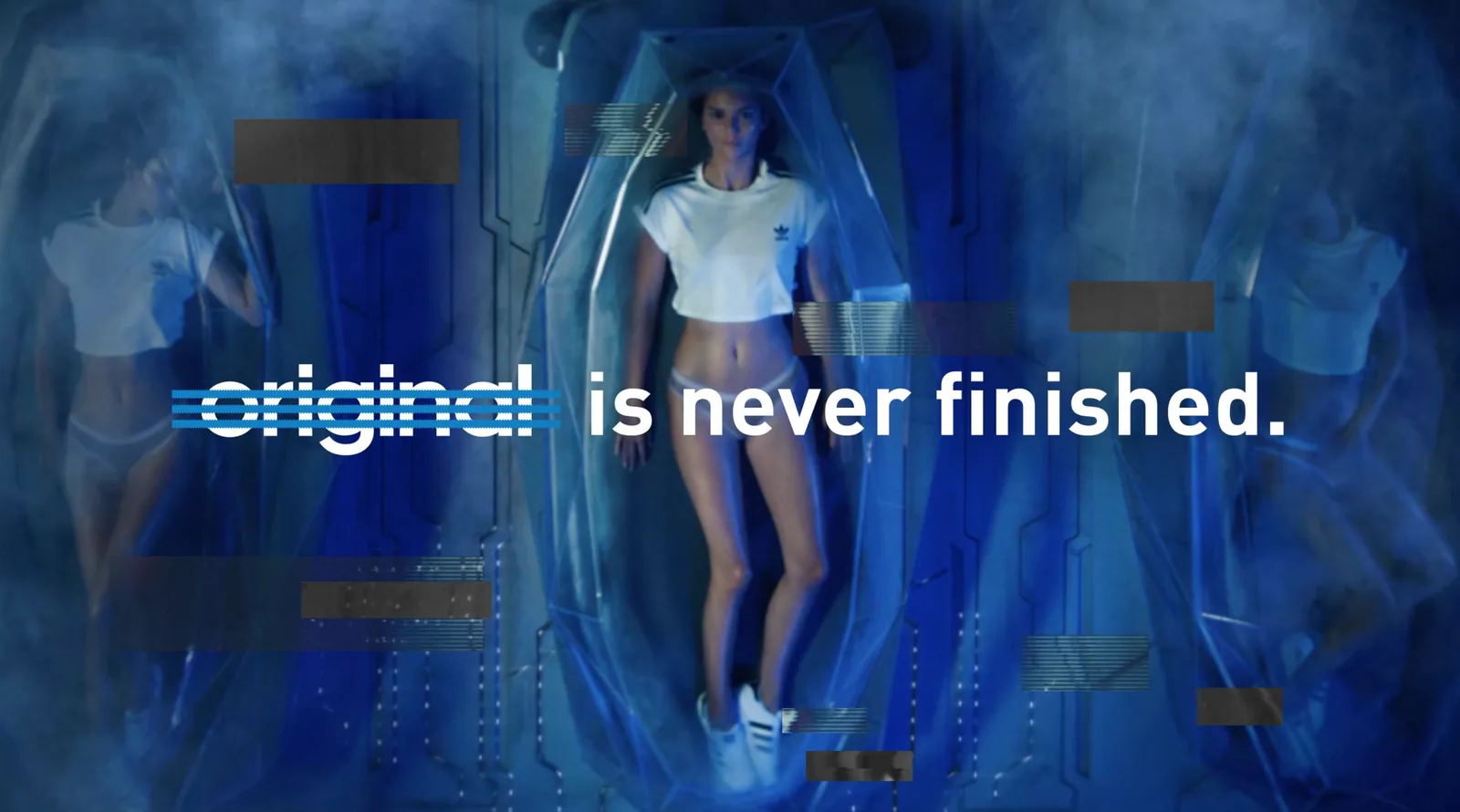
In 2017, Adidas ads reached an almost cinematic level with “Original Is Never Finished.” Using surreal visuals and a reimagined version of Frank Sinatra’s “My Way,” these Adidas ads led viewers through a dreamlike sequence that blended high fashion, art references, and sports into one extravagant feast for the eyes. Scenes of Kendall Jenner and James Harden were intercut with moments referencing classic artworks, underscoring how style and culture constantly get reshaped.
The campaign’s visual identity did more than make the film distinctive. Its art references, fashion styling, symmetry, and recurring compositions gave viewers a set of cues to recognize and reinterpret. By remixing familiar imagery instead of simply repeating old work, Adidas made “originality” feel like an ongoing process rather than a fixed aesthetic.
Run for the Oceans (2018)
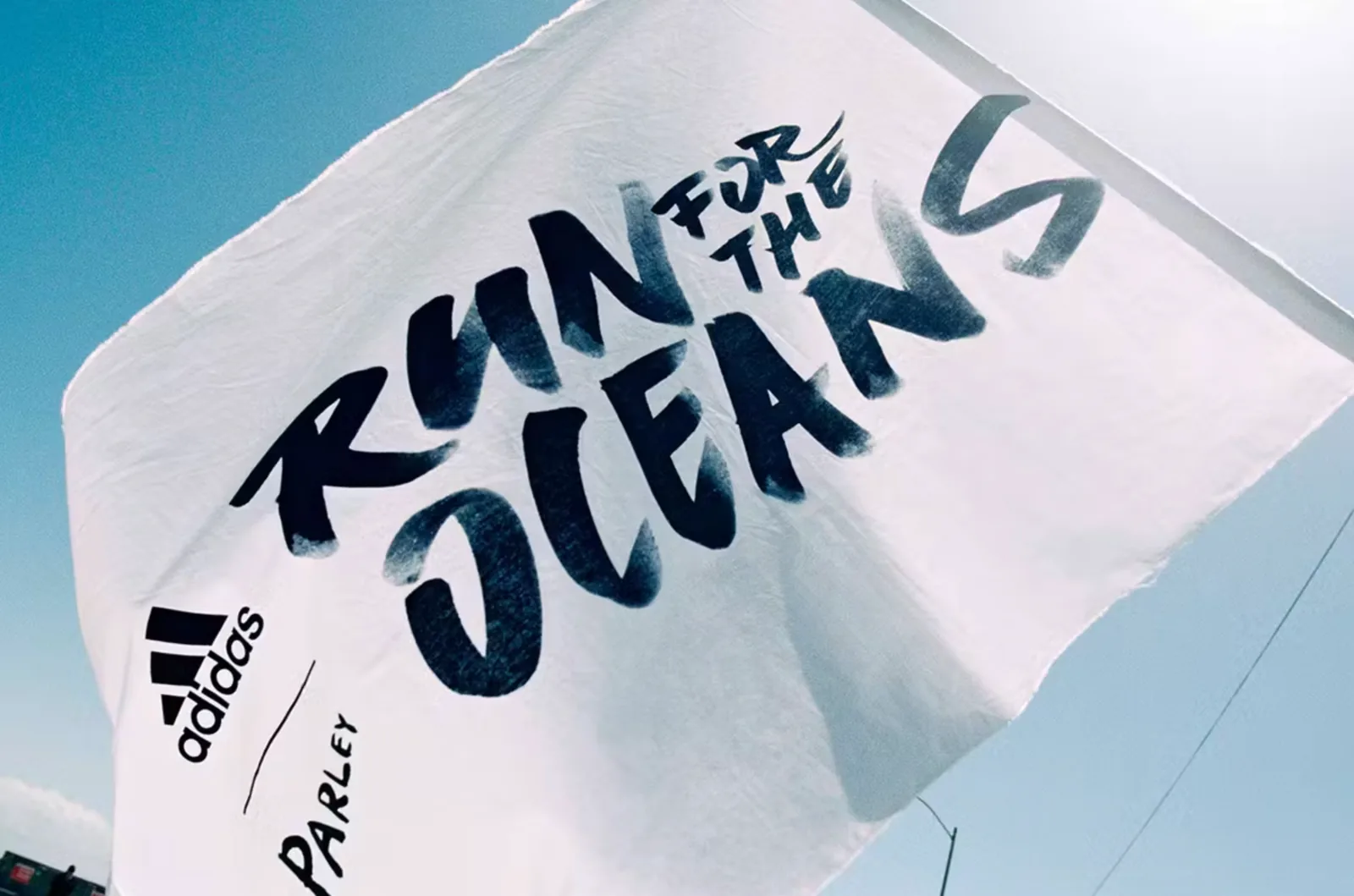
“Run for the Oceans” connected participation with Adidas’s sustainability partnership with Parley for the Oceans. “Run for the Oceans” in 2018 spotlighted plastic pollution, proving that a sports brand can help drive change. People were invited to log their runs, turning a campaign message into a measurable action. For every kilometer logged, Adidas contributed funds to cleanup efforts, with the 2018 release specifying $1 per kilometer for the first one million kilometers to support the Parley Ocean Plastic Program, particularly Ocean School education.
The campaign worked because the action matched the brand’s existing relationship with sport. Running was not bolted onto the idea; it was the mechanism that let people participate. That made the sustainability message more concrete and gave Adidas a way to connect product culture, community, and environmental education in the same campaign.
José +10 (2006)
“José +10” approached star power from a child’s point of view. Centered around a neighborhood match, it captured two kids “recruiting” legends like David Beckham and Zinedine Zidane into an imaginary game of pick-up soccer. The idea kept elite athletes recognizable while making the story feel playful and accessible, a useful contrast to sports advertising built only around spectacle or competition.
Because these Adidas ads appeared around the 2006 World Cup, they garnered massive attention and tapped into the global excitement for the tournament. Yet the charm went beyond hype: these Adidas ads had a playful spirit that reminded us sports should be accessible, imaginative, and joyful. Even after the World Cup ended, people kept talking about José and his larger-than-life lineup, cementing these Adidas ads as timeless fan favorites.
Take the Stage (2012)
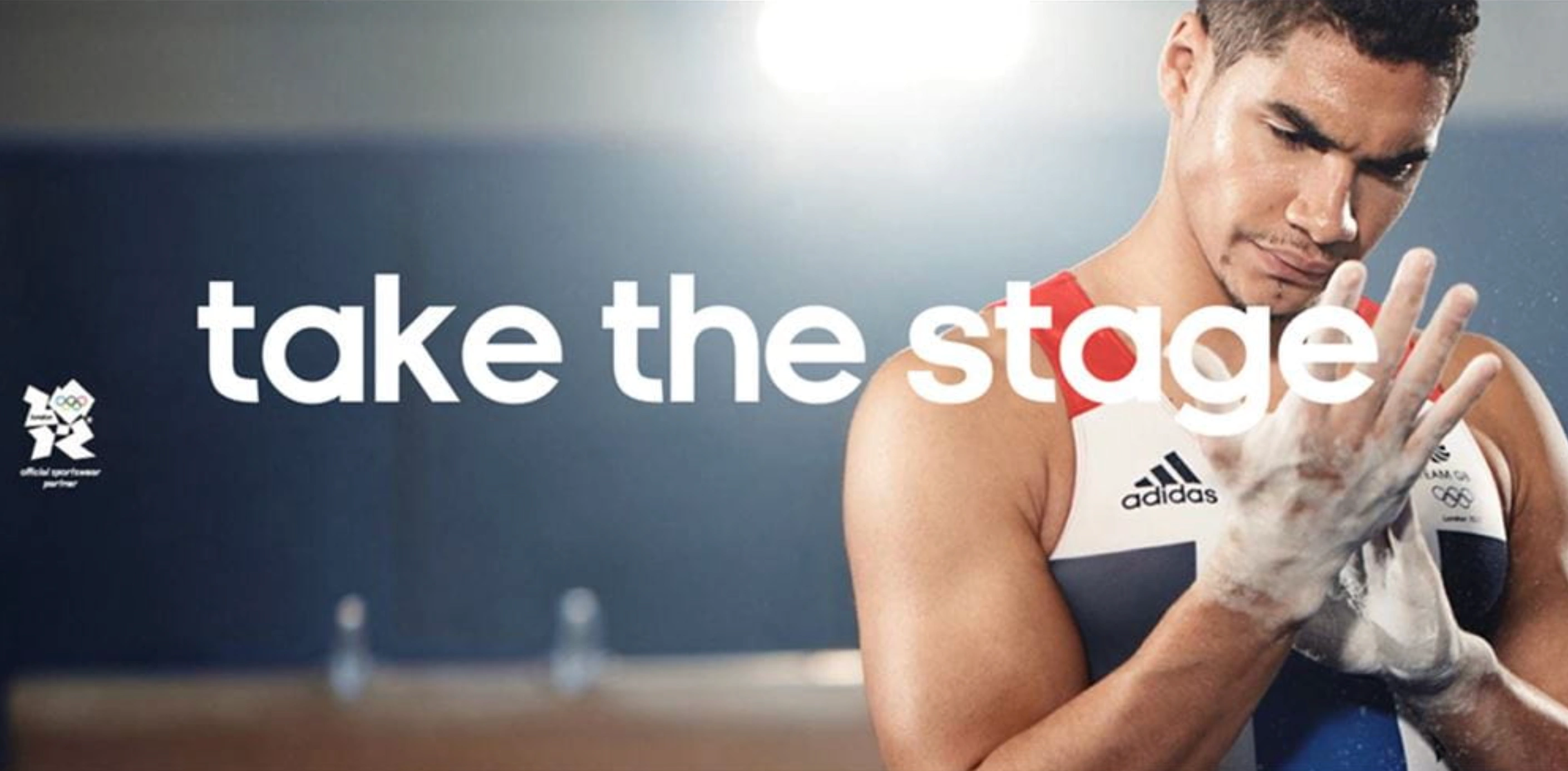
During the 2012 London Olympics, “Take the Stage” arrived as a patriotic reminder that big dreams can spring from humble places. These Adidas ads focused on British athletes and even spotlighted music figures, weaving in everyday individuals who were stepping up to show their talents. The campaign felt like an open invitation for everyone to chase their goals, whether in an Olympic venue or a local neighborhood.
The visual style was bold and energetic, with quick cuts that reflected London during the Games. By blending athletic achievements with stories of regular people, the campaign widened the meaning of “taking the stage” beyond Olympic competition. The result was a simple participation idea: the stage could be a stadium, a performance venue, or a local neighborhood. That made the Olympic connection useful without making the campaign feel limited to elite competition, which helped the idea travel beyond the Games themselves.
Calling All Creators (2017)
By 2017, the brand was fully embracing the idea that creativity resonates well beyond the sports arena. “Calling All Creators” was a prime example: these Adidas ads brought household names from different industries together around a large table, where they casually chatted about what it means to create. The vibe was almost like eavesdropping on a cool brainstorming session where Lionel Messi, Pharrell Williams, and other big names discussed pushing boundaries in their crafts.
Instead of using famous names only as visual shorthand, the campaign centered the conversation on how people create and push their disciplines forward. The relaxed, dialogue-driven format also gave Adidas material that could extend beyond one hero film. That is one reason video marketing works best as a system of adaptable formats rather than a single upload.
Predator Boot Launch (Various Years)
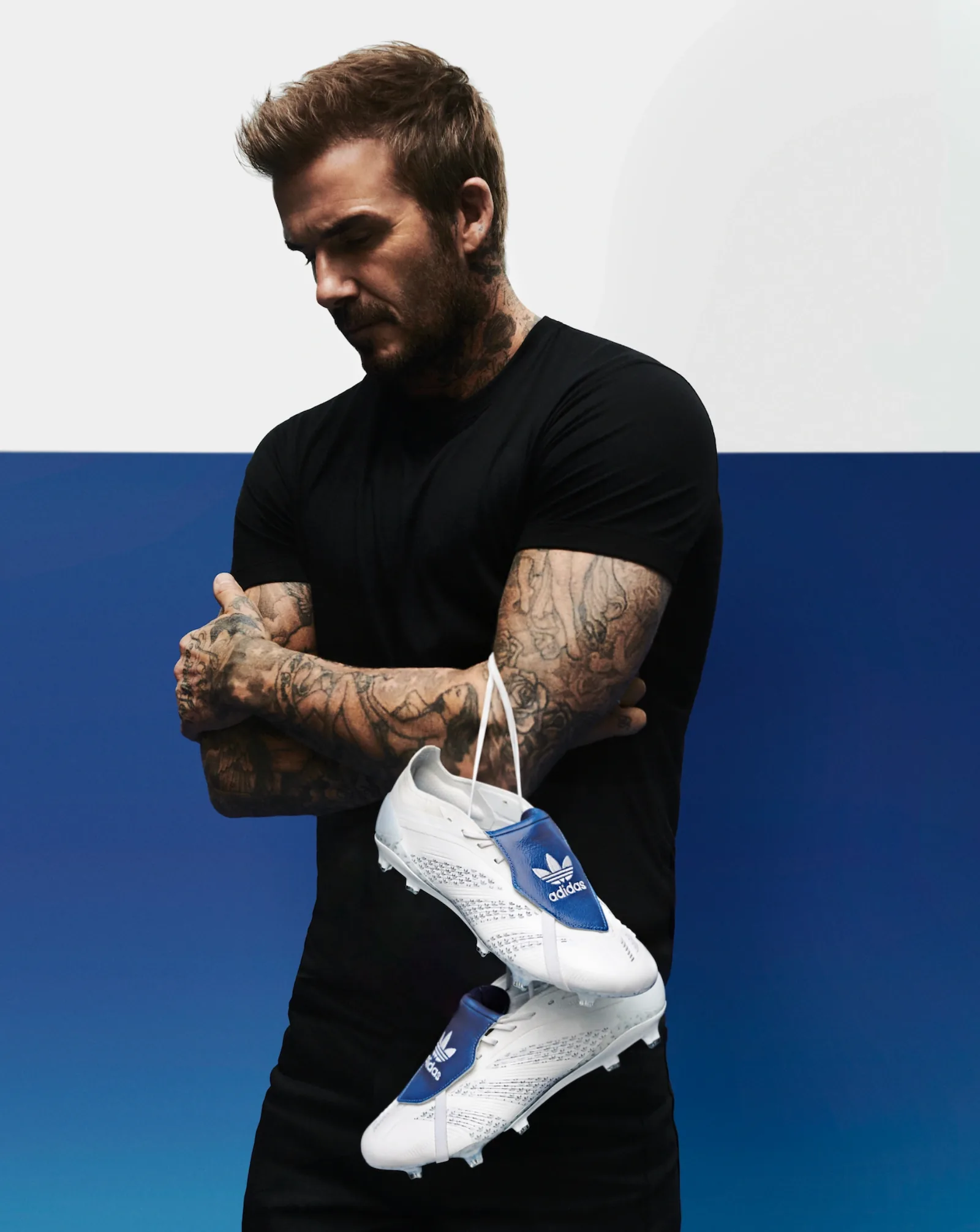
The Predator boot series has been a staple in many Adidas ads since the mid-’90s, each launch greeted by soccer fans around the world. Star players, from David Beckham to newer icons, laced up these boots and showed off swerving free kicks and pinpoint passes, making these Adidas ads a longtime favorite among football enthusiasts. There was something almost magical about seeing the ball bend in midair, hinting that the right gear could give you near-superhuman skills on the pitch.
Each iteration’s rollout came with fresh visuals or behind-the-scenes glimpses of development, and these Adidas ads consistently stirred up excitement for the next big thing in footwear. By putting the spotlight on both style and cutting-edge tech, Adidas secured its place in the hearts of aspiring players. It’s not every day a sports shoe crosses into pop culture, but these Predator-themed Adidas ads did exactly that, and they did it time after time.
Where Sport and Style Collide
Across these campaigns, the recurring strength is not one visual style or one celebrity formula. Adidas repeatedly connects products to a larger idea, then gives that idea a format suited to the moment. Some campaigns use athlete stories, others use music, participation, sustainability, or surreal art, but the brand rarely abandons its broader themes of performance, creativity, and self-expression.
That is what makes the best Adidas ads useful as marketing case studies: the creative can change dramatically while the brand remains recognizable. For businesses trying to build the same kind of continuity between strategy and campaigns, you can talk with Brand Vision about the positioning and identity behind the work.