
Levi’s marketing strategy blends heritage brand codes, product discipline, and modern cultural partnerships to keep denim relevant. Explore Levi’s marketing in 2026 through the 501, DTC growth, premium expansion, and recent portfolio moves, plus what to apply to your own brand.
Levi’s marketing strategy still works in 2026 because the brand does not treat heritage like a museum label. It treats heritage like a system. Levi’s stays recognizable through a small set of assets, the 501’s cultural positioning, and a steady shift toward direct relationships with customers. From an agency perspective, this is where branding services become practical: the identity and story are reinforced by product, portfolio, and channel decisions.
Levi Strauss and Co. reported 2024 net revenues of $6.4 billion, making Levi’s marketing strategy a high scale case study, not a niche brand story (Levi Strauss investor release, SEC filing, 2024 annual report PDF). That scale is exactly why the framework is useful for business owners who want a brand that holds up across cycles.
For businesses applying the same lesson, the useful move is not to copy Levi’s campaigns. It is to decide which brand cues, core offer, and customer experience should remain recognizable even as the creative changes.
The Gold Rush Beginnings
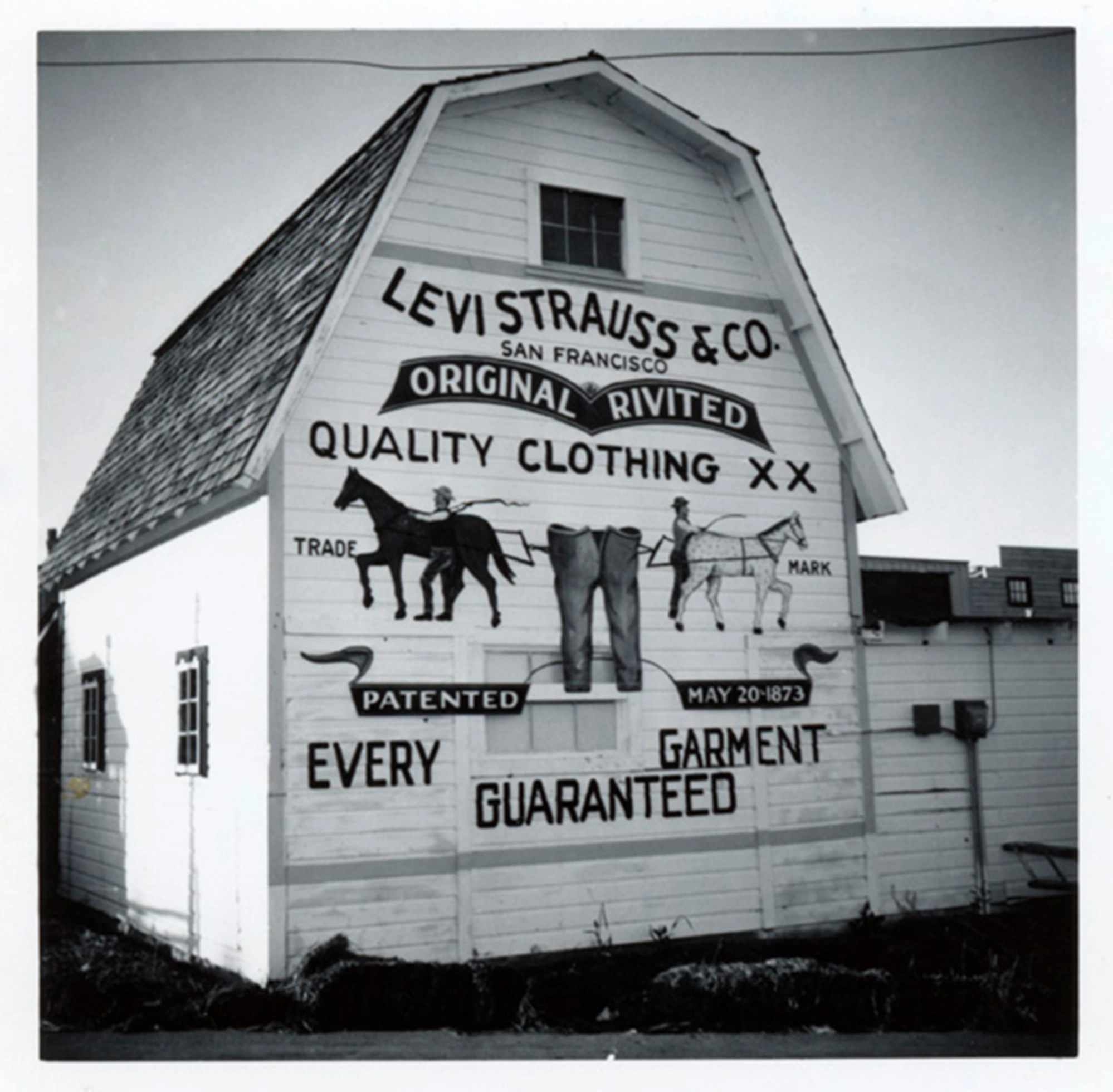
Levi’s journey began in 1853 when Levi Strauss arrived in San Francisco aiming to supply hardworking gold miners with reliable dry goods. In that frontier environment, Strauss recognized a glaring need for clothing durable enough to withstand the rigors of mining, ranching, and other physically demanding jobs that defined the American West. By observing the frequent complaints about flimsy canvas trousers that easily tore, Strauss and tailor Jacob Davis devised a solution that would forever change global fashion: riveted denim pants. In 1873, they secured a patent for these “waist overalls,” using copper rivets at stress points such as pocket corners and the base of the button fly. While contemporary marketing was minimal, word spread quickly among laborers who valued the pants’ astonishing toughness. This organic buzz helped Levi’s stand out amidst the hundreds of small local outfitters serving goldfield camps and dusty Western towns.
Yet Levi’s understood that mere utility wouldn’t suffice forever. Recognizing a host of imitators might copy the riveted concept once patents expired, the company laid early foundations for what would become a robust marketing strategy. Even in the late 1850s and 1860s, Levi’s began embedding symbolic cues into its products, from small lettering on rivets to patches denoting quality. By the 1870s, it was common knowledge along the Pacific coast that “Levi’s pants” were the real deal: hyper-durable work pants that didn’t split under stress. This word-of-mouth approach, combined with visual elements like specially branded packaging, formed the first building blocks of the company’s marketing identity: an unwavering emphasis on authenticity, grit, and the pioneering spirit of the frontier that mirrored the hopes of gold rush adventurers.
The Foundation: Levi’s Brand Codes That Make Levi’s Marketing Instantly Recognizable
Levi’s marketing strategy is built on recognizable brand codes that show up everywhere: product, packaging, retail, photography, and campaign storytelling. The point isn’t nostalgia. The point is speed. People recognize Levi’s before they read a headline, watch a full ad, or click into a product page. That is brand recognition as a growth lever.
Levi Strauss and Co. has repeatedly documented its heritage assets and how they reinforce authenticity and recognition through the Levi’s brand story and archives (Levi Strauss newsroom). The result is that Levi’s marketing can change the setting while staying unmistakably Levi’s.
- Strong brands repeat a small set of cues until they become automatic.
- If your business lacks recognizable cues, start with identity design, then carry it into digital experience through consistent structure and messaging on your website (Brand Vision).
The 501 Effect: Why One Hero Product Powers Levi’s Marketing Strategy
Levi’s marketing strategy anchors around the 501 because one hero product can hold a category position in the customer’s mind. The 501 gives Levi’s a narrative backbone. It’s a product that can be styled as workwear, rebellion, fashion, street, and premium, without the brand losing coherence. That’s why Levi’s marketing can flex across audiences while still feeling like one brand.
This is where many companies break. They chase too many offers and dilute their identity. Levi’s marketing works because the brand builds stories around a few core pillars, then expands from the center.
- A hero product creates memory and repeatability.
- If you sell services, your “hero product” is your clearest offer. Make it the centerpiece of your positioning and homepage flow, then reinforce it with proof and outcomes through clear structure and messaging.

The Iconic Pockets and Red Tab
From the start, Levi’s marketing homed in on distinct product details. The brand’s back pockets, for instance, took center stage with decorative stitching; the arcuate design intended to be both functional and visually unique. This stitching signaled the genuine article in an era where knockoffs tried to emulate Levi’s coveted denim. Over time, the pockets became a recognized hallmark, tying Levi’s to concepts of originality and craftsmanship in a cluttered marketplace.
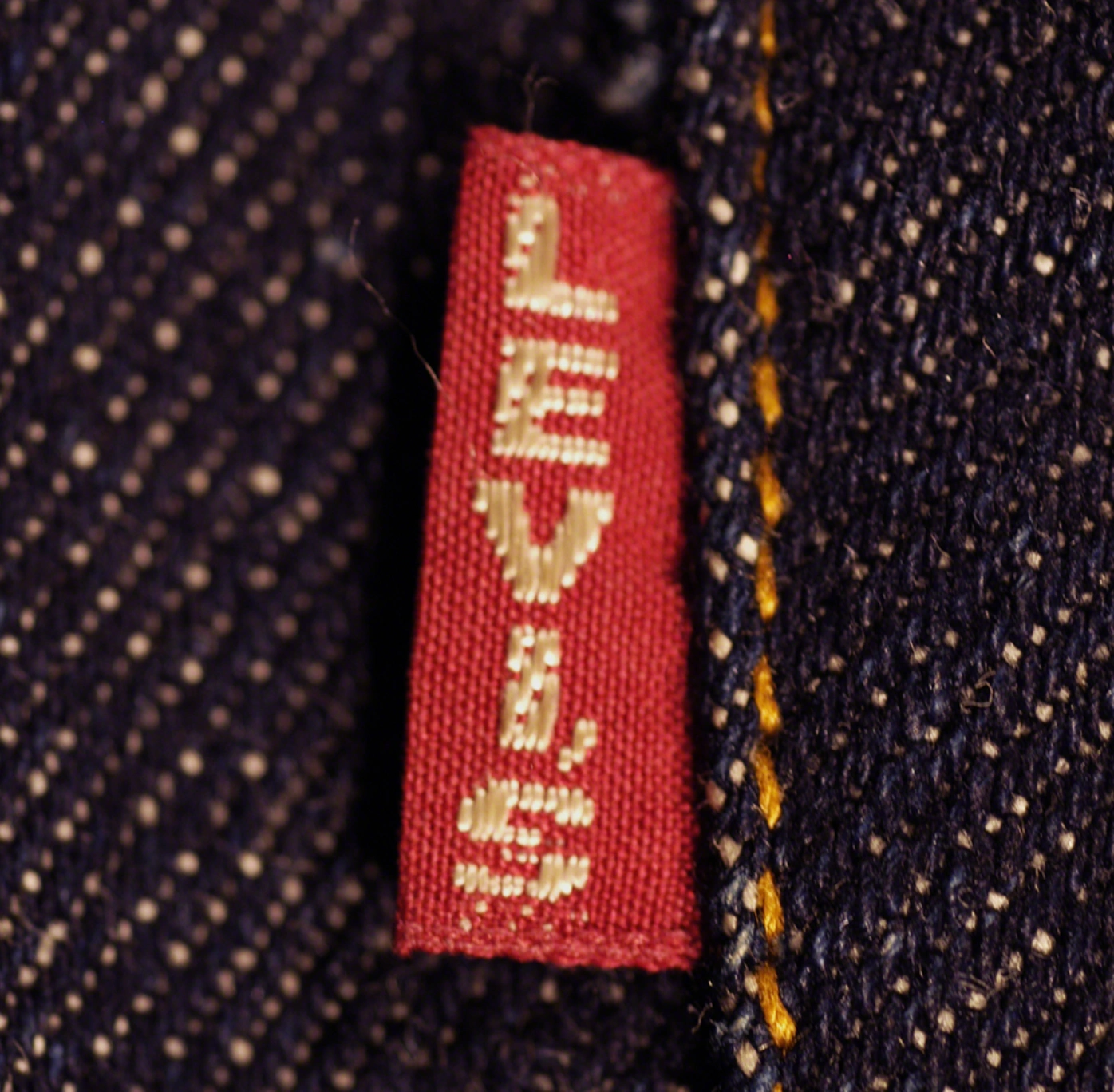
Then came the small red tab on the right back pocket, introduced in 1936. Levi’s introduced the tab to help retailers and customers quickly spot authentic Levi’s from a distance. This minimal flourish gave rise to the phrase “red tab brand,” ensuring a new layer of brand identity. Decades later, the brand continues to underscore these details in Levi's campaigns, reinforcing that each rivet, stitch, and tab belongs to a storied tradition. These help people identify Levi’s jeans simply by glancing at the iconic pockets or that bold slice of red cloth.
Distribution and DTC: Levi’s Marketing in 2026 Is About Owning the Relationship
A modern Levi’s marketing strategy is inseparable from channel strategy. Levi Strauss and Co. has emphasized becoming more direct to consumer and focusing on core labels, which is not just financial planning. It changes how marketing works. When you own the relationship, you can control storytelling, pricing integrity, customer experience, and retention.
That focus became even clearer with the sale of Dockers to Authentic Brands Group. The transaction was announced in 2025 (Reuters), and Levi Strauss completed the final closing on February 27, 2026. The completed divestiture gives the company a more focused portfolio around Levi’s and Beyond Yoga.
- Marketing gets easier when your portfolio is focused.
- If you have multiple offers, tighten the story and reorganize the site so the core offer is unmistakable within the first scroll, especially on mobile (web design).
Premium Expansion: How Levi’s Marketing Strategy Moves Upmarket Without Losing the Core
Levi’s marketing strategy in 2026 is also about premium credibility. Moving upmarket isn’t a pricing decision alone. It’s a perception decision. It requires tighter creative, more deliberate e-commerce marketing, and better control over discount signals. Reuters reported Levi’s planned to expand availability of its premium Blue Tab denim line to more stores in 2026 after strong performance (Reuters).
This matters because it shows Levi’s marketing is not relying only on heritage. It’s building a premium ladder while keeping the 501 and brand codes at the center.
- Premium growth requires premium experience, not just premium claims.
- Your premium positioning needs consistent campaign graphic design across typography, photography, and creative assets, while a UI/UX agency can address product-page structure and conversion flow.

1990s-2000s: Identity Crisis and Go Forth Campaign
Entering the new millennium, Levi’s found itself losing ground. The rise of discount denim and an explosion of premium designer jeans carved chunks out of Levi’s market share. The brand shuttered its last American factories in 2003, a symbolic end to “Made in the USA” authenticity that once defined Levi’s essence. Simultaneously, big-budget campaigns like “Go Forth” tried tapping into social idealism and heritage, using Walt Whitman’s poetry and distressed, rustic visuals to convey a rebellious, philanthropic spirit. Though praised for creativity, the messaging sometimes felt too abstract, failing to highlight the products in a way that invigorated consumer demand.
Newer product lines also faltered, and younger demographics found Levi’s unexciting compared to upstart boutique brands. Nonetheless, Levi’s recognized lessons from these shortfalls. By the late 2000s, they began recalibrating around core strengths: timeless fits, direct consumer engagement, and an open mind toward co-creation. Many insiders hinted that Levi’s needed fresh leadership and a modern approach to reclaim its mantle as an aspirational, relevant denim maker.

Cultural Partnerships: Beyoncé and the REIIMAGINE Playbook
Levi’s marketing strategy has always used culture to refresh meaning, but the Beyoncé partnership is a clean example of how to do it without looking rented. Levi Strauss announced the Levi’s brand campaign with Beyoncé as part of REIIMAGINE, tying the creative to Americana and Levi’s legacy while keeping product and styling front and center (Levi Strauss newsroom).
This kind of partnership works because it is structurally consistent with the brand. It does not feel like Levi’s borrowed relevance; it feels like a new chapter of an existing story. For another heritage-apparel comparison, Calvin Klein’s marketing strategy shows a different way celebrity campaigns can keep a long-running fashion identity culturally visible.
- Partnerships perform best when they reinforce existing brand meaning.
- Don’t pick partners based on reach alone. Pick partners based on alignment with your brand stance, audience identity, and product truth.
What You Can Apply To Your Own Brand
- Build recognizable codes. Levi’s marketing strategy relies on cues people can spot instantly. Define 3 to 5 cues your brand can own.
- Anchor around one core offer. Levi’s marketing is powered by the 501 as a reference point. Make your core offer the center of your messaging, then expand outward.
- Tighten your portfolio. Levi’s completed the Dockers divestiture in 2026 after announcing the transaction in 2025, concentrating the portfolio around fewer core brands (Reuters).
- Control the experience. DTC strength is about consistent storytelling, pricing, and retention, not just margins.
- Make premium believable. Levi’s premium moves rely on product and experience alignment, not hype (Reuters).
- Use partnerships as brand storytelling. Beyoncé is a narrative extension, not a random spike (Levi Strauss newsroom).
How Business Owners Can Apply Levi’s Marketing Strategy in 2026
Levi’s stays relevant because it doesn’t try to become a different brand every season. It keeps a tight core, then lets culture, collaborations, and storytelling do the refreshing. For most businesses in 2026, that’s the bigger takeaway: you do not need more tactics, you need a stronger centre. When your centre is clear, every campaign feels connected, your visuals look intentional, and customers understand you faster.
If you want to apply this without overcomplicating it, start with the same order Levi’s protects. First, clarity. Second, consistency. Third, distribution. In practice, that means tightening your message until it fits on one page, making your site experience feel unmistakably like your brand, then choosing two or three channels you can show up in with repeatable consistency. That combination is what turns marketing into momentum that compounds.
What to do next, in a practical order
- Define your non-negotiables. Pick 3 things your brand will always be known for. One promise, one tone, one visual cue. Everything else can flex.
- Turn your story into a system. Write down 5 to 7 repeatable story angles you can rotate all year, such as craft, founders, customer wins, materials, and behind the scenes. For a business building specifically in South Florida, a branding agency in Miami can help turn those ideas into a more consistent local and digital brand system.
- Make your website match the promise. Most brands lose the sale on the landing page, not in the ad. Make sure the first scroll answers what it is, who it is for, why to trust it, and what to do next. If that experience is dated or unclear, start with web design before you pour more budget into traffic.
- Choose fewer channels and show up better. Levi’s wins by being recognisable where attention already is. Pick the channels you can actually sustain, then commit to a cadence that feels consistent for 90 days.
- Build one signature campaign idea. Not ten themes. One concept that can stretch across content, email, paid, and site updates. Consistency is what makes it feel bigger.
- Get an outside read when you are too close. If you’re unsure whether the issue is positioning, creative, or conversion, a marketing consultation can identify what’s actually holding performance back.