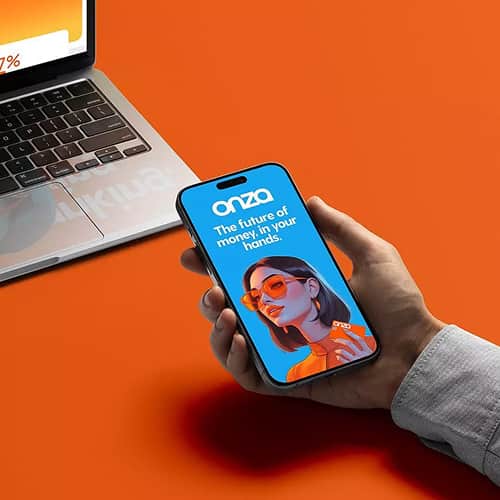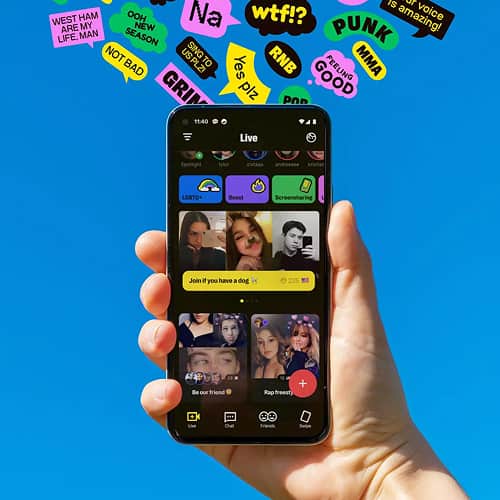

Words are cheap. Consistency is not. When a company treats a tagline, a slogan, and a motto as the same thing, the cost shows up later in redesigns, inconsistent ads, and sales teams improvising the message.
Tagline vs slogan vs motto confusion clears up when each line has a defined role. Tagline vs slogan vs motto is also a simple check for message governance. It separates what each line is for, where it should live, and how to keep it from drifting as teams scale. For growing teams, tagline vs slogan vs motto is a fast way to keep approvals consistent.
At a Glance
- Tagline vs slogan vs motto is a question of role, not style.
- A brand tagline is the steady promise people associate with the brand over time.
- A brand slogan is campaign language tied to one moment, offer, or behavior.
- A brand motto is an internal principle that guides decisions and standards.
- If one line must do all three, split it. Clarity beats cleverness.
Definitions That Teams Can Agree On
What a Brand Tagline Does
Tagline vs slogan vs motto starts with shared definitions. A brand tagline is a short phrase a company uses in advertising so people recognize it or its products (Cambridge). It is also commonly treated as a reiterated phrase linked to a product or group (Merriam-Webster).
In brand work, a brand tagline sits closest to identity. It should work across channels and survive product cycles. A good brand tagline helps a buyer describe you without needing a paragraph.
What a Brand Slogan Does
A slogan is a short, memorable phrase used to describe the character of a product or idea (Cambridge). In practice, a brand slogan is allowed to be narrower and more direct than a tagline.
The easiest way to spot a slogan is time. If the phrase is tied to one campaign or one push, it is a brand slogan. That is why tagline vs slogan vs motto is not a semantic argument. It is a planning argument.
What a Brand Motto Does
A brand motto is a word, phrase, or sentence that expresses an organization’s principles or beliefs (Cambridge). A brand motto is written for alignment first, not acquisition.
A brand motto can appear publicly, but it is meant to guide the team when tradeoffs show up. If you want consistent execution without micromanagement, a brand motto is one of the simplest tools you can give your team.

The Real Difference Is Where the Line Lives
Promise
In tagline vs slogan vs motto terms, the brand tagline is the promise layer. It should feel stable on your homepage, in your deck, and in the parts of the brand system that do not change every season.
Campaign
The brand slogan is the campaign layer. A brand slogan should never be treated as a permanent identity line. It belongs on landing pages, ad creative, and product launch messaging. It should rotate without forcing you to rewrite your identity.
Culture
The brand motto is the culture layer. A brand motto should be written for internal clarity first. It belongs in onboarding, internal standards, and leadership communication. It should reduce decision variance across teams.
When to Use a Brand Tagline
Where It Belongs
If you want a line that can sit next to your logo, you want a tagline. Use it on the homepage, in the header lockup, and in the first slide of your pitch deck. Those placements reward stability.
A tagline also acts like a constraint for systems. A web design agency begins with a clear tagline, which then allows the site hierarchy to get cleaner because the hero does not have to explain everything at once.
-1.webp)
When It Needs a Refresh
Most companies do not need a new brand tagline because the current one is old. They need a new brand tagline because the business has changed. A brand tagline has to match what the market now believes. Tagline vs slogan vs motto gets easier when you treat the brand tagline as part of the system, not a copy tweak.
Refresh the brand tagline when one of these is true:
- You have moved into a new category and the old line now misleads.
- Your differentiation has shifted and the old line no longer matches buyer language.
- The brand identity has expanded through acquisition or repositioning.
When to Use a Brand Slogan
The Best Use Cases
A brand slogan is the right tool when you need focus. Product launches, limited time offers, recruitment pushes, and category education campaigns all benefit from a slogan that can be specific without rewriting the brand.
Tagline vs slogan vs motto shows up as a conversion issue when campaign pages use identity language instead of a clear ask. A brand slogan and the details live below it. The proof and details live below it.
How to Retire It Cleanly
A brand slogan should end when the campaign ends. Archive the assets, keep the learnings, and stop using the phrase as a universal headline. That separation keeps your brand tagline stable.
If a slogan earns the right to stay, promote it intentionally. Do not let it linger by accident. Tagline vs slogan vs motto discipline is what keeps teams from shipping mixed messages.
When to Use a Brand Motto
What Makes It Useful
A brand motto is useful when it changes behavior. It should make hiring, product decisions, and customer standards easier to defend. If it cannot settle an argument, it is probably too vague.
Many teams invest in campaigns before they invest in principles. Tagline vs slogan vs motto work flips that. A brand motto gives the team a shared standard, then the messaging becomes easier to keep consistent.
How It Shows Up in Decisions
A motto should translate into actions people can observe. If you are doing a brand system refresh with a branding agency, push for examples that connect the motto to day to day work.
For example:
- Product: what you will not ship, even if it sells.
- Support: when you escalate, refund, or apologize.
- Sales: what you refuse to claim without proof.
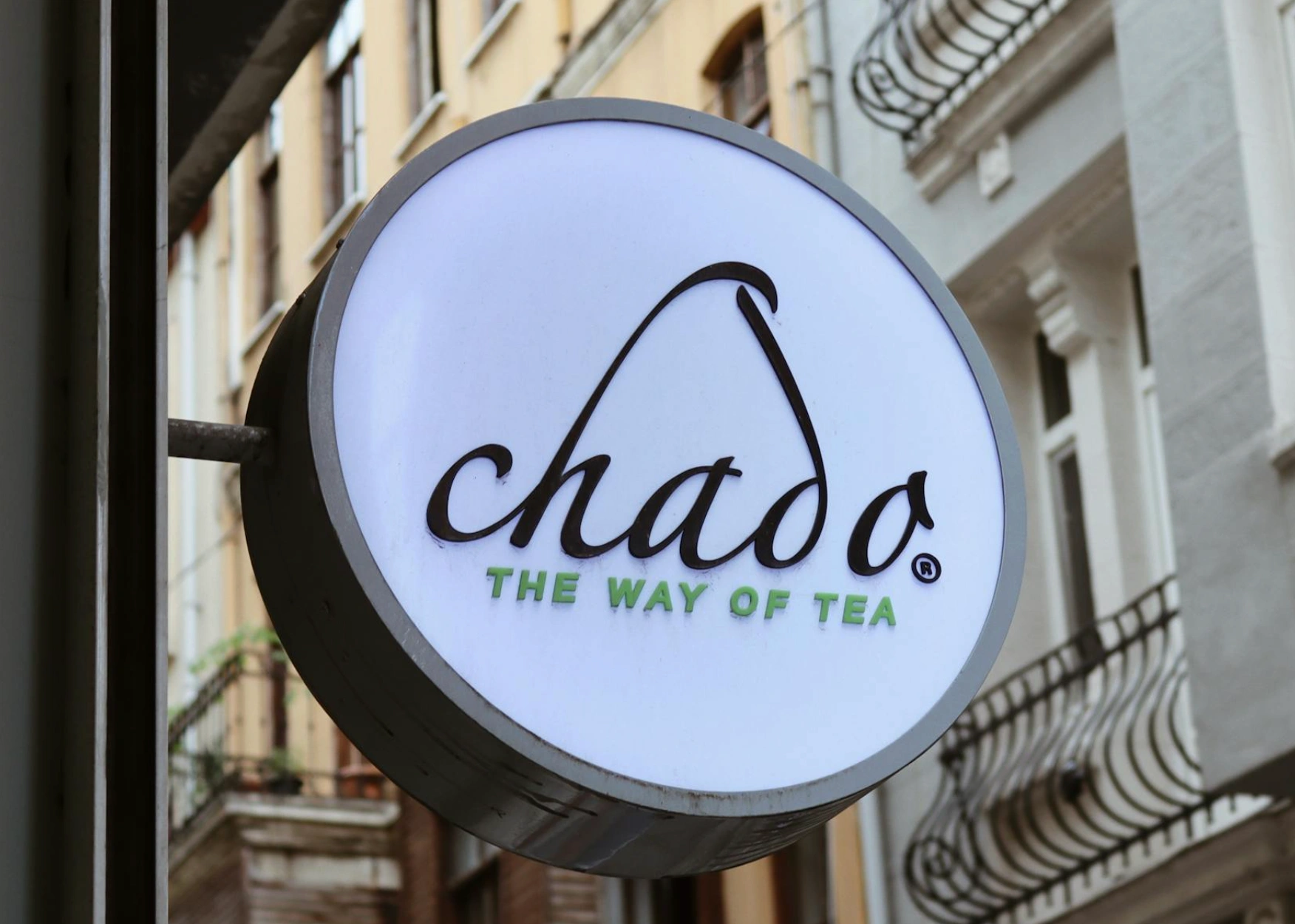
A One Minute Framework to Choose the Right One
Decision Tree
Use this decision tree whenever tagline vs slogan vs motto becomes a debate:
- Is the line meant to identify the brand across years and channels?
- Choose a brand tagline.
- Is the line meant to support one campaign, offer, or launch?
- Choose a brand slogan.
- Is the line meant to guide internal decisions and standards?
- Choose a brand motto.
- If more than one answer is yes, write more than one line.
Governance Checklist
Tagline vs slogan vs motto problems rarely come from the first draft. They come from inconsistent usage six months later.
- Assign an owner for the brand tagline and document where it can appear.
- Give campaigns a dedicated space for the brand slogan and set an end date.
- Teach the brand motto in onboarding and leadership writing, not only in posters.
- Store all three in your brand strategy documentation so teams do not improvise.
If the slogan or tagline will be used as an identifier in commerce, consider trademark basics early (USPTO trademark basics) and what makes slogans registrable in the U.S. (INTA guidance on registering slogans in the United States).
How to Write Each Line Without Sounding Generic
Tagline Checklist
A brand tagline should be short enough to place in design systems without breaking layouts. It should also match the tone and rhythm of your brand identity, not the personal style of one writer.
Use this checklist:
- Keep it compact and easy to say out loud.
- Use concrete language a customer would use.
- Avoid claims you cannot prove over time.
- Make it fit next to your visual identity, not fight it.
Slogan Checklist
A brand slogan should make the campaign objective obvious. It can be sharper than a tagline and more direct about the outcome.
Use this checklist:
- Tie it to one offer, one audience, and one call to action.
- Pair it with one proof point nearby.
- Write for motion. Campaign language should suggest action.
- Decide what replaces it when the campaign ends.
Motto Checklist
A motto should make standards repeatable across teams. It should be memorable, but it should not be vague.
Use this checklist:
- Write it as a principle, not a marketing claim.
- Make it specific enough to settle tradeoffs.
- Connect it to behaviors you can observe and coach.
- Teach the brand motto through examples, not slogans on a wall.
Testing Before Launch
Tagline vs slogan vs motto problems can be caught with simple tests.
Comprehension test: ask five people to explain the line in their own words. If they cannot, it is too abstract.
Distinctiveness test: put the line next to three competitor lines. If it could belong to any of them, rewrite.
Implementation test: place the line in a homepage hero and a paid ad mockup. First impressions form quickly, sometimes within about 50 milliseconds, so the line has to work with layout and hierarchy, not only in isolation (Nielsen Norman Group).
How This Connects to Websites, UX, and Conversion
Homepage and Navigation
Tagline vs slogan vs motto becomes visible in the hero area first. The homepage is a clarity tool. It should help users orient, understand the offer, and choose a path.
A tagline can sit near the logo lockup or under the hero headline as a stable signal. This is also where a UI UX design agency lens helps, because hierarchy and interaction patterns decide what the user notices first. The slogan usually belongs on a campaign page, not the homepage. The motto belongs where you explain how the company operates.
Campaign Pages
Campaign pages reward specificity. That is where a brand slogan should live, paired with proof, structure, and a focused next step. When teams use a brand tagline as the campaign headline, the result is often polite and low converting.
If a campaign page is underperforming, treat it as a system issue, not a copy issue. A marketing audit should look at offer clarity, page friction, and message match together.
Trust Pages and Careers
A brand motto belongs where trust is built over time. That includes About pages, values pages, and employer branding. It also supports consistency in recruiting and team communication, especially for organizations that sell complex work.
For B2B organizations, aligning a brand tagline, brand slogan, and brand motto often pairs well with a B2B marketing agency approach that ties messaging to pipeline and long cycle decision making.
Common Mistakes That Create Brand Drift
- One line trying to do three jobs. Tagline vs slogan vs motto discipline means assigning a single role to each line.
- Vague language and empty superlatives. Replace adjectives with nouns and verbs that imply proof.
- Visual identity fighting the words. If the line breaks layouts, the system will drift.
- Treating campaigns as identity. Campaigns rotate. Identity stays stable. Before you ship new creative, do a quick tagline vs slogan vs motto review and confirm each line has one job.
FAQ
Do you need all three: a tagline, a slogan, and a motto?
Not always. Many companies need a brand tagline and one rotating brand slogan, then keep the brand motto internal. The right mix depends on how often you run campaigns and how complex execution is inside the company.
Can a brand slogan become a brand tagline over time?
Yes, but only if it proves it can represent the brand across contexts and years. Promote it intentionally and then retire the campaign language around it so the system stays clean.
Where should a brand motto live if it’s internal?
Start with onboarding, leadership writing, and team standards where the brand motto is taught and reinforced. It can also appear in recruiting if it is real and reflected in how the company operates.
How short should a brand tagline be?
Short enough to sit near a logo and survive responsive layouts. If you need two lines of explanation, the brand tagline is doing too much.
How do you keep message consistency after a redesign?
Store the brand tagline, brand slogan, and brand motto in one place, then map each to specific page types and campaign templates. Tie the system to your website and growth work through Brand Vision so execution stays consistent across teams.
A Simple Standard for Stronger Messaging
Tagline vs slogan vs motto becomes simple once each line has a job and a home. Use tagline vs slogan vs motto as a fast review step before any campaign or redesign goes live. The payoff is not just cleaner copy. It is a brand system that supports better websites, clearer campaigns, and fewer internal debates.
If you want a structured review of your message hierarchy and how it shows up across your site and campaigns, start a conversation through Brand Vision or speak with our SEO agency team to connect clarity to measurable demand.
.webp)



%2520(1).png)