
Some of the biggest marketing failures of 2024 were not advertising mistakes in the narrow sense. They were moments where messaging, operations, audience expectations, and crisis response pulled in different directions. Bumble misread how a joke about celibacy would land. Ticketmaster faced a major data-security incident. It Ends With Us was criticized for promotion that felt lighter than the film's domestic-violence themes. The Glasgow Wonka event failed to deliver what its marketing promised. Nike faced renewed pressure over disputed wage claims in its supply chain.
These five cases are useful because they show different failure modes. Because they are historical 2024 cases, the wording below distinguishes allegations from confirmed facts and incorporates later clarifications when those clarifications materially change the lesson. The lesson is not that every controversy can be solved with better copy. Stronger rebranding, audience understanding, operational alignment, and crisis communication all matter when the brand promise meets reality.
1. Bumble's Anti-Celibacy Billboard Backlash
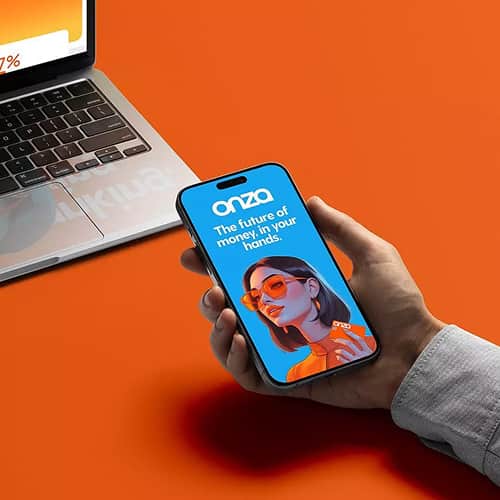
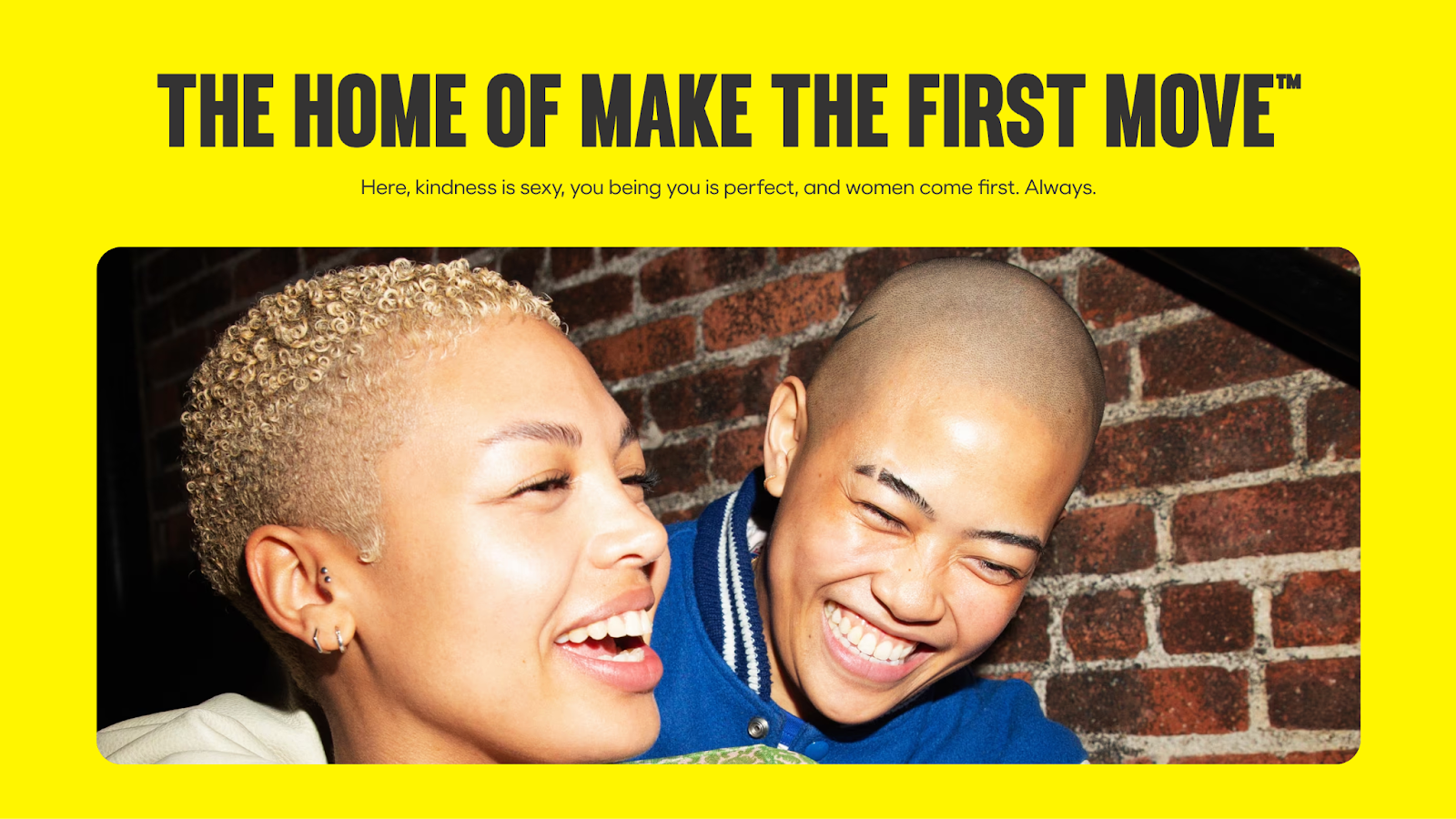
Bumble's 2024 brand refresh included billboards such as “You know full well a vow of celibacy is not the answer.” Critics argued that the joke dismissed celibacy as a legitimate personal choice and clashed with Bumble's long-standing positioning around women's autonomy. The issue was not simply that the line was provocative. It was that the provocation undercut a value the brand had spent years trying to own.
Bumble did respond directly. The company said it had made a mistake, removed the celibacy ads, and apologized. The existing reporting on its direct apology contradicts the older version of this article, which incorrectly described the response as evasive. The stronger lesson is to test high-risk creative against the people most likely to interpret it differently than the internal team expects. That is where brand research can prevent a tone problem from becoming a values problem.
2. Ticketmaster's Data Breach and the Trust Gap
Ticketmaster's 2024 breach was serious, but the earlier article overstated both the confirmed scale and the idea that the company stayed silent. Live Nation disclosed in an SEC filing that it identified unauthorized activity on May 20 in a third-party cloud database containing primarily Ticketmaster data. On May 27, a threat actor offered what it claimed was company user data for sale on the dark web. The widely repeated figure of 560 million users came from the threat actor's claim, not from Live Nation's filing.
Ticketmaster later said the affected database contained limited personal information for some customers who bought tickets in North America and that it was notifying relevant customers. Its security-incident notice also said accounts remained secure. The marketing lesson is therefore about speed, specificity, and reassurance: when trust is under pressure, customers need a clear account of what is known, what is still being investigated, and what they should do next.

3. It Ends With Us: Promotion That Did Not Match the Subject
The most defensible marketing criticism around It Ends With Us was not casting. It was the gap between the film's domestic-violence subject matter and parts of its light, floral, celebrity-led promotion. NPR later summarized that Blake Lively drew backlash for promoting a domestic-abuse story with a lighthearted tone. That disconnect became part of the public conversation around the release.
The broader movie marketing strategy lesson is that the tone of promotion has to prepare audiences for the experience being sold. Sensitive stories need clear audience framing, content-aware press guidance, and an escalation plan for criticism. The existing PR Team link remains relevant here, but the job is not simply to make controversy disappear. It is to keep promotion, interviews, partnerships, and issue response aligned with the material itself.
4. Glasgow's Wonka Experience: When Marketing Over-Promises
The 2024 Willy's Chocolate Experience in Glasgow became a global example of a promise-delivery gap. Promotional materials created expectations of an immersive fantasy world, but visitors described a sparsely decorated venue, limited treats, confused performers, and an experience far below what had been advertised. Police were called and refund demands followed. TIME documented the mismatch through attendee accounts and reporting on the organizer's response to those experiences.

This is a direct Entertainment marketing lesson: creative assets cannot promise an experience operations cannot deliver. Review the customer journey, production readiness, staffing, safety, and on-site details before scaling promotion. AI-generated concepts are not the core problem here. The problem is using any creative representation that materially outruns reality.
5. Nike's Worker-Wage Dispute and Conflicting Accounts
In 2024, investors and labour-rights advocates continued pressing Nike over allegations that more than 4,000 workers connected to factories in Cambodia and Thailand were owed $2.2 million in wages to over 4,000 garment workers since 2020. The older article incorrectly said Nike stayed silent. Nike did respond and disputed the claims, saying third-party investigations found no evidence that workers were legally owed additional compensation, while advocates and former workers continued to challenge that conclusion.
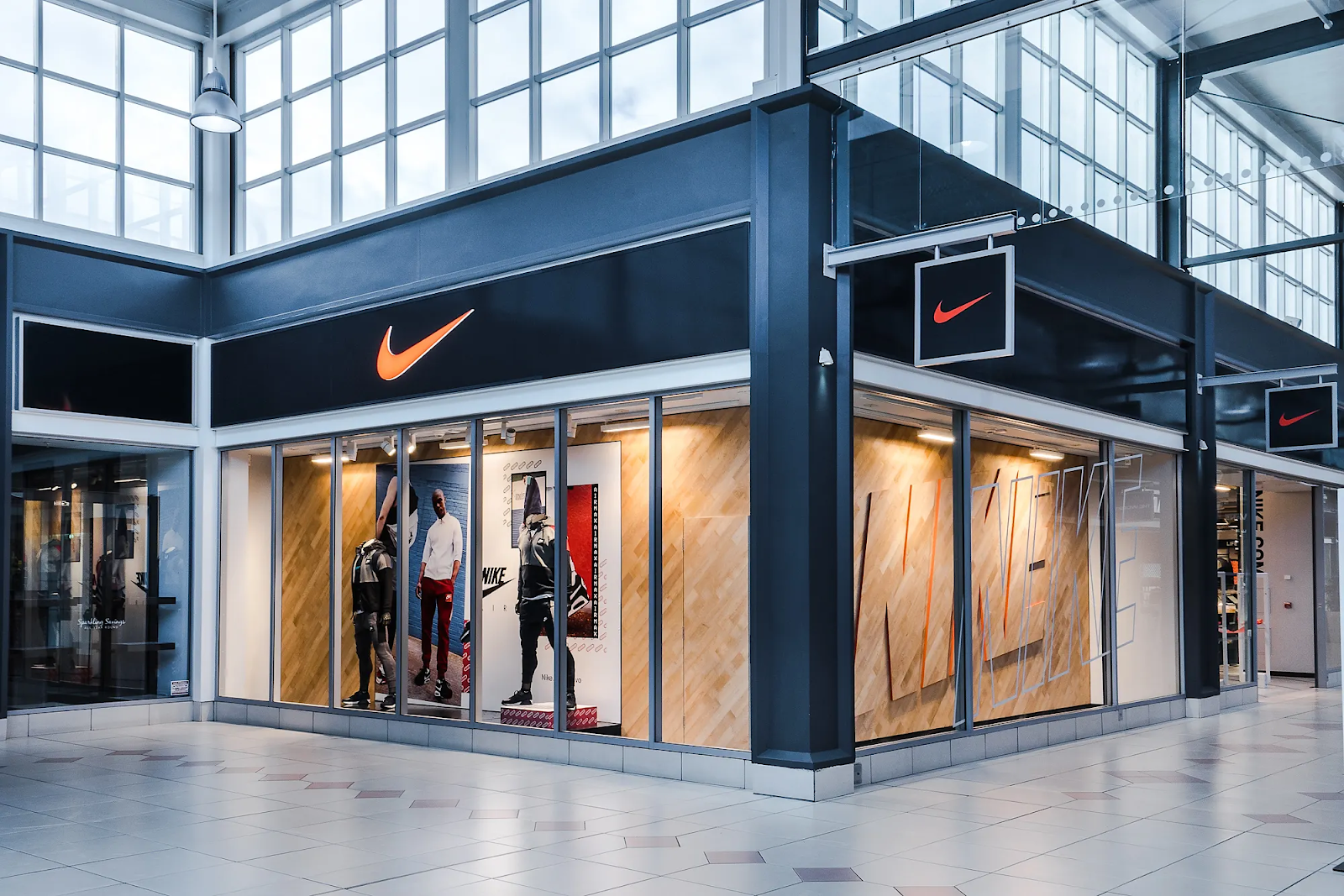
The useful lesson is not to declare one side proven when the record is contested. For major consumer brands, supply-chain disputes can become brand issues because customers, investors, workers, and regulators all evaluate whether public values match operating practices. Transparent evidence and clear attribution matter more than a defensive slogan.
What the Biggest Marketing Fails of 2024 Have in Common
These cases are different, but the failure pattern is consistent: the brand's message, audience expectation, or public response stopped matching the underlying reality. Bumble had a values mismatch. Ticketmaster faced a trust-and-communication problem around a security incident. It Ends With Us had a tone problem. The Wonka event had a delivery problem. Nike faced a disputed supply-chain issue where the facts and responses needed careful attribution.
Before a high-risk campaign or response goes live, teams should pressure-test the promise, audience reaction, operational reality, and escalation plan together. A structured marketing consultation can help identify those gaps before they become the story.