

RedNote, also known as Xiaohongshu, is a Chinese social media platform with integrated e-commerce features and a strong focus on lifestyle discovery, product reviews, visual search, and community recommendations. It became widely known outside China in January 2025, when uncertainty around TikTok in the United States sent a wave of new users to the app. Reuters reported that more than 700,000 new users joined during that surge, which helped turn RedNote into one of the most visible alternatives in the short-term conversation around TikTok bans.
That moment did not make RedNote a direct TikTok replacement. Its core experience is still different. TikTok is built around entertainment-led discovery and short-form video content, while RedNote combines photos, video, written notes, search, product research, and shopping. In 2026, the more important story is that RedNote is actively building a distinct international operation while keeping links to the original Xiaohongshu ecosystem.
What Is the RedNote App?
Launched in 2013, RedNote, known in China as Xiaohongshu, grew from product-review and shopping inspiration into a major social platform and e-commerce ecosystem. Its content mix includes fashion, beauty, travel, fitness, food, home, and other lifestyle categories, with search and recommendations playing a large role in how users discover posts.
The platform is larger than the original article suggested. Xiaohongshu’s current official commerce recruitment site advertises about 300 million monthly active users. That figure refers to the broader platform ecosystem, not specifically to international RedNote users.
The January 2025 “TikTok Refugee” Surge
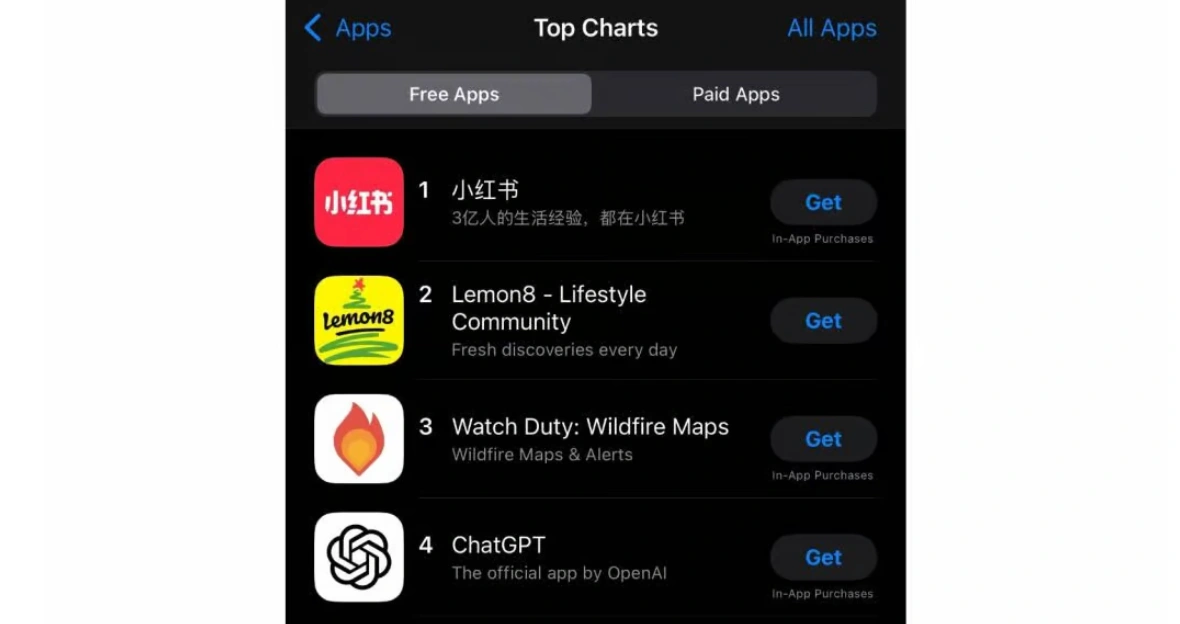
The international attention around RedNote accelerated in January 2025, when U.S. users began downloading the app as TikTok faced a federal shutdown deadline. Reuters reported that more than 700,000 new users joined in a matter of days, while U.S. downloads rose sharply week over week.
Xiaohongshu, also known as RedNote, hit the top of the U.S. App Store during that period. pic.twitter.com/CwIXgtPEfO
— Pop Base (@PopBase) January 13, 2025
The moment mattered because it exposed a large number of American users to a platform that had not been built primarily for them. Translation, moderation, onboarding, and cultural context became immediate product challenges. The episode also showed how quickly platform uncertainty can redirect audience attention, even if those users do not all stay long term.
Key Features of RedNote
RedNote combines elements that users may recognize from other social platforms, including Instagram and Pinterest, as well as ecommerce marketplaces and review communities. The interface is built around discovery, search, recommendations, saving, commenting, and product research rather than only a continuous entertainment feed.
- Content sharing and creation: Users can publish photos, short videos, and written posts across lifestyle categories. Brands and creators need a platform-specific approach rather than simply reposting the same asset everywhere. A strong video marketing strategy should adapt format, pacing, and context to how users actually browse each platform.
- E-commerce integration: RedNote connects content and commerce through product discovery, merchant tools, creator recommendations, and shopping flows. The platform’s own commerce site highlights merchants, creators, livestreaming, product notes, and transaction tools. For consumer brands, that creates a natural connection to consumer ecommerce marketing.
- Search and product discovery: Many users treat Xiaohongshu as a place to research products, destinations, restaurants, and lifestyle choices. That makes clear information architecture and UI and UX design especially important when discovery, comparison, and purchase happen close together.
- Community and visual consistency: Niche interests can build around creators, topics, and shared tastes. For brands, consistent branding across channels and a recognizable visual identity help posts feel connected even when formats vary.

Monetization and Commerce on RedNote
RedNote’s commerce model is one reason the platform attracts creators and brands. The domestic Xiaohongshu ecosystem supports merchant stores, creator-led product recommendations, livestream selling, brand collaborations, and other commerce tools. Availability and eligibility can vary by account type and market, so international creators should not assume every monetization feature available in China is available to them.
For creators thinking more broadly about partnerships, sponsored content, affiliate relationships, and commercial audience building, Brand Vision’s influencer marketing guide explains the underlying models without tying them to one platform.
How RedNote Compares With TikTok
While RedNote includes short video and gained attention during the TikTok uncertainty of 2025, its core experience is broader than a TikTok clone. TikTok is optimized around a fast entertainment feed and viral distribution. RedNote places more weight on search, recommendations, reviews, saved inspiration, and product discovery.
- Content focus: TikTok is entertainment-heavy and video-first. RedNote mixes photos, written notes, videos, reviews, and shopping-oriented discovery.
- User intent: RedNote is often used to research a product, trip, restaurant, look, or lifestyle decision, while TikTok supports a much broader mix of entertainment and information.
- Commerce: Both platforms now support shopping, but RedNote has long treated product discovery and purchasing as central parts of its ecosystem.
- Platform strategy: Brands should avoid assuming that the same creative will work identically on both platforms. That is one reason platform-specific content strategy matters more than simply increasing posting volume.
Similarities to Instagram and Pinterest
If you have used Instagram or Pinterest, parts of RedNote will feel familiar. Like Instagram, it emphasizes visual storytelling and creator-led discovery. Like Pinterest, it can function as an inspiration and research layer where users save ideas for later. The difference is how tightly lifestyle discovery, search, creator recommendations, and ecommerce are connected.
The visual layer matters for brands. Strong imagery may earn attention, but it also needs to feel consistent enough that users can recognize the business across posts, product pages, and other channels.
Can RedNote Replace TikTok?
The January 2025 migration showed that users will move quickly when they think access to a major platform is at risk, but it did not prove that RedNote would permanently replace TikTok. The platforms solve different problems, and the initial migration moment eventually cooled. The Brand Vision articles on TikTok ban developments and TikTok’s earlier effort to pause a U.S. ban capture the regulatory context that made the RedNote surge possible.
The American migration also created an unusual cultural exchange inside an app that was still heavily Chinese-language at the time.
The American migration to Xiaohongshu
(RedNote) may be the craziest accidental cultural exchange ever.
Hundreds of thousands of users landed in an app not localized or in their language.
One day in, and it’s already considered rude not to subtitle videos in the other language. pic.twitter.com/eG08cH1ID9
— Olivia Moore (@omooretweets) January 14, 2025
What Changed for RedNote in 2026?
By 2026, RedNote was moving beyond the accidental visibility of the TikTok migration. WIRED reported that the company had launched Rednote.com for its international business and introduced separate terms for domestic and overseas users. The international operation remains interoperable with Xiaohongshu in important ways, but the company is putting clearer legal and operational boundaries around foreign users.
The commercial push is becoming more deliberate too. Rest of World reported in April 2026 that RedNote was hiring in the United States, planning offices in Palo Alto and New York, promoting the app on university campuses, and launching an ecommerce portal aimed at overseas markets. That is a different growth story from the January 2025 download spike: it is an attempt to build an international product and business rather than simply absorb users fleeing another app.
The Future of RedNote
RedNote’s strongest position is still not “TikTok replacement.” It is a lifestyle, search, community, and commerce platform with its own user behavior. Its integration of e-commerce remains central, while its international expansion raises new questions about localization, moderation, data handling, and how closely overseas RedNote will remain connected to Xiaohongshu.
For brands, the practical lesson is to treat RedNote as its own channel. Start with audience behavior, product discovery, community expectations, and a clear brand positioning strategy rather than assuming that a TikTok or Instagram playbook can simply be copied over.