Selena Gomez launched Rare Beauty in 2020 around a simple idea: makeup should help people feel like themselves rather than push one narrow standard of perfection. The brand quickly became a major consumer beauty brand, combining prestige retail distribution, direct ecommerce, founder-led storytelling and a mental-health mission. This analysis looks at the Rare Beauty marketing strategy, its business model and the financial evidence that can actually be supported.
Rare Beauty Business Model and Positioning
Rare Beauty built its business through a mix of direct-to-consumer sales and large beauty retail partners, with Sephora playing a central role in its early global distribution. That model gives the company both retail discovery and its own digital customer relationship. For beauty brands, the same mix raises practical UI/UX design questions around shade discovery, product education and conversion, while strong cosmetic branding keeps the product system recognizable across shelves, social content and ecommerce.
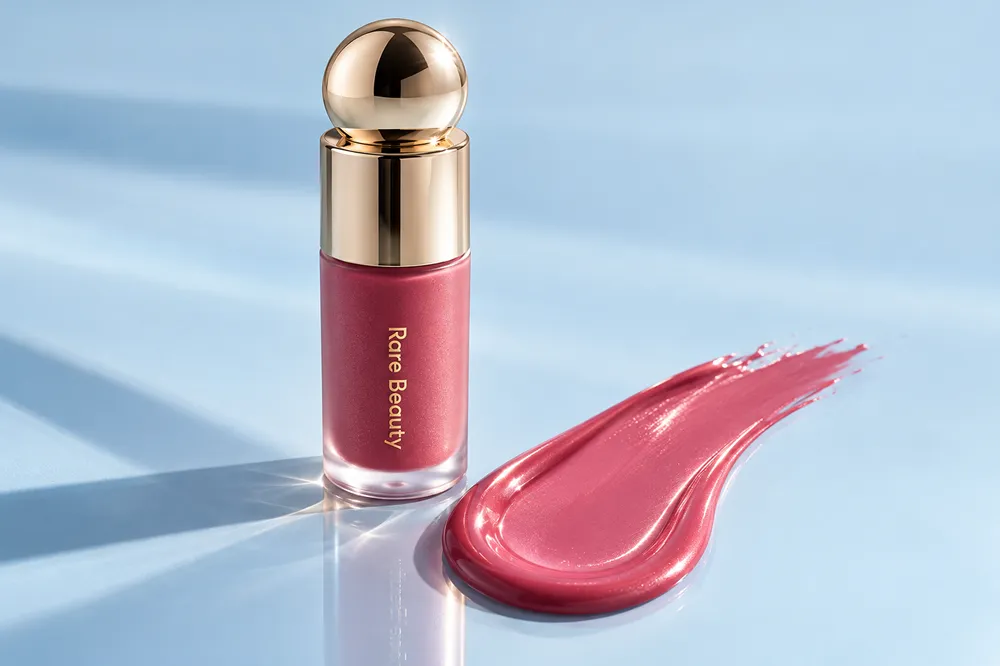
The product position sits between mass-market cosmetics and luxury beauty. The company emphasizes easy application, inclusive shade options and a recognizable visual system rather than prestige through scarcity. Rare Beauty’s Liquid Touch foundation and concealer each launched in 48 shades, while the broader Rare Beauty products range has expanded well beyond complexion.
- Direct ecommerce and retail distribution reduce dependence on a single shopping path.
- The brand message centers on self acceptance, connecting product positioning with the founder’s public narrative.
- Its clean typography, soft color system and distinctive packaging make visual identity part of product recognition.
Financial Performance and Valuation Context
The strongest public evidence does not support describing Rare Beauty as a verified $2.7 billion company in 2025. The Business of Fashion reported that Rare Beauty crossed $400 million in net sales in the 12 months ending in February 2024. TIME later reported roughly $400 million in annual sales and a widely cited $2 billion valuation estimate in 2024.
That valuation needs a date attached. Axios reported in September 2024 that a sale process had been paused and cautioned that the company had not established a $2 billion transaction value. Earlier reporting also showed that Rare Beauty had explored strategic options, so the old claim that Gomez simply declined outside investment was too categorical.
- Rare Beauty had crossed about $400 million in annual or trailing-12-month sales by 2024, depending on the reporting period.
- TIME described the Soft Pinch Liquid Blush as a major revenue driver, but the original article’s undated three-million-unit claim has been removed.
- Private-company valuation estimates should be treated as historical reporting, not a current audited value.
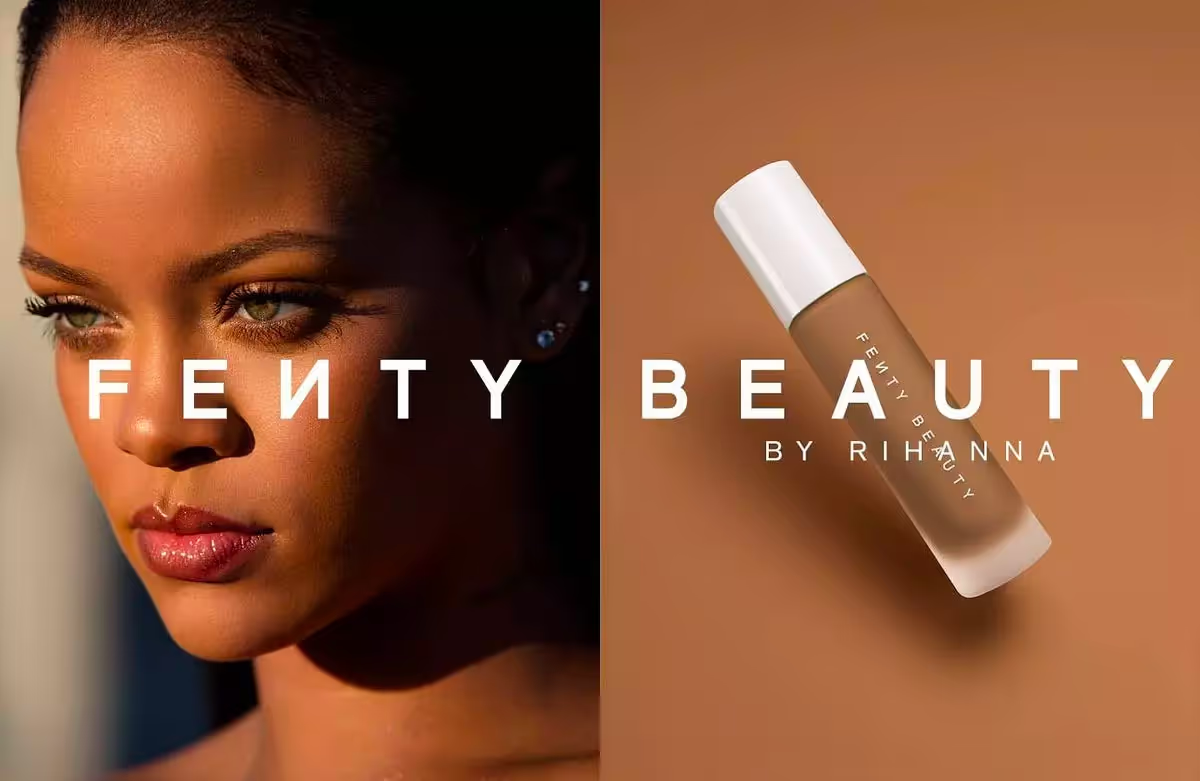
Fenty Beauty Marketing Strategy: How Inclusivity Changed Beauty
Marketing Strategy and Community Building
Rare Beauty’s social presence is closely tied to founder visibility, creator demonstrations and everyday product use. Rather than relying only on polished campaign films, the brand frequently uses tutorials, short-form video and community-led content. That approach fits a broader marketing strategy in which social proof and product education reinforce one another.
Selena Gomez’s role matters, but the brand also has to work when she is not in the frame. Creator content across different skin tones and use cases helps demonstrate the product, while mental-health messaging gives the brand a subject beyond makeup. For teams evaluating whether that positioning is genuinely resonating, structured brand research can separate audience evidence from social-media anecdotes.
- Founder tutorials make the celebrity connection feel closer to product use than a conventional endorsement.
- Creator demonstrations give shoppers practical information about shade, texture and application.
- The product and social mission use the same language of individuality and self-acceptance.
View this post on Instagram
A post shared by Rare Beauty by Selena Gomez (@rarebeauty)
Product Range and Innovation
Rare Beauty expanded from complexion and color cosmetics into body care and, in 2025, fragrance. Soft Pinch Liquid Blush remains the best-known hero product, while highlighters, bronzers, lip products and the Find Comfort body-care line give customers more ways to enter the brand. The existing fragrance launch below shows how Rare Beauty used social content to introduce a new category.
Product expansion increases the importance of consistent graphic design across packaging and launch assets. It also creates an ecommerce challenge: a wider assortment needs clear navigation and product education so the brand does not lose the simplicity that helped its early products stand out.
@rarebeauty Founder @Selena Gomez made this fragrance for every Rare moment 🫶 Rare Eau de Parfum launches August 7 only @sephora, Sephora @Kohl’s, and rarebeauty.com #rarebeauty #rarefragrance #newrarebeauty #scenttok #fragrancetok #perfumetok #selenagomez ♬ original sound - Rare Beauty
Rare Impact Fund, Mental Health and Inclusivity
Rare Beauty says it donates 1 percent of annual Rare Beauty sales to the Rare Impact Fund, which aims to mobilize $100 million for youth mental-health resources. That is a defined funding mechanism, not just a campaign theme. It gives the company’s mental-health positioning an organizational structure outside product advertising.
The distinction matters for not-for-profit marketing too: mission communication is stronger when audiences can see where support goes, who benefits and how the initiative is governed. Rare Beauty’s cause work also reinforces its broader positioning around self-acceptance without requiring every product post to become a mental-health message.

Rare Beauty’s Future: Purpose, Product and Brand Discipline
Rare Beauty’s rise is best understood as the combination of product demand, founder visibility, retail distribution and a mission that is structurally connected to the company. The existing Rare Beauty business model link remains useful as an outside case-study perspective, but current valuation and growth claims should be dated rather than presented as permanent facts.
From a branding agency perspective, the lesson is not to copy Rare Beauty’s celebrity-founder formula. Strong branding services align product, identity, customer experience and purpose around a clear position. Teams reviewing that alignment can use a focused marketing consultation to identify where the brand or customer journey needs the most work, without implying Brand Vision had any role in Rare Beauty’s development.
Check out our other marketing reports
- The Branding and Marketing Genius of the Kardashian Family
- Top Adidas Ads That Changed the Game: Legendary Campaigns That Still Inspire
- Top 10 Commercials of All Time: The Most Iconic & Influential Ads Ever
- The Best Nike Ads of All Time: Iconic Campaigns That Shaped Sports Adverstising
- Best Apple Ads of All Time: Iconic Campaigns That Changed Advertising
- The Best Starbucks Ads of All Time
- From Ronald to Jollibee: 10 Iconic Fast Food Mascots That Shaped the Industry
- Top 10 March Madness Ads of All Time: Iconic Campaigns That Scored Big
- How Did Tesla's Marketing Strategy Rewrite The Marketing Playbook
- Starbucks Marketing Strategy: Creating A Global Brand
- Chappell Roan: Marketing Strategies Behind Her Rise to Fame
- Drake’s Success and Marketing Tactics: The Story Behind The Invincible Genius
- TikTok’s Marketing Strategy: A Revolution in Creativity and Connection
- The Marketing Strategy of Walmart: A Store That Feels Like Home
- Aston Martin’s Marketing Strategy: Dominating Elegant Automobiles
- Spotify’s Marketing Strategy: A Masterclass in Personalization and Community
- Shein's Marketing Strategy: How They Dominated Global Fashion
- Burberry’s Marketing Strategy: Crafting the Iconic British Brand
- The Marketing Strategy of Hermès